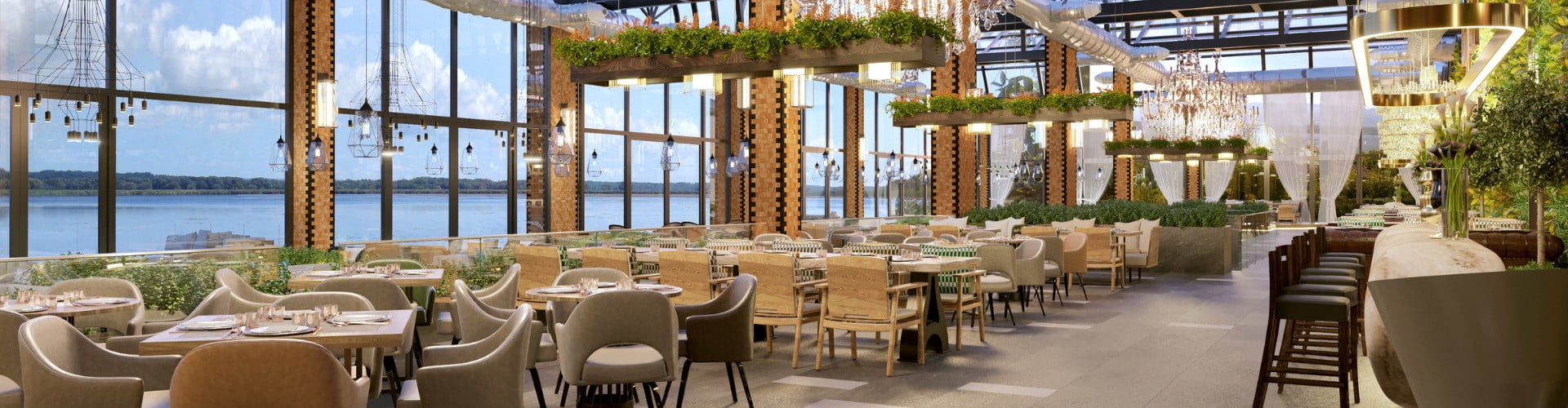
餐館
探索餐廳能源效益設計指南,其中高效的照明控制是營造舒適氛圍同時降低能源消耗的關鍵。

為您的餐館善用自動化照明控制的力量
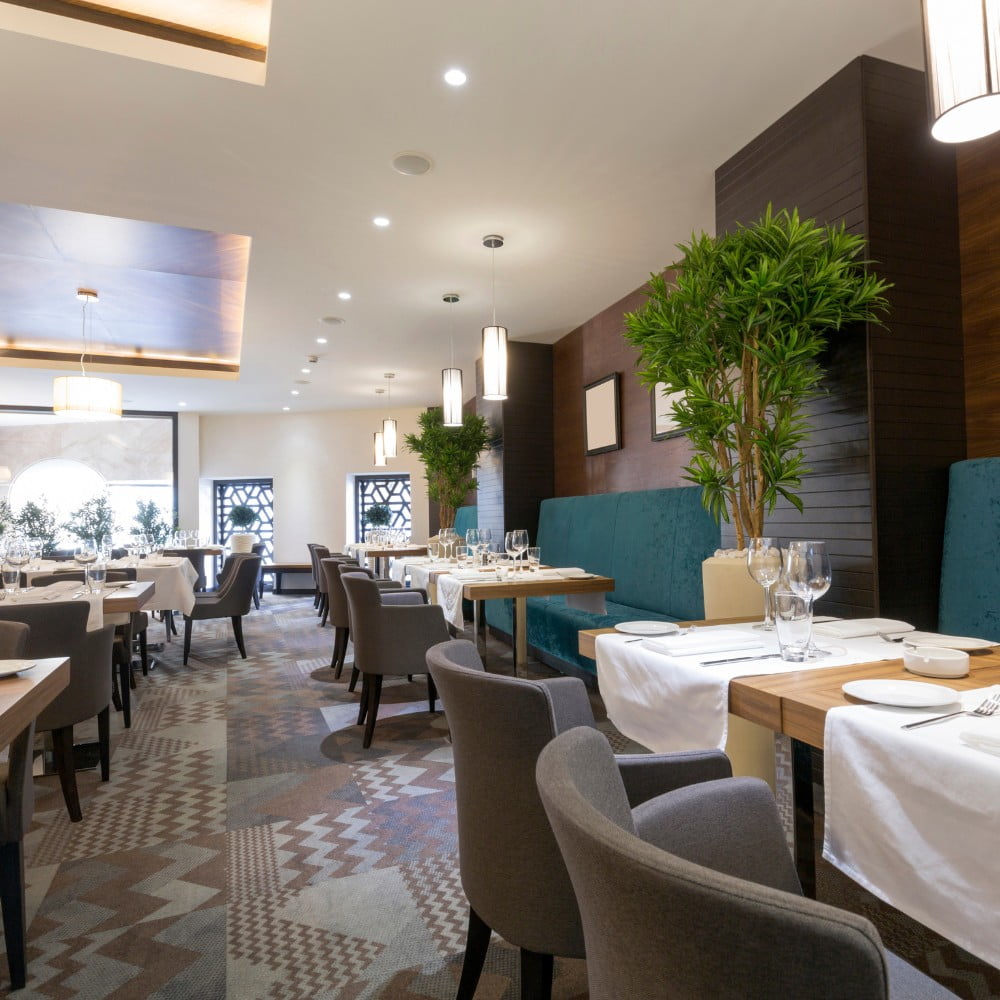
餐館是熱鬧非凡的空間,瀰漫著美食的香氣,夾雜著餐具的碰撞聲和顧客的交談聲。然而,在幕後,它們也是高能源消耗的區域,尤其是在照明方面。從營造氛圍的溫暖環境照明,到廚房的明亮工作照明,再到儲物區的安全照明,餐館使用了各種不同的照明類型,而所有這些都會消耗大量的能源。
此外,餐館不固定且較長的營業時間往往導致燈光在不必要時依然開啟,造成嚴重的能源浪費。這不僅影響餐館的盈利狀況,也加劇了更廣泛的能源節約問題。
為了了解決這個問題,Rayzeek 提供了佔用感應器(Occupancy Sensors)解決方案。這些感應器可以根據是否有人存在來自動控制燈光,從而大幅降低能源消耗。在餐館環境中,這意味著用餐區、廚房、洗手間和儲物區的燈光可以在這些空間未使用時自動關閉,無需任何人工干預。這不僅能節省能源,還符合美國能源法規/能源標準所設定的能源效益要求。
符合能源法規

《國際能源節約規範》(International Energy Conservation Code,簡稱 IECC)是由國際規範委員會(International Code Council,簡稱 ICC)制定的示範規範,旨在確立建築物能源效益的最低設計與建造要求。IECC 每三年更新一次,以納入最新的能源節約實踐與技術。
IECC:為何您需要關注
IECC 已被美國各州和地方政府廣泛採用。IECC 涵蓋能源使用的多個方面,包括建築外圍結構(牆壁、屋頂和窗戶)、供暖與制冷系統,以及照明系統。
IECC 強制要求使用特定的照明控制設備(例如佔用感應器),以最大限度地減少各區域無人空間的能源浪費。

ANSI/ASHRAE/IES Standard 90.1(除低層住宅建築外的地點與建築能源標準)是由美國採暖、制冷與空調工程師學會(ASHRAE)發布的廣受認可之能源標準。
ASHRAE 90.1:為何您需要關注
ASHRAE 90.1 被用作全美建築能源法規的基準,並作為 IECC 內部的合規途徑,其中概述了商業建築組件(包括建築外圍結構、HVAC 系統、水加熱系統和照明系統)能源效益表現的最低要求。
ASHRAE 90.1 標準規定了最大允許照明功率密度和最低照明控制要求,包括在特定區域使用佔用感應器。

Title 24 為加州建築標準法規第 6 部分,官方稱為《住宅與非住宅建築能源效益標準》。Title 24 由加州能源委員會管理,並定期更新以反映新的能源效益技術與方法。
Title 24:為何您需要關注
Title 24 以其嚴格的要求而聞名,通常被認為比美國許多其他能源法規更為嚴格。Title 24 對建築施工的所有方面(包括供暖、通風、空調 (HVAC)、水加熱和照明)都制定了嚴格的能源表現標準。
Title 24 要求在商業建築的特定區域安裝佔用感應器,根據房間的佔用情況調節燈光,以確保不會浪費能源。
按州劃分的能源法規採用情況
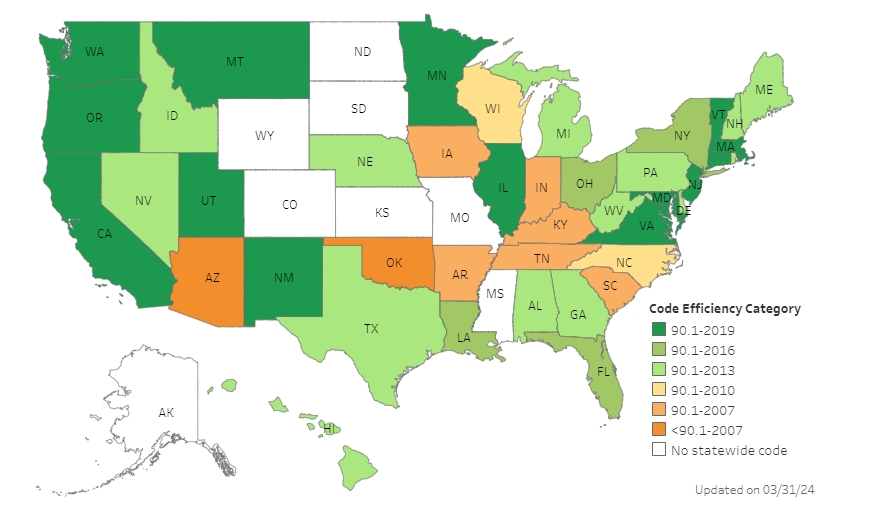
展開以查看詳細表格 ↓
| 州份 | 現行商業法規 | 商業法規效益類別 |
|---|---|---|
| 阿拉巴馬州 | 90.1-2013 | 90.1-2013 |
| 阿拉斯加州 | 無全州統一規範 | 無全州統一法規 |
| 亞利桑那州 | 地方自治 | <90.1-2007 |
| 阿肯色州 | 2009 IECC 及 90.1-2007 | 90.1-2007 |
| 加利福尼亞州 | 2022年建築能源效益標準 | 90.1-2019 |
| 科羅拉多州 | 地方自治 | 無全州統一法規 |
| 康涅狄格州 | 2021 IECC 及 90.1-2019 | 90.1-2019 |
| 特拉華州 | 2018 IECC 及 90.1-2016 | 90.1-2013 |
| 哥倫比亞特區 | 90.1-2013^ | 90.1-2019 |
| 佛羅里達州 | 2021 IECC 及 90.1-2019^ | 90.1-2016 |
| 佐治亞州 | 2015 IECC 及 90.1-2013^ | 90.1-2013 |
| 夏威夷州 | 地方自治 | 90.1-2013 |
| 愛達荷州 | 2018 IECC 及 90.1-2016 | 90.1-2013 |
| 伊利諾伊州 | 2021 IECC 及 90.1-2019 | 90.1-2019 |
| 印第安納州 | 90.1-2007 | 90.1-2007 |
| 愛荷華州 | 2012 IECC 與 90.1-2010 | 90.1-2007 |
| 堪薩斯州 | 地方自治 | 無全州統一法規 |
| 肯塔基州 | 2012 IECC 與 90.1-2010 | 90.1-2007 |
| 路易斯安那州 | 2021 IECC 及 90.1-2019^ | 90.1-2016 |
| 緬因州 | 2015 IECC 與 90.1-2013 | 90.1-2013 |
| 馬里蘭州 | 2021 IECC 及 90.1-2019^ | 90.1-2019 |
| 麻省 | 2018 IECC 與 90.1-2016^ | 90.1-2019 |
| 密歇根州 | 2015 IECC 及 90.1-2013^ | 90.1-2013 |
| 明尼蘇達州 | 90.1-2019^ | 90.1-2019 |
| 密西西比州 | 無全州統一規範 | 無全州統一法規 |
| 密蘇里州 | 地方自治 | 無全州統一法規 |
| 蒙大拿州 | 2021 IECC 及 90.1-2019 | 90.1-2019 |
| Nebraska | 2018 IECC 及 90.1-2016 | 90.1-2013 |
| Nevada | 2018 IECC 及 90.1-2016 | 90.1-2013 |
| New Hampshire | 2018 IECC 與 90.1-2016^ | 90.1-2013 |
| New Jersey | 90.1-2019 | 90.1-2019 |
| New Mexico | 2021 IECC 及 90.1-2019^ | 90.1-2019 |
| New York | 2018 IECC 與 90.1-2016^ | 90.1-2016 |
| North Carolina | 2015 IECC 及 90.1-2013^ | 90.1-2010 |
| North Dakota | 地方自治 | 無全州統一法規 |
| Ohio | 2021 IECC 及 90.1-2019^ | 90.1-2016 |
| Oklahoma | 2006 IECC and 90.1-2004 | <90.1-2007 |
| Oregon | 90.1-2019 | 90.1-2019 |
| Pennsylvania | 2018 IECC 及 90.1-2016 | 90.1-2013 |
| Rhode Island | 2018 IECC 與 90.1-2016^ | 90.1-2013 |
| South Carolina | 2009 IECC 及 90.1-2007 | 90.1-2007 |
| South Dakota | 地方自治 | 無全州統一法規 |
| Tennessee | 2021 IECC and 90.1-2013 | 90.1-2007 |
| Texas | 2015 IECC 與 90.1-2013 | 90.1-2013 |
| Utah | 2021 IECC 及 90.1-2019^ | 90.1-2019 |
| Vermont | 2021 IECC 及 90.1-2019^ | 90.1-2019 |
| Virginia | 2021 IECC 及 90.1-2019^ | 90.1-2019 |
| Washington | 2018 Washington State Energy Code | 90.1-2019 |
| Tennessee | 2012 IECC 與 90.1-2010 | 90.1-2007 |
| Texas | 2015 IECC 與 90.1-2013 | 90.1-2013 |
| Utah | 2021 IECC 及 90.1-2019^ | 90.1-2019 |
| Vermont | 2018 IECC 與 90.1-2016^ | 90.1-2019 |
| Virginia | 2021 IECC 及 90.1-2019^ | 90.1-2019 |
| Washington | 2018 Washington State Energy Code | 90.1-2019 |
| West Virginia | 90.1-2013 | 90.1-2013 |
| Wisconsin | 2015 IECC 及 90.1-2013^ | 90.1-2010 |
| Wyoming | 地方自治 | 無全州統一法規 |
- ^ When an amendment impacting energy efficiency can be quantified using DOE Prototype Building Models, they were captured in the analysis.
- For states adopting both IECC and 90.1, the IECC code is usually analyzed as the state current code in this study except for states with extensive amendments to the IECC.
Design Guide Key Concepts for Restaurants
Designing an energy-efficient lighting control solution for restaurants involves strategic placement of occupancy sensors to ensure comprehensive coverage of the space.
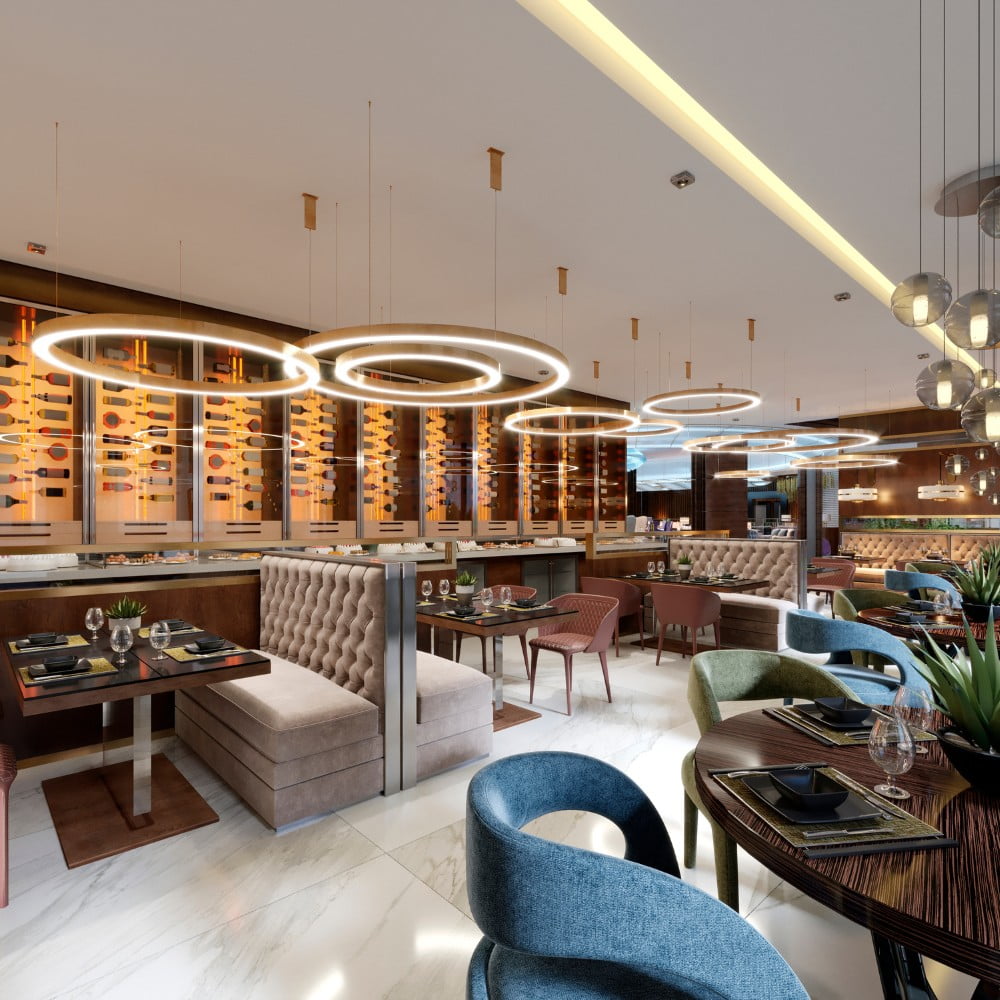
In a restaurant setting, the placement of occupancy sensors can be tailored to the specific needs of each area. Here’s a possible design guide:
- Dining Area: Ceiling occupancy sensors can be installed to cover the main dining area. These sensors can automatically turn on the lights when guests are seated and turn them off when the area is vacant. To avoid any blind spots, ensure that the coverage areas of these sensors overlap. This ensures that the dining area is always well-lit when needed, enhancing the dining experience while saving energy.
- 廚房: Given the high activity level in restaurant kitchens, wall occupancy/vacancy sensors can be installed. These sensors can be manually turned on at the start of the day and when the kitchen is not in use, especially during off-peak hours, the lights can be automatically turned off, reducing unnecessary energy consumption.
- Restrooms: Restrooms in restaurants are ideal for ceiling occupancy sensors. These sensors can automatically control lighting based on occupancy, ensuring lights are not left on unnecessarily.
- Storage and Utility Rooms: In storage and utility rooms, where occupancy is sporadic, wall occupancy/vacancy sensors can be installed. These sensors can automatically turn the lights on when someone enters the room and off when the room is vacant.
- Manual Control: All lighting can be manually turned ON/OFF using the integrated controls in our occupancy/vacancy sensors. This provides flexibility for staff to control lighting based on specific needs or situations.
Featured Products & Solutions
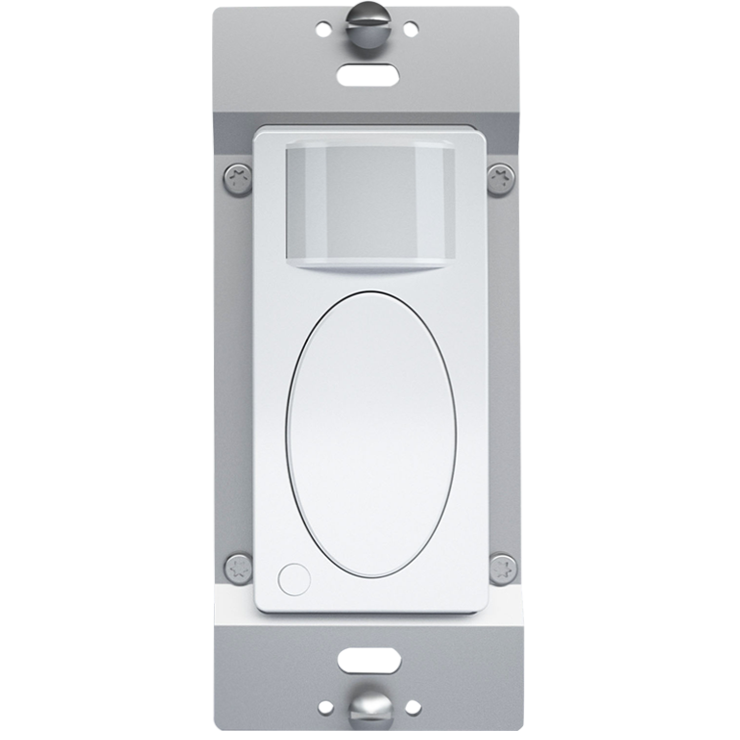
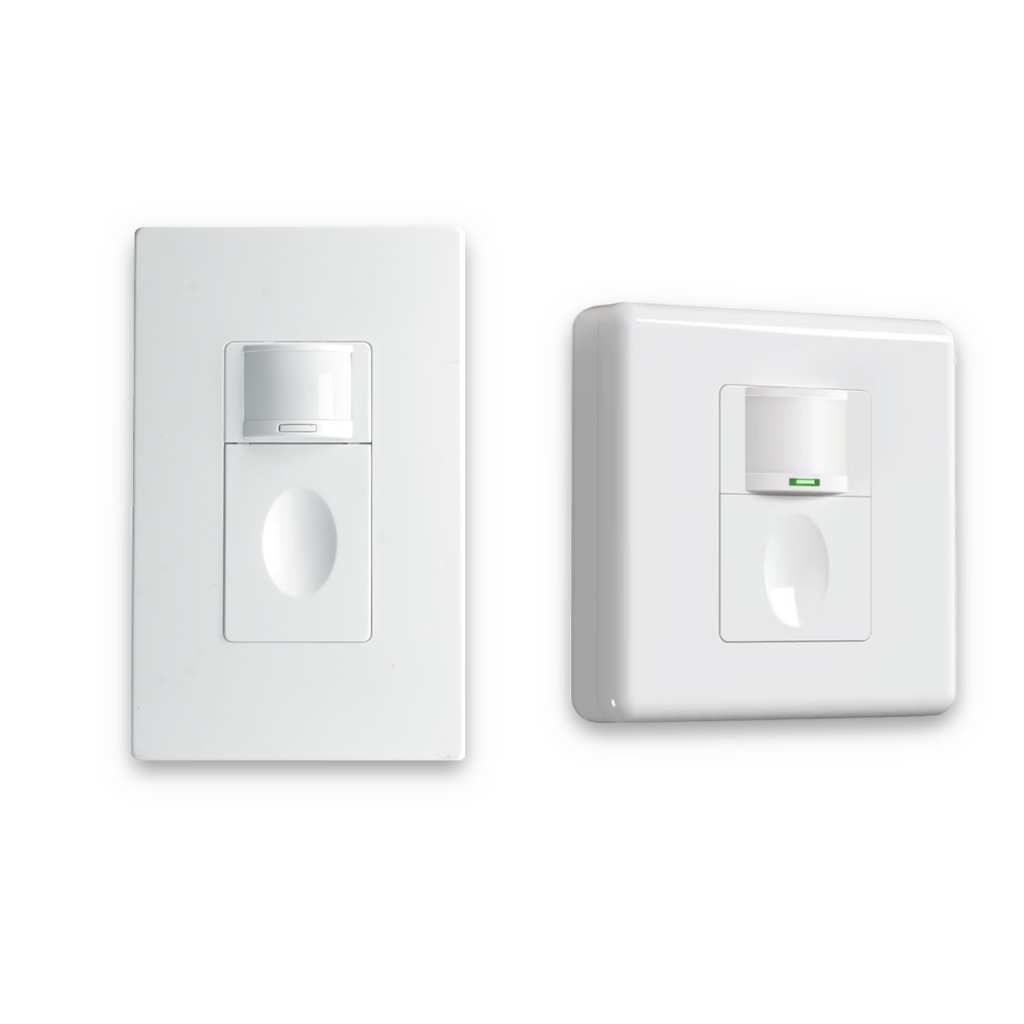
Wall Sensor Switches
RZ020/021 Motion Sensor Switches
- 2-wire, 3-wire, 4-wires wiring options
- Occupancy, Vacancy, Manual ON/OFF
- Adjustive time delay and ambient light control
Multi-Location Wireless Wall Sensors
RZ020A/021A + RZ022W Kits
- Hardwired RZ021A/022A occupancy sensor switch
- Wireless companion switch (RZ022W) for multi-location control

Ceiling Occupancy Sensors
RZ036
- Hardwired occupancy sensors
- Auto ON, auto OFF
- Line voltage and Low voltage available
Core features included:
- Integrated manual ON/OFF control for all lighting
- Vacancy sensors (Manual ON only): Lights must be turned on manually only
- Adjustable time-delay, lighting is automatically turned full OFF after 15mins
- Additional: multi-location wireless kits to expand the control range without re-wring
- Additional: multiple wiring options available for both new constructions and retrofit projects.
Meets the Mandatory Provisions
IECC – 2011
C405.2.1 Occupant sensor controls
Occupant sensor controls shall be installed to control lights in the space.
C405.2.1.1 Occupant sensor control functions
- Manual on or partial on to no more than 50% power.
- Full off within 20 minutes after all occupants have left the space
- A manual control to turn off the lights.
ASHRAE 90.1 – 2022
9.4.1.1 a Local control
There shall be one or more manual lighting control device that provides ON and OFF control
of all lighting in the space.
9.4.1.1 b Restricted to manual ON
None of the lighting shall be automatically turned on
9.4.1.1 c Restricted to partial automatic ON
No more than 50% of the lighting power for the general lighting shall be allowed to be automatically turned on
** NOTE: At least one 9.4.1.1 b or 9.4.1.1 c shall be implemented.
9.4.1.1 H Automatic full OFF control
All lighting in the space shall be automatically shut off within 20 minutes of all occupants leaving the space
Title 24 – 2022
130.1 (a) Manual area controls.
Each area enclosed by ceiling-height partitions shall provide lighting controls that allow the lighting in that area to be manually turned on and off.
130.1 (c) Shut-OFF Controls.
Lighting shall be controlled with occupant sensing controls to automatically shut OFF all of the lighting in 20 minutes or less after the control zone is unoccupied that shall function either as:
- A. Occupant sensing controls (if 130.1(b) not required to have multi-level lighting controls); or
- B. Partial-ON occupant sensing controls, or
- C. Vacancy sensing controls, where all lighting responds to a manual ON input only
Let us hear you.
Let Rayzeek help design and deliver a bespoke energy-saving lighting solution for you.