
Velkoprostorové kanceláře
Objevte sílu automatizovaného řízení osvětlení, které zvyšuje efektivitu a snižuje plytvání energií. Zjistěte, jak optimalizovat řízení osvětlení pro vyšší efektivitu a komfort na Vašem pracovišti.

Revoluce v osvětlení velkoprostorových kanceláří díky chytrým senzorům přítomnosti
Velkoprostorové kanceláře, charakteristické svými rozlehlými plochami a kójovými přepážkami, jsou běžným prvkem mnoha moderních pracovišť. Tato místa obvykle kypí životem a jsou plná zaměstnanců, kteří zde pracují, spolupracují a pohybují se. Rozsáhlá plocha vyžaduje dostatečné osvětlení, které často zajišťují svítidla s vysokou intenzitou. Tato světla, ponechaná rozsvícená po celý pracovní den, spotřebovávají značné množství energie. Světla navíc často zůstávají rozsvícená i v době, kdy je kancelář prázdná, například mimo pracovní dobu nebo během obědových přestávek, což vede k zbytečné spotřebě energie.
Vysoká spotřeba energie na osvětlení ve velkoprostorových kancelářích představuje problém z ekologických i ekonomických důvodů. Vzhledem k rostoucímu důrazu na energetickou účinnost a udržitelnost hledají firmy způsoby, jak snížit svou energetickou stopu. Náklady na energii navíc mohou tvořit významnou část provozních výdajů společnosti, takže opatření ke úspoře energie představují i rozumné finanční rozhodnutí.
Vhodné řešení tohoto problému představuje integrace senzorů přítomnosti do velkoprostorových kanceláří. Senzory přítomnosti dokážou automaticky řídit osvětlení na základě přítomnosti osob v prostoru, čímž výrazně snižují zbytečnou spotřebu energie. Pokud je kancelář prázdná,senzory mohou světla automaticky vypnout nebo ztlumit, a tím šetřit energii. Díky bezproblémové integraci našich senzorů do uspořádání Vaší velkoprostorové kanceláře můžete svůj prostor přeměnit na energeticky úsporné pracoviště, které splňuje přísné požadavky amerických energetických předpisů US Energy Codes.
Splnění energetických předpisů

International Energy Conservation Code (IECC) je vzorový předpis vyvinutý organizací International Code Council (ICC) za účelem stanovení minimálních požadavků na návrh a konstrukci z hlediska energetické účinnosti budov. Předpis IECC je aktualizován každé tři roky, aby zohledňoval nejnovější postupy a technologie v oblasti úspory energie.
IECC a proč by vás měl zajímat
Předpis IECC je široce přijímán jednotlivými státy i samosprávami po celých Spojených státech. IECC pokrývá různé oblasti využití energie, včetně obálky budovy (stěny, střechy a okna), systémů vytápění a chlazení a osvětlovacích soustav.
Předpis IECC vyžaduje specifické prvky řízení osvětlení, jako jsou senzory přítomnosti, které minimalizují plytvání energií v neobsazených prostorech v různých oblastech.

Standard ANSI/ASHRAE/IES 90.1, Energy Standard for Sites and Buildings Except Low-Rise Residential Buildings, je široce uznávaný energetický standard vydávaný Americkou společností inženýrů pro vytápění, chlazení a klimatizaci (ASHRAE).
ASHRAE 90.1 a proč by vás měl zajímat
Standard ASHRAE 90.1 se používá jako srovnávací základna pro energetické předpisy budov po celých Spojených státech a slouží jako cesta k prokázání shody v rámci IECC. Definujeme minimální požadavky na energetickou účinnost prvků komerčních budov, včetně obálek budov, systémů HVAC, systémů ohřevu vody a osvětlovacích soustav.
Standard ASHRAE 90.1 stanovuje maximální povolenou hustotu příkonu osvětlení a minimální požadavky na řízení osvětlení, včetně použití senzorů přítomnosti v konkrétních prostorech.

Title 24, část 6 předpisu California Building Standards Code, oficiálně známá jako Building Energy Efficiency Standards for Residential and Nonresidential Buildings, je spravována orgánem California Energy Commission a pravidelně aktualizována s ohledem na nové technologie a metody energetické účinnosti.
Title 24 a proč by vás měl zajímat
Title 24 je známý svými přísnými požadavky, které jsou často považovány za náročnější než požadavky obsažené v mnoha jiných energetických předpisech napříč Spojenými státy. Title 24 vyžaduje přísné standardy energetické náročnosti pro všechny aspekty výstavby budov, což zahrnuje vytápění, větrání, klimatizaci (HVAC), ohřev vody a osvětlení.
Title 24 vyžaduje instalaci senzorů přítomnosti, které upravují osvětlení na základě obsazenosti místností v konkrétních prostorech komerčních budov, aby nedocházelo k plytvání energií.
Míra přijetí energetických předpisů podle států
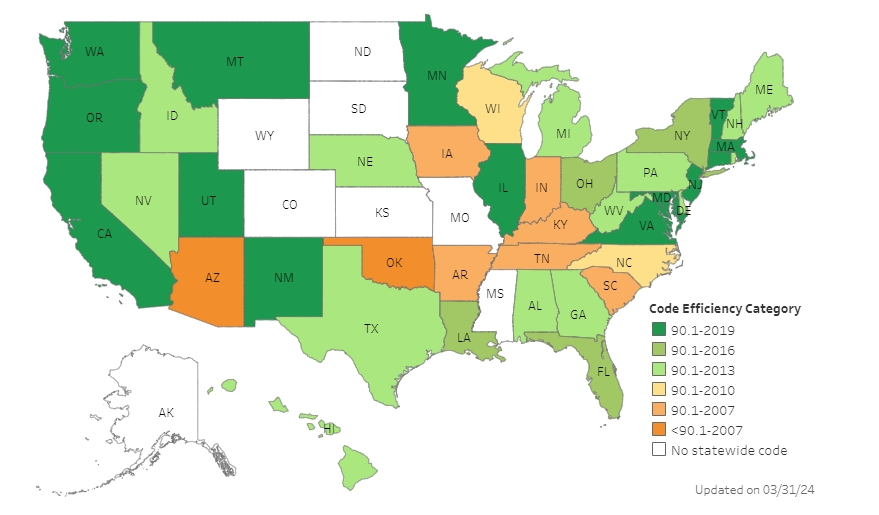
Rozbalte pro zobrazení podrobné tabulky ↓
| Stát | Platný komerční předpis | Kategorie účinnosti komerčního předpisu |
|---|---|---|
| Alabama | 90.1-2013 | 90.1-2013 |
| Aljaška | Žádný celostátní | Žádný celostátní předpis |
| Arizona | Místní samospráva (Home rule) | <90.1-2007 |
| Arkansas | 2009 IECC a 90.1-2007 | 90.1-2007 |
| Kalifornie | Normy energetické účinnosti budov z roku 2022 | 90.1-2019 |
| Colorado | Místní samospráva (Home rule) | Žádný celostátní předpis |
| Connecticut | 2021 IECC a 90.1-2019 | 90.1-2019 |
| Delaware | 2018 IECC a 90.1-2016 | 90.1-2013 |
| District of Columbia | 90.1-2013^ | 90.1-2019 |
| Florida | 2021 IECC a 90.1-2019^ | 90.1-2016 |
| Georgia | 2015 IECC a 90.1-2013^ | 90.1-2013 |
| Havaj | Místní samospráva (Home rule) | 90.1-2013 |
| Idaho | 2018 IECC a 90.1-2016 | 90.1-2013 |
| Illinois | 2021 IECC a 90.1-2019 | 90.1-2019 |
| Indiana | 90.1-2007 | 90.1-2007 |
| Iowa | 2012 IECC and 90.1-2010 | 90.1-2007 |
| Kansas | Místní samospráva (Home rule) | Žádný celostátní předpis |
| Kentucky | 2012 IECC and 90.1-2010 | 90.1-2007 |
| Louisiana | 2021 IECC a 90.1-2019^ | 90.1-2016 |
| Maine | 2015 IECC and 90.1-2013 | 90.1-2013 |
| Maryland | 2021 IECC a 90.1-2019^ | 90.1-2019 |
| Massachusetts | 2018 IECC and 90.1-2016^ | 90.1-2019 |
| Michigan | 2015 IECC a 90.1-2013^ | 90.1-2013 |
| Minnesota | 90.1-2019^ | 90.1-2019 |
| Mississippi | Žádný celostátní | Žádný celostátní předpis |
| Missouri | Místní samospráva (Home rule) | Žádný celostátní předpis |
| Montana | 2021 IECC a 90.1-2019 | 90.1-2019 |
| Nebraska | 2018 IECC a 90.1-2016 | 90.1-2013 |
| Nevada | 2018 IECC a 90.1-2016 | 90.1-2013 |
| New Hampshire | 2018 IECC and 90.1-2016^ | 90.1-2013 |
| New Jersey | 90.1-2019 | 90.1-2019 |
| Nové Mexiko | 2021 IECC a 90.1-2019^ | 90.1-2019 |
| New York | 2018 IECC and 90.1-2016^ | 90.1-2016 |
| Severní Karolína | 2015 IECC a 90.1-2013^ | 90.1-2010 |
| Severní Dakota | Místní samospráva (Home rule) | Žádný celostátní předpis |
| Ohio | 2021 IECC a 90.1-2019^ | 90.1-2016 |
| Oklahoma | 2006 IECC a 90.1-2004 | <90.1-2007 |
| Oregon | 90.1-2019 | 90.1-2019 |
| Pensylvánie | 2018 IECC a 90.1-2016 | 90.1-2013 |
| Rhode Island | 2018 IECC and 90.1-2016^ | 90.1-2013 |
| Jižní Karolína | 2009 IECC a 90.1-2007 | 90.1-2007 |
| Jižní Dakota | Místní samospráva (Home rule) | Žádný celostátní předpis |
| Tennessee | 2021 IECC a 90.1-2013 | 90.1-2007 |
| Texas | 2015 IECC and 90.1-2013 | 90.1-2013 |
| Utah | 2021 IECC a 90.1-2019^ | 90.1-2019 |
| Vermont | 2021 IECC a 90.1-2019^ | 90.1-2019 |
| Virginie | 2021 IECC a 90.1-2019^ | 90.1-2019 |
| Washington | Energetický kodex státu Washington z roku 2018 | 90.1-2019 |
| Tennessee | 2012 IECC and 90.1-2010 | 90.1-2007 |
| Texas | 2015 IECC and 90.1-2013 | 90.1-2013 |
| Utah | 2021 IECC a 90.1-2019^ | 90.1-2019 |
| Vermont | 2018 IECC and 90.1-2016^ | 90.1-2019 |
| Virginie | 2021 IECC a 90.1-2019^ | 90.1-2019 |
| Washington | Energetický kodex státu Washington z roku 2018 | 90.1-2019 |
| Západní Virginie | 90.1-2013 | 90.1-2013 |
| Wisconsin | 2015 IECC a 90.1-2013^ | 90.1-2010 |
| Wyoming | Místní samospráva (Home rule) | Žádný celostátní předpis |
- ^ Pokud lze změnu s dopadem na energetickou účinnost kvantifikovat pomocí prototypových modelů budov DOE, byla do analýzy zahrnuta.
- U států přijímajících normy IECC i 90.1 je v této studii norma IECC obvykle analyzována jako aktuální státní kodex, s výjimkou států s rozsáhlými změnami normy IECC.
Design Guide Key Concepts for Open Offices
Designing an energy-efficient lighting control solution for open offices involves strategic placement of occupancy sensors to ensure comprehensive coverage of the space.

In an open office setting, the primary areas to consider for sensor placement are the main walkways and areas with high foot traffic. These areas are crucial for sensor placement as they are the main areas of human traffic:
- Cover Main Walkways: The main walkways in an open office are the areas with the highest foot traffic. Therefore, these should be the primary focus when placing sensors. Ceiling-mounted sensors are ideal for these areas as they provide a wide coverage area and are strategically placed to cover the entire length.
- Overlap Coverage on Walkways: To avoid blind spots, ensure that the coverage patterns of the sensors overlap along the walkways. This ensures continuous detection as people move through the space, preventing any gaps in sensor coverage.
- Use a Long Timeout: Given the size and activity level in open offices, use a longer timeout setting (15 or 20 minutes) on the sensors. This prevents the lights from turning off too soon when there’s no movement detected for a brief period.
- Consider Wall-Mounted Sensors: If the cubicle walls are short, consider using wall-mounted sensors in addition to ceiling-mounted ones. These can provide additional coverage and ensure that all areas of the office are monitored.
- Avoid Air Vents: Don’t place sensors near air vents. The vibration and airflow can reduce the effectiveness of the sensors. PIR sensors should not be within 4ft of an air vent, and ultrasonic sensors should not be within 6ft of an air vent.
- Manual Control: Incorporate manual controls that are integrated with the occupancy sensors. This allows for manual override to turn ON/OFF all lighting when necessary.
Featured Products & Solutions
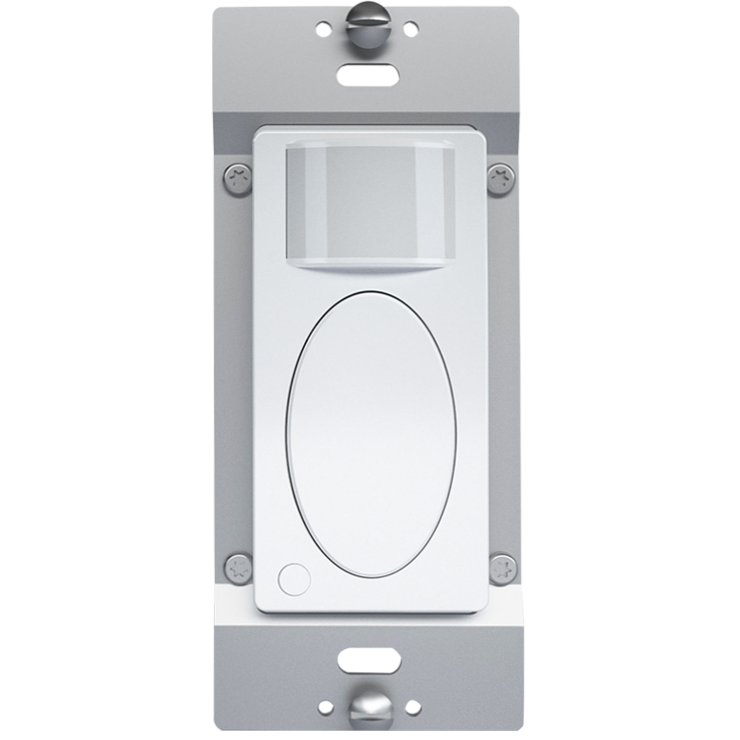
Wall Sensor Switches
RZ020/021 Motion Sensor Switches
- 2-wire, 3-wire, 4-wires wiring options
- Occupancy, Vacancy, Manual ON/OFF
- Adjustive time delay and ambient light control
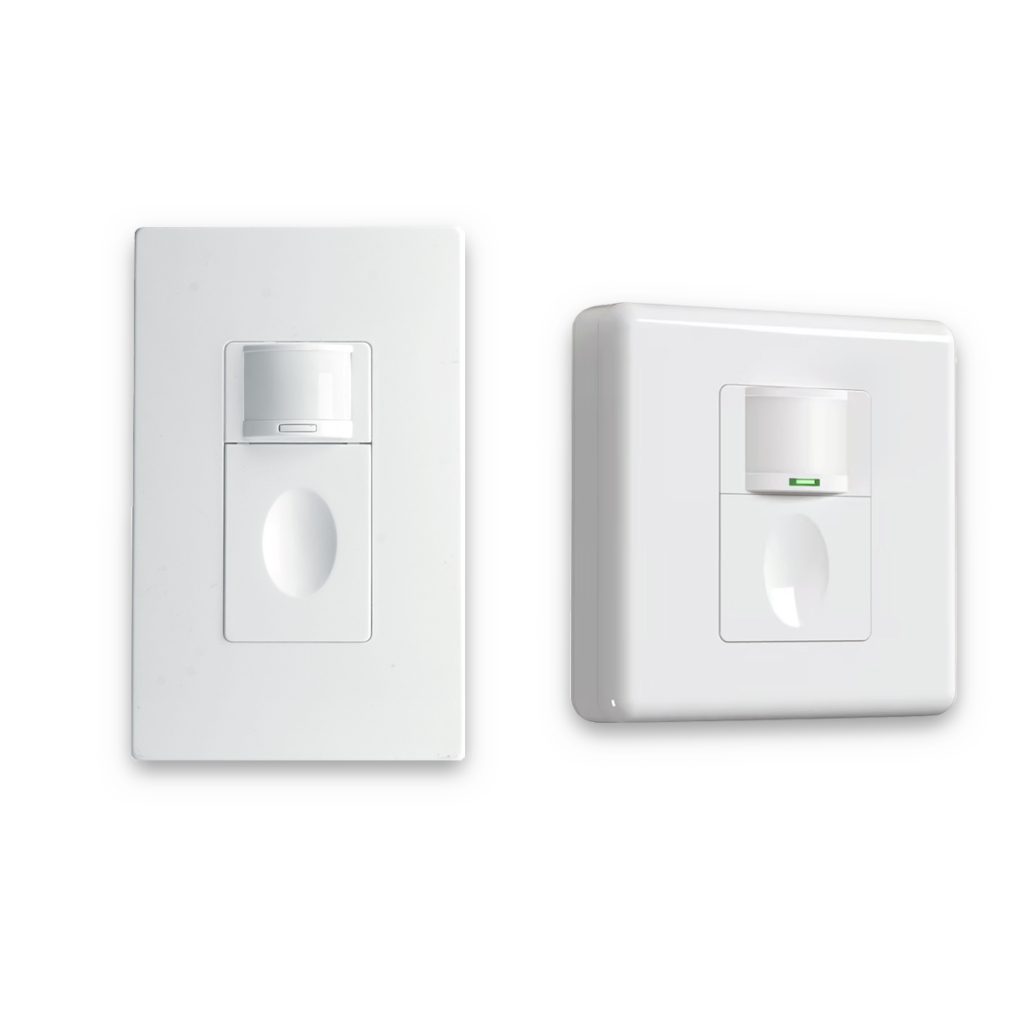
Multi-Location Wireless Wall Sensors
RZ020A/021A + RZ022W Kits
- Hardwired RZ021A/022A occupancy sensor switch
- Wireless companion switch (RZ022W) for multi-location control

Ceiling Occupancy Sensors
RZ036
- Hardwired occupancy sensors
- Auto ON, auto OFF
- Line voltage and Low voltage available
Core features included:
- Integrated manual ON/OFF control for all lighting
- Vacancy sensors (Manual ON only): Lights must be turned on manually only
- Adjustable time-delay, lighting is automatically turned full OFF after 15mins
- Additional: multi-location wireless kits to expand the control range without re-wring
- Additional: multiple wiring options available for both new constructions and retrofit projects.

Meets the Mandatory Provisions
IECC – 2011
C405.2.1 Occupant sensor controls
Occupant sensor controls shall be installed to control lights in the space.
For open offices < 300 sq. ft:
C405.2.1.1 Occupant sensor control functions
- Manual on or partial on to no more than 50% power.
- Full off within 20 minutes after all occupants have left the space
- A manual control to turn off the lights.
For open offices > 300 sq. ft:
- The general lighting shall be controlled separately in control zones with floor areas not greater than 600 sq. ft within the open plan office space.
- In each control zone, the general lighting shall be permitted to automatically turn on within the control zone. In other unoccupied zones, the general lighting shall be permitted to turn on to < 20% full power(or unaffected).
- Automatically turn off general lighting in all control zones within 20 minutes after all occupants have left the space.
- In each control zone, the general lighting shall turn off or uniformly reduce lighting power to an unoccupied setpoint of < 20% full power within 20 minutes after all occupants have left.
ASHRAE 90.1 – 2022
For open offices in any sizes:
9.4.1.1 a Local control
There shall be one or more manual lighting control device that provides ON and OFF control
of all lighting in the space.
9.4.1.1 b Restricted to manual ON
None of the lighting shall be automatically turned on
9.4.1.1 c Restricted to partial automatic ON
No more than 50% of the lighting power for the general lighting shall be allowed to be automatically turned on
** NOTE: At least one 9.4.1.1 b or 9.4.1.1 c shall be implemented.
9.4.1.1 H Automatic full OFF control
All lighting in the space shall be automatically shut off within 20 minutes of all occupants leaving the space
Additionally, for open offices > 300 sq. ft:
9.4.1.1 g Automatic reduction control
The general lighting power in the space shall be automatically reduced by at least 50% within 15 minutes of all occupants leaving the space.
Title 24 – 2022
For open offices in any sizes:
130.1 (a) Manual area controls.
Each area enclosed by ceiling-height partitions shall provide lighting controls that allow the lighting in that area to be manually turned on and off.
130.1 (c) Shut-OFF Controls.
Additionally, for open offices <250 sq. ft:
130.1 (c) 5. Occupant sensing controls are required for specified offices.
Lighting shall be controlled with occupant sensing controls to automatically shut OFF all of the lighting in 20 minutes or less after the control zone is unoccupied that shall function either as:
- A. Occupant sensing controls (if 130.1(b) not required to have multi-level lighting controls); or
- B. Partial-ON occupant sensing controls, or
- C. Vacancy sensing controls, where all lighting responds to a manual ON input only
Additionally, for open offices > 250 sq. ft:
130.1 (c) 6. Full or partial-OFF occupant sensing controls are required for offices greater than 250 square feet.
In office spaces greater than 250 square feet, general lighting shall be controlled with occupant sensing controls that meet all of the following:
- Lighting shall be controlled separately in control zones not greater than 600 square feet. For luminaires with an embedded occupant sensor that are capable of reducing power independently from other luminaires, each luminaire can be considered its own control zone
- The occupant sensing controls shall uniformly reduce lighting power in the control zone by at least 80% full power(or off) in 20 minutes or less after the control zone is unoccupied.
- The occupant sensing controls shall automatically turn off lighting in ALL control zones in 20 minutes or less after the entire office space is unoccupied
- When occupancy is detected:
- in each control zone, lighting shall be allowed to automatically turn on to any level up to full power.
- in other control zones that are unoccupied, lighting shall operate at no more than 20% full power.
Let us hear you.
Let Rayzeek help design and deliver a bespoke energy-saving lighting solution for you.