
Classrooms
Discover the energy-saving potential of classrooms with Rayzeek’s occupancy sensor design guide. Learn how to meet energy code requirements while creating a more efficient learning environment.
Transforming Classrooms into Energy-Efficient Learning Spaces
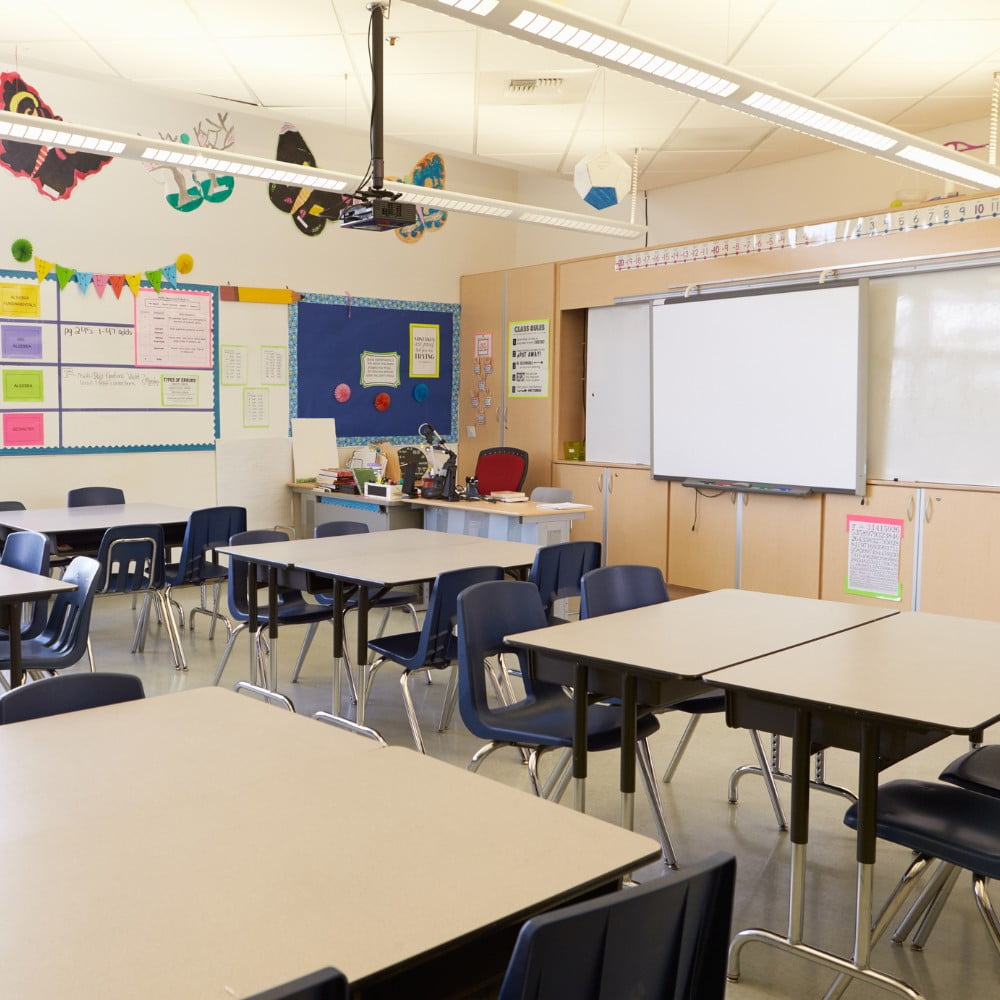
Classrooms are dynamic spaces that serve as the foundation for learning and development. They are often filled with a variety of lighting fixtures, from overhead lights to task lighting, all of which contribute to a significant amount of energy consumption. The lighting in these spaces is typically left on for extended periods, even when the room is unoccupied, leading to unnecessary energy waste.
In a typical classroom, the lighting needs can vary greatly depending on the time of day, the activities taking place, and the number of occupants. This variability makes it challenging to manage lighting effectively and efficiently. As a result, there is a pressing need for solutions that can automatically control lighting based on occupancy, thereby reducing unnecessary energy consumption.
The need for energy conservation in classrooms is clear, and one of the most effective solutions is the use of occupancy sensors. These devices can automatically turn off lights when a room is vacant, significantly reducing energy consumption. With Rayzeek’s range of occupancy sensors, classrooms can become more energy-efficient, meeting the requirements of energy codes while also reducing operational costs.
ปฏิบัติตามมาตรฐานการอนุรักษ์พลังงาน

International Energy Conservation Code (IECC) คือประมวลข้อกำหนดมาตรฐานที่พัฒนาโดย International Code Council (ICC) เพื่อกำหนดข้อกำหนดขั้นต่ำด้านการออกแบบและการก่อสร้างสำหรับการใช้พลังงานอย่างมีประสิทธิภาพในอาคาร ทั้งนี้ IECC จะมีการปรับปรุงข้อมูลให้ทันสมัยในทุกๆ สามปี เพื่อรวบรวมแนวปฏิบัติและเทคโนโลยีล่าสุดด้านการอนุรักษ์พลังงาน.
ทำไมคุณจึงควรใส่ใจ IECC
IECC ได้รับการนำไปใช้อย่างแพร่หลายในรัฐและเทศบาลต่างๆ ทั่วสหรัฐอเมริกา โดย IECC ครอบคลุมการใช้พลังงานในหลากหลายแง่มุม รวมถึงกรอบอาคาร (ผนัง หลังคา และหน้าต่าง) ระบบปรับอากาศและระบายอากาศ และระบบแสงสว่าง.
IECC กำหนดให้มีการควบคุมระบบแสงสว่างเฉพาะ เช่น การใช้เซนเซอร์ตรวจจับการเปิด-ปิดไฟอัตโนมัติ เพื่อลดการสูญเสียพลังงานในพื้นที่ที่ไม่มีผู้ใช้งานตามจุดต่างๆ.

มาตรฐาน ANSI/ASHRAE/IES 90.1 (Energy Standard for Sites and Buildings Except Low-Rise Residential Buildings) เป็นมาตรฐานด้านพลังงานที่ได้รับความยินยอมรับอย่างแพร่หลาย ซึ่งจัดทำโดย American Society of Heating, Refrigerating and Air-Conditioning Engineers (ASHRAE).
ทำไมคุณจึงควรใส่ใจ ASHRAE 90.1
ASHRAE 90.1 ถูกใช้เป็นเกณฑ์มาตรฐานสำหรับกฎหมายการอนุรักษ์พลังงานในอาคารทั่วสหรัฐอเมริกา และทำหน้าที่เป็นแนวทางการปฏิบัติตามข้อกำหนดภายใน IECC ซึ่งระบุข้อกำหนดขั้นต่ำสำหรับประสิทธิภาพการใช้พลังงานของส่วนประกอบในอาคารพาณิชย์ รวมถึงกรอบอาคาร ระบบ HVAC ระบบทำน้ำร้อน และระบบแสงสว่าง.
มาตรฐาน ASHRAE 90.1 ระบุความหนาแน่นกำลังไฟฟ้าสูงสุดที่อนุญาตสำหรับระบบแสงสว่าง และข้อกำหนดขั้นต่ำในการควบคุมแสงสว่าง ซึ่งรวมถึงการใช้เซนเซอร์ตรวจจับการเปิด-ปิดไฟอัตโนมัติในพื้นที่ที่กำหนด.

Title 24 Part 6 ของ California Building Standards Code หรือรู้จักกันในชื่ออย่างเป็นทางการว่า Building Energy Efficiency Standards for Residential and Nonresidential Buildings อยู่ภายใต้การกำกับดูแลของ California Energy Commission และได้รับการปรับปรุงเป็นระยะเพื่อสะท้อนถึงเทคโนโลยีและวิธีการด้านประสิทธิภาพการใช้พลังงานใหม่ๆ.
ทำไมคุณจึงควรใส่ใจ Title 24
Title 24 เป็นที่รู้จักในด้านข้อกำหนดที่เข้มงวด และมักถูกมองว่ามีความเข้มงวดมากกว่ากฎหมายการอนุรักษ์พลังงานอื่นๆ ในหลายรัฐทั่วสหรัฐอเมริกา โดย Title 24 กำหนดมาตรฐานประสิทธิภาพการใช้พลังงานที่เข้มงวดสำหรับทุกด้านของการก่อสร้างอาคาร รวมถึงระบบการทำความร้อน ระบบระบายอากาศ ระบบปรับอากาศ (HVAC) ระบบทำน้ำร้อน และระบบแสงสว่าง.
Title 24 กำหนดให้มีการติดตั้งเซนเซอร์ตรวจจับการเปิด-ปิดไฟอัตโนมัติเพื่อปรับแสงสว่างตามการเข้าใช้ห้องในพื้นที่เฉพาะของอาคารพาณิชย์ เพื่อให้มั่นใจว่าไม่มีการสูญเสียพลังงานโดยเปล่าประโยชน์.
การประกาศใช้มาตรฐานการอนุรักษ์พลังงานแยกตามรัฐ
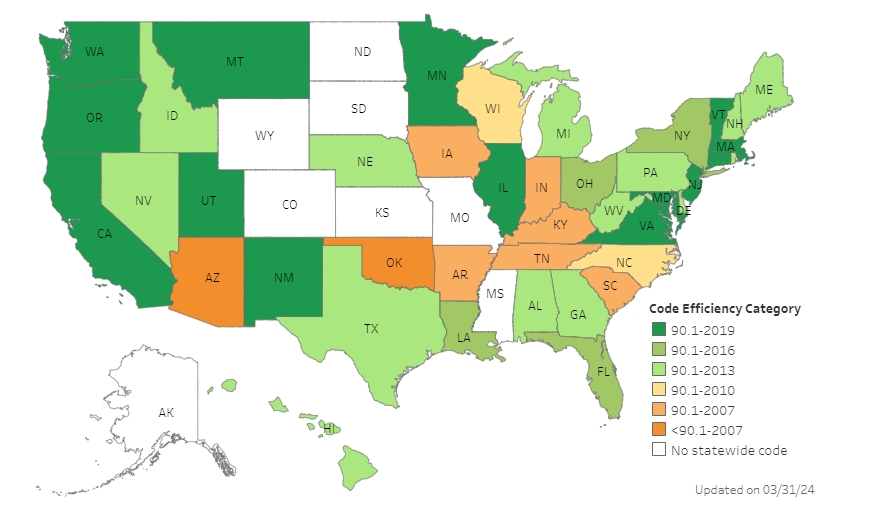
ขยายเพื่อดูตารางรายละเอียด ↓
| รัฐ | ข้อกำหนดมาตรฐานอาคารพาณิชย์ที่ใช้อยู่ในปัจจุบัน | หมวดหมู่ออกแบบประหยัดพลังงานตามข้อกำหนดอาคารพาณิชย์ |
|---|---|---|
| แอละแบมา | 90.1-2013 | 90.1-2013 |
| อะแลสกา | ไม่มีการบังคับใช้ทั่วทั้งรัฐ | ไม่มีข้อกำหนดบังคับใช้ทั่วทั้งรัฐ |
| อริโซนา | ปกครองตนเองท้องถิ่น | <90.1-2007 |
| อาร์คันซอ | 2009 IECC และ 90.1-2007 | 90.1-2007 |
| แคลิฟอร์เนีย | มาตรฐานประสิทธิภาพพลังงานอาคารปี 2022 | 90.1-2019 |
| โคลอราโด | ปกครองตนเองท้องถิ่น | ไม่มีข้อกำหนดบังคับใช้ทั่วทั้งรัฐ |
| คอนเนตทิเกต | 2021 IECC และ 90.1-2019 | 90.1-2019 |
| เดลาแวร์ | 2018 IECC และ 90.1-2016 | 90.1-2013 |
| เขตโคลัมเบีย | 90.1-2013^ | 90.1-2019 |
| ฟลอริดา | 2021 IECC และ 90.1-2019^ | 90.1-2016 |
| จอร์เจีย | 2015 IECC และ 90.1-2013^ | 90.1-2013 |
| ฮาวาย | ปกครองตนเองท้องถิ่น | 90.1-2013 |
| ไอดาโฮ | 2018 IECC และ 90.1-2016 | 90.1-2013 |
| อิลลินอยส์ | 2021 IECC และ 90.1-2019 | 90.1-2019 |
| อินดีแอนา | 90.1-2007 | 90.1-2007 |
| ไอโอวา | 2012 IECC และ 90.1-2010 | 90.1-2007 |
| แคนซัส | ปกครองตนเองท้องถิ่น | ไม่มีข้อกำหนดบังคับใช้ทั่วทั้งรัฐ |
| เคนทักกี | 2012 IECC และ 90.1-2010 | 90.1-2007 |
| ลุยเซียนา | 2021 IECC และ 90.1-2019^ | 90.1-2016 |
| เมน | 2015 IECC และ 90.1-2013 | 90.1-2013 |
| แมริแลนด์ | 2021 IECC และ 90.1-2019^ | 90.1-2019 |
| แมสซาชูเซตส์ | 2018 IECC และ 90.1-2016^ | 90.1-2019 |
| มิชิแกน | 2015 IECC และ 90.1-2013^ | 90.1-2013 |
| มินนิโซตา | 90.1-2019^ | 90.1-2019 |
| มิสซิสซิปพี | ไม่มีการบังคับใช้ทั่วทั้งรัฐ | ไม่มีข้อกำหนดบังคับใช้ทั่วทั้งรัฐ |
| มิสซูรี | ปกครองตนเองท้องถิ่น | ไม่มีข้อกำหนดบังคับใช้ทั่วทั้งรัฐ |
| มอนทานา | 2021 IECC และ 90.1-2019 | 90.1-2019 |
| เนบราสกา | 2018 IECC และ 90.1-2016 | 90.1-2013 |
| เนวาดา | 2018 IECC และ 90.1-2016 | 90.1-2013 |
| นิวแฮมป์เชียร์ | 2018 IECC และ 90.1-2016^ | 90.1-2013 |
| นิวเจอร์ซีย์ | 90.1-2019 | 90.1-2019 |
| นิวเม็กซิโก | 2021 IECC และ 90.1-2019^ | 90.1-2019 |
| นิวยอร์ก | 2018 IECC และ 90.1-2016^ | 90.1-2016 |
| นอร์ทแคโรไลนา | 2015 IECC และ 90.1-2013^ | 90.1-2010 |
| นอร์ทดาโคตา | ปกครองตนเองท้องถิ่น | ไม่มีข้อกำหนดบังคับใช้ทั่วทั้งรัฐ |
| โอไฮโอ | 2021 IECC และ 90.1-2019^ | 90.1-2016 |
| โอคลาโฮมา | 2006 IECC and 90.1-2004 | <90.1-2007 |
| ออริกอน | 90.1-2019 | 90.1-2019 |
| เพนซิลเวเนีย | 2018 IECC และ 90.1-2016 | 90.1-2013 |
| โรดไอแลนด์ | 2018 IECC และ 90.1-2016^ | 90.1-2013 |
| เซาท์แคโรไลนา | 2009 IECC และ 90.1-2007 | 90.1-2007 |
| เซาท์ดาโคตา | ปกครองตนเองท้องถิ่น | ไม่มีข้อกำหนดบังคับใช้ทั่วทั้งรัฐ |
| เทนเนสซี | 2021 IECC and 90.1-2013 | 90.1-2007 |
| เทกซัส | 2015 IECC และ 90.1-2013 | 90.1-2013 |
| ยูทาห์ | 2021 IECC และ 90.1-2019^ | 90.1-2019 |
| เวอร์มอนต์ | 2021 IECC และ 90.1-2019^ | 90.1-2019 |
| เวอร์จิเนีย | 2021 IECC และ 90.1-2019^ | 90.1-2019 |
| วอชิงตัน | 2018 Washington State Energy Code | 90.1-2019 |
| เทนเนสซี | 2012 IECC และ 90.1-2010 | 90.1-2007 |
| เทกซัส | 2015 IECC และ 90.1-2013 | 90.1-2013 |
| ยูทาห์ | 2021 IECC และ 90.1-2019^ | 90.1-2019 |
| เวอร์มอนต์ | 2018 IECC และ 90.1-2016^ | 90.1-2019 |
| เวอร์จิเนีย | 2021 IECC และ 90.1-2019^ | 90.1-2019 |
| วอชิงตัน | 2018 Washington State Energy Code | 90.1-2019 |
| เวสต์เวอร์จิเนีย | 90.1-2013 | 90.1-2013 |
| Wisconsin | 2015 IECC และ 90.1-2013^ | 90.1-2010 |
| Wyoming | ปกครองตนเองท้องถิ่น | ไม่มีข้อกำหนดบังคับใช้ทั่วทั้งรัฐ |
- ^ When an amendment impacting energy efficiency can be quantified using DOE Prototype Building Models, they were captured in the analysis.
- For states adopting both IECC and 90.1, the IECC code is usually analyzed as the state current code in this study except for states with extensive amendments to the IECC.
Design Guide Key Concepts for Classrooms
Designing an energy-efficient lighting control solution for classrooms involves strategic placement of occupancy sensors to ensure comprehensive coverage of the space.
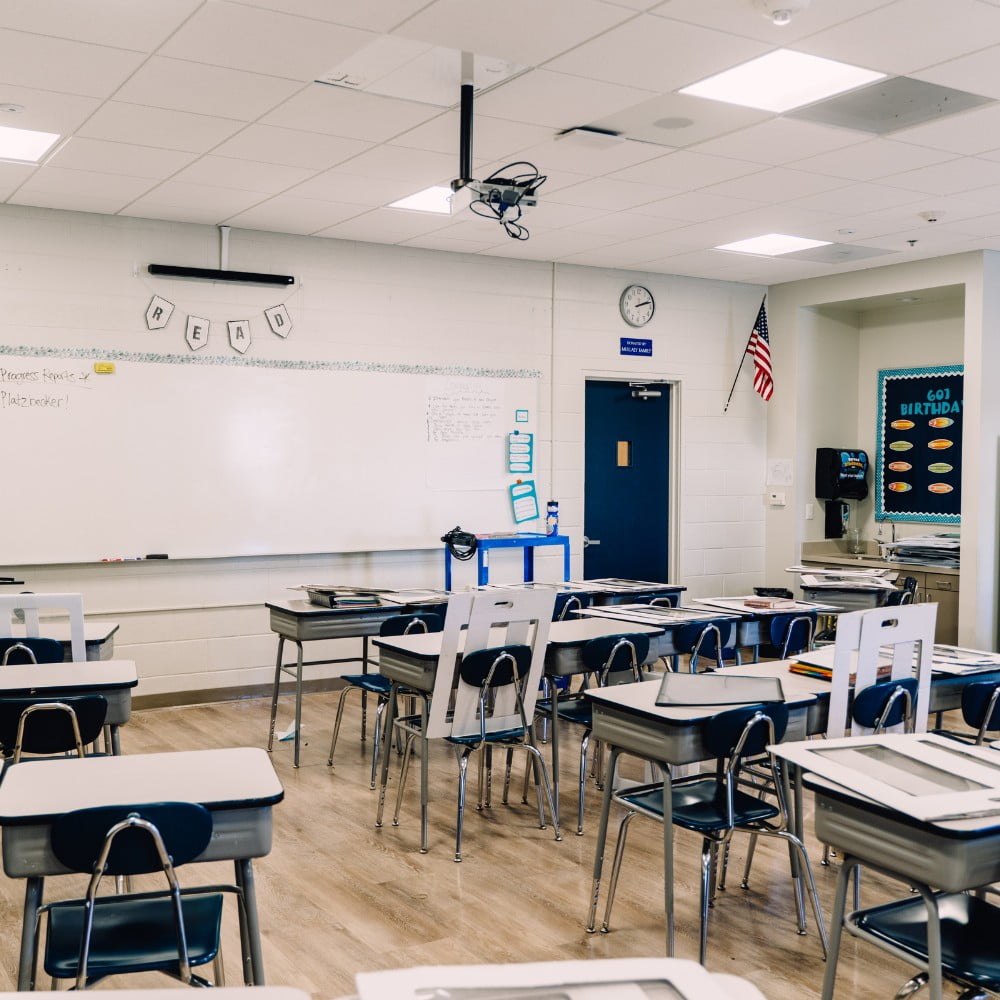
Designing an energy-efficient classroom with occupancy sensors involves careful planning and strategic placement of sensors:
- Wall Occupancy/Vacancy Sensors: Install these sensors near the main entrance of the classroom. These sensors can detect when someone enters or leaves the room, and can automatically turn the lights on or off accordingly. They can also be manually controlled to turn all lights on or off.
- Ceiling Occupancy Sensors: These sensors should be installed in the center of the classroom, ensuring they have a clear view of the entire room to cover key areas such as the teacher’s desk, student desks, and any separate learning areas. They can detect any movement in the room, including minor movements such as students writing at their desks. When no movement is detected for a set period, the lights will automatically turn off.
- Additional Sensors for Specific Areas: If the classroom has specific areas such as a reading corner or a lab area, additional sensors may be needed. These sensors can control the lighting in these specific areas based on occupancy, ensuring that lights are not left on unnecessarily.
- Sensor Placement Considerations: Avoid placing sensors near air vents or other sources of movement that could trigger the sensor falsely. Also, ensure the sensors’ view is not obstructed by tall furniture or fixtures.
- Consideration of Natural Light: If the classroom has windows, the sensors should be programmed to consider the natural light coming into the room. This can help to further reduce energy consumption by utilizing natural light whenever possible.
- Integration with Manual Control: All occupancy/vacancy sensors should be integrated with manual controls. This allows teachers to manually turn off the lights during activities like video presentations, even if the room is occupied.
Featured Products & Solutions
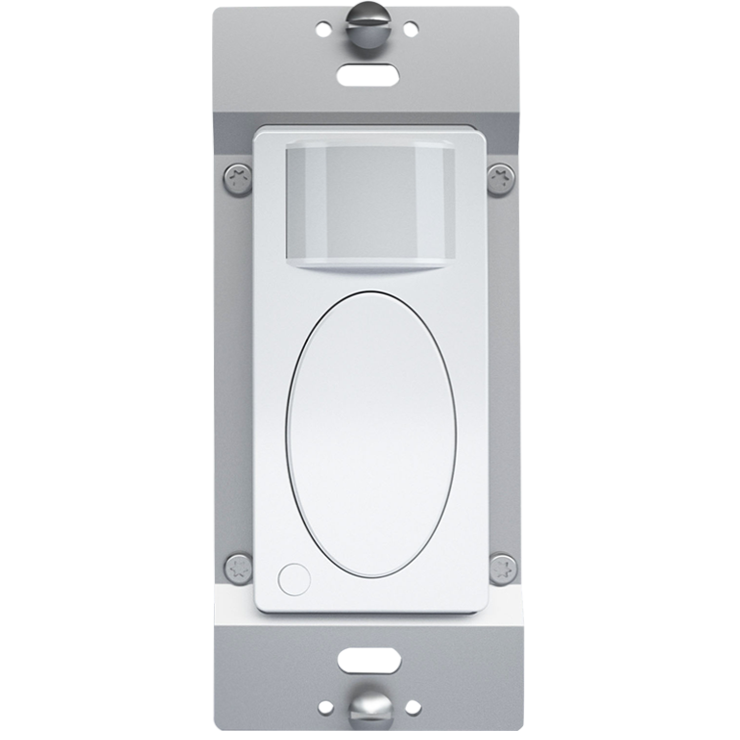
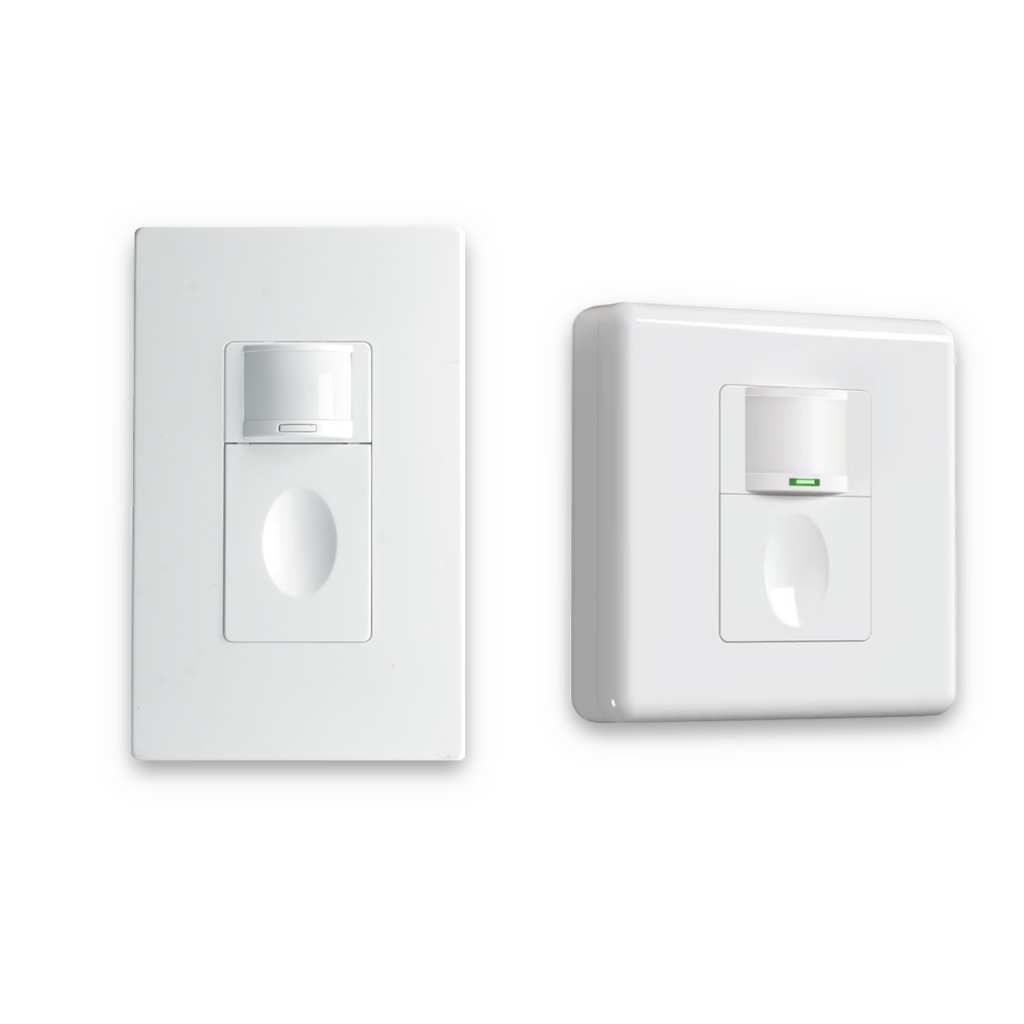
Wall Sensor Switches
RZ020/021 Motion Sensor Switches
- 2-wire, 3-wire, 4-wires wiring options
- Occupancy, Vacancy, Manual ON/OFF
- Adjustive time delay and ambient light control
Multi-Location Wireless Wall Sensors
RZ020A/021A + RZ022W Kits
- Hardwired RZ021A/022A occupancy sensor switch
- Wireless companion switch (RZ022W) for multi-location control

Ceiling Occupancy Sensors
RZ036
- Hardwired occupancy sensors
- Auto ON, auto OFF
- Line voltage and Low voltage available
Core features included:
- Integrated manual ON/OFF control for all lighting
- Vacancy sensors (Manual ON only): Lights must be turned on manually only
- Adjustable time-delay, lighting is automatically turned full OFF after 15mins
- Additional: multi-location wireless kits to expand the control range without re-wring
- Additional: multiple wiring options available for both new constructions and retrofit projects.

Meets the Mandatory Provisions
IECC – 2011
C405.2.1 Occupant sensor controls
Occupant sensor controls shall be installed to control lights in the space.
C405.2.1.1 Occupant sensor control functions
- Manual on or partial on to no more than 50% power.
- Full off within 20 minutes after all occupants have left the space
- A manual control to turn off the lights.
ASHRAE 90.1 – 2022
9.4.1.1 a Local control
There shall be one or more manual lighting control device that provides ON and OFF control
of all lighting in the space.
9.4.1.1 b Restricted to manual ON
None of the lighting shall be automatically turned on
9.4.1.1 c Restricted to partial automatic ON
No more than 50% of the lighting power for the general lighting shall be allowed to be automatically turned on
** NOTE: At least one 9.4.1.1 b or 9.4.1.1 c shall be implemented.
For classrooms except shop classrooms (all other classrooms/lecture halls/training rooms):
9.4.1.1 h Automatic full OFF control
All lighting in the space shall be automatically shut off within 20 minutes of all occupants leaving the space
Title 24 – 2022
130.1 (a) Manual area controls.
Each area enclosed by ceiling-height partitions shall provide lighting controls that allow the lighting in that area to be manually turned on and off.
130.1 (c) Shut-OFF Controls.
Lighting shall be controlled with occupant sensing controls to automatically shut OFF all of the lighting in 20 minutes or less after the control zone is unoccupied that shall function either as:
- A. Occupant sensing controls (if 130.1(b) not required to have multi-level lighting controls); or
- B. Partial-ON occupant sensing controls, or
- C. Vacancy sensing controls, where all lighting responds to a manual ON input only
Let us hear you.
Let Rayzeek help design and deliver a bespoke energy-saving lighting solution for you.