
図書館の書架における照明計画では、床面の明るさではなく垂直面への照射に焦点を当てる必要があります。本記事では、バットウィング配光光学系、適切なセンサーの活用戦略、および調色・調光(Dim-to-Warm)制御が、エネルギーを削減しながら視認性を向上させ、眩しさを抑え、貴重な収蔵資料を保護する方法について解説します。

 Horace He
図書館の書架における照明計画では、床面の明るさではなく垂直面への照射に焦点を当てる必要があります。本記事では、バットウィング配光光学系、適切なセンサーの活用戦略、および調色・調光(Dim-to-Warm)制御が、エネルギーを削減しながら視認性を向上させ、眩しさを抑え、貴重な収蔵資料を保護する方法について解説します。

Rayzeekでは、一般的な荷物保管室のセンサーが住民を暗闇に置き去りにしてしまう理由と、ロッカーによって視界が遮られている場合でもデュアルテクノロジー(PIR+超音波)検知が照明を点灯させ続ける仕組みを解説します。このアプローチはクラウド依存を回避し、遮蔽物のある空間における安全性とエネルギー効率を両立させます。

オープンプランのスタジオにおけるスタジアム級の照明は、空間全体を眩しい光で満たすため、睡眠を妨げます。その解決策は実用的です。不在時消灯モード( vacancy mode)への切り替え、センサーの視野の遮蔽、そして暖かい色の調光照明を採用することで、暗闇と落ち着いた夜を取り戻すことができます。

Rayzeek explains how standard energy sensors can plunge patient rooms into darkness, eroding trust in care. Dual-Technology sensors with vacancy-mode control keep lights on when needed, preserving privacy and patient comfort.
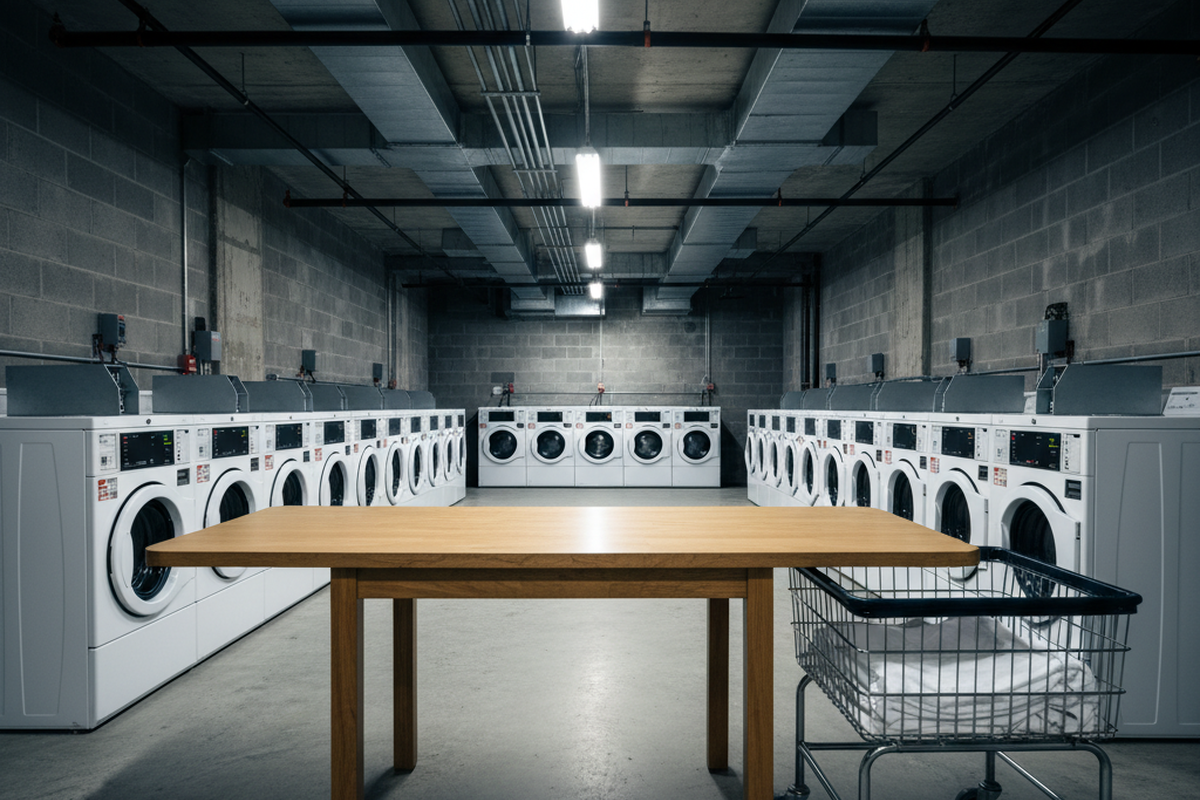
Rayzeek reveals why laundry room lights die during folding and how corner-mounted Dual-Tech sensors keep the space bright and safe. Cheap PIRs miss micro-motions and misread room activity, but a proper install saves energy and reduces tenant churn.
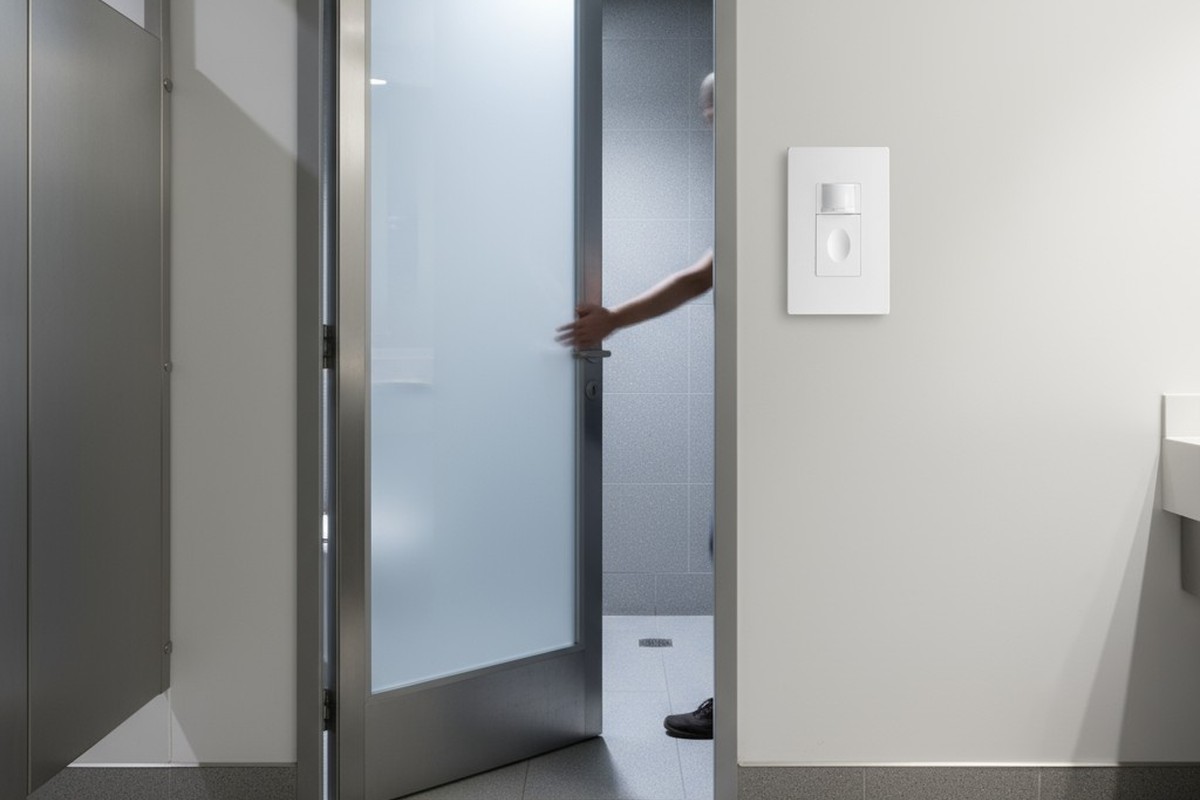
A motion sensor’s time delay is a critical setting that balances energy efficiency with user comfort. Understanding how to calibrate this grace period prevents frustrating false-offs while ensuring lights and HVAC systems don’t waste power in empty rooms.
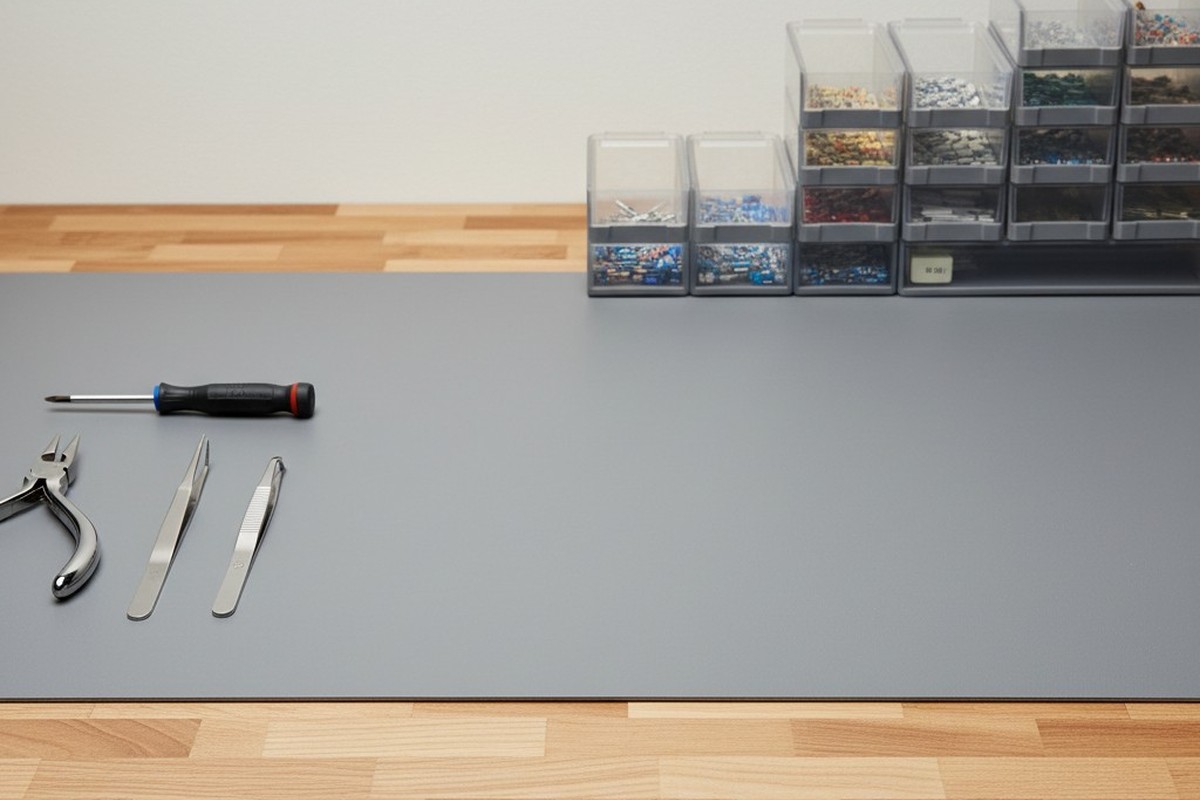
Relying on memory to turn off an 850°F soldering iron is a gamble you will eventually lose. The human brain is a poor safety device, prone to distraction. Instead of relying on fallible smart plugs or routines, the most robust solution is a simple, hard-wired motion sensor that defaults to safety, creating a true ‘dead-man’s bench’ for your workshop.
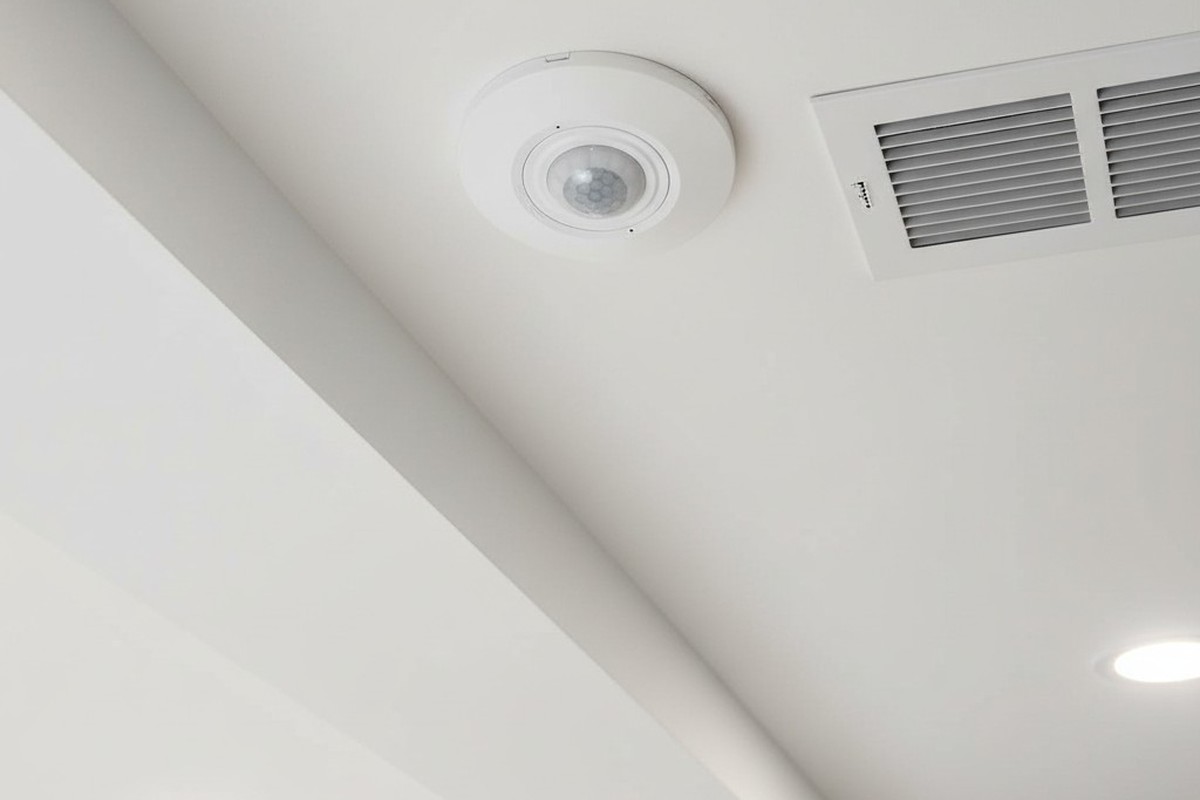
Placing motion switches on the walls of an open basement is a common design flaw. Structural columns and furniture create blind spots, causing lights to turn off unexpectedly. The solution is to move the sensor to the ceiling, providing a top-down, 360-degree view that eliminates these ‘shadow cones’ and offers a more reliable, hands-free lighting experience.
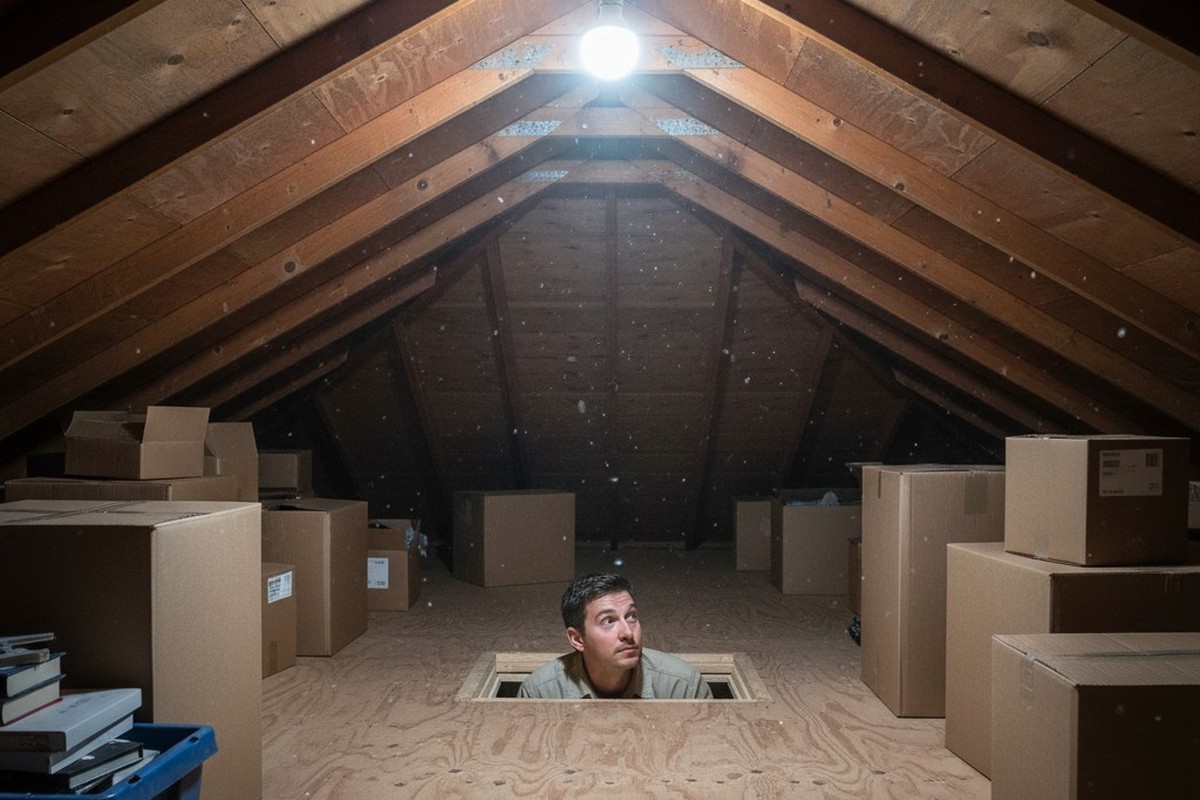
Relying on a pull-string light in your attic is a dangerous and outdated practice. The transition from a ladder to the attic floor is a critical fall risk, made worse by darkness. A simple, screw-in motion sensor adapter provides a passive safety upgrade, automatically lighting the space before you enter and eliminating the hazard without complex wiring or unreliable batteries.
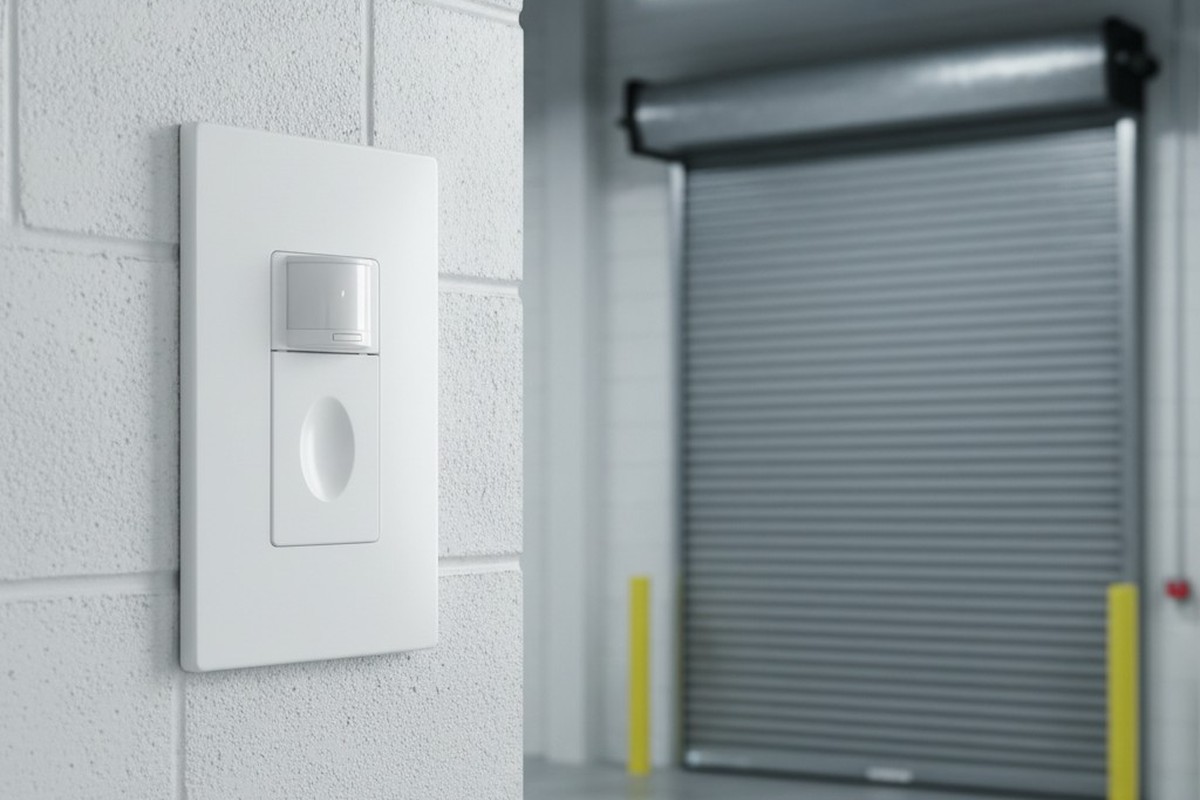
False alarms at your loading dock are often caused by standard sensors reacting to wind drafts and swirling debris. These environments create thermal and physical disturbances that trick PIR and Microwave detectors. The only reliable solution is installing Dual-Technology sensors that require both a heat signature and physical motion to be detected simultaneously, preventing costly and frustrating false dispatches.