Високі металеві книжкові шафи розташовані з обох боків довгого проходу з килимовим покриттям у бібліотеці. Безперервна смуга верхнього освітлення простягається вздовж центру стелі, освітлюючи барвисті корінці книжок.

Освітлення стелажів у бібліотеці вимагає акценту на вертикальних поверхнях, а не на яскравості підлоги. У статті пояснюється, як оптика з діаграмою спрямованості типу «крило кажана» (batwing), належні стратегії датчиків та керування регулюванням колірної температури (dim-to-warm) покращують видимість, зменшують відблиски й захищають архівні матеріали, водночас заощаджуючи енергію.

У вузькій кімнаті ліворуч розташована стіна із сірими цифровими шафками для посилок, а праворуч — металеві стелажі з посилками. У центрі проходу на підлозі хаотично складені картонні коробки під холодним, тьмяним стельовим освітленням.

Rayzeek пояснює, чому типові датчики для приміщень із посилками залишають мешканців у темряві, і як подвійна технологія виявлення (PIR плюс ультразвук) утримує світло увімкненим, коли шафки перекривають огляд. Цей підхід дозволяє уникнути залежності від хмари та поєднує безпеку з енергоефективністю в обмежених просторах.

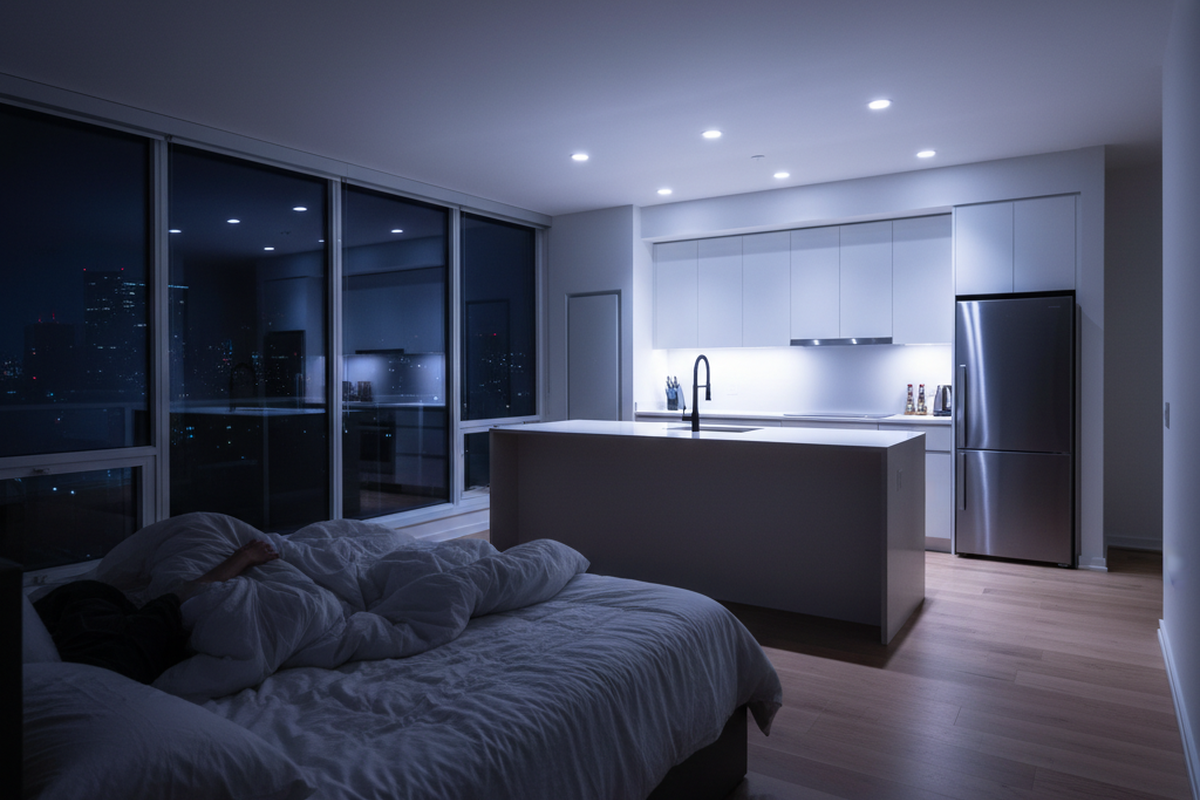
A person sleeps in a shadowed bed in the foreground while bright, cool-white overhead lights illuminate the adjacent open-plan kitchen. The glare from the culinary space spills across the wooden floor and reaches the sleeping area, highlighting the lack of physical dividers.

Stadium-level lighting in open-plan studios disrupts sleep by flooding the space with glare. The remedy is practical: switch to vacancy mode, mask the sensor’s view, and favor warm-dim lighting to reclaim darkness and calm nights.

A female doctor in a white coat converses with a male patient sitting on an exam table in a brightly lit medical room. A beige privacy curtain and white medical cabinets are visible in the background.

Rayzeek explains how standard energy sensors can plunge patient rooms into darkness, eroding trust in care. Dual-Technology sensors with vacancy-mode control keep lights on when needed, preserving privacy and patient comfort.

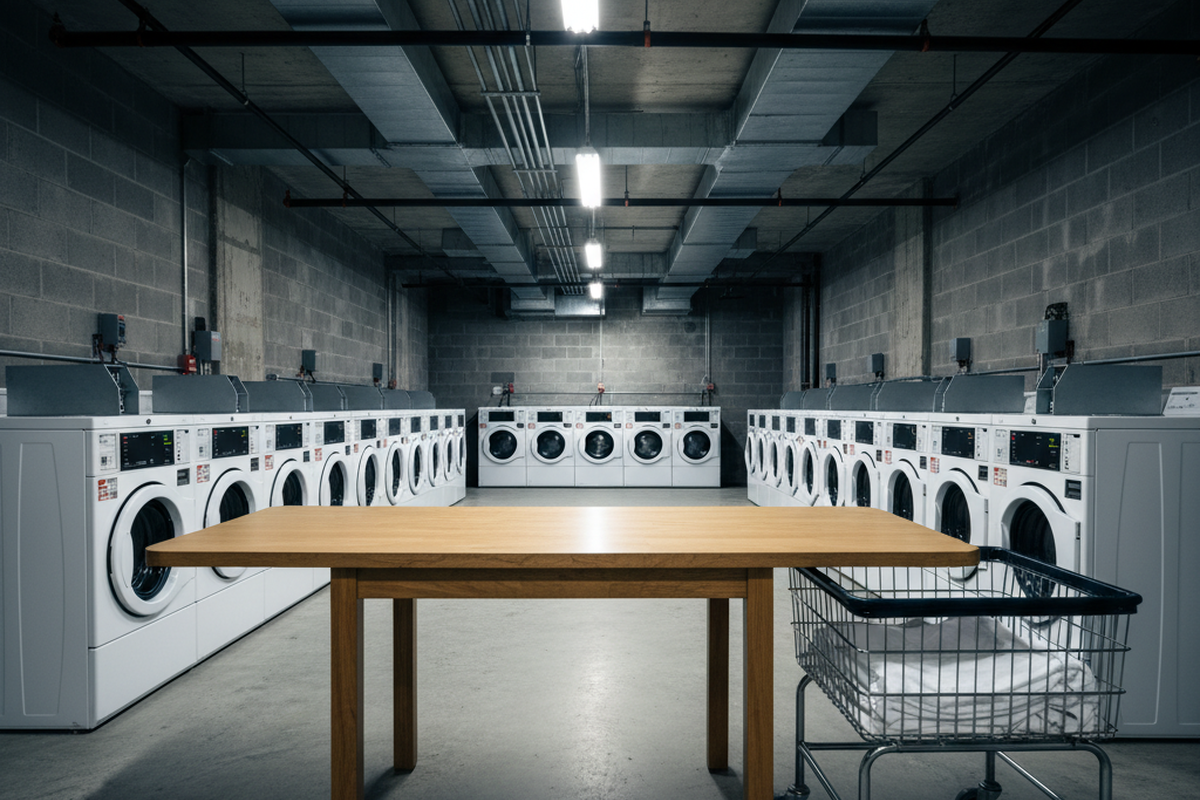
A simple wooden table stands centrally in a concrete basement laundry room flanked by rows of white washing machines. To the right, a wire cart holds folded linens beneath industrial fluorescent ceiling fixtures.

Rayzeek reveals why laundry room lights die during folding and how corner-mounted Dual-Tech sensors keep the space bright and safe. Cheap PIRs miss micro-motions and misread room activity, but a proper install saves energy and reduces tenant churn.

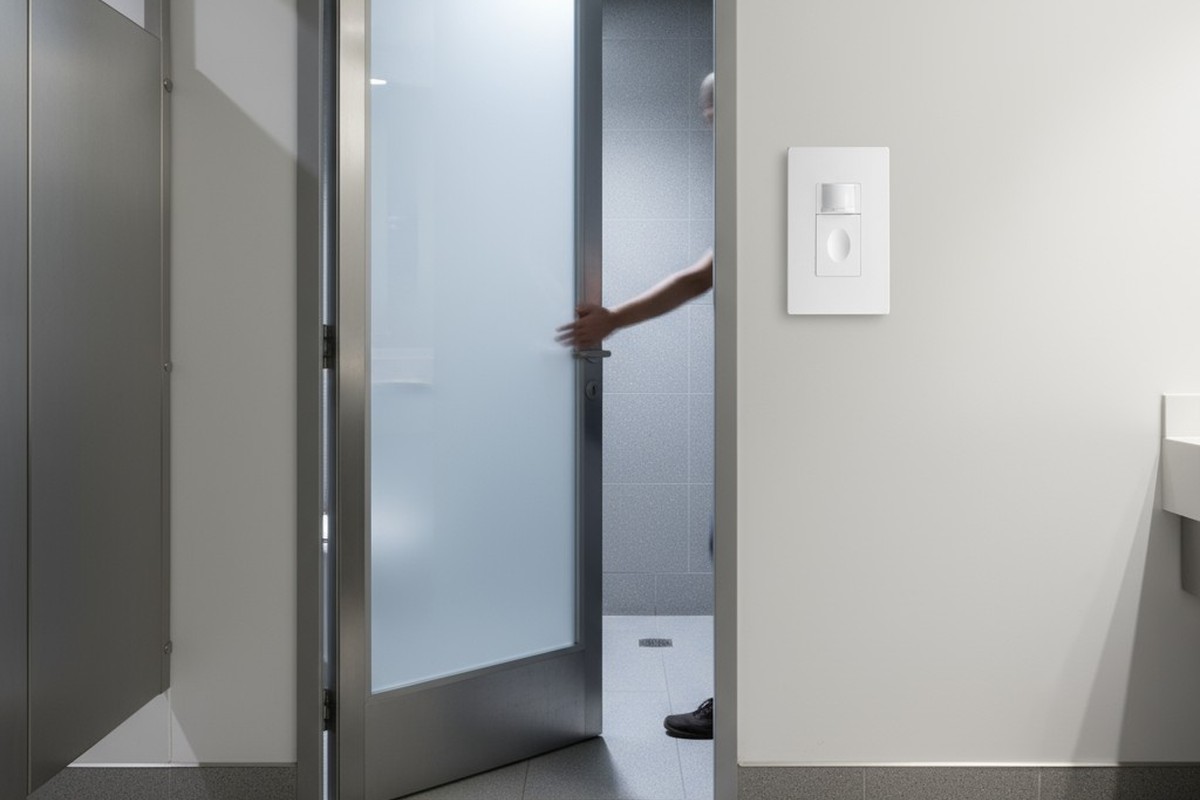
A person's hand opens a restroom door, and a motion sensor on the adjacent wall has just activated the overhead light, illuminating the tiled room.

A motion sensor’s time delay is a critical setting that balances energy efficiency with user comfort. Understanding how to calibrate this grace period prevents frustrating false-offs while ensuring lights and HVAC systems don’t waste power in empty rooms.

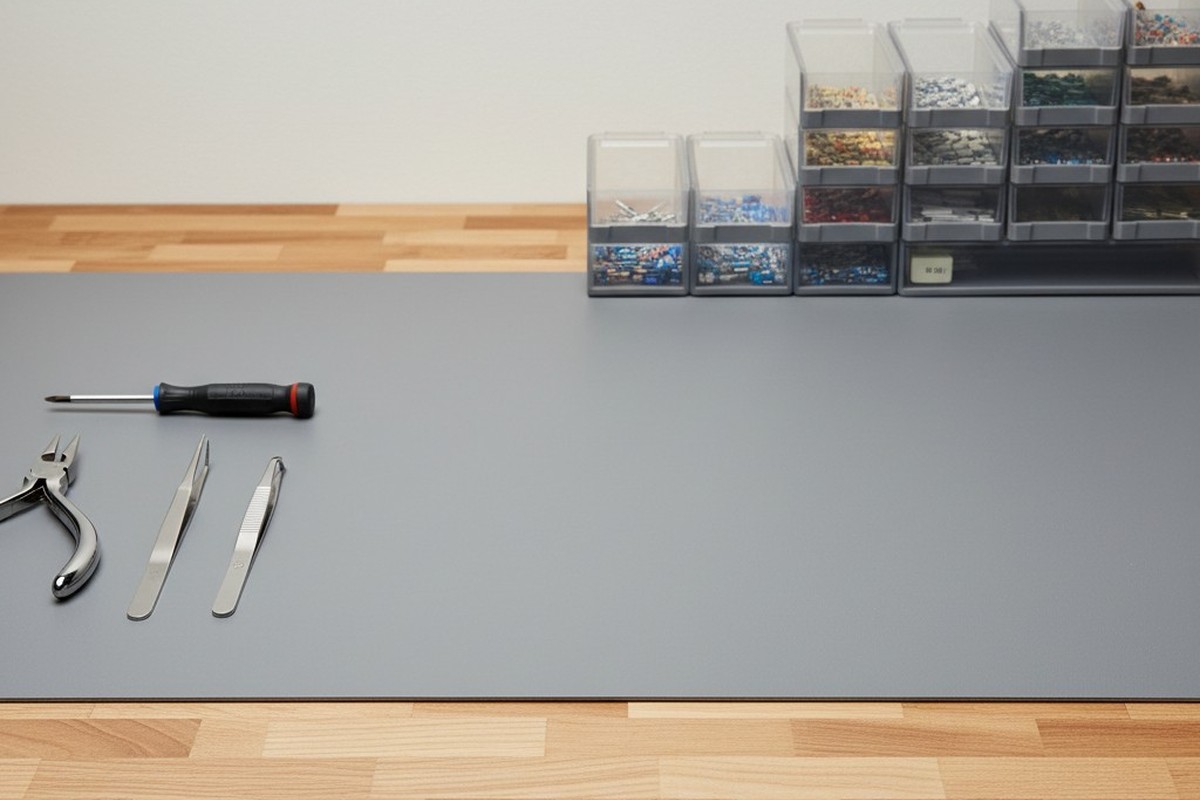
A straight-on view of a clean electronics workbench with a grey anti-static mat, neatly arranged tools to the side, and out-of-focus storage bins in the background.

Relying on memory to turn off an 850°F soldering iron is a gamble you will eventually lose. The human brain is a poor safety device, prone to distraction. Instead of relying on fallible smart plugs or routines, the most robust solution is a simple, hard-wired motion sensor that defaults to safety, creating a true ‘dead-man’s bench’ for your workshop.

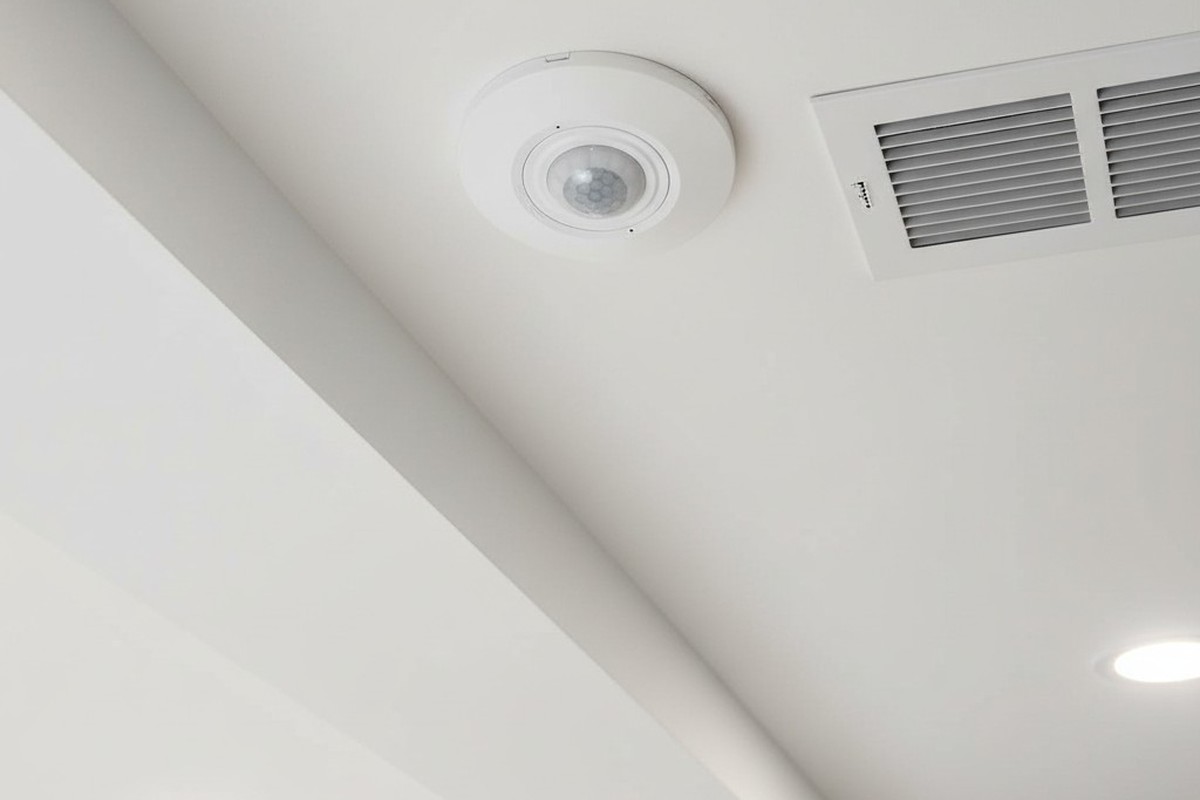
A low-angle shot looking up at a small, round, white motion sensor flush-mounted on a drywall ceiling bulkhead, positioned next to a square metal air register.

Placing motion switches on the walls of an open basement is a common design flaw. Structural columns and furniture create blind spots, causing lights to turn off unexpectedly. The solution is to move the sensor to the ceiling, providing a top-down, 360-degree view that eliminates these ‘shadow cones’ and offers a more reliable, hands-free lighting experience.

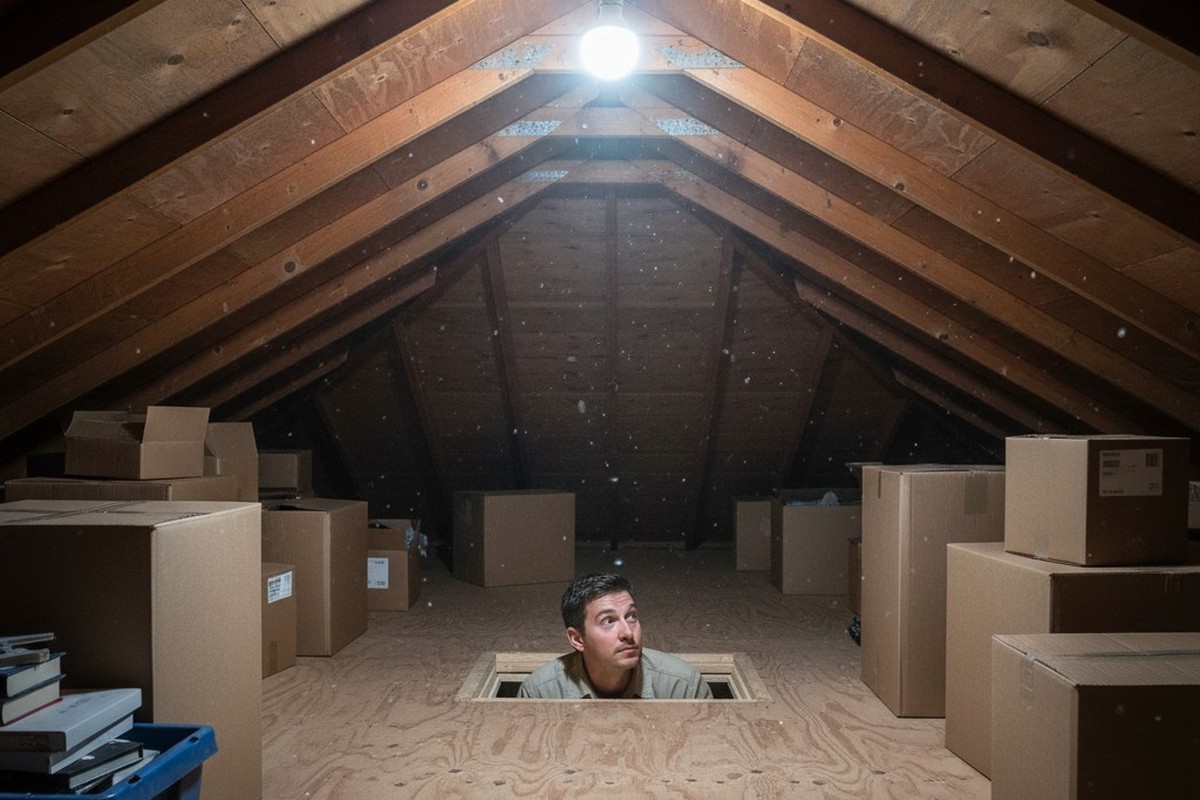
A person climbs a ladder through a hatch into a residential attic, which is already fully illuminated by an overhead light with a motion sensor.

Relying on a pull-string light in your attic is a dangerous and outdated practice. The transition from a ladder to the attic floor is a critical fall risk, made worse by darkness. A simple, screw-in motion sensor adapter provides a passive safety upgrade, automatically lighting the space before you enter and eliminating the hazard without complex wiring or unreliable batteries.

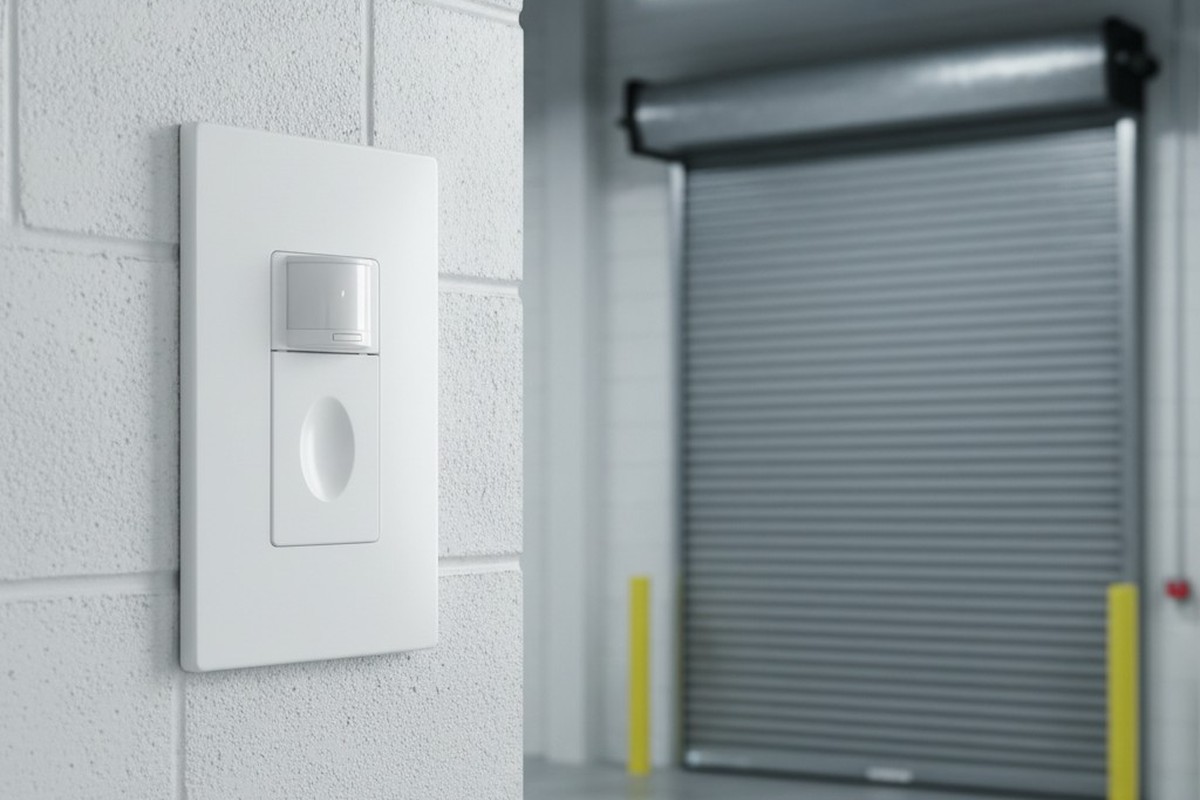
A white motion sensor is mounted on a cinder block wall inside a warehouse, aimed directly at a large, closed, corrugated metal loading dock door in the background.

False alarms at your loading dock are often caused by standard sensors reacting to wind drafts and swirling debris. These environments create thermal and physical disturbances that trick PIR and Microwave detectors. The only reliable solution is installing Dual-Technology sensors that require both a heat signature and physical motion to be detected simultaneously, preventing costly and frustrating false dispatches.

Ukrainian