
圖書館書架的照明關鍵在於著重垂直表面的光線,而非地面亮度。本文探討蝙蝠翼配光光學、適當的感應器策略以及微調暖光控制如何提升能見度、減少眩光,並在保護珍藏文獻的同時實現節能效果。

 Horace He
圖書館書架的照明關鍵在於著重垂直表面的光線,而非地面亮度。本文探討蝙蝠翼配光光學、適當的感應器策略以及微調暖光控制如何提升能見度、減少眩光,並在保護珍藏文獻的同時實現節能效果。

Rayzeek 解析了為何傳統包裹收發室感應器會讓住戶陷於黑暗之中,以及雙重技術(PIR 配合超聲波)感應如何在儲物櫃遮擋視線時保持燈光開啟。此方法無需依賴雲端系統,能在有障礙物的空間中兼顧安全與能源效益。

開放式工作室若使用體育場級別的高亮度照明,會因強烈眩光充斥空間而干擾睡眠。解決方案十分實用:切換至無人(Vacancy)模式、遮擋感應器視角,並採用暖光調光照明,重塑夜晚的黑暗與平靜。

Rayzeek 解釋了標準能源感應器如何讓病房陷入黑暗,從而削弱患者對護理的信任。配備空缺模式控制的雙技術感應器能在需要時保持燈光開啟,保障私隱與患者舒適度。
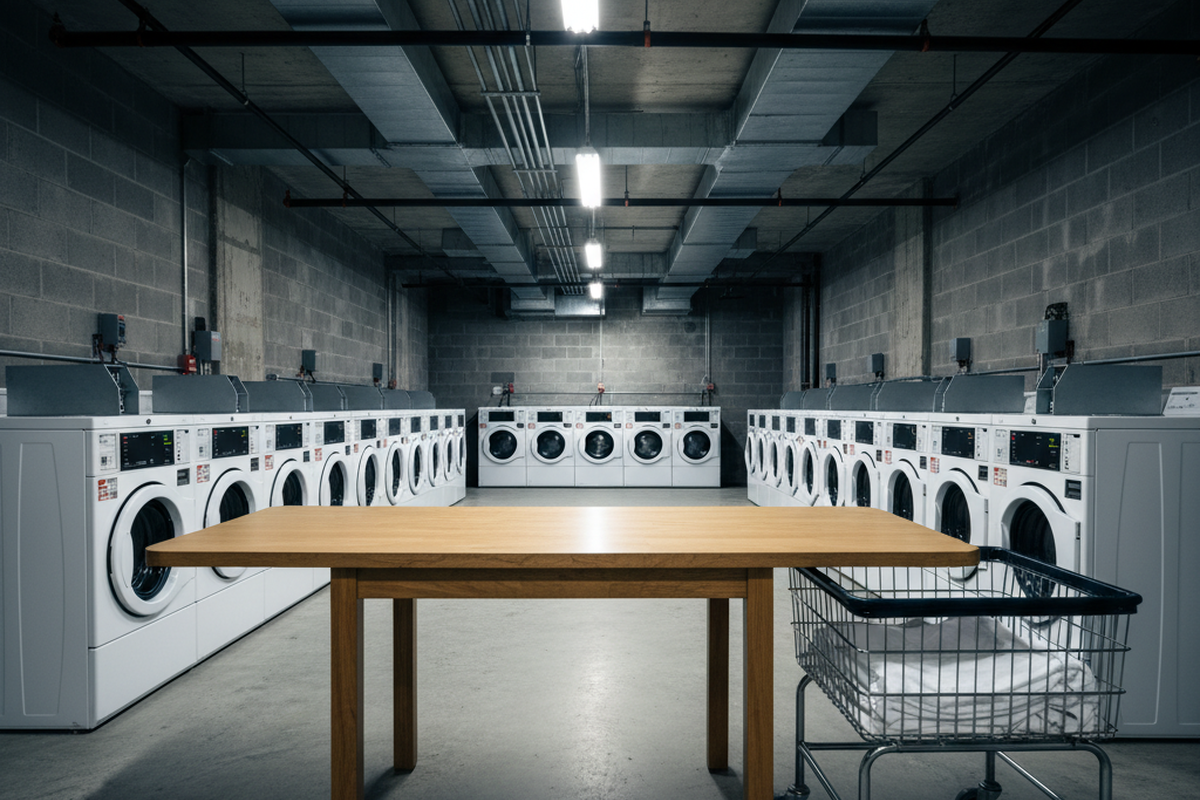
Rayzeek 揭示了為何洗衣房的燈會在摺衫期間熄滅,以及角落安裝的雙技術感應器如何維持空間明亮與安全。廉價的被動式紅外線感應器(PIR)會遺漏微小動作並誤判房間活動,但正確安裝不僅能節省能源,還能降低租戶流失率。
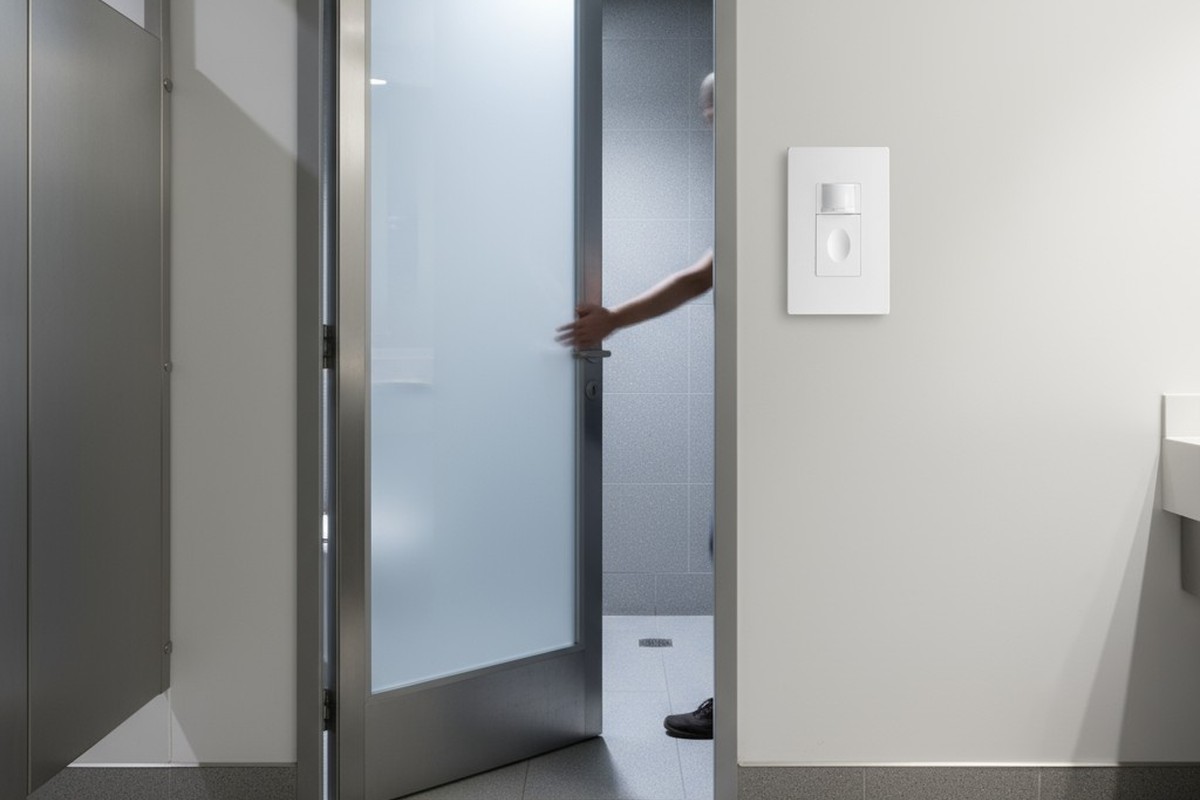
動態感應器的延時設定是一項關鍵配置,能在能源效益與用戶舒適度之間取得平衡。了解如何校準此緩衝時間,既可防止令人困擾的誤關燈情況,又能確保燈光與 HVAC 系統不會在空無一人的房間內浪費電力。

Relying on memory to turn off an 850°F soldering iron is a gamble you will eventually lose. The human brain is a poor safety device, prone to distraction. Instead of relying on fallible smart plugs or routines, the most robust solution is a simple, hard-wired motion sensor that defaults to safety, creating a true ‘dead-man’s bench’ for your workshop.
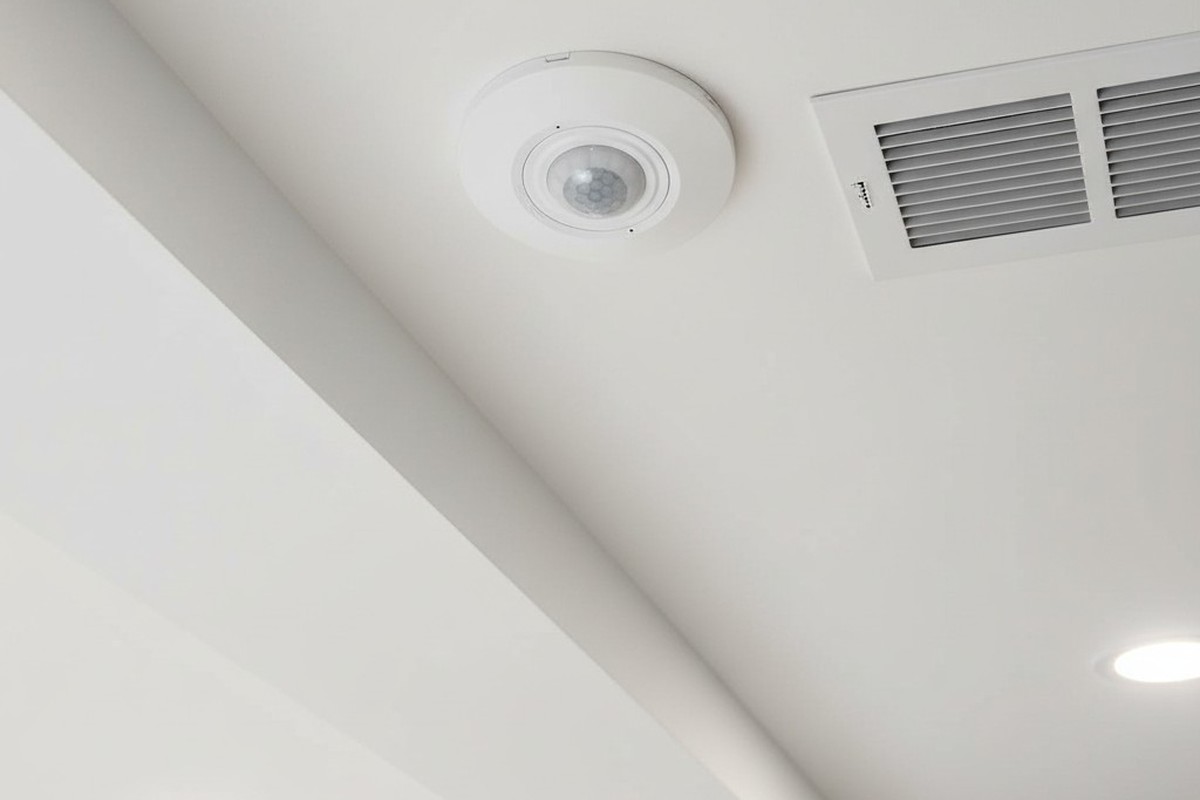
Placing motion switches on the walls of an open basement is a common design flaw. Structural columns and furniture create blind spots, causing lights to turn off unexpectedly. The solution is to move the sensor to the ceiling, providing a top-down, 360-degree view that eliminates these ‘shadow cones’ and offers a more reliable, hands-free lighting experience.
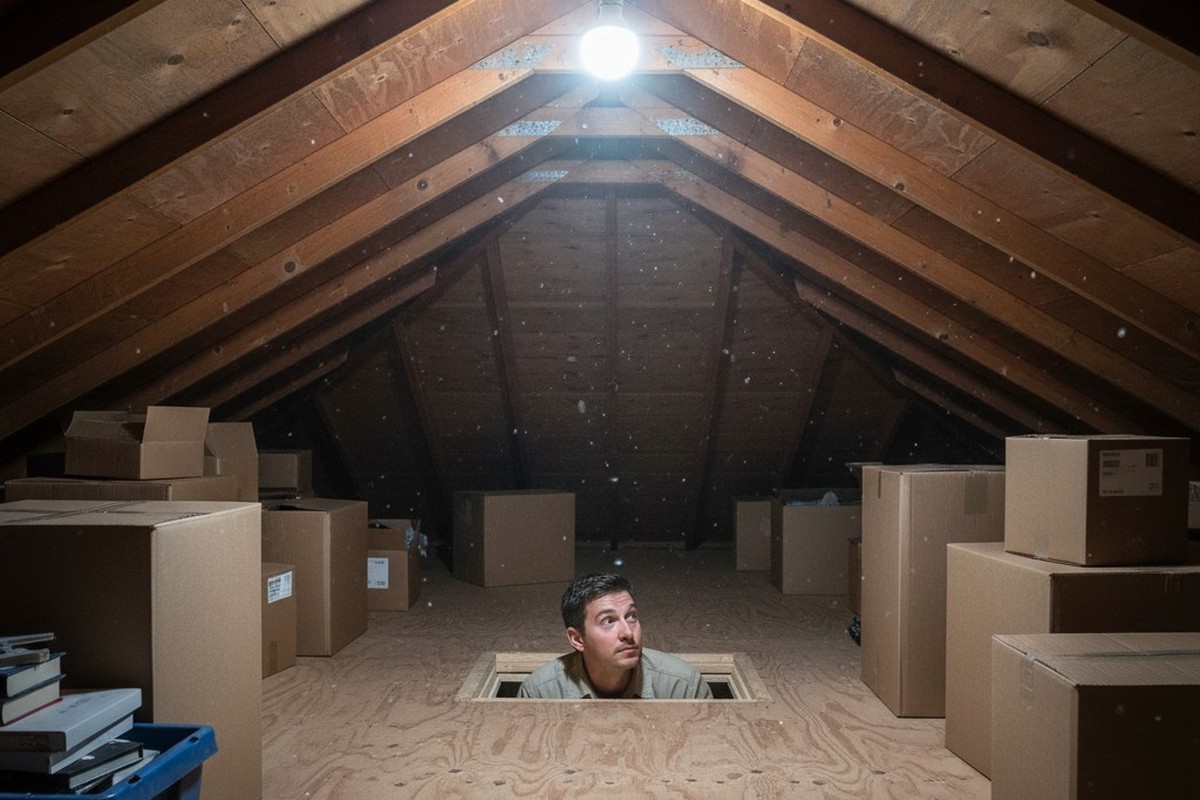
Relying on a pull-string light in your attic is a dangerous and outdated practice. The transition from a ladder to the attic floor is a critical fall risk, made worse by darkness. A simple, screw-in motion sensor adapter provides a passive safety upgrade, automatically lighting the space before you enter and eliminating the hazard without complex wiring or unreliable batteries.
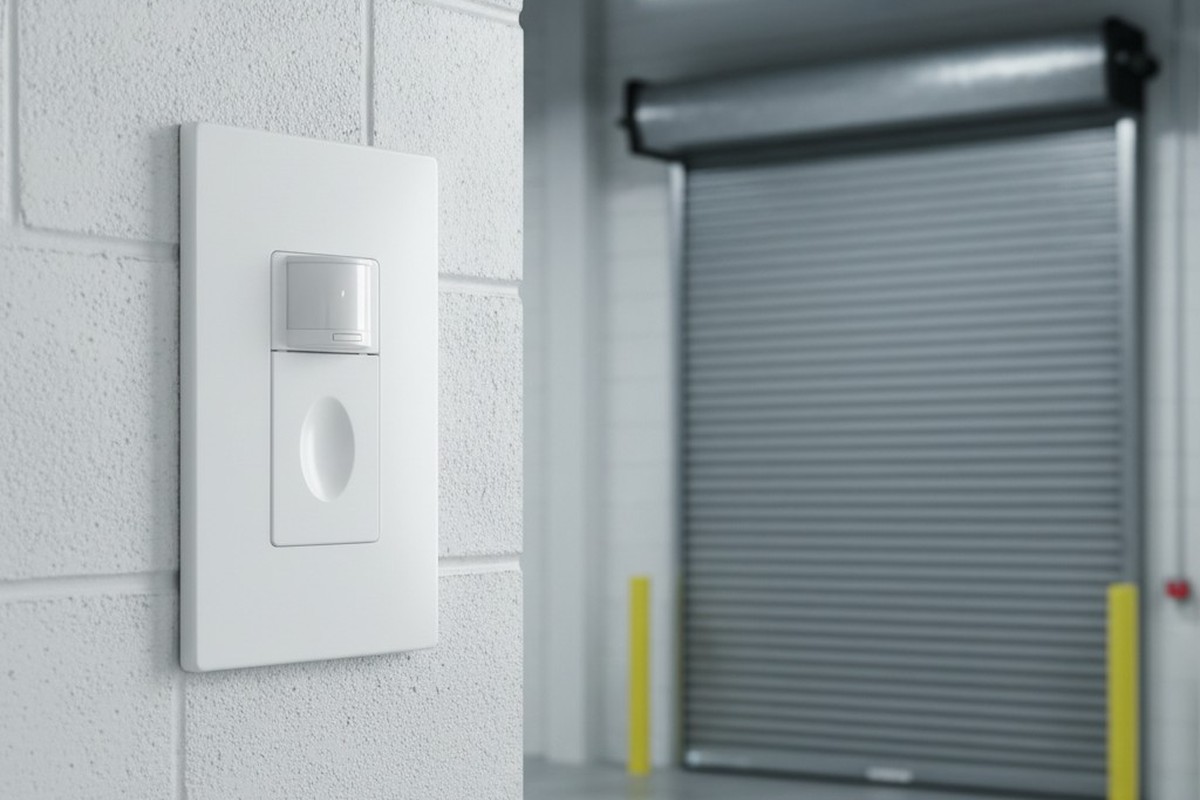
False alarms at your loading dock are often caused by standard sensors reacting to wind drafts and swirling debris. These environments create thermal and physical disturbances that trick PIR and Microwave detectors. The only reliable solution is installing Dual-Technology sensors that require both a heat signature and physical motion to be detected simultaneously, preventing costly and frustrating false dispatches.