


人感センサー

ホーム » 人感センサー

人感センサー

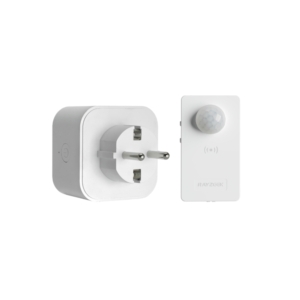
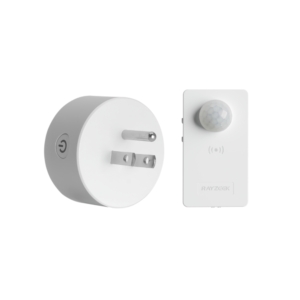
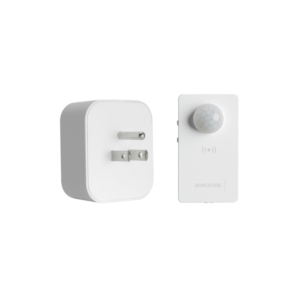
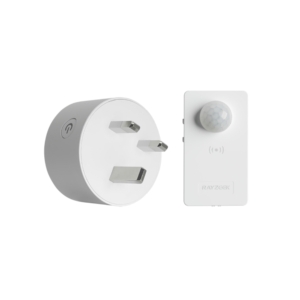
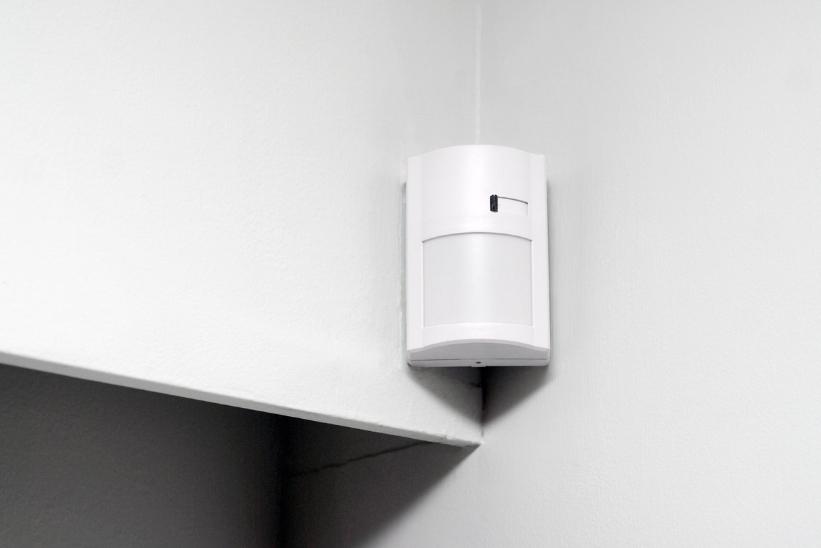
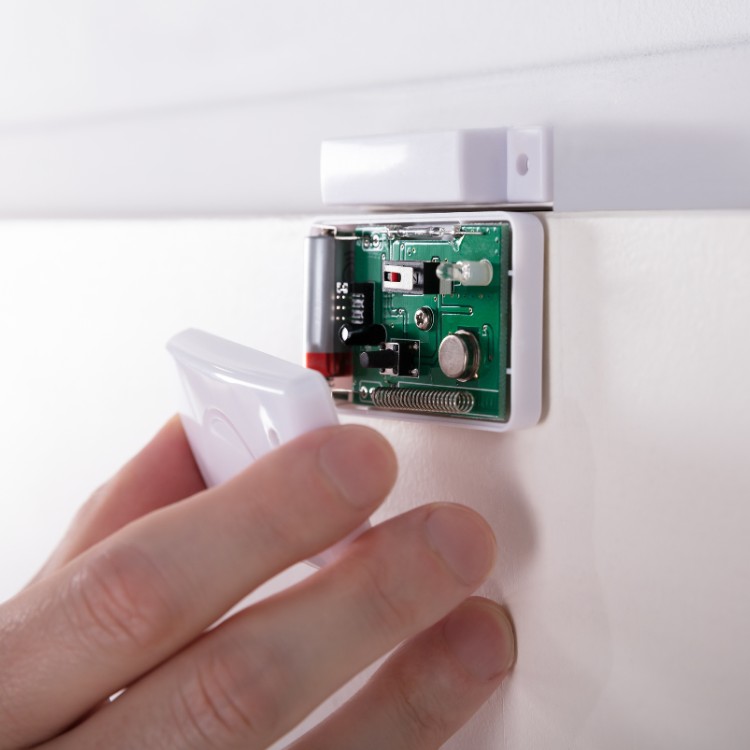
当社の人感センサーで、利便性とセキュリティを体感してください。Rayzeekの人感センサーは、室内での動きを検知して照明の点灯やセキュリティシステムのアクティベーションなどの対応を起動するように設計されています。先進技術を採用した当社のセンサーは、誤報を最小限に抑えつつ、人物や大型ペットを確実に検知します。屋内外を問わず使用でき、住宅、オフィス、産業施設に簡単に設置可能です。より安全で省エネな環境づくりに、Rayzeekの人感センサーをお選びください。

商業ビル向け省エネ計画

省エネ基準を満たし、電気代を削減するために、お客様の商業プロジェクトに合わせて設計された包括的な省エネ計画です。

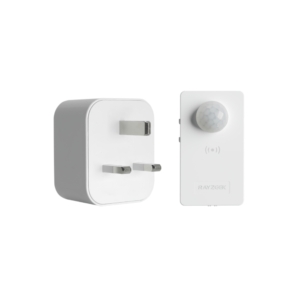
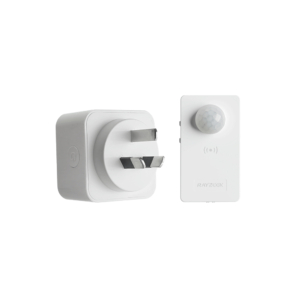
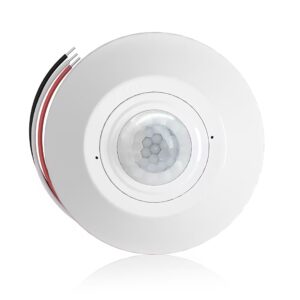
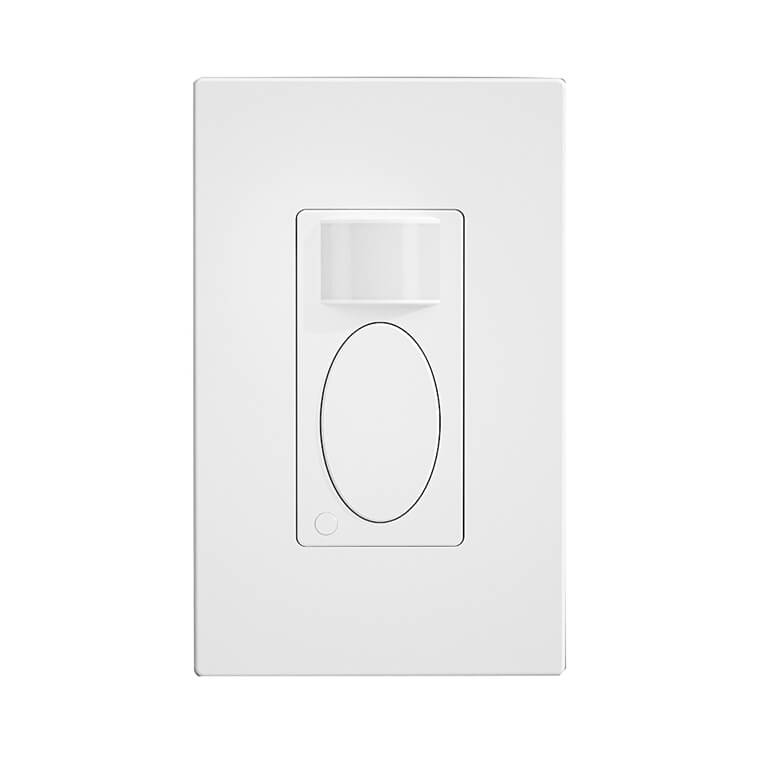
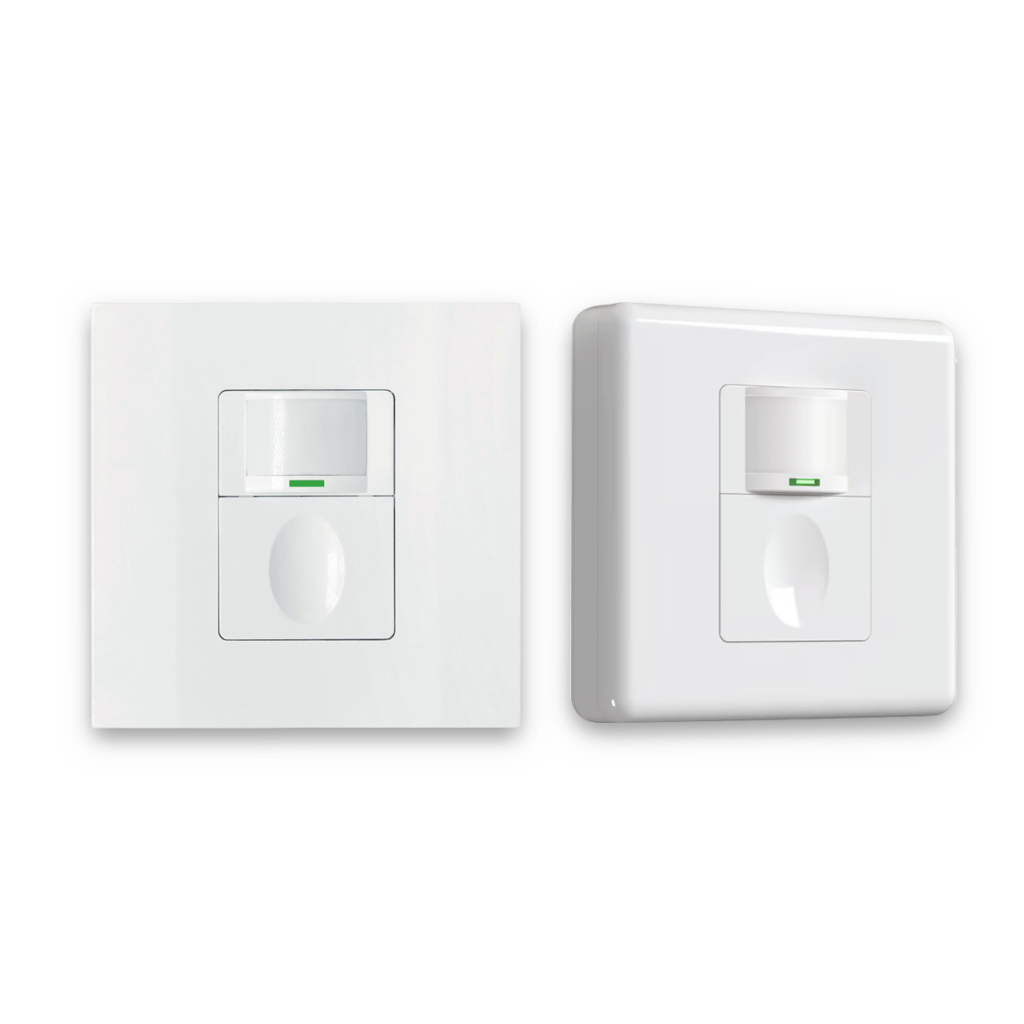
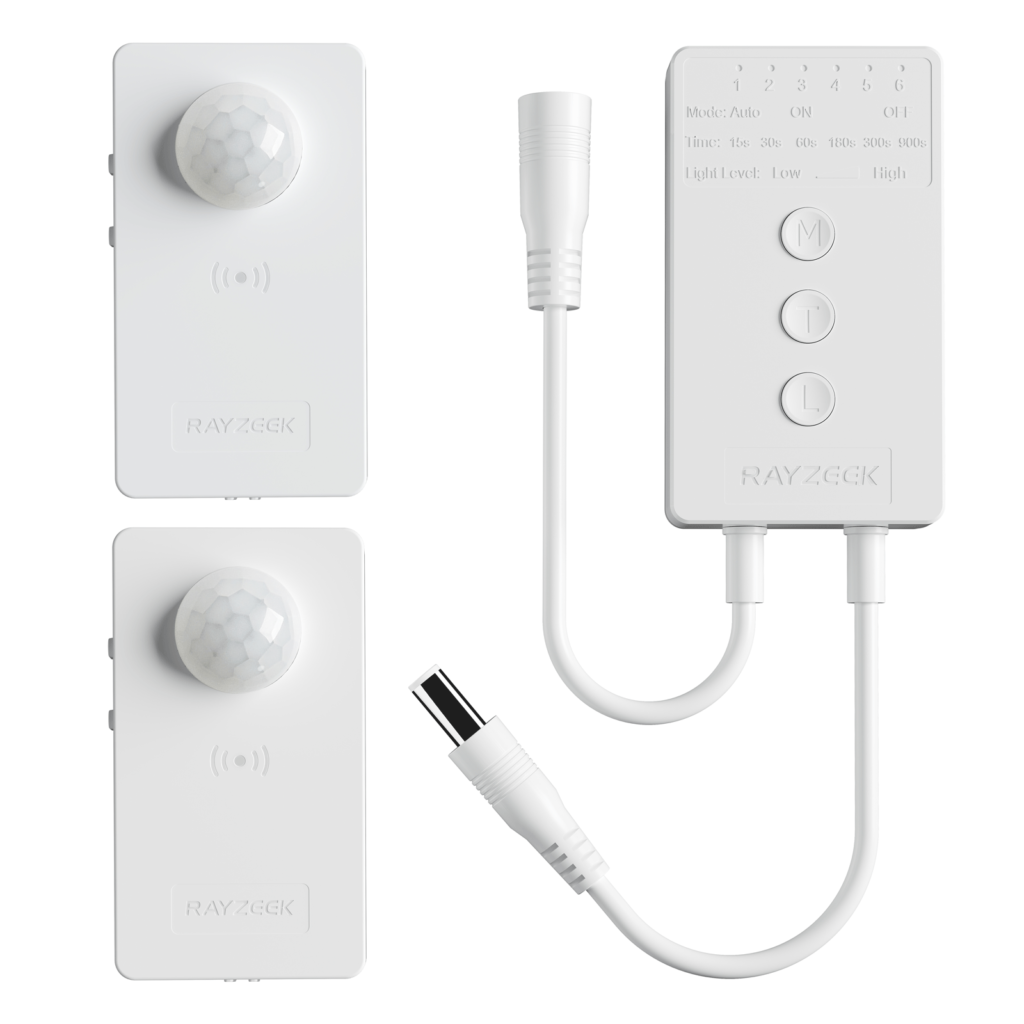
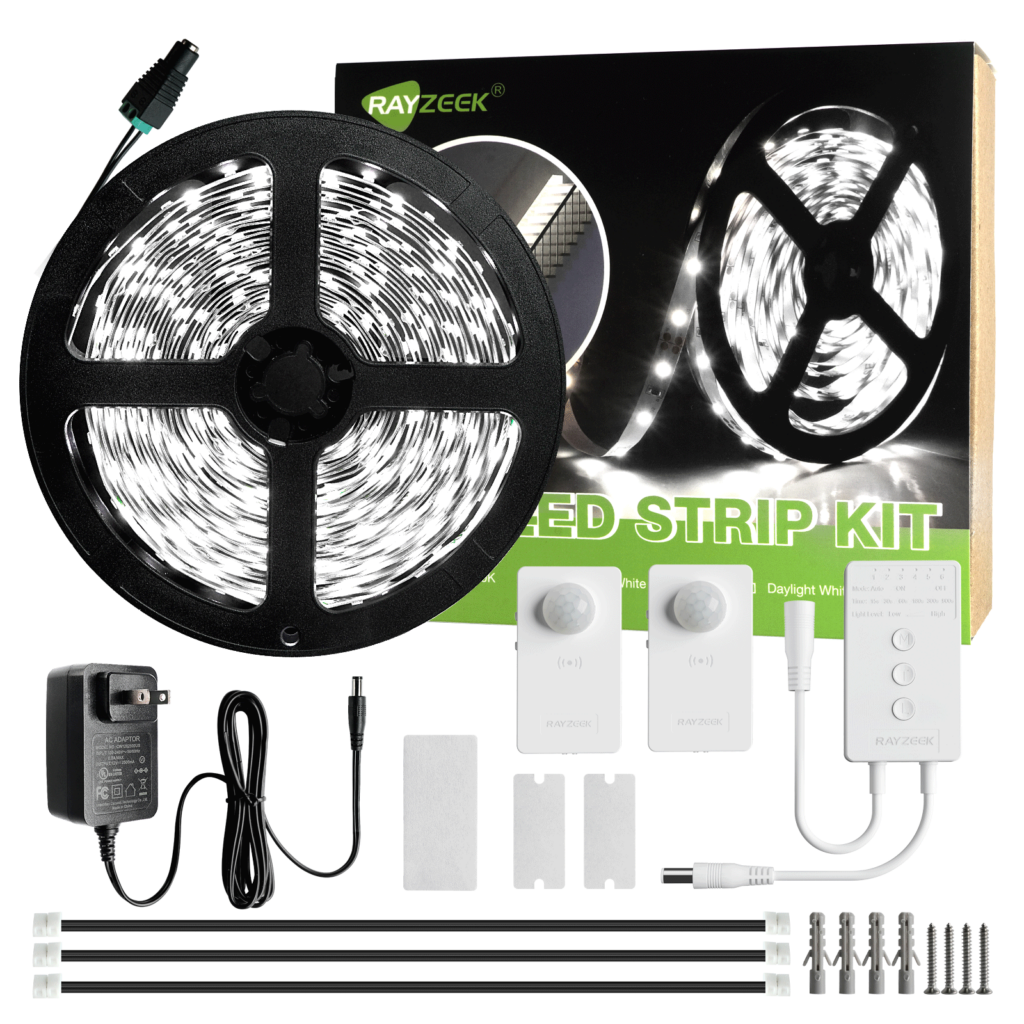
Rayzeekのワイヤレス人感センサーキット、人感センサー付き壁面スイッチ、天井取付型人感センサー、HVAC/エアコン用センサーをご活用いただけます

カスタム省エネソリューション

市場にまだ存在しない、革新的なカスタム省エネソリューションをお探しですか?

Rayzeekは、将来のエネルギー課題に向けた最先端の省エネソリューションの開発・設計・製造に継続的に投資しています。

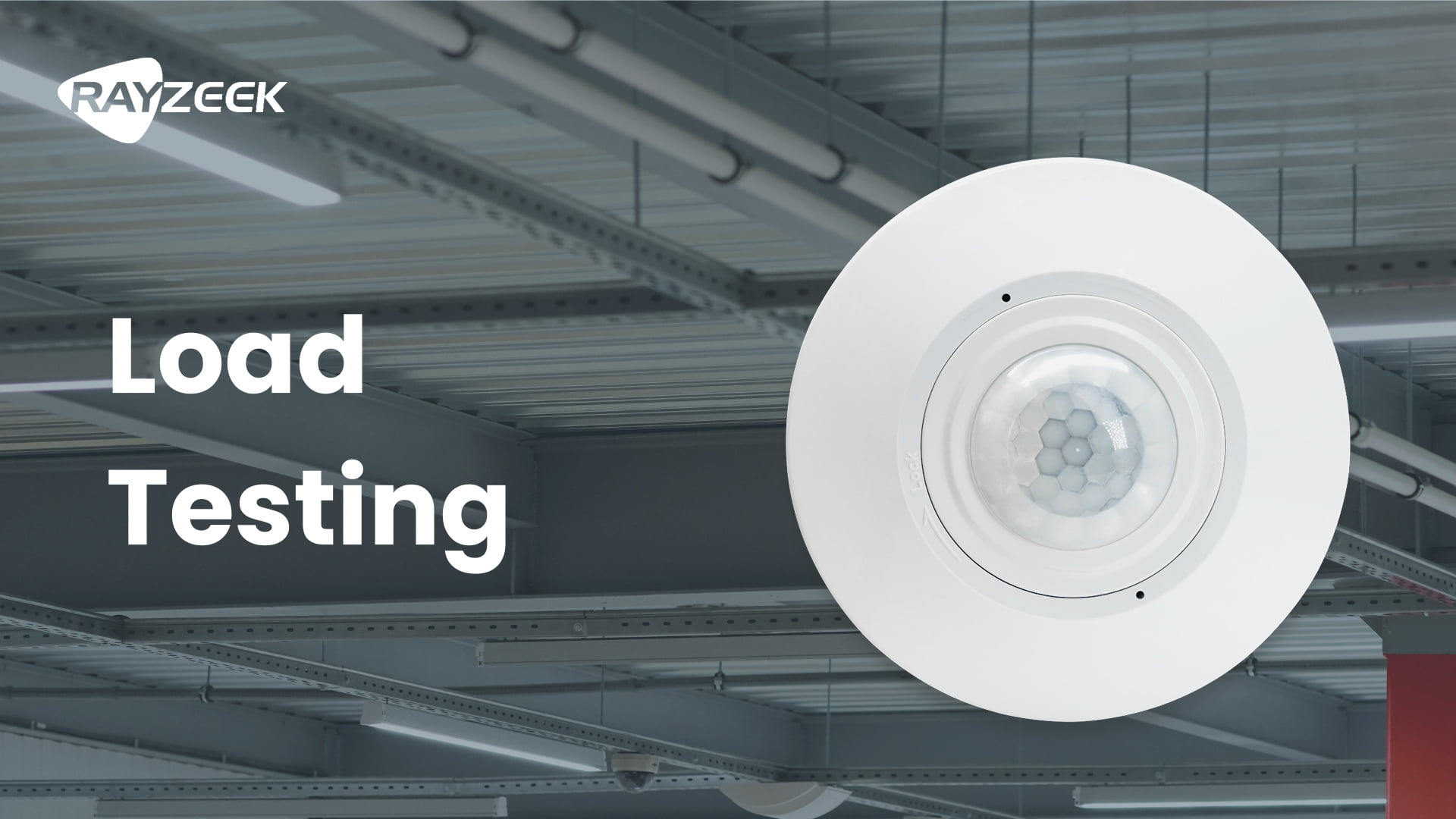
厳格なテストを経たRayzeekの人感センサーが、いかにしてお客様のご満足をお約束しているかをご覧ください。

製品カテゴリー

人感センサー製品一覧

タッチフリー&省エネ

当社の人感センサーは、タッチフリーで省エネなライフスタイルを提供します。検知した動きに基づいて照明を制御し、衛生管理とエネルギーの節約を両立します。革新的な技術により、シームレスな快適性と持続可能性をご体感ください。

柔軟性

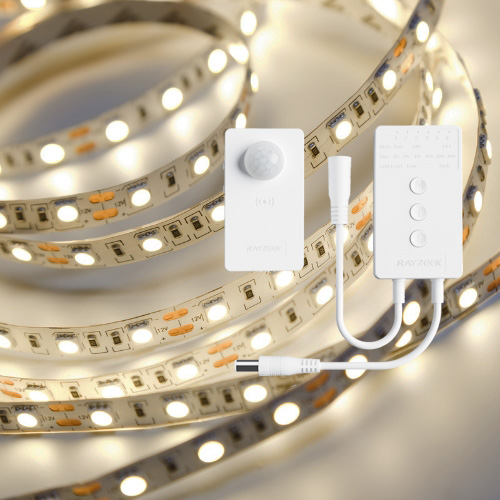
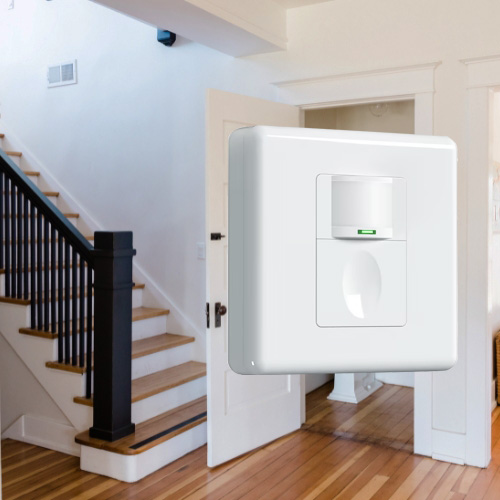
当社の人感センサーは、その高い柔軟性を特長としています。テープライト用のコンパクトなインラインセンサーから、住宅向けの壁面スイッチ、商業グレードのセンサーまで、あらゆるニーズに対応します。多様な要求に応える当社製品の汎用性をご体感ください。

Innovation

Experience the power of Innovation with our motion sensors. We constantly innovate, offering unique models like multilocation, air conditioner, and 2-wire only sensors, setting us apart in a competitive market.

人感センサー

結果の1~9/66を表示しています

What Is a Motion Sensor

A motion sensor is a device that detects physical movement in a given area. It can be used to monitor movement in a room, hallway, or other areas where the sensor is placed. It operates by emitting a signal - this could be infrared, ultrasonic, or microwave. When this signal is interrupted by movement, the sensor triggers a response. In the case of your product, this response is to turn on the lights.

These sensors are designed to detect any motion, including that of humans, animals, or other objects. They are often used in conjunction with lighting systems to improve energy efficiency. When the sensor detects motion, it signals the lights to turn on, ensuring that lights are not left on unnecessarily when a room is unoccupied. Conversely, when the sensor no longer detects motion, it will signal the lights to turn off, conserving energy. It's important to note that these motion sensors are distinct from motion detectors used in home security systems, which are designed to trigger an alarm rather than control lighting.

Motion Sensor vs Occupancy Sensor

Motion sensors are designed to detect any movement in their field of view. They respond to moving objects only. These sensors are typically used in security or lighting systems, where the goal is to detect movement such as someone walking by. They use simple resolution components of less coverage area and are more common in homes due to their low price range.

Occupancy sensors, on the other hand, are designed to detect the presence of a person or an animal, whether they are stationary or not. This makes them ideal for applications like lighting control, where the goal is to keep the lights on as long as a room is occupied, regardless of whether there is movement or not. Occupancy detectors use higher resolution components and give more precise readings, making them a bit costlier than motion sensors.

Common Motion Sensor Technogloies

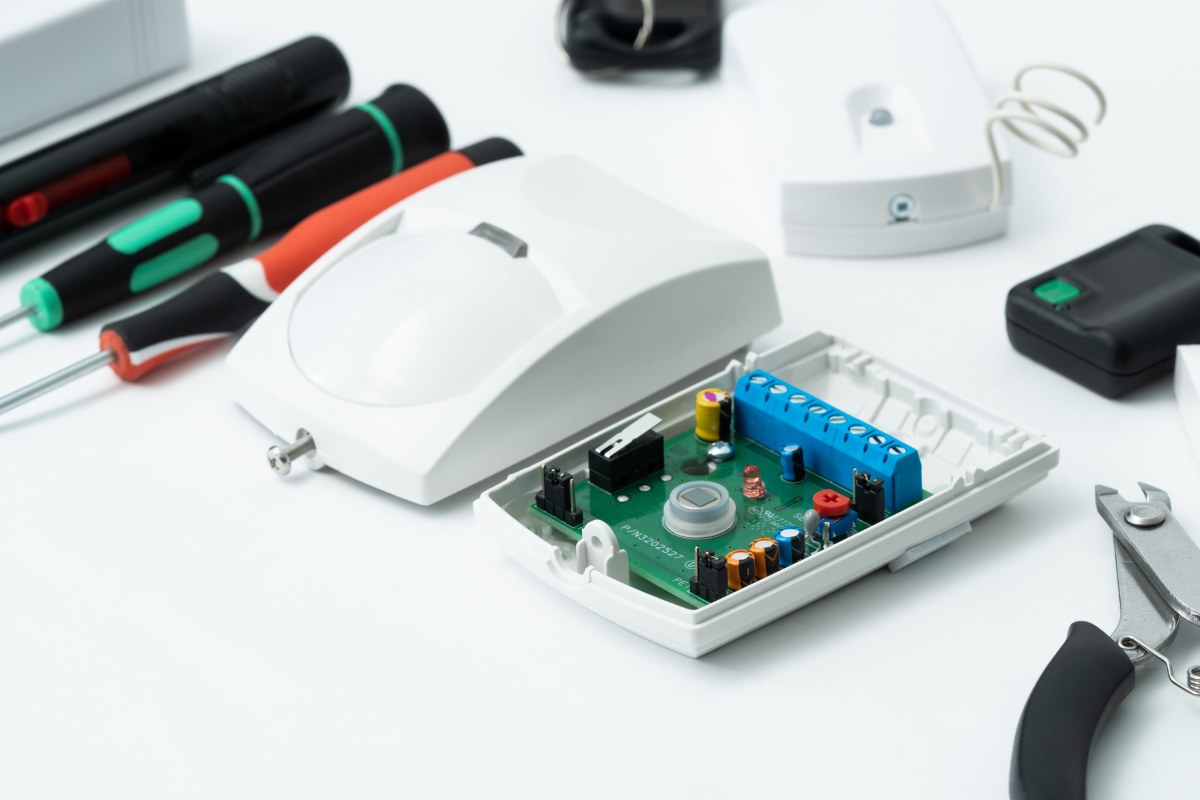
Motion sensors, such as those used in our product line, typically employ one of common technologies: Passive Infrared (PIR), Ultrasonic, Microwave or Dual-Technology.

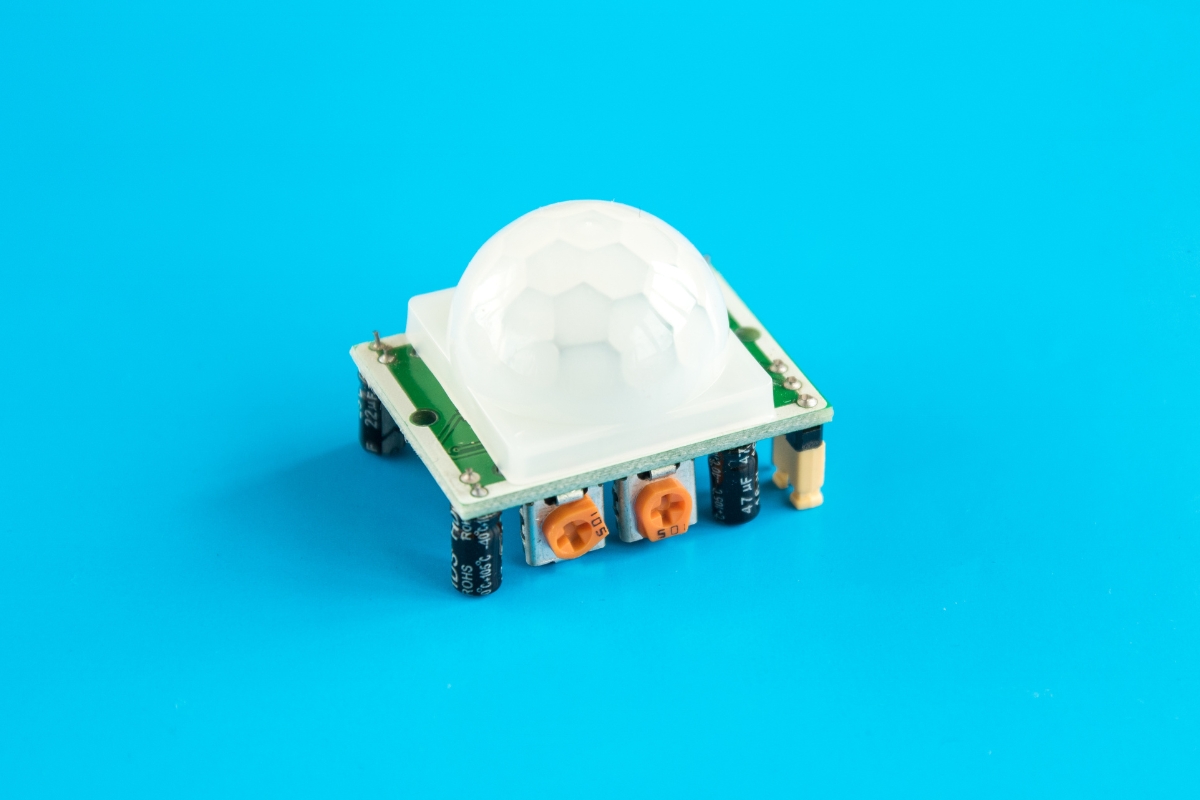
Passive Infrared (PIR) sensors detect changes in heat radiation within the environment. When a warm body like a human or animal passes in the detection area, it detects the change in infrared radiation and triggers the sensor. This technology is energy-efficient as it does not emit energy but only receives it.

Ultrasonic sensors emit ultrasonic waves, and when these waves hit an object, they bounce back to the sensor. The sensor then measures the time it took for the wave to return, allowing it to calculate the distance to the object. If the object moves, the time it takes for the wave to return changes, triggering the sensor.

Microwave sensors work similarly to ultrasonic sensors but use microwave pulses instead of ultrasonic waves. These sensors cover a larger area compared to PIR and Ultrasonic sensors but are more prone to interference and false alarms.

In a dual-technology motion sensor, both the PIR and Ultrasonic sensors must be triggered to set off the light. This significantly reduces the chance of false alarms as both heat movement (from PIR) and physical movement (from Ultrasonic) need to be detected. This makes them ideal for situations where precision is paramount.

How Motion Sensors Work

Motion sensors work by using a variety of technologies to detect movement in an area. The primary technology used in our motion sensors is Passive Infrared (PIR). The sensor works by detecting the infrared radiation emitted naturally by all objects, especially living beings. When a person or object passes within the field of view of the sensor, it detects the change in infrared radiation. This change triggers the sensor.

Once triggered, the sensor sends a signal to the connected lighting system to turn on the lights. The lights remain on as long as the sensor continues to detect movement. When movement ceases, the sensor stops sending the signal, and this prompts the lighting system to turn off the lights, thereby conserving energy. It's important to note that our motion sensors are designed for energy efficiency and convenience, and not for security purposes. They are ideal for use in various settings, including hallways, restrooms, and offices.

Does Motion Sensor Work Through Glass

Motion sensors, particularly those using Passive Infrared (PIR) technology, generally do not function through glass. PIR sensors detect changes in infrared energy, which is emitted by humans and animals as heat. When a person or animal enters the detection zone of a PIR sensor, it detects this infrared energy and triggers the lights.

However, glass poses a barrier to infrared energy. Modern glass is designed to insulate and prevent heat from passing through, absorbing the infrared energy. Consequently, if a person or animal is behind a pane of glass, the infrared energy will not reach the sensor, and the motion sensor will not be triggered.

There are, however, certain types of motion sensors that can function through glass. For instance, radar motion sensor bulbs use photocell sensors that detect both infrared and visible light. Since light can travel through glass, these types of bulbs can detect movement beyond the glass1. This is because glass does not absorb the visible part of the light spectrum, allowing for motion detection beyond any glass obstacle.

Does Light Trigger Motion Sensors

No, light does not typically trigger motion sensors. Motion sensors, like the ones in our product range, work based on detecting changes in infrared energy. When a person or object moves within the sensor’s field of view, it detects the change in infrared energy and triggers the light to turn on.

Sudden changes in temperature can potentially cause false triggers, as heat also emits infrared energy. For example, the sudden appearance of a warm object against a cool background might trigger the sensor. But under normal circumstances, changes in light levels should not affect the operation of the motion sensors.

Our motion sensors are designed to be highly reliable and minimize false triggers, providing you with a seamless and efficient lighting solution. They are not intended for use in home security systems, but rather to provide convenient, energy-saving automated lighting.

Does Motion Sensor Light Save Energy

Yes, motion sensor lights can significantly contribute to energy savings. They operate by detecting movement within a specific range and automatically turning on the lights. This ensures that lights are only in use when necessary, reducing the amount of wasted energy that occurs when lights are left on in unoccupied spaces.

Moreover, these sensors also automatically turn off the lights after a preset period of inactivity, further conserving energy. This feature is particularly beneficial in spaces that are intermittently occupied, such as hallways, staircases, or restrooms. By automating the process of turning lights on and off based on occupancy, motion sensor lights optimize energy usage and can lead to substantial reductions in electricity bills.

Motion Sensor to Detect Animals

Yes, motion sensors can detect animals. The detection is based on the principle of Passive Infrared (PIR) technology, which senses heat emitted by living beings. When an animal, such as a pet, moves within the sensor's range, the change in heat signatures triggers the sensor.

The sensitivity and range of detection can vary based on the specific model and settings of the motion sensor. Some sensors offer pet-immunity features to avoid false alarms triggered by small animals. These sensors are designed to ignore motion from animals below a certain weight or size, providing a more tailored solution for users with pets.

商業施設向け省エネソリューション

個室オフィス

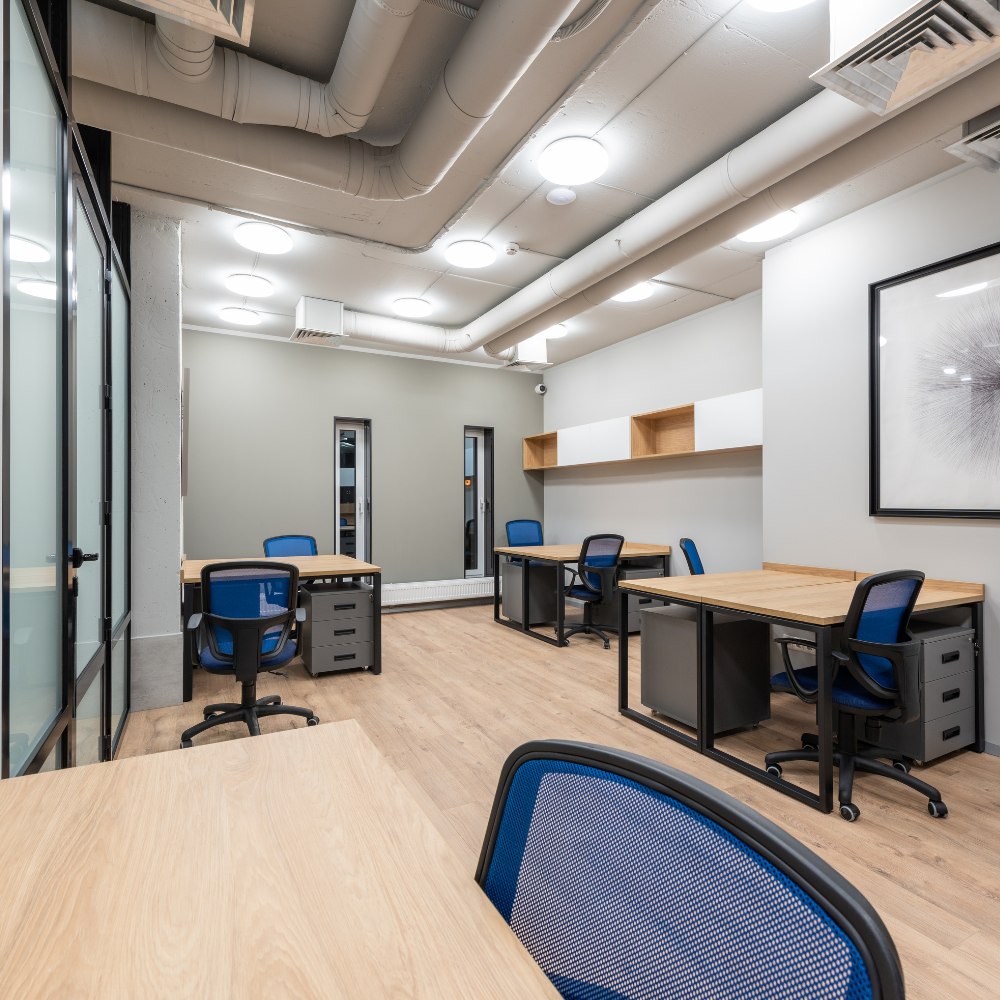
Rayzeekのセンサー設計ガイドで、個室オフィス向けの省エネソリューションをご覧ください。省エネ基準を満たしながら、効率性と快適性を高める照明制御の最適化方法について紹介しています。

オープンオフィス

効率向上とエネルギーの無駄削減における自動照明制御の効果をご確認ください。ワークスペースの効率性と快適性を高める照明制御の最適化方法を紹介しています。

会議室

Rayzeekの人感センサー設計ガイドで、会議室における省エネの可能性をご確認ください。

教室

Rayzeekのセンサー設計ガイドで、教室における省エネの可能性をご確認ください。省エネ基準を満たしながら、より効率的な学習環境を構築する方法について紹介しています。

レストラン

エネルギー消費を抑えつつ心地よい雰囲気を演出するために、効率的な照明制御が鍵となるレストラン向けの省エネ設計ガイドをご覧ください。

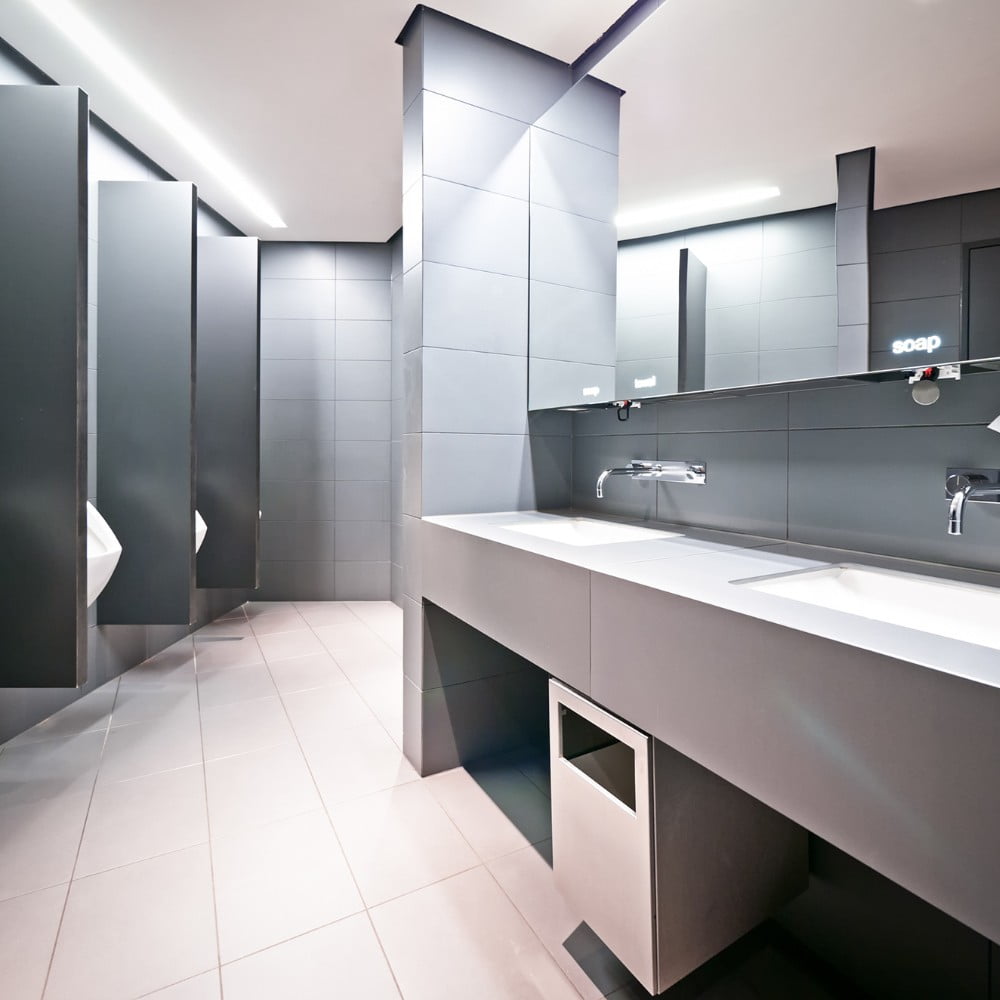
化粧室

米国省エネ基準に準拠した効率的な照明制御を実現するため、人感センサーソリューションの理解と導入を支援する化粧室向け省エネガイドをご覧ください。

保管庫・倉庫

Rayzeekの占有センサー設計ガイドで、保管庫における省エネルギーの可能性をご確認ください。

廊下

Rayzeekのセンサー設計ガイドで、廊下における省エネルギーの可能性をご確認ください。商業ビルの通路における自動照明制御の効果をご紹介します。

ロビー

ロビーにおける省エネルギーの可能性をご確認ください。お客様のニーズに合わせたソリューションにより、エネルギー基準への適合と電力の無駄削減を実現する方法をご紹介します。

人感センサーの詳細を見る

Japanese