Restrooms
ABD Enerji Yönetmeliklerine uygun olarak verimli aydınlatma kontrolü için varlık sensörü çözümlerini anlamanıza ve uygulamanıza yardımcı olmak üzere tasarlanmış tuvaletlere yönelik enerji tasarrufu rehberimizi inceleyin.
Maximize Energy Efficiency in Restrooms with Occupancy Sensors
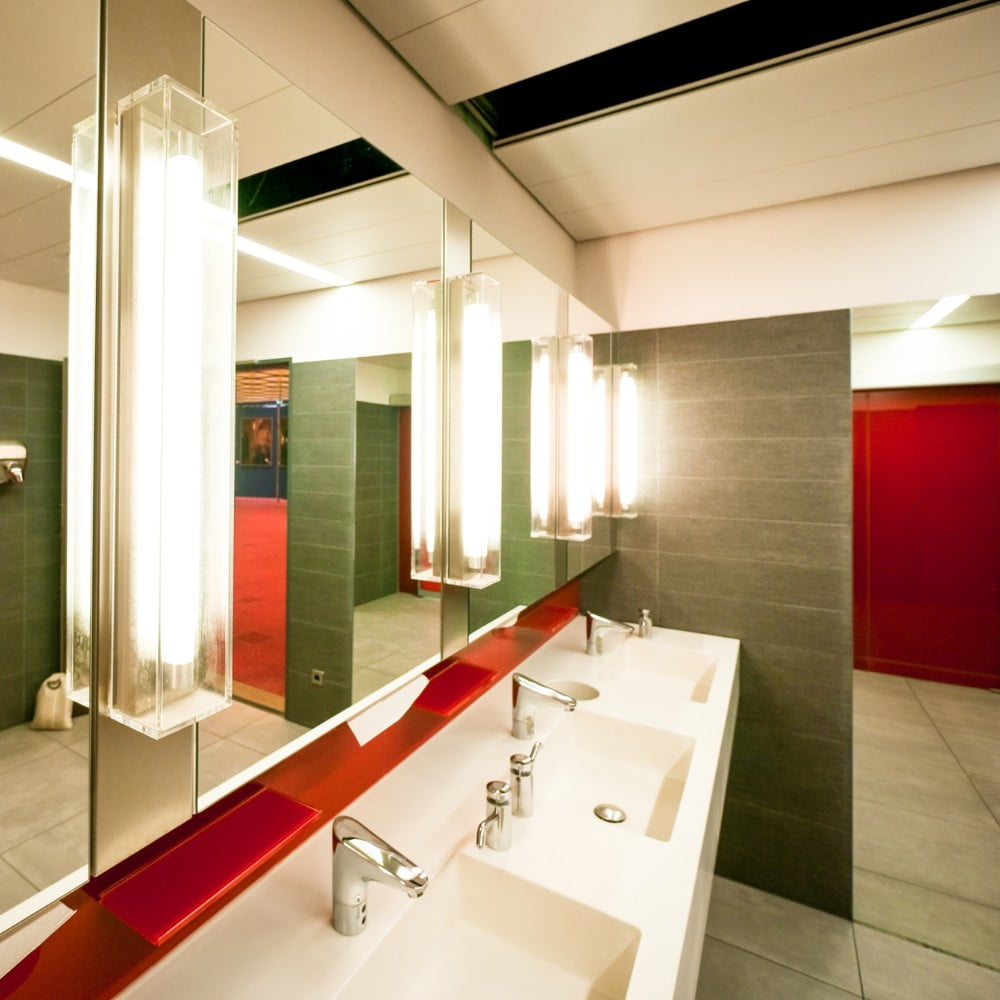
Restrooms in commercial buildings are frequently used spaces that often remain lit even when unoccupied, leading to significant energy wastage. These spaces typically use high-intensity lighting fixtures that consume substantial amounts of energy. The sporadic and unpredictable nature of restroom usage further exacerbates this issue, as lights are often left on unnecessarily during periods of non-use.
Given these factors, the potential for energy savings in restrooms is substantial. By implementing occupancy sensor solutions, commercial facilities can significantly reduce their lighting energy consumption. Occupancy sensors detect the presence or absence of people and automatically control the lighting accordingly, ensuring lights are only on when needed. This not only saves energy but also extends the lifespan of lighting fixtures, leading to additional cost savings.
Enerji Kodları ile Tanışın

Uluslararası Enerji Tasarrufu Kodu (IECC), binalarda enerji verimliliği için minimum tasarım ve inşaat gereksinimlerini belirlemek amacıyla Uluslararası Kod Konseyi (ICC) tarafından geliştirilmiş örnek bir koddur. IECC, en son enerji tasarrufu uygulamalarını ve teknolojilerini kapsayacak şekilde her üç yılda bir güncellenir.
IECC: Neden Önemsemelisiniz?
IECC, Amerika Birleşik Devletleri genelindeki eyaletler ve belediyeler tarafından yaygın olarak kabul edilmektedir. IECC; bina kabuğu (duvarlar, çatılar ve pencereler), ısıtma ve soğutma sistemleri ve aydınlatma sistemleri dahil olmak üzere enerji kullanımının çeşitli yönlerini kapsar.
IECC, çeşitli alanlarda kullanılmayan mekanlardaki enerji israfını en aza indirmek için varlık sensörleri gibi belirli aydınlatma kontrollerini zorunlu kılar.

ANSI/ASHRAE/IES Standart 90.1, Alçak Katlı Konutlar Dışındaki Sahalar ve Binalar İçin Enerji Standardı, Amerikan Isıtma, Soğutma ve İklimlendirme Mühendisleri Derneği (ASHRAE) tarafından yayınlanan ve yaygın kabul gören bir enerji standardıdır.
ASHRAE 90.1: Neden Önemsemelisiniz?
ASHRAE 90.1, Amerika Birleşik Devletleri genelindeki bina enerji kodları için bir referans noktası olarak kullanılır ve bina kabukları, HVAC sistemleri, su ısıtma sistemleri ile aydınlatma sistemleri dahil olmak üzere ticari binaların bileşenlerinin enerji verimli performansı için minimum gereksinimleri taslak haline getiren IECC kapsamında bir uyum yolu sunar.
ASHRAE 90.1 standardı, izin verilen maksimum aydınlatma güç yoğunluklarını ve belirli alanlarda varlık sensörlerinin kullanımı da dahil olmak üzere minimum aydınlatma kontrolü gereksinimlerini belirler.

Resmi olarak Konut ve Konut Dışı Binalar İçin Bina Enerji Verimliliği Standartları olarak bilinen Kaliforniya Bina Standartları Kodu'nun Bölüm 6'sındaki Title 24, Kaliforniya Enerji Komisyonu tarafından yönetilir ve yeni enerji verimliliği teknolojilerini ve yöntemlerini yansıtmak üzere periyodik olarak güncellenir.
Title 24: Neden Önemsemelisiniz?
Title 24, katı gereksinimleriyle tanınır ve genellikle Amerika Birleşik Devletleri'ndeki diğer birçok enerji kodunda bulunanlardan daha katı kabul edilir. Title 24; ısıtma, havalandırma, iklimlendirme (HVAC), su ısıtma ve aydınlatmayı içeren bina inşaatının tüm yönleri için katı enerji performansı standartlarını zorunlu kılar.
Title 24, enerjinin boşa harcanmamasını sağlamak amacıyla ticari binaların belirli alanlarında oda doluluğuna göre aydınlatmayı ayarlayan varlık sensörlerinin kurulmasını gerektirir.
Eyaletlere Göre Enerji Kodu Uygulaması
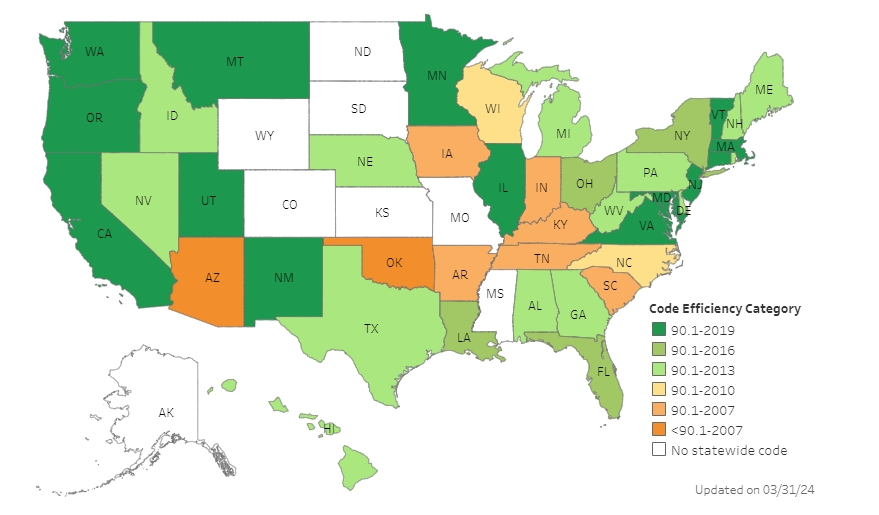
Detaylı tabloyu görmek için genişletin ↓
| Eyalet | Mevcut Ticari Bino Kodu | Ticari Bina Kodu Verimlilik Kategorisi |
|---|---|---|
| Alabama | 90.1-2013 | 90.1-2013 |
| Alaska | Eyalet genelinde yok | Eyalet genelinde geçerli bir kod yok |
| Arizona | Özerk yönetim | <90.1-2007 |
| Arkansas | 2009 IECC ve 90.1-2007 | 90.1-2007 |
| Kaliforniya | 2022 Bina Enerji Verimliliği Standartları | 90.1-2019 |
| Colorado | Özerk yönetim | Eyalet genelinde geçerli bir kod yok |
| Connecticut | 2021 IECC and 90.1-2019 | 90.1-2019 |
| Delaware | 2018 IECC and 90.1-2016 | 90.1-2013 |
| District of Columbia | 90.1-2013^ | 90.1-2019 |
| Florida | 2021 IECC and 90.1-2019^ | 90.1-2016 |
| Georgia | 2015 IECC and 90.1-2013^ | 90.1-2013 |
| Hawaii | Özerk yönetim | 90.1-2013 |
| Idaho | 2018 IECC and 90.1-2016 | 90.1-2013 |
| Illinois | 2021 IECC and 90.1-2019 | 90.1-2019 |
| Indiana | 90.1-2007 | 90.1-2007 |
| Iowa | 2012 IECC and 90.1-2010 | 90.1-2007 |
| Kansas | Özerk yönetim | Eyalet genelinde geçerli bir kod yok |
| Kentucky | 2012 IECC and 90.1-2010 | 90.1-2007 |
| Louisiana | 2021 IECC and 90.1-2019^ | 90.1-2016 |
| Maine | 2015 IECC and 90.1-2013 | 90.1-2013 |
| Maryland | 2021 IECC and 90.1-2019^ | 90.1-2019 |
| Massachusetts | 2018 IECC and 90.1-2016^ | 90.1-2019 |
| Michigan | 2015 IECC and 90.1-2013^ | 90.1-2013 |
| Minnesota | 90.1-2019^ | 90.1-2019 |
| Mississippi | Eyalet genelinde yok | Eyalet genelinde geçerli bir kod yok |
| Missouri | Özerk yönetim | Eyalet genelinde geçerli bir kod yok |
| Montana | 2021 IECC and 90.1-2019 | 90.1-2019 |
| Nebraska | 2018 IECC and 90.1-2016 | 90.1-2013 |
| Nevada | 2018 IECC and 90.1-2016 | 90.1-2013 |
| New Hampshire | 2018 IECC and 90.1-2016^ | 90.1-2013 |
| New Jersey | 90.1-2019 | 90.1-2019 |
| New Mexico | 2021 IECC and 90.1-2019^ | 90.1-2019 |
| New York | 2018 IECC and 90.1-2016^ | 90.1-2016 |
| North Carolina | 2015 IECC and 90.1-2013^ | 90.1-2010 |
| North Dakota | Özerk yönetim | Eyalet genelinde geçerli bir kod yok |
| Ohio | 2021 IECC and 90.1-2019^ | 90.1-2016 |
| Oklahoma | 2006 IECC and 90.1-2004 | <90.1-2007 |
| Oregon | 90.1-2019 | 90.1-2019 |
| Pennsylvania | 2018 IECC and 90.1-2016 | 90.1-2013 |
| Rhode Island | 2018 IECC and 90.1-2016^ | 90.1-2013 |
| South Carolina | 2009 IECC ve 90.1-2007 | 90.1-2007 |
| South Dakota | Özerk yönetim | Eyalet genelinde geçerli bir kod yok |
| Tennessee | 2021 IECC and 90.1-2013 | 90.1-2007 |
| Texas | 2015 IECC and 90.1-2013 | 90.1-2013 |
| Utah | 2021 IECC and 90.1-2019^ | 90.1-2019 |
| Vermont | 2021 IECC and 90.1-2019^ | 90.1-2019 |
| Virginia | 2021 IECC and 90.1-2019^ | 90.1-2019 |
| Washington | 2018 Washington State Energy Code | 90.1-2019 |
| Tennessee | 2012 IECC and 90.1-2010 | 90.1-2007 |
| Texas | 2015 IECC and 90.1-2013 | 90.1-2013 |
| Utah | 2021 IECC and 90.1-2019^ | 90.1-2019 |
| Vermont | 2018 IECC and 90.1-2016^ | 90.1-2019 |
| Virginia | 2021 IECC and 90.1-2019^ | 90.1-2019 |
| Washington | 2018 Washington State Energy Code | 90.1-2019 |
| West Virginia | 90.1-2013 | 90.1-2013 |
| Wisconsin | 2015 IECC and 90.1-2013^ | 90.1-2010 |
| Wyoming | Özerk yönetim | Eyalet genelinde geçerli bir kod yok |
- ^ When an amendment impacting energy efficiency can be quantified using DOE Prototype Building Models, they were captured in the analysis.
- For states adopting both IECC and 90.1, the IECC code is usually analyzed as the state current code in this study except for states with extensive amendments to the IECC.
Tuvaletler İçin Tasarım Kılavuzu Temel Kavramları
Tuvaletler için enerji verimli bir aydınlatma kontrol çözümü tasarlamak, alanın eksiksiz bir şekilde kapsanmasını sağlamak amacıyla varlık sensörlerinin stratejik olarak yerleştirilmesini gerektirir.
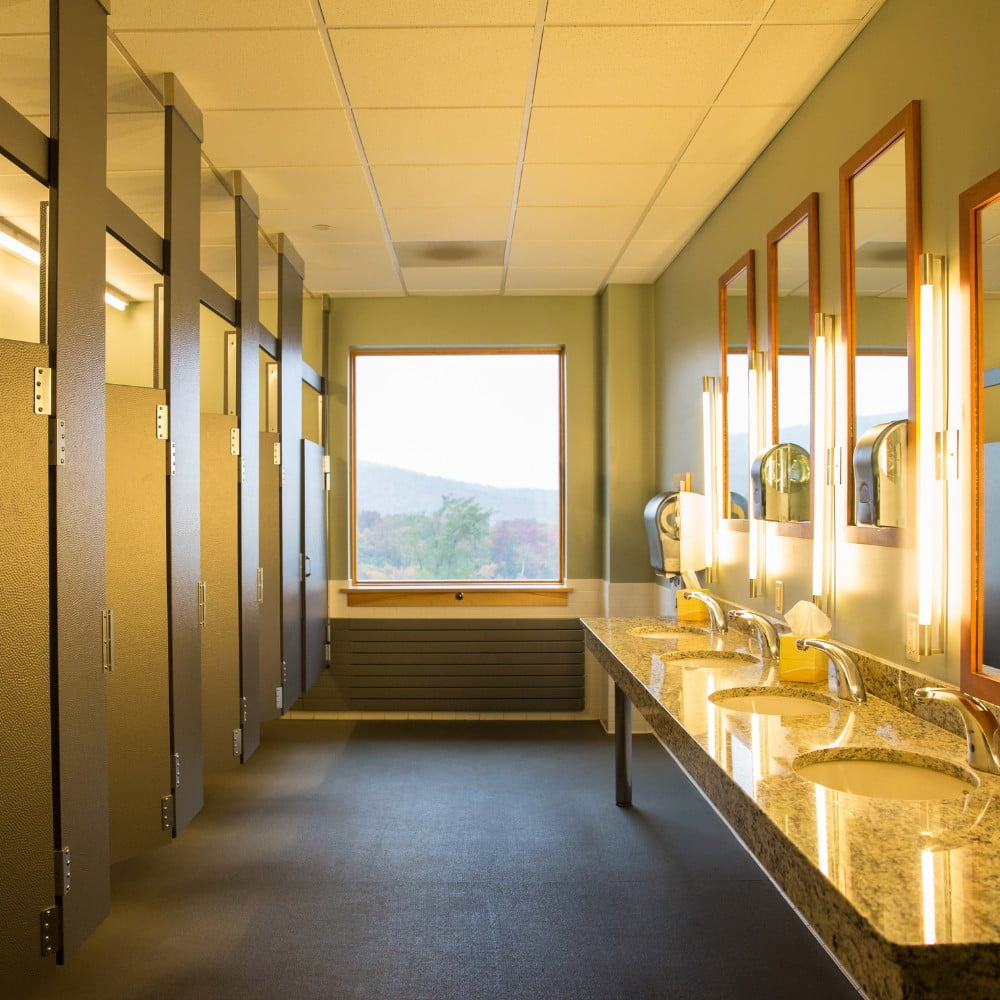
By following these guidelines, businesses can create an energy-efficient lighting control solution for restrooms that reduces energy waste, and lowers maintenance costs:
- Entrance Coverage: Install a wall occupancy sensor near the entrance to detect when someone enters the restroom. This sensor should be positioned high enough to avoid obstructions from the door and should not directly face the entrance to avoid false triggers from movement outside the restroom.
- Stall Coverage: Depending on customer preference for privacy, stalls can either be covered by a sensor or not. If stalls are not covered by a sensor, program a longer timeout (15 or 20 minutes) to prevent lights from turning off when someone is in the stall. If individual stall sensors are used, they should be installed in such a way that they do not detect movement outside the stall to avoid false triggers.
- Sink and Mirror Area: Install a ceiling occupancy sensor above the sink and mirror area. This sensor should be positioned to cover the entire area, ensuring that lights remain on when someone is using the sink or mirror.
- Avoidance of Air Vents: Do not mount sensors close to air vents, as the vibration and air flow can reduce the effectiveness of the sensor. PIR sensors should not be within 4ft of an air vent, and ultrasonic sensors should not be within 6ft of an air vent.
- Manual Control: Integrate manual control to turn ON/OFF all lighting with our occupancy/vacancy sensors. This allows for manual override of the lighting system if necessary.
Featured Products & Solutions
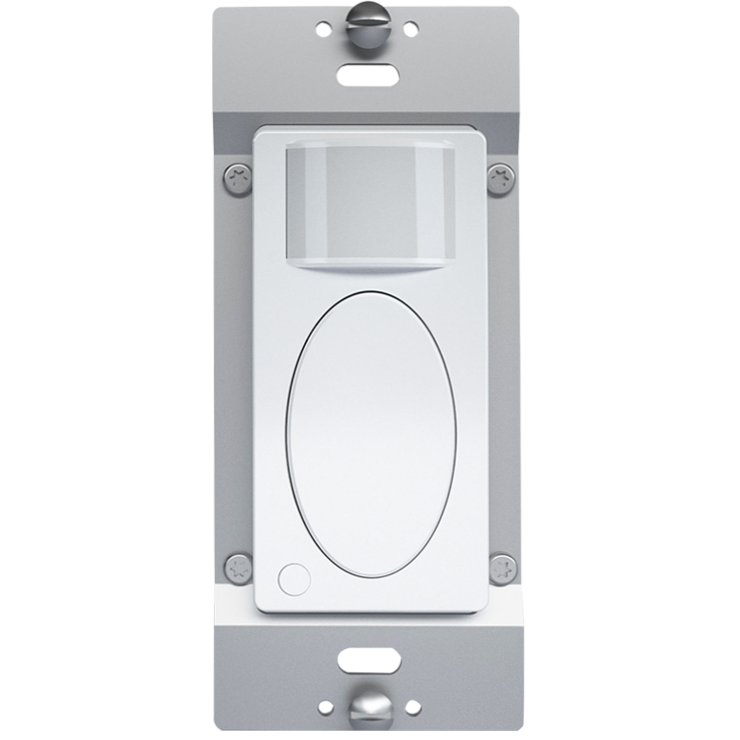
Wall Sensor Switches
RZ020/021 Motion Sensor Switches
- 2-wire, 3-wire, 4-wires wiring options
- Occupancy, Vacancy, Manual ON/OFF
- Adjustive time delay and ambient light control
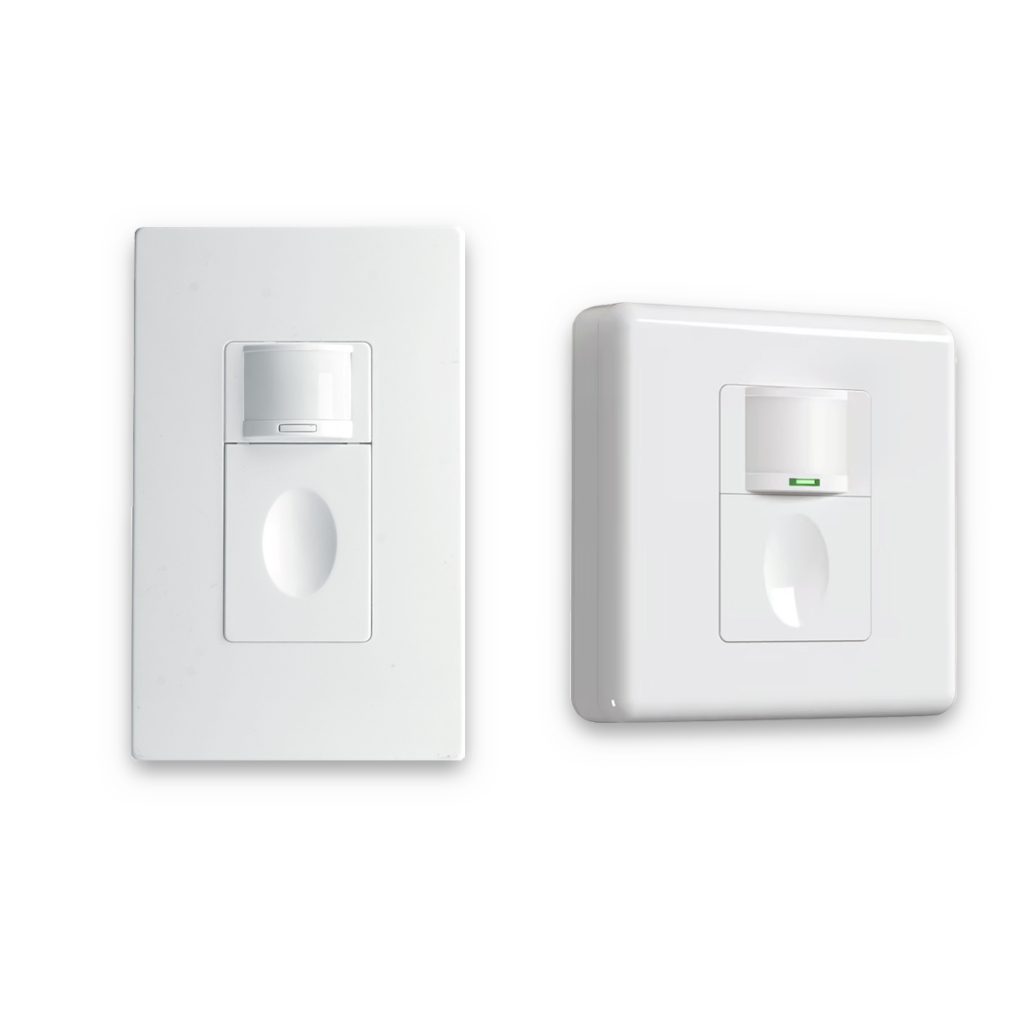
Multi-Location Wireless Wall Sensors
RZ020A/021A + RZ022W Kits
- Hardwired RZ021A/022A occupancy sensor switch
- Wireless companion switch (RZ022W) for multi-location control

Ceiling Occupancy Sensors
RZ036
- Hardwired occupancy sensors
- Auto ON, auto OFF
- Line voltage and Low voltage available
Core features included:
- Integrated manual ON/OFF control for all lighting
- Vacancy sensors (Manual ON only): Lights must be turned on manually only
- Adjustable time-delay, lighting is automatically turned full OFF after 15mins
- Additional: multi-location wireless kits to expand the control range without re-wring
- Additional: multiple wiring options available for both new constructions and retrofit projects.
Meets the Mandatory Provisions
IECC – 2011
C405.2.1 Occupant sensor controls
Occupant sensor controls shall be installed to control lights in the space.
C405.2.1.1 Occupant sensor control functions
- Manual on or partial on to no more than 50% power.
- Full off within 20 minutes after all occupants have left the space
- A manual control to turn off the lights.
**Full automatic-on controls with no manual control are permitted in restrooms where manual operation would endanger occupant safety or security.
ASHRAE 90.1 – 2022
Restrooms shall also be controlled by occupant sensors.
9.4.1.1 H Automatic full OFF control
All lighting in the space shall be automatically shut off within 20 minutes of all occupants leaving the space
Title 24 – 2022
130.1 (a) Manual area controls.
Each area enclosed by ceiling-height partitions shall provide lighting controls that allow the lighting in that area to be manually turned on and off.
** Restrooms having two or more stalls may use a manual control not accessible to unauthorized personnel.
130.1 (c) Shut-OFF Controls.
Lighting shall be controlled with occupant sensing controls to automatically shut OFF all of the lighting in 20 minutes or less after the control zone is unoccupied that shall function either as:
- A. Occupant sensing controls (if 130.1(b) not required to have multi-level lighting controls); or
- B. Partial-ON occupant sensing controls, or
- C. Vacancy sensing controls, where all lighting responds to a manual ON input only
Let us hear you.
Let Rayzeek help design and deliver a bespoke energy-saving lighting solution for you.