
Are plug-in power-saving devices a legitimate way to reduce your electricity bills, or are they just another too-good-to-be-true scam? In recent years, the market has been flooded with so-called “power saving devices” that claim to dramatically cut your energy consumption. But do these devices really deliver on their promises? Let’s delve into the science behind these products and uncover the truth about their effectiveness.
What Are Plug-In Power Saving Devices and Their Claims
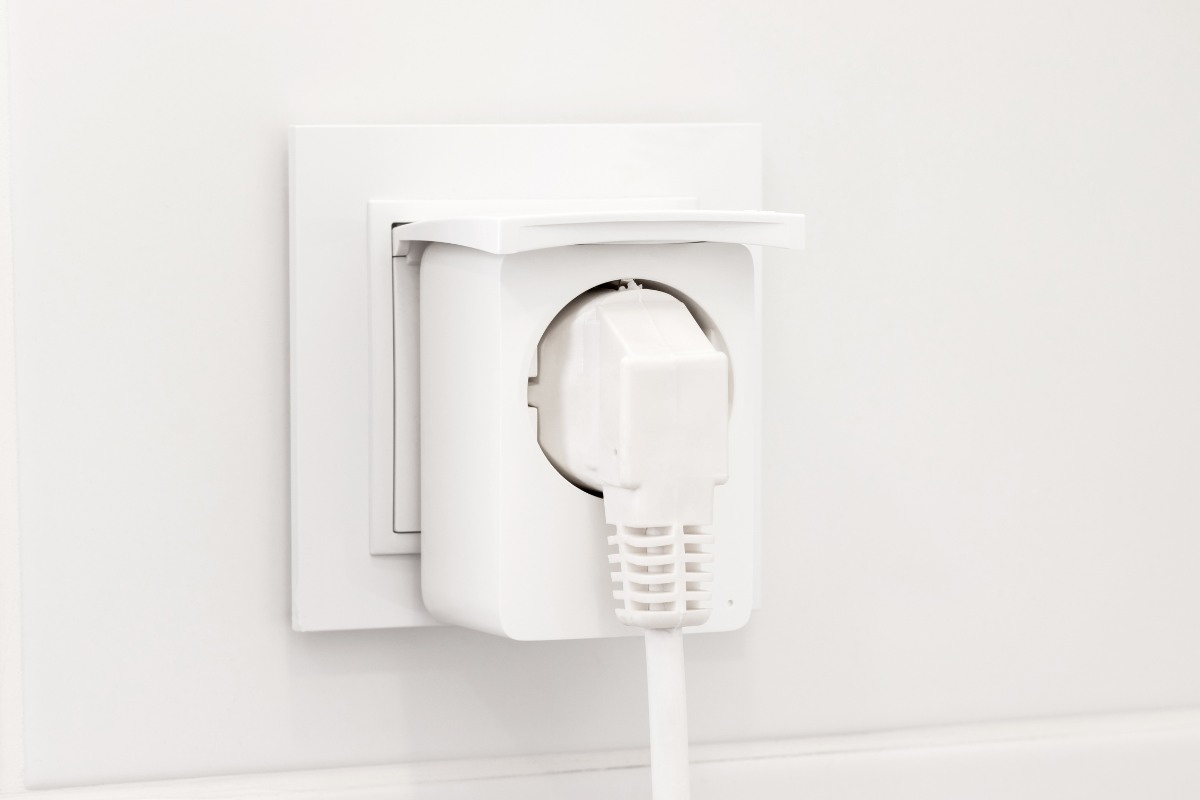
Plug-in power saving devices, also known as “Power Savers,” “Electricity Savings Boxes,” or by specific brand names like “Pro Power Save,” “Esaver,” “Miracle Watt,” and “Voltex,” are products marketed as simple solutions to reduce household energy consumption. These devices are typically small boxes that plug directly into a wall outlet and claim to work their energy-saving magic from there.
How Do They Claim to Work?
The marketing for these devices often employs vague and technical-sounding language to explain their supposed functionality. They claim to:
- Stabilize electrical current
- Reduce “dirty power” (fluctuations in the electricity supply)
- “Straighten the current” or “clean the dirty voltage”
- Use capacitors to balance the current
Perhaps the most enticing claim is that these devices can reduce power consumption by as much as 25% or even up to 90% in some cases. But how realistic are these claims? Let’s examine the science behind power consumption to understand why these devices are, unfortunately, too good to be true.
Power Factor Correction: Why It Matters for Industries, Not Homes
To understand why plug-in power saving devices don’t work as advertised for homes, we need to delve into the concept of power factor correction.
What is Power Factor Correction?
Power factor is the ratio of working power (measured in kilowatts, kW) to apparent power (measured in kilovolt-amperes, kVA). In simple terms, it’s a measure of how efficiently electrical power is being used. Power factor correction is a technique used to improve this efficiency, primarily in industrial settings.
Why Power Factor Correction Matters for Industries
In industrial environments, power factor correction is crucial for several reasons:
- Cost savings: Many utility companies charge industrial users penalties if their power factor drops below a certain level (typically 0.80 or 0.85). By improving their power factor, industries can avoid these penalties.
- Reduced demand charges: Utilities often base their charges for large industrial customers on ‘total’ power, which includes both real and reactive power. Improving power factor can lead to significant reductions in these charges.
- Improved equipment performance: A better power factor can lead to more efficient operation of electrical equipment, potentially extending its lifespan.
Why Power Factor Correction Doesn’t Matter for Homes
Here’s the crucial point: the benefits of power factor correction simply don’t apply to residential electricity consumers. Why? There are several reasons:
- Billing methods: Residential customers are typically billed for real power (kilowatt-hours) used, not apparent power (kVA). This means that even if a device could improve your home’s power factor, it wouldn’t directly result in lower electricity bills.
- Already high power factor: The power factor in typical residences is already quite high, often above 0.90. This means there’s very little room for improvement, even if it did affect billing.
- Different electrical loads: Most household appliances don’t create the kind of reactive loads that necessitate power factor correction in industrial settings.
So, if power factor correction isn’t the answer for home energy savings, what’s really inside these plug-in devices, and do they have any effect at all?
Inside the Box: Examining the Reality of Power Savers
Inside the Devices: What’s Really There?
When we look inside most plug-in power saving devices, the reality is far less impressive than the marketing claims would have you believe. Typically, these devices contain:
Rayzeek人感センサーのポートフォリオを見る.
お探しの製品が見つかりませんか?ご安心ください。課題を解決する手段は常に複数存在します。当社の製品ポートフォリオのいずれかがお役に立つかもしれません。
- An LED light: This gives the appearance that the device is “working.”
- A basic capacitor: While capacitors are used in legitimate power factor correction for industrial applications, the small capacitors in these devices are ineffective for home use.
- Sometimes, nothing at all: Some investigations have revealed that some devices contain nothing more than a plastic box with wires.
Analysis of Power Savers in Reactive and Resistive Loads
In theory, these devices might slightly decrease the amperage drawn by some appliances. However, this doesn’t translate to reduced power consumption or lower electric bills for residential consumers. Here’s why:
- For resistive loads (like incandescent bulbs or heating elements), power factor is already unity (1.0), so there’s no room for improvement.
- For reactive loads (like motors in refrigerators or air conditioners), any minor reduction in current doesn’t change the actual power consumed to do the work.
The Effect of Voltage Spikes on Household Appliances
Some power saver devices claim to protect against voltage spikes. While voltage spikes can cause a small increase in power consumption, it’s usually negligible in a residential setting. Moreover, most modern appliances already have built-in protection against minor voltage fluctuations.
Safety Risks: The Hidden Dangers of Power Saving Scams
Beyond their ineffectiveness, these devices can pose serious safety risks.
General Safety Risks
Many of these devices are cheaply made and lack proper safety certifications. This can lead to potential shock and fire hazards when plugged into your home’s electrical system.
Specific Safety Defects
Independent tests have revealed alarming safety defects in many of these devices:
- Inadequate fuses: The fuses used in these devices may not provide sufficient protection against overcurrent situations.
- Substandard MOVs (Metal Oxide Varistors): These components, meant to protect against voltage spikes, may be of poor quality or improperly rated.
- Non-approved plugs: Some devices use plug types that aren’t approved for use in certain countries, posing additional safety risks.
Cases of Overheating and Fire
There have been documented cases of these devices overheating or even catching fire. This risk alone should be enough to deter anyone from using these products in their home.
Proven Energy Savers: Alternatives That Actually Work
Instead of relying on ineffective and potentially dangerous plug-in devices, there are many proven ways to reduce your home’s energy consumption. Let’s explore some alternatives that actually work:
Energy-Efficient Lighting
One of the simplest and most effective ways to reduce energy consumption is to switch to LED lighting. LED bulbs use up to 90% less energy than traditional incandescent bulbs and last much longer, providing significant savings over time.
Smart Home Devices
- Smart thermostats: These can learn your habits and optimize heating and cooling, potentially saving up to 10% on your heating and cooling bills.
- Smart power strips: These can cut power to devices in standby mode, reducing “vampire” energy waste.
- Smart switches: These provide greater control over your lighting, allowing for remote activation and brightness adjustment.
Energy-Efficient Appliances
When it’s time to replace your appliances, look for those with the ENERGY STAR label. These appliances meet strict energy efficiency guidelines set by the U.S. Environmental Protection Agency and the U.S. Department of Energy. For example:
- ENERGY STAR certified refrigerators use about 15% less energy than non-certified models.
- ENERGY STAR certified washing machines use about 25% less energy and 33% less water than standard models.
Renewable Energy Solutions
While they require a larger upfront investment, renewable energy solutions can provide significant long-term savings:
- Solar power systems: These can dramatically reduce or even eliminate your electricity bills over time.
- Solar-powered chargers: These can reduce your reliance on grid electricity for small devices.
Practical Measures
There are also many no-cost or low-cost measures you can take to reduce your energy consumption:
- Turn off lights and appliances when not in use.
- Use energy monitors to track your electricity usage and identify areas for improvement.
- Improve your home’s insulation to reduce heating and cooling costs.
- Use natural lighting and ventilation when possible.
Marketing Deceptions: How Power Saver Scams Lure Consumers
Understanding the tactics used to market these ineffective devices can help you avoid falling for similar scams in the future.
人感センサーを活用した省エネソリューションをお探しですか?
PIR人感センサー、人感センサー搭載省エネ製品、人感センサースイッチ、商業施設向けOccupancy/Vacancy(在室/不在)ソリューションについては、お気軽にお問い合わせください。
Use of Fake Reviews and Endorsements
Many power saver device marketers use fake reviews and false celebrity endorsements to lend credibility to their products. They might claim that a well-known figure like Elon Musk has endorsed or even invented their device.
False Claims About Device Capabilities
These marketers often make outlandish claims about their devices’ capabilities, such as:
- Protecting against power surges
- Reducing “electromagnetic radiation”
- Cleaning the electrical circuit of “carbon”
These claims are not only false but often scientifically nonsensical.
Use of Fabricated Content
Some marketers go as far as creating entirely fabricated stories to support their claims. For example, they might invent a story about an employee who inspired the creation of the device.
Misleading Technical Terms
To sound more legitimate, these marketers often use technical-sounding terms that are either misused or completely made up. Examples include:
- “Patent-pending technology”
- “Advanced capacitors”
- “Groundbreaking Electricity Stabilizing Technology”
Evasive Business Practices
To avoid negative reviews and scrutiny, some companies behind these devices frequently change their names or create multiple brand names for essentially the same product.
こちらの商品もおすすめです

- 電圧: 単4形乾電池 2本
- 昼/夜モード
- タイマー設定時間: 15分、30分、1時間(デフォルト)、2時間

- 無電圧接点リレー出力付き天井取り付け型PIR人感センサー
- 12/24VDCまたは12/24VAC低電圧電源
- EMS、HVAC、および建物制御入力用COM、NO、NC絶縁リレー接点

- 低電圧DC天井埋め込み型マイクロ波人感センサースイッチ
- 10~30 VDC範囲の12 VDC / 24 VDC入力
- 調整可能なタイムラグ、照度(Lux)閾値、感度を備えた最大動作電流10A仕様
- 高負荷対応型 埋込型天井取付けマイクロ波人感センサースイッチ
- 100-265 VAC 商用電源入力、10Aモデル
- 調整可能なタイムラグ、照度(Lux)閾値、感度を備えた5.8 GHzマイクロ波検知
- 埋込型天井取付けマイクロ波人感センサースイッチ
- 100-265 VAC商用電圧入力、5Aモデル
- 調整可能なタイムラグ、照度(Lux)閾値、感度を備えた5.8 GHzマイクロ波検知
- 220V電源対応 天井取付けRZ037 PIR(赤外線)人感センサー調光器
- 定格負荷660W、最大動作電流3A
- LUXボタンによる照度センサーのON/OFFおよびユーザー設定の調光明るさ制御
- 110V電源対応 天井取付けRZ037 PIR(赤外線)人感センサー調光器
- 定格負荷330W、最大動作電流3A
- LUXボタンによる照度センサーのON/OFFおよびユーザー設定の調光明るさ制御

- 低電圧DC対応 天井取付けマイクロ波人感センサースイッチ
- 10~30 VDC範囲の12 VDC / 24 VDC入力
- 調整可能なタイムラグ、照度(Lux)閾値、感度を備えた最大動作電流10A仕様
- 高負荷対応 天井取付型マイクロ波人感センサースイッチ
- 100-265 VAC 商用電源入力、10Aモデル
- 調整可能なタイムラグ、照度(Lux)閾値、感度を備えた5.8 GHzマイクロ波検知
- 天井取り付け型マイクロ波人感センサースイッチ
- 100-265 VAC商用電圧入力、5Aモデル
- 調整可能なタイムラグ、照度(Lux)閾値、感度を備えた5.8 GHzマイクロ波検知

- 低電圧DC埋込型天井PIR人感センサースイッチ
- 10~30 VDC範囲の12 VDC / 24 VDC入力
- 最大動作電流10A(調整可能なタイムラグ、照度閾値、感度設定付き)

- 高負荷対応 埋込型天井PIR人感センサースイッチ
- 100-265 VAC 商用電源入力、10Aモデル
- 360度検知(調整可能なタイムラグ、照度閾値、感度設定付き)
- 埋込型天井PIR人感センサースイッチ
- 100-265 VAC商用電圧入力、5Aモデル
- 360度検知(調整可能なタイムラグ、照度閾値、感度設定付き)

- 屋内用照明ON/OFF制御ワイヤレススイッチ&受信機キット
- 100-230VAC、50/60Hz、定格電流5A受信機
- 2.4GHz通信対応 CR2032電池駆動ワイヤレススイッチ
- Occupancy(自動点灯/自動消灯)
- 12–24V DC (10–30VDC)、最大10A
- 360°検知エリア、直径8–12m
- タイムラグ 15秒–30分
- 照度センサー オフ/15/25/35 Lux
- 高/低感度
- 自動点灯/自動消灯人感モード
- 100–265V AC, 10A(中性線必須)
- 360°検知範囲、検知直径8–12 m
- タイムデレイ15秒–30分、Lux OFF/15/25/35、感度 高/低
- 自動点灯/自動消灯人感モード
- 100–265V AC, 5A(中性線必須)
- 360°検知範囲、検知直径8–12 m
- タイムデレイ15秒–30分、Lux OFF/15/25/35、感度 高/低
Combating the Scam: The Importance of Consumer Awareness
The best defense against these scams is an informed consumer base. Here’s how we can combat these deceptive practices:
The Role of Education
Spreading accurate information about how electricity works and how to genuinely save energy is crucial. The more people understand these concepts, the less likely they are to fall for scams.
Awareness of Misleading Claims
Learning to recognize the common tactics used by scammers can help consumers spot red flags. If a product’s claims sound too good to be true, they probably are.
Value of Independent Reviews
Encourage consumers to seek out reviews from independent organizations and reputable consumer protection agencies before making a purchase.
Reporting Fraudulent Activities
If you encounter a fraudulent power saving device, report it to relevant authorities such as the Federal Trade Commission (FTC) in the United States. This can help protect other consumers from falling victim to the same scam.
In conclusion, while the allure of drastically reduced energy bills through a simple plug-in device is tempting, the reality is that these products don’t work as advertised and can even pose safety risks. Instead, focus on proven energy-saving methods and stay informed to protect yourself from scams. Remember, when it comes to energy savings, if it sounds too good to be true, it probably is.







