Sind Energiesparstecker ein legitimes Mittel zur Senkung Ihrer Stromrechnung oder nur ein weiterer Betrug, der zu schön ist, um wahr zu sein? In den letzten Jahren wurde der Markt von sogenannten “Energiespargeräten” überschwemmt, die versprechen, Ihren Energieverbrauch drastisch zu reduzieren. Aber halten diese Geräte wirklich, was sie versprechen? Lassen Sie uns die Wissenschaft hinter diesen Produkten untersuchen und die Wahrheit über ihre Wirksamkeit aufdecken.
Was sind Energiesparstecker und welche Versprechen machen sie?
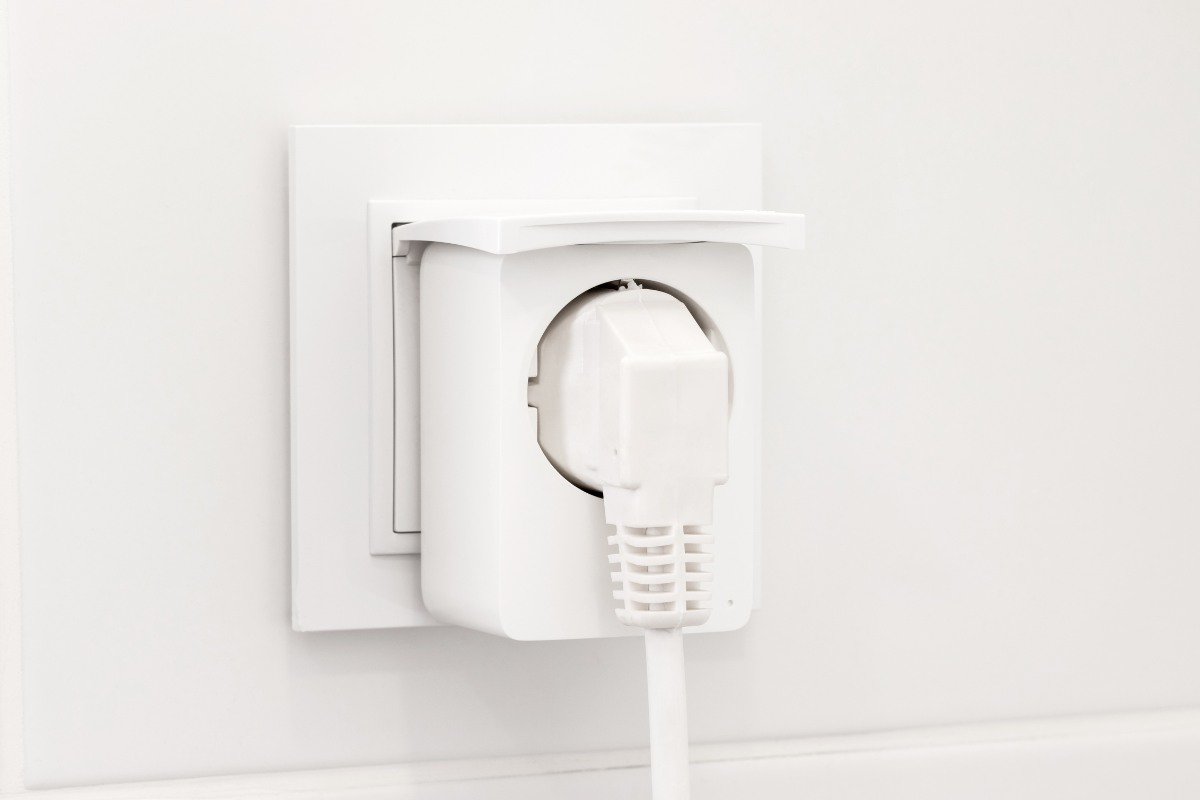
Energiesparstecker, auch bekannt als “Power Saver”, “Stromspardosen” oder unter bestimmten Markennamen wie “Pro Power Save”, “Esaver”, “Miracle Watt” und “Voltex”, sind Produkte, die als einfache Lösungen zur Reduzierung des Haushaltsenergieverbrauchs vermarktet werden. Bei diesen Geräten handelt es sich in der Regel um kleine Gehäuse, die direkt in eine Steckdose gesteckt werden und von dort aus ihre energiesparende Wirkung entfalten sollen.
Wie sollen sie laut Herstellern funktionieren?
Das Marketing für diese Geräte verwendet häufig vage und technisch klingende Begriffe, um ihre angebliche Funktionsweise zu erklären. Sie behaupten:
- Den elektrischen Strom zu stabilisieren
- “Dirty Power” (Schwankungen in der Stromversorgung) zu reduzieren
- “Den Strom zu ”glätten“ oder die ”unreine Spannung zu reinigen“
- Kondensatoren zu verwenden, um den Strom auszugleichen
Das vielleicht verlockendste Versprechen ist, dass diese Geräte den Stromverbrauch um bis zu 25% oder in einigen Fällen sogar um bis zu 90% senken können. Doch wie realistisch sind diese Behauptungen? Lassen Sie uns die Wissenschaft hinter dem Stromverbrauch untersuchen, um zu verstehen, warum diese Geräte leider zu schön sind, um wahr zu sein.
Blindleistungskompensation: Warum sie für die Industrie wichtig ist, nicht aber für Haushalte
Um zu verstehen, warum Energiesparstecker in Haushalten nicht wie beworben funktionieren, müssen wir uns mit dem Konzept der Blindleistungskompensation (Leistungsfaktorkorrektur) beschäftigen.
Was ist Blindleistungskompensation?
Der Leistungsfaktor ist das Verhältnis von Wirkleistung (gemessen in Kilowatt, kW) zu Scheinleistung (gemessen in Kilovoltampere, kVA). Vereinfacht gesagt ist er ein Maß dafür, wie effizient elektrische Energie genutzt wird. Die Blindleistungskompensation ist ein Verfahren zur Verbesserung dieser Effizienz, das vor allem im industriellen Umfeld eingesetzt wird.
Warum Blindleistungskompensation für die Industrie wichtig ist
In industriellen Umgebungen ist die Blindleistungskompensation aus mehreren Gründen von entscheidender Bedeutung:
- Kostenersparnis: Viele Energieversorgungsunternehmen erheben von Industriekunden Strafgebühren, wenn deren Leistungsfaktor unter einen bestimmten Wert fällt (in der Regel 0,80 oder 0,85). Durch die Verbesserung ihres Leistungsfaktors können Industrieunternehmen diese Strafen vermeiden.
- Reduzierte Leistungspreise: Energieversorger berechnen ihre Gebühren für große Industriekunden häufig auf Basis der ‘Gesamtleistung’, die sowohl Wirk- als auch Blindleistung umfasst. Eine Verbesserung des Leistungsfaktors kann zu erheblichen Senkungen dieser Gebühren führen.
- Verbesserte Geräteleistung: Ein mehereffizienter Leistungsfaktor kann zu einem effizienteren Betrieb elektrischer Betriebsmittel führen und möglicherweise deren Lebensdauer verlängern.
Why Power Factor Correction Doesn’t Matter for Homes
Here’s the crucial point: the benefits of power factor correction simply don’t apply to residential electricity consumers. Why? There are several reasons:
- Billing methods: Residential customers are typically billed for real power (kilowatt-hours) used, not apparent power (kVA). This means that even if a device could improve your home’s power factor, it wouldn’t directly result in lower electricity bills.
- Already high power factor: The power factor in typical residences is already quite high, often above 0.90. This means there’s very little room for improvement, even if it did affect billing.
- Different electrical loads: Most household appliances don’t create the kind of reactive loads that necessitate power factor correction in industrial settings.
So, if power factor correction isn’t the answer for home energy savings, what’s really inside these plug-in devices, and do they have any effect at all?
Inside the Box: Examining the Reality of Power Savers
Inside the Devices: What’s Really There?
When we look inside most plug-in power saving devices, the reality is far less impressive than the marketing claims would have you believe. Typically, these devices contain:
Lassen Sie sich von den Rayzeek Bewegungssensor-Portfolios inspirieren.
Nicht das Richtige gefunden? Keine Sorge. Es gibt immer alternative Wege, Ihre Anforderungen zu erfüllen. Vielleicht kann eines unserer Portfolios helfen.
- An LED light: This gives the appearance that the device is “working.”
- A basic capacitor: While capacitors are used in legitimate power factor correction for industrial applications, the small capacitors in these devices are ineffective for home use.
- Sometimes, nothing at all: Some investigations have revealed that some devices contain nothing more than a plastic box with wires.
Analysis of Power Savers in Reactive and Resistive Loads
In theory, these devices might slightly decrease the amperage drawn by some appliances. However, this doesn’t translate to reduced power consumption or lower electric bills for residential consumers. Here’s why:
- For resistive loads (like incandescent bulbs or heating elements), power factor is already unity (1.0), so there’s no room for improvement.
- For reactive loads (like motors in refrigerators or air conditioners), any minor reduction in current doesn’t change the actual power consumed to do the work.
The Effect of Voltage Spikes on Household Appliances
Some power saver devices claim to protect against voltage spikes. While voltage spikes can cause a small increase in power consumption, it’s usually negligible in a residential setting. Moreover, most modern appliances already have built-in protection against minor voltage fluctuations.
Safety Risks: The Hidden Dangers of Power Saving Scams
Beyond their ineffectiveness, these devices can pose serious safety risks.
General Safety Risks
Many of these devices are cheaply made and lack proper safety certifications. This can lead to potential shock and fire hazards when plugged into your home’s electrical system.
Specific Safety Defects
Independent tests have revealed alarming safety defects in many of these devices:
- Inadequate fuses: The fuses used in these devices may not provide sufficient protection against overcurrent situations.
- Substandard MOVs (Metal Oxide Varistors): These components, meant to protect against voltage spikes, may be of poor quality or improperly rated.
- Non-approved plugs: Some devices use plug types that aren’t approved for use in certain countries, posing additional safety risks.
Cases of Overheating and Fire
There have been documented cases of these devices overheating or even catching fire. This risk alone should be enough to deter anyone from using these products in their home.
Proven Energy Savers: Alternatives That Actually Work
Instead of relying on ineffective and potentially dangerous plug-in devices, there are many proven ways to reduce your home’s energy consumption. Let’s explore some alternatives that actually work:
Energy-Efficient Lighting
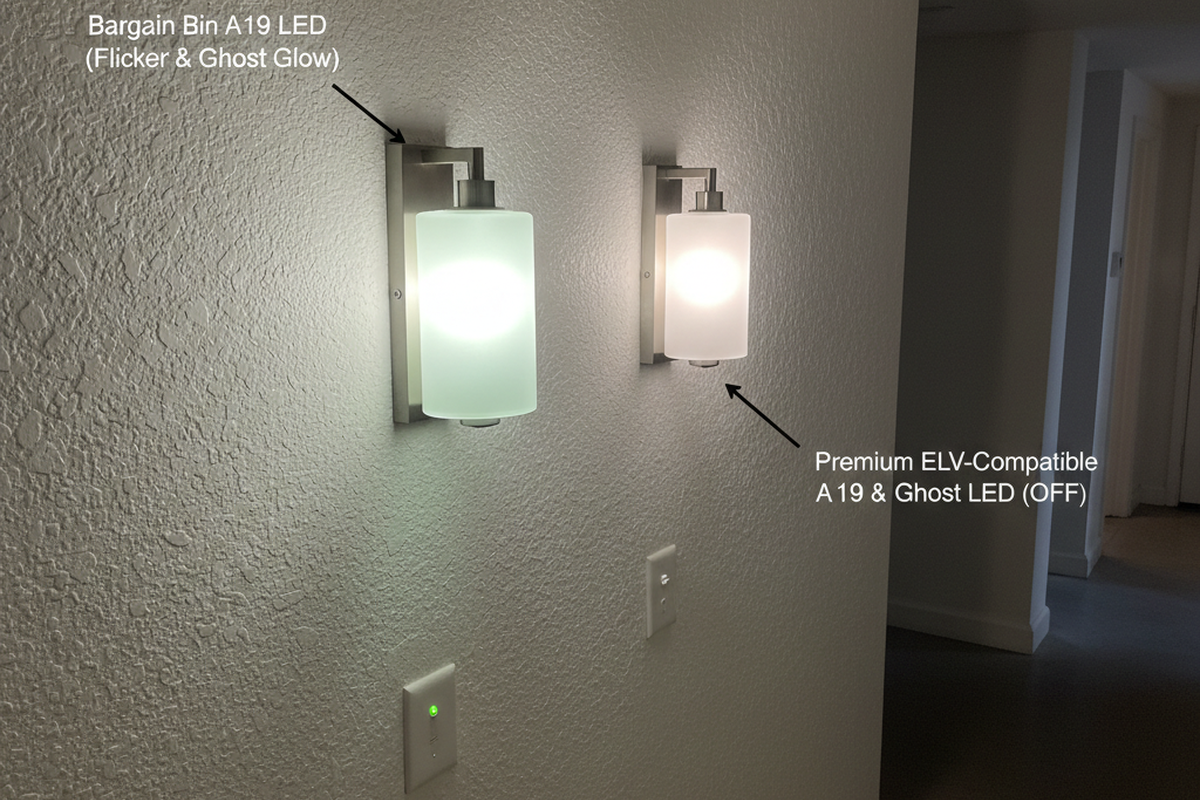
One of the simplest and most effective ways to reduce energy consumption is to switch to LED lighting. LED bulbs use up to 90% less energy than traditional incandescent bulbs and last much longer, providing significant savings over time.
Smart Home Devices
- Smart thermostats: These can learn your habits and optimize heating and cooling, potentially saving up to 10% on your heating and cooling bills.
- Smart power strips: These can cut power to devices in standby mode, reducing “vampire” energy waste.
- Smart switches: These provide greater control over your lighting, allowing for remote activation and brightness adjustment.
Energy-Efficient Appliances
When it’s time to replace your appliances, look for those with the ENERGY STAR label. These appliances meet strict energy efficiency guidelines set by the U.S. Environmental Protection Agency and the U.S. Department of Energy. For example:
- ENERGY STAR certified refrigerators use about 15% less energy than non-certified models.
- ENERGY STAR certified washing machines use about 25% less energy and 33% less water than standard models.
Renewable Energy Solutions
While they require a larger upfront investment, renewable energy solutions can provide significant long-term savings:
- Solar power systems: These can dramatically reduce or even eliminate your electricity bills over time.
- Solar-powered chargers: These can reduce your reliance on grid electricity for small devices.
Practical Measures
There are also many no-cost or low-cost measures you can take to reduce your energy consumption:
- Turn off lights and appliances when not in use.
- Use energy monitors to track your electricity usage and identify areas for improvement.
- Improve your home’s insulation to reduce heating and cooling costs.
- Use natural lighting and ventilation when possible.
Marketing Deceptions: How Power Saver Scams Lure Consumers
Understanding the tactics used to market these ineffective devices can help you avoid falling for similar scams in the future.
Suchen Sie nach bewegungsgesteuerten Energiesparlösungen?
Kontaktieren Sie uns für komplette PIR-Bewegungssensoren, bewegungsgesteuerte Energiesparprodukte, Bewegungsmelderschalter sowie gewerbliche Präsenz-/Präsenzabwesenheitslösungen.
Use of Fake Reviews and Endorsements
Many power saver device marketers use fake reviews and false celebrity endorsements to lend credibility to their products. They might claim that a well-known figure like Elon Musk has endorsed or even invented their device.
False Claims About Device Capabilities
These marketers often make outlandish claims about their devices’ capabilities, such as:
- Protecting against power surges
- Reducing “electromagnetic radiation”
- Cleaning the electrical circuit of “carbon”
These claims are not only false but often scientifically nonsensical.
Use of Fabricated Content
Some marketers go as far as creating entirely fabricated stories to support their claims. For example, they might invent a story about an employee who inspired the creation of the device.
Misleading Technical Terms
To sound more legitimate, these marketers often use technical-sounding terms that are either misused or completely made up. Examples include:
- “Patent-pending technology”
- “Advanced capacitors”
- “Groundbreaking Electricity Stabilizing Technology”
Evasive Business Practices
To avoid negative reviews and scrutiny, some companies behind these devices frequently change their names or create multiple brand names for essentially the same product.
Das könnte Sie auch interessieren

- Spannung: 2 AAA-Batterien
- Tag-/Nachtmodus
- Ausschaltverzögerung: 15min, 30min, 1h (Standard), 2h
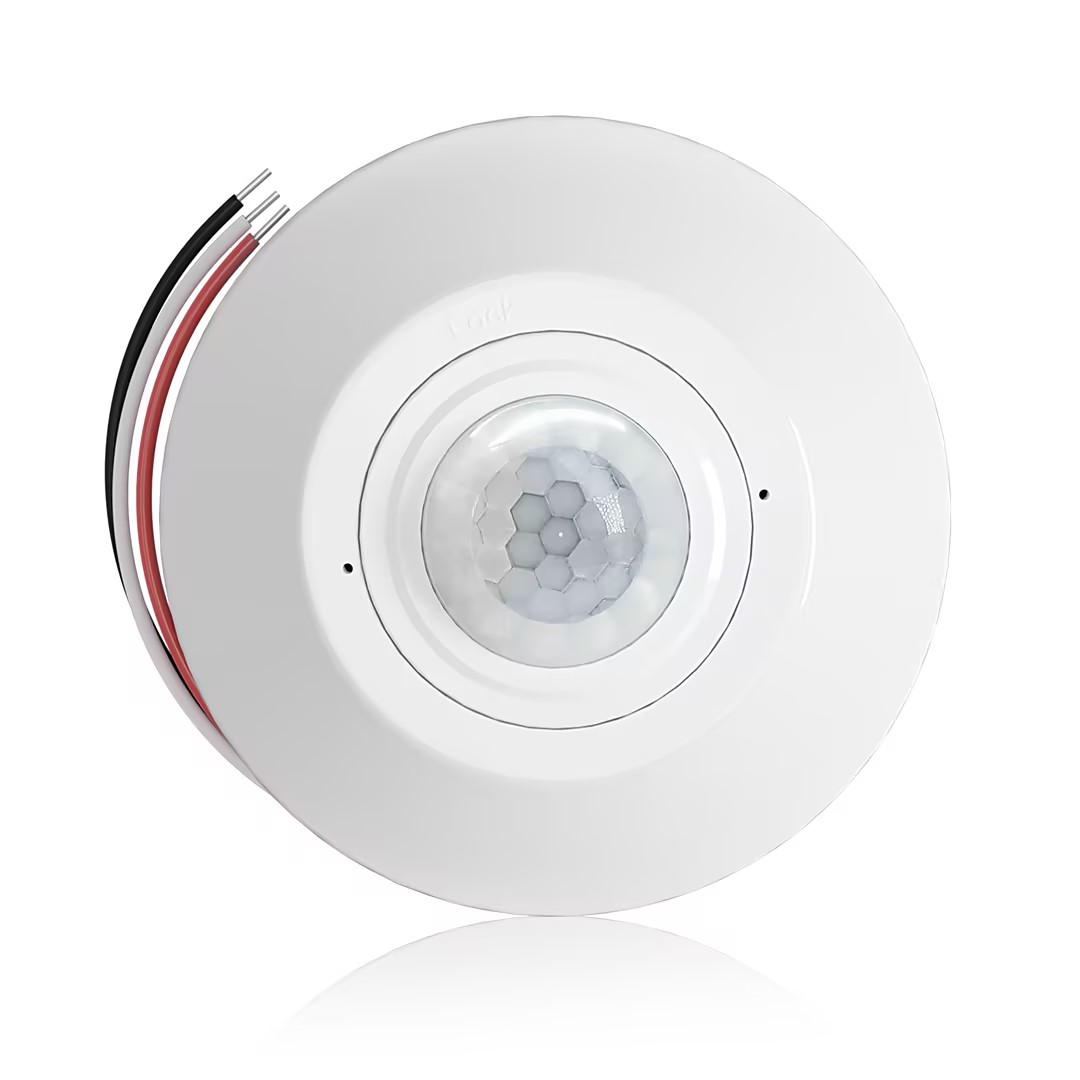
- Deckenmontierter PIR-Präsenzmelder mit potenzielfreiem Relaisausgang
- 12/24VDC oder 12/24VAC Niederspannungsversorgung
- Isolierte Relaiskontakte (COM, NO und NC) für EMS-, HVAC- und Gebäudesteuerungs-Eingänge
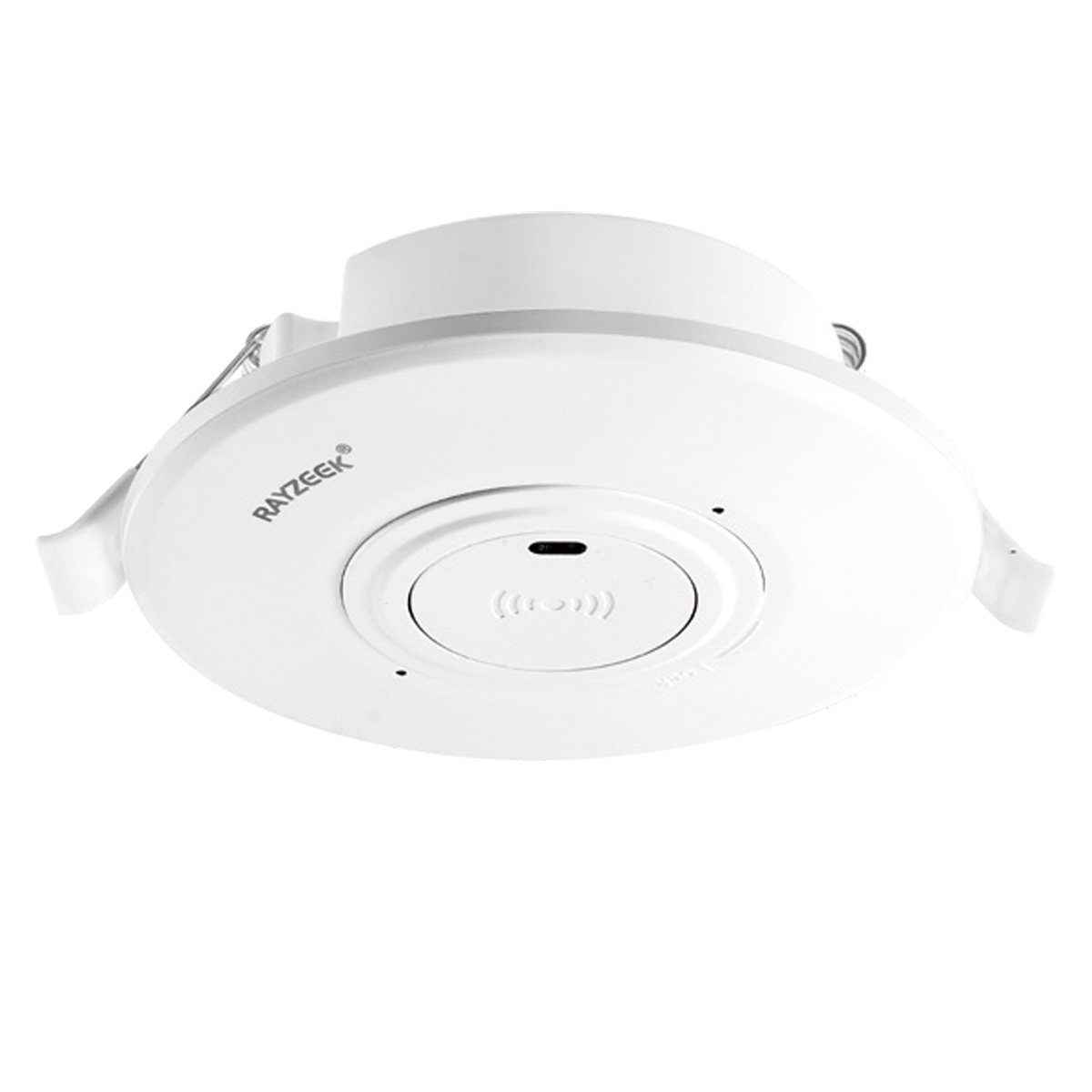
- Niederspannungs-DC-Mikrowellen-Bewegungssensorschalter für den Deckeneinbau
- 12 VDC / 24 VDC Eingang mit 10–30 VDC Bereich
- 10A max. Arbeitsstrom mit einstellbarer Zeitverzögerung, Lux-Schwelle und Empfindlichkeit
- Decken-Mikrowellen-Bewegungssensorschalter für den Einbau für höhere Lasten
- 100–265 VAC Netzspannungseingang, 10A-Modell
- 5,8-GHz-Mikrowellenerfassung mit einstellbarer Zeitverzögerung, Lux-Schwelle und Empfindlichkeit
- Unterputz-Mikrowellen-Bewegungssensorschalter für die Deckenmontage
- 100–265 VAC Netzspannungseingang, 5A-Modell
- 5,8-GHz-Mikrowellenerfassung mit einstellbarer Zeitverzögerung, Lux-Schwelle und Empfindlichkeit
- PIR-Präsenzsensor-Dimmer RZ037 für Deckenmontage und 220V-Stromversorgung
- 3A maximaler Betriebsstrom mit 660W Nennlast
- LUX-Taste steuert Lichtsensor-EIN/AUS sowie benutzerdefinierte Dimmhelligkeit
- PIR-Präsenzsensor-Dimmer RZ037 für Deckenmontage und 110V-Stromversorgung
- 3A maximaler Betriebsstrom mit 330W Nennlast
- LUX-Taste steuert Lichtsensor-EIN/AUS sowie benutzerdefinierte Dimmhelligkeit
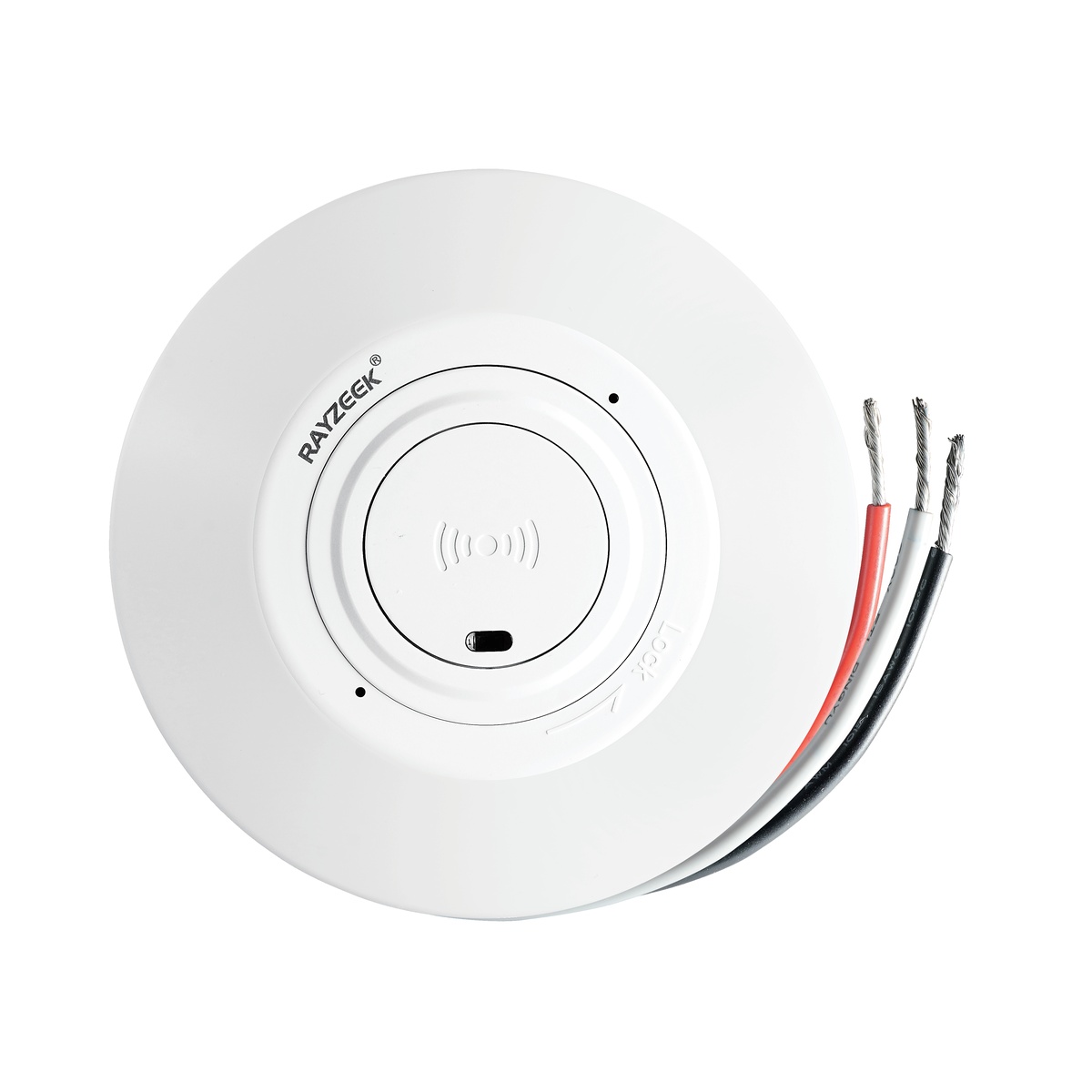
- Niederspannungs-DC-Mikrowellen-Bewegungssensorschalter für die Deckenmontage
- 12 VDC / 24 VDC Eingang mit 10–30 VDC Bereich
- 10A max. Arbeitsstrom mit einstellbarer Zeitverzögerung, Lux-Schwelle und Empfindlichkeit
- Decken-Mikrowellen-Bewegungssensorschalter für höhere Lasten
- 100–265 VAC Netzspannungseingang, 10A-Modell
- 5,8-GHz-Mikrowellenerfassung mit einstellbarer Zeitverzögerung, Lux-Schwelle und Empfindlichkeit
- Mikrowellen-Bewegungssensorschalter für die Deckenmontage
- 100–265 VAC Netzspannungseingang, 5A-Modell
- 5,8-GHz-Mikrowellenerfassung mit einstellbarer Zeitverzögerung, Lux-Schwelle und Empfindlichkeit
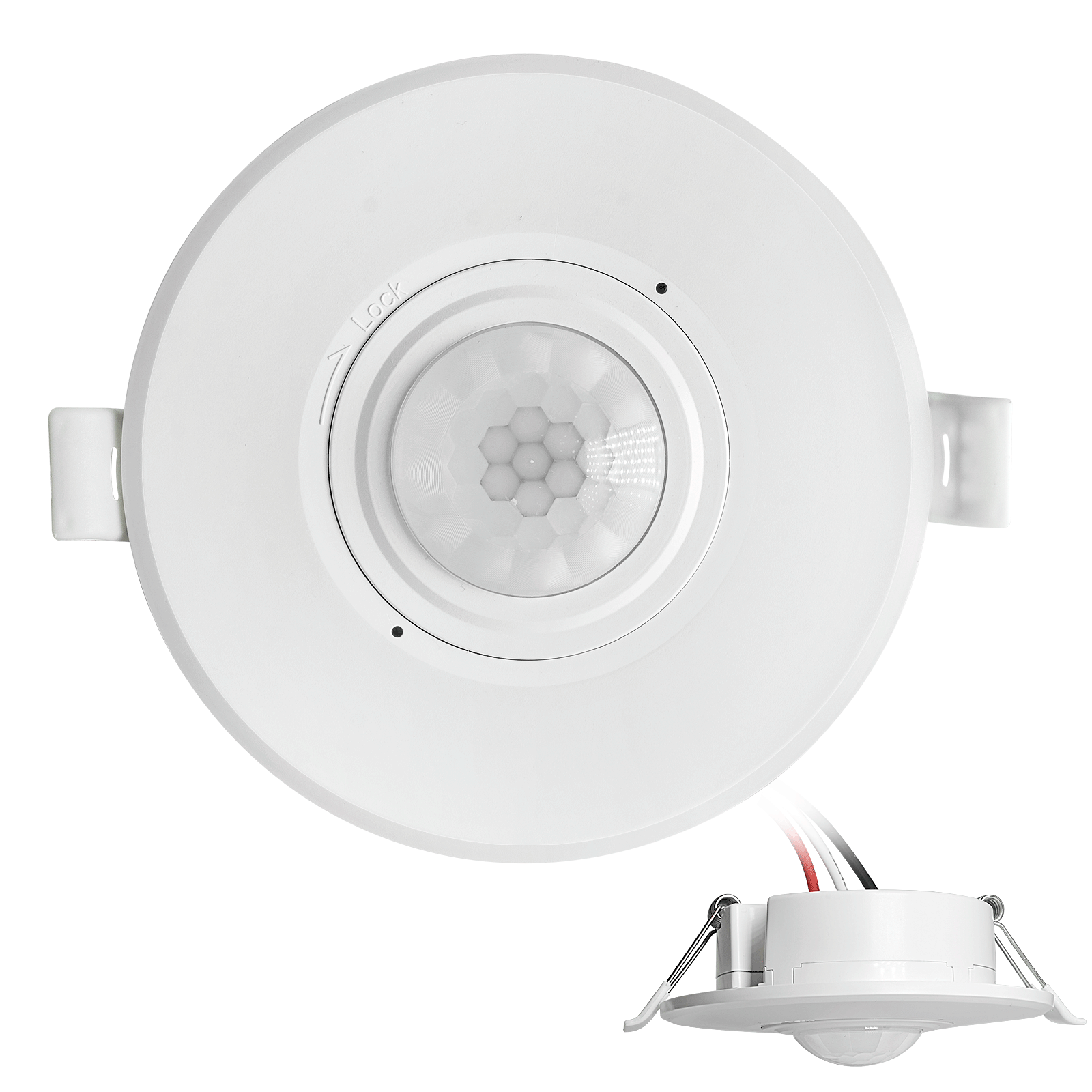
- Niederspannungs-DC-Unterputz-PIR-Bewegungssensorschalter für die Deckenmontage
- 12 VDC / 24 VDC Eingang mit 10–30 VDC Bereich
- Maximaler Betriebsstrom 10A mit einstellbarer Zeitverzögerung, Lux-Schwelle und Empfindlichkeit
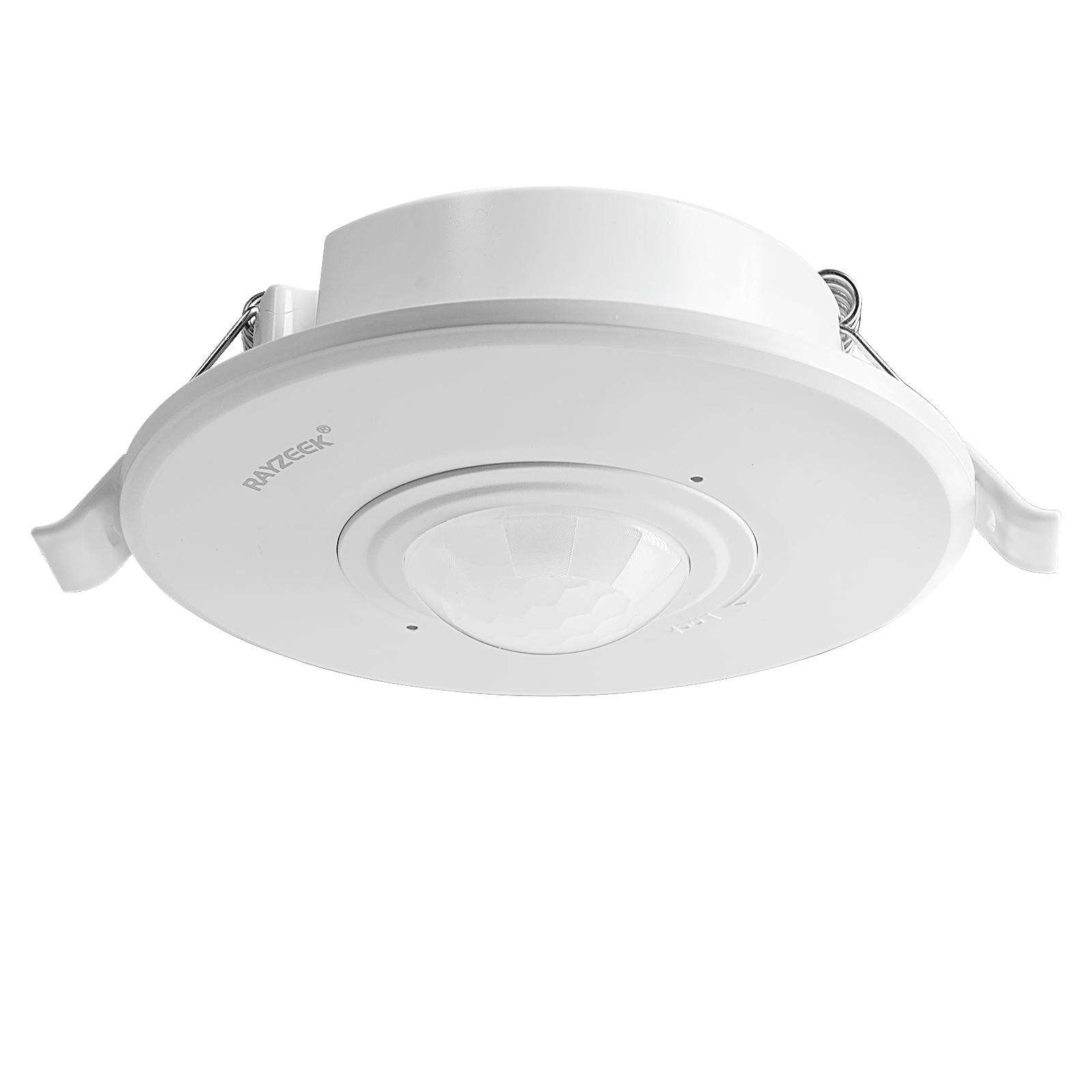
- PIR-Bewegungssensorschalter für Deckeneinbau für höhere Lasten
- 100–265 VAC Netzspannungseingang, 10A-Modell
- 360-Grad-Erfassung mit einstellbarer Ausschaltverzögerung, Lux-Schwelle und Empfindlichkeit
- PIR-Bewegungssensorschalter für Deckeneinbau
- 100–265 VAC Netzspannungseingang, 5A-Modell
- 360-Grad-Erfassung mit einstellbarer Ausschaltverzögerung, Lux-Schwelle und Empfindlichkeit
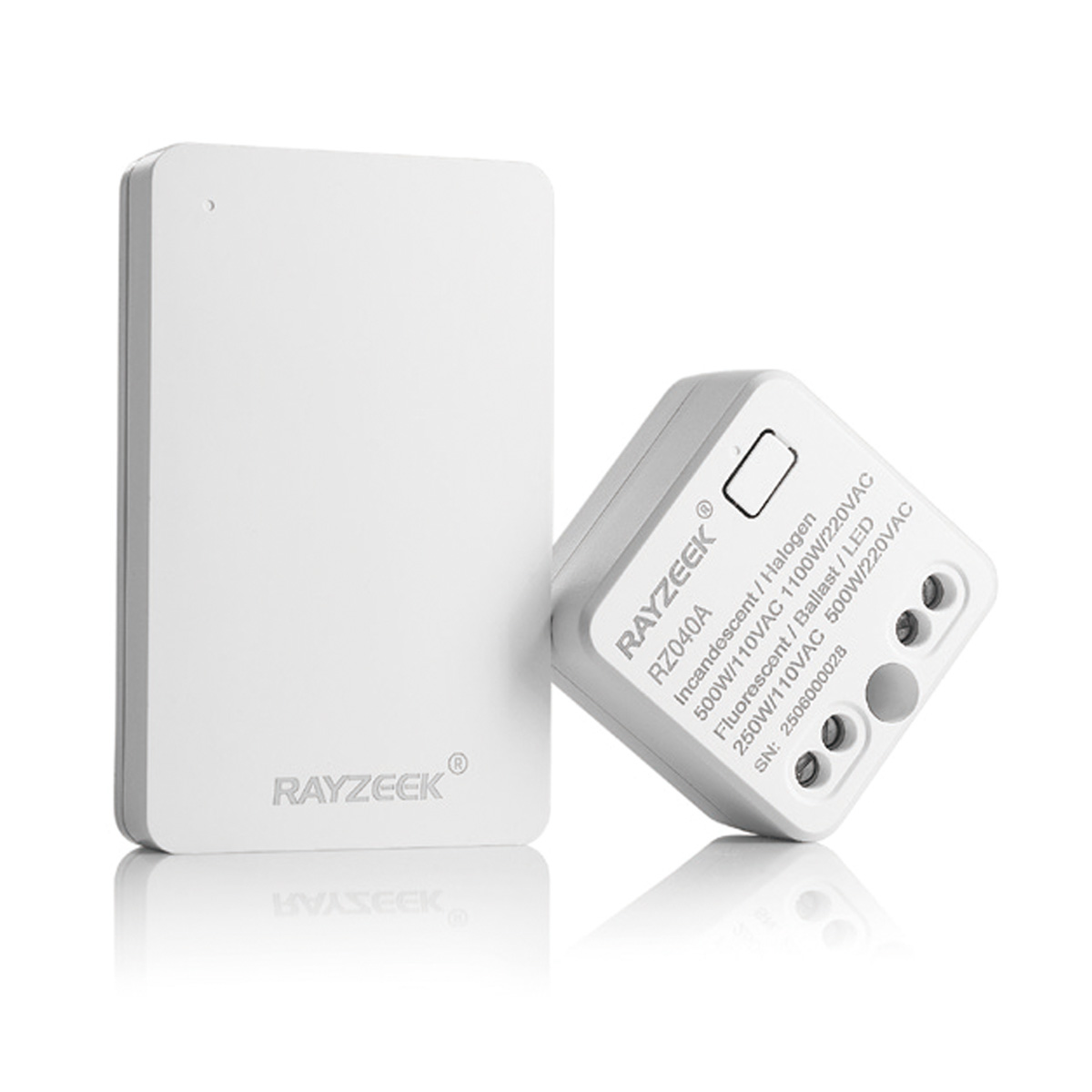
- Funk-Schalter- und Empfänger-Set zur Ein/Aus-Lichtsteuerung im Innenbereich
- 100-230VAC, 50/60Hz Empfänger mit 5A Nennstrom
- CR2032-betriebener Funkschalter mit 2,4GHz-Kommunikation
- Präsenzmodus (Auto-EIN/Auto-AUS)
- 12–24V DC (10–30VDC), bis zu 10A
- 360°-Erfassungsbereich, 8–12 m Durchmesser
- Ausschaltverzögerung 15 s–30 Min.
- Lichtsensor Aus/15/25/35 Lux
- Hohe/Niedrige Empfindlichkeit
- Auto-EIN/Auto-AUS Präsenzmodus
- 100–265V AC, 10A (Neutralleiter erforderlich)
- 360°-Erfassungsbereich; 8–12 m Erfassungsdurchmesser
- Ausschaltverzögerung 15 s–30 min; Lux AUS/15/25/35; Empfindlichkeit Hoch/Niedrig
- Auto-EIN/Auto-AUS Präsenzmodus
- 100–265V AC, 5A (Neutralleiter erforderlich)
- 360°-Erfassungsbereich; 8–12 m Erfassungsdurchmesser
- Ausschaltverzögerung 15 s–30 min; Lux AUS/15/25/35; Empfindlichkeit Hoch/Niedrig
Combating the Scam: The Importance of Consumer Awareness
The best defense against these scams is an informed consumer base. Here’s how we can combat these deceptive practices:
The Role of Education
Spreading accurate information about how electricity works and how to genuinely save energy is crucial. The more people understand these concepts, the less likely they are to fall for scams.
Awareness of Misleading Claims
Learning to recognize the common tactics used by scammers can help consumers spot red flags. If a product’s claims sound too good to be true, they probably are.
Value of Independent Reviews
Encourage consumers to seek out reviews from independent organizations and reputable consumer protection agencies before making a purchase.
Reporting Fraudulent Activities
If you encounter a fraudulent power saving device, report it to relevant authorities such as the Federal Trade Commission (FTC) in the United States. This can help protect other consumers from falling victim to the same scam.
In conclusion, while the allure of drastically reduced energy bills through a simple plug-in device is tempting, the reality is that these products don’t work as advertised and can even pose safety risks. Instead, focus on proven energy-saving methods and stay informed to protect yourself from scams. Remember, when it comes to energy savings, if it sounds too good to be true, it probably is.