هل أجهزة توفير الطاقة القابلة للوصل بالمقبس طريقة شرعية لتقليل فواتير الكهرباء، أم أنها مجرد خدعة أخرى تبدو أروع من أن تكون حقيقية؟ في السنوات الأخيرة، غمرت السوق ما يُسمى “أجهزة توفير الطاقة” التي تدعي خفض استهلاك الطاقة بشكل كبير. ولكن هل تفي هذه الأجهزة حقاً بوعودها؟ دعنا نتعمق في العلم وراء هذه المنتجات ونكشف الحقيقة حول فعاليتها.
ما هي أجهزة توفير الطاقة القابلة للوصل بالمقبس وما هي ادعاءاتها
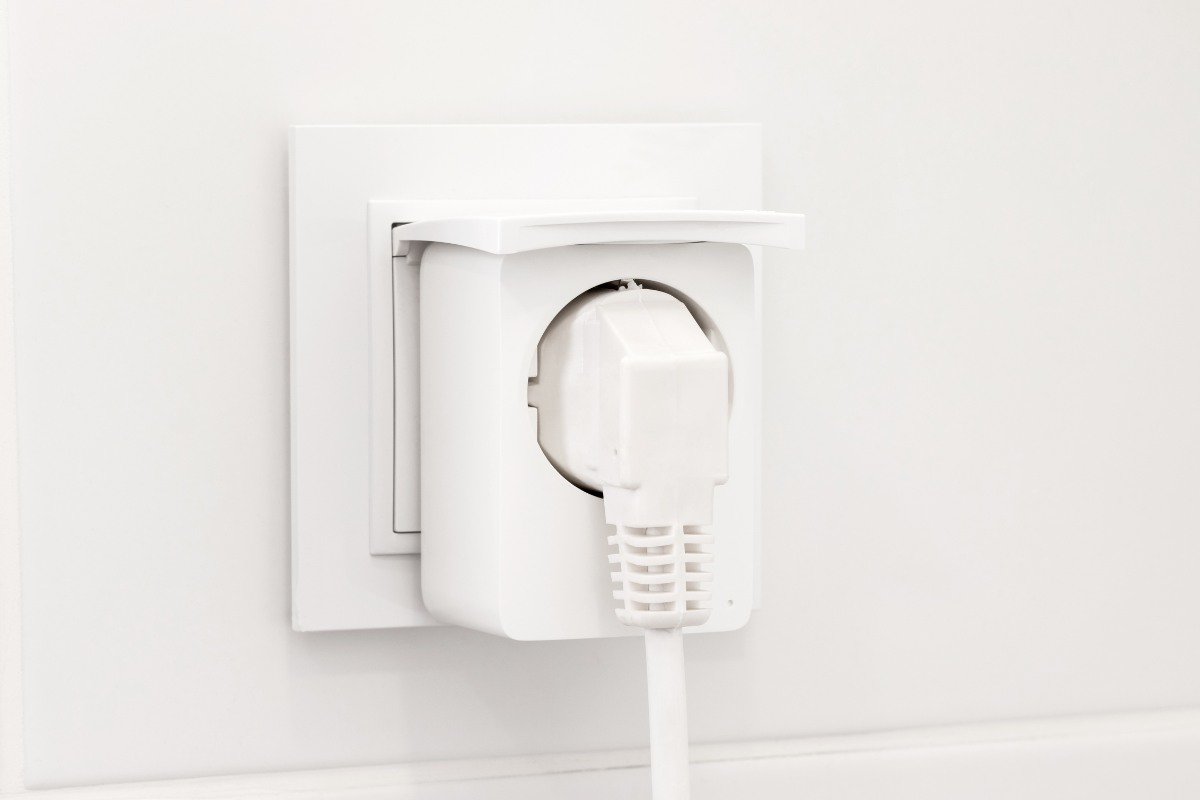
أجهزة توفير الطاقة القابلة للوصل بالمقبس، والمعروفة أيضاً باسم “موفّرات الطاقة”، أو “صناديق توفير الكهرباء”، أو بأسماء تجارية محددة مثل “Pro Power Save”، و“Esaver”، و“Miracle Watt”، و“Voltex”، هي منتجات يتم تسويقها كحلول بسيطة لتقليل استهلاك الطاقة في المنازل. عادةً ما تكون هذه الأجهزة عبارة عن صناديق صغيرة تُوصل مباشرة بمقبس الحائط وتدعي أنها تحقق سحر توفير الطاقة من خلال ذلك.
كيف تدعي هذه الأجهزة أنها تعمل؟
غالباً ما يختلق تسويق هذه الأجهزة لغة غامضة وذات طابع تقني لشرح آلية عملها المفترضة. حيث تدعي أنها تقوم بما يلي:
- تثبيت التيار الكهربائي
- تقليل “الطاقة غير النظيفة” (التذبذبات في إمدادات الكهرباء)
- “تقويم التيار” أو “تنظيف الجهد غير المنتظم”
- استخدام المكثفات لموازنة التيار
ربما يكون الادعاء الأكثر جاذبية هو أن هذه الأجهزة يمكنها تقليل استهلاك الطاقة بنسبة تصل إلى 25% أو حتى تصل إلى 90% في بعض الحالات. ولكن ما مدى واقعية هذه الادعاءات؟ دعنا نفحص العلم وراء استهلاك الطاقة لنفهم لماذا تعد هذه الأجهزة، للأسف، أروع من أن تكون حقيقية.
تصحيح معامل القدرة: لماذا يهم الصناعات وليس المنازل
لفهم سبب عدم عمل أجهزة توفير الطاقة القابلة للوصل بالمقبس كما هو مُعلن عنها في المنازل، نحتاج إلى التعمق في مفهوم تصحيح معامل القدرة.
ما هو تصحيح معامل القدرة؟
معامل القدرة هو النسبة بين القدرة الفعالة (المقاسة بالكيلوواط، kW) والقدرة الظاهرية (المقاسة بالكيلو فولت أمبير، kVA). بعبارات بسيطة، هو مقياس لمدى كفاءة استخدام الطاقة الكهربائية. وتصحيح معامل القدرة هو تقنية تُستخدم لتحسين هذه الكفاءة، بشكل رئيسي في المنشآت الصناعية.
لماذا يهم تصحيح معامل القدرة القطاعات الصناعية؟
في البيئات الصناعية، يُعد تصحيح معامل القدرة أمراً حاسماً لعدة أسباب:
- توفير التكاليف: تفرض العديد من شركات المرافق غرامات على المستهلكين الصناعيين إذا انخفض معامل القدرة لديهم عن مستوى معين (عادةً 0.80 أو 0.85). ومن خلال تحسين معامل القدرة، يمكن للمنشآت الصناعية تجنب هذه الغرامات.
- خفض رسوم الطلب: غالباً ما تبني شركات المرافق رسومها لكبار العملاء الصناعيين على ‘إجمالي’ الطاقة، والذي يشمل كلاً من القدرة الفعالة والقدرة غير الفعالة. ويمكن أن يؤدي تحسين معامل القدرة إلى تخفيضات كبيرة في هذه الرسوم.
- تحسين أداء المعدات: يمكن أن يؤدي تحسين معامل القدرة إلى تشغيل المعدات الكهربائية بشكل أكثر كفاءة، مما قد يساهم في إطالة عمرها الافتراضي.
Why Power Factor Correction Doesn’t Matter for Homes
Here’s the crucial point: the benefits of power factor correction simply don’t apply to residential electricity consumers. Why? There are several reasons:
- Billing methods: Residential customers are typically billed for real power (kilowatt-hours) used, not apparent power (kVA). This means that even if a device could improve your home’s power factor, it wouldn’t directly result in lower electricity bills.
- Already high power factor: The power factor in typical residences is already quite high, often above 0.90. This means there’s very little room for improvement, even if it did affect billing.
- Different electrical loads: Most household appliances don’t create the kind of reactive loads that necessitate power factor correction in industrial settings.
So, if power factor correction isn’t the answer for home energy savings, what’s really inside these plug-in devices, and do they have any effect at all?
Inside the Box: Examining the Reality of Power Savers
Inside the Devices: What’s Really There?
When we look inside most plug-in power saving devices, the reality is far less impressive than the marketing claims would have you believe. Typically, these devices contain:
احصل على الإلهام من محفظة منتجات مستشعرات الحركة Rayzeek.
لم تجد ما تبحث عنه؟ لا تقلق، فهناك دائمًا طرق بديلة لحل مشكلاتك. ربما تكون إحدى محافظ منتجاتنا هي الحل المناسب.
- An LED light: This gives the appearance that the device is “working.”
- A basic capacitor: While capacitors are used in legitimate power factor correction for industrial applications, the small capacitors in these devices are ineffective for home use.
- Sometimes, nothing at all: Some investigations have revealed that some devices contain nothing more than a plastic box with wires.
Analysis of Power Savers in Reactive and Resistive Loads
In theory, these devices might slightly decrease the amperage drawn by some appliances. However, this doesn’t translate to reduced power consumption or lower electric bills for residential consumers. Here’s why:
- For resistive loads (like incandescent bulbs or heating elements), power factor is already unity (1.0), so there’s no room for improvement.
- For reactive loads (like motors in refrigerators or air conditioners), any minor reduction in current doesn’t change the actual power consumed to do the work.
The Effect of Voltage Spikes on Household Appliances
Some power saver devices claim to protect against voltage spikes. While voltage spikes can cause a small increase in power consumption, it’s usually negligible in a residential setting. Moreover, most modern appliances already have built-in protection against minor voltage fluctuations.
Safety Risks: The Hidden Dangers of Power Saving Scams
Beyond their ineffectiveness, these devices can pose serious safety risks.
General Safety Risks
Many of these devices are cheaply made and lack proper safety certifications. This can lead to potential shock and fire hazards when plugged into your home’s electrical system.
Specific Safety Defects
Independent tests have revealed alarming safety defects in many of these devices:
- Inadequate fuses: The fuses used in these devices may not provide sufficient protection against overcurrent situations.
- Substandard MOVs (Metal Oxide Varistors): These components, meant to protect against voltage spikes, may be of poor quality or improperly rated.
- Non-approved plugs: Some devices use plug types that aren’t approved for use in certain countries, posing additional safety risks.
Cases of Overheating and Fire
There have been documented cases of these devices overheating or even catching fire. This risk alone should be enough to deter anyone from using these products in their home.
Proven Energy Savers: Alternatives That Actually Work
Instead of relying on ineffective and potentially dangerous plug-in devices, there are many proven ways to reduce your home’s energy consumption. Let’s explore some alternatives that actually work:
Energy-Efficient Lighting
One of the simplest and most effective ways to reduce energy consumption is to switch to LED lighting. LED bulbs use up to 90% less energy than traditional incandescent bulbs and last much longer, providing significant savings over time.
Smart Home Devices
- Smart thermostats: These can learn your habits and optimize heating and cooling, potentially saving up to 10% on your heating and cooling bills.
- Smart power strips: These can cut power to devices in standby mode, reducing “vampire” energy waste.
- Smart switches: These provide greater control over your lighting, allowing for remote activation and brightness adjustment.
Energy-Efficient Appliances
When it’s time to replace your appliances, look for those with the ENERGY STAR label. These appliances meet strict energy efficiency guidelines set by the U.S. Environmental Protection Agency and the U.S. Department of Energy. For example:
- ENERGY STAR certified refrigerators use about 15% less energy than non-certified models.
- ENERGY STAR certified washing machines use about 25% less energy and 33% less water than standard models.
Renewable Energy Solutions
While they require a larger upfront investment, renewable energy solutions can provide significant long-term savings:
- Solar power systems: These can dramatically reduce or even eliminate your electricity bills over time.
- Solar-powered chargers: These can reduce your reliance on grid electricity for small devices.
Practical Measures
There are also many no-cost or low-cost measures you can take to reduce your energy consumption:
- Turn off lights and appliances when not in use.
- Use energy monitors to track your electricity usage and identify areas for improvement.
- Improve your home’s insulation to reduce heating and cooling costs.
- Use natural lighting and ventilation when possible.
Marketing Deceptions: How Power Saver Scams Lure Consumers
Understanding the tactics used to market these ineffective devices can help you avoid falling for similar scams in the future.
هل تبحث عن حلول لتوفير الطاقة تعمل بالحركة؟
تواصل معنا للحصول على أجهزة استشعار الحركة PIR بالكامل، والمنتجات الموفرة للطاقة والتي تعمل بالحركة، ومفاتيح أجهزة استشعار الحركة، والحلول التجارية للإشغال/الشاغر.
Use of Fake Reviews and Endorsements
Many power saver device marketers use fake reviews and false celebrity endorsements to lend credibility to their products. They might claim that a well-known figure like Elon Musk has endorsed or even invented their device.
False Claims About Device Capabilities
These marketers often make outlandish claims about their devices’ capabilities, such as:
- Protecting against power surges
- Reducing “electromagnetic radiation”
- Cleaning the electrical circuit of “carbon”
These claims are not only false but often scientifically nonsensical.
Use of Fabricated Content
Some marketers go as far as creating entirely fabricated stories to support their claims. For example, they might invent a story about an employee who inspired the creation of the device.
Misleading Technical Terms
To sound more legitimate, these marketers often use technical-sounding terms that are either misused or completely made up. Examples include:
- “Patent-pending technology”
- “Advanced capacitors”
- “Groundbreaking Electricity Stabilizing Technology”
Evasive Business Practices
To avoid negative reviews and scrutiny, some companies behind these devices frequently change their names or create multiple brand names for essentially the same product.
قد تكون مهتمًا بـ

- الجهد الكهربائي: بطاريتان AAA
- وضع النهار/الليل
- التأخير الزمني: 15 دقيقة، 30 دقيقة، ساعة واحدة (افتراضي)، ساعتان
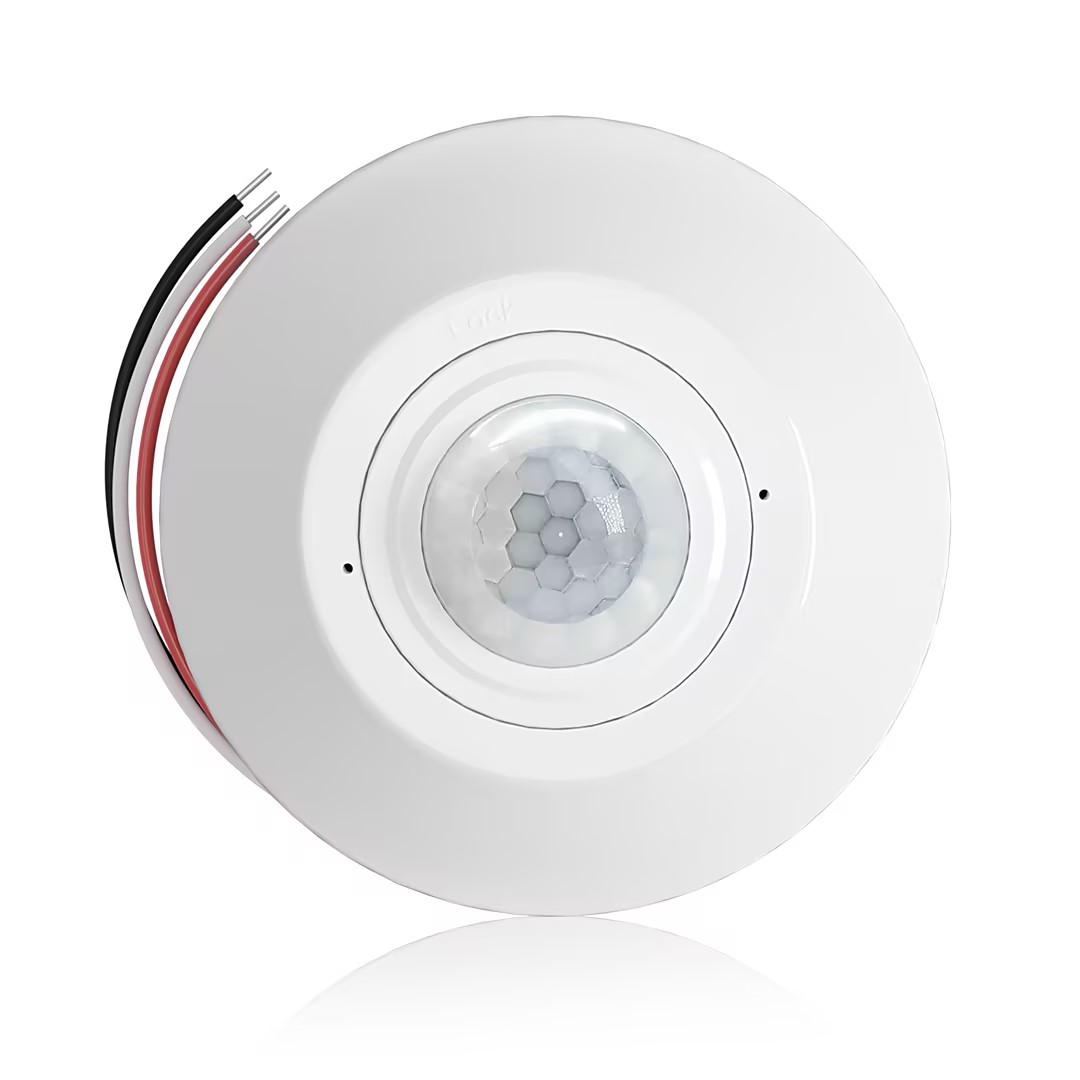
- مستشعر إشغال PIR للسقف مع مخرج مرحل اتصال جاف
- مصدر إمداد بالطاقة منخفض الجهد 12/24VDC أو 12/24VAC
- ملامسات مرحل معزولة (COM وNO وNC) لمدخلات التحكم في أنظمة إدارة الطاقة (EMS) والتدفئة والتهوية وتكييف الهواء (HVAC) وإدارة المباني
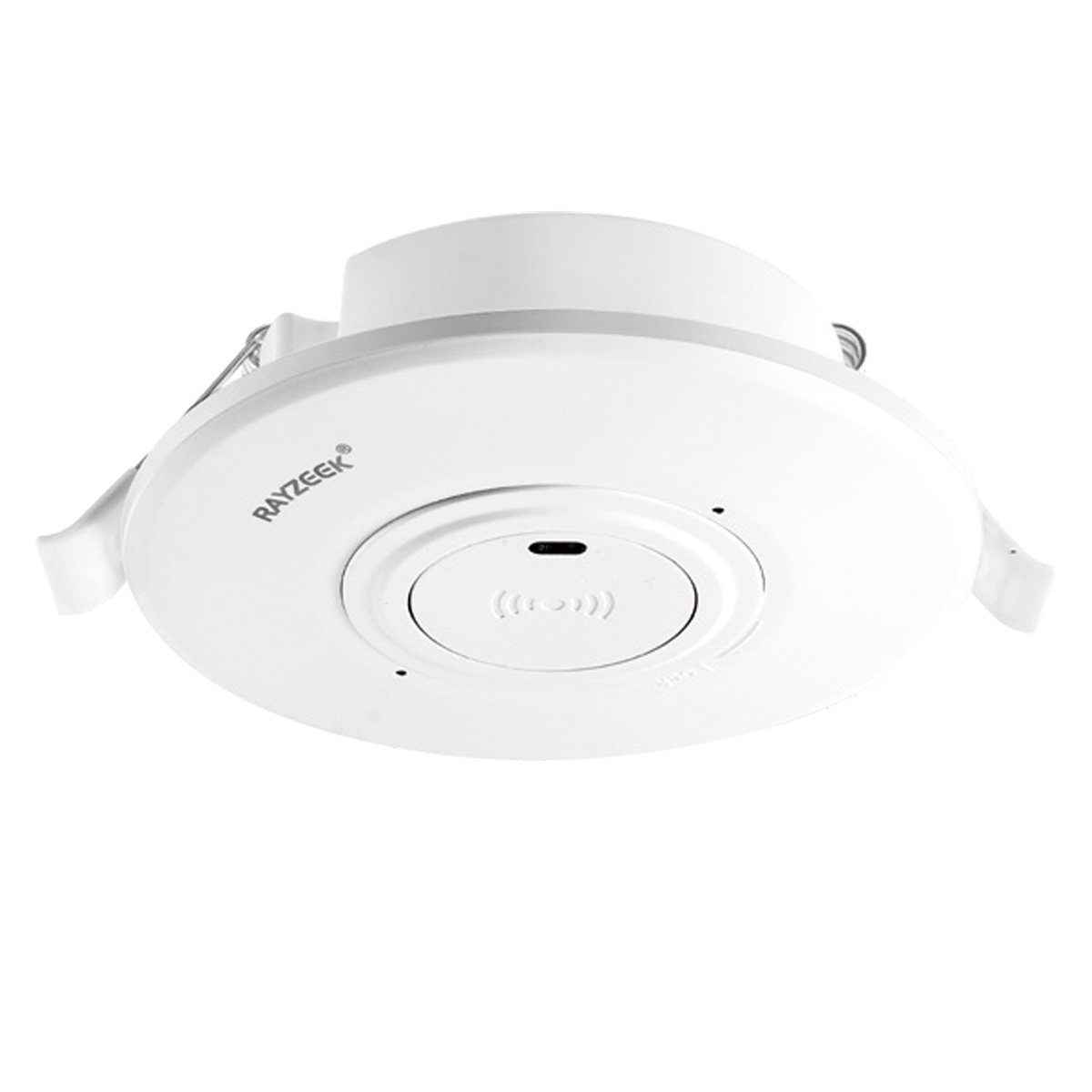
- مفتاح مستشعر الحركة بالموجات الدقيقة بجهد منخفض من التيار المستمر (DC) للتركيب الغاطس في السقف
- دخل 12 VDC / 24 VDC مع نطاق من 10 إلى 30 VDC
- تيار تشغيل أقصى 10A مع تأخير زمني قابل للتعديل، وعتبة إضاءة (Lux)، وحساسية قابلة للضبط
- مفتاح مستشعر الحركة بالموجات الدقيقة للأحمال العالية للتركيب الغاطس في السقف
- دخل جهد الخط 100-265 VAC، طراز 10A
- استشعار بالموجات الدقيقة بتردد 5.8 GHz مع تأخير زمني قابل للتعديل، وعتبة إضاءة (Lux)، وحساسية قابلة للضبط
- مفتاح مستشعر الحركة بالموجات الدقيقة للتركيب الغاطس في السقف
- دخل جهد الخط 100-265 VAC، طراز 5A
- استشعار بالموجات الدقيقة بتردد 5.8 GHz مع تأخير زمني قابل للتعديل، وعتبة إضاءة (Lux)، وحساسية قابلة للضبط
- خافض إضاءة بمستشعر الإشغال RZ037 PIR للتركيب السقفي بقدرة جهد 220V
- تيار تشغيل أقصى 3A مع حمل مقدر يبلغ 660W
- زر LUX للتحكم في تشغيل/إيقاف مستشعر الضوء ومستوى سطوع خفت الإضاءة المحدد من قبل المستخدم
- خافض إضاءة بمستشعر الإشغال RZ037 PIR للتركيب السقفي بقدرة جهد 110V
- تيار تشغيل أقصى 3A مع حمل مقدر يبلغ 330W
- زر LUX للتحكم في تشغيل/إيقاف مستشعر الضوء ومستوى سطوع خفت الإضاءة المحدد من قبل المستخدم
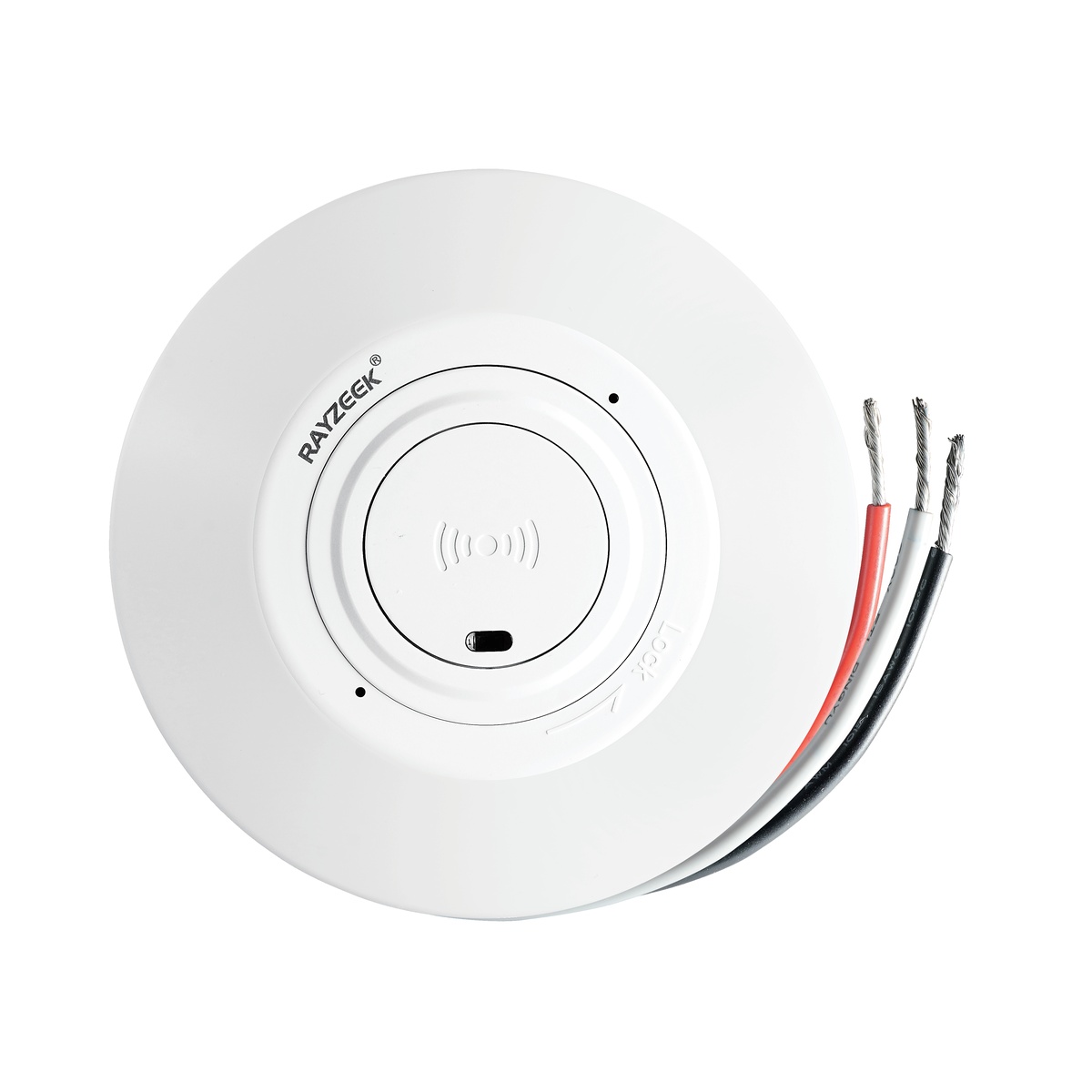
- مفتاح مستشعر حركة ميكروويف لسقف، يعمل بالتيار المستمر منخفض الجهد
- دخل 12 VDC / 24 VDC مع نطاق من 10 إلى 30 VDC
- تيار تشغيل أقصى 10A مع تأخير زمني قابل للتعديل، وعتبة إضاءة (Lux)، وحساسية قابلة للضبط
- مفتاح مستشعر حركة ميكروويف لسقف ذو حمل أعلى
- دخل جهد الخط 100-265 VAC، طراز 10A
- استشعار بالموجات الدقيقة بتردد 5.8 GHz مع تأخير زمني قابل للتعديل، وعتبة إضاءة (Lux)، وحساسية قابلة للضبط
- مفتاح مستشعر حركة ميكروويف لسقف
- دخل جهد الخط 100-265 VAC، طراز 5A
- استشعار بالموجات الدقيقة بتردد 5.8 GHz مع تأخير زمني قابل للتعديل، وعتبة إضاءة (Lux)، وحساسية قابلة للضبط
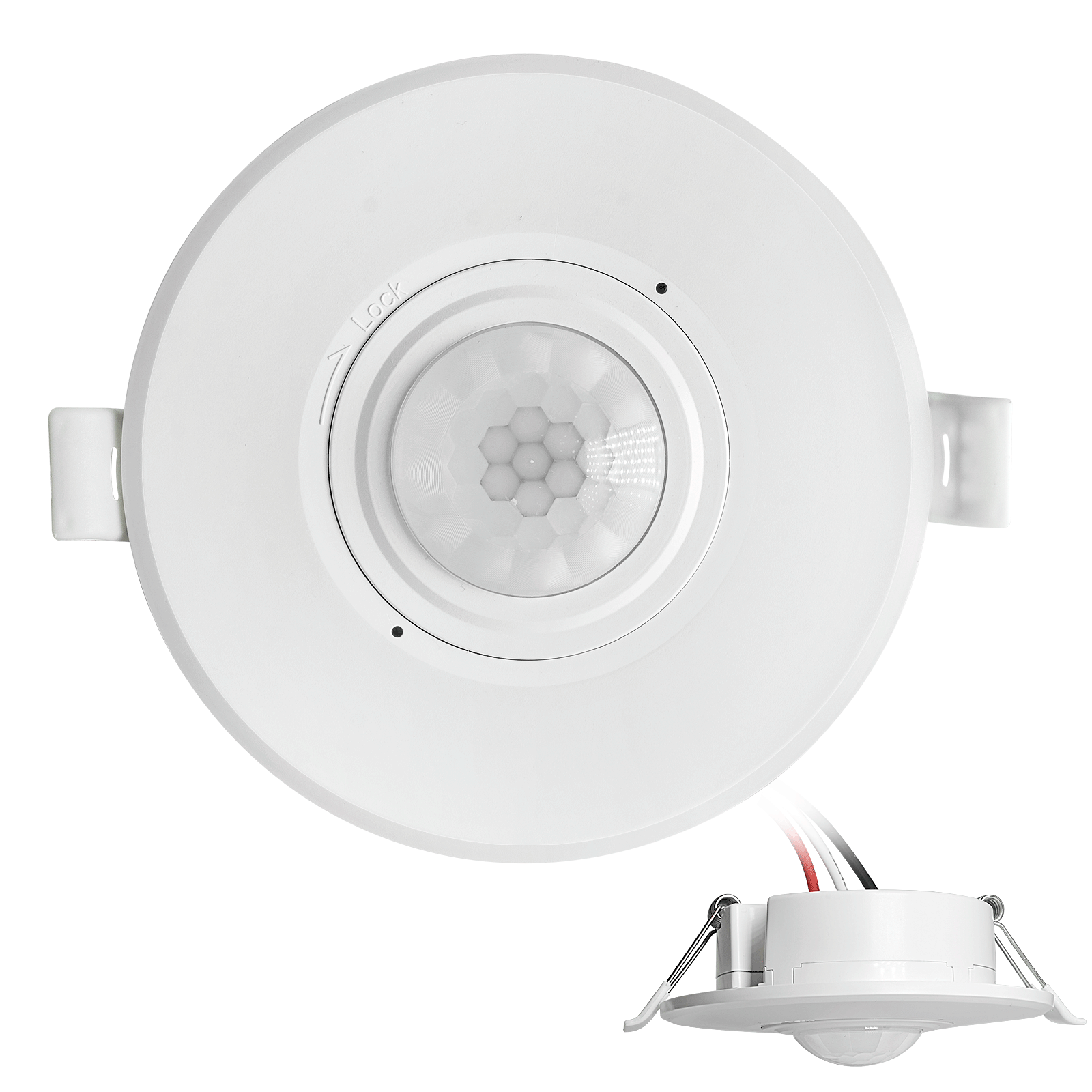
- مفتاح حساس الحركة للأشعة تحت الحمراء PIR المدمج للسقف يعمل بالتيار المستمر منخفض الجهد
- دخل 12 VDC / 24 VDC مع نطاق من 10 إلى 30 VDC
- أقصى تيار تشغيل 10A مع تأخير زمني قابل للتعديل وعتبة إضاءة (Lux) وحساسية قابلتين للتعديل
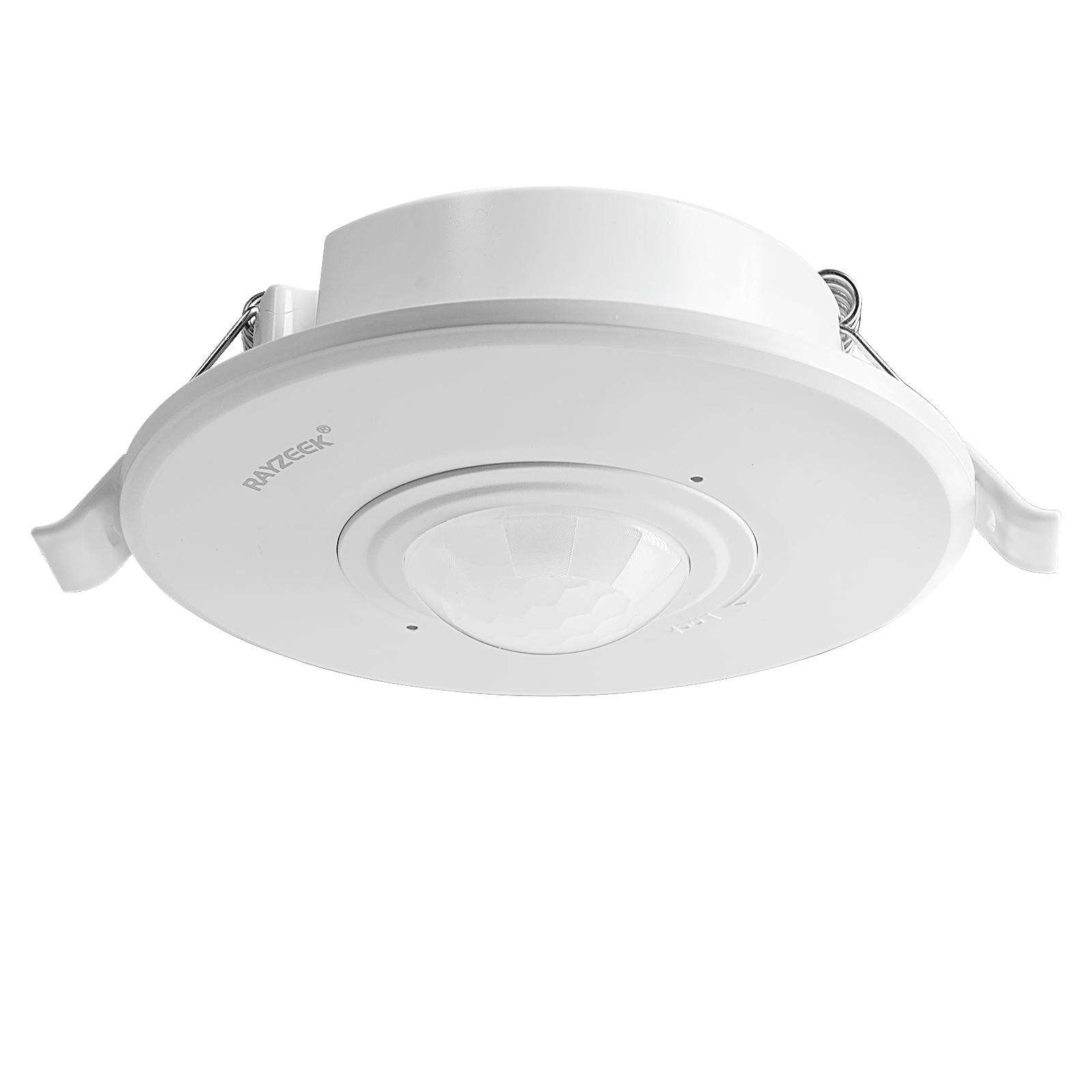
- مفتاح حساس الحركة للأشعة تحت الحمراء PIR المدمج للسقف للأحمال العالية
- دخل جهد الخط 100-265 VAC، طراز 10A
- كشف بزاوية 360 درجة مع تأخير زمني قابل للتعديل وعتبة إضاءة (Lux) وحساسية قابلتين للتعديل
- مفتاح حساس الحركة للأشعة تحت الحمراء PIR المدمج للسقف
- دخل جهد الخط 100-265 VAC، طراز 5A
- كشف بزاوية 360 درجة مع تأخير زمني قابل للتعديل وعتبة إضاءة (Lux) وحساسية قابلتين للتعديل
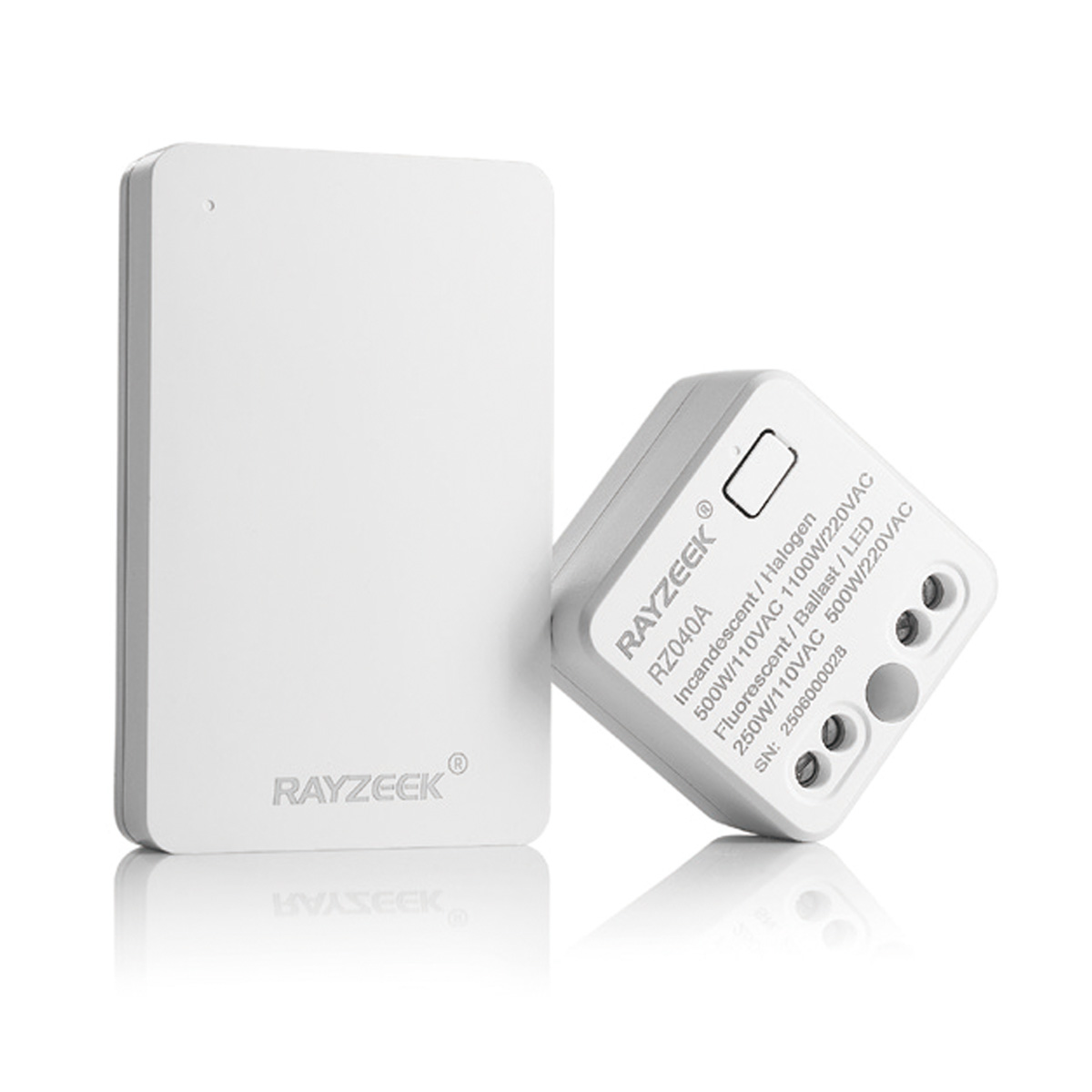
- طقم مفتاح ومستقبل لاسلكي للتحكم في تشغيل وإيقاف الإضاءة الداخلية
- مستقبل 100-230VAC، 50/60Hz بتيار مقدر 5A
- مفتاح لاسلكي يعمل ببطارية CR2032 مع اتصال بتردد 2.4GHz
- مستشعر شغور (تشغيل تلقائي/إيقاف تلقائي)
- 12–24V DC (10–30VDC)، حتى 10A
- تغطية 360 درجة، بقطر 8–12 م
- تأخير زمني من 15 ثانية إلى 30 دقيقة
- مستشعر إضاءة: إيقاف/15/25/35 لوكس
- حساسية عالية/منخفضة
- وضع الشغور بتشغيل تلقائي/إيقاف تلقائي
- 100–265V AC، 10A (يتطلب خط محايد)
- تغطية 360 درجة؛ قطر الكشف 8–12 م
- تأخير زمني من 15 ثانية إلى 30 دقيقة؛ شدة الإضاءة: إيقاف/15/25/35 لوكس؛ الحساسية: عالية/منخفضة
- وضع الشغور بتشغيل تلقائي/إيقاف تلقائي
- 100–265V AC, 5A (neutral required)
- تغطية 360 درجة؛ قطر الكشف 8–12 م
- تأخير زمني من 15 ثانية إلى 30 دقيقة؛ شدة الإضاءة: إيقاف/15/25/35 لوكس؛ الحساسية: عالية/منخفضة
Combating the Scam: The Importance of Consumer Awareness
The best defense against these scams is an informed consumer base. Here’s how we can combat these deceptive practices:
The Role of Education
Spreading accurate information about how electricity works and how to genuinely save energy is crucial. The more people understand these concepts, the less likely they are to fall for scams.
Awareness of Misleading Claims
Learning to recognize the common tactics used by scammers can help consumers spot red flags. If a product’s claims sound too good to be true, they probably are.
Value of Independent Reviews
Encourage consumers to seek out reviews from independent organizations and reputable consumer protection agencies before making a purchase.
Reporting Fraudulent Activities
If you encounter a fraudulent power saving device, report it to relevant authorities such as the Federal Trade Commission (FTC) in the United States. This can help protect other consumers from falling victim to the same scam.
In conclusion, while the allure of drastically reduced energy bills through a simple plug-in device is tempting, the reality is that these products don’t work as advertised and can even pose safety risks. Instead, focus on proven energy-saving methods and stay informed to protect yourself from scams. Remember, when it comes to energy savings, if it sounds too good to be true, it probably is.