
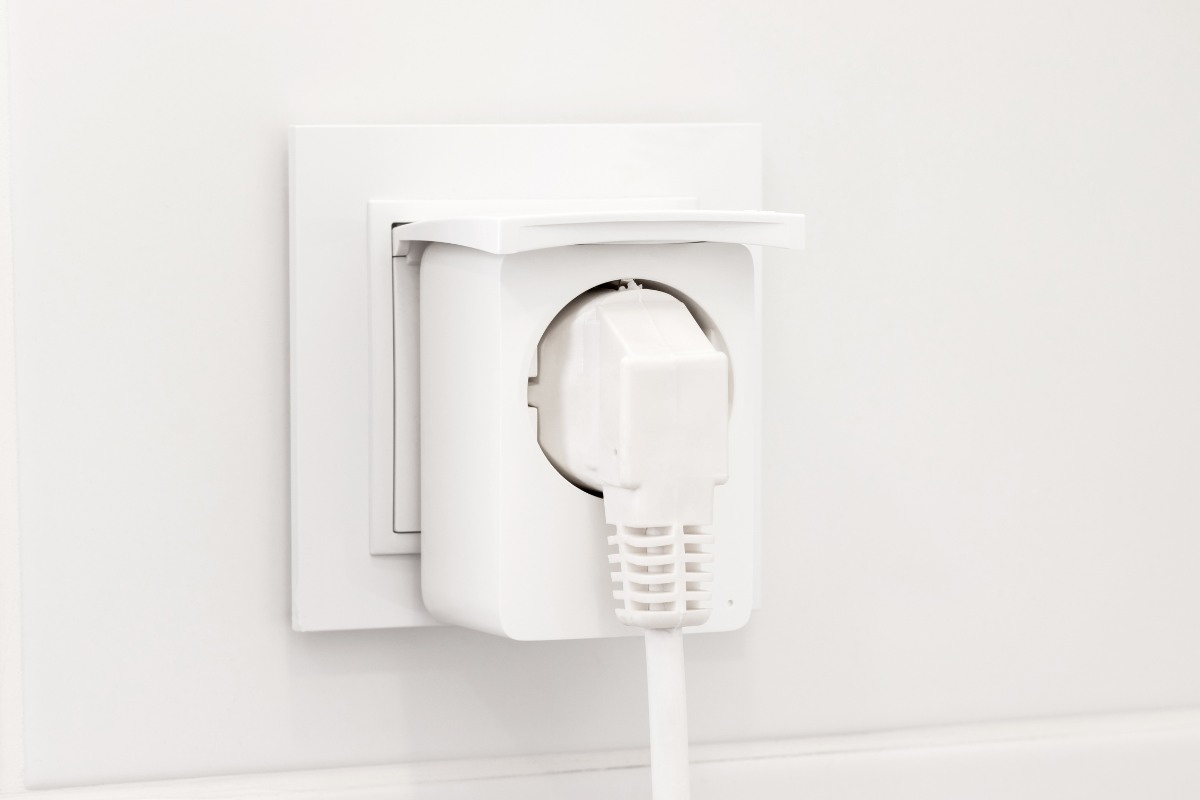
Чи є штепсельні енергозберігаючі пристрої законним способом зменшити рахунки за електроенергію, чи це лише чергове шахрайство, яке здається занадто гарним, щоб бути правдою? Останніми роками ринок заполонили так звані “енергозберігаючі пристрої”, які обіцяють кардинально скоротити споживання енергії. Але чи справді ці пристрої виконують свої обіцянки? Давайте заглибимося в наукове підґрунтя цих продуктів і з'ясуємо правду про їхню ефективність.
Що таке штепсельні енергозберігаючі пристрої та що вони обіцяють
Штепсельні енергозберігаючі пристрої, також відомі як “Power Savers”, “Electricity Savings Boxes” або під конкретними брендами, такими як “Pro Power Save”, “Esaver”, “Miracle Watt” та “Voltex”, позиціонуються як прості рішення для зменшення побутового енергоспоживання. Зазвичай це невеликі коробочки, які вмикаються безпосередньо в розетку та нібито здійснюють свою «магію» з економії енергії прямо звідти.
Як, за словами виробників, вони працюють?
Маркетинг цих пристроїв часто використовує розмиті та технічні терміни для пояснення їхньої нібито функціональності. Стверджується, що вони:
- Стабілізують електричний струм
- Зменшують “брудну потужність” (коливання в мережі електропостачання)
- “Вирівнюють струм” або “очищають брудну напругу”
- Використовують конденсатори для балансування струму
Найбільш привабливою обіцянкою є те, що ці пристрої можуть зменшити споживання електроенергії на цілих 25% або навіть до 90% у деяких випадках. Але наскільки реалістичні ці заяви? Давайте розглянемо наукові основи споживання електроенергії, щоб зрозуміти, чому ці пристрої, на жаль, є не чим іншим, як ілюзією.
Корекція коефіцієнта потужності: чому це важливо для промисловості, а не для житлових будинків
Щоб зрозуміти, чому штепсельні енергозберігаючі пристрої не працюють для будинків так, як рекламується, нам потрібно заглибитися в концепцію корекції коефіцієнта потужності.
Що таке корекція коефіцієнта потужності?
Коефіцієнт потужності — це співвідношення активної потужності (вимірюється в кіловатах, кВт) до повної потужності (вимірюється в кіловольт-амперах, кВА). Простими словами, це показник ефективності використання електричної енергії. Корекція коефіцієнта потужності — це метод, який використовується для підвищення цієї ефективності, переважно на промислових об'єктах.
Чому корекція коефіцієнта потужності важлива для промисловості
У промисловому середовищі корекція коефіцієнта потужності має вирішальне значення з кількох причин:
- Економія коштів: багатьом промисловим споживачам енергопостачальні компанії нараховують штрафи, якщо їхній коефіцієнт потужності опускається нижче певного рівня (зазвичай 0.80 або 0.85). Покращуючи коефіцієнт потужності, підприємства можуть уникнути цих штрафів.
- Зменшення плати за потужність: енергопостачальні організації часто розраховують плату для великих промислових клієнтів на основі ‘повної’ потужності, яка включає як активну, так і реактивну потужність. Покращення коефіцієнта потужності може призвести до значного зниження цих витрат.
- Покращення роботи обладнання: вищий коефіцієнт потужності забезпечує ефективнішу роботу електрообладнання, що може продовжити термін його служби.
Why Power Factor Correction Doesn’t Matter for Homes
Here’s the crucial point: the benefits of power factor correction simply don’t apply to residential electricity consumers. Why? There are several reasons:
- Billing methods: Residential customers are typically billed for real power (kilowatt-hours) used, not apparent power (kVA). This means that even if a device could improve your home’s power factor, it wouldn’t directly result in lower electricity bills.
- Already high power factor: The power factor in typical residences is already quite high, often above 0.90. This means there’s very little room for improvement, even if it did affect billing.
- Different electrical loads: Most household appliances don’t create the kind of reactive loads that necessitate power factor correction in industrial settings.
So, if power factor correction isn’t the answer for home energy savings, what’s really inside these plug-in devices, and do they have any effect at all?
Inside the Box: Examining the Reality of Power Savers
Inside the Devices: What’s Really There?
When we look inside most plug-in power saving devices, the reality is far less impressive than the marketing claims would have you believe. Typically, these devices contain:
Надихайтеся портфоліо датчиків руху Rayzeek.
Не знайшли те, що шукаєте? Не хвилюйтеся. Завжди є альтернативні способи розв'язання ваших завдань. Можливо, одне з наших портфоліо стане вам у пригоді.
- An LED light: This gives the appearance that the device is “working.”
- A basic capacitor: While capacitors are used in legitimate power factor correction for industrial applications, the small capacitors in these devices are ineffective for home use.
- Sometimes, nothing at all: Some investigations have revealed that some devices contain nothing more than a plastic box with wires.
Analysis of Power Savers in Reactive and Resistive Loads
In theory, these devices might slightly decrease the amperage drawn by some appliances. However, this doesn’t translate to reduced power consumption or lower electric bills for residential consumers. Here’s why:
- For resistive loads (like incandescent bulbs or heating elements), power factor is already unity (1.0), so there’s no room for improvement.
- For reactive loads (like motors in refrigerators or air conditioners), any minor reduction in current doesn’t change the actual power consumed to do the work.
The Effect of Voltage Spikes on Household Appliances
Some power saver devices claim to protect against voltage spikes. While voltage spikes can cause a small increase in power consumption, it’s usually negligible in a residential setting. Moreover, most modern appliances already have built-in protection against minor voltage fluctuations.
Safety Risks: The Hidden Dangers of Power Saving Scams
Beyond their ineffectiveness, these devices can pose serious safety risks.
General Safety Risks
Many of these devices are cheaply made and lack proper safety certifications. This can lead to potential shock and fire hazards when plugged into your home’s electrical system.
Specific Safety Defects
Independent tests have revealed alarming safety defects in many of these devices:
- Inadequate fuses: The fuses used in these devices may not provide sufficient protection against overcurrent situations.
- Substandard MOVs (Metal Oxide Varistors): These components, meant to protect against voltage spikes, may be of poor quality or improperly rated.
- Non-approved plugs: Some devices use plug types that aren’t approved for use in certain countries, posing additional safety risks.
Cases of Overheating and Fire
There have been documented cases of these devices overheating or even catching fire. This risk alone should be enough to deter anyone from using these products in their home.
Proven Energy Savers: Alternatives That Actually Work
Instead of relying on ineffective and potentially dangerous plug-in devices, there are many proven ways to reduce your home’s energy consumption. Let’s explore some alternatives that actually work:
Energy-Efficient Lighting
One of the simplest and most effective ways to reduce energy consumption is to switch to LED lighting. LED bulbs use up to 90% less energy than traditional incandescent bulbs and last much longer, providing significant savings over time.
Smart Home Devices
- Smart thermostats: These can learn your habits and optimize heating and cooling, potentially saving up to 10% on your heating and cooling bills.
- Smart power strips: These can cut power to devices in standby mode, reducing “vampire” energy waste.
- Smart switches: These provide greater control over your lighting, allowing for remote activation and brightness adjustment.
Energy-Efficient Appliances
When it’s time to replace your appliances, look for those with the ENERGY STAR label. These appliances meet strict energy efficiency guidelines set by the U.S. Environmental Protection Agency and the U.S. Department of Energy. For example:
- ENERGY STAR certified refrigerators use about 15% less energy than non-certified models.
- ENERGY STAR certified washing machines use about 25% less energy and 33% less water than standard models.
Renewable Energy Solutions
While they require a larger upfront investment, renewable energy solutions can provide significant long-term savings:
- Solar power systems: These can dramatically reduce or even eliminate your electricity bills over time.
- Solar-powered chargers: These can reduce your reliance on grid electricity for small devices.
Practical Measures
There are also many no-cost or low-cost measures you can take to reduce your energy consumption:
- Turn off lights and appliances when not in use.
- Use energy monitors to track your electricity usage and identify areas for improvement.
- Improve your home’s insulation to reduce heating and cooling costs.
- Use natural lighting and ventilation when possible.
Marketing Deceptions: How Power Saver Scams Lure Consumers
Understanding the tactics used to market these ineffective devices can help you avoid falling for similar scams in the future.
Шукаєте енергозбережні рішення з датчиками руху?
Зв'яжіться з нами, щоб отримати повний асортимент інфрачервоних (PIR) датчиків руху, енергозбережних продуктів, що активуються рухом, вимикачів із датчиками руху, а також комерційних рішень для контролю присутності та відсутності (Occupancy/Vacancy).
Use of Fake Reviews and Endorsements
Many power saver device marketers use fake reviews and false celebrity endorsements to lend credibility to their products. They might claim that a well-known figure like Elon Musk has endorsed or even invented their device.
False Claims About Device Capabilities
These marketers often make outlandish claims about their devices’ capabilities, such as:
- Protecting against power surges
- Reducing “electromagnetic radiation”
- Cleaning the electrical circuit of “carbon”
These claims are not only false but often scientifically nonsensical.
Use of Fabricated Content
Some marketers go as far as creating entirely fabricated stories to support their claims. For example, they might invent a story about an employee who inspired the creation of the device.
Misleading Technical Terms
To sound more legitimate, these marketers often use technical-sounding terms that are either misused or completely made up. Examples include:
- “Patent-pending technology”
- “Advanced capacitors”
- “Groundbreaking Electricity Stabilizing Technology”
Evasive Business Practices
To avoid negative reviews and scrutiny, some companies behind these devices frequently change their names or create multiple brand names for essentially the same product.
Можливо, вас зацікавить

- Напруга: 2 батарейки AAA
- Режим День/Ніч
- Затримка часу: 15 хв, 30 хв, 1 год (за замовчуванням), 2 год

- Стелярний PIR-датчик присутності з виходом реле типу «сухий контакт»
- Низьковольтне живлення 12/24 В постійного струму або 12/24 В змінного струму
- Ізольовані контакти реле COM, NO та NC для систем управління будівлями (EMS), опалення, вентиляції та кондиціонування (HVAC)

- Низьковольтний врізний стельовий мікрохвильовий вимикач із датчиком руху постійного струму
- Вхід 12 В / 24 В постійного струму з діапазоном 10–30 В постійного струму
- Максимальний робочий струм 10A з регульованою затримкою часу, порогом Lux і чутливістю
- Врізний стельовий мікрохвильовий вимикач із датчиком руху для підвищеного навантаження
- Вхідна мережева напруга 100-265 VAC, модель 10A
- Мікрохвильове виявлення 5.8 GHz з регульованою затримкою часу, порогом Lux і чутливістю
- Врізний стельовий мікрохвильовий вимикач із датчиком руху
- Вхідна мережева напруга 100-265 VAC, модель 5A
- Мікрохвильове виявлення 5.8 GHz з регульованою затримкою часу, порогом Lux і чутливістю
- Стельовий димер із PIR-датчиком присутності RZ037 для живлення 220V
- Максимальний робочий струм 3A із номінальним навантаженням 660W
- Кнопка LUX керує увімкненням/вимкненням датчика освітленості та налаштованою користувачем яскравістю димування
- Стельовий PIR-датчик присутній з димером RZ037 для живлення 110V
- Максимальний робочий струм 3A із номінальним навантаженням 330W
- Кнопка LUX керує увімкненням/вимкненням датчика освітленості та налаштованою користувачем яскравістю димування

- Низьковольтний стельовий мікрохвильовий датчик руху постійного струму
- Вхід 12 В / 24 В постійного струму з діапазоном 10–30 В постійного струму
- Максимальний робочий струм 10A з регульованою затримкою часу, порогом Lux і чутливістю
- Стельовий мікрохвильовий датчик руху для підвищеного навантаження
- Вхідна мережева напруга 100-265 VAC, модель 10A
- Мікрохвильове виявлення 5.8 GHz з регульованою затримкою часу, порогом Lux і чутливістю
- Стельовий мікрохвильовий датчик руху
- Вхідна мережева напруга 100-265 VAC, модель 5A
- Мікрохвильове виявлення 5.8 GHz з регульованою затримкою часу, порогом Lux і чутливістю

- Низьковольтний врізний стельовий PIR-датчик руху постійного струму
- Вхід 12 В / 24 В постійного струму з діапазоном 10–30 В постійного струму
- Максимальний робочий струм 10A з регульованою затримкою часу, порогом Lux та чутливістю

- Врізний стельовий PIR-датчик руху для підвищеного навантаження
- Вхідна мережева напруга 100-265 VAC, модель 10A
- Детекція на 360 градусів з регульованою затримкою часу, порогом Lux та чутливістю
- Врізний стельовий вимикач із PIR-датчиком руху
- Вхідна мережева напруга 100-265 VAC, модель 5A
- Детекція на 360 градусів з регульованою затримкою часу, порогом Lux та чутливістю

- Комплект бездротового вимикача та приймача для внутрішнього керування освітленням (УВІМК/ВИМК)
- Приймач 100-230VAC, 50/60Hz із номінальним струмом 5A
- Бездротовий вимикач із живленням від CR2032 та зв'язком 2.4GHz
- Режим присутності (Auto-ON/Auto-OFF)
- 12–24V DC (10–30VDC), до 10A
- Зона охоплення 360°, діаметр 8–12 m
- Затримка часу 15 s–30 min
- Датчик освітленості Off/15/25/35 Lux
- Висока/низька чутливість
- Режим присутності Auto-ON/Auto-OFF (автоматичне увімкнення/вимкнення)
- 100–265V AC, 10A (необхідна нейтраль)
- Зона охоплення 360°; діаметр виявлення 8–12 м
- Затримка часу 15 s–30 min; Lux OFF/15/25/35; чутливість High/Low
- Режим присутності Auto-ON/Auto-OFF (автоматичне увімкнення/вимкнення)
- 100–265V AC, 5A (необхідна нейтраль)
- Зона охоплення 360°; діаметр виявлення 8–12 м
- Затримка часу 15 s–30 min; Lux OFF/15/25/35; чутливість High/Low
Combating the Scam: The Importance of Consumer Awareness
The best defense against these scams is an informed consumer base. Here’s how we can combat these deceptive practices:
The Role of Education
Spreading accurate information about how electricity works and how to genuinely save energy is crucial. The more people understand these concepts, the less likely they are to fall for scams.
Awareness of Misleading Claims
Learning to recognize the common tactics used by scammers can help consumers spot red flags. If a product’s claims sound too good to be true, they probably are.
Value of Independent Reviews
Encourage consumers to seek out reviews from independent organizations and reputable consumer protection agencies before making a purchase.
Reporting Fraudulent Activities
If you encounter a fraudulent power saving device, report it to relevant authorities such as the Federal Trade Commission (FTC) in the United States. This can help protect other consumers from falling victim to the same scam.
In conclusion, while the allure of drastically reduced energy bills through a simple plug-in device is tempting, the reality is that these products don’t work as advertised and can even pose safety risks. Instead, focus on proven energy-saving methods and stay informed to protect yourself from scams. Remember, when it comes to energy savings, if it sounds too good to be true, it probably is.







