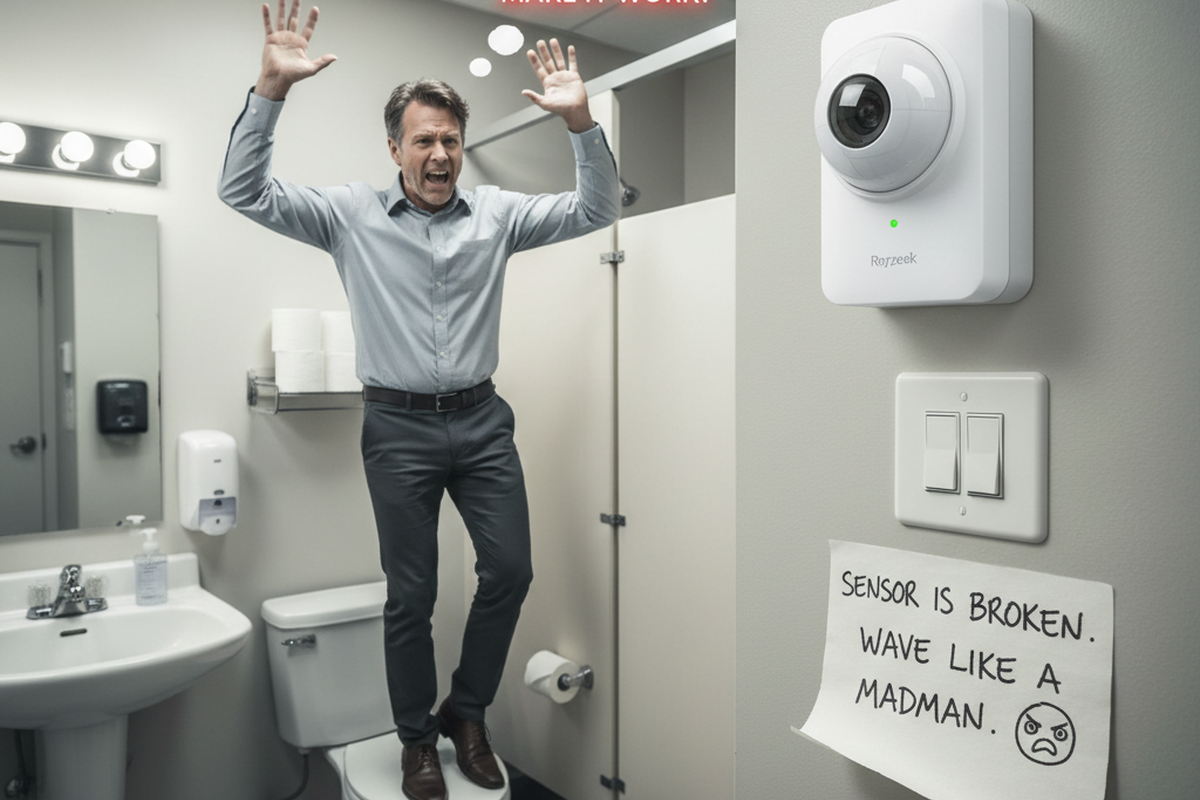
Choose a Rayzeek PIR motion sensor switch for small-business restrooms by preventing the two failures that cause callbacks: dark entry and lights-off-in-stall. Use the right mode, start with a conservative timeout, validate stall coverage, and document settings.
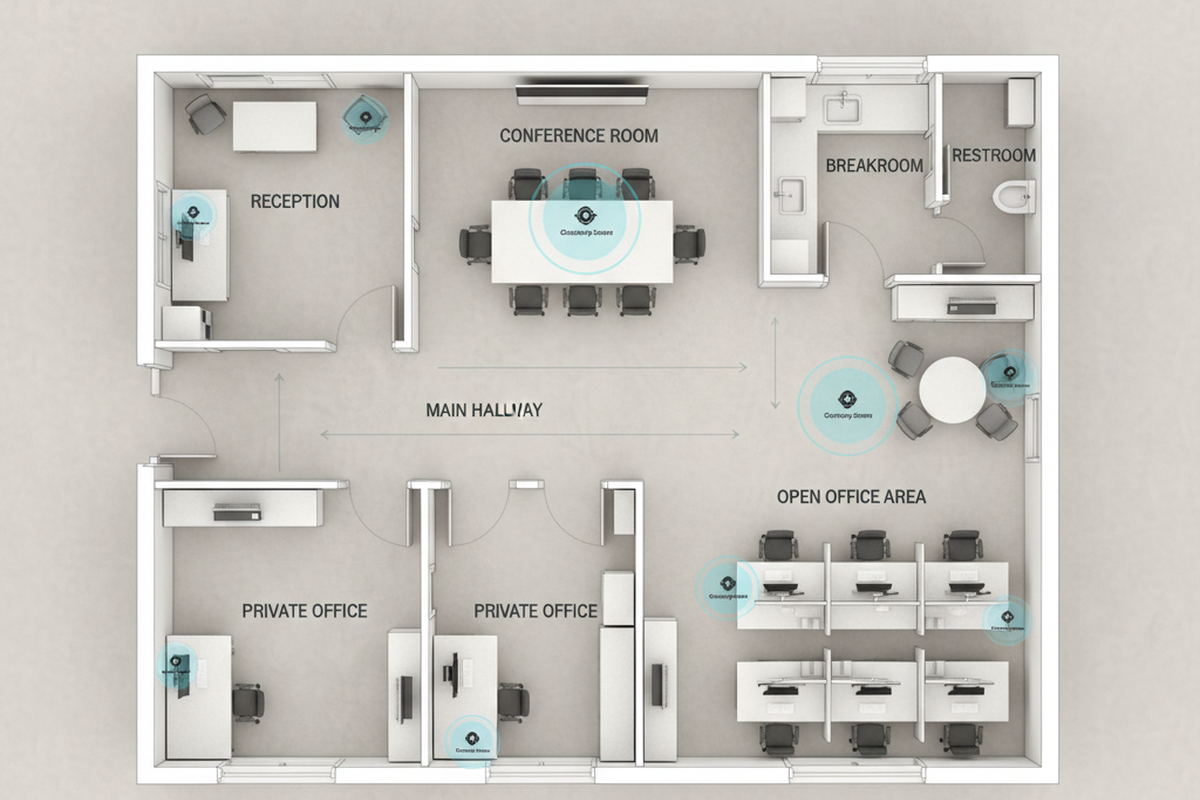
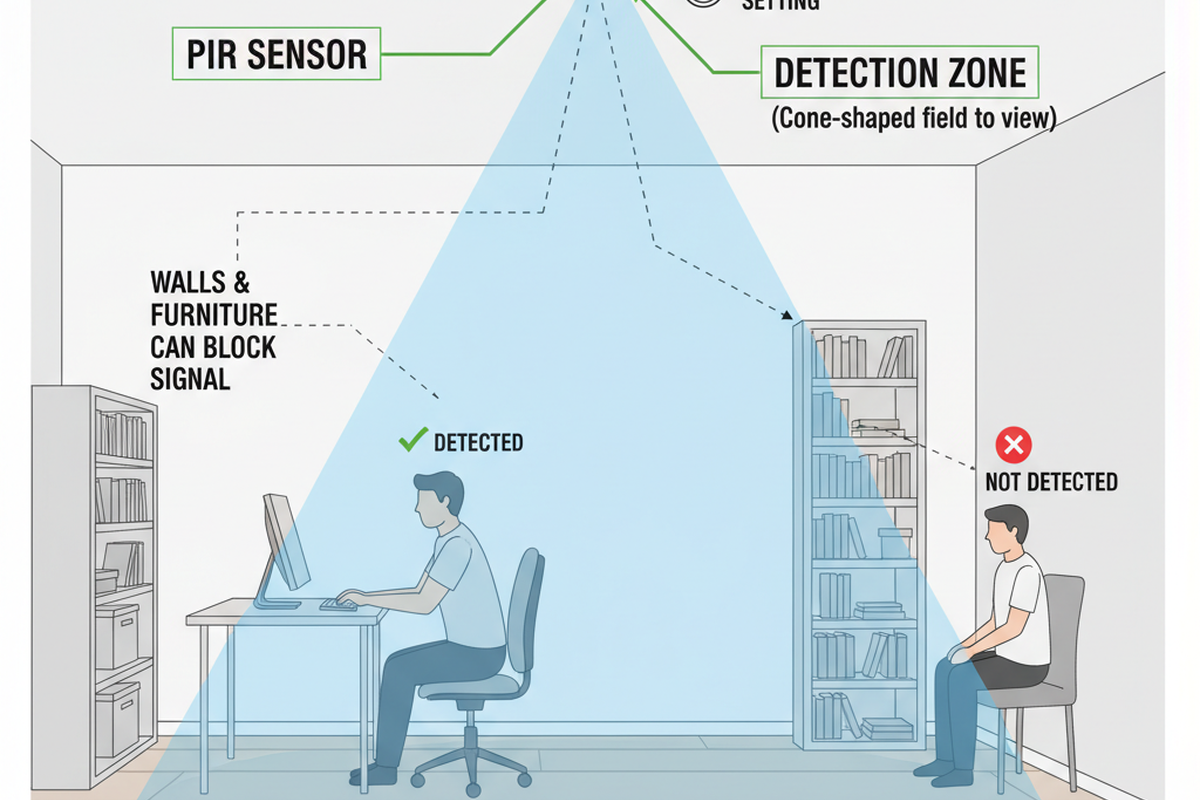
Commission occupancy sensors in small office suites without triggering complaints. Use a quick sightline check, apply three room-type profiles, and adjust in the right order—aim first, timeout second, sensitivity last—then test for real stillness and document reset paths.
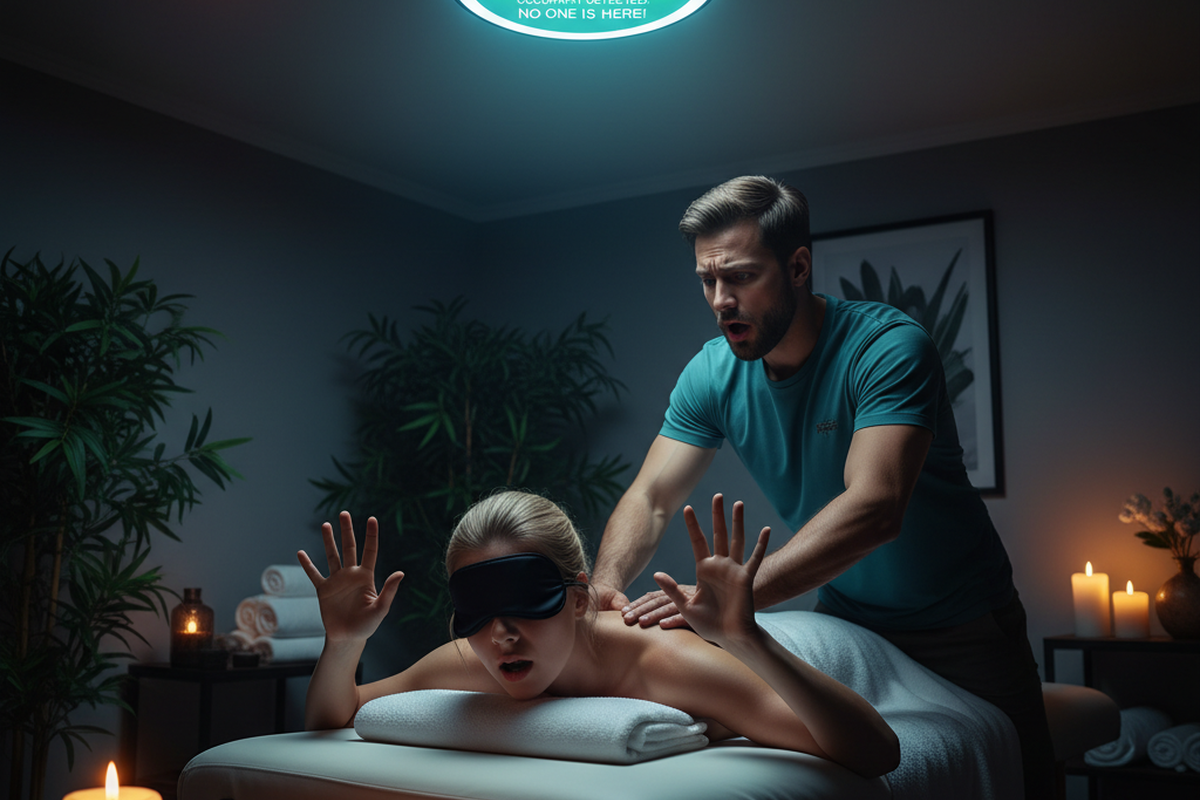
In quiet salon chairs and treatment rooms, default PIR timeouts can shut lights off mid-service. Learn a workflow-first approach—control intent, placement, layered lighting, and realistic delays—so automation stays invisible and respectful.
Stop PIR office lights from turning off while you work. Use a quick sit-test to confirm what the sensor “sees,” then fix it with better aiming, vacancy mode, and a longer time delay—without cranking sensitivity into false-on chaos.
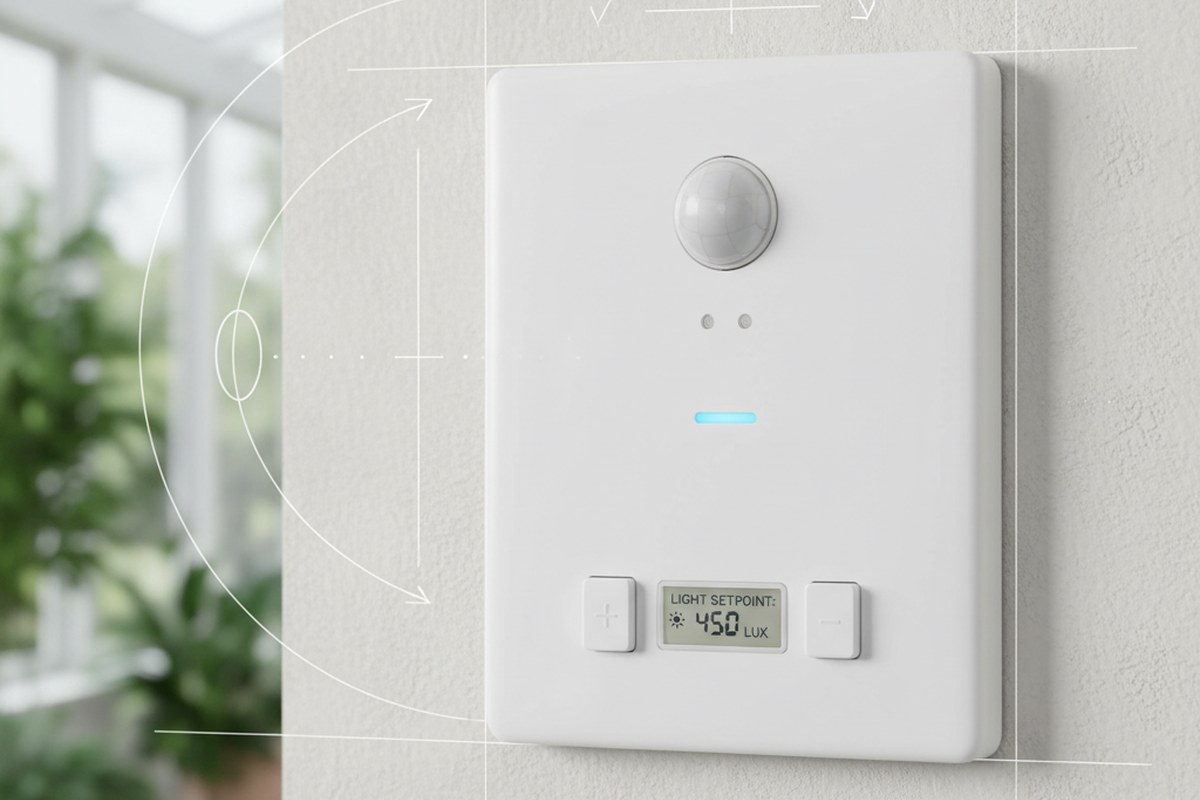
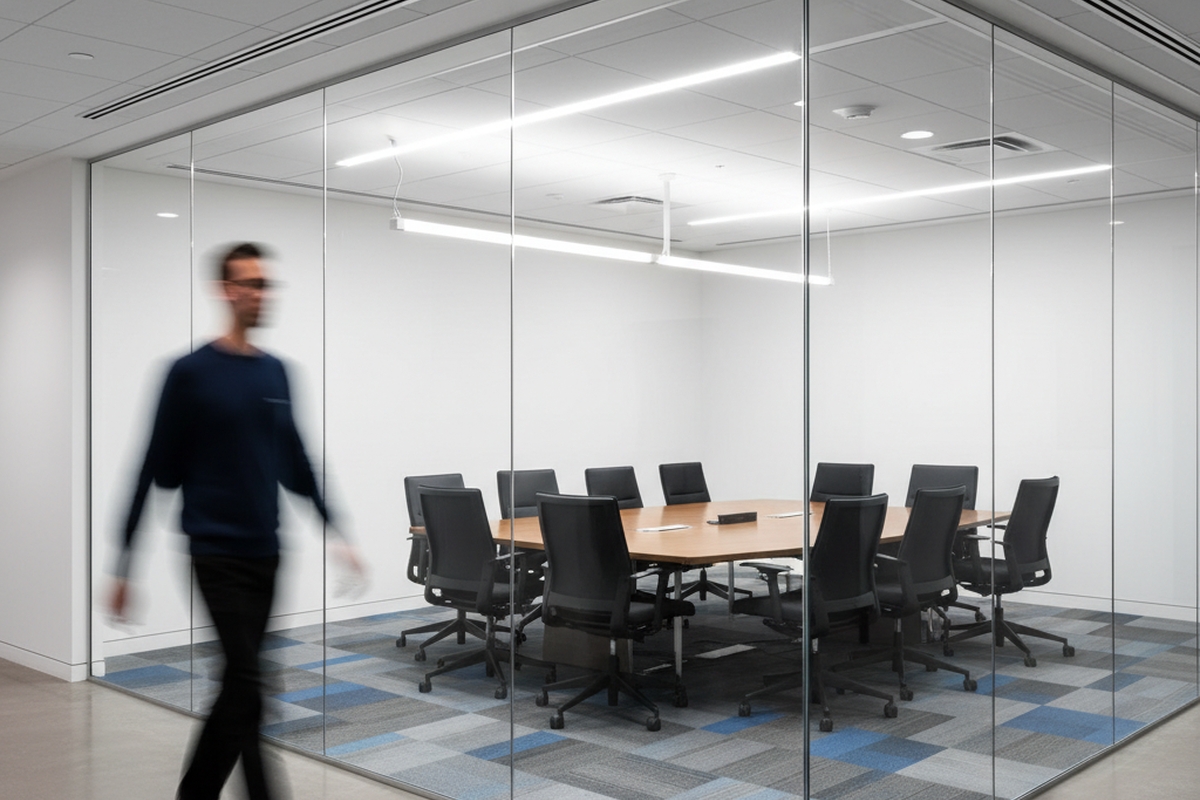
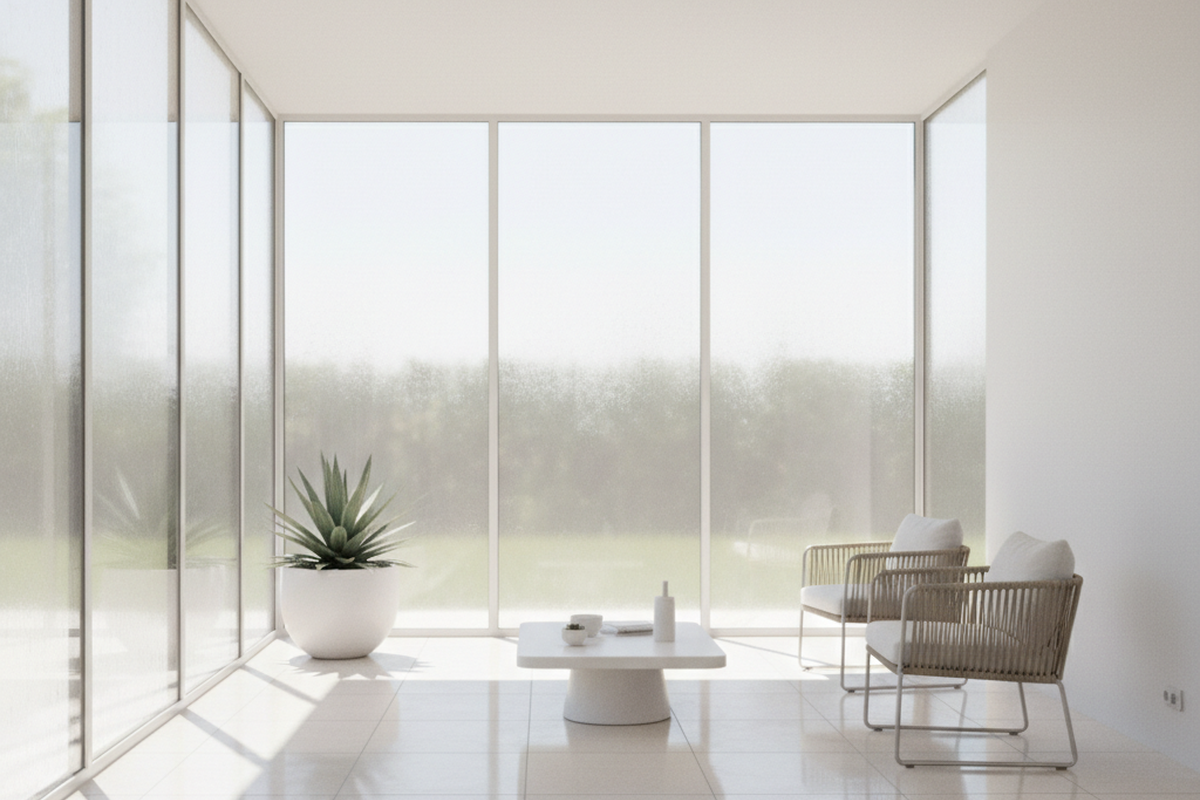
Bright sunrooms and glass offices often fail at the same thing: lights turning on when daylight is already sufficient. This guide shows how to get calm, set-and-forget behavior using the right mode, better sensor placement, disciplined timeouts, and a simple two-weather daylight inhibit test.
Rayzeek argues that a workshop needs hard controls over software, because environments clash with wifi. The RZ021 uses three physical dials for time, lux, and sensitivity, delivering reliable, no app control that won’t drift with power or gloves.