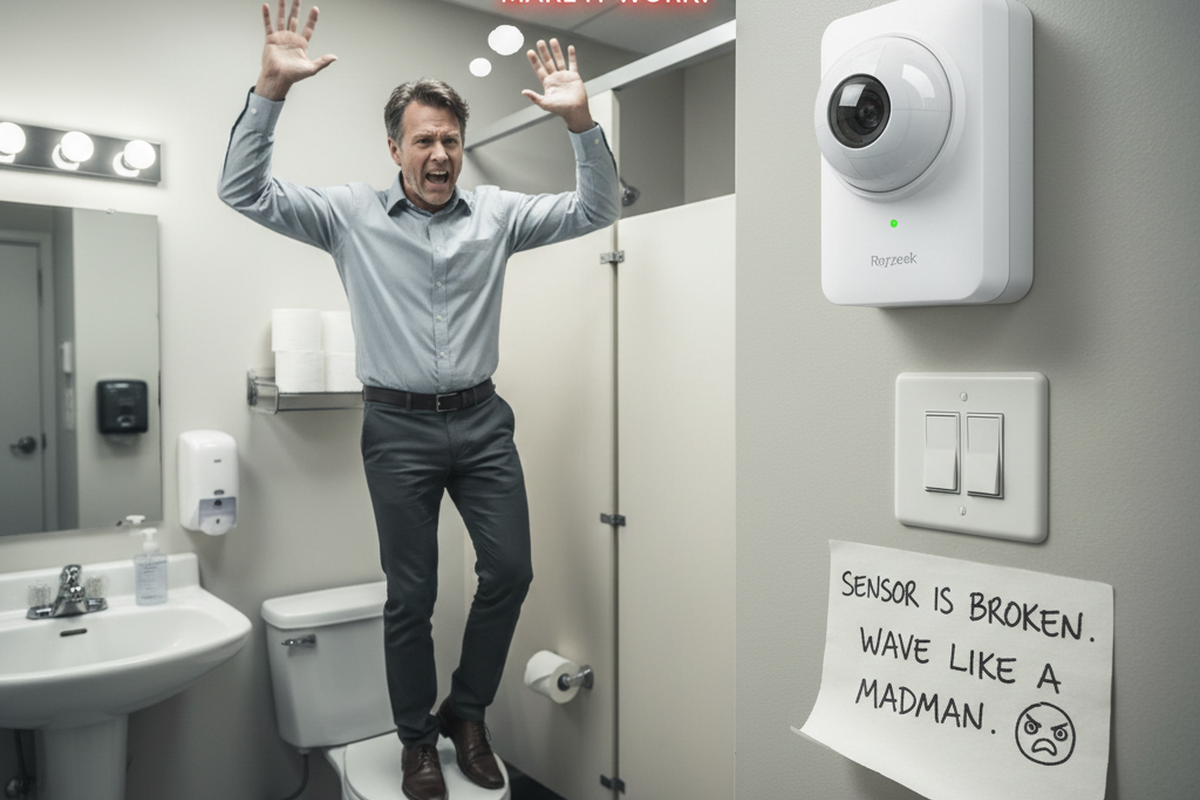
A frustrated man stands on a toilet in a commercial restroom with his hands raised. A wall-mounted motion sensor and a handwritten note saying to wave are visible beside a light switch.

Choose a Rayzeek PIR motion sensor switch for small-business restrooms by preventing the two failures that cause callbacks: dark entry and lights-off-in-stall. Use the right mode, start with a conservative timeout, validate stall coverage, and document settings.
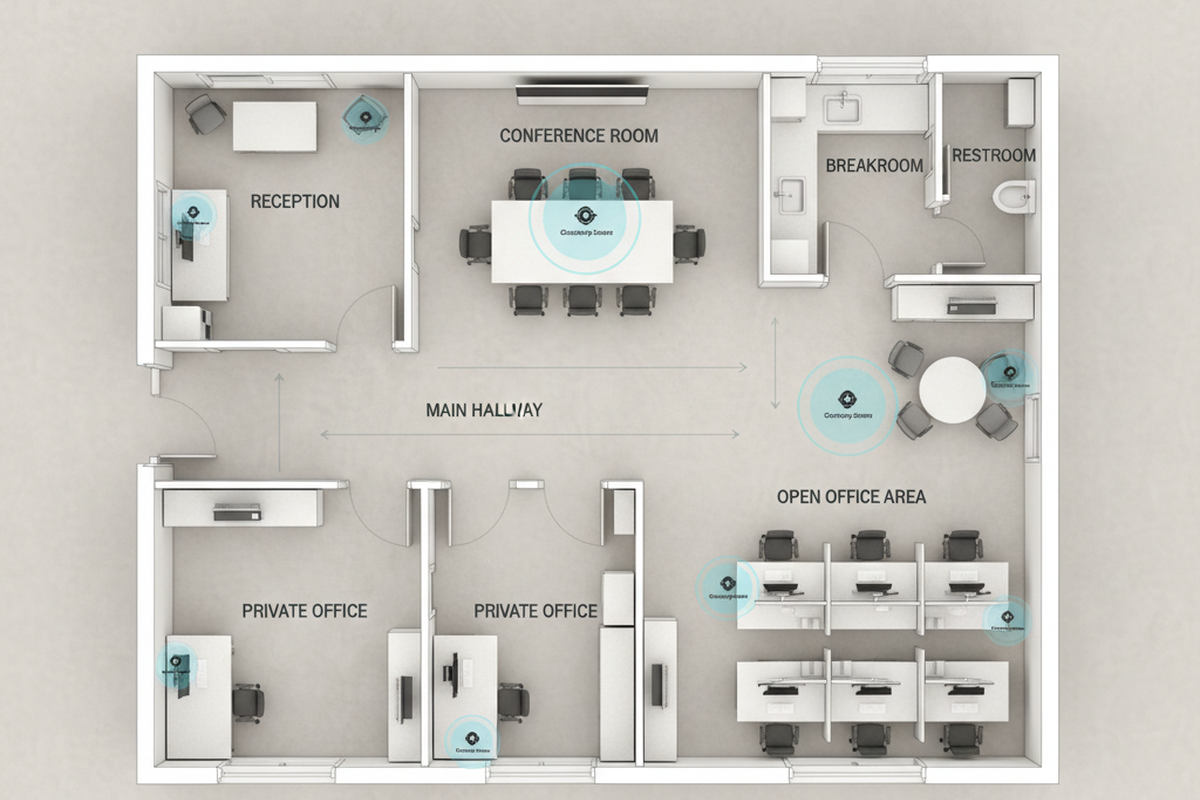
A labeled floor plan of a small office suite shows a conference room, reception, hallway, breakroom, restroom, private offices, and an open office area. Blue circles mark PIR and dual-tech sensor coverage locations.

Commission occupancy sensors in small office suites without triggering complaints. Use a quick sightline check, apply three room-type profiles, and adjust in the right order—aim first, timeout second, sensitivity last—then test for real stillness and document reset paths.

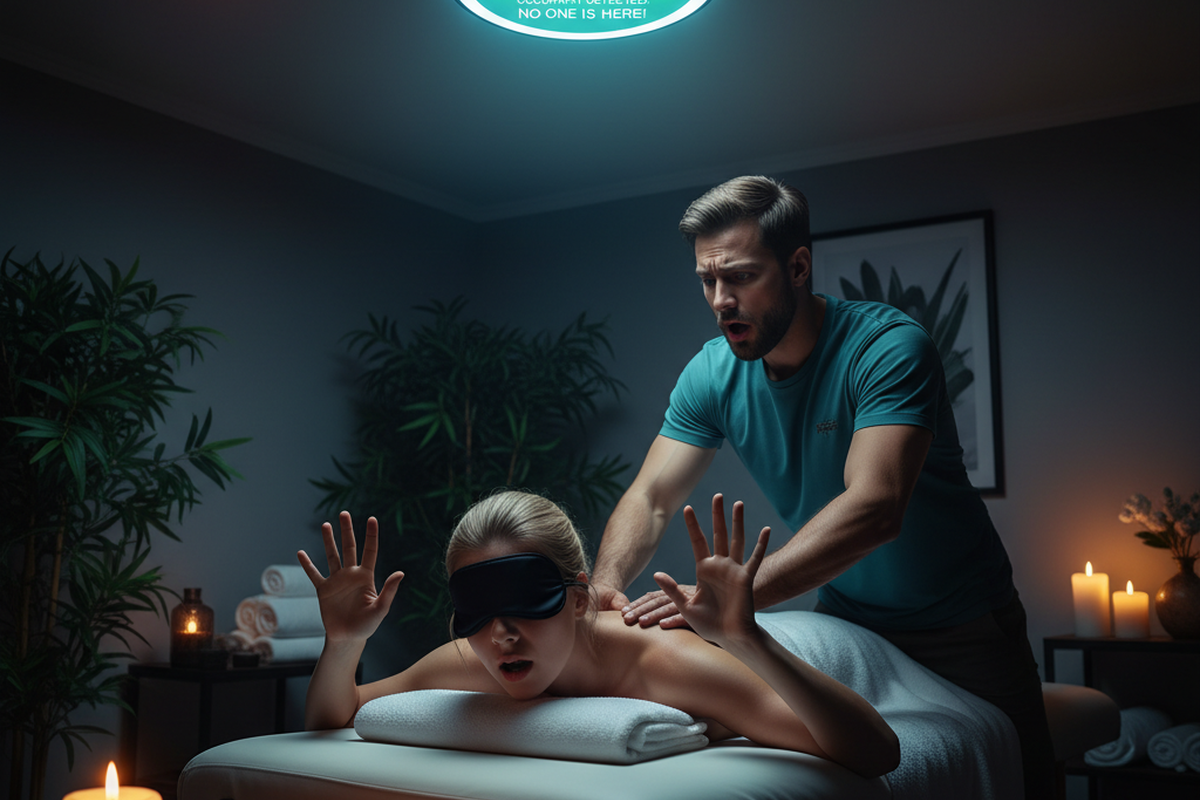
A dim treatment room shows a ceiling-mounted occupancy sensor and a bright ceiling light. A therapist looks concerned as a client lies on a massage table wearing an eye mask with hands raised.

In quiet salon chairs and treatment rooms, default PIR timeouts can shut lights off mid-service. Learn a workflow-first approach—control intent, placement, layered lighting, and realistic delays—so automation stays invisible and respectful.

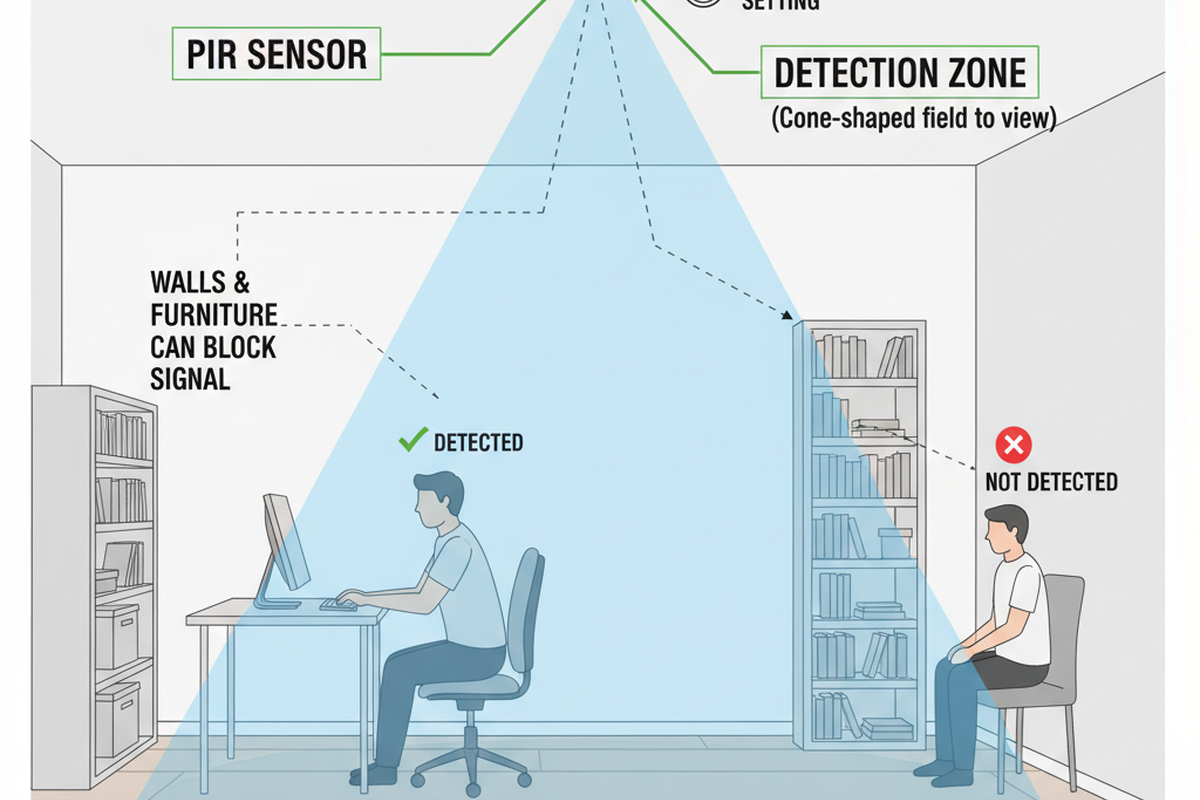
Diagram shows a ceiling-mounted PIR sensor projecting a cone-shaped detection zone across an office. One seated person at a desk falls inside the zone while another seated person is outside it behind furniture.

Stop PIR office lights from turning off while you work. Use a quick sit-test to confirm what the sensor “sees,” then fix it with better aiming, vacancy mode, and a longer time delay—without cranking sensitivity into false-on chaos.

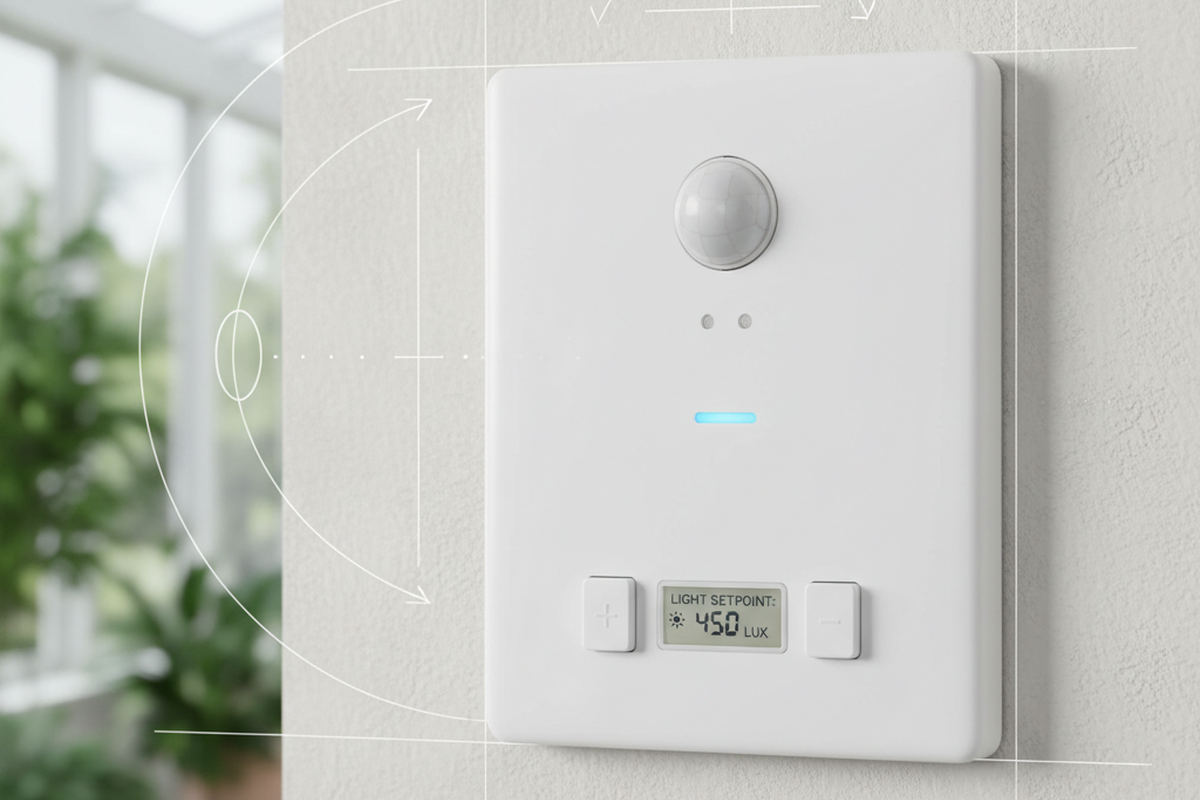
A wall-mounted occupancy sensor switch with a PIR lens and a small display showing a light setpoint in lux. Faint calibration lines and arrows overlay the scene, with a bright windowed room blurred in the background.

Bright sunrooms and glass offices often fail at the same thing: lights turning on when daylight is already sufficient. This guide shows how to get calm, set-and-forget behavior using the right mode, better sensor placement, disciplined timeouts, and a simple two-weather daylight inhibit test.

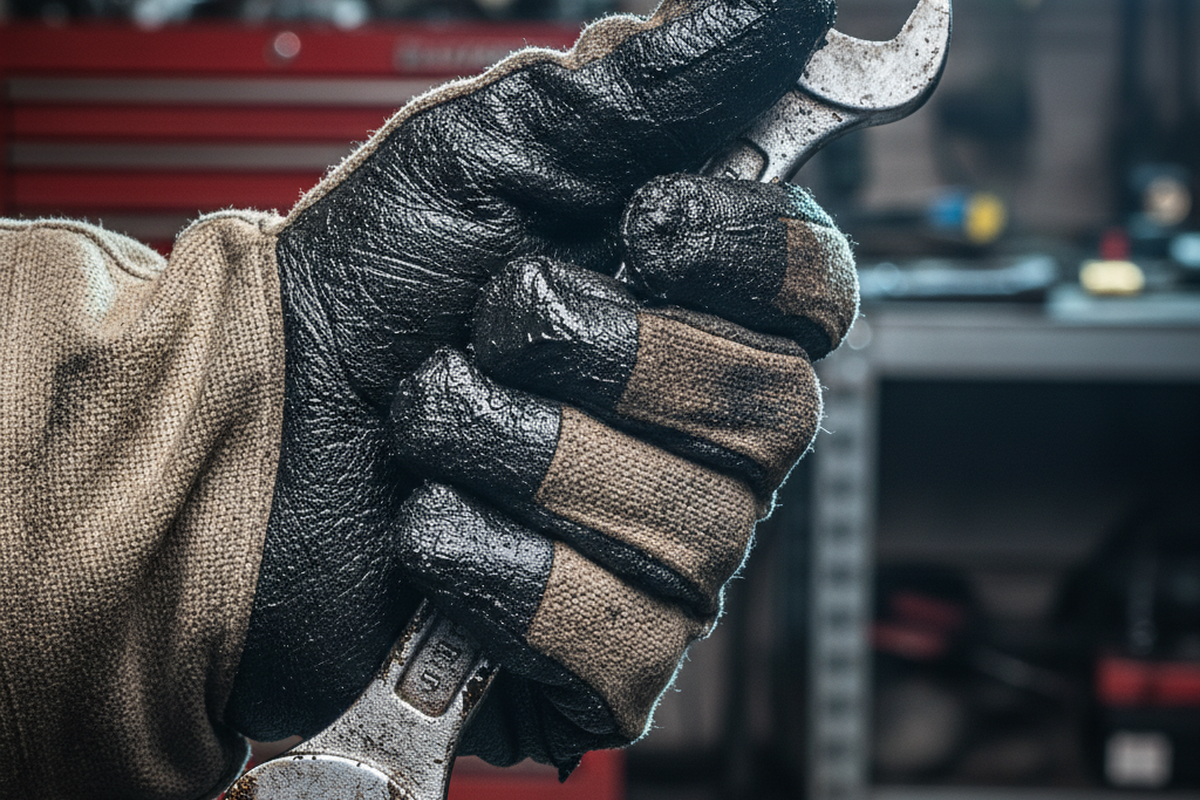
A hand wearing a thick, textured work glove grips a steel wrench against a blurred background. The setting features typical workshop equipment, including a red tool chest and metal shelving.

Rayzeek argues that a workshop needs hard controls over software, because environments clash with wifi. The RZ021 uses three physical dials for time, lux, and sensitivity, delivering reliable, no app control that won’t drift with power or gloves.

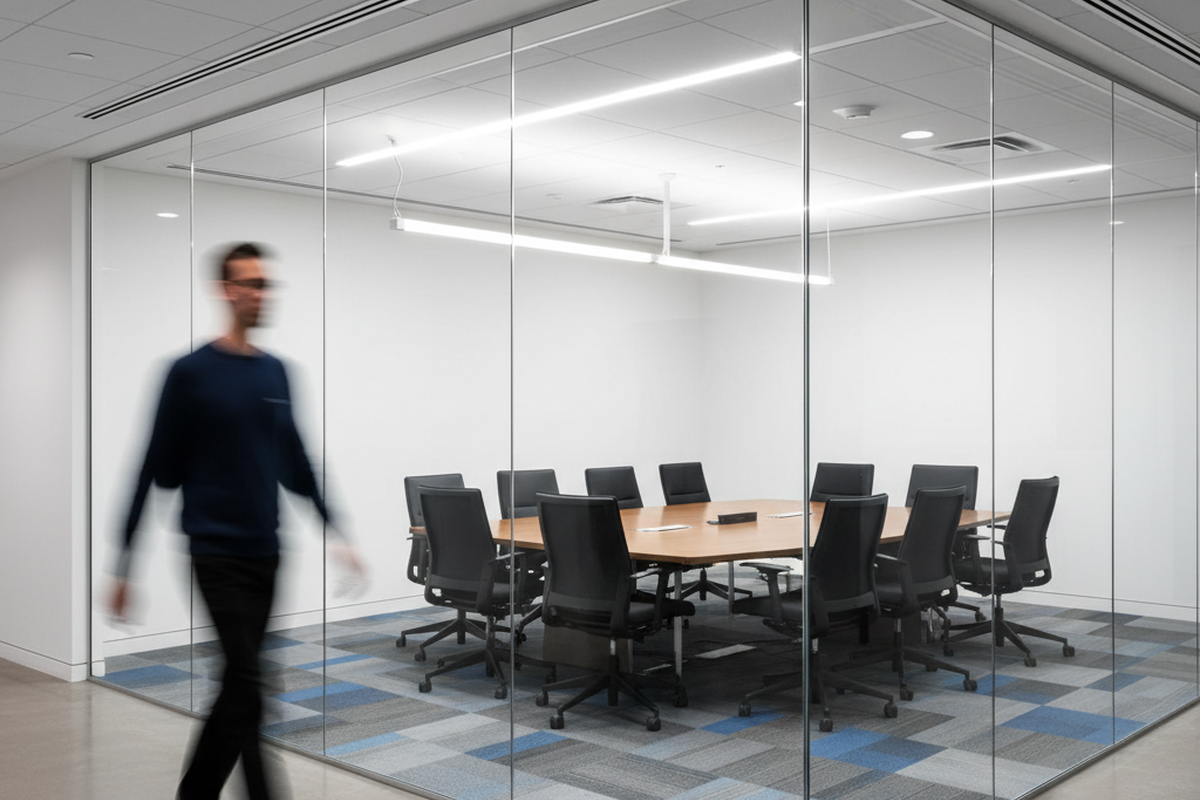
A blurred figure walks along the corridor outside a glass-walled conference room furnished with a large table and black chairs. The room is brightly lit with linear fixtures while the surrounding office space features a polished concrete floor.

Rayzeek forklarer, hvorfor bevægelsessensorer i kontorer med glasvægge fejlagtigt registrerer trafik på gangen, fysikken bag infrarød og ultralydsbaseret registrering samt praktiske løsninger fra linseafdækning til vakans-tilstand, der sparer energi og reducerer fejlalarmer.

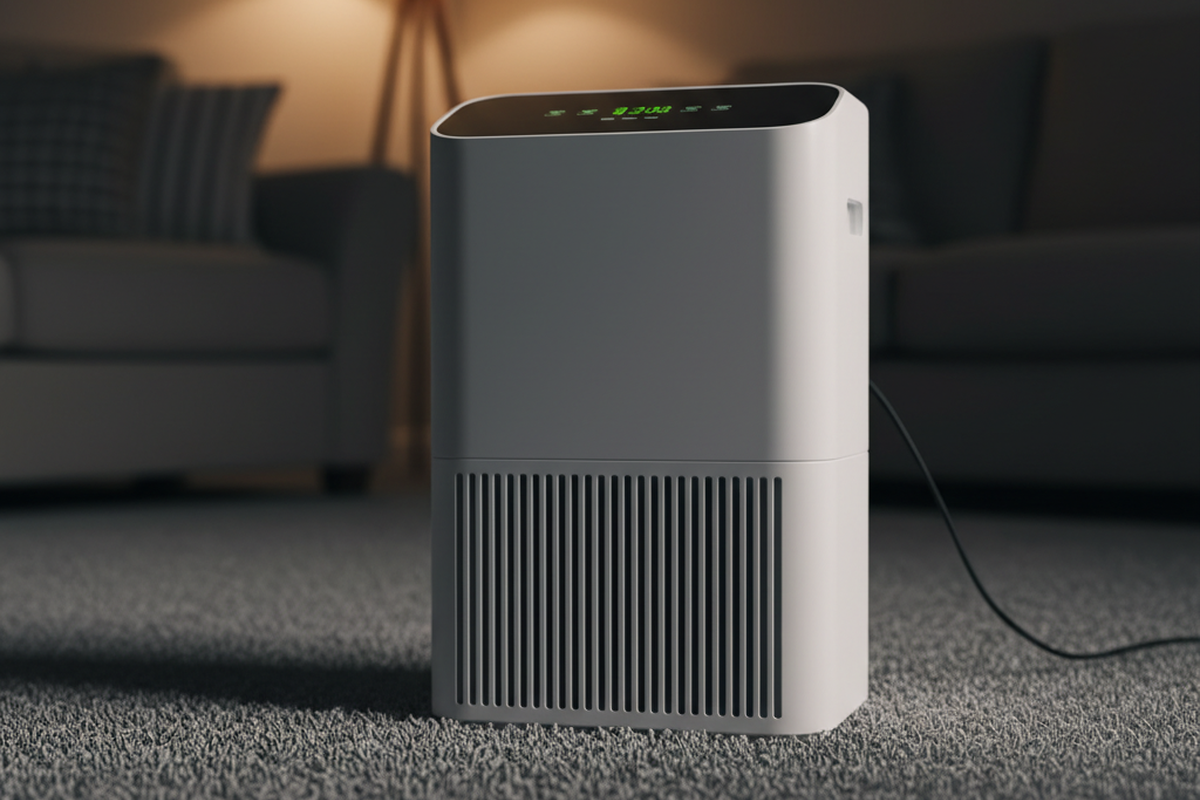
A modern white dehumidifier sits on a gray carpet in a low-light room, featuring a black control panel with green digital readouts. A floor lamp glows warmly in the out-of-focus background behind the appliance.

Rayzeek afslører en forsigtig metode til at dæmpe en støjende kælderaffugter uden at fremkalde skimmelsvamp. Bevægelsessensorer kræver sikkerhedsforanstaltninger: Indstil en lang forsinkelse, sørg for automatisk genstart, og slå bypass til, når du rejser.

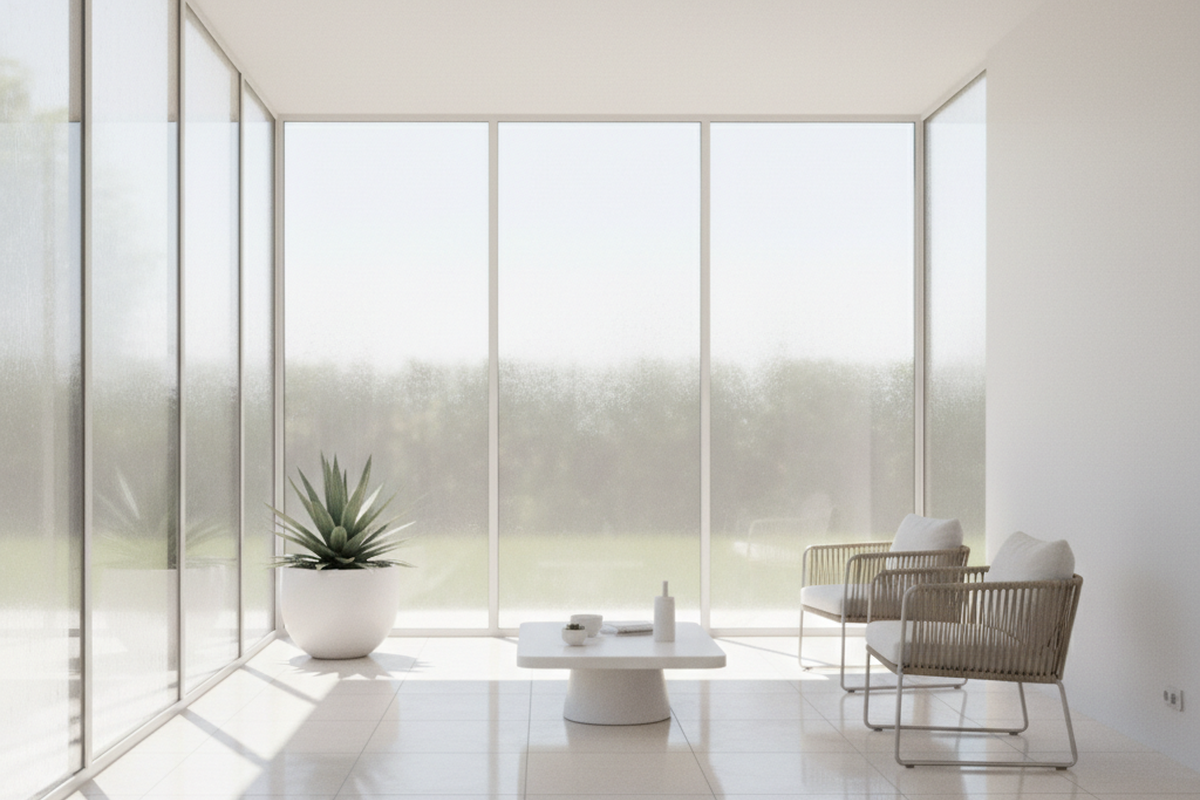
A bright, minimalist sunroom features large glass windows, a white coffee table, and woven chairs on a glossy tiled floor.

Rayzeek forklarer, hvordan standard PIR-sensorer svigter i udestuer, når den indvendige varme udvisker kontrasten og efterlader indbrudstyve uregistrerede. Artiklen viser, hvorfor dual-teknologisensorer leverer pålidelig registrering på steder, hvor varme slører bevægelse.

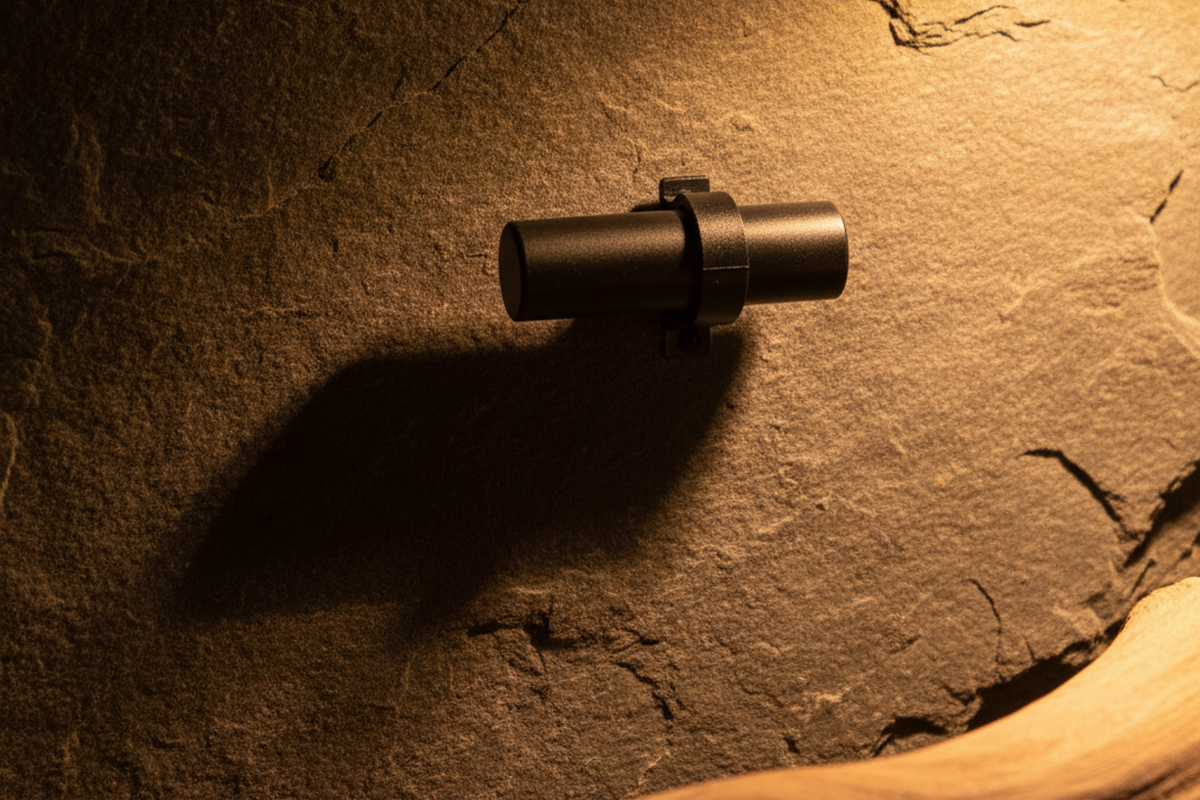
A cylindrical black temperature probe is mounted horizontally on a textured stone wall, casting a sharp shadow to the left. A piece of light-colored driftwood rests in the foreground.

Temperature control in reptile enclosures hinges on measuring air, not the heat beam. The Shadow Trace method guides probe placement to dampen spikes, protect the animal, and extend thermostat life.

Danish