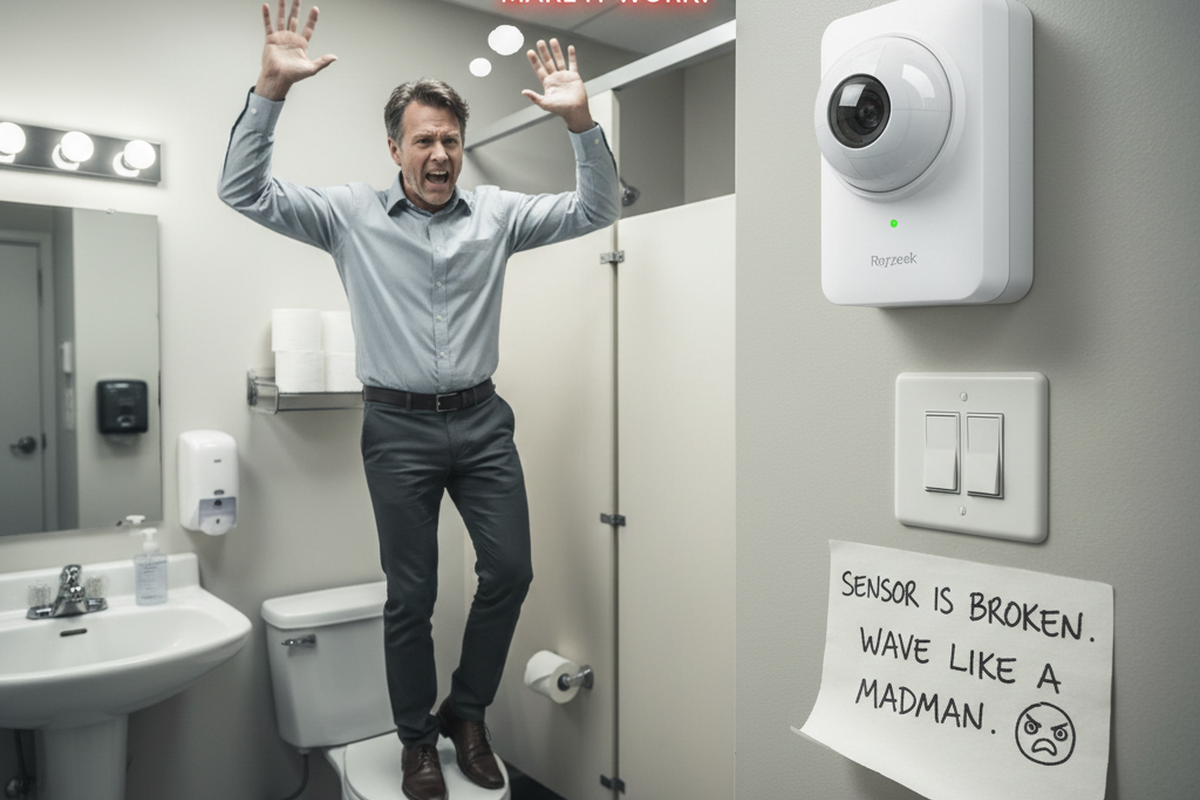
A frustrated man stands on a toilet in a commercial restroom with his hands raised. A wall-mounted motion sensor and a handwritten note saying to wave are visible beside a light switch.

Choose a Rayzeek PIR motion sensor switch for small-business restrooms by preventing the two failures that cause callbacks: dark entry and lights-off-in-stall. Use the right mode, start with a conservative timeout, validate stall coverage, and document settings.
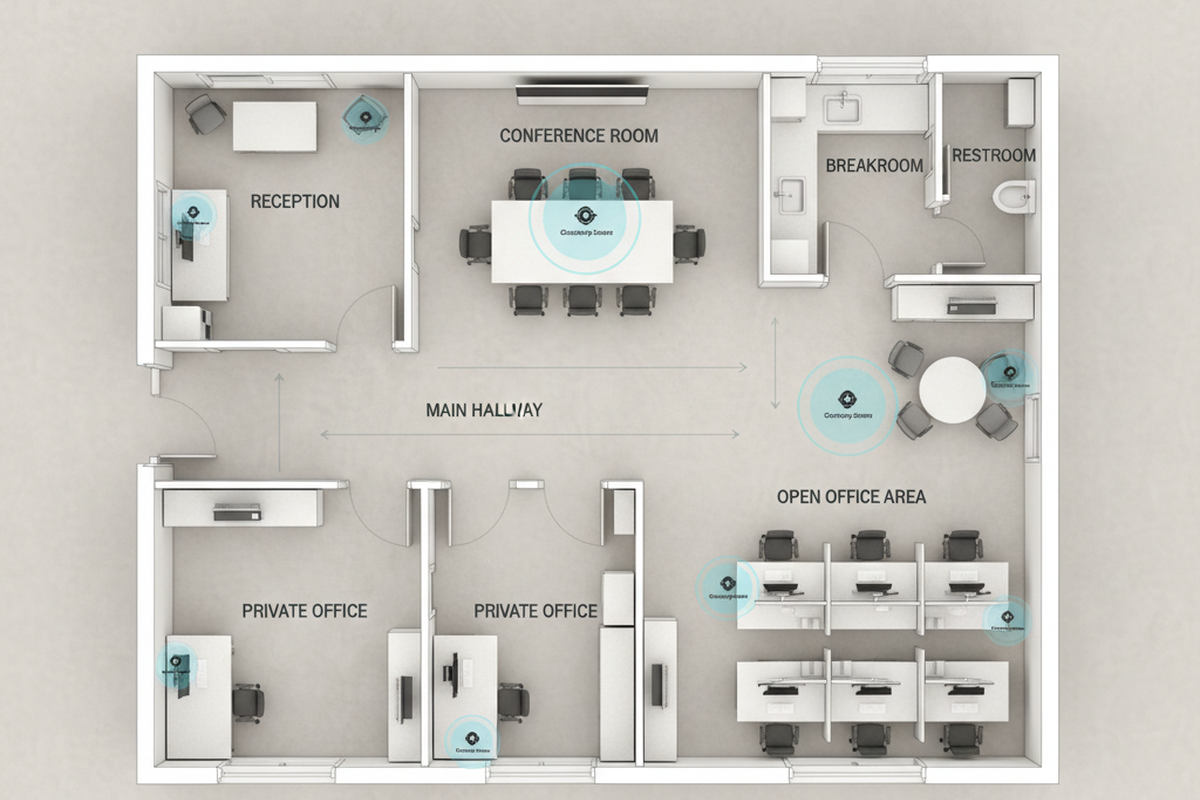
A labeled floor plan of a small office suite shows a conference room, reception, hallway, breakroom, restroom, private offices, and an open office area. Blue circles mark PIR and dual-tech sensor coverage locations.

Commission occupancy sensors in small office suites without triggering complaints. Use a quick sightline check, apply three room-type profiles, and adjust in the right order—aim first, timeout second, sensitivity last—then test for real stillness and document reset paths.

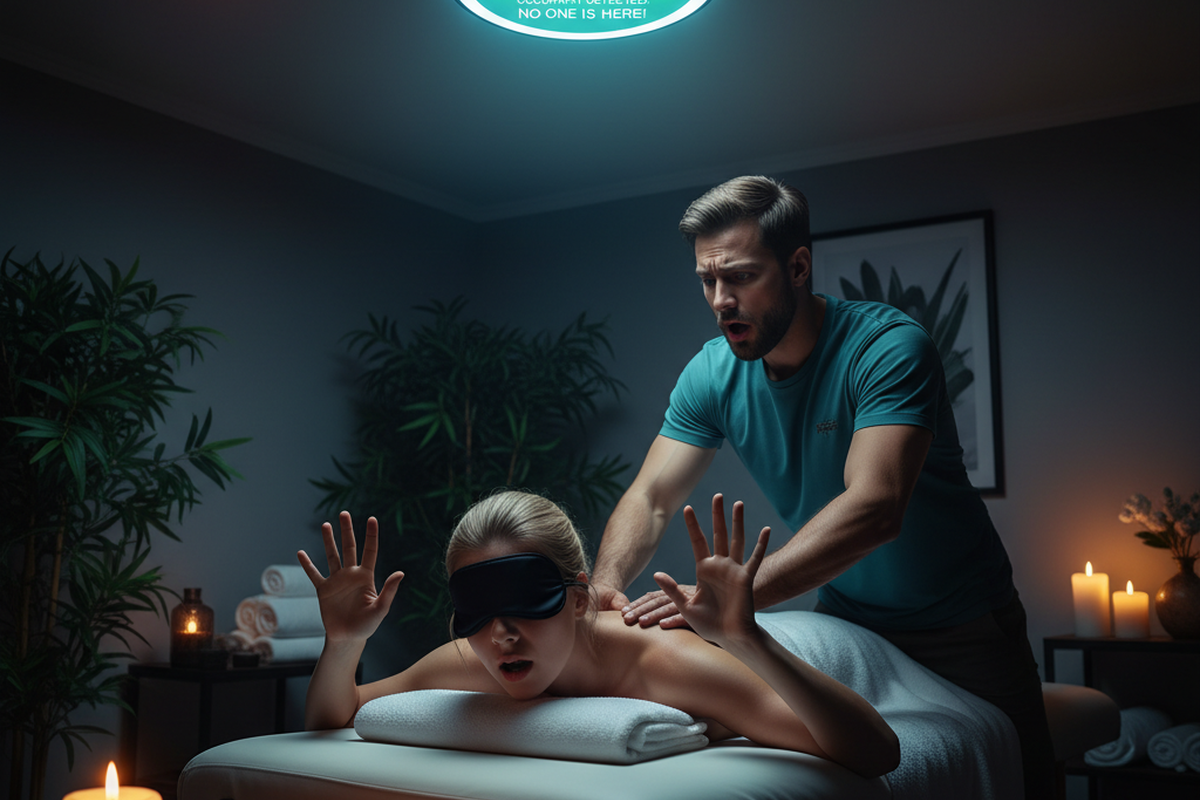
A dim treatment room shows a ceiling-mounted occupancy sensor and a bright ceiling light. A therapist looks concerned as a client lies on a massage table wearing an eye mask with hands raised.

In quiet salon chairs and treatment rooms, default PIR timeouts can shut lights off mid-service. Learn a workflow-first approach—control intent, placement, layered lighting, and realistic delays—so automation stays invisible and respectful.

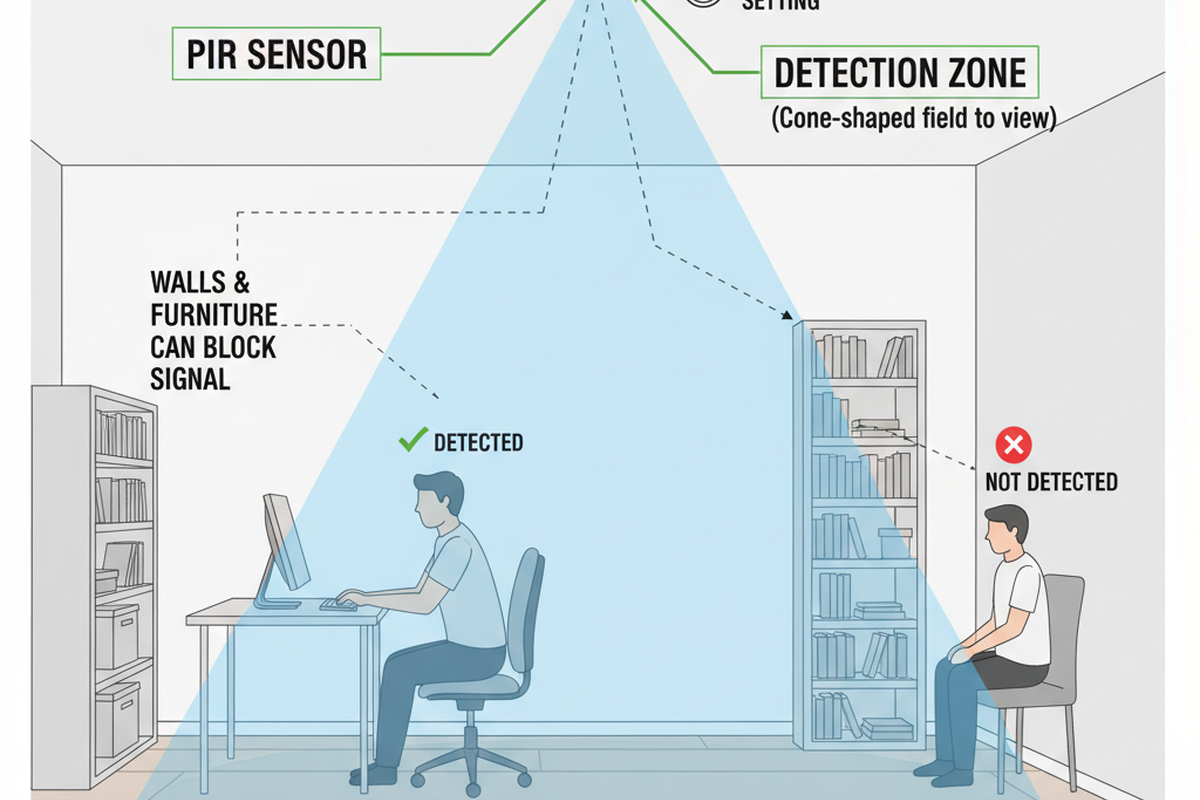
Diagram shows a ceiling-mounted PIR sensor projecting a cone-shaped detection zone across an office. One seated person at a desk falls inside the zone while another seated person is outside it behind furniture.

防止 PIR 辦公室照明在您工作期間自動關閉。透過快速坐姿測試確認感應器覆蓋範圍,再透過調整角度、設定為手動開啟模式(Vacancy Mode)及延長延遲時間來解決問題,無需將靈敏度調得過高而導致誤觸發。

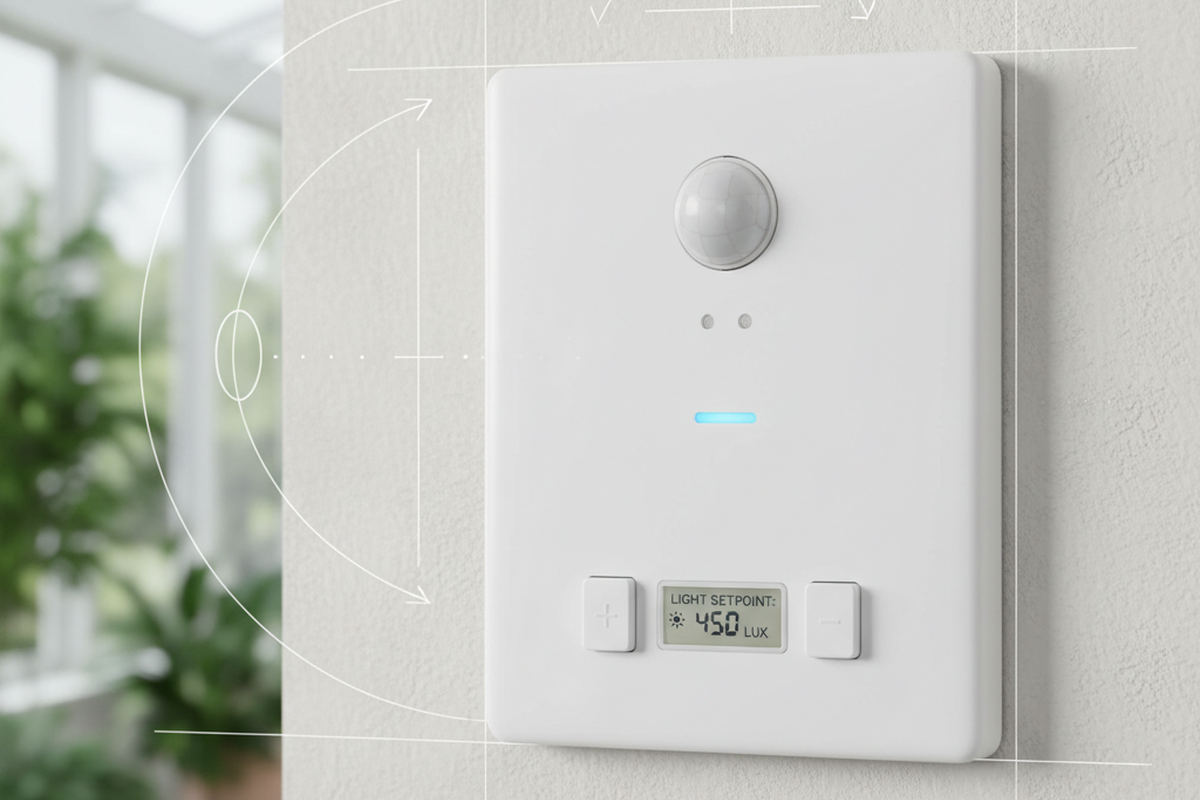
A wall-mounted occupancy sensor switch with a PIR lens and a small display showing a light setpoint in lux. Faint calibration lines and arrows overlay the scene, with a bright windowed room blurred in the background.

採光良好的日光房和玻璃辦公室經常出現同類問題:在日光充沛時燈光依然開啟。本指南介紹如何透過選用合適模式、優化感應器安裝位置、設定合理的延遲時間,以及進行簡單的兩種天氣日光抑制測試,實現穩定且無須頻繁調整的自動照明控制。

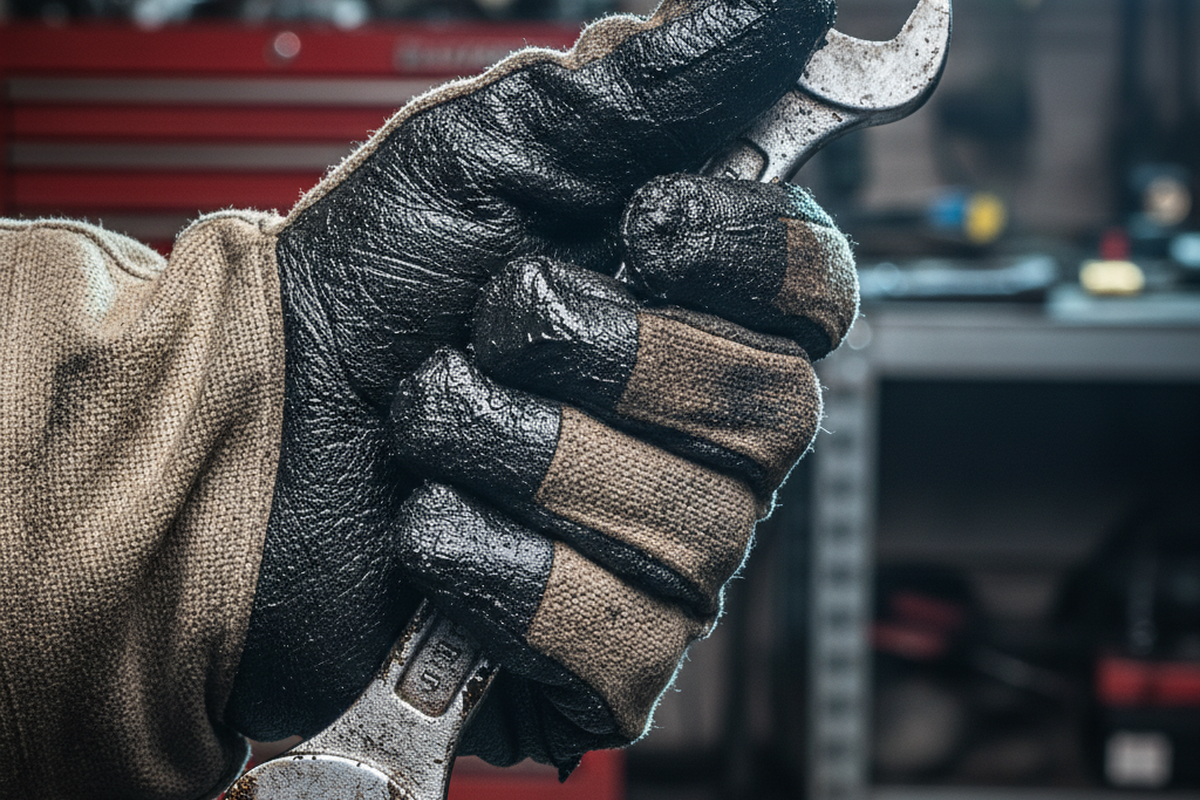
A hand wearing a thick, textured work glove grips a steel wrench against a blurred background. The setting features typical workshop equipment, including a red tool chest and metal shelving.

Rayzeek 指出,由於車間環境容易干擾 Wi-Fi 連線,因此需要使用比軟件更可靠的硬件控制。RZ021 設有時間、光照度及靈敏度三個實體旋鈕,提供可靠且無需使用應用程式的控制體驗,不會因電源波幅或佩戴手套操作而影響設定。

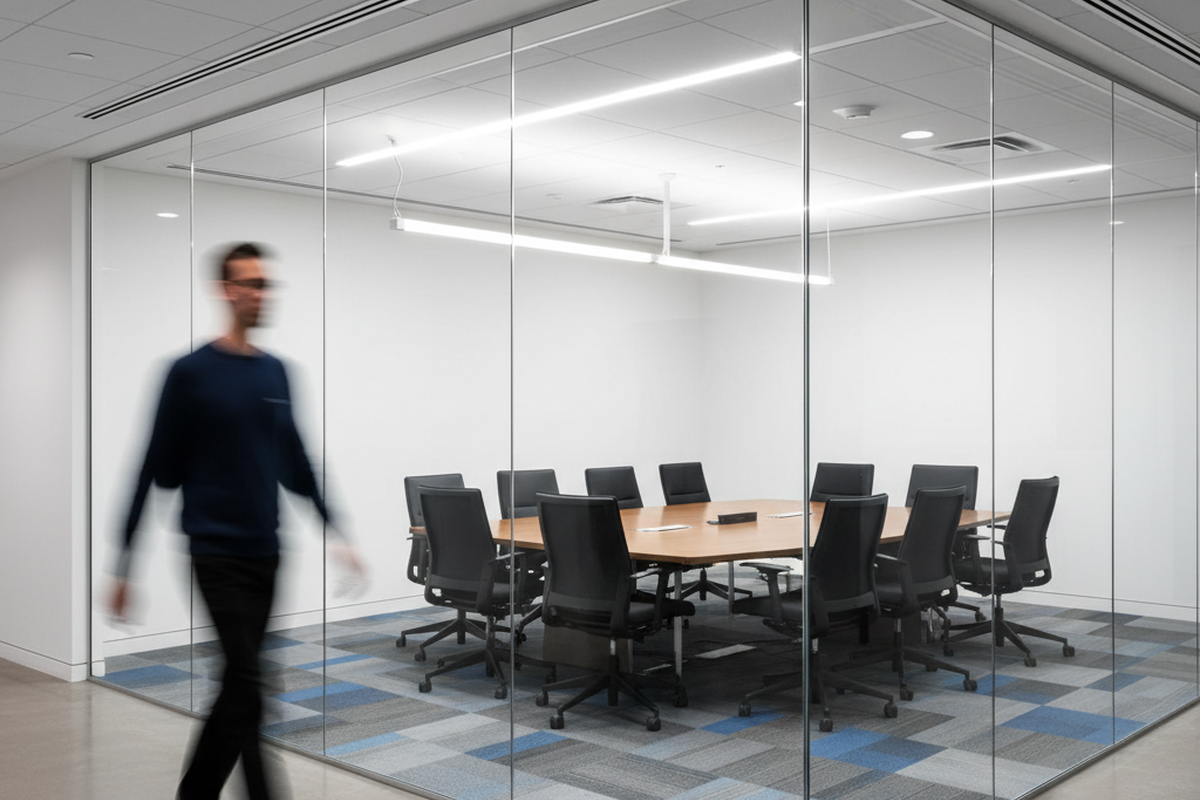
A blurred figure walks along the corridor outside a glass-walled conference room furnished with a large table and black chairs. The room is brightly lit with linear fixtures while the surrounding office space features a polished concrete floor.

Rayzeek explains why motion sensors in glass-walled offices misread hallway traffic, the physics behind infrared and ultrasonic sensing, and practical fixes from lens masking to vacancy mode that save energy and reduce false triggers.

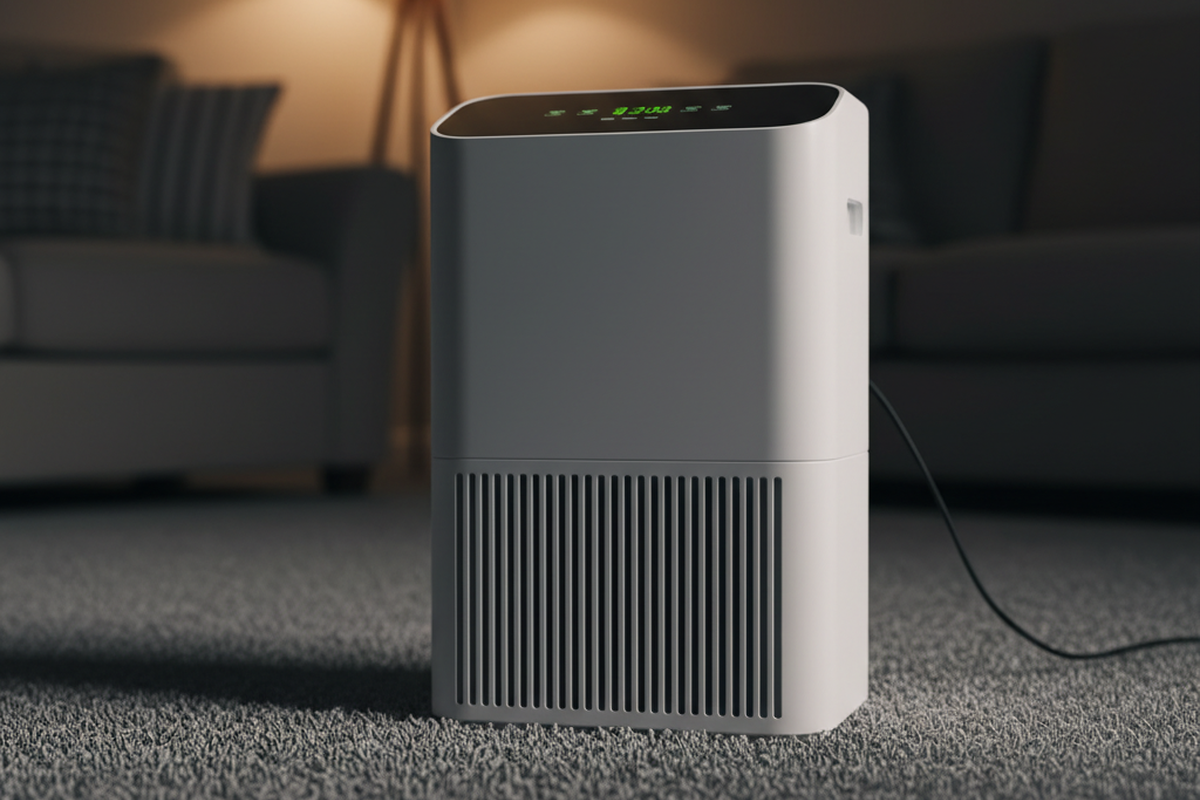
A modern white dehumidifier sits on a gray carpet in a low-light room, featuring a black control panel with green digital readouts. A floor lamp glows warmly in the out-of-focus background behind the appliance.

Rayzeek reveals a careful path to quiet a loud basement dehumidifier without inviting mold. Motion sensors demand safeguards: set a long delay, ensure auto restart, and flip to bypass when you travel.

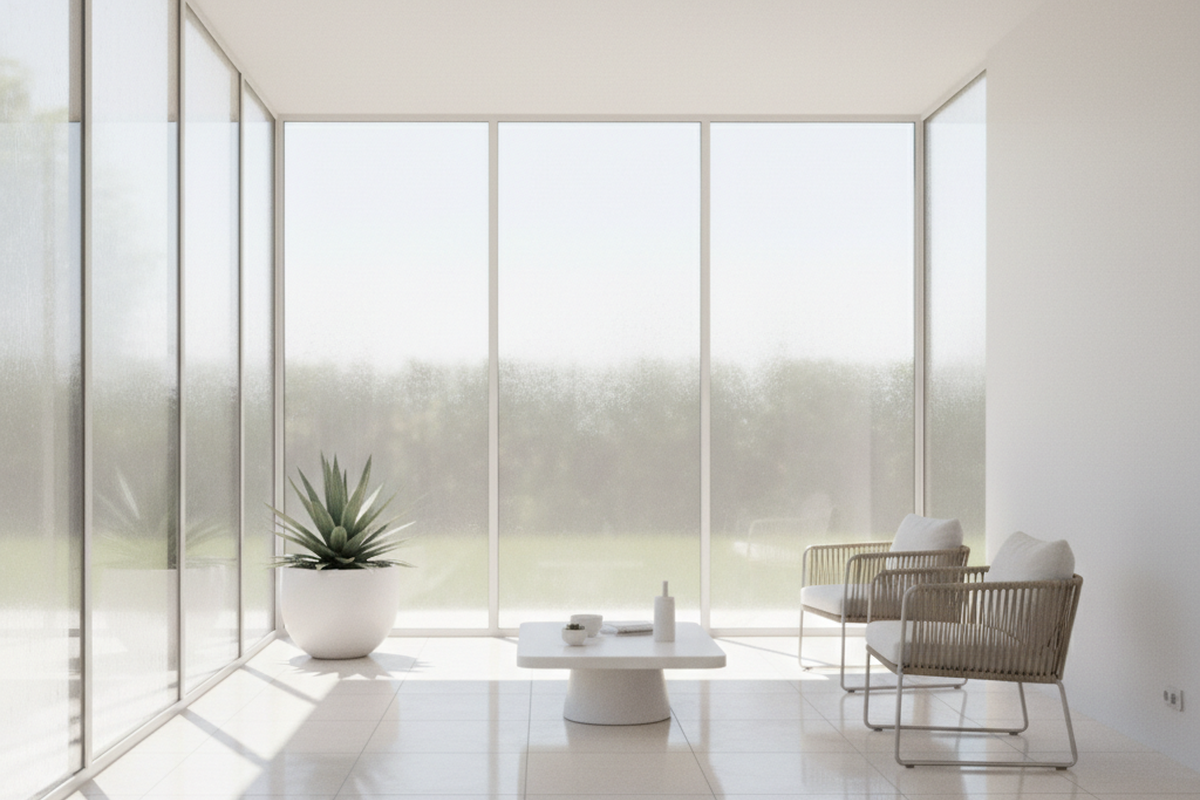
A bright, minimalist sunroom features large glass windows, a white coffee table, and woven chairs on a glossy tiled floor.

Rayzeek explains how standard PIR sensors fail in sunrooms as interior heat erases contrast, leaving intruders undetected. The article shows why dual-technology sensors deliver reliable detection where heat masks movement.

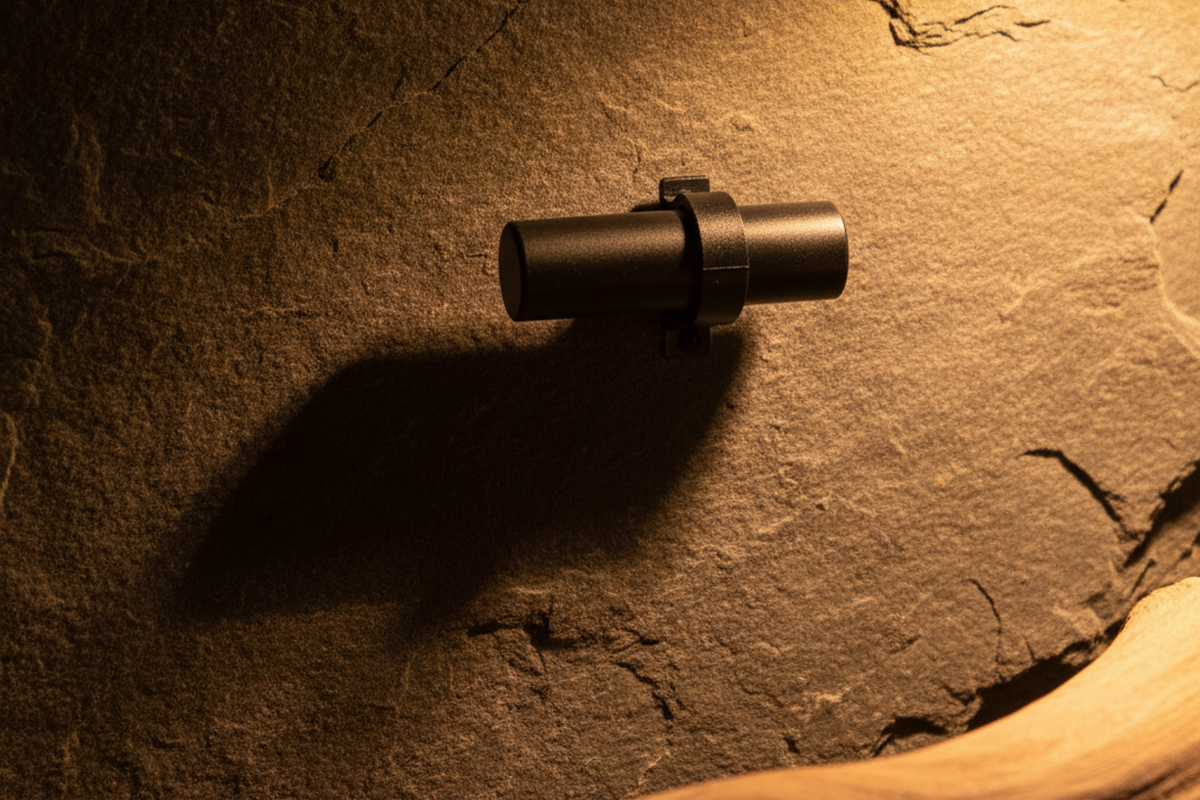
A cylindrical black temperature probe is mounted horizontally on a textured stone wall, casting a sharp shadow to the left. A piece of light-colored driftwood rests in the foreground.

Temperature control in reptile enclosures hinges on measuring air, not the heat beam. The Shadow Trace method guides probe placement to dampen spikes, protect the animal, and extend thermostat life.

Chinese