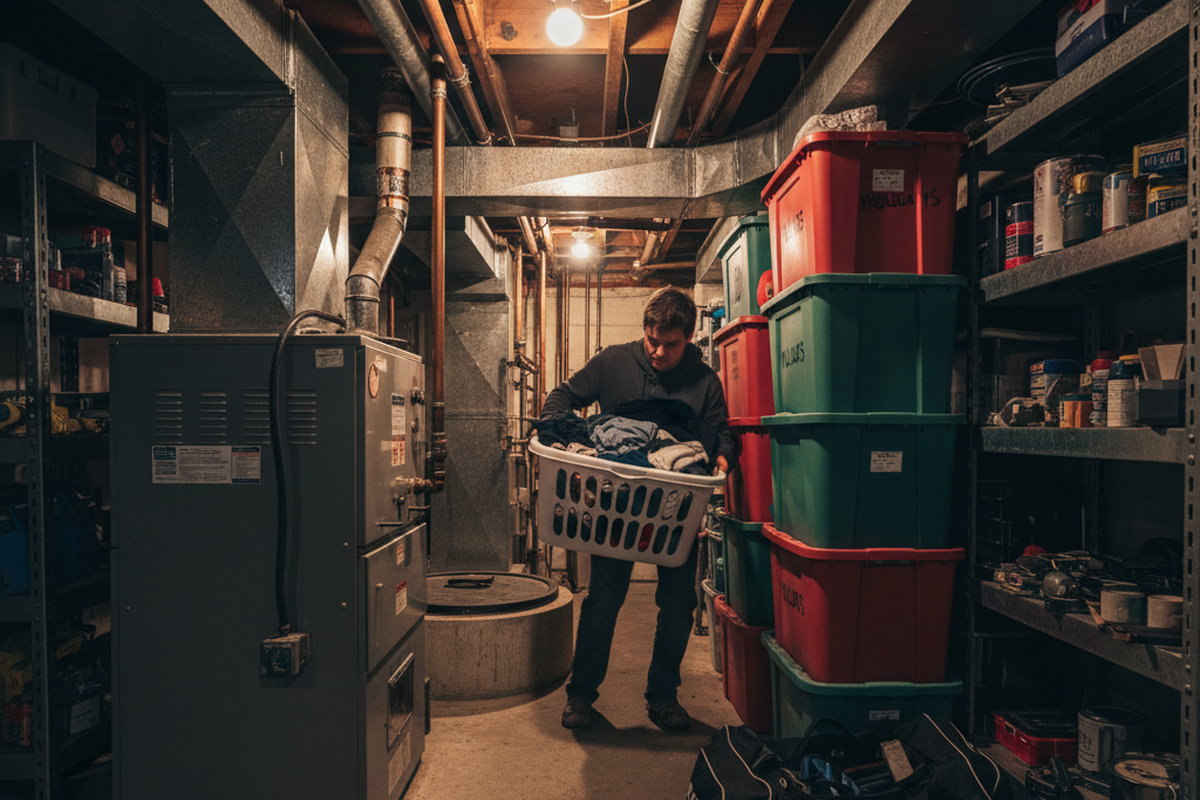
地下の機械室は保管スペースではなく、人間が入る機械そのものです。Rayzeekは、自動照明、クリアランスの確保、および堅牢なローカル制御によって記憶への依存をなくし、放置が災害に発展するのを防ぐ実践的な設計アプローチの概要を示しています。

 Horace He
地下の機械室は保管スペースではなく、人間が入る機械そのものです。Rayzeekは、自動照明、クリアランスの確保、および堅牢なローカル制御によって記憶への依存をなくし、放置が災害に発展するのを防ぐ実践的な設計アプローチの概要を示しています。
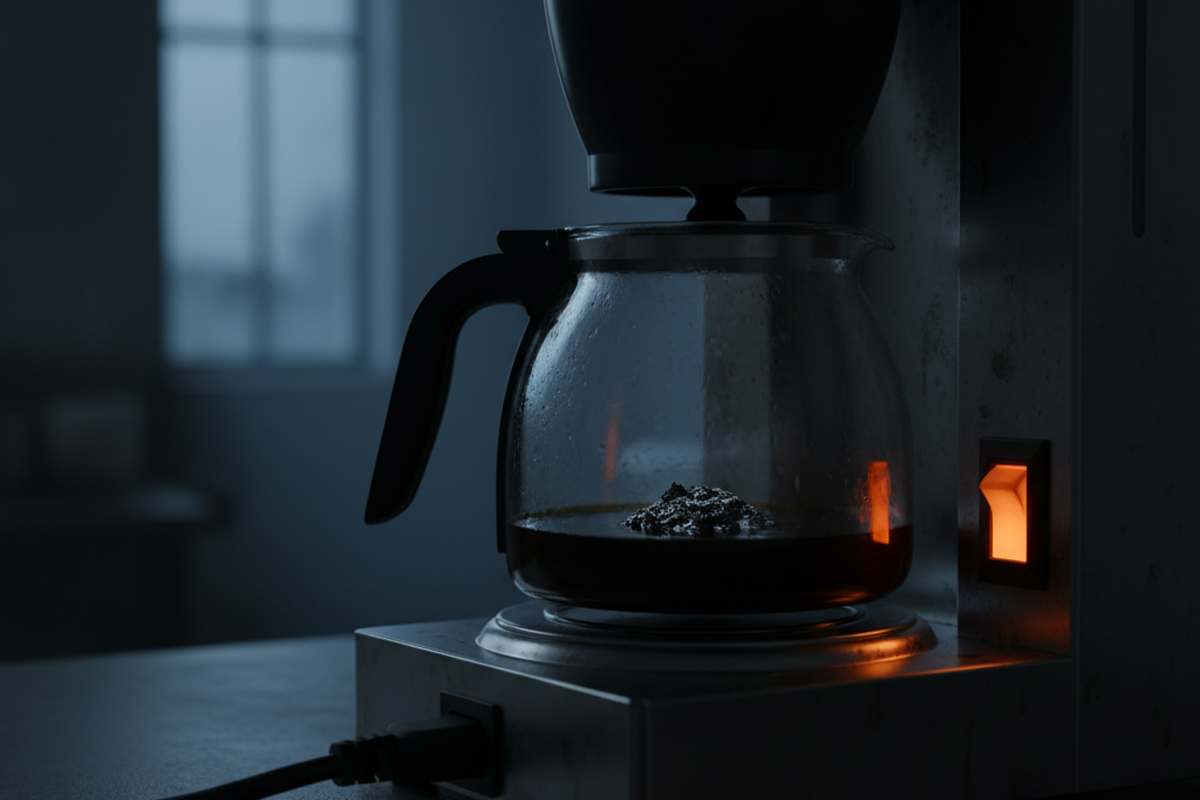
Rayzeekは、シンプルでローカルな休憩室用電源ソリューションを推奨しています。これは、人が室内にいるときのみコーヒーメーカーに給電する高耐久センサーです。30分のタイムラグと堅牢なリレーを備え、ムダな電力消費、停電、冷蔵庫のトラブルを防ぎつつ、より環境に優しいエネルギー利用を促進します。

Rayzeek explains why standard PIR sensors miss quiet prep zones in busy kitchens and how Dual-Tech ultrasonic sensing fixes the darkness on prep lines. Learn practical tips to fix dark prep rooms and prevent unsafe, strobe-prone outages.
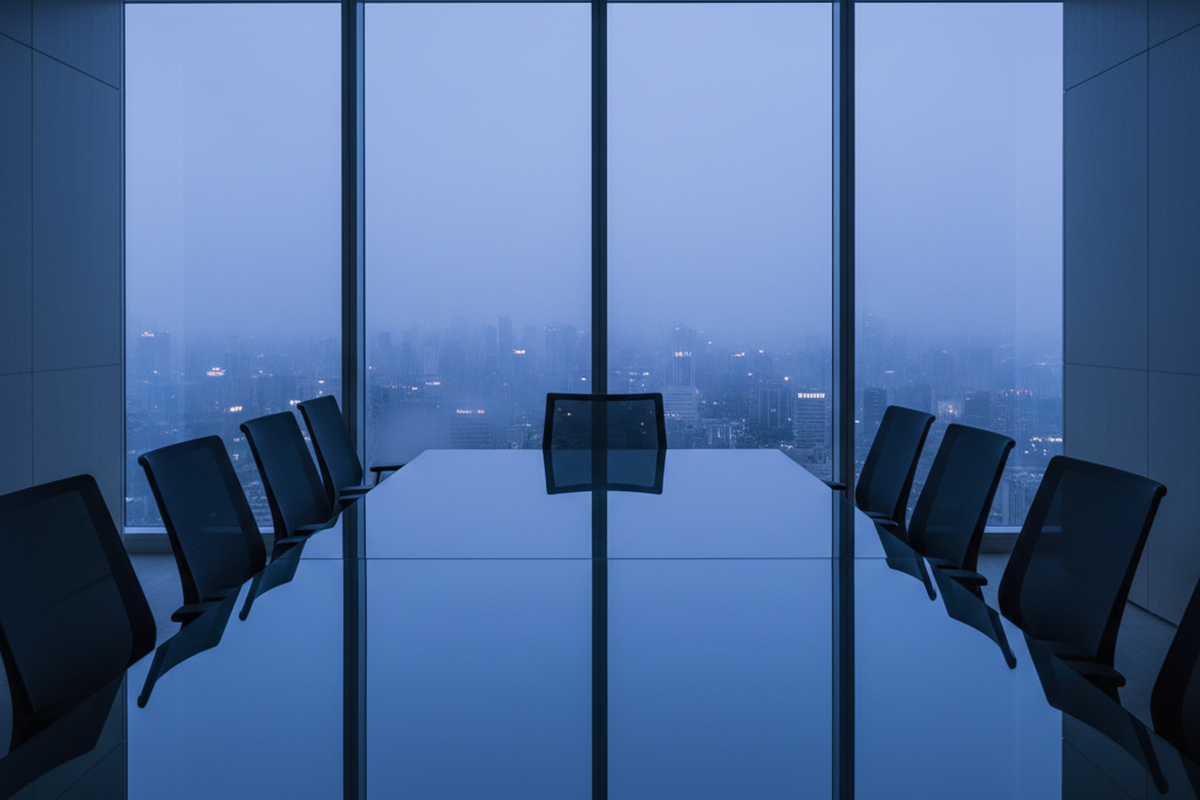
Rayzeek champions a simple, reliable alternative to overhyped smart thermostats. A dumb, hardwired occupancy sensor controls HVAC, with a factory-set timeout that avoids energy waste when rooms are empty, free from software failures or network glitches.
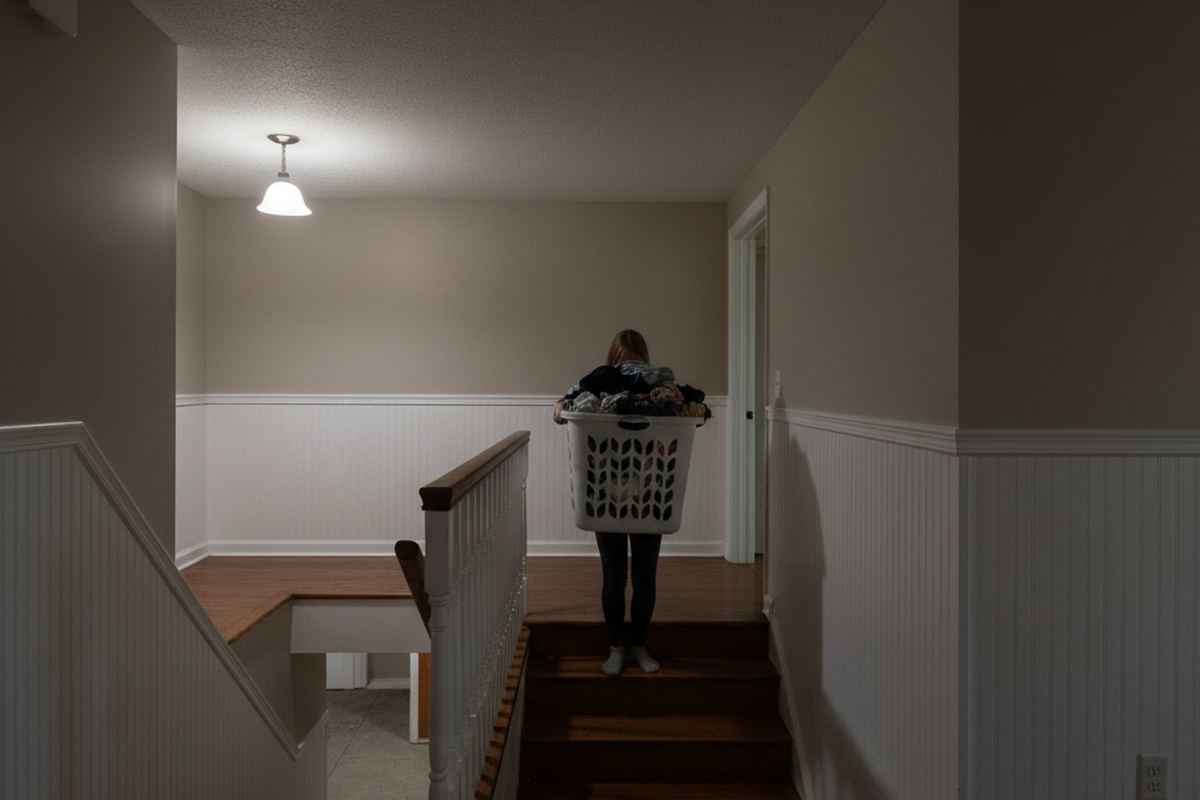
Rayzeek explains why split-level landings need ceiling-mounted sensors to prevent dark stairs and missed detections. The piece breaks down lighting latency, sensor geometry, and practical wiring to keep stairways lighting up the instant a foot touches them.
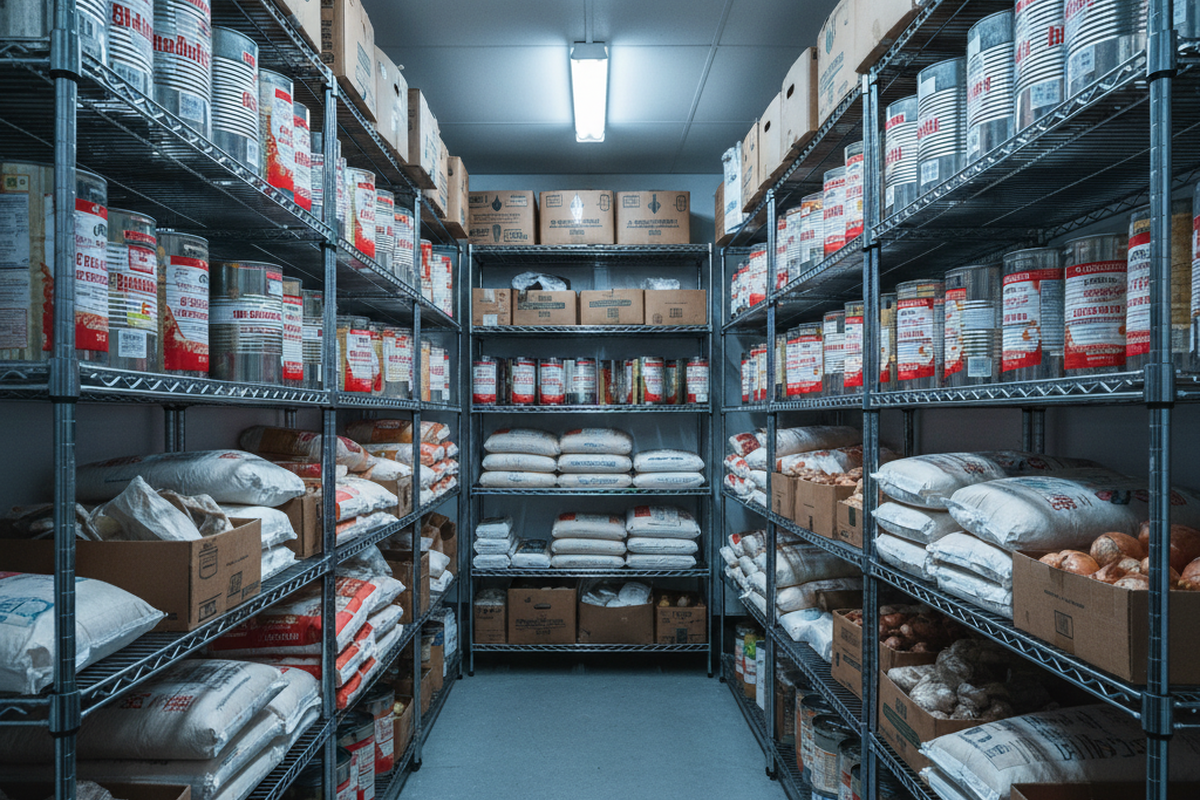
Kitchen storage rooms can burn energy round the clock, a hidden cost the Ghost Closet reveals. This field guide shows how clutter defeats sensors, why dual tech solutions beat cheap wall switches, and how steady controls save money without slowing staff.
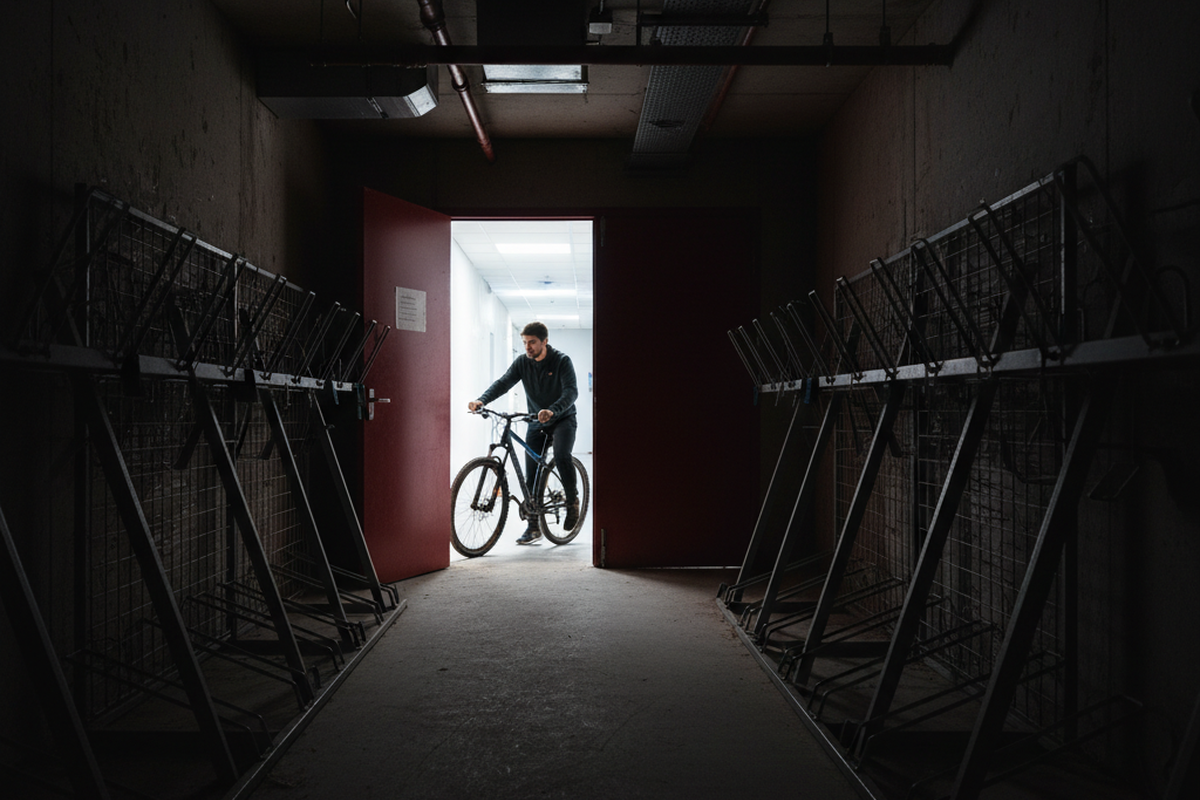
Bike rooms demand lighting that activates instantly as the door cracks open to prevent slips and injuries. The guide outlines sensor geometry, dual-tech (PIR plus Ultrasonic) systems, and a hard-wired, no-app approach to reliable illumination.

Rayzeek explains how data center lighting can feel haunted by sensor misreads and hot air plumes. A Dual-Tech approach with smart placement reduces phantom loads, improves reliability, and cuts energy waste.
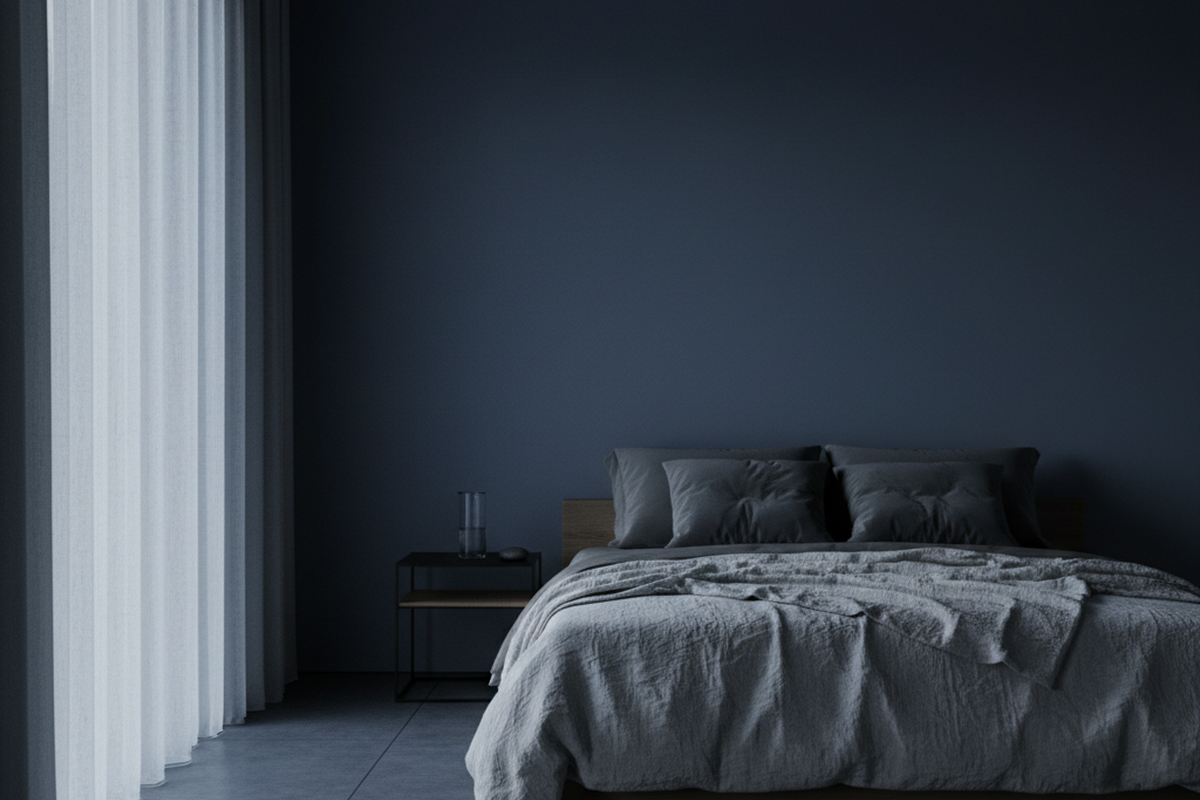
Rayzeek wall box vacancy sensors fix the 2 a.m. auto-on nightmare by requiring manual light control in bedrooms. This guide covers vacancy mode, key settings, and simple installation tips to protect sleep and save energy.
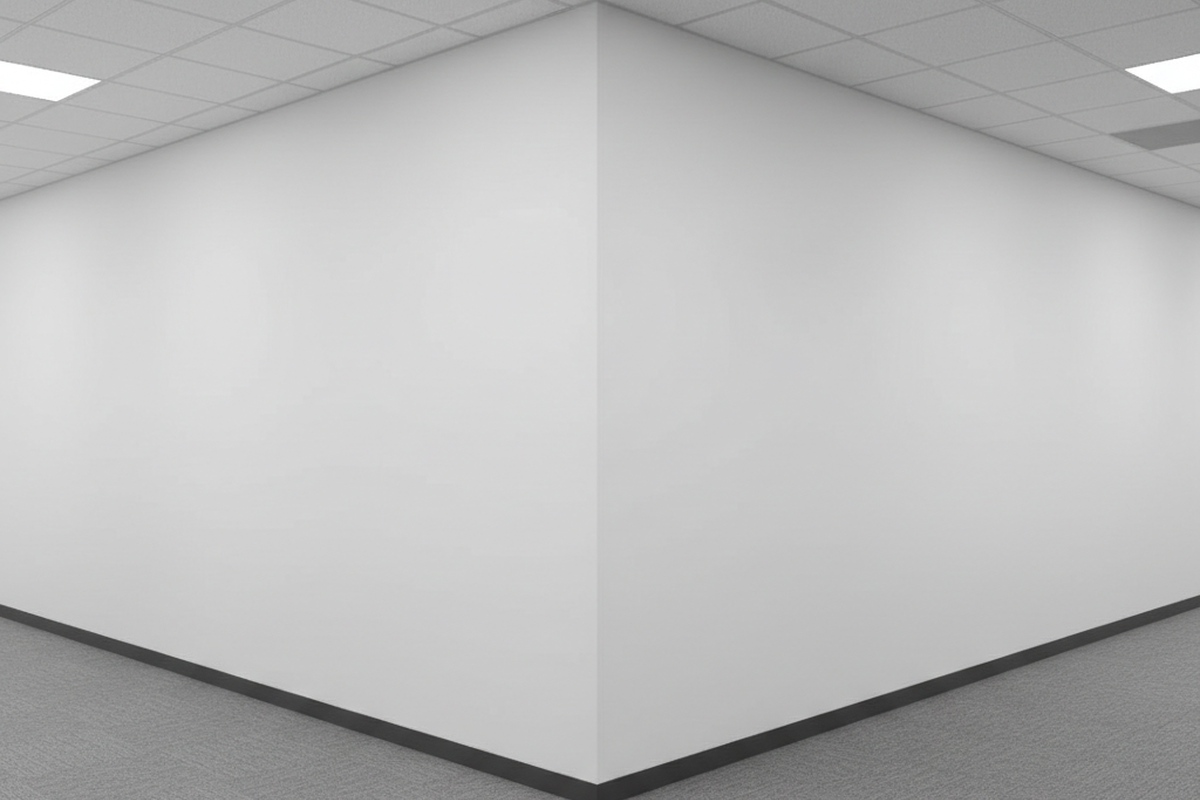
Rayzeek explains why a single corner sensor falters in L-shaped corridors and how geometry governs motion detection. A two-sensor setup on each leg creates overlapping kill zones that keep lighting reliable at the turn.