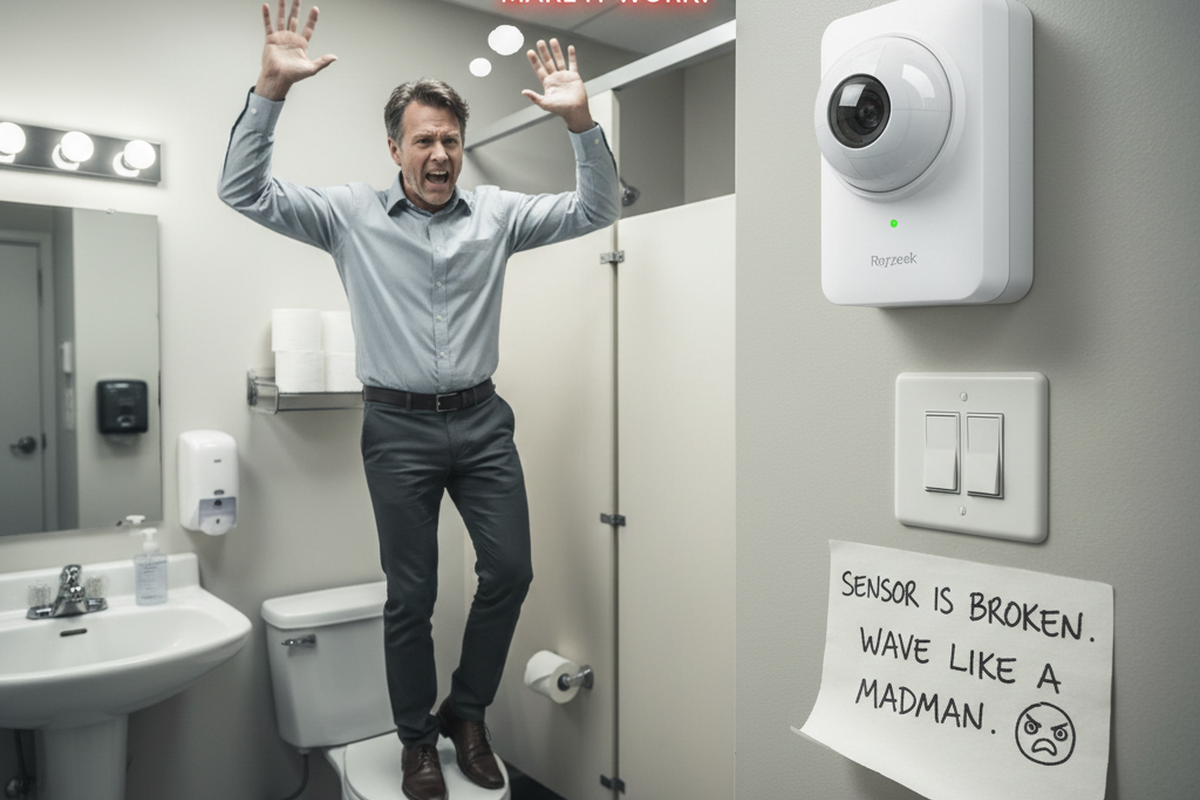
A frustrated man stands on a toilet in a commercial restroom with his hands raised. A wall-mounted motion sensor and a handwritten note saying to wave are visible beside a light switch.

اختر مفتاح مستشعر الحركة PIR من نوع Rayzeek لدورات المياه في الشركات الصغيرة عن طريق تجنب الفشلين اللذين يسببان زيارات الصيانة المكررة: الدخول في الظلام وانطفاء الأنوار أثناء التواجد داخل المقصورة. استخدم الوضع المناسب، وابدأ بمهلة زمنية محافظة، وتحقق من تغطية المقصورة، وقم بتوثيق الإعدادات.
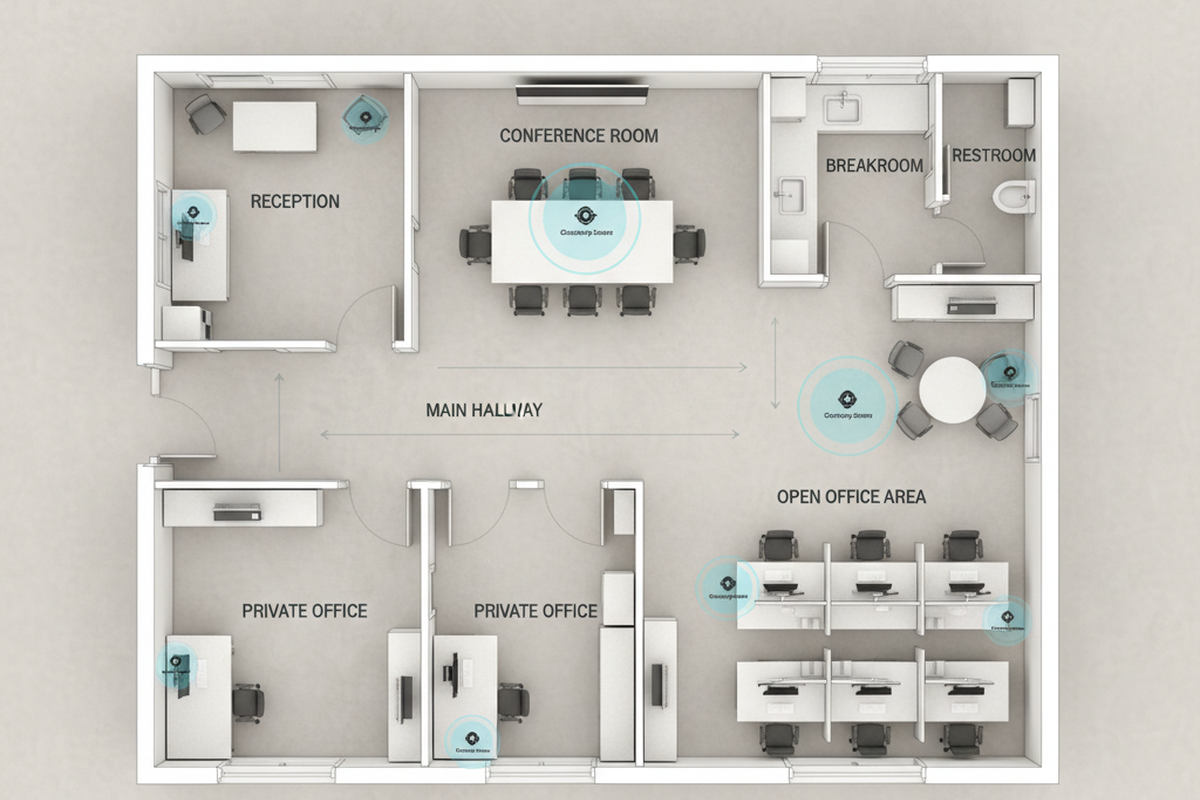
A labeled floor plan of a small office suite shows a conference room, reception, hallway, breakroom, restroom, private offices, and an open office area. Blue circles mark PIR and dual-tech sensor coverage locations.

قم ببدء تشغيل مستشعرات الإشغال في الأجنحة المكتبية الصغيرة دون إثارة الشكاوى. استخدم فحصًا سريعًا لخط النظر، وتطبيق ثلاثة ملفات تعريف حسب نوع الغرفة، وضبط الإعدادات بالترتيب الصحيح—التوجيه أولاً، ثم المهلة الزمنية، وأخيرًا الحساسية—ثم اختبر الثبات الفعلي وقم بتوثيق مسارات إعادة الضبط.

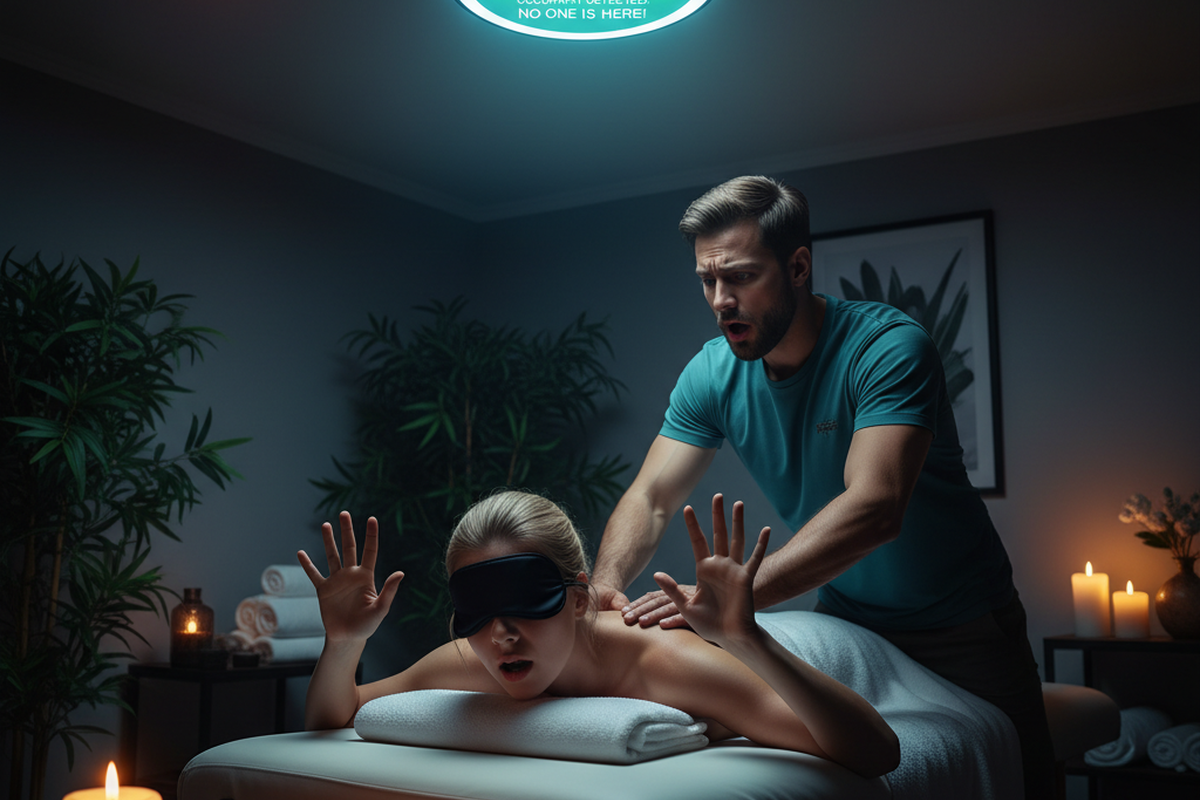
A dim treatment room shows a ceiling-mounted occupancy sensor and a bright ceiling light. A therapist looks concerned as a client lies on a massage table wearing an eye mask with hands raised.

في مقاعد صالونات التجميل وغرف العلاج الهادئة، يمكن للمهل الزمنية الافتراضية لمستشعرات PIR أن تطفي الأنوار أثناء تقديم الخدمة. تعرَّف على نهج يعتمد على سير العمل أولاً—التحكم في الغرض، والموقع، والإضاءة المتعددة الطبقات، والتأخيرات الواقعية—لكي تظل الأتمتة خفية ومريحة للعملاء.

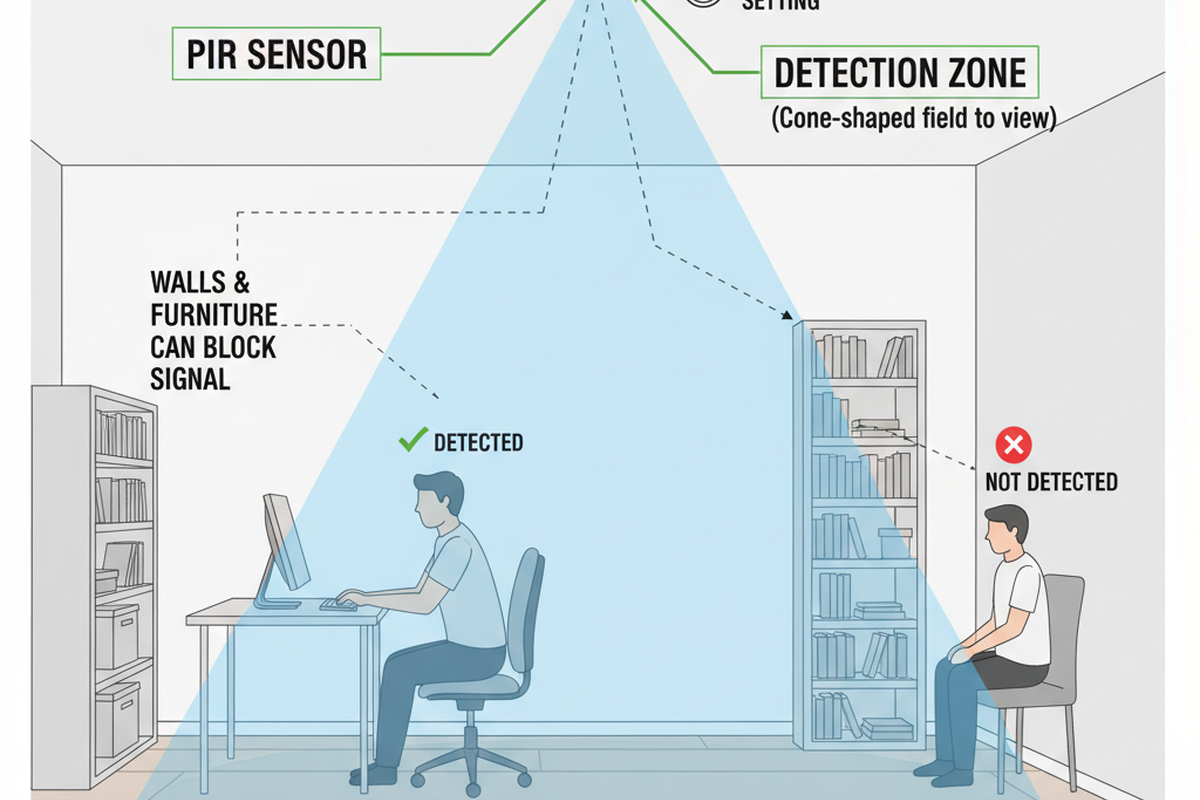
Diagram shows a ceiling-mounted PIR sensor projecting a cone-shaped detection zone across an office. One seated person at a desk falls inside the zone while another seated person is outside it behind furniture.

Stop PIR office lights from turning off while you work. Use a quick sit-test to confirm what the sensor “sees,” then fix it with better aiming, vacancy mode, and a longer time delay—without cranking sensitivity into false-on chaos.

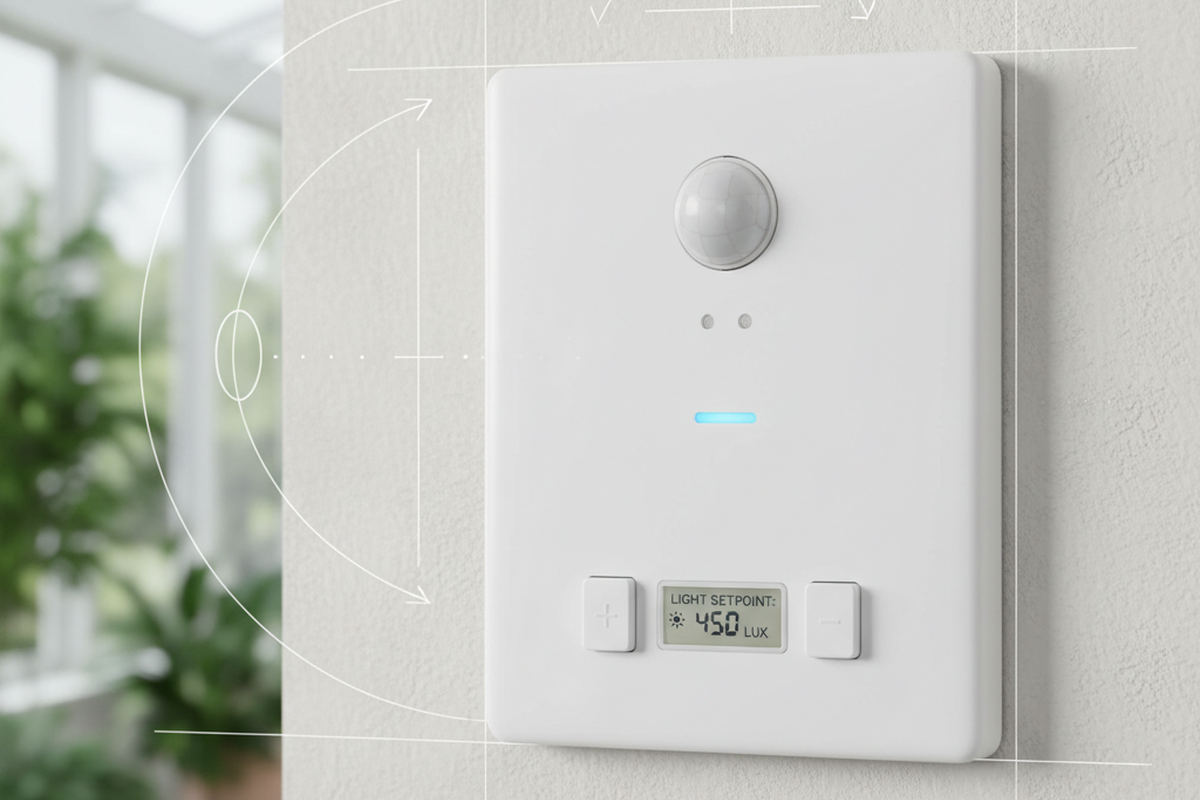
A wall-mounted occupancy sensor switch with a PIR lens and a small display showing a light setpoint in lux. Faint calibration lines and arrows overlay the scene, with a bright windowed room blurred in the background.

Bright sunrooms and glass offices often fail at the same thing: lights turning on when daylight is already sufficient. This guide shows how to get calm, set-and-forget behavior using the right mode, better sensor placement, disciplined timeouts, and a simple two-weather daylight inhibit test.

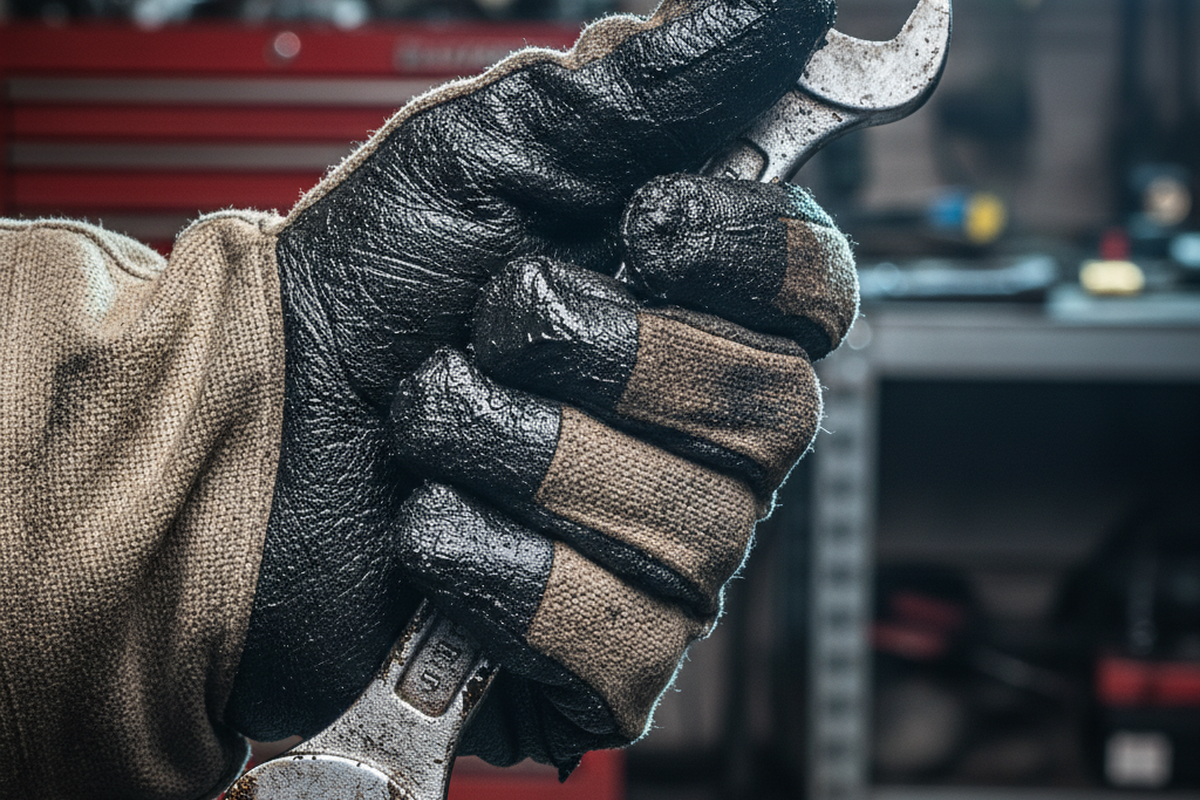
A hand wearing a thick, textured work glove grips a steel wrench against a blurred background. The setting features typical workshop equipment, including a red tool chest and metal shelving.

Rayzeek argues that a workshop needs hard controls over software, because environments clash with wifi. The RZ021 uses three physical dials for time, lux, and sensitivity, delivering reliable, no app control that won’t drift with power or gloves.

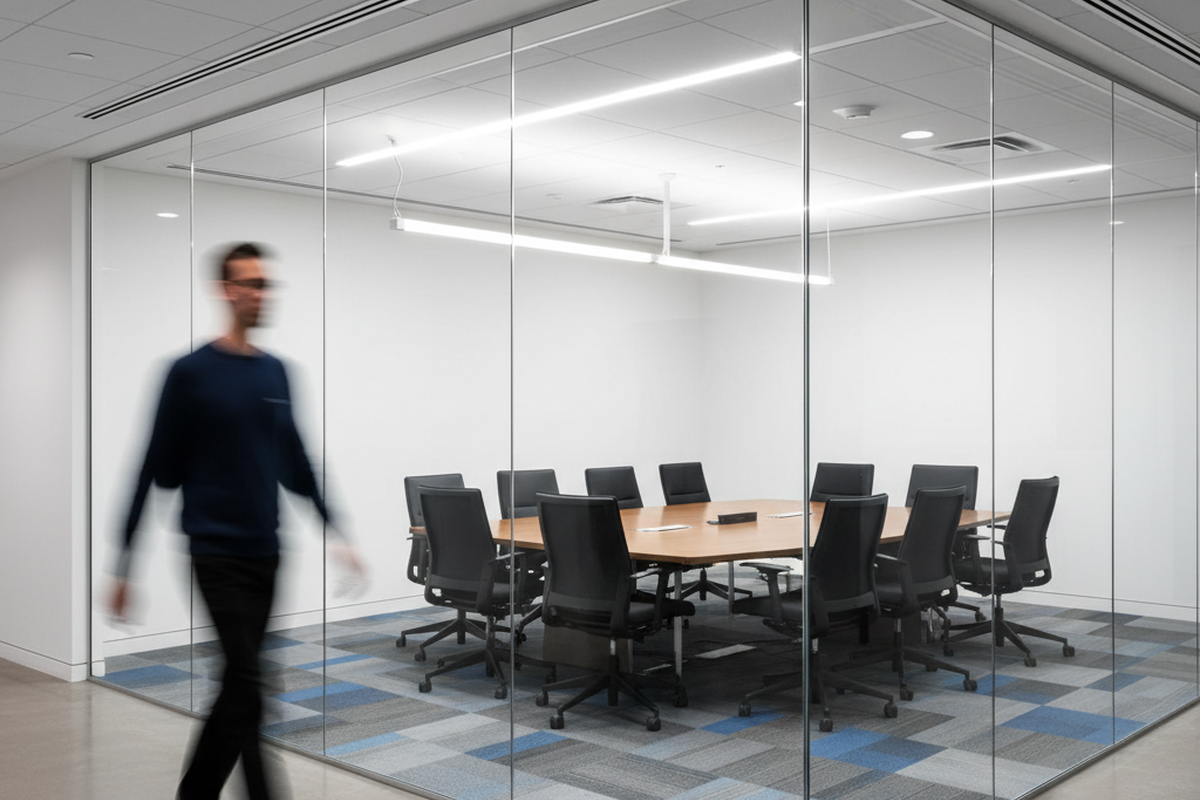
A blurred figure walks along the corridor outside a glass-walled conference room furnished with a large table and black chairs. The room is brightly lit with linear fixtures while the surrounding office space features a polished concrete floor.

Rayzeek explains why motion sensors in glass-walled offices misread hallway traffic, the physics behind infrared and ultrasonic sensing, and practical fixes from lens masking to vacancy mode that save energy and reduce false triggers.

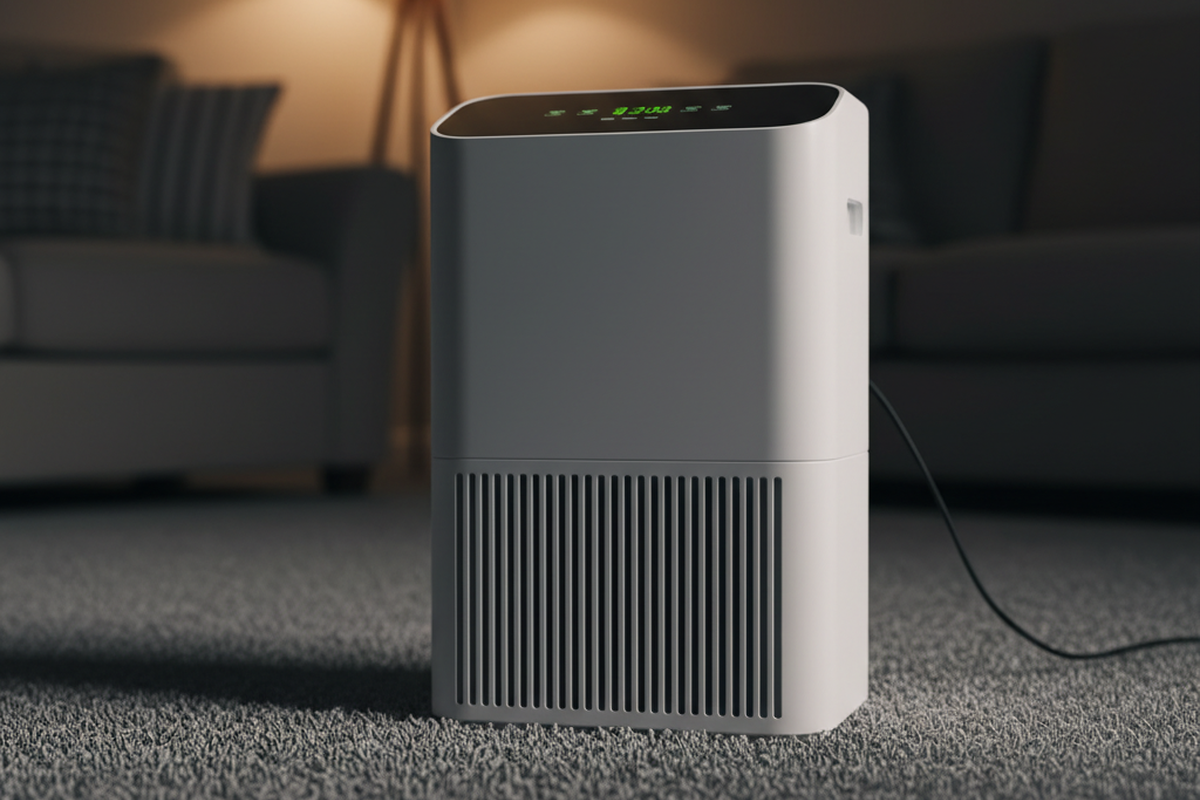
A modern white dehumidifier sits on a gray carpet in a low-light room, featuring a black control panel with green digital readouts. A floor lamp glows warmly in the out-of-focus background behind the appliance.

Rayzeek reveals a careful path to quiet a loud basement dehumidifier without inviting mold. Motion sensors demand safeguards: set a long delay, ensure auto restart, and flip to bypass when you travel.

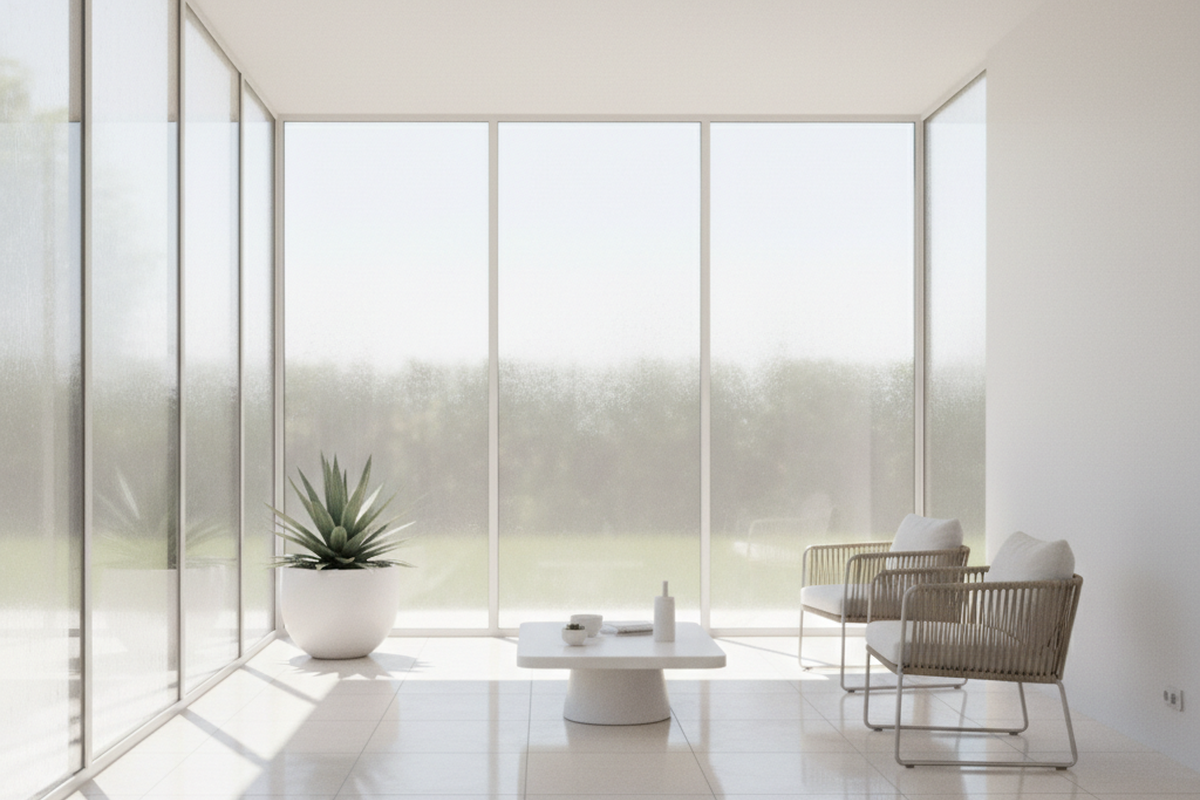
A bright, minimalist sunroom features large glass windows, a white coffee table, and woven chairs on a glossy tiled floor.

Rayzeek explains how standard PIR sensors fail in sunrooms as interior heat erases contrast, leaving intruders undetected. The article shows why dual-technology sensors deliver reliable detection where heat masks movement.

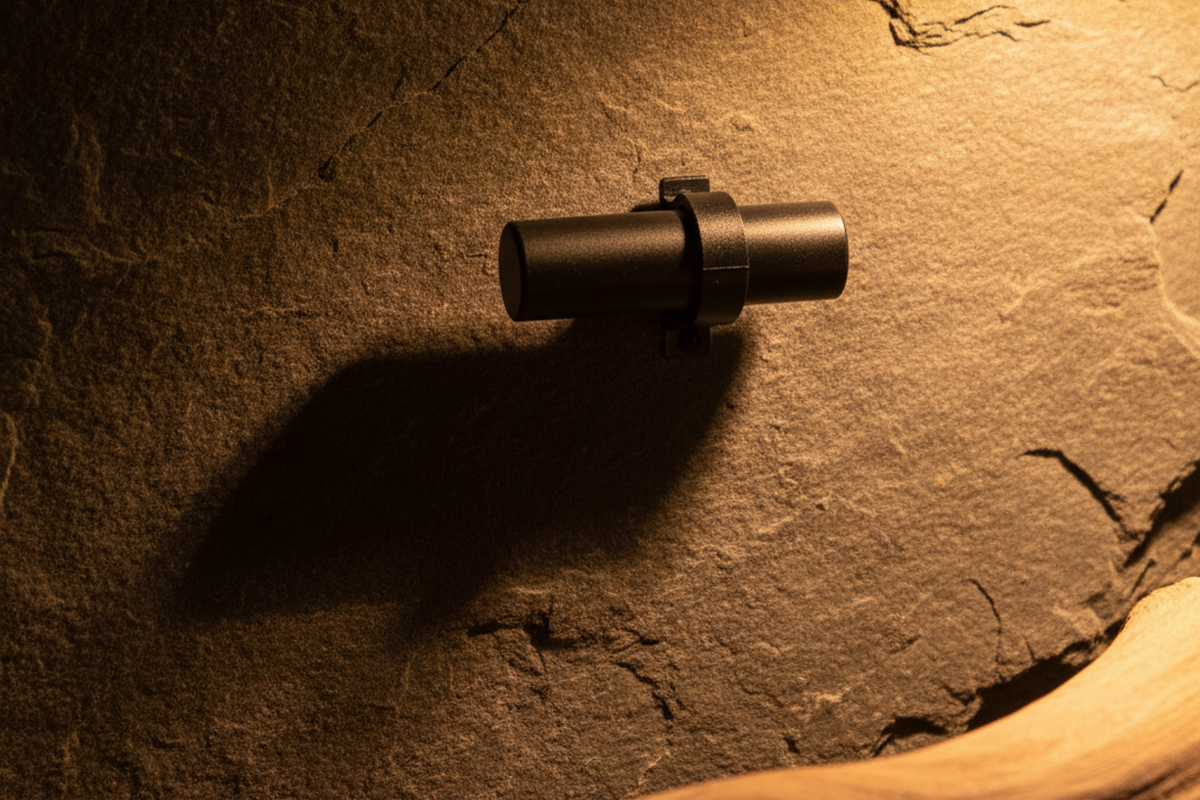
A cylindrical black temperature probe is mounted horizontally on a textured stone wall, casting a sharp shadow to the left. A piece of light-colored driftwood rests in the foreground.

Temperature control in reptile enclosures hinges on measuring air, not the heat beam. The Shadow Trace method guides probe placement to dampen spikes, protect the animal, and extend thermostat life.

Arabic