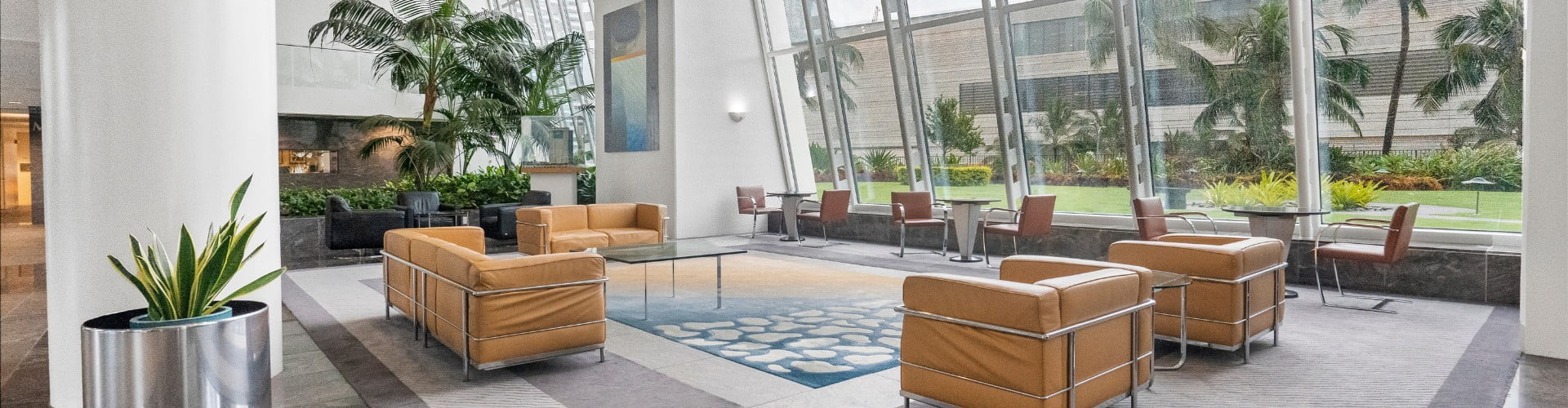
Hol
Odkryj potencjał oszczędności energii w swoim holu. Dowiedz się, jak spełnić normy energetyczne i ograniczyć marnotrawstwo energii dzięki naszym dedykowanym rozwiązaniom.

Transform Your Lobby into an Energy-Efficient Space
The lobby is often the first point of contact for visitors and employees in a commercial building. It’s a space that needs to be well-lit and welcoming at all times. It’s a bustling area, filled with people coming and going at all hours. The lighting in these areas is typically high-intensity and left on for extended periods, leading to significant energy consumption.
Traditional lighting systems in lobbies are often manually controlled, resulting in lights being left on unnecessarily when the space is unoccupied, leading to high energy waste. Moreover, the diverse activities and varying occupancy levels in lobbies make it challenging to manage lighting efficiently. This not only increases operational costs but also contributes to a larger carbon footprint.
To address these issues, occupancy sensors offer an effective solution. These devices can automatically turn off or dim the lights when the lobby is vacant, significantly reducing energy consumption. Rayzeek’s range of occupancy sensors, including wall and ceiling-mounted options, provide a tailored solution for lobbies, ensuring efficient lighting control without compromising on comfort or safety.
Zgodność z normami energetycznymi

International Energy Conservation Code (IECC) to wzorcowy kodeks opracowany przez International Code Council (ICC) w celu ustalenia minimalnych wymagań projektowo-budowlanych dotyczących efektywności energetycznej budynków. Kodeks IECC jest aktualizowany co trzy lata, aby uwzględniać najnowsze praktyki i technologie z zakresu oszczędzania energii.
IECC – dlaczego warto się nim zainteresować
Kodeks IECC jest powszechnie przyjmowany przez stany i gminy w całych Stanach Zjednoczonych. Obejmuje on różne aspekty zużycia energii, w tym przegrody zewnętrzne budynku (ściany, dachy i okna), systemy ogrzewania i chłodzenia oraz systemy oświetleniowe.
IECC nakłada obowiązek stosowania określonych elementów sterowania oświetleniem, takich jak czujniki obecności, w celu minimalizacji strat energii w nieużywanych pomieszczeniach w różnych strefach.

Standard ANSI/ASHRAE/IES 90.1 (Energy Standard for Sites and Buildings Except Low-Rise Residential Buildings) to powszechnie uznana norma energetyczna publikowana przez American Society of Heating, Refrigerating and Air-Conditioning Engineers (ASHRAE).
ASHRAE 90.1 – dlaczego warto się nim zainteresować
Standard ASHRAE 90.1 służy jako punkt odniesienia dla budowlanych kodeksów energetycznych w całych Stanach Zjednoczonych i stanowi ścieżkę zgodności w ramach IECC, określającą minimalne wymagania dotyczące efektywności energetycznej komponentów budynków komercyjnych, w tym przegród zewnętrznych, systemów HVAC, systemów podgrzewania wody oraz systemów oświetleniowych.
Standard ASHRAE 90.1 określa maksymalne dopuszczalne gęstości mocy oświetleniowej oraz minimalne wymagania dotyczące sterowania oświetleniem, w tym stosowanie czujników obecności w określonych strefach.

Title 24, część 6 California Building Standards Code, oficjalnie znany jako Building Energy Efficiency Standards for Residential and Nonresidential Buildings, jest zarządzany przez California Energy Commission i okresowo aktualizowany w celu odzwierciedlenia nowych technologii i metod efektywności energetycznej.
Title 24 – dlaczego warto się nim zainteresować
Title 24 znany jest z rygorystycznych wymagań, często uważanych za bardziej surowe niż te zawarte w wielu innych kodeksach energetycznych w Stanach Zjednoczonych. Title 24 nakłada ścisłe normy wydajności energetycznej dla wszystkich aspektów konstrukcji budynków, w tym ogrzewania, wentylacji, klimatyzacji (HVAC), podgrzewania wody oraz oświetlenia.
Title 24 wymaga instalacji czujników obecności, które dostosowują oświetlenie w zależności od obecności osób w określonych strefach budynków komercyjnych, co zapobiega marnowaniu energii.
Przyjęcie przepisów energetycznych według stanów
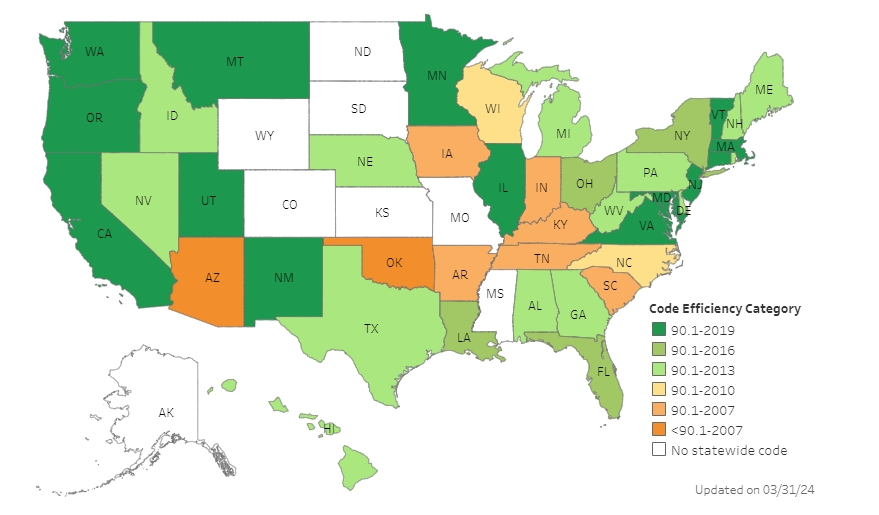
Rozwiń, aby zobaczyć szczegółową tabelę ↓
| Stan | Obowiązujący kodeks komercyjny | Kategoria efektywności kodeksu komercyjnego |
|---|---|---|
| Alabama | 90.1-2013 | 90.1-2013 |
| Alaska | Brak na poziomie stanowym | Brak kodeksu na poziomie stanowym |
| Arizona | Samorząd lokalny (Home Rule) | <90.1-2007 |
| Arkansas | 2009 IECC i 90.1-2007 | 90.1-2007 |
| Kwalifornia | 2022 Building Energy Efficiency Standards | 90.1-2019 |
| Kolorado | Samorząd lokalny (Home Rule) | Brak kodeksu na poziomie stanowym |
| Connecticut | 2021 IECC oraz 90.1-2019 | 90.1-2019 |
| Delaware | 2018 IECC oraz 90.1-2016 | 90.1-2013 |
| Dystrykt Kolumbii | 90.1-2013^ | 90.1-2019 |
| Floryda | 2021 IECC oraz 90.1-2019^ | 90.1-2016 |
| Georgia | 2015 IECC oraz 90.1-2013^ | 90.1-2013 |
| Hawaje | Samorząd lokalny (Home Rule) | 90.1-2013 |
| Idaho | 2018 IECC oraz 90.1-2016 | 90.1-2013 |
| Illinois | 2021 IECC oraz 90.1-2019 | 90.1-2019 |
| Indiana | 90.1-2007 | 90.1-2007 |
| Iowa | 2012 IECC and 90.1-2010 | 90.1-2007 |
| Kansas | Samorząd lokalny (Home Rule) | Brak kodeksu na poziomie stanowym |
| Kentucky | 2012 IECC and 90.1-2010 | 90.1-2007 |
| Louisiana | 2021 IECC oraz 90.1-2019^ | 90.1-2016 |
| Maine | 2015 IECC and 90.1-2013 | 90.1-2013 |
| Maryland | 2021 IECC oraz 90.1-2019^ | 90.1-2019 |
| Massachusetts | 2018 IECC and 90.1-2016^ | 90.1-2019 |
| Michigan | 2015 IECC oraz 90.1-2013^ | 90.1-2013 |
| Minnesota | 90.1-2019^ | 90.1-2019 |
| Mississippi | Brak na poziomie stanowym | Brak kodeksu na poziomie stanowym |
| Missouri | Samorząd lokalny (Home Rule) | Brak kodeksu na poziomie stanowym |
| Montana | 2021 IECC oraz 90.1-2019 | 90.1-2019 |
| Nebraska | 2018 IECC oraz 90.1-2016 | 90.1-2013 |
| Nevada | 2018 IECC oraz 90.1-2016 | 90.1-2013 |
| New Hampshire | 2018 IECC and 90.1-2016^ | 90.1-2013 |
| New Jersey | 90.1-2019 | 90.1-2019 |
| Nowy Meksyk | 2021 IECC oraz 90.1-2019^ | 90.1-2019 |
| Nowy Jork | 2018 IECC and 90.1-2016^ | 90.1-2016 |
| Karolina Północna | 2015 IECC oraz 90.1-2013^ | 90.1-2010 |
| Dakota Północna | Samorząd lokalny (Home Rule) | Brak kodeksu na poziomie stanowym |
| Ohio | 2021 IECC oraz 90.1-2019^ | 90.1-2016 |
| Oklahoma | 2006 IECC and 90.1-2004 | <90.1-2007 |
| Oregon | 90.1-2019 | 90.1-2019 |
| Pensylwania | 2018 IECC oraz 90.1-2016 | 90.1-2013 |
| Rhode Island | 2018 IECC and 90.1-2016^ | 90.1-2013 |
| Karolina Południowa | 2009 IECC i 90.1-2007 | 90.1-2007 |
| Dakota Południowa | Samorząd lokalny (Home Rule) | Brak kodeksu na poziomie stanowym |
| Tennessee | 2021 IECC and 90.1-2013 | 90.1-2007 |
| Teksas | 2015 IECC and 90.1-2013 | 90.1-2013 |
| Utah | 2021 IECC oraz 90.1-2019^ | 90.1-2019 |
| Vermont | 2021 IECC oraz 90.1-2019^ | 90.1-2019 |
| Wirginia | 2021 IECC oraz 90.1-2019^ | 90.1-2019 |
| Waszyngton | 2018 Washington State Energy Code | 90.1-2019 |
| Tennessee | 2012 IECC and 90.1-2010 | 90.1-2007 |
| Teksas | 2015 IECC and 90.1-2013 | 90.1-2013 |
| Utah | 2021 IECC oraz 90.1-2019^ | 90.1-2019 |
| Vermont | 2018 IECC and 90.1-2016^ | 90.1-2019 |
| Wirginia | 2021 IECC oraz 90.1-2019^ | 90.1-2019 |
| Waszyngton | 2018 Washington State Energy Code | 90.1-2019 |
| Wirginia Zachodnia | 90.1-2013 | 90.1-2013 |
| Wisconsin | 2015 IECC oraz 90.1-2013^ | 90.1-2010 |
| Wyoming | Samorząd lokalny (Home Rule) | Brak kodeksu na poziomie stanowym |
- ^ Gdy poprawkę mającą wpływ na efektywność energetyczną można było ilościowo określić za pomocą modeli budynków wzorcowych DOE (DOE Prototype Building Models), została ona uwzględniona w analizie.
- W przypadku stanów przyjmujących zarówno IECC, jak i 90.1, normę IECC analizuje się zazwyczaj w tym badaniu jako aktualną normę stanową, z wyjątkiem stanów ze znacznymi poprawkami do IECC.
Główne pojęcia dotyczące projektowania oświetlenia w holu
Zaprojektowanie energooszczędnego rozwiązania sterowania oświetleniem w holu wymaga strategicznego rozmieszczenia czujników obecności, aby zapewnić pełny zasięg w całej przestrzeni.
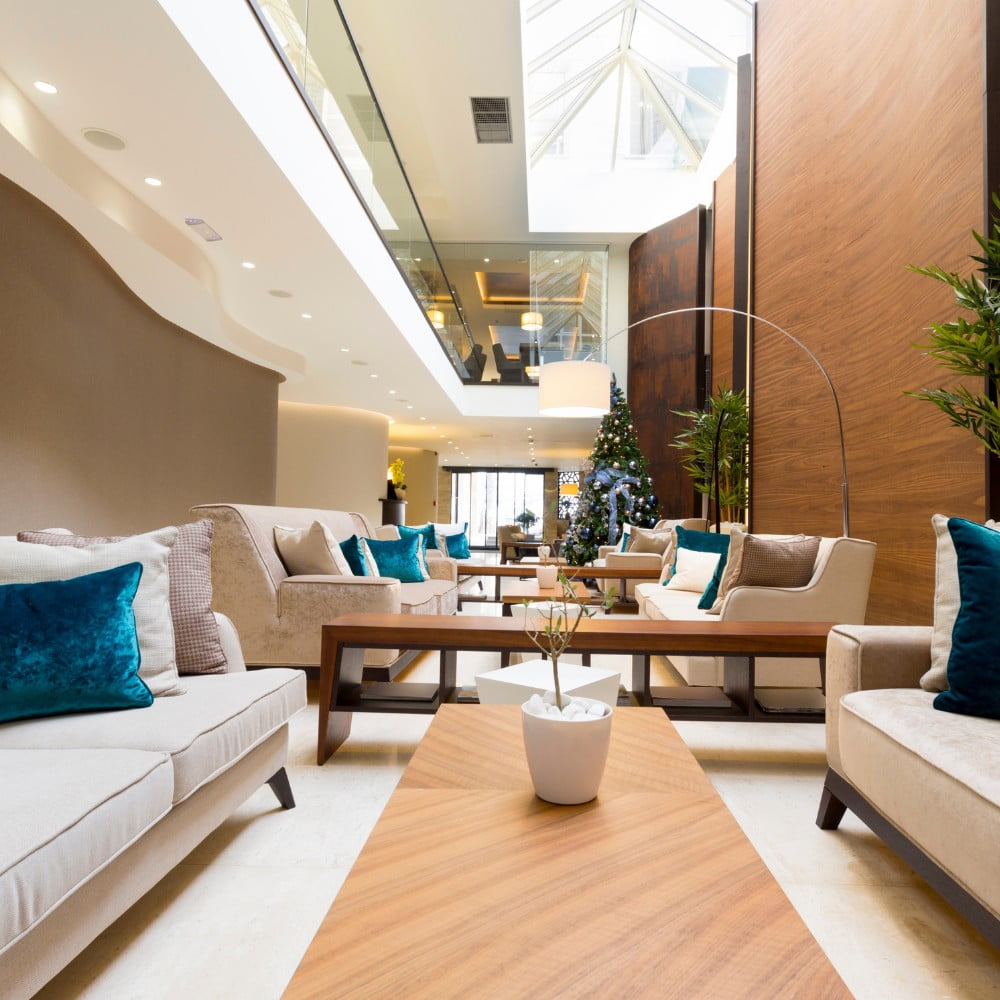
In a lobby, the primary areas that need to be covered by occupancy sensors are the entrance, the reception desk, and any seating or waiting areas. Here’s a possible design guide for a lobby:
- Strefa wejściowa: Install a ceiling occupancy sensor near the entrance. This sensor will detect the movement of people entering or exiting the lobby, ensuring the lights are activated when needed. Our ceiling sensors offer Auto ON and Full OFF functionality, providing automatic control of lighting based on occupancy.
- Main Lobby Area: For larger lobbies, additional ceiling sensors may be required to cover the entire space. These sensors should be strategically placed to cover high-traffic areas, such as near the reception desk or waiting areas. The overlapping coverage of multiple sensors ensures there are no blind spots.
- Reception Desk: Place a wall-mounted sensor near the reception desk. This sensor will detect the presence of the receptionist and any visitors at the desk, keeping the lights on in this area during occupied periods.
- Seating/Waiting Areas: Install additional ceiling-mounted sensors in any seating or waiting areas. These sensors will detect when these areas are occupied and adjust the lighting accordingly.
- Sterowanie ręczne: Install a manual control near the entrance or reception desk. This allows for manual override of the lighting system when necessary.
- Corridors Leading to Other Areas: Corridors leading to elevators, staircases, or other parts of the building should have their own wall or ceiling-mounted sensors. This ensures that lights in these areas are only activated when someone is passing through.
Polecane produkty i rozwiązania
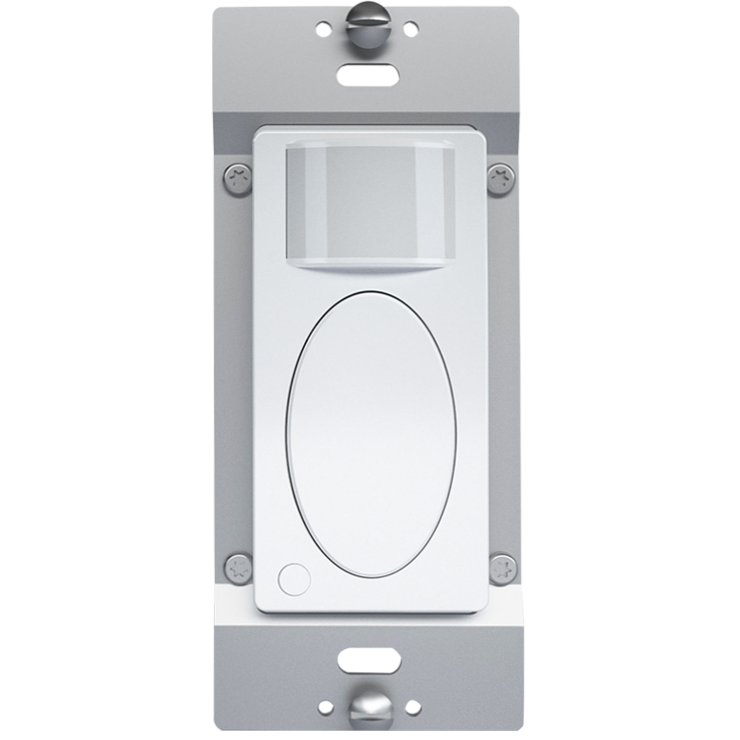
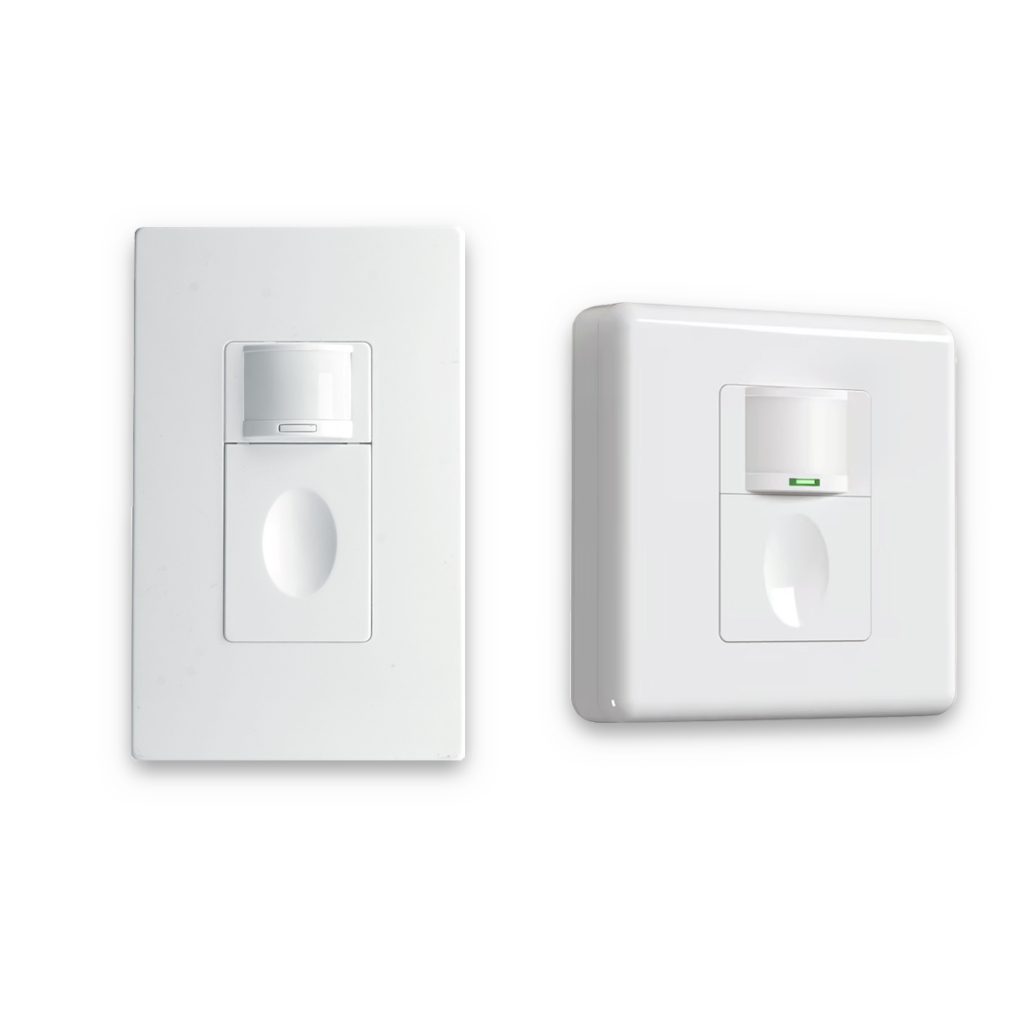
Ścienne włączniki z czujnikiem
Włączniki z czujnikiem ruchu RZ020/021
- Opcje okablowania 2-przewodowe, 3-przewodowe i 4-przewodowe
- Tryby pracy: wykrywanie obecności (Occupancy), tryb pustego pomieszczenia (Vacancy), ręczne włączanie/wyłączanie (Manual ON/OFF)
- Regulowane opóźnienie czasowe oraz kontrola światła otoczenia
Wielopunktowe bezprzewodowe czujniki ścienne
Zestawy RZ020A/021A + RZ022W
- Przewodowy przełącznik z czujnikiem obecności RZ021A/022A
- Bezprzewodowy przełącznik towarzyszący (RZ022W) do sterowania wielopunktowego

Sufitowe czujniki obecności
RZ036
- Przewodowe czujniki obecności
- Auto ON, auto OFF
- Line voltage and Low voltage available
Core features included:
- Integrated manual ON/OFF control for all lighting
- Vacancy sensors (Manual ON only): Lights must be turned on manually only
- Adjustable time-delay, lighting is automatically turned full OFF after 15mins
- Additional: multi-location wireless kits to expand the control range without re-wring
- Additional: multiple wiring options available for both new constructions and retrofit projects.
Meets the Mandatory Provisions
IECC – 2011
C405.2.1 Occupant sensor controls
Occupant sensor controls shall be installed to control lights in the space.
C405.2.1.1 Occupant sensor control functions
- Manual on or partial on to no more than 50% power.
- Full off within 20 minutes after all occupants have left the space
- A manual control to turn off the lights.
Full automatic-on controls with no manual control are permitted in lobbies where manual operation would endanger occupant safety or security.
ASHRAE 90.1 – 2022
9.4.1.1 a Local control
There shall be one or more manual lighting control device that provides ON and OFF control
of all lighting in the space.
9.4.1.1 g Automatic reduction control
The general lighting power in the space shall be automatically reduced by at least 50% within 15 minutes of all occupants leaving the space.
** NOTE: 9.4.1.1 g is required in all other lobbies except (Elevator, Hotel, Motion picture theater, Performing arts theater)
9.4.1.1 h Automatic full OFF control
All lighting in the space shall be automatically shut off within 15 minutes of all occupants leaving the space.
9.4.1.1 i Scheduled shutoff
All lighting in the space shall be automatically shut off during periods when the space is scheduled to be unoccupied.
** NOTE: At least one 9.4.1.1 h or 9.4.1.1 i shall be implemented.
Title 24 – 2022
130.1 (a) Manual area controls.
Each area enclosed by ceiling-height partitions shall provide lighting controls that allow the lighting in that area to be manually turned on and off.
130.1 (c) Shut-OFF Controls.
Lighting shall be controlled with occupant sensing controls to automatically shut OFF all of the lighting in 20 minutes or less after the control zone is unoccupied that shall function either as:
- A. Occupant sensing controls (if 130.1(b) not required to have multi-level lighting controls); or
- B. Partial-ON occupant sensing controls, or
- C. Vacancy sensing controls, where all lighting responds to a manual ON input only
Let us hear you.
Let Rayzeek help design and deliver a bespoke energy-saving lighting solution for you.