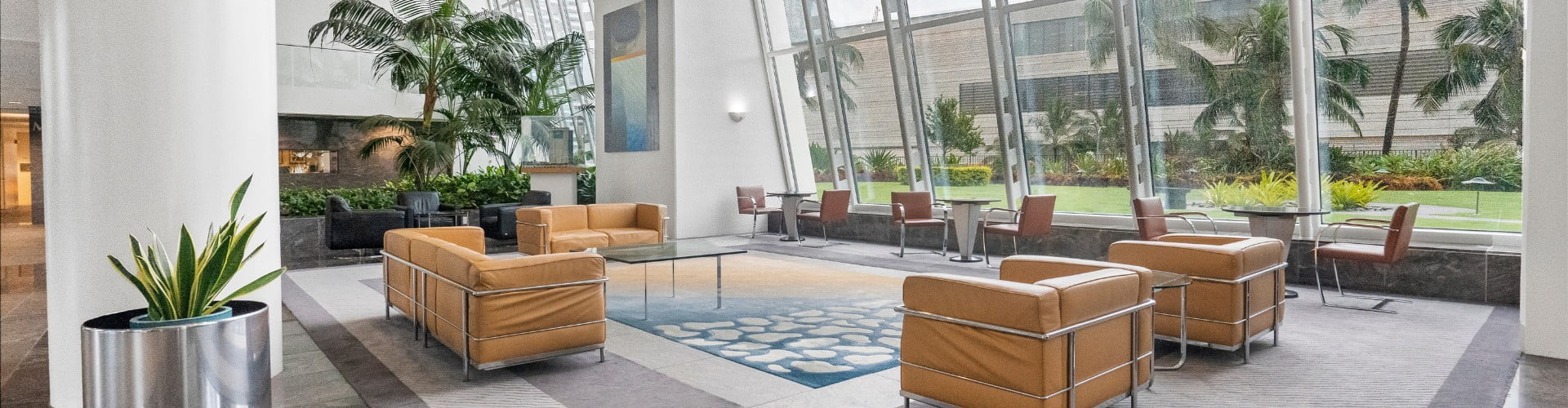
로비
로비의 에너지 절감 잠재력을 확인해 보세요. 맞춤형 솔루션을 통해 에너지 코드를 충족하고 에너지 낭비를 줄이는 방법을 안내합니다.
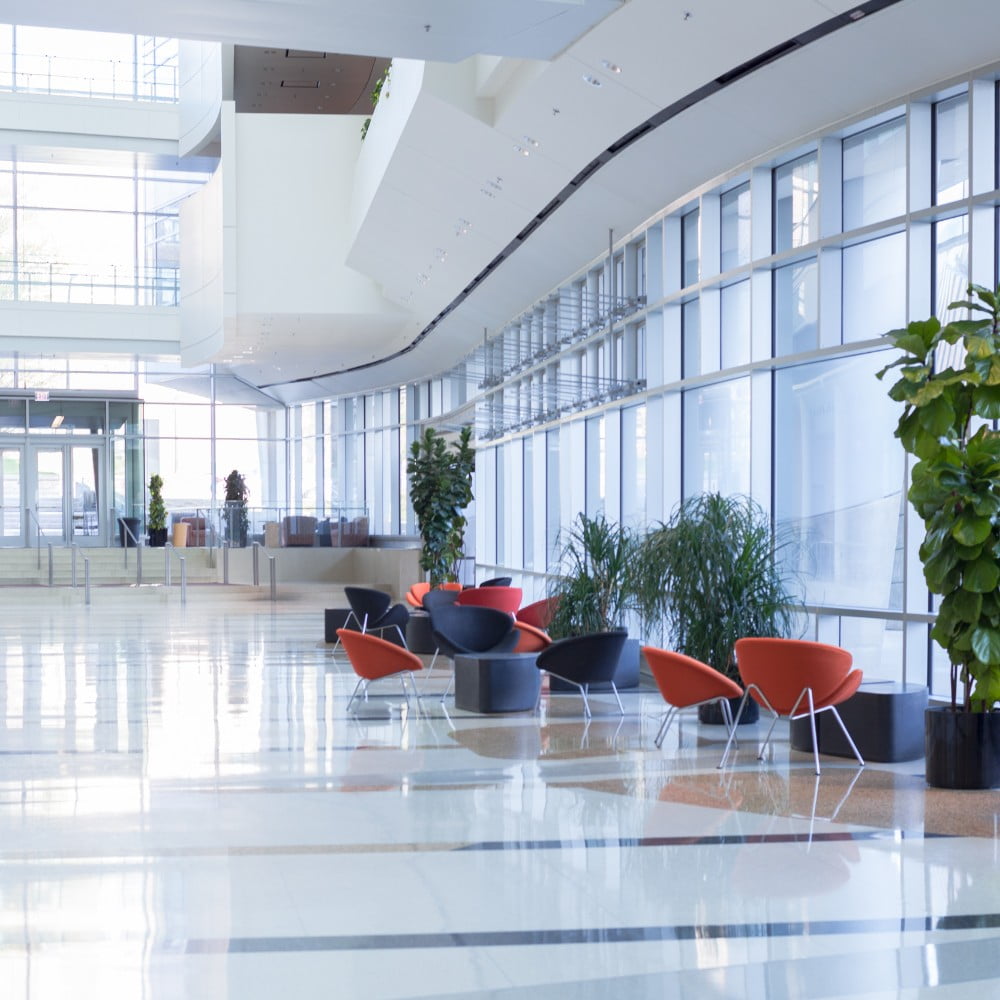
로비를 에너지 효율적인 공간으로 탈바꿈하세요
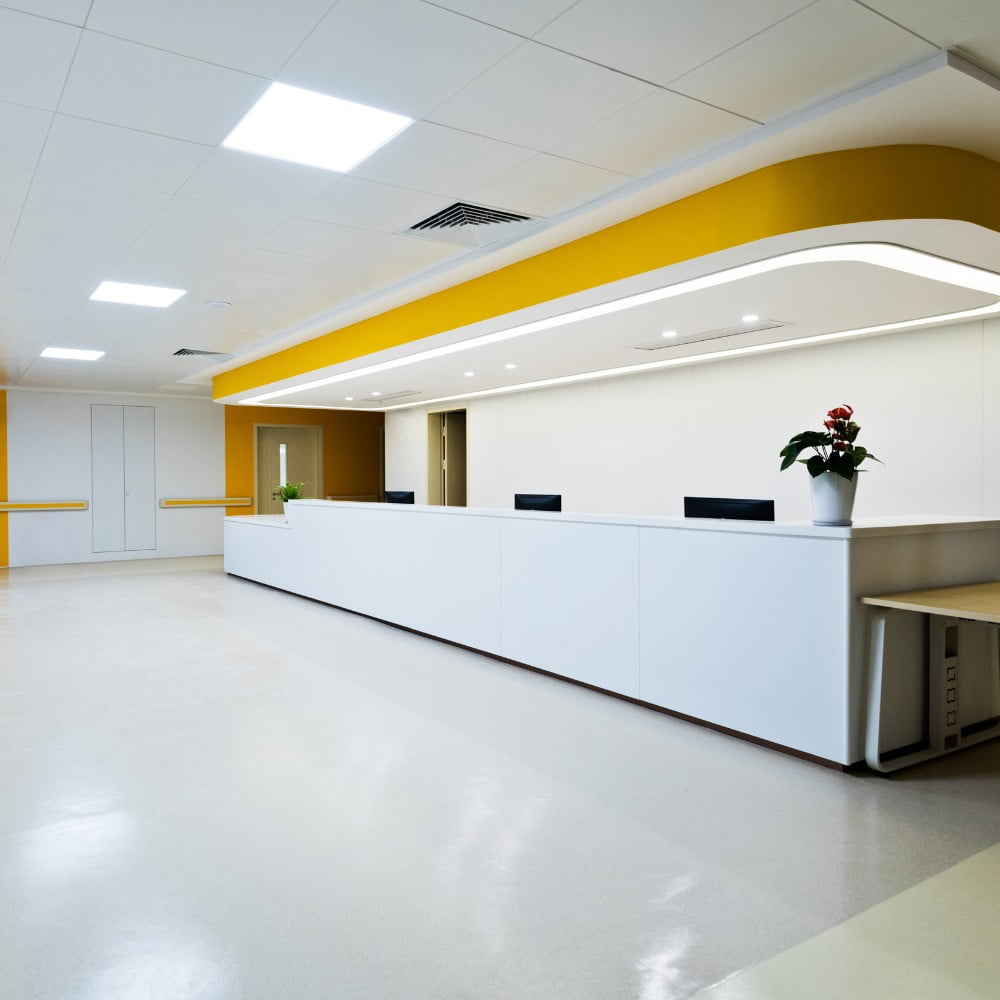
로비는 상업용 빌딩에서 방문객과 직원이 가장 먼저 접하는 공간인 경우가 많습니다. 항상 밝고 환영하는 분위기를 유지해야 하는 공간입니다. 언제나 사람들이 드나드는 번잡한 구역이기도 합니다. 이러한 구역의 조명은 대개 고강도이며 오랜 시간 켜져 있어 상당한 에너지 소비로 이어집니다.
로비의 전통적인 조명 시스템은 주로 수동으로 제어되므로 공간이 비어 있을 때도 불필요하게 조명이 켜져 있어 높은 에너지 낭비를 초래합니다. 게다가 로비 내의 다양한 활동과 가변적인 재실 수준은 조명을 효율적으로 관리하기 어렵게 만듭니다. 이는 운영 비용을 증가시킬 뿐만 아니라 탄소 발자국을 늘리는 원인이 됩니다.
이러한 문제를 해결하기 위해 재실 센서는 효과적인 솔루션을 제공합니다. 이 장치들은 로비가 비어있을 때 자동으로 조명을 끄거나 디밍하여 에너지 소비를 크게 줄일 수 있습니다. 벽면 및 천장 장착형 옵션을 포함한 Rayzeek의 다양한 재실 센서는 로비에 맞춤형 솔루션을 제공하여 편안함이나 안전성을 저해하지 않으면서 효율적인 조명 제어를 보장합니다.
에너지 코드 준수

국제에너지보존코드(IECC)는 건물 에너지 효율성을 위한 최소 설계 및 시공 요구사항을 규정하기 위해 ICC(International Code Council)에서 개발한 모델 코드입니다. IECC는 최신 에너지 절약 실천법과 기술을 반영하기 위해 3년마다 개정됩니다.
IECC를 주목해야 하는 이유
IECC는 미국 전역의 주 및 지방 자치 단체에서 널리 채택되고 있습니다. IECC는 건물 외피(벽, 지붕, 창호), 난방 및 냉방 시스템, 조명 시스템을 포함한 에너지 사용의 다양한 측면을 다룹니다.
IECC는 다양한 구역의 빈 공간에서 발생하는 에너지 낭비를 최소화하기 위해 점유 감지 센서와 같은 특정 조명 제어 장치의 설치를 의무화합니다.

ANSI/ASHRAE/IES Standard 90.1(저층 주거용 건물을 제외한 부지 및 건물의 에너지 표준)은 미국냉난방공조학회(ASHRAE)에서 발행하는 광범위하게 인정받는 에너지 표준입니다.
ASHRAE 90.1을 주목해야 하는 이유
ASHRAE 90.1은 미국 전역의 건물 에너지 코드의 기준 표준으로 사용되며, 건물 외피, HVAC 시스템, 급탕 시스템, 조명 시스템을 포함한 상업용 건물 구성 요소의 에너지 효율적 성능에 대한 최소 요구사항을 개괄하는 IECC 내 준수 경로 역할을 합니다.
ASHRAE 90.1 표준은 최대 허용 조명 전력 밀도 및 특정 구역에서의 점유 감지 센서 사용을 포함한 최소 조명 제어 요구사항을 규정합니다.

캘리포니아 건물 표준법 Part 6의 Title 24(공식 명칭: 주거용 및 비주거용 건물 에너지 효율성 표준)는 캘리포니아 에너지 위원회(CEC)에서 관리하며, 새로운 에너지 효율 기술과 방법을 반영하기 위해 주기적으로 업데이트됩니다.
Title 24를 주목해야 하는 이유
Title 24는 미국 내 다른 수많은 에너지 코드보다 더욱 엄격한 요구사항을 가진 것으로 잘 알려져 있습니다. Title 24는 난방, 환기, 공조(HVAC), 급탕, 조명을 포함한 건물 건설의 모든 측면에 대해 엄격한 에너지 성능 표준을 준수하도록 규정합니다.
Title 24는 에너지가 낭비되지 않도록 상업용 건물의 특정 구역에서 재실 여부에 따라 조명을 조절하는 점유 감지 센서 설치를 의무화합니다.
주별 에너지 코드 채택 현황
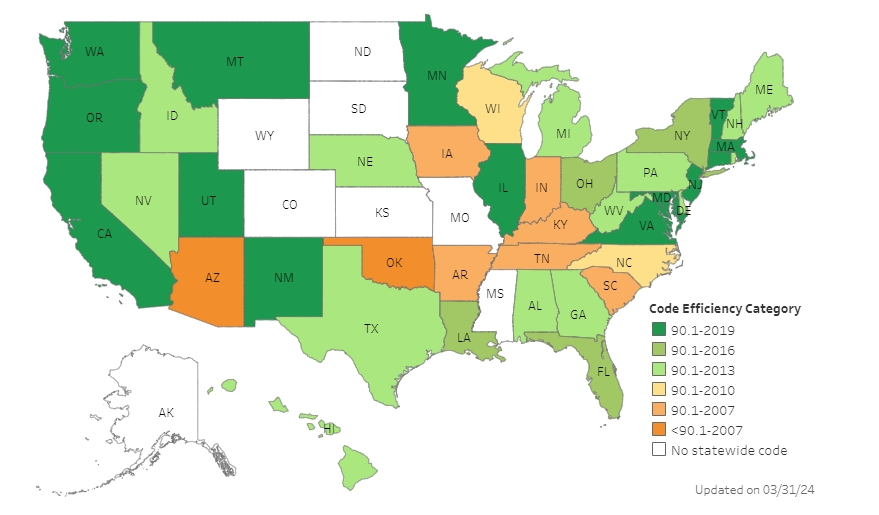
상세 표를 보려면 펼치기 ↓
| 주(State) | 현행 상업용 건축 기준 | 상업용 건축 기준 에너지 효율 카테고리 |
|---|---|---|
| 앨라배마 | 90.1-2013 | 90.1-2013 |
| 알래스카 | 주 전체 기준 없음 | 주 전체 건축 기준 없음 |
| 애리조나 | 자치 도시 규정 적용(Home rule) | <90.1-2007 |
| 아칸소 | 2009 IECC 및 90.1-2007 | 90.1-2007 |
| 캘리포니아 | 2022년 건물 에너지 효율 기준 | 90.1-2019 |
| 콜로라도 | 자치 도시 규정 적용(Home rule) | 주 전체 건축 기준 없음 |
| 코네티컷 | 2021 IECC 및 90.1-2019 | 90.1-2019 |
| 델라웨어 | 2018 IECC 및 90.1-2016 | 90.1-2013 |
| 컬럼비아 특별구 | 90.1-2013^ | 90.1-2019 |
| 플로리다 | 2021 IECC 및 90.1-2019^ | 90.1-2016 |
| 조지아 | 2015 IECC 및 90.1-2013^ | 90.1-2013 |
| 하와이 | 자치 도시 규정 적용(Home rule) | 90.1-2013 |
| 아이다호 | 2018 IECC 및 90.1-2016 | 90.1-2013 |
| 일리노이 | 2021 IECC 및 90.1-2019 | 90.1-2019 |
| 인디애나 | 90.1-2007 | 90.1-2007 |
| 아이오와 | 2012 IECC 및 90.1-2010 | 90.1-2007 |
| 캔자스 | 자치 도시 규정 적용(Home rule) | 주 전체 건축 기준 없음 |
| 켄터키 | 2012 IECC 및 90.1-2010 | 90.1-2007 |
| 루이지애나 | 2021 IECC 및 90.1-2019^ | 90.1-2016 |
| 메인 | 2015 IECC 및 90.1-2013 | 90.1-2013 |
| 메릴랜드 | 2021 IECC 및 90.1-2019^ | 90.1-2019 |
| 매사추세츠 | 2018 IECC 및 90.1-2016^ | 90.1-2019 |
| 미시간 | 2015 IECC 및 90.1-2013^ | 90.1-2013 |
| 미네소타 | 90.1-2019^ | 90.1-2019 |
| 미시시피 | 주 전체 기준 없음 | 주 전체 건축 기준 없음 |
| 미주리 | 자치 도시 규정 적용(Home rule) | 주 전체 건축 기준 없음 |
| 몬태나 | 2021 IECC 및 90.1-2019 | 90.1-2019 |
| 네브래스카 | 2018 IECC 및 90.1-2016 | 90.1-2013 |
| 네바다 | 2018 IECC 및 90.1-2016 | 90.1-2013 |
| 뉴햄프셔 | 2018 IECC 및 90.1-2016^ | 90.1-2013 |
| 뉴저지 | 90.1-2019 | 90.1-2019 |
| 뉴멕시코 | 2021 IECC 및 90.1-2019^ | 90.1-2019 |
| 뉴욕 | 2018 IECC 및 90.1-2016^ | 90.1-2016 |
| 노스캐롤라이나 | 2015 IECC 및 90.1-2013^ | 90.1-2010 |
| 노스다코타 | 자치 도시 규정 적용(Home rule) | 주 전체 건축 기준 없음 |
| 오하이오 | 2021 IECC 및 90.1-2019^ | 90.1-2016 |
| 오클라호마 | 2006 IECC 및 90.1-2004 | <90.1-2007 |
| 오레곤 | 90.1-2019 | 90.1-2019 |
| 펜실베이니아 | 2018 IECC 및 90.1-2016 | 90.1-2013 |
| 로드아일랜드 | 2018 IECC 및 90.1-2016^ | 90.1-2013 |
| 사우스캐롤라이나 | 2009 IECC 및 90.1-2007 | 90.1-2007 |
| 사우스다코타 | 자치 도시 규정 적용(Home rule) | 주 전체 건축 기준 없음 |
| 테네시 | 2021 IECC 및 90.1-2013 | 90.1-2007 |
| 텍사스 | 2015 IECC 및 90.1-2013 | 90.1-2013 |
| 유타 | 2021 IECC 및 90.1-2019^ | 90.1-2019 |
| 버몬트 | 2021 IECC 및 90.1-2019^ | 90.1-2019 |
| 버기니아 | 2021 IECC 및 90.1-2019^ | 90.1-2019 |
| 워싱턴 | 2018년 워싱턴주 에너지 코드 | 90.1-2019 |
| 테네시 | 2012 IECC 및 90.1-2010 | 90.1-2007 |
| 텍사스 | 2015 IECC 및 90.1-2013 | 90.1-2013 |
| 유타 | 2021 IECC 및 90.1-2019^ | 90.1-2019 |
| 버몬트 | 2018 IECC 및 90.1-2016^ | 90.1-2019 |
| 버기니아 | 2021 IECC 및 90.1-2019^ | 90.1-2019 |
| 워싱턴 | 2018년 워싱턴주 에너지 코드 | 90.1-2019 |
| 웨스트버지니아주 | 90.1-2013 | 90.1-2013 |
| 위스콘신주 | 2015 IECC 및 90.1-2013^ | 90.1-2010 |
| 와이오밍주 | 자치 도시 규정 적용(Home rule) | 주 전체 건축 기준 없음 |
- ^ 에너지 효율에 영향을 미치는 개정안을 DOE 프로토타입 건물 모델을 사용하여 정량화할 수 있는 경우, 해당 개정안은 분석에 반영되었습니다.
- IECC와 90.1을 모두 채택하는 주의 경우, IECC 코드에 광범위한 개정안이 있는 주를 제외하고는 본 연구에서 일반적으로 IECC 코드를 주의 현행 코드로 분석합니다.
로비를 위한 디자인 가이드 핵심 개념
로비를 위한 에너지 효율적인 조명 제어 솔루션을 설계할 때는 공간 전체를 빈틈없이 감지할 수 있도록 재실 감지 센서를 전략적으로 배치해야 합니다.
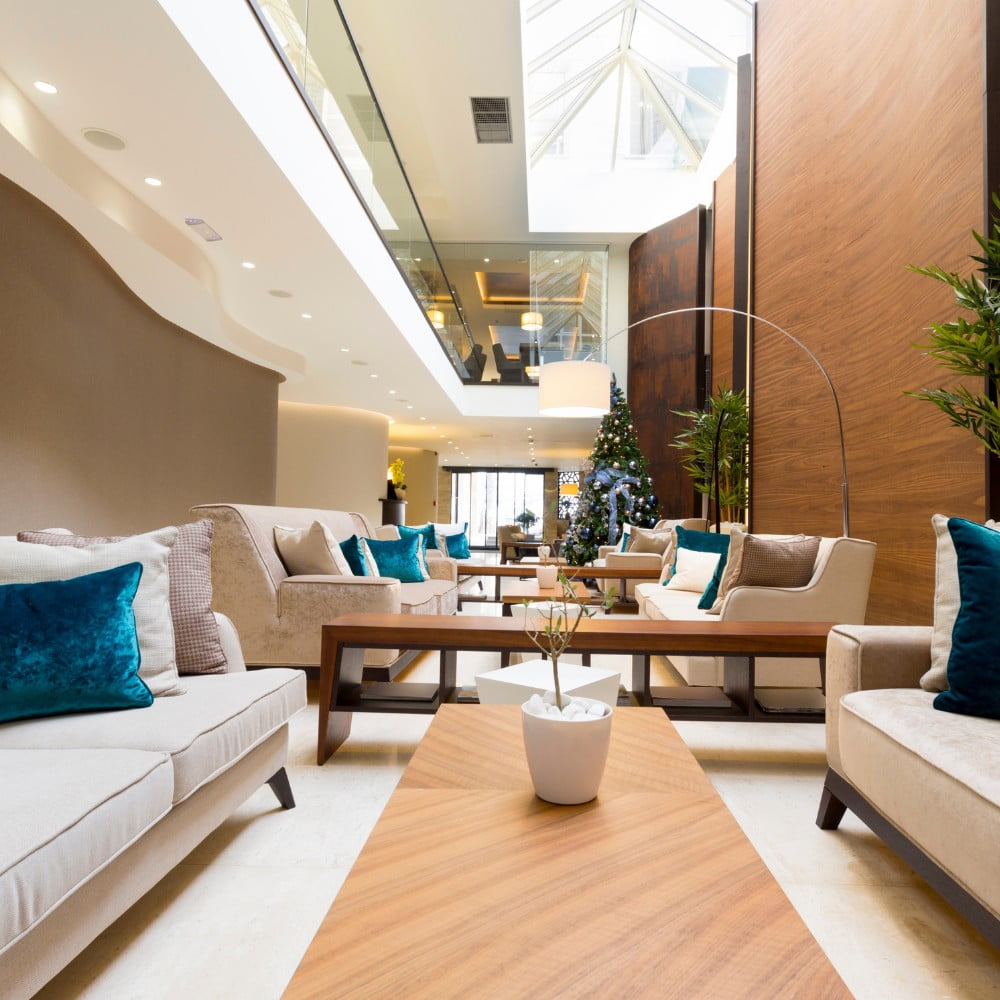
In a lobby, the primary areas that need to be covered by occupancy sensors are the entrance, the reception desk, and any seating or waiting areas. Here’s a possible design guide for a lobby:
- 출입구 구역: Install a ceiling occupancy sensor near the entrance. This sensor will detect the movement of people entering or exiting the lobby, ensuring the lights are activated when needed. Our ceiling sensors offer Auto ON and Full OFF functionality, providing automatic control of lighting based on occupancy.
- Main Lobby Area: For larger lobbies, additional ceiling sensors may be required to cover the entire space. These sensors should be strategically placed to cover high-traffic areas, such as near the reception desk or waiting areas. The overlapping coverage of multiple sensors ensures there are no blind spots.
- Reception Desk: Place a wall-mounted sensor near the reception desk. This sensor will detect the presence of the receptionist and any visitors at the desk, keeping the lights on in this area during occupied periods.
- Seating/Waiting Areas: Install additional ceiling-mounted sensors in any seating or waiting areas. These sensors will detect when these areas are occupied and adjust the lighting accordingly.
- 수동 제어: Install a manual control near the entrance or reception desk. This allows for manual override of the lighting system when necessary.
- Corridors Leading to Other Areas: Corridors leading to elevators, staircases, or other parts of the building should have their own wall or ceiling-mounted sensors. This ensures that lights in these areas are only activated when someone is passing through.
주요 제품 및 솔루션
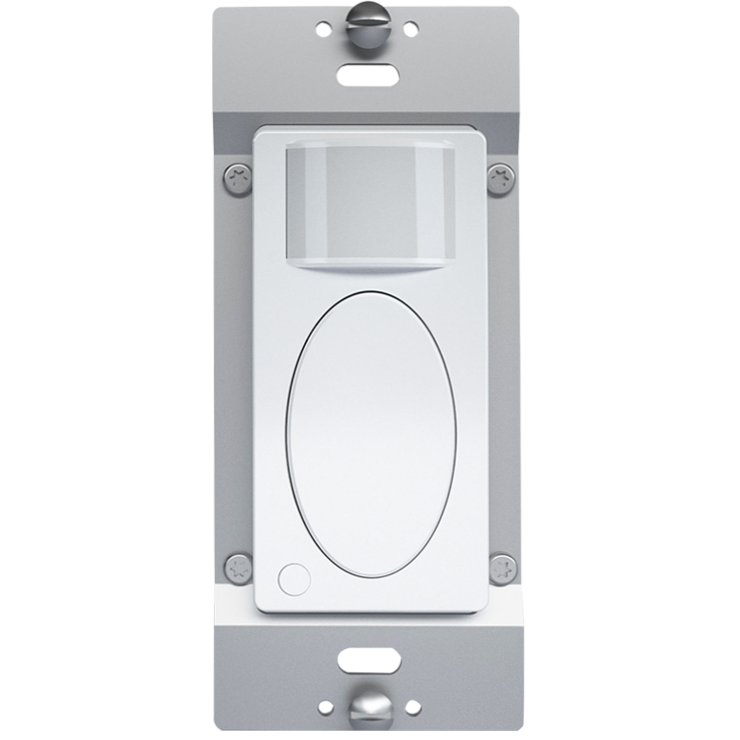
Wall Sensor Switches
RZ020/021 Motion Sensor Switches
- 2-wire, 3-wire, 4-wires wiring options
- Occupancy, Vacancy, Manual ON/OFF
- Adjustive time delay and ambient light control
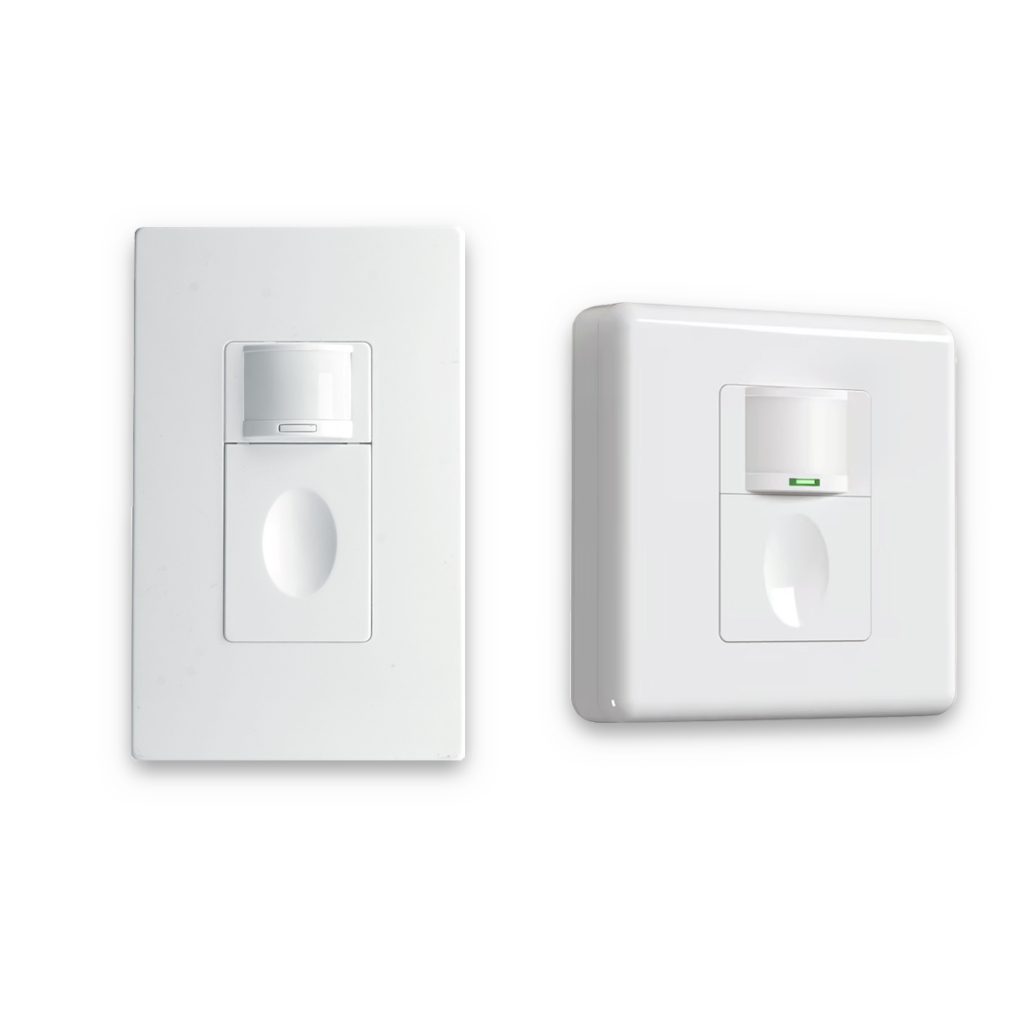
Multi-Location Wireless Wall Sensors
RZ020A/021A + RZ022W Kits
- Hardwired RZ021A/022A occupancy sensor switch
- Wireless companion switch (RZ022W) for multi-location control

Ceiling Occupancy Sensors
RZ036
- Hardwired occupancy sensors
- Auto ON, auto OFF
- Line voltage and Low voltage available
Core features included:
- Integrated manual ON/OFF control for all lighting
- Vacancy sensors (Manual ON only): Lights must be turned on manually only
- Adjustable time-delay, lighting is automatically turned full OFF after 15mins
- Additional: multi-location wireless kits to expand the control range without re-wring
- Additional: multiple wiring options available for both new constructions and retrofit projects.
Meets the Mandatory Provisions
IECC – 2011
C405.2.1 Occupant sensor controls
Occupant sensor controls shall be installed to control lights in the space.
C405.2.1.1 Occupant sensor control functions
- Manual on or partial on to no more than 50% power.
- Full off within 20 minutes after all occupants have left the space
- A manual control to turn off the lights.
Full automatic-on controls with no manual control are permitted in lobbies where manual operation would endanger occupant safety or security.
ASHRAE 90.1 – 2022
9.4.1.1 a Local control
There shall be one or more manual lighting control device that provides ON and OFF control
of all lighting in the space.
9.4.1.1 g Automatic reduction control
The general lighting power in the space shall be automatically reduced by at least 50% within 15 minutes of all occupants leaving the space.
** NOTE: 9.4.1.1 g is required in all other lobbies except (Elevator, Hotel, Motion picture theater, Performing arts theater)
9.4.1.1 h Automatic full OFF control
All lighting in the space shall be automatically shut off within 15 minutes of all occupants leaving the space.
9.4.1.1 i Scheduled shutoff
All lighting in the space shall be automatically shut off during periods when the space is scheduled to be unoccupied.
** NOTE: At least one 9.4.1.1 h or 9.4.1.1 i shall be implemented.
Title 24 – 2022
130.1 (a) Manual area controls.
Each area enclosed by ceiling-height partitions shall provide lighting controls that allow the lighting in that area to be manually turned on and off.
130.1 (c) Shut-OFF Controls.
Lighting shall be controlled with occupant sensing controls to automatically shut OFF all of the lighting in 20 minutes or less after the control zone is unoccupied that shall function either as:
- A. Occupant sensing controls (if 130.1(b) not required to have multi-level lighting controls); or
- B. Partial-ON occupant sensing controls, or
- C. Vacancy sensing controls, where all lighting responds to a manual ON input only
Let us hear you.
Let Rayzeek help design and deliver a bespoke energy-saving lighting solution for you.