Вестибюль
Дізнайтеся про потенціал енергозбереження у вашому вестибюлі. Дізнайтеся, як відповідати нормам енергоефективності та зменшити перевитрати електроенергії за допомогою наших адаптованих рішень.
Transform Your Lobby into an Energy-Efficient Space
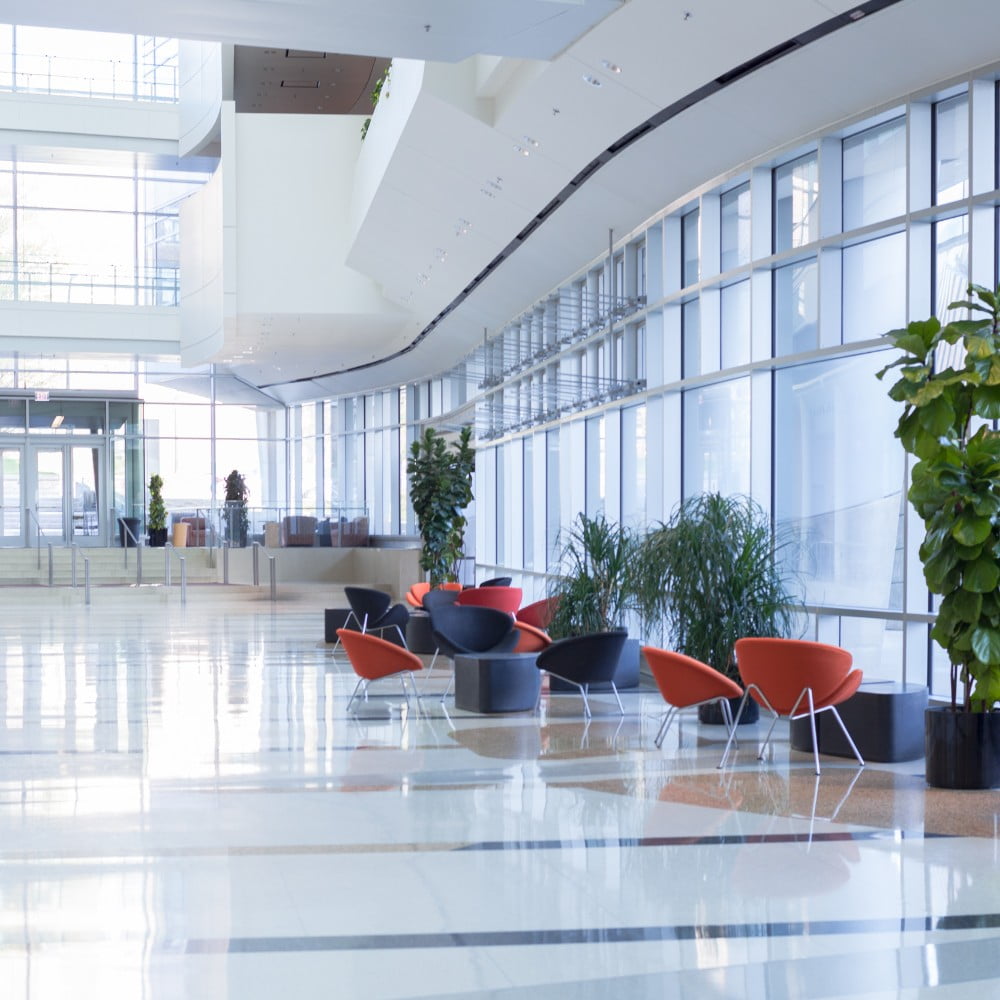
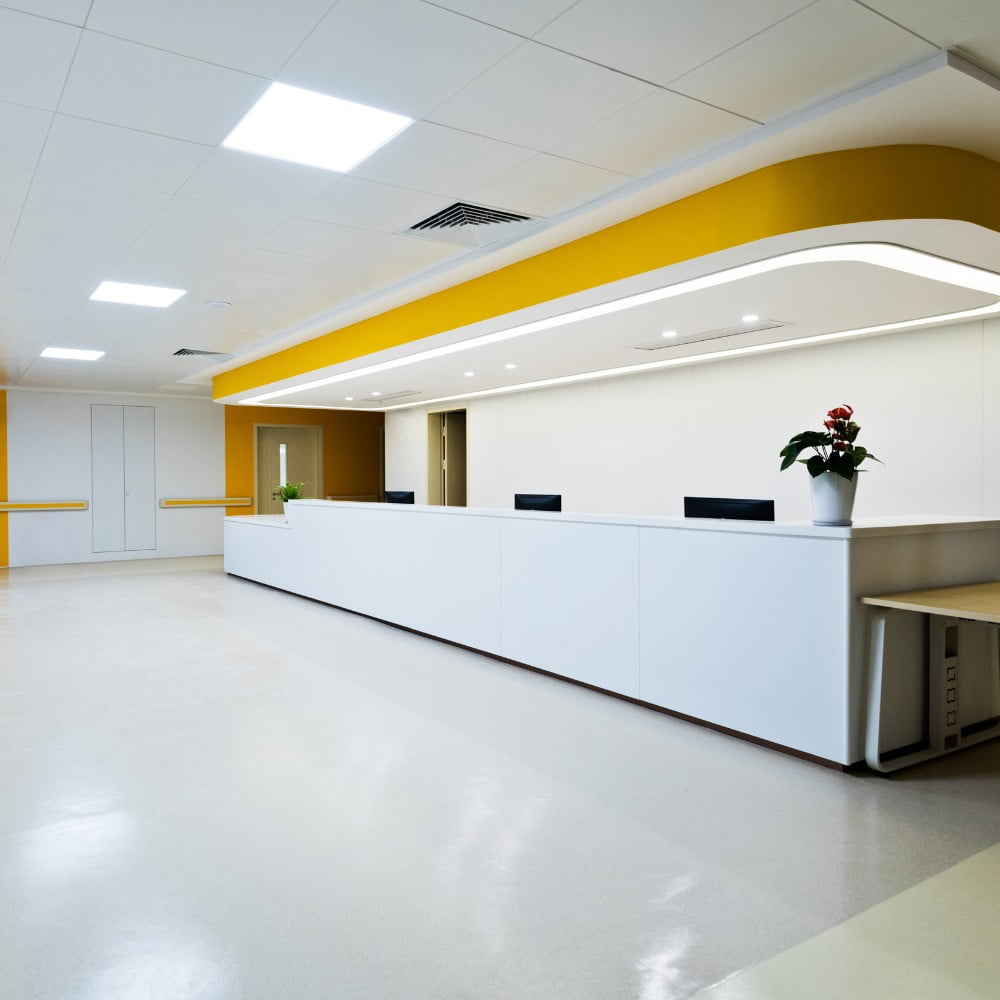
The lobby is often the first point of contact for visitors and employees in a commercial building. It’s a space that needs to be well-lit and welcoming at all times. It’s a bustling area, filled with people coming and going at all hours. The lighting in these areas is typically high-intensity and left on for extended periods, leading to significant energy consumption.
Traditional lighting systems in lobbies are often manually controlled, resulting in lights being left on unnecessarily when the space is unoccupied, leading to high energy waste. Moreover, the diverse activities and varying occupancy levels in lobbies make it challenging to manage lighting efficiently. This not only increases operational costs but also contributes to a larger carbon footprint.
To address these issues, occupancy sensors offer an effective solution. These devices can automatically turn off or dim the lights when the lobby is vacant, significantly reducing energy consumption. Rayzeek’s range of occupancy sensors, including wall and ceiling-mounted options, provide a tailored solution for lobbies, ensuring efficient lighting control without compromising on comfort or safety.
Відповідність енергетичним нормам

Міжнародний кодекс із збереження енергії (IECC) — це типовий кодекс, розроблений Міжнародною радою з норм і правил (ICC) для встановлення мінімальних вимог до проектування та будівництва щодо енергоефективності будівель. IECC оновлюється кожні три роки з метою впровадження новітніх практик та технологій енергозбереження.
IECC: чому це важливо
IECC широко приймається штатами та муніципалітетами по всій території США. IECC охоплює різні аспекти енергоспоживання, включаючи огороджувальні конструкції будівлі (стіни, дахи та вікна), системи опалення та кондиціонування, а також системи освітлення.
IECC регламентує використання спеціальних засобів керування освітленням, таких як датчики присутності, для мінімізації втрат енергії у незайнятих приміщеннях у різних зонах.

Стандарт ANSI/ASHRAE/IES 90.1 «Енергетичний стандарт для об'єктів та будівель, за винятком малоповерхових житлових будівель» є широко визнаним енергетичним стандартом, опублікованим Американським товариством інженерів з опалення, охолодження та кондиціонування повітря (ASHRAE).
ASHRAE 90.1: чому це важливо
ASHRAE 90.1 використовується як орієнтир для будівельних енергетичних норм по усім США та слугує шляхом підтвердження відповідності в межах IECC, який окреслює мінімальні вимоги до енергоефективності компонентів комерційних будівель, включаючи огороджувальні конструкції, системи HVAC, системи гарячого водопостачання та освітлювальні системи.
Стандарт ASHRAE 90.1 визначає максимально допустиму питому потужність освітлення та мінімальні вимоги до керування освітленням, включаючи використання датчиків присутності в певних зонах.

Title 24, частина 6 Кодексу будівельних стандартів Каліфорнії, офіційно відома як Стандарти енергоефективності будівель для житлових та нежитлових об'єктів (Title 24), адмініструється Енергетичною комісією Каліфорнії та періодично оновлюється для відображення нових технологій та методів енергоефективності.
Title 24: чому це важливо
Title 24 відомий своїми суворими вимогами, які часто вважаються жорсткішими за ті, що містяться в багатьох інших енергетичних нормах США. Title 24 встановлює суворі стандарти енергетичної ефективності для всіх аспектів будівництва будівель, що включає опалення, вентиляцію, кондиціонування повітря (HVAC), гаряче водопостачання та освітлення.
Title 24 вимагає встановлення датчиків присутності, які регулюють освітлення залежно від присутності людей у певних зонах комерційних будівель, щоб гарантувати відсутність марнотратства енергії.
Прийняття енергетичних норм за штатами
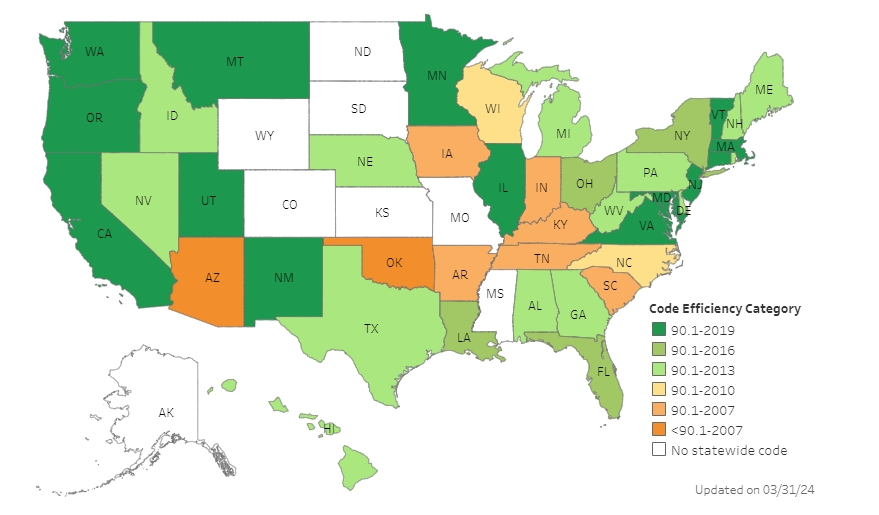
Розгорніть, щоб переглянути детальну таблицю ↓
| Штат | Чинний кодекс для комерційних об'єктів | Категорія ефективності кодексу для комерційних об'єктів |
|---|---|---|
| Алабама | 90.1-2013 | 90.1-2013 |
| Аляска | У межах штату відсутній | Загальноштатний кодекс відсутній |
| Аризона | Місцеве самоврядування | <90.1-2007 |
| Арканзас | 2009 IECC та 90.1-2007 | 90.1-2007 |
| Каліфорнія | Стандарти енергоефективності будівель 2022 року | 90.1-2019 |
| Колорадо | Місцеве самоврядування | Загальноштатний кодекс відсутній |
| Коннектикут | 2021 IECC та 90.1-2019 | 90.1-2019 |
| Делавер | 2018 IECC та 90.1-2016 | 90.1-2013 |
| Округ Колумбія | 90.1-2013^ | 90.1-2019 |
| Флорида | 2021 IECC та 90.1-2019^ | 90.1-2016 |
| Джорджія | 2015 IECC та 90.1-2013^ | 90.1-2013 |
| Гаваї | Місцеве самоврядування | 90.1-2013 |
| Айдахо | 2018 IECC та 90.1-2016 | 90.1-2013 |
| Іллінойс | 2021 IECC та 90.1-2019 | 90.1-2019 |
| Індіана | 90.1-2007 | 90.1-2007 |
| Айова | 2012 IECC та 90.1-2010 | 90.1-2007 |
| Канзас | Місцеве самоврядування | Загальноштатний кодекс відсутній |
| Кентуккі | 2012 IECC та 90.1-2010 | 90.1-2007 |
| Луїзіана | 2021 IECC та 90.1-2019^ | 90.1-2016 |
| Мен | 2015 IECC та 90.1-2013 | 90.1-2013 |
| Меріленд | 2021 IECC та 90.1-2019^ | 90.1-2019 |
| Массачусетс | 2018 IECC та 90.1-2016^ | 90.1-2019 |
| Мічиган | 2015 IECC та 90.1-2013^ | 90.1-2013 |
| Міннесота | 90.1-2019^ | 90.1-2019 |
| Міссісіпі | У межах штату відсутній | Загальноштатний кодекс відсутній |
| Міссурі | Місцеве самоврядування | Загальноштатний кодекс відсутній |
| Монтана | 2021 IECC та 90.1-2019 | 90.1-2019 |
| Небраска | 2018 IECC та 90.1-2016 | 90.1-2013 |
| Невада | 2018 IECC та 90.1-2016 | 90.1-2013 |
| Нью-Гемпшир | 2018 IECC та 90.1-2016^ | 90.1-2013 |
| Нью-Джерсі | 90.1-2019 | 90.1-2019 |
| Нью-Мексико | 2021 IECC та 90.1-2019^ | 90.1-2019 |
| Нью-Йорк | 2018 IECC та 90.1-2016^ | 90.1-2016 |
| Північна Кароліна | 2015 IECC та 90.1-2013^ | 90.1-2010 |
| Північна Дакота | Місцеве самоврядування | Загальноштатний кодекс відсутній |
| Огайо | 2021 IECC та 90.1-2019^ | 90.1-2016 |
| Оклахома | 2006 IECC та 90.1-2004 | <90.1-2007 |
| Орегон | 90.1-2019 | 90.1-2019 |
| Пенсильванія | 2018 IECC та 90.1-2016 | 90.1-2013 |
| Род-Айленд | 2018 IECC та 90.1-2016^ | 90.1-2013 |
| Південна Кароліна | 2009 IECC та 90.1-2007 | 90.1-2007 |
| Південна Дакота | Місцеве самоврядування | Загальноштатний кодекс відсутній |
| Теннессі | 2021 IECC та 90.1-2013 | 90.1-2007 |
| Техас | 2015 IECC та 90.1-2013 | 90.1-2013 |
| Юта | 2021 IECC та 90.1-2019^ | 90.1-2019 |
| Вермонт | 2021 IECC та 90.1-2019^ | 90.1-2019 |
| Вірджинія | 2021 IECC та 90.1-2019^ | 90.1-2019 |
| Вашингтон | Енергетичний кодекс штату Вашингтон 2018 року | 90.1-2019 |
| Теннессі | 2012 IECC та 90.1-2010 | 90.1-2007 |
| Техас | 2015 IECC та 90.1-2013 | 90.1-2013 |
| Юта | 2021 IECC та 90.1-2019^ | 90.1-2019 |
| Вермонт | 2018 IECC та 90.1-2016^ | 90.1-2019 |
| Вірджинія | 2021 IECC та 90.1-2019^ | 90.1-2019 |
| Вашингтон | Енергетичний кодекс штату Вашингтон 2018 року | 90.1-2019 |
| Західна Вірджинія | 90.1-2013 | 90.1-2013 |
| Вісконсин | 2015 IECC та 90.1-2013^ | 90.1-2010 |
| Вайомінг | Місцеве самоврядування | Загальноштатний кодекс відсутній |
- ^ Якщо поправку, що впливає на енергоефективність, можна кількісно оцінити за допомогою типових моделей будівель DOE, її було враховано в аналізі.
- Для штатів, які приймають як IECC, так і 90.1, у цьому дослідженні як чинний кодекс штату зазвичай аналізується кодекс IECC, за винятком штатів із розширеними поправками до IECC.
Design Guide Key Concepts for Lobby
Designing an energy-efficient lighting control solution for lobby involves strategic placement of occupancy sensors to ensure comprehensive coverage of the space.
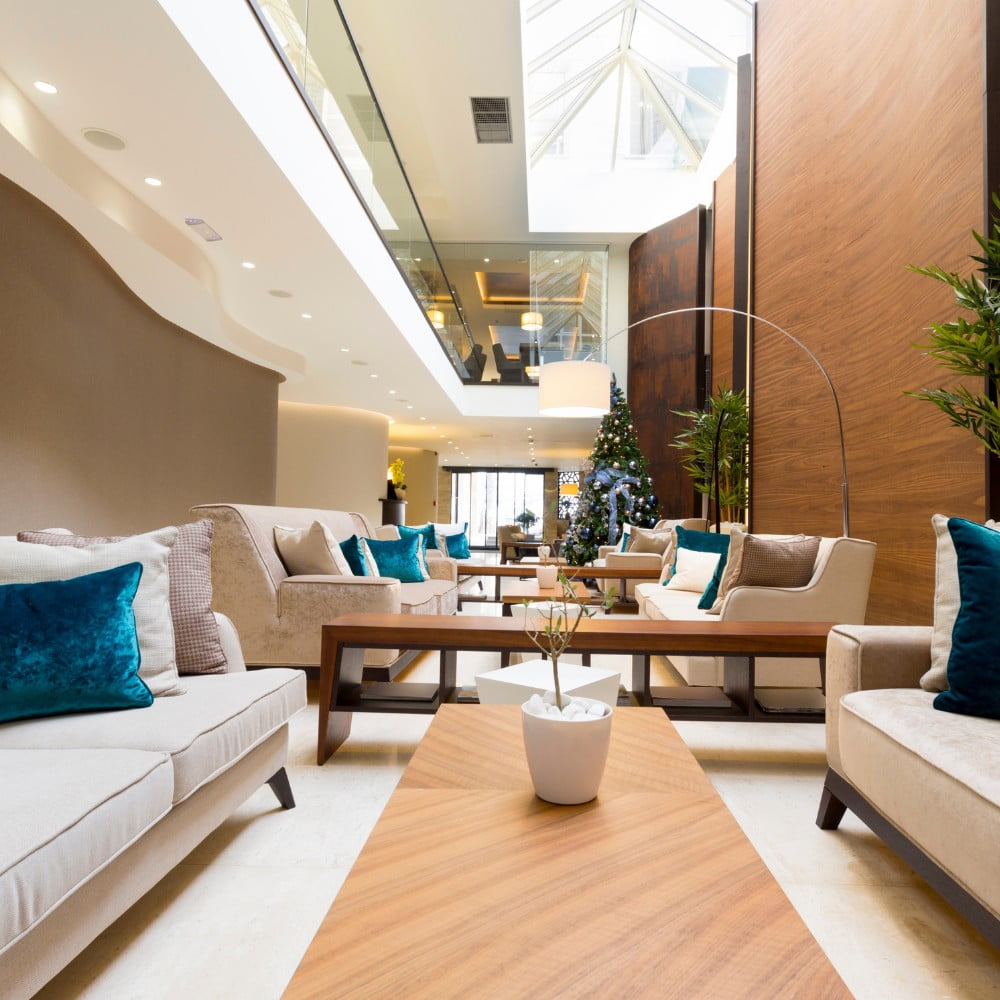
In a lobby, the primary areas that need to be covered by occupancy sensors are the entrance, the reception desk, and any seating or waiting areas. Here’s a possible design guide for a lobby:
- Entrance Area: Install a ceiling occupancy sensor near the entrance. This sensor will detect the movement of people entering or exiting the lobby, ensuring the lights are activated when needed. Our ceiling sensors offer Auto ON and Full OFF functionality, providing automatic control of lighting based on occupancy.
- Main Lobby Area: For larger lobbies, additional ceiling sensors may be required to cover the entire space. These sensors should be strategically placed to cover high-traffic areas, such as near the reception desk or waiting areas. The overlapping coverage of multiple sensors ensures there are no blind spots.
- Reception Desk: Place a wall-mounted sensor near the reception desk. This sensor will detect the presence of the receptionist and any visitors at the desk, keeping the lights on in this area during occupied periods.
- Seating/Waiting Areas: Install additional ceiling-mounted sensors in any seating or waiting areas. These sensors will detect when these areas are occupied and adjust the lighting accordingly.
- Manual Control: Install a manual control near the entrance or reception desk. This allows for manual override of the lighting system when necessary.
- Corridors Leading to Other Areas: Corridors leading to elevators, staircases, or other parts of the building should have their own wall or ceiling-mounted sensors. This ensures that lights in these areas are only activated when someone is passing through.
Featured Products & Solutions
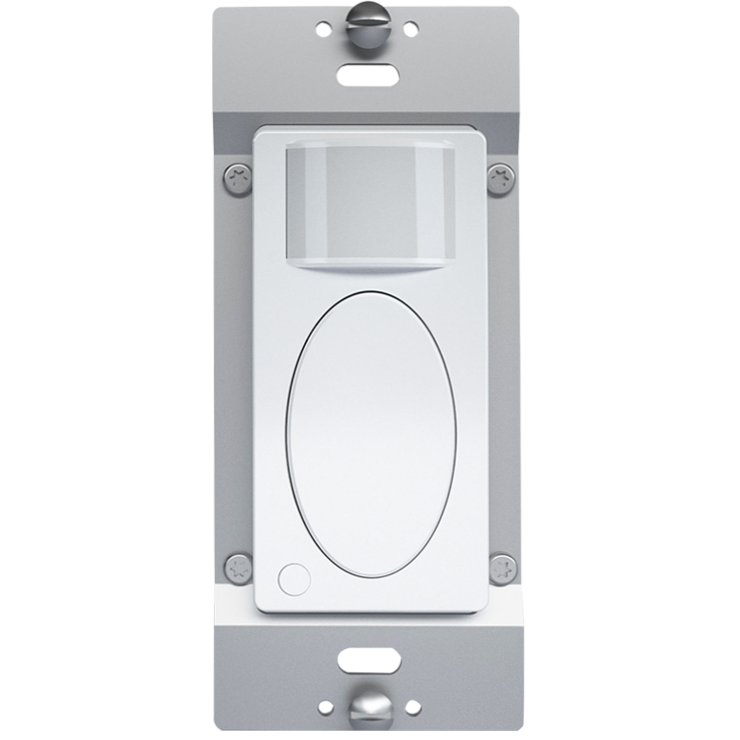
Wall Sensor Switches
RZ020/021 Motion Sensor Switches
- 2-wire, 3-wire, 4-wires wiring options
- Occupancy, Vacancy, Manual ON/OFF
- Adjustive time delay and ambient light control
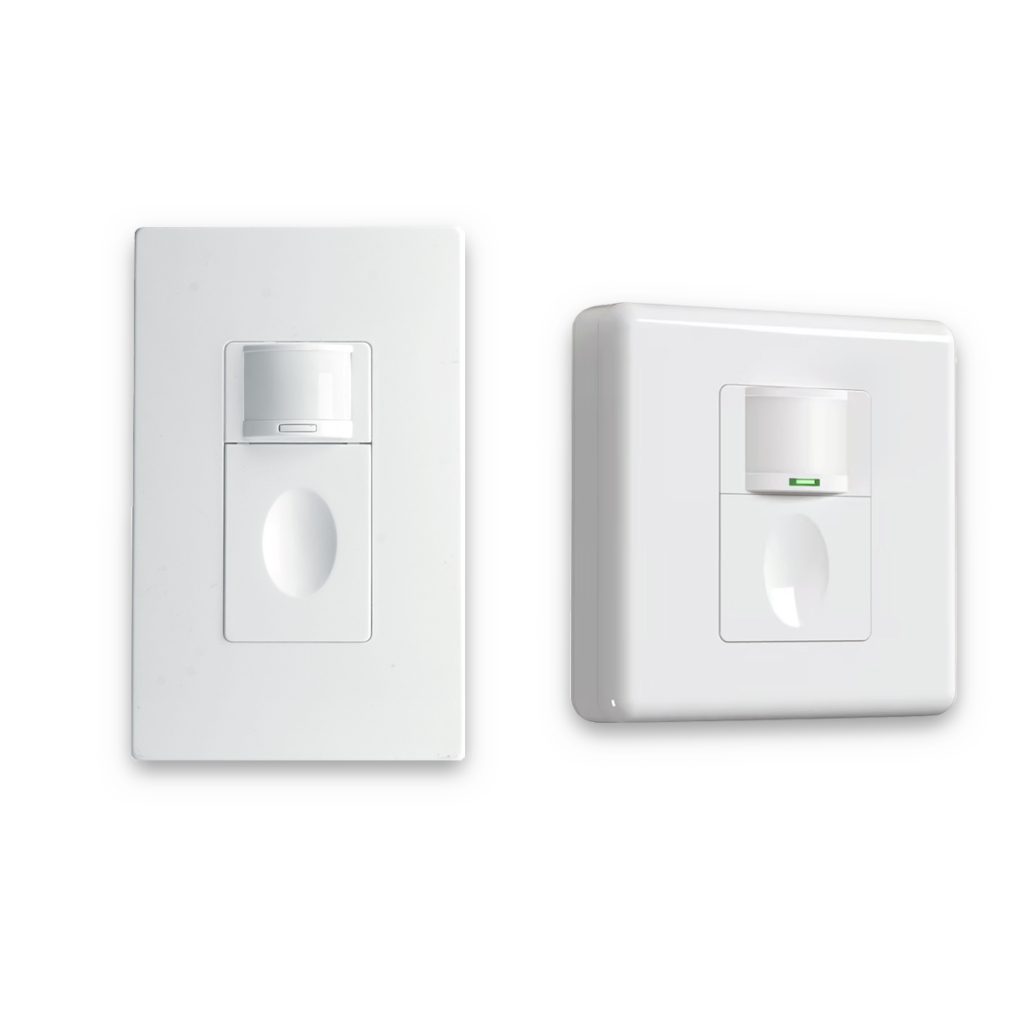
Multi-Location Wireless Wall Sensors
RZ020A/021A + RZ022W Kits
- Hardwired RZ021A/022A occupancy sensor switch
- Wireless companion switch (RZ022W) for multi-location control

Ceiling Occupancy Sensors
RZ036
- Hardwired occupancy sensors
- Auto ON, auto OFF
- Line voltage and Low voltage available
Core features included:
- Integrated manual ON/OFF control for all lighting
- Vacancy sensors (Manual ON only): Lights must be turned on manually only
- Adjustable time-delay, lighting is automatically turned full OFF after 15mins
- Additional: multi-location wireless kits to expand the control range without re-wring
- Additional: multiple wiring options available for both new constructions and retrofit projects.
Meets the Mandatory Provisions
IECC – 2011
C405.2.1 Occupant sensor controls
Occupant sensor controls shall be installed to control lights in the space.
C405.2.1.1 Occupant sensor control functions
- Manual on or partial on to no more than 50% power.
- Full off within 20 minutes after all occupants have left the space
- A manual control to turn off the lights.
Full automatic-on controls with no manual control are permitted in lobbies where manual operation would endanger occupant safety or security.
ASHRAE 90.1 – 2022
9.4.1.1 a Local control
There shall be one or more manual lighting control device that provides ON and OFF control
of all lighting in the space.
9.4.1.1 g Automatic reduction control
The general lighting power in the space shall be automatically reduced by at least 50% within 15 minutes of all occupants leaving the space.
** NOTE: 9.4.1.1 g is required in all other lobbies except (Elevator, Hotel, Motion picture theater, Performing arts theater)
9.4.1.1 h Automatic full OFF control
All lighting in the space shall be automatically shut off within 15 minutes of all occupants leaving the space.
9.4.1.1 i Scheduled shutoff
All lighting in the space shall be automatically shut off during periods when the space is scheduled to be unoccupied.
** NOTE: At least one 9.4.1.1 h or 9.4.1.1 i shall be implemented.
Title 24 – 2022
130.1 (a) Manual area controls.
Each area enclosed by ceiling-height partitions shall provide lighting controls that allow the lighting in that area to be manually turned on and off.
130.1 (c) Shut-OFF Controls.
Lighting shall be controlled with occupant sensing controls to automatically shut OFF all of the lighting in 20 minutes or less after the control zone is unoccupied that shall function either as:
- A. Occupant sensing controls (if 130.1(b) not required to have multi-level lighting controls); or
- B. Partial-ON occupant sensing controls, or
- C. Vacancy sensing controls, where all lighting responds to a manual ON input only
Let us hear you.
Let Rayzeek help design and deliver a bespoke energy-saving lighting solution for you.