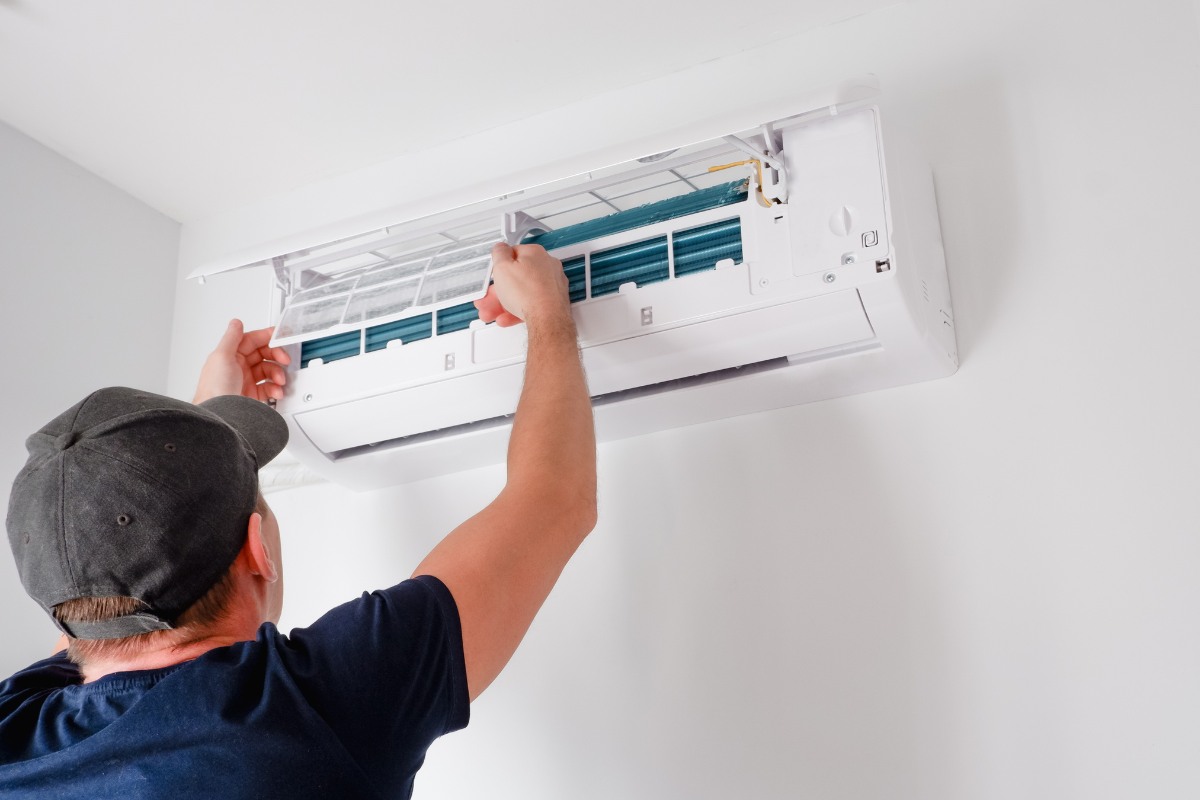
エアコンは、連日連夜の猛暑と戦い、現代の快適さを陰で支える立役者です。しかし、他のどのような働き者の機械と同様に、最高のパフォーマンスを維持し、早すぎる故障を防ぐためには念入りな手入れが必要です。手軽なフィルター交換だけで十分だと思われがちですが、エアコンを本当に長持ちさせるには、掃除の重要な役割についてより深く理解することが欠かせません。これは単なる見た目の問題ではなく、空気の流れ、熱移動、そしてエアコンを動かす精密な部品同士の繊細なバランスに関わる問題です。分解洗浄(ディープクリーニング)を怠ることは、足首に重りをつけたままマラソンを走るようなものです。しばらくは動くかもしれませんが、最終的にはどこかに支障をきたすことになります。
エアコンの長寿命化に分解洗浄(ディープクリーニング)が不可欠な理由
分解洗浄(ディープクリーニング)は表面的な手入れの域を超えたものです。外観を拭き取ったりフィルターを交換したりすることも大切な第一歩ですが、それだけでは足りません。エアコン内部の仕組みにまで踏み込み、効率や寿命に悪影響を及ぼす汚れ、ゴミ、へどろ状の皮脂汚れなどが蓄積する箇所に対処することを意味します。
エアコンの冷却プロセスの要である 蒸発器(エバポレーター)と凝縮器(コンデンサー)のコイル, について考えてみましょう。金属フィンが複雑に組まれたこれらのネットワークは、蒸し暑い空気を爽やかな風に変える重要な熱交換を担っています。空気がこれらのコイルを通過する際、ほこり、花粉、ペットのフケ、その他の浮遊粒子がどうしても表面に付着してしまいます。時間が経つにつれて、この付着物が断熱層を形成し、コイルが熱を吸収および放熱する能力を妨げます。その結果、エアコンは設定温度に達するまでにより強く、より長く運転しなければならなくなり、消費電力が大幅に跳ね上がることになります。汚れの付着したコイルにより、エアコンの効率が最大で 30%, 低下するという研究結果もあり、これは電気代の大きな負担増につながります。
しかし、分解洗浄を怠ることによる影響は、家計への負担だけにとどまりません。汚れて過負荷がかかったエアコンは、部品の早期故障を引き起こす典型的な原因となります。システムの要である コンプレッサー, は、過度の負荷によって過熱し、焼き付いてしまうおそれがあります。モーターが固着したり、冷媒配管からガス漏れが発生したりすることもあります。これらは軽微な不具合ではなく高額な修理費用がかかるトラブルですが、適切なメンテナンスを行っていれば防げる場合がほとんどです。車をオイル交換なしで何年も運転しないのと同じ原理です。定期的な分解洗浄は予防措置であり、将来的な大きな金銭的負担からあなたを守る小さな投資なのです。
さらに、清潔なエアコンは 最適な室内空気質. を維持するためにも欠かせません。フィルターはある程度の浮遊粒子を捕集しますが、多量のほこりやアレルゲン、さらにはカビの胞子がフィルターをすり抜けてシステム内部に蓄積することがあります。これらの汚染物質はエアコンが運転するたびに部屋全体に循環し、呼吸器系の問題やアレルギーを悪化させる可能性があります。分解洗浄によってこれらの隠れた汚染物質を取り除くことで、エアコンが吸い込む空気を損なうのを防ぐことができます。
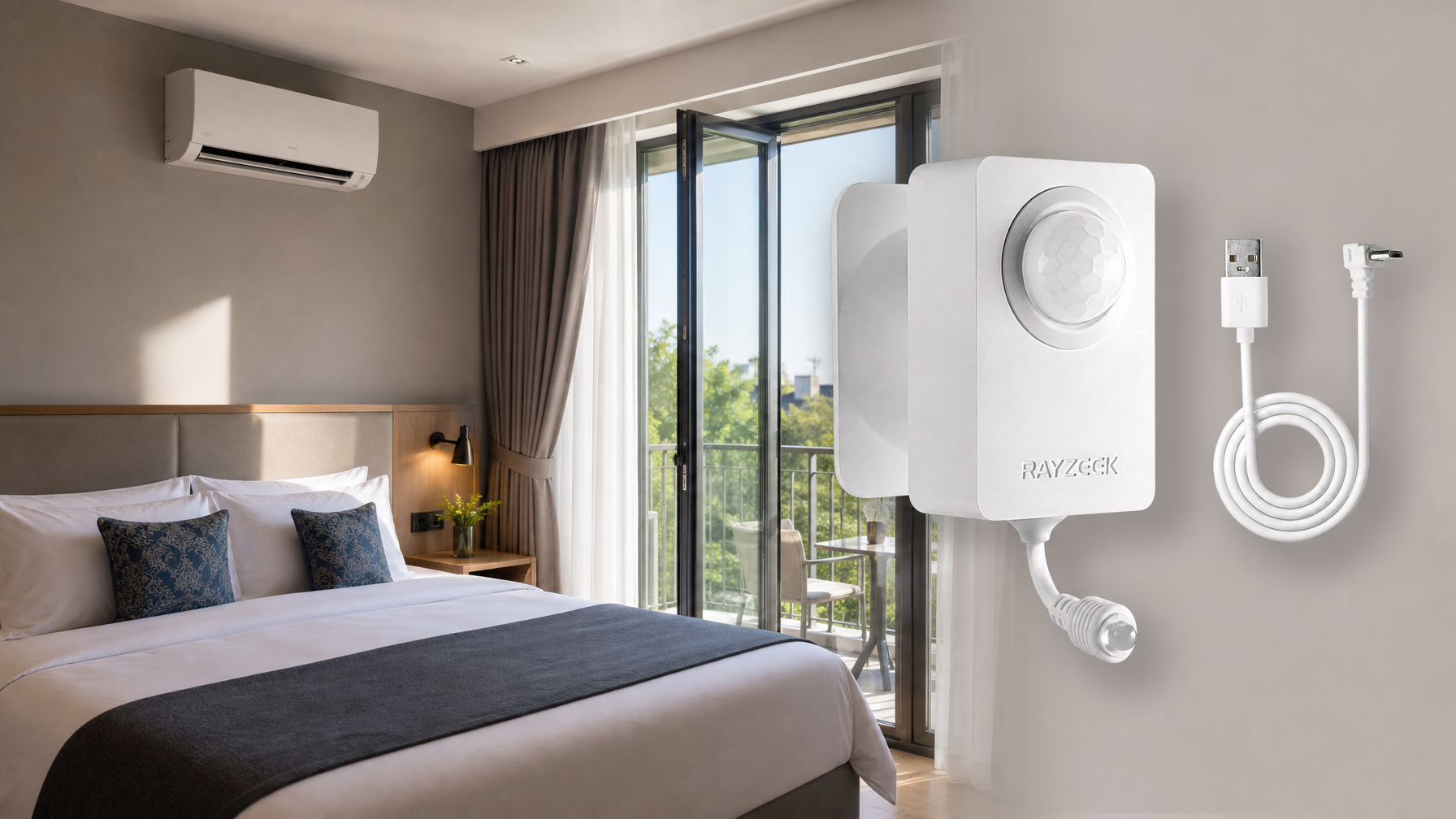
分解洗浄は汚れやゴミによる非効率に対処するものですが、エネルギー浪費のもう一つの大きな原因が見落とされがちです。それは、誰もいない部屋でエアコンが運転し続けていることです。どれほど清潔なエアコンであっても、利用する人がいない状態でつけっぱなしにされていれば、無駄なエネルギーを消費してしまいます。ここで役立つのが、スマート技術を搭載した RZ050 エアコン用人感センサー です。この革新的なデバイスは、部屋が空であることを検知すると自動的にエアコンを停止し、エネルギー消費をさらに最適化して環境負荷を削減します。

RZ050 エアコン用人感センサー
誰もいない部屋への無駄な電力消費を抑えましょう
- 部屋を退室すると自動的にエアコンをオフにします。
- 電気代を最大 50% 削減します。
- 設置が簡単で、ほとんどのセパレート型(セパレートエアコン)に対応しています。
エアコンの種類と掃除に関する注意事項
Before we dive into the specifics of cleaning, it’s essential to understand that not all air conditioners are created equal. The three primary types – split systems, window units, and central air systems – each have unique designs and components that influence the cleaning process.
- Split systems, as the name suggests, consist of two main units: an indoor unit that houses the evaporator coils and blower, and an outdoor unit that contains the condenser coils, compressor, and fan.
- Window units, on the other hand, are self-contained, with all components housed in a single box that’s installed in a window opening.
- Central air systems are the most complex, utilizing a network of ducts to distribute cooled air throughout a building. The air handler, containing the evaporator coils and blower, is typically located in a basement, attic, or closet, while the condenser unit sits outside.
These design differences have significant implications for cleaning. For instance, accessing the evaporator coils in a split system often involves removing the front panel of the indoor unit, while cleaning a window unit might require removing the entire unit from the window for thorough access. Central air systems present the added challenge of ductwork, which typically requires professional cleaning due to its complexity and the specialized equipment involved. Understanding these nuances is crucial for approaching the cleaning process effectively and safely.
Essential Tools and Safety Precautions
Embarking on an AC deep clean without the right tools and safety precautions is like setting sail without a map or compass. It’s a recipe for frustration, potential damage, and even personal injury. So, before you even think about touching your AC unit, let’s equip ourselves with the necessary arsenal and knowledge.
The right cleaning solutions are paramount. For the delicate fins of the evaporator and condenser coils, specialized coil cleaners are your best bet. These come in various formulations, from foaming to non-foaming, and even acidic to alkaline, each designed for specific levels of soiling. A foaming cleaner, for instance, excels at penetrating deep into the coil fins, loosening stubborn dirt and grime. Non-foaming cleaners, on the other hand, are ideal for situations where excessive rinsing is difficult. Acidic cleaners are powerful but should be reserved for heavily soiled coils and used with extreme caution, as they can be corrosive. Always follow the manufacturer’s instructions regarding dilution and application.
Beyond cleaners, you will need an assortment of brushes and combs. Soft-bristle brushes are perfect for gently scrubbing the coil fins without causing damage, while stiffer brushes can tackle more stubborn debris on other components. Fin combs are indispensable tools for straightening bent condenser coil fins, a common issue that can significantly restrict airflow.
A reliable water source is, of course, essential. A garden hose with adjustable spray settings is ideal for rinsing the outdoor condenser coils, while spray bottles are better suited for the more delicate indoor components. A wet/dry vacuum is another valuable asset, particularly for removing debris and water from hard-to-reach areas. And don’t forget the basics: screwdrivers, pliers, and wrenches for accessing various components, a flashlight for illuminating dark corners, and drop cloths to protect your surroundings.
Now, let’s talk safety – the non-negotiable aspect of any AC cleaning endeavor. The most important rule is to always disconnect the power to your AC unit at the circuit breaker before starting any work. This simple act can prevent potentially fatal electrical shocks. Remember, capacitors, even when the power is off, can still hold a significant electrical charge. Discharging them safely requires specific knowledge and tools, so it’s best to leave this task to a qualified technician.
Refrigerant, the lifeblood of your AC, also demands respect. While modern refrigerants are less harmful to the ozone layer than their predecessors, they can still pose health risks if mishandled. Avoid direct contact with refrigerant, and never attempt to recharge or tamper with refrigerant lines yourself. This is strictly the domain of certified HVAC professionals.
Cleaning solutions, while effective, can also be hazardous if not handled properly. Always wear appropriate personal protective equipment (PPE), including chemical-resistant gloves, safety glasses or goggles, and a respirator or dust mask, especially when working with strong cleaners or in dusty environments. Long sleeves and pants will further protect your skin from potential irritants.
Finally, if your cleaning task involves working at heights, such as cleaning the outdoor unit of a split system mounted on a wall or roof, exercise extreme caution. Use a sturdy ladder, ensure it’s properly secured, and have someone assist you if necessary.
Rayzeek人感センサーのポートフォリオを見る.
お探しの製品が見つかりませんか?ご安心ください。課題を解決する手段は常に複数存在します。当社の製品ポートフォリオのいずれかがお役に立つかもしれません。
Deep Cleaning Split System Air Conditioners
Split system air conditioners, with their distinct indoor and outdoor units, require a methodical approach to deep cleaning. Let’s break down the process, starting with the indoor unit.
その evaporator coils, nestled within the indoor unit, are the primary target. Accessing them typically involves removing the front panel, which is usually secured by screws or clips. Refer to your unit’s manual for specific instructions, as the design can vary between models. Once the panel is off, you’ll have a clear view of the evaporator coils, often covered by a protective metal mesh.
With the coils exposed, it’s time to apply the coil cleaner. Spray the cleaner evenly over the coil surface, ensuring it penetrates deep into the fins. Allow the cleaner to foam and work its magic for the recommended time, typically 10-15 minutes. During this time, the cleaner will loosen and dissolve the accumulated dirt and grime. Next, use a soft-bristle brush to gently scrub the coils, working in the direction of the fins to avoid bending them. Finally, rinse the coils thoroughly with water, using a spray bottle or a low-pressure hose. Ensure the water drains properly into the drain pan below.
While you’re inside the unit, take the opportunity to clean the air filter. Remove the filter and, depending on the type, either wash it with mild soap and water or replace it with a new one. A clean filter is crucial for maintaining good airflow and indoor air quality.
その blower wheel, responsible for circulating the cooled air, can also accumulate a significant amount of dust. If accessible, use a vacuum with a brush attachment to remove loose debris, followed by a damp cloth to wipe down the blades.
その drain pan and line, often overlooked, are vital for preventing water damage. Inspect the drain pan for any cracks or leaks, and clean it with a mild soap solution. Flush the drain line with water and a specialized drain line cleaner to prevent clogs, which can lead to water backing up and potentially damaging your home. A wet/dry vacuum can be used to clear minor blockages.
Now, let’s move to the outdoor unit. The condenser coils, located on the back or side of the unit, are exposed to the elements and tend to accumulate a lot of debris. Start by removing any large debris, such as leaves, twigs, or grass clippings, by hand or with a soft brush. Then, apply the coil cleaner, allowing it to penetrate the dirt and grime. Rinse the coils thoroughly with a garden hose, using moderate pressure. Avoid using a high-pressure setting, as it can damage the delicate fins. While you’re at it, inspect the fan blades and motor for any signs of damage or wear.
Deep Cleaning Window Air Conditioners
Window air conditioners, being self-contained units, present a slightly different cleaning challenge. While some minor cleaning can be done with the unit in place, a truly deep clean often necessitates removing it from the window. This can be a two-person job, as window units can be heavy and awkward to handle.
Once the unit is safely removed and placed on a stable surface, you can begin disassembling it. This typically involves removing the front grille, the filter, and various panels to access the internal components. Again, consult your unit’s manual for specific instructions, as designs can vary.
With the unit disassembled, you’ll have access to both the 蒸発器(エバポレーター)と凝縮器(コンデンサー)のコイル. Apply coil cleaner to both sets of coils, and use a soft-bristle brush to gently scrub away the dirt and grime. Rinse the coils thoroughly with water, ensuring proper drainage.
その air filter, usually located behind the front grille, should be cleaned or replaced. Washable filters can be cleaned with mild soap and water, while disposable filters should be replaced regularly.
その blower wheel and fan, responsible for circulating air, should also be cleaned. Use a vacuum with a brush attachment to remove loose dust and debris, followed by a damp cloth to wipe down the blades.
Inspect the drain pan and channels for any clogs or leaks. Clean the pan with a mild soap solution, and flush the drain channels with water to ensure proper drainage.
Once all components are clean, carefully reassemble the unit, ensuring all panels and screws are properly secured. Reinstall the unit in the window, making sure it’s properly sealed and supported.
Deep Cleaning Central Air Conditioning Systems
Central air conditioning systems, with their extensive ductwork and multiple components, require a more comprehensive approach to deep cleaning. While homeowners can tackle some aspects of the cleaning process, certain tasks, particularly duct cleaning, are best left to qualified HVAC professionals.
Let’s start with the air handler, the indoor unit that houses the evaporator coils and blower. Accessing the evaporator coils typically involves removing an access panel, which may be secured by screws or clips. This can be a more challenging task than with split or window units, as air handlers are often located in cramped spaces like attics or closets.
こちらの商品もおすすめです
- 電圧: 単4形乾電池 2本
- 昼/夜モード
- タイマー設定時間: 15分、30分、1時間(デフォルト)、2時間
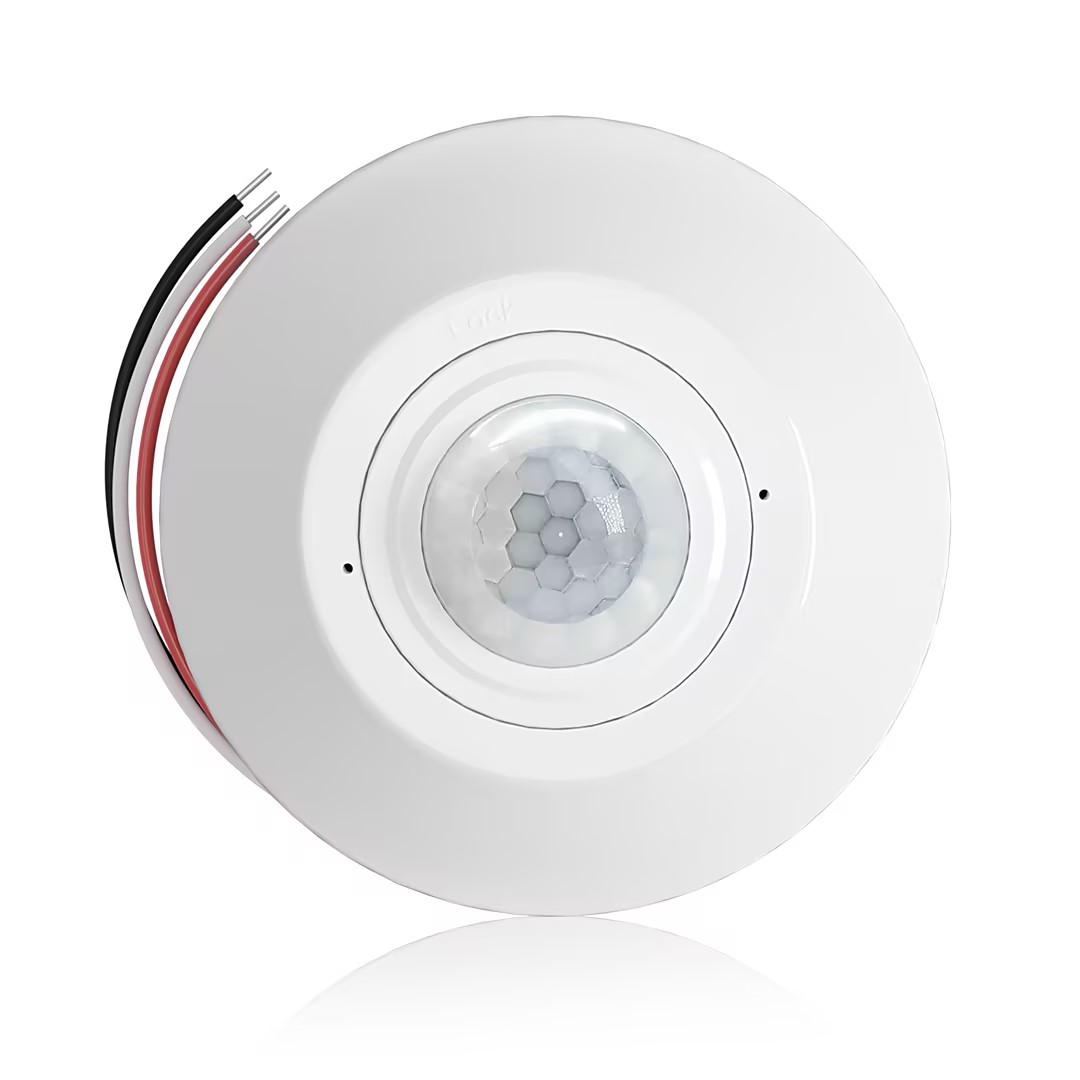
- 無電圧接点リレー出力付き天井取り付け型PIR人感センサー
- 12/24VDCまたは12/24VAC低電圧電源
- EMS、HVAC、および建物制御入力用COM、NO、NC絶縁リレー接点
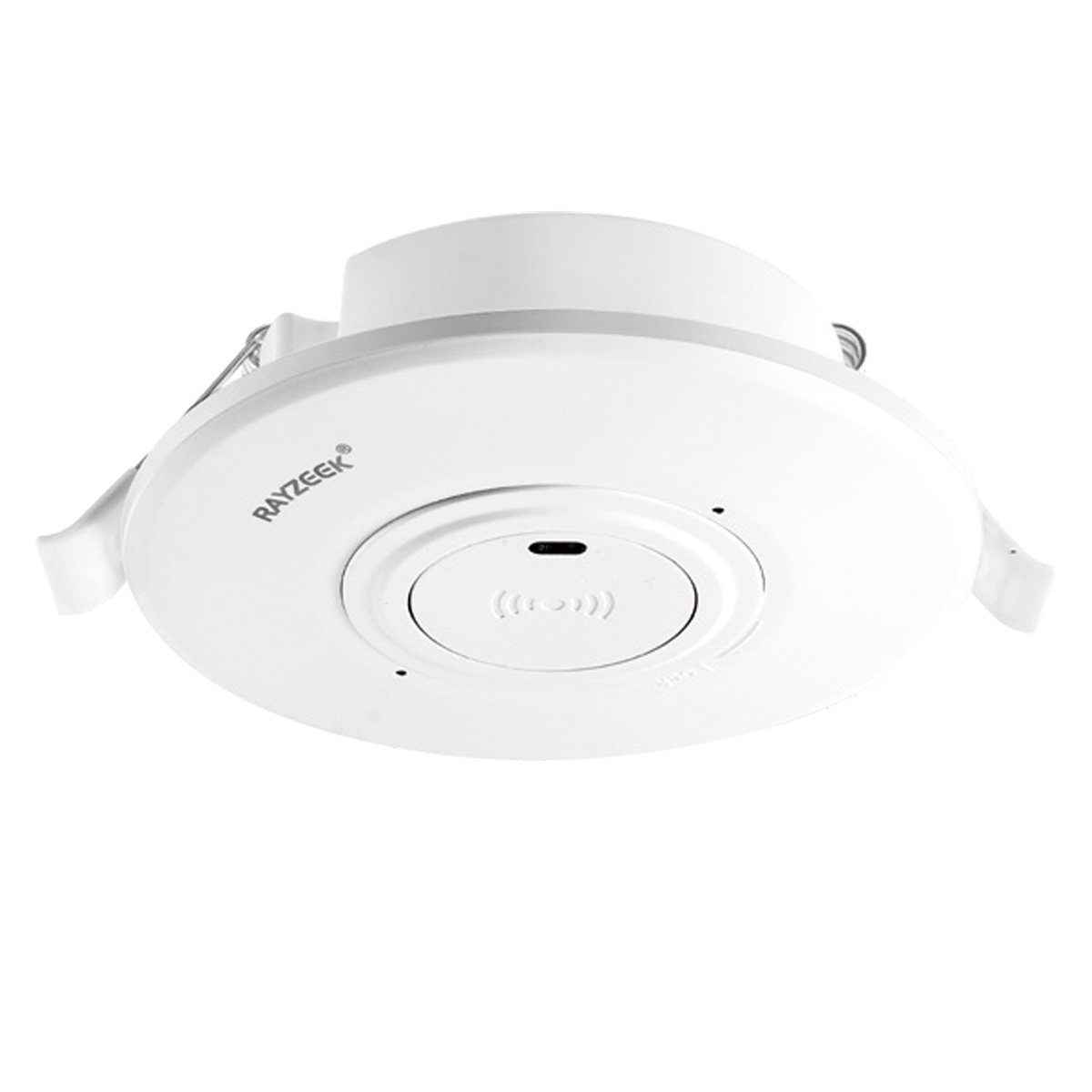
- 低電圧DC天井埋め込み型マイクロ波人感センサースイッチ
- 10~30 VDC範囲の12 VDC / 24 VDC入力
- 調整可能なタイムラグ、照度(Lux)閾値、感度を備えた最大動作電流10A仕様
- 高負荷対応型 埋込型天井取付けマイクロ波人感センサースイッチ
- 100-265 VAC 商用電源入力、10Aモデル
- 調整可能なタイムラグ、照度(Lux)閾値、感度を備えた5.8 GHzマイクロ波検知
- 埋込型天井取付けマイクロ波人感センサースイッチ
- 100-265 VAC商用電圧入力、5Aモデル
- 調整可能なタイムラグ、照度(Lux)閾値、感度を備えた5.8 GHzマイクロ波検知
- 220V電源対応 天井取付けRZ037 PIR(赤外線)人感センサー調光器
- 定格負荷660W、最大動作電流3A
- LUXボタンによる照度センサーのON/OFFおよびユーザー設定の調光明るさ制御
- 110V電源対応 天井取付けRZ037 PIR(赤外線)人感センサー調光器
- 定格負荷330W、最大動作電流3A
- LUXボタンによる照度センサーのON/OFFおよびユーザー設定の調光明るさ制御
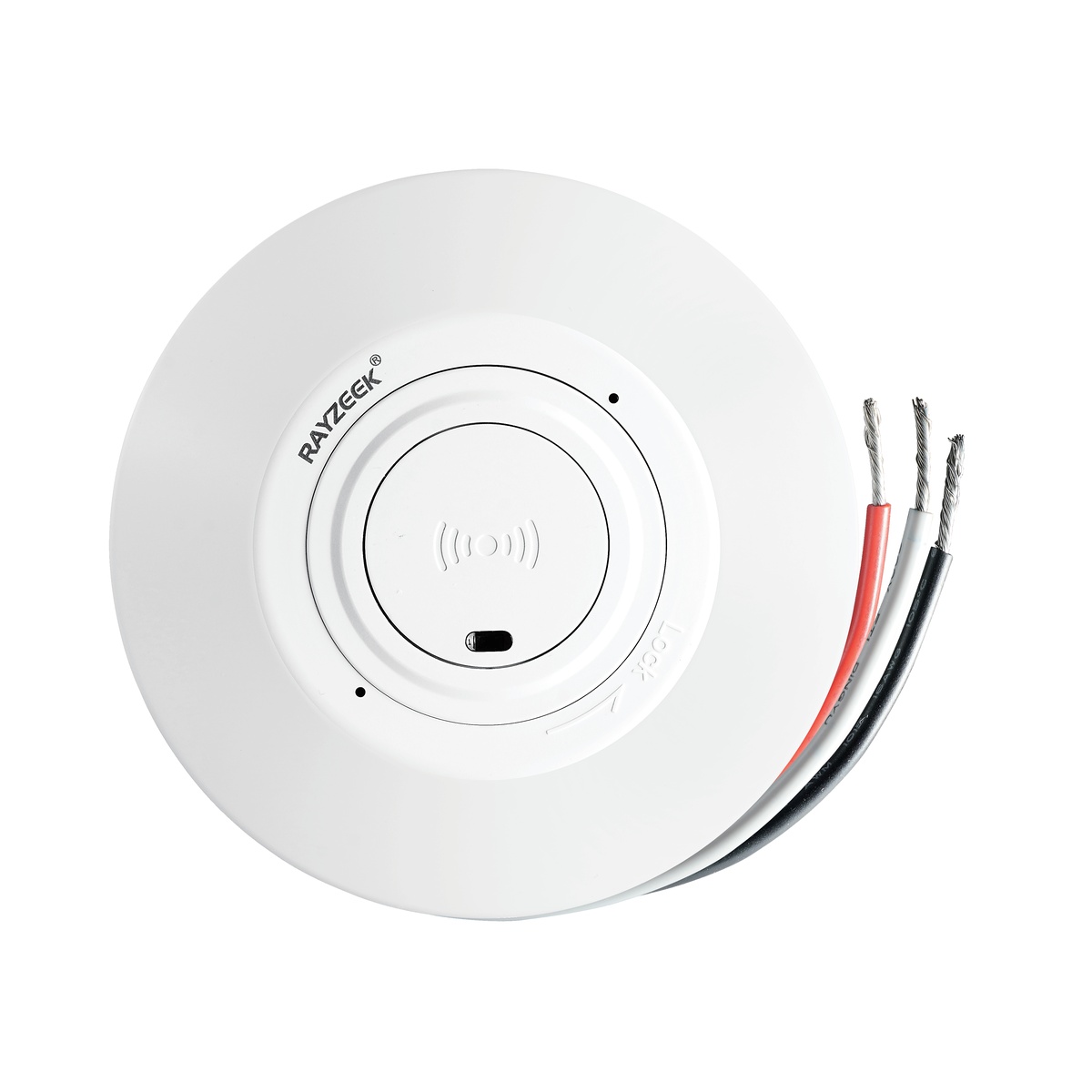
- 低電圧DC対応 天井取付けマイクロ波人感センサースイッチ
- 10~30 VDC範囲の12 VDC / 24 VDC入力
- 調整可能なタイムラグ、照度(Lux)閾値、感度を備えた最大動作電流10A仕様
- 高負荷対応 天井取付型マイクロ波人感センサースイッチ
- 100-265 VAC 商用電源入力、10Aモデル
- 調整可能なタイムラグ、照度(Lux)閾値、感度を備えた5.8 GHzマイクロ波検知
- 天井取り付け型マイクロ波人感センサースイッチ
- 100-265 VAC商用電圧入力、5Aモデル
- 調整可能なタイムラグ、照度(Lux)閾値、感度を備えた5.8 GHzマイクロ波検知
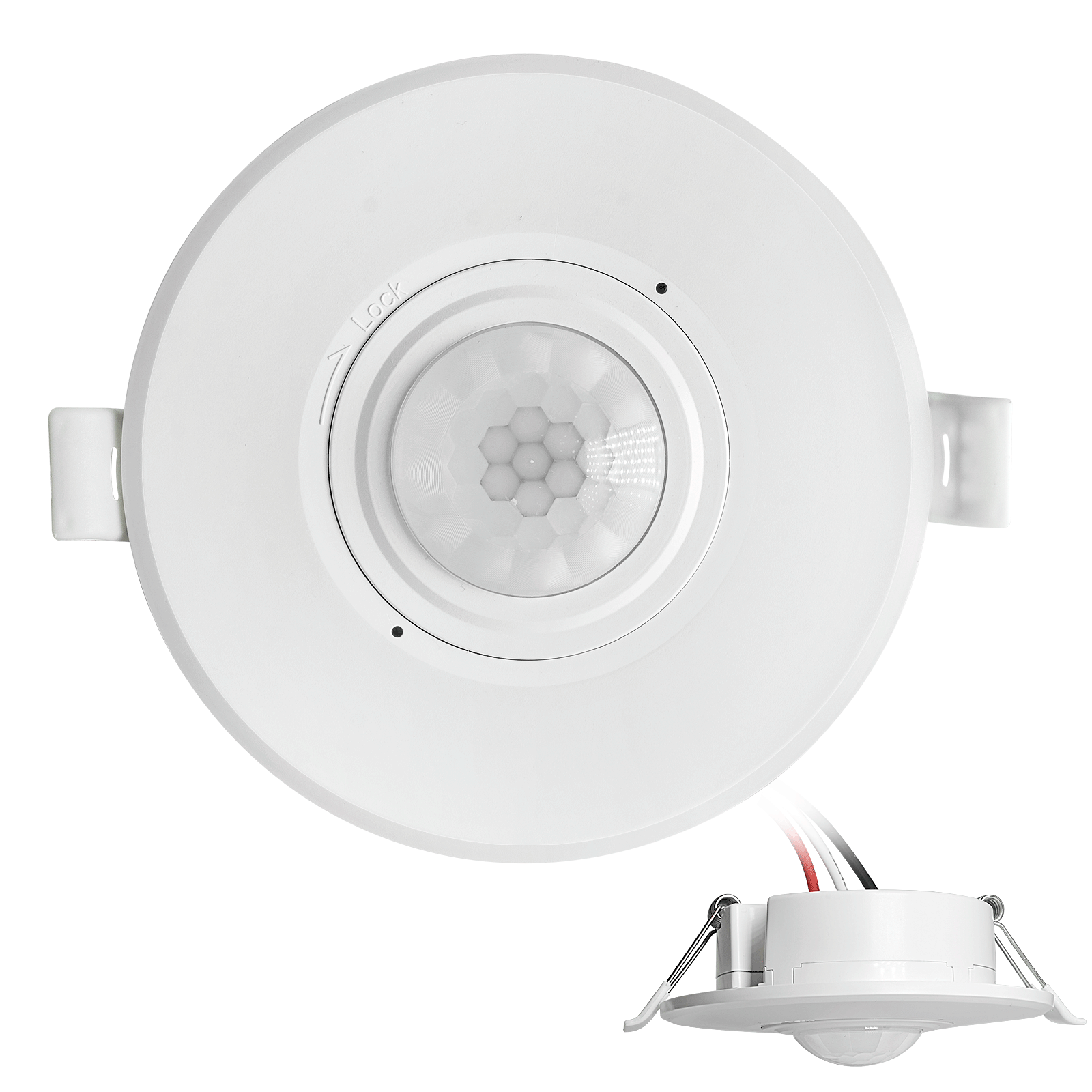
- 低電圧DC埋込型天井PIR人感センサースイッチ
- 10~30 VDC範囲の12 VDC / 24 VDC入力
- 最大動作電流10A(調整可能なタイムラグ、照度閾値、感度設定付き)
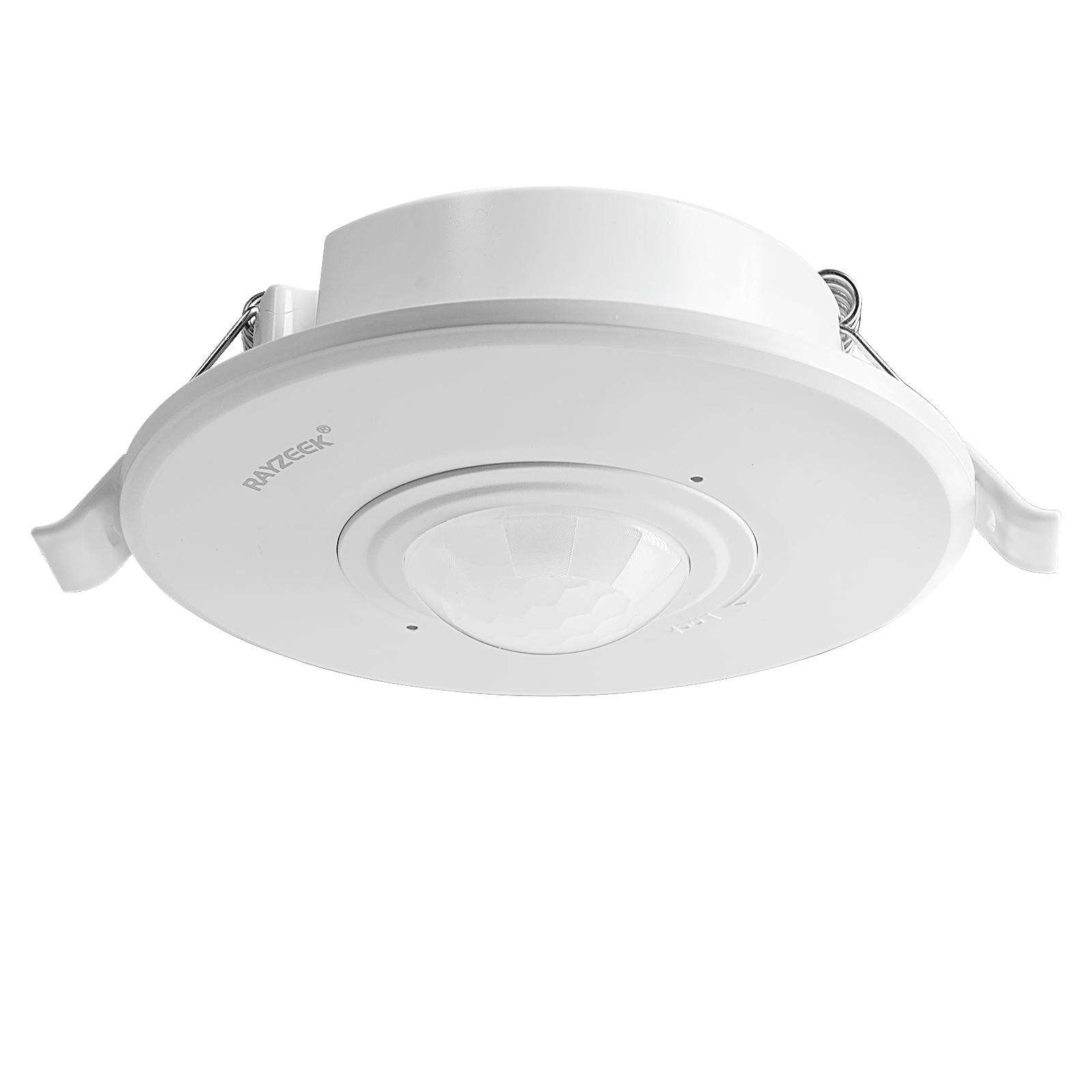
- 高負荷対応 埋込型天井PIR人感センサースイッチ
- 100-265 VAC 商用電源入力、10Aモデル
- 360度検知(調整可能なタイムラグ、照度閾値、感度設定付き)
- 埋込型天井PIR人感センサースイッチ
- 100-265 VAC商用電圧入力、5Aモデル
- 360度検知(調整可能なタイムラグ、照度閾値、感度設定付き)
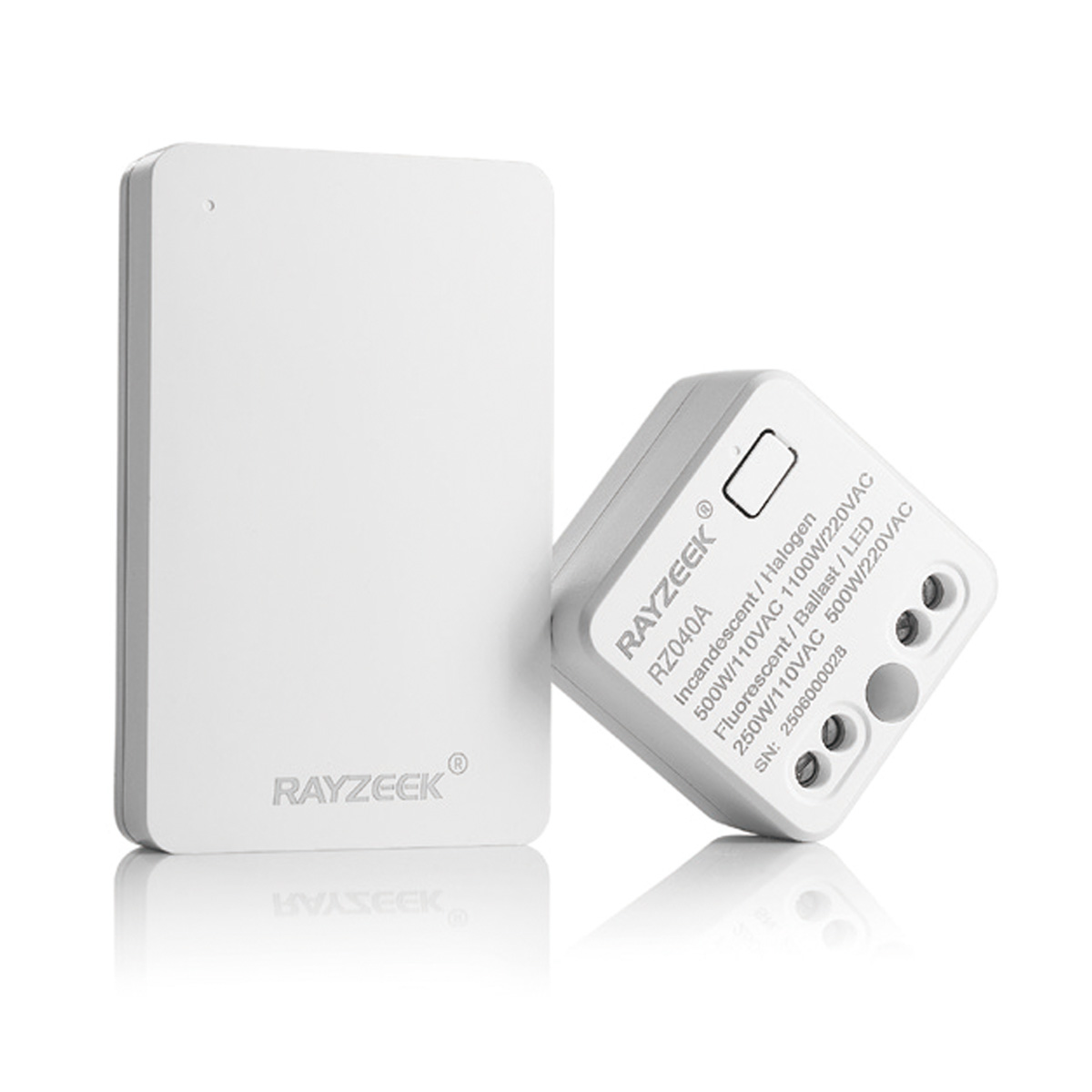
- 屋内用照明ON/OFF制御ワイヤレススイッチ&受信機キット
- 100-230VAC、50/60Hz、定格電流5A受信機
- 2.4GHz通信対応 CR2032電池駆動ワイヤレススイッチ
- Occupancy(自動点灯/自動消灯)
- 12–24V DC (10–30VDC)、最大10A
- 360°検知エリア、直径8–12m
- タイムラグ 15秒–30分
- 照度センサー オフ/15/25/35 Lux
- 高/低感度
- 自動点灯/自動消灯人感モード
- 100–265V AC, 10A(中性線必須)
- 360°検知範囲、検知直径8–12 m
- タイムデレイ15秒–30分、Lux OFF/15/25/35、感度 高/低
- 自動点灯/自動消灯人感モード
- 100–265V AC, 5A(中性線必須)
- 360°検知範囲、検知直径8–12 m
- タイムデレイ15秒–30分、Lux OFF/15/25/35、感度 高/低
Once the coils are exposed, apply coil cleaner and use a soft-bristle brush to gently scrub away the accumulated dirt and grime. Rinse the coils thoroughly with water, ensuring it drains properly into the drain pan below.
人感センサーを活用した省エネソリューションをお探しですか?
PIR人感センサー、人感センサー搭載省エネ製品、人感センサースイッチ、商業施設向けOccupancy/Vacancy(在室/不在)ソリューションについては、お気軽にお問い合わせください。
その blower motor and wheel, located within the air handler, should also be cleaned. Use a vacuum with a brush attachment to remove loose dust and debris, and wipe down the blades with a damp cloth.
その drain pan and line, crucial for preventing water damage, should be inspected and cleaned. Clean the pan with a mild soap solution, and flush the drain line with water and a specialized cleaner to prevent clogs.
Now, let’s move to the outdoor unit, which houses the condenser coils, compressor, and fan. As with split systems, start by removing any large debris from around the unit. Then, apply coil cleaner to the condenser coils and rinse them thoroughly with a garden hose, using moderate pressure. Inspect the fan blades and motor for any signs of damage or wear.
その ductwork, the network of channels that distributes cooled air throughout your home, presents a unique challenge. While homeowners can clean accessible areas, such as registers and grilles, a thorough duct cleaning requires specialized equipment and expertise. Professional duct cleaners use powerful vacuums and brushes to remove accumulated dust, debris, and even mold from within the ductwork. This not only improves indoor air quality but also enhances the efficiency of your central air system.
Advanced Cleaning Techniques for Critical Components
While the basic cleaning steps outlined above will suffice for routine maintenance, there are times when more advanced techniques are necessary to restore your AC to peak performance. These techniques often involve specialized tools and a deeper understanding of the intricacies of each component.
Evaporator Coils
When dealing with heavily soiled evaporator coils, a more potent cleaner might be necessary. Acidic coil cleaners, for instance, are highly effective at removing stubborn buildup but require careful handling due to their corrosive nature. Always follow the manufacturer’s instructions regarding dilution, application, and neutralization. Thorough rinsing is crucial after using acidic cleaners to prevent damage to the coils.
Mold and mildew growth on evaporator coils is another common issue, particularly in humid climates. Specialized mold and mildew removers can be used to address this problem, but it’s equally important to address the underlying cause of the growth, such as excessive moisture or poor airflow. In some cases, installing UV lights within the air handler can help prevent future mold and mildew growth by killing these microorganisms on the coil surface.
Condenser Coils
Bent or damaged condenser coil fins are a common problem that can significantly restrict airflow and reduce efficiency. A specialized tool called a fin comb is used to straighten these delicate fins. Fin combs come in various sizes, corresponding to the spacing between the fins (fins per inch, or FPI). Using the correct size comb, carefully insert it between the fins and gently pull it along the length of the coil to straighten any bent or crushed fins.
Drain Line and Pan
Stubborn clogs in the drain line may require more than just flushing with water. A wet/dry vacuum can be used to apply suction to the end of the drain line and dislodge the blockage. Alternatively, specialized drain line cleaning tools, such as flexible brushes or pressurized gas cartridges, can be used to clear obstructions. To prevent future clogs, consider using drain line cleaner tablets or solutions, which are designed to dissolve accumulated sludge and prevent algae growth.
Blower Wheel and Motor
If you notice squealing or grinding noises coming from the blower motor, it may be a sign that the bearings need lubrication. Some blower motors have oil ports that allow you to add a few drops of specialized oil. However, many modern motors are permanently sealed and do not require lubrication. An unbalanced blower wheel can cause excessive vibration and noise. This is typically a job for a professional, as it requires specialized balancing equipment.
Troubleshooting and Addressing Common AC Problems
Even with meticulous cleaning, air conditioners can still experience problems. Knowing how to troubleshoot these issues can save you time, money, and frustration. Here’s a guide to some common AC problems and their potential solutions:
- Reduced Airflow: If you notice a decrease in the amount of air coming from your vents, the first culprit is often a dirty air filter. Inspect the filter and clean or replace it as needed. Other potential causes include clogged evaporator or condenser coils, blocked vents, or a malfunctioning blower motor. Clean the coils, ensure all vents are open and unobstructed, and inspect the blower motor for any signs of damage or wear.
- Water Leaks: Water leaks can be caused by a variety of factors, including a clogged drain line, a cracked or overflowing drain pan, or frozen evaporator coils. Clear any blockages in the drain line, inspect the drain pan for cracks, and check for ice buildup on the evaporator coils. Frozen coils can be a sign of low refrigerant levels or airflow problems, both of which should be addressed by a professional.
- Insufficient Cooling: If your AC is running but not cooling your home effectively, the problem could be low refrigerant levels, dirty coils, airflow restrictions, or a faulty thermostat. Check for refrigerant leaks (and contact a professional if you suspect one), clean the coils, address any airflow issues, and inspect the thermostat to ensure it’s functioning correctly and set to the desired temperature.
- Strange Noises: Unusual noises, such as rattling, buzzing, or grinding, can indicate a variety of problems. Loose parts, worn bearings, an unbalanced blower wheel, or even compressor issues can all cause strange noises. Inspect the unit for any loose parts and tighten them if necessary. Lubricate blower motor bearings if applicable. If the noise persists, it’s best to contact a professional for diagnosis and repair.
- Electrical Problems: If your AC is tripping the circuit breaker or not turning on at all, there could be an electrical issue. Check the circuit breaker to see if it has tripped, and reset it if necessary. Inspect the wiring for any signs of damage, such as frayed or burnt wires. If you’re not comfortable working with electrical components, it’s best to call a qualified electrician or HVAC technician.
When to Call a Professional: While many AC cleaning and troubleshooting tasks can be performed by homeowners, there are certain situations where it’s crucial to call in a qualified HVAC technician. These include:
- Refrigerant leaks or recharging: Handling refrigerant requires specialized training and certification.
- Electrical problems: Working with electrical components can be dangerous if you’re not qualified.
- Compressor issues: The compressor is a complex and expensive component that should only be serviced by a professional.
- Major repairs or component replacements: If any major components need to be repaired or replaced, it’s best to leave it to the experts.
- When unsure: If you’re unsure about any cleaning or troubleshooting steps, it’s always better to err on the side of caution and call a professional.
Developing a Proactive AC Maintenance Schedule
The key to maximizing your AC’s performance and lifespan is to adopt a proactive maintenance schedule. This involves performing regular cleaning and inspections throughout the year, rather than waiting for problems to arise.
Monthly
- Air Filter: Inspect the air filter every month and clean or replace it as needed. A dirty filter restricts airflow, reduces efficiency, and compromises indoor air quality.
- Outdoor Unit: Check the area around the outdoor unit and remove any debris, such as leaves, twigs, or grass clippings, that could obstruct airflow.
Quarterly
- Drain Line and Pan: Inspect the drain line and pan for clogs or leaks. Flush the drain line with water and a specialized cleaner to prevent blockages.
- Visual Inspection: Visually inspect both the indoor and outdoor units for any signs of damage or wear, such as loose panels, frayed wires, or unusual noises.
Annually
- Deep Cleaning: Perform a thorough deep cleaning of both the indoor and outdoor units, following the steps outlined in this guide. This includes cleaning the evaporator and condenser coils, the blower wheel and motor, and the drain pan and line.
- Professional Tune-Up: Schedule a professional tune-up and inspection with a qualified HVAC technician. This typically includes checking refrigerant levels, inspecting electrical components, cleaning coils, testing system performance, and identifying any potential problems.
Maintenance Log
Keep a detailed log of all maintenance tasks performed, including dates and any issues encountered. This log will serve as a valuable record of your AC’s history and can help identify recurring problems or predict future maintenance needs.
By adhering to a proactive maintenance schedule and staying vigilant for any signs of trouble, you can ensure that your air conditioner remains a reliable source of comfort for years to come. Remember, a well-maintained AC is not just an appliance; it’s an investment in your comfort, your health, and your peace of mind.