
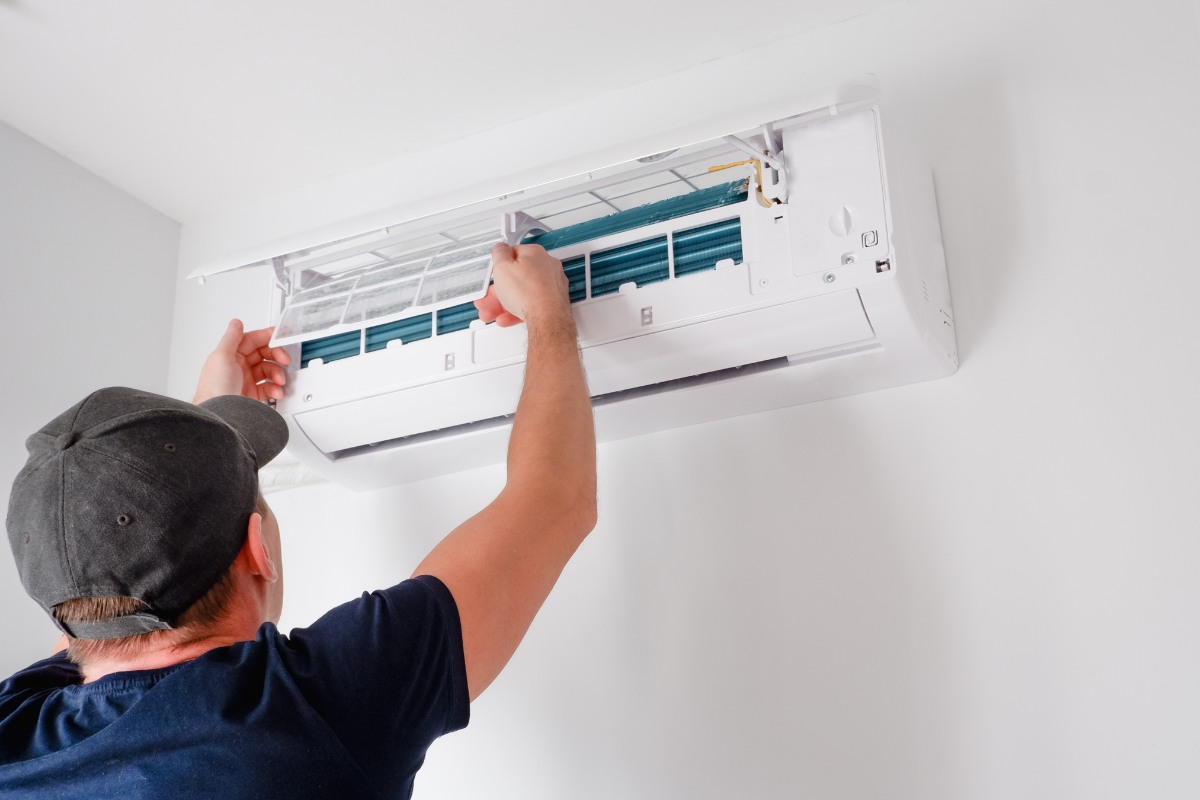
تُعد أجهزة التكييف الأبطال المجهولين للراحة الحديثة، حيث تواجه درجات الحرارة المرتفعة يومًا بعد يوم. ولكن مثل أي آلة تعمل بجد، فإنها تتطلب عناية دقيقة للحفاظ على أعلى مستويات الأداء وتجنب الأعطال المبكرة. وعلى الرغم من أن تغيير الفلتر السريع قد يبدو كافيًا، إلا أن إطالة العمر الافتراضي الحقيقي لجهاز التكييف تعتمد على فهم أعمق للدور الحيوي للتنظيف. لا يتعلق الأمر بالمظهر الخارجي فحسب؛ بل يتعلق بالتفاعل الدقيق بين تدفق الهواء، والتبادل الحراري، والمكونات الحساسة التي تشغل الجهاز. إن إهمال التنظيف العميق يشبه الركض في سباق ماراثون مع ربط أثقال حول الكاحلين – قد يستمر الجهاز في العمل لفترة، ولكنه سينهار في النهاية.
لماذا يُعد التنظيف العميق ضروريًا لإطالة العمر الافتراضي لجهاز التكييف
يتجاوز التنظيف العميق مجرد العناية السطحية. لا يتعلق الأمر بمسح الجزء الخارجي أو تغيير الفلتر فحسب، رغم أهمية هذه الخطوات الأولى. نحن نتحدث عن التعمق في الأجزاء الداخلية لوحدة التكييف، ومعالجة المناطق التي تتراكم فيها الأوساخ والغبار والشحوم لتتسبب في تراجع الكفاءة وتقليل العمر الافتراضي.
تأمل في ملفات المبخر والمكثف، واللذين يشكلان قلب عملية التبريد في جهاز التكييف. هذه الشبكات المعقدة من الزعانف المعدنية مسؤولة عن التبادل الحراري الحيوي الذي يحول الهواء الدافئ والرطب إلى نسيم منعش. ومع مرور الهواء عبر هذه الملفات، تلتصق أتربة، وغبار اللقاح، ووبر الحيوانات الأليفة، والجسيمات الأخرى المحمولة جواً بأسطحها تلقائيًا. ومع مرور الوقت، يشكل هذا التراكم طبقة عازلة تعيق قدرة الملفات على امتصاص الحرارة وتبديدها. والنتيجة؟ يتوجب على جهاز التكييف العمل بجهد أكبر ولمدة أطول للوصول إلى درجة الحرارة المطلوبة، مما يؤدي إلى ارتفاع كبير في استهلاك الطاقة. وقد أظهرت الدراسات أن الملفات المتسخة يمكن أن تقلل من كفاءة جهاز التكييف بنسبة تصل إلى 30%، مما يترجم إلى زيادة كبيرة في فواتير الطاقة.
لكن عواقب إهمال التنظيف العميق تتجاوز نفقاتك المالية بكثير. جهاز التكييف المتسخ والمجهد معرض بدرجة كبيرة لتلف مكوناته مبكرًا. فالـ ضواغط، وهي الجزء الأساسي في النظام، قد تتعرض لارتفاع مفرط في الحرارة أو الاحتراق تحت الضغط. كما قد تتوقف المحركات عن العمل وتتعرض خطوط غاز التبريد للتسريب. هذه ليست مجرد مشكلات بسيطة؛ بل هي إصلاحات مكلفة يمكن تجنبها غالبًا بالصيانة المناسبة. فكر في الأمر على هذا النحو: هل تقود سيارتك لسنوات دون تغيير الزيت؟ المبدأ نفسه ينطبق على جهاز التكييف. التنظيف العميق المنتظم هو إجراء وقائي واستثمار بسيط يجنبك الأعباء المالية الكبيرة في المستقبل.
علاوة على ذلك، تُعد وحدة التكييف النظيفة أمرًا أساسيًا للحفاظ على جودة الهواء الداخلي المثالية. ، فعلى الرغم من أن الفلتر يحجز بعض الجسيمات المحمولة جواً، إلا أن كمية كبيرة من الغبار ومسببات الحساسية وحتى أبواغ العفن يمكنها تجاوز الفلتر والتراكم داخل النظام. وتنتشر هذه الملوثات في جميع أنحاء المنزل في كل مرة يعمل فيها جهاز التكييف، مما قد يؤدي إلى تفاقم مشكلات الجهاز التنفسي والحساسية. يزيل التنظيف العميق هذه الملوثات الخفية، مما يضمن عدم تسبب جهاز التكييف دون قصد في تلوث الهواء الذي تتنفسه.
بينما يعالج التنظيف العميق عدم الكفاءة الناتج عن الأوساخ والغبار، غالبًا ما يتم إغلاق مصدر رئيسي آخر لهدر الطاقة: تشغيل أجهزة التكييف في الغرف غير المشغولة. فحتى أنظف أجهزة التكييف ستستهلك طاقة غير ضرورية إذا تُركت قيد التشغيل في غياب أي شخص للاستفادة منها. وهنا يأتي دور التكنولوجيا الذكية مثل RZ050 Air Conditioner Motion Sensor ، حيث يقوم هذا الجهاز المبتكر بإيقاف تشغيل جهاز التكييف تلقائيًا عند اكتشاف خلو الغرفة، مما يحسن استهلاك الطاقة ويقلل من الأثر البيئي.

RZ050 Air Conditioner Motion Sensor
توقف عن هدر الطاقة في الغرف الفارغة
- يقوم بإيقاف تشغيل جهاز التكييف تلقائيًا عند مغادرتك للغرفة.
- يقلل من فواتير الطاقة بنسبة تصل إلى 50%.
- سهل التركيب ويتوافق مع معظم أجهزة التكييف المجزأة (سبليت).
أنواع أجهزة التكييف: متطلبات وآثار التنظيف
قبل الخوض في تفاصيل عملية التنظيف، من الضروري الإدراك بأن أجهزة التكييف ليست جميعها متماثلة. فالأنواع الرئيسية الثلاثة – الأنظمة المجزأة (سبليت)، ووحدات النافذة، وأنظمة التكييف المركزي – يتميز كل منها بتصميم ومكونات فريدة تؤثر على طريقة وتنفيذ عملية التنظيف.
- الأنظمة المجزأة (سبليت)، كما يتضح من اسمها، تتكون من وحدتين رئيسيتين: وحدة داخلية تضم أنابيب المبخر والمروحة الداخلية، ووحدة خارجية تحتوي على أنابيب المكثف والضاغط ومروحة التبريد.
- وحدات النافذة، في المقابل، تُعد أنظمة مدمجة بذاتها، حيث تقع جميع المكونات داخل هيكل واحد يتم تركيبه في فتحة النافذة.
- أنظمة التكييف المركزي تُعد الأكثر تعقيدًا، إذ تعتمد على شبكة من القنوات (الدكت) لتوزيع الهواء المبرد في جميع أنحاء المبنى. وعادةً ما توجد وحدة معالجة الهواء، التي تحتوي على أنابيب المبخر والمروحة، في القبو أو السطح أو داخل خزانة خاصة، بينما تقع وحدة المكثف في الخارج.
تنعكس هذه الاختلافات في التصميم بشكل مباشر على طريقة التنظيف. فعلى سبيل المثال، يتطلب الوصول إلى أنابيب المبخر في النظام المجزأ (سبليت) إزالة اللوحة الأمامية للوحدة الداخلية، بينما قد يتطلب تنظيف وحدة النافذة فك الجهاز بالكامل من النافذة للوصول إلى مكوناته بدقة. أما أنظمة التكييف المركزي فتفرض تحديًا إضافيًا يتمثل في شبكة القنوات، والتي تتطلب غالبًا استدعاء فنيين متخصصين لتنظيفها نظراً لتعقيدها والحاجة إلى معدات متخصصة. ويُعد فهم هذه الفروق أمرًا أساسيًا للتعامل مع عملية التنظيف بفعالية وأمان.
الأدوات الأساسية وإجراءات السلامة
إن البدء في تنظيف شامل لجهاز التكييف دون توفر الأدوات المناسبة واتباع إجراءات السلامة يُعد أمرًا ينطوي على مخاطر، وقد يؤدي إلى إتلاف الجهاز أو التعرض للإصابة الشخصية. لذا، ينبغي التزود بالأدوات والمعرفة اللازمة قبل البدء في صيانة أو تنظيف وحدة التكييف.
استخدام محاليل التنظيف المناسبة يُعد أمرًا بالغ الأهمية. فبالنسبة للشرائح المعدنية الدقيقة لأنابيب المبخر والمكثف، يُوصى باستخدام محاليل متخصصة منظفات المبادلات الحرارية (اللفائف) هي خيارك الأفضل. وتتوفر هذه المنظفات برغوة أو بدون رغوة، بل وحتى بتركيبات حمضية أو قلوية، حيث يتم تصميم كل منها للتعامل مع مستويات معينة من الاتساخ. فعلى سبيل المثال، يتفوق المنظف الرغوي في التغلغل عميقًا بين زعانف الملف، مما يعمل على تفكيك الأوساخ والأتربة المستعصية. ومن ناحية أخرى، تُعد المنظفات غير الرغوية مثالية للحالات التي يصعب فيها الشطف المكثف. أما المنظفات الحمضية فهي قوية الفعالية، ولكن ينبغي إبقاؤها للملفات شديدة الاتساخ واستخدامها بحذر شديد نظرًا لمكوناتها المسببة للتآكل. احرص دائمًا على اتباع تعليمات الشركة المصنعة بشأن التخفيف وطريقة الاستخدام.
وإلى جانب المنظفات، ستلاحظ حاجتك إلى تشكيلة من الفرش وأمشاط التعديل. تُعد الفرش ذات الشعيرات الناعمة مثالية لتنظيف زعانف الملف بلطف دون إتلافها، بينما يمكن للفرش الأشد صلابة التعامل مع الرواسب الأكثر استعصاءً على المكونات الأخرى. أمشاط تعديل الزعانف هي أدوات لا غنى عنها لتقويم زعانف ملف المكثف الملتوية، وهي مشكلة شائعة يمكن أن تعيق تدفق الهواء بشكل كبير.
ويُعد وجود مصدر مياه مضمون أمرًا أساسيًا بالطبع. حيث يُعد خرطوم الحديقة المزود بإعدادات رش قابلة للتعديل مثاليًا لشطف ملفات المكثف الخارجية، في حين تُعد زجاجات الرش أكثر ملاءمة للمكونات الداخلية الأكثر حساسية. وتُعد مكنسة الشفط الجاف والرطب أداة قيّمة أخرى، ولا سيما لإزالة الرواسب والمياه من الأماكن التي يصعب الوصول إليها. ولا تنسَ الأدوات الأساسية: المفكات، والزرديات، والمفاتيح للوصول إلى المكونات المختلفة، و مصباح يدوي لإضاءة الزوايا المظلمة، و أغطية حماية لحماية المنطقة المحيطة.
والآن، لننتقل إلى موضوع السلامة – the non-negotiable aspect of any AC cleaning endeavor. The most important rule is to always disconnect the power to your AC unit at the circuit breaker before starting any work. This simple act can prevent potentially fatal electrical shocks. Remember, capacitors, even when the power is off, can still hold a significant electrical charge. Discharging them safely requires specific knowledge and tools, so it’s best to leave this task to a qualified technician.
Refrigerant, the lifeblood of your AC, also demands respect. While modern refrigerants are less harmful to the ozone layer than their predecessors, they can still pose health risks if mishandled. Avoid direct contact with refrigerant, and never attempt to recharge or tamper with refrigerant lines yourself. This is strictly the domain of certified HVAC professionals.
Cleaning solutions, while effective, can also be hazardous if not handled properly. Always wear appropriate personal protective equipment (PPE), including chemical-resistant gloves, safety glasses or goggles, and a respirator or dust mask, especially when working with strong cleaners or in dusty environments. Long sleeves and pants will further protect your skin from potential irritants.
Finally, if your cleaning task involves working at heights, such as cleaning the outdoor unit of a split system mounted on a wall or roof, exercise extreme caution. Use a sturdy ladder, ensure it’s properly secured, and have someone assist you if necessary.
احصل على الإلهام من محفظة منتجات مستشعرات الحركة Rayzeek.
لم تجد ما تبحث عنه؟ لا تقلق، فهناك دائمًا طرق بديلة لحل مشكلاتك. ربما تكون إحدى محافظ منتجاتنا هي الحل المناسب.
Deep Cleaning Split System Air Conditioners
Split system air conditioners, with their distinct indoor and outdoor units, require a methodical approach to deep cleaning. Let’s break down the process, starting with the indoor unit.
The evaporator coils, nestled within the indoor unit, are the primary target. Accessing them typically involves removing the front panel, which is usually secured by screws or clips. Refer to your unit’s manual for specific instructions, as the design can vary between models. Once the panel is off, you’ll have a clear view of the evaporator coils, often covered by a protective metal mesh.
With the coils exposed, it’s time to apply the coil cleaner. Spray the cleaner evenly over the coil surface, ensuring it penetrates deep into the fins. Allow the cleaner to foam and work its magic for the recommended time, typically 10-15 minutes. During this time, the cleaner will loosen and dissolve the accumulated dirt and grime. Next, use a soft-bristle brush to gently scrub the coils, working in the direction of the fins to avoid bending them. Finally, rinse the coils thoroughly with water, using a spray bottle or a low-pressure hose. Ensure the water drains properly into the drain pan below.
While you’re inside the unit, take the opportunity to clean the air filter. Remove the filter and, depending on the type, either wash it with mild soap and water or replace it with a new one. A clean filter is crucial for maintaining good airflow and indoor air quality.
The blower wheel, responsible for circulating the cooled air, can also accumulate a significant amount of dust. If accessible, use a vacuum with a brush attachment to remove loose debris, followed by a damp cloth to wipe down the blades.
The drain pan and line, often overlooked, are vital for preventing water damage. Inspect the drain pan for any cracks or leaks, and clean it with a mild soap solution. Flush the drain line with water and a specialized drain line cleaner to prevent clogs, which can lead to water backing up and potentially damaging your home. A wet/dry vacuum can be used to clear minor blockages.
Now, let’s move to the outdoor unit. The condenser coils, located on the back or side of the unit, are exposed to the elements and tend to accumulate a lot of debris. Start by removing any large debris, such as leaves, twigs, or grass clippings, by hand or with a soft brush. Then, apply the coil cleaner, allowing it to penetrate the dirt and grime. Rinse the coils thoroughly with a garden hose, using moderate pressure. Avoid using a high-pressure setting, as it can damage the delicate fins. While you’re at it, inspect the fan blades and motor for any signs of damage or wear.
Deep Cleaning Window Air Conditioners
Window air conditioners, being self-contained units, present a slightly different cleaning challenge. While some minor cleaning can be done with the unit in place, a truly deep clean often necessitates removing it from the window. This can be a two-person job, as window units can be heavy and awkward to handle.
Once the unit is safely removed and placed on a stable surface, you can begin disassembling it. This typically involves removing the front grille, the filter, and various panels to access the internal components. Again, consult your unit’s manual for specific instructions, as designs can vary.
With the unit disassembled, you’ll have access to both the ملفات المبخر والمكثف. Apply coil cleaner to both sets of coils, and use a soft-bristle brush to gently scrub away the dirt and grime. Rinse the coils thoroughly with water, ensuring proper drainage.
The air filter, usually located behind the front grille, should be cleaned or replaced. Washable filters can be cleaned with mild soap and water, while disposable filters should be replaced regularly.
The blower wheel and fan, responsible for circulating air, should also be cleaned. Use a vacuum with a brush attachment to remove loose dust and debris, followed by a damp cloth to wipe down the blades.
Inspect the drain pan and channels for any clogs or leaks. Clean the pan with a mild soap solution, and flush the drain channels with water to ensure proper drainage.
Once all components are clean, carefully reassemble the unit, ensuring all panels and screws are properly secured. Reinstall the unit in the window, making sure it’s properly sealed and supported.
Deep Cleaning Central Air Conditioning Systems
Central air conditioning systems, with their extensive ductwork and multiple components, require a more comprehensive approach to deep cleaning. While homeowners can tackle some aspects of the cleaning process, certain tasks, particularly duct cleaning, are best left to qualified HVAC professionals.
Let’s start with the air handler, the indoor unit that houses the evaporator coils and blower. Accessing the evaporator coils typically involves removing an access panel, which may be secured by screws or clips. This can be a more challenging task than with split or window units, as air handlers are often located in cramped spaces like attics or closets.
قد تكون مهتمًا بـ
- الجهد الكهربائي: بطاريتان AAA
- وضع النهار/الليل
- التأخير الزمني: 15 دقيقة، 30 دقيقة، ساعة واحدة (افتراضي)، ساعتان

- مستشعر إشغال PIR للسقف مع مخرج مرحل اتصال جاف
- مصدر إمداد بالطاقة منخفض الجهد 12/24VDC أو 12/24VAC
- ملامسات مرحل معزولة (COM وNO وNC) لمدخلات التحكم في أنظمة إدارة الطاقة (EMS) والتدفئة والتهوية وتكييف الهواء (HVAC) وإدارة المباني

- مفتاح مستشعر الحركة بالموجات الدقيقة بجهد منخفض من التيار المستمر (DC) للتركيب الغاطس في السقف
- دخل 12 VDC / 24 VDC مع نطاق من 10 إلى 30 VDC
- تيار تشغيل أقصى 10A مع تأخير زمني قابل للتعديل، وعتبة إضاءة (Lux)، وحساسية قابلة للضبط
- مفتاح مستشعر الحركة بالموجات الدقيقة للأحمال العالية للتركيب الغاطس في السقف
- دخل جهد الخط 100-265 VAC، طراز 10A
- استشعار بالموجات الدقيقة بتردد 5.8 GHz مع تأخير زمني قابل للتعديل، وعتبة إضاءة (Lux)، وحساسية قابلة للضبط
- مفتاح مستشعر الحركة بالموجات الدقيقة للتركيب الغاطس في السقف
- دخل جهد الخط 100-265 VAC، طراز 5A
- استشعار بالموجات الدقيقة بتردد 5.8 GHz مع تأخير زمني قابل للتعديل، وعتبة إضاءة (Lux)، وحساسية قابلة للضبط
- خافض إضاءة بمستشعر الإشغال RZ037 PIR للتركيب السقفي بقدرة جهد 220V
- تيار تشغيل أقصى 3A مع حمل مقدر يبلغ 660W
- زر LUX للتحكم في تشغيل/إيقاف مستشعر الضوء ومستوى سطوع خفت الإضاءة المحدد من قبل المستخدم
- خافض إضاءة بمستشعر الإشغال RZ037 PIR للتركيب السقفي بقدرة جهد 110V
- تيار تشغيل أقصى 3A مع حمل مقدر يبلغ 330W
- زر LUX للتحكم في تشغيل/إيقاف مستشعر الضوء ومستوى سطوع خفت الإضاءة المحدد من قبل المستخدم

- مفتاح مستشعر حركة ميكروويف لسقف، يعمل بالتيار المستمر منخفض الجهد
- دخل 12 VDC / 24 VDC مع نطاق من 10 إلى 30 VDC
- تيار تشغيل أقصى 10A مع تأخير زمني قابل للتعديل، وعتبة إضاءة (Lux)، وحساسية قابلة للضبط
- مفتاح مستشعر حركة ميكروويف لسقف ذو حمل أعلى
- دخل جهد الخط 100-265 VAC، طراز 10A
- استشعار بالموجات الدقيقة بتردد 5.8 GHz مع تأخير زمني قابل للتعديل، وعتبة إضاءة (Lux)، وحساسية قابلة للضبط
- مفتاح مستشعر حركة ميكروويف لسقف
- دخل جهد الخط 100-265 VAC، طراز 5A
- استشعار بالموجات الدقيقة بتردد 5.8 GHz مع تأخير زمني قابل للتعديل، وعتبة إضاءة (Lux)، وحساسية قابلة للضبط

- مفتاح حساس الحركة للأشعة تحت الحمراء PIR المدمج للسقف يعمل بالتيار المستمر منخفض الجهد
- دخل 12 VDC / 24 VDC مع نطاق من 10 إلى 30 VDC
- أقصى تيار تشغيل 10A مع تأخير زمني قابل للتعديل وعتبة إضاءة (Lux) وحساسية قابلتين للتعديل

- مفتاح حساس الحركة للأشعة تحت الحمراء PIR المدمج للسقف للأحمال العالية
- دخل جهد الخط 100-265 VAC، طراز 10A
- كشف بزاوية 360 درجة مع تأخير زمني قابل للتعديل وعتبة إضاءة (Lux) وحساسية قابلتين للتعديل
- مفتاح حساس الحركة للأشعة تحت الحمراء PIR المدمج للسقف
- دخل جهد الخط 100-265 VAC، طراز 5A
- كشف بزاوية 360 درجة مع تأخير زمني قابل للتعديل وعتبة إضاءة (Lux) وحساسية قابلتين للتعديل

- طقم مفتاح ومستقبل لاسلكي للتحكم في تشغيل وإيقاف الإضاءة الداخلية
- مستقبل 100-230VAC، 50/60Hz بتيار مقدر 5A
- مفتاح لاسلكي يعمل ببطارية CR2032 مع اتصال بتردد 2.4GHz
- مستشعر شغور (تشغيل تلقائي/إيقاف تلقائي)
- 12–24V DC (10–30VDC)، حتى 10A
- تغطية 360 درجة، بقطر 8–12 م
- تأخير زمني من 15 ثانية إلى 30 دقيقة
- مستشعر إضاءة: إيقاف/15/25/35 لوكس
- حساسية عالية/منخفضة
- وضع الشغور بتشغيل تلقائي/إيقاف تلقائي
- 100–265V AC، 10A (يتطلب خط محايد)
- تغطية 360 درجة؛ قطر الكشف 8–12 م
- تأخير زمني من 15 ثانية إلى 30 دقيقة؛ شدة الإضاءة: إيقاف/15/25/35 لوكس؛ الحساسية: عالية/منخفضة
- وضع الشغور بتشغيل تلقائي/إيقاف تلقائي
- 100–265V AC, 5A (neutral required)
- تغطية 360 درجة؛ قطر الكشف 8–12 م
- تأخير زمني من 15 ثانية إلى 30 دقيقة؛ شدة الإضاءة: إيقاف/15/25/35 لوكس؛ الحساسية: عالية/منخفضة
Once the coils are exposed, apply coil cleaner and use a soft-bristle brush to gently scrub away the accumulated dirt and grime. Rinse the coils thoroughly with water, ensuring it drains properly into the drain pan below.
هل تبحث عن حلول لتوفير الطاقة تعمل بالحركة؟
تواصل معنا للحصول على أجهزة استشعار الحركة PIR بالكامل، والمنتجات الموفرة للطاقة والتي تعمل بالحركة، ومفاتيح أجهزة استشعار الحركة، والحلول التجارية للإشغال/الشاغر.
The blower motor and wheel, located within the air handler, should also be cleaned. Use a vacuum with a brush attachment to remove loose dust and debris, and wipe down the blades with a damp cloth.
The drain pan and line, crucial for preventing water damage, should be inspected and cleaned. Clean the pan with a mild soap solution, and flush the drain line with water and a specialized cleaner to prevent clogs.
Now, let’s move to the outdoor unit, which houses the condenser coils, compressor, and fan. As with split systems, start by removing any large debris from around the unit. Then, apply coil cleaner to the condenser coils and rinse them thoroughly with a garden hose, using moderate pressure. Inspect the fan blades and motor for any signs of damage or wear.
The ductwork, the network of channels that distributes cooled air throughout your home, presents a unique challenge. While homeowners can clean accessible areas, such as registers and grilles, a thorough duct cleaning requires specialized equipment and expertise. Professional duct cleaners use powerful vacuums and brushes to remove accumulated dust, debris, and even mold from within the ductwork. This not only improves indoor air quality but also enhances the efficiency of your central air system.
Advanced Cleaning Techniques for Critical Components
While the basic cleaning steps outlined above will suffice for routine maintenance, there are times when more advanced techniques are necessary to restore your AC to peak performance. These techniques often involve specialized tools and a deeper understanding of the intricacies of each component.
Evaporator Coils
When dealing with heavily soiled evaporator coils, a more potent cleaner might be necessary. Acidic coil cleaners, for instance, are highly effective at removing stubborn buildup but require careful handling due to their corrosive nature. Always follow the manufacturer’s instructions regarding dilution, application, and neutralization. Thorough rinsing is crucial after using acidic cleaners to prevent damage to the coils.
Mold and mildew growth on evaporator coils is another common issue, particularly in humid climates. Specialized mold and mildew removers can be used to address this problem, but it’s equally important to address the underlying cause of the growth, such as excessive moisture or poor airflow. In some cases, installing UV lights within the air handler can help prevent future mold and mildew growth by killing these microorganisms on the coil surface.
Condenser Coils
Bent or damaged condenser coil fins are a common problem that can significantly restrict airflow and reduce efficiency. A specialized tool called a fin comb is used to straighten these delicate fins. Fin combs come in various sizes, corresponding to the spacing between the fins (fins per inch, or FPI). Using the correct size comb, carefully insert it between the fins and gently pull it along the length of the coil to straighten any bent or crushed fins.
Drain Line and Pan
Stubborn clogs in the drain line may require more than just flushing with water. A wet/dry vacuum can be used to apply suction to the end of the drain line and dislodge the blockage. Alternatively, specialized drain line cleaning tools, such as flexible brushes or pressurized gas cartridges, can be used to clear obstructions. To prevent future clogs, consider using drain line cleaner tablets or solutions, which are designed to dissolve accumulated sludge and prevent algae growth.
Blower Wheel and Motor
If you notice squealing or grinding noises coming from the blower motor, it may be a sign that the bearings need lubrication. Some blower motors have oil ports that allow you to add a few drops of specialized oil. However, many modern motors are permanently sealed and do not require lubrication. An unbalanced blower wheel can cause excessive vibration and noise. This is typically a job for a professional, as it requires specialized balancing equipment.
Troubleshooting and Addressing Common AC Problems
Even with meticulous cleaning, air conditioners can still experience problems. Knowing how to troubleshoot these issues can save you time, money, and frustration. Here’s a guide to some common AC problems and their potential solutions:
- انخفاض تدفق الهواء: If you notice a decrease in the amount of air coming from your vents, the first culprit is often a dirty air filter. Inspect the filter and clean or replace it as needed. Other potential causes include clogged evaporator or condenser coils, blocked vents, or a malfunctioning blower motor. Clean the coils, ensure all vents are open and unobstructed, and inspect the blower motor for any signs of damage or wear.
- تسرب المياه: Water leaks can be caused by a variety of factors, including a clogged drain line, a cracked or overflowing drain pan, or frozen evaporator coils. Clear any blockages in the drain line, inspect the drain pan for cracks, and check for ice buildup on the evaporator coils. Frozen coils can be a sign of low refrigerant levels or airflow problems, both of which should be addressed by a professional.
- Insufficient Cooling: If your AC is running but not cooling your home effectively, the problem could be low refrigerant levels, dirty coils, airflow restrictions, or a faulty thermostat. Check for refrigerant leaks (and contact a professional if you suspect one), clean the coils, address any airflow issues, and inspect the thermostat to ensure it’s functioning correctly and set to the desired temperature.
- Strange Noises: Unusual noises, such as rattling, buzzing, or grinding, can indicate a variety of problems. Loose parts, worn bearings, an unbalanced blower wheel, or even compressor issues can all cause strange noises. Inspect the unit for any loose parts and tighten them if necessary. Lubricate blower motor bearings if applicable. If the noise persists, it’s best to contact a professional for diagnosis and repair.
- Electrical Problems: If your AC is tripping the circuit breaker or not turning on at all, there could be an electrical issue. Check the circuit breaker to see if it has tripped, and reset it if necessary. Inspect the wiring for any signs of damage, such as frayed or burnt wires. If you’re not comfortable working with electrical components, it’s best to call a qualified electrician or HVAC technician.
When to Call a Professional: While many AC cleaning and troubleshooting tasks can be performed by homeowners, there are certain situations where it’s crucial to call in a qualified HVAC technician. These include:
- Refrigerant leaks or recharging: Handling refrigerant requires specialized training and certification.
- Electrical problems: Working with electrical components can be dangerous if you’re not qualified.
- Compressor issues: The compressor is a complex and expensive component that should only be serviced by a professional.
- Major repairs or component replacements: If any major components need to be repaired or replaced, it’s best to leave it to the experts.
- When unsure: If you’re unsure about any cleaning or troubleshooting steps, it’s always better to err on the side of caution and call a professional.
Developing a Proactive AC Maintenance Schedule
The key to maximizing your AC’s performance and lifespan is to adopt a proactive maintenance schedule. This involves performing regular cleaning and inspections throughout the year, rather than waiting for problems to arise.
Monthly
- Air Filter: Inspect the air filter every month and clean or replace it as needed. A dirty filter restricts airflow, reduces efficiency, and compromises indoor air quality.
- Outdoor Unit: Check the area around the outdoor unit and remove any debris, such as leaves, twigs, or grass clippings, that could obstruct airflow.
Quarterly
- Drain Line and Pan: Inspect the drain line and pan for clogs or leaks. Flush the drain line with water and a specialized cleaner to prevent blockages.
- Visual Inspection: Visually inspect both the indoor and outdoor units for any signs of damage or wear, such as loose panels, frayed wires, or unusual noises.
Annually
- Deep Cleaning: Perform a thorough deep cleaning of both the indoor and outdoor units, following the steps outlined in this guide. This includes cleaning the evaporator and condenser coils, the blower wheel and motor, and the drain pan and line.
- Professional Tune-Up: Schedule a professional tune-up and inspection with a qualified HVAC technician. This typically includes checking refrigerant levels, inspecting electrical components, cleaning coils, testing system performance, and identifying any potential problems.
Maintenance Log
Keep a detailed log of all maintenance tasks performed, including dates and any issues encountered. This log will serve as a valuable record of your AC’s history and can help identify recurring problems or predict future maintenance needs.
By adhering to a proactive maintenance schedule and staying vigilant for any signs of trouble, you can ensure that your air conditioner remains a reliable source of comfort for years to come. Remember, a well-maintained AC is not just an appliance; it’s an investment in your comfort, your health, and your peace of mind.







