
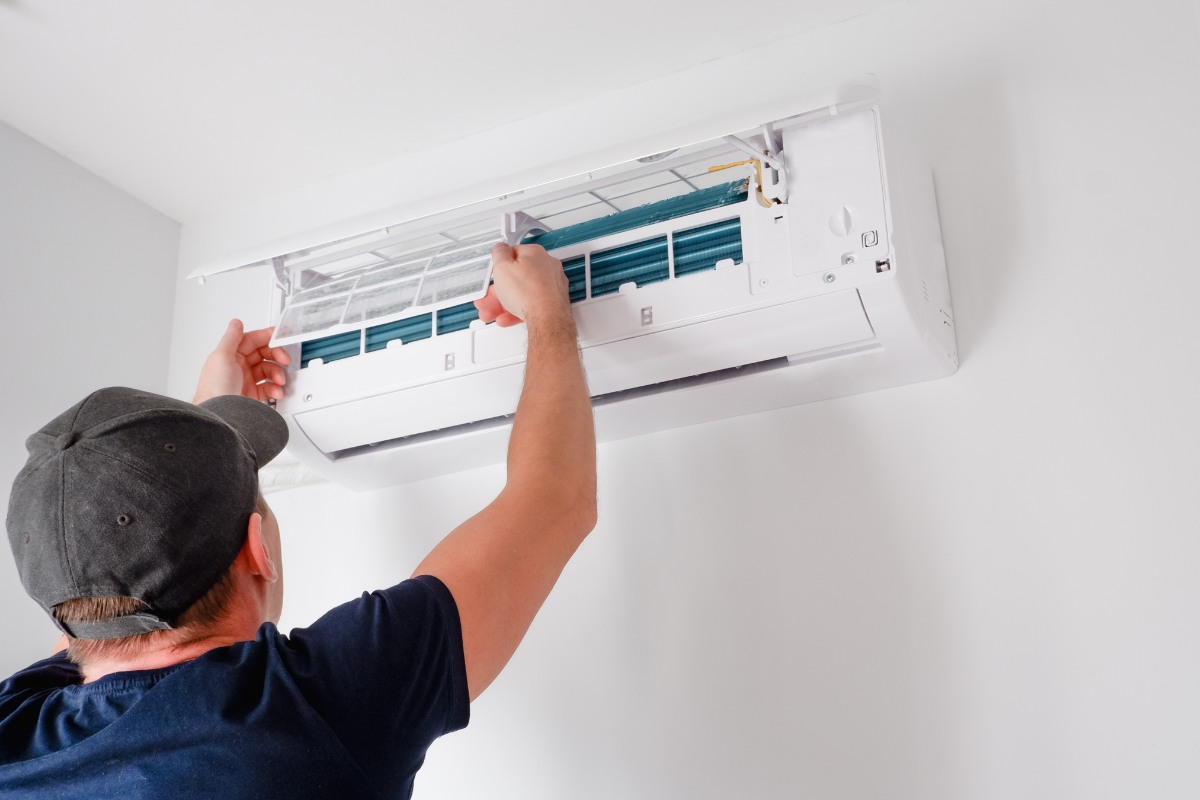
Кондиционеры — это незаметные герои современного комфорта, изо дня в день спасающие нас от зноя. Однако, как и любой усердно работающий механизм, они требуют тщательного ухода для поддержания максимальной производительности и предотвращения преждевременного выхода из строя. Хотя быстрая замена фильтра может показаться достаточной, истинная долговечность кондиционера зависит от глубокого понимания ключевой роли чистки. Дело не в эстетике; речь идет о сложном взаимодействии между воздушным потоком, теплообменом и хрупкими компонентами, обеспечивающими работу вашего кондиционера. Пренебрежение глубокой чисткой равносильно бегу на марафонскую дистанцию с утяжелителями на лодыжках: какое-то время это может работать, но в конечном итоге что-то выйдет из строя.
Почему глубокая чистка критически важна для долговечности кондиционера
Глубокая чистка выходит далеко за рамки поверхностной. Это не просто протирка корпуса или замена фильтра, хотя эти действия и являются важными первыми шагами. Речь идет о проникновении во внутренние узлы вашего кондиционера и обработке зон, где накапливаются грязь, пыль и налет, разрушающие эффективность и сокращающие срок службы оборудования.
Рассмотрите змеевики испарителя и конденсатора, являющиеся самым сердцем процесса охлаждения в вашем кондиционере. Эти сложные системы металлических ребер отвечают за важнейший теплообмен, превращающий теплый и влажный воздух в освежающий бриз. По мере прохождения воздуха через змеевики пыль, пыльца, шерсть домашних животных и другие витающие в воздухе частицы неизбежно оседают на их поверхности. Со временем эти отложения образуют теплоизоляционный слой, препятствующий способности змеевиков поглощать и рассеивать тепло. Результат? Вашему кондиционеру приходится работать интенсивнее и дольше для достижения заданной температуры, что приводит к значительному скачку энергопотребления. Исследования показывают, что загрязненные змеевики могут снизить эффективность кондиционера на величину до 30%, что выливается в ощутимый рост ваших счетов за электроэнергию.
Однако последствия игнорирования глубокой чистки распространяются далеко за пределы вашего кошелька. Грязный, перегруженный кондиционер — главный кандидат на преждевременную поломку комплектующих. Компрессор, являющийся основным рабочим узлом системы, может перегреться и сгореть под высокой нагрузкой. Электродвигатели могут заклинить, а в фреоновых магистралях могут возникнуть утечки. Это не мелкие неудобства, а дорогостоящий ремонт, которого часто можно избежать при надлежащем техническом обслуживании. Представьте это так: стали бы вы эксплуатировать автомобиль годами без замены масла? Тот же принцип применим и к вашему кондиционеру. Регулярная глубокая чистка — это профилактическая мера и небольшая инвестиция, способная избавиться от серьезных финансовых проблем в будущем.
Кроме того, чистый кондиционер необходим для поддержания оптимального качества воздуха в помещении. Хотя фильтр и улавливает часть витающих в воздухе частиц, значительное количество пыли, аллергенов и даже спор плесени может обходить его и скапливаться внутри системы. Затем эти загрязнения циркулируют по всему вашему дому при каждом включении кондиционера, что может усугублять проблемы с дыханием и аллергические реакции. Глубокая чистка удаляет эти скрытые загрязнители, гарантируя, что ваш кондиционер непреднамеренно не ухудшает воздух, которым вы дышите.
В то время как глубокая чистка устраняет неэффективность, вызванную грязью и налетом, другой значительный источник перерасхода энергии часто остается без внимания: работа кондиционеров в пустых комнатах. Даже самый чистый кондиционер будет расходовать лишнюю электроэнергию, если останется включенным, когда рядом никого нет. Именно здесь на помощь приходят интеллектуальные технологии, такие как RZ050 Air Conditioner Motion Sensor . Это инновационное устройство автоматически выключает ваш кондиционер при обнаружении отсутствия людей в помещении, дополнительно оптимизируя энергопотребление и снижая воздействие на окружающую среду.

RZ050 Air Conditioner Motion Sensor
Прекратите тратить энергию на пустые комнаты
- Автоматически выключает ваш кондиционер, когда вы выходите из комнаты.
- Снижает счета за электроэнергию до 50%.
- Простота установки и совместимость с большинством сплит-систем.
Типы кондиционеров: особенности очистки
Прежде чем перейти к подробностям очистки, важно понимать, что кондиционеры бывают разных типов. Три основные разновидности — сплит-системы, оконные кондиционеры и центральные системы кондиционирования — имеют уникальную конструкцию и компоненты, которые влияют на процесс очистки.
- Сплит-системы, как следует из названия, состоят из двух основных блоков: внутреннего блока, в котором расположены змеевики испарителя и вентилятор, и внешнего блока, содержащего змеевики конденсатора, компрессор и вентилятор.
- Оконные кондиционеры, напротив, представляют собой моноблочные устройства, все компоненты которых размещены в едином корпусе, устанавливаемом в оконный проем.
- Центральные системы кондиционирования являются наиболее сложными и используют сеть воздуховодов для распределения охлажденного воздуха по всему зданию. Внутренний блок (приточная установка), содержащий змеевики испарителя и вентилятор, обычно располагается в подвале, на чердаке или в техническом шкафу, тогда как конденсаторный блок находится на улице.
Эти конструктивные различия существенным образом влияют на процесс очистки. Например, для доступа к змеевикам испарителя в сплит-системе часто требуется снять переднюю панель внутреннего блока, тогда как очистка оконного кондиционера может потребовать полного демонтажа устройства из окна для обеспечения полноценного доступа. Центральные системы кондиционирования создают дополнительную сложность из-за наличия воздуховодов, очистка которых обычно требует участия специалистов в силу сложности и необходимости применения специализированного оборудования. Понимание этих нюансов критически важно для эффективной и безопасной очистки.
Необходимые инструменты и меры безопасности
Приступать к глубокой очистке кондиционера без надлежащих инструментов и соблюдения мер безопасности — все равно что отправляться в плавание без карты и компаса. Это может привести к неудовлетворительному результату, повреждению оборудования и даже к травмам. Поэтому, прежде чем приступать к обслуживанию кондиционера, необходимо подготовить всё необходимое оснащение и изучить правила техники безопасности.
Правильно подобранные чистящие средства имеют первостепенное значение. Для хрупких ребер испарителя и змеевиков конденсатора применяются специализированные очистители змеевиков are your best bet. These come in various formulations, from foaming to non-foaming, and even acidic to alkaline, each designed for specific levels of soiling. A foaming cleaner, for instance, excels at penetrating deep into the coil fins, loosening stubborn dirt and grime. Non-foaming cleaners, on the other hand, are ideal for situations where excessive rinsing is difficult. Acidic cleaners are powerful but should be reserved for heavily soiled coils and used with extreme caution, as they can be corrosive. Always follow the manufacturer’s instructions regarding dilution and application.
Beyond cleaners, you will need an assortment of brushes and combs. Soft-bristle brushes are perfect for gently scrubbing the coil fins without causing damage, while stiffer brushes can tackle more stubborn debris on other components. Fin combs are indispensable tools for straightening bent condenser coil fins, a common issue that can significantly restrict airflow.
A reliable water source is, of course, essential. A garden hose with adjustable spray settings is ideal for rinsing the outdoor condenser coils, while spray bottles are better suited for the more delicate indoor components. A wet/dry vacuum is another valuable asset, particularly for removing debris and water from hard-to-reach areas. And don’t forget the basics: screwdrivers, pliers, and wrenches for accessing various components, a flashlight for illuminating dark corners, and drop cloths to protect your surroundings.
Now, let’s talk safety – the non-negotiable aspect of any AC cleaning endeavor. The most important rule is to always disconnect the power to your AC unit at the circuit breaker before starting any work. This simple act can prevent potentially fatal electrical shocks. Remember, capacitors, even when the power is off, can still hold a significant electrical charge. Discharging them safely requires specific knowledge and tools, so it’s best to leave this task to a qualified technician.
Хладагент, the lifeblood of your AC, also demands respect. While modern refrigerants are less harmful to the ozone layer than their predecessors, they can still pose health risks if mishandled. Avoid direct contact with refrigerant, and never attempt to recharge or tamper with refrigerant lines yourself. This is strictly the domain of certified HVAC professionals.
Cleaning solutions, while effective, can also be hazardous if not handled properly. Always wear appropriate personal protective equipment (PPE), including chemical-resistant gloves, safety glasses or goggles, and a respirator or dust mask, especially when working with strong cleaners or in dusty environments. Long sleeves and pants will further protect your skin from potential irritants.
Finally, if your cleaning task involves working at heights, such as cleaning the outdoor unit of a split system mounted on a wall or roof, exercise extreme caution. Use a sturdy ladder, ensure it’s properly secured, and have someone assist you if necessary.
Вдохновляйтесь линейками датчиков движения Rayzeek.
Не нашли то, что искали? Не волнуйтесь, всегда есть альтернативные варианты решения ваших задач. Возможно, вам подойдет одна из наших линеек продукции.
Deep Cleaning Split System Air Conditioners
Split system air conditioners, with their distinct indoor and outdoor units, require a methodical approach to deep cleaning. Let’s break down the process, starting with the indoor unit.
The evaporator coils, nestled within the indoor unit, are the primary target. Accessing them typically involves removing the front panel, which is usually secured by screws or clips. Refer to your unit’s manual for specific instructions, as the design can vary between models. Once the panel is off, you’ll have a clear view of the evaporator coils, often covered by a protective metal mesh.
With the coils exposed, it’s time to apply the coil cleaner. Spray the cleaner evenly over the coil surface, ensuring it penetrates deep into the fins. Allow the cleaner to foam and work its magic for the recommended time, typically 10-15 minutes. During this time, the cleaner will loosen and dissolve the accumulated dirt and grime. Next, use a soft-bristle brush to gently scrub the coils, working in the direction of the fins to avoid bending them. Finally, rinse the coils thoroughly with water, using a spray bottle or a low-pressure hose. Ensure the water drains properly into the drain pan below.
While you’re inside the unit, take the opportunity to clean the air filter. Remove the filter and, depending on the type, either wash it with mild soap and water or replace it with a new one. A clean filter is crucial for maintaining good airflow and indoor air quality.
The blower wheel, responsible for circulating the cooled air, can also accumulate a significant amount of dust. If accessible, use a vacuum with a brush attachment to remove loose debris, followed by a damp cloth to wipe down the blades.
The drain pan and line, often overlooked, are vital for preventing water damage. Inspect the drain pan for any cracks or leaks, and clean it with a mild soap solution. Flush the drain line with water and a specialized drain line cleaner to prevent clogs, which can lead to water backing up and potentially damaging your home. A wet/dry vacuum can be used to clear minor blockages.
Now, let’s move to the outdoor unit. The condenser coils, located on the back or side of the unit, are exposed to the elements and tend to accumulate a lot of debris. Start by removing any large debris, such as leaves, twigs, or grass clippings, by hand or with a soft brush. Then, apply the coil cleaner, allowing it to penetrate the dirt and grime. Rinse the coils thoroughly with a garden hose, using moderate pressure. Avoid using a high-pressure setting, as it can damage the delicate fins. While you’re at it, inspect the fan blades and motor for any signs of damage or wear.
Deep Cleaning Window Air Conditioners
Window air conditioners, being self-contained units, present a slightly different cleaning challenge. While some minor cleaning can be done with the unit in place, a truly deep clean often necessitates removing it from the window. This can be a two-person job, as window units can be heavy and awkward to handle.
Once the unit is safely removed and placed on a stable surface, you can begin disassembling it. This typically involves removing the front grille, the filter, and various panels to access the internal components. Again, consult your unit’s manual for specific instructions, as designs can vary.
With the unit disassembled, you’ll have access to both the змеевики испарителя и конденсатора. Apply coil cleaner to both sets of coils, and use a soft-bristle brush to gently scrub away the dirt and grime. Rinse the coils thoroughly with water, ensuring proper drainage.
The air filter, usually located behind the front grille, should be cleaned or replaced. Washable filters can be cleaned with mild soap and water, while disposable filters should be replaced regularly.
The blower wheel and fan, responsible for circulating air, should also be cleaned. Use a vacuum with a brush attachment to remove loose dust and debris, followed by a damp cloth to wipe down the blades.
Inspect the drain pan and channels for any clogs or leaks. Clean the pan with a mild soap solution, and flush the drain channels with water to ensure proper drainage.
Once all components are clean, carefully reassemble the unit, ensuring all panels and screws are properly secured. Reinstall the unit in the window, making sure it’s properly sealed and supported.
Deep Cleaning Central Air Conditioning Systems
Central air conditioning systems, with their extensive ductwork and multiple components, require a more comprehensive approach to deep cleaning. While homeowners can tackle some aspects of the cleaning process, certain tasks, particularly duct cleaning, are best left to qualified HVAC professionals.
Let’s start with the air handler, the indoor unit that houses the evaporator coils and blower. Accessing the evaporator coils typically involves removing an access panel, which may be secured by screws or clips. This can be a more challenging task than with split or window units, as air handlers are often located in cramped spaces like attics or closets.
Возможно, вас заинтересует
- Напряжение: 2 батарейки типа AAA
- Режим День/Ночь
- Задержка времени: 15 мин, 30 мин, 1 ч (по умолчанию), 2 ч

- Потолочный PIR-датчик присутствия с выходом реле с сухими контактами
- Низковольтное питание 12/24VDC или 12/24VAC
- Изолированные контакты реле COM, NO и NC для систем управления зданием (EMS), ОВК (HVAC) и автоматизации

- Низковольтный встраиваемый потолочный микроволновый выключатель с датчиком движения постоянного тока
- Вход 12 VDC / 24 VDC с диапазоном 10-30 VDC
- Максимальный рабочий ток 10A с регулируемой задержкой времени, порогом освещенности (Lux) и чувствительностью
- Встраиваемый в потолок микроволновый датчик движения (выключатель) для повышенной нагрузки
- Входное сетевое напряжение 100-265 VAC, модель на 10A
- Микроволновое обнаружение на частоте 5.8 GHz с регулировкой задержки времени, порога освещенности (Lux) и чувствительности
- Встраиваемый в потолок микроволновый датчик движения (выключатель)
- Входное сетевое напряжение 100-265 VAC, модель на 5A
- Микроволновое обнаружение на частоте 5.8 GHz с регулировкой задержки времени, порога освещенности (Lux) и чувствительности
- Потолочный PIR-датчик присутствия с функцией диммера RZ037 для сетей 220V
- Максимальный рабочий ток 3A с номинальной нагрузкой 660W
- Кнопка LUX управляет включением/выключением датчика освещенности и установленной пользователем яркостью диммирования
- Потолочный PIR-датчик присутствия с функцией диммера RZ037 для сетей 110V
- Максимальный рабочий ток 3A с номинальной нагрузкой 330W
- Кнопка LUX управляет включением/выключением датчика освещенности и установленной пользователем яркостью диммирования

- Низковольтный потолочный микроволновый датчик движения (выключатель) постоянного тока (DC)
- Вход 12 VDC / 24 VDC с диапазоном 10-30 VDC
- Максимальный рабочий ток 10A с регулируемой задержкой времени, порогом освещенности (Lux) и чувствительностью
- Потолочный микроволновый датчик движения (выключатель) для повышенной нагрузки
- Входное сетевое напряжение 100-265 VAC, модель на 10A
- Микроволновое обнаружение на частоте 5.8 GHz с регулировкой задержки времени, порога освещенности (Lux) и чувствительности
- Потолочный микроволновый датчик движения (выключатель)
- Входное сетевое напряжение 100-265 VAC, модель на 5A
- Микроволновое обнаружение на частоте 5.8 GHz с регулировкой задержки времени, порога освещенности (Lux) и чувствительности

- Низковольтный встраиваемый потолочный датчик-выключатель движения PIR постоянного тока
- Вход 12 VDC / 24 VDC с диапазоном 10-30 VDC
- Максимальный рабочий ток 10 А с регулировкой задержки времени, порога освещенности (Lux) и чувствительности

- Встраиваемый потолочный датчик-выключатель движения PIR для повышенной нагрузки
- Входное сетевое напряжение 100-265 VAC, модель на 10A
- Обнаружение на 360 градусов с регулировкой задержки времени, порога освещенности (Lux) и чувствительности
- Встраиваемый потолочный датчик-выключатель движения PIR
- Входное сетевое напряжение 100-265 VAC, модель на 5A
- Обнаружение на 360 градусов с регулировкой задержки времени, порога освещенности (Lux) и чувствительности

- Комплект из беспроводного выключателя и приемника для управления внутренним освещением (вкл/выкл)
- Приемник 100–230 В переменного тока, 50/60 Гц с номинальным током 5 А
- Беспроводной выключатель на базе батарейки CR2032 с частотой связи 2.4 ГГц
- Контроль присутствия (автоматическое включение и выключение)
- 12–24 В постоянного тока (10–30 В постоянного тока), до 10 А
- Зона покрытия 360°, диаметр обнаружения 8–12 м
- Задержка времени от 15 с до 30 мин
- Датчик освещенности: Выкл / 15 / 25 / 35 Люкс
- Высокая/низкая чувствительность
- Режим присутствия: авто-включение / авто-выключение
- 100–265V AC, 10A (требуется нейтраль)
- Зона покрытия 360°; диаметр обнаружения 8–12 м
- Задержка времени 15 с–30 мин; Lux ВЫКЛ/15/25/35; Чувствительность Высокая/Низкая
- Режим присутствия: авто-включение / авто-выключение
- 100–265V AC, 5A (требуется нейтраль)
- Зона покрытия 360°; диаметр обнаружения 8–12 м
- Задержка времени 15 с–30 мин; Lux ВЫКЛ/15/25/35; Чувствительность Высокая/Низкая
Once the coils are exposed, apply coil cleaner and use a soft-bristle brush to gently scrub away the accumulated dirt and grime. Rinse the coils thoroughly with water, ensuring it drains properly into the drain pan below.
Ищете энергосберегающие решения с датчиками движения?
Свяжитесь с нами, чтобы заказать готовые PIR-датчики движения, энергосберегающие устройства с активацией по движению, выключатели с датчиками движения, а также коммерческие решения контроля присутствия (Occupancy/Vacancy).
The blower motor and wheel, located within the air handler, should also be cleaned. Use a vacuum with a brush attachment to remove loose dust and debris, and wipe down the blades with a damp cloth.
The drain pan and line, crucial for preventing water damage, should be inspected and cleaned. Clean the pan with a mild soap solution, and flush the drain line with water and a specialized cleaner to prevent clogs.
Now, let’s move to the outdoor unit, which houses the condenser coils, compressor, and fan. As with split systems, start by removing any large debris from around the unit. Then, apply coil cleaner to the condenser coils and rinse them thoroughly with a garden hose, using moderate pressure. Inspect the fan blades and motor for any signs of damage or wear.
The ductwork, the network of channels that distributes cooled air throughout your home, presents a unique challenge. While homeowners can clean accessible areas, such as registers and grilles, a thorough duct cleaning requires specialized equipment and expertise. Professional duct cleaners use powerful vacuums and brushes to remove accumulated dust, debris, and even mold from within the ductwork. This not only improves indoor air quality but also enhances the efficiency of your central air system.
Advanced Cleaning Techniques for Critical Components
While the basic cleaning steps outlined above will suffice for routine maintenance, there are times when more advanced techniques are necessary to restore your AC to peak performance. These techniques often involve specialized tools and a deeper understanding of the intricacies of each component.
Evaporator Coils
When dealing with heavily soiled evaporator coils, a more potent cleaner might be necessary. Acidic coil cleaners, for instance, are highly effective at removing stubborn buildup but require careful handling due to their corrosive nature. Always follow the manufacturer’s instructions regarding dilution, application, and neutralization. Thorough rinsing is crucial after using acidic cleaners to prevent damage to the coils.
Mold and mildew growth on evaporator coils is another common issue, particularly in humid climates. Specialized mold and mildew removers can be used to address this problem, but it’s equally important to address the underlying cause of the growth, such as excessive moisture or poor airflow. In some cases, installing UV lights within the air handler can help prevent future mold and mildew growth by killing these microorganisms on the coil surface.
Condenser Coils
Bent or damaged condenser coil fins are a common problem that can significantly restrict airflow and reduce efficiency. A specialized tool called a fin comb is used to straighten these delicate fins. Fin combs come in various sizes, corresponding to the spacing between the fins (fins per inch, or FPI). Using the correct size comb, carefully insert it between the fins and gently pull it along the length of the coil to straighten any bent or crushed fins.
Drain Line and Pan
Stubborn clogs in the drain line may require more than just flushing with water. A wet/dry vacuum can be used to apply suction to the end of the drain line and dislodge the blockage. Alternatively, specialized drain line cleaning tools, such as flexible brushes or pressurized gas cartridges, can be used to clear obstructions. To prevent future clogs, consider using drain line cleaner tablets or solutions, which are designed to dissolve accumulated sludge and prevent algae growth.
Blower Wheel and Motor
If you notice squealing or grinding noises coming from the blower motor, it may be a sign that the bearings need lubrication. Some blower motors have oil ports that allow you to add a few drops of specialized oil. However, many modern motors are permanently sealed and do not require lubrication. An unbalanced blower wheel can cause excessive vibration and noise. This is typically a job for a professional, as it requires specialized balancing equipment.
Troubleshooting and Addressing Common AC Problems
Even with meticulous cleaning, air conditioners can still experience problems. Knowing how to troubleshoot these issues can save you time, money, and frustration. Here’s a guide to some common AC problems and their potential solutions:
- Reduced Airflow: If you notice a decrease in the amount of air coming from your vents, the first culprit is often a dirty air filter. Inspect the filter and clean or replace it as needed. Other potential causes include clogged evaporator or condenser coils, blocked vents, or a malfunctioning blower motor. Clean the coils, ensure all vents are open and unobstructed, and inspect the blower motor for any signs of damage or wear.
- Water Leaks: Water leaks can be caused by a variety of factors, including a clogged drain line, a cracked or overflowing drain pan, or frozen evaporator coils. Clear any blockages in the drain line, inspect the drain pan for cracks, and check for ice buildup on the evaporator coils. Frozen coils can be a sign of low refrigerant levels or airflow problems, both of which should be addressed by a professional.
- Insufficient Cooling: If your AC is running but not cooling your home effectively, the problem could be low refrigerant levels, dirty coils, airflow restrictions, or a faulty thermostat. Check for refrigerant leaks (and contact a professional if you suspect one), clean the coils, address any airflow issues, and inspect the thermostat to ensure it’s functioning correctly and set to the desired temperature.
- Strange Noises: Unusual noises, such as rattling, buzzing, or grinding, can indicate a variety of problems. Loose parts, worn bearings, an unbalanced blower wheel, or even compressor issues can all cause strange noises. Inspect the unit for any loose parts and tighten them if necessary. Lubricate blower motor bearings if applicable. If the noise persists, it’s best to contact a professional for diagnosis and repair.
- Electrical Problems: If your AC is tripping the circuit breaker or not turning on at all, there could be an electrical issue. Check the circuit breaker to see if it has tripped, and reset it if necessary. Inspect the wiring for any signs of damage, such as frayed or burnt wires. If you’re not comfortable working with electrical components, it’s best to call a qualified electrician or HVAC technician.
When to Call a Professional: While many AC cleaning and troubleshooting tasks can be performed by homeowners, there are certain situations where it’s crucial to call in a qualified HVAC technician. These include:
- Refrigerant leaks or recharging: Handling refrigerant requires specialized training and certification.
- Electrical problems: Working with electrical components can be dangerous if you’re not qualified.
- Compressor issues: The compressor is a complex and expensive component that should only be serviced by a professional.
- Major repairs or component replacements: If any major components need to be repaired or replaced, it’s best to leave it to the experts.
- When unsure: If you’re unsure about any cleaning or troubleshooting steps, it’s always better to err on the side of caution and call a professional.
Developing a Proactive AC Maintenance Schedule
The key to maximizing your AC’s performance and lifespan is to adopt a proactive maintenance schedule. This involves performing regular cleaning and inspections throughout the year, rather than waiting for problems to arise.
Monthly
- Air Filter: Inspect the air filter every month and clean or replace it as needed. A dirty filter restricts airflow, reduces efficiency, and compromises indoor air quality.
- Outdoor Unit: Check the area around the outdoor unit and remove any debris, such as leaves, twigs, or grass clippings, that could obstruct airflow.
Quarterly
- Drain Line and Pan: Inspect the drain line and pan for clogs or leaks. Flush the drain line with water and a specialized cleaner to prevent blockages.
- Visual Inspection: Visually inspect both the indoor and outdoor units for any signs of damage or wear, such as loose panels, frayed wires, or unusual noises.
Annually
- Deep Cleaning: Perform a thorough deep cleaning of both the indoor and outdoor units, following the steps outlined in this guide. This includes cleaning the evaporator and condenser coils, the blower wheel and motor, and the drain pan and line.
- Professional Tune-Up: Schedule a professional tune-up and inspection with a qualified HVAC technician. This typically includes checking refrigerant levels, inspecting electrical components, cleaning coils, testing system performance, and identifying any potential problems.
Maintenance Log
Keep a detailed log of all maintenance tasks performed, including dates and any issues encountered. This log will serve as a valuable record of your AC’s history and can help identify recurring problems or predict future maintenance needs.
By adhering to a proactive maintenance schedule and staying vigilant for any signs of trouble, you can ensure that your air conditioner remains a reliable source of comfort for years to come. Remember, a well-maintained AC is not just an appliance; it’s an investment in your comfort, your health, and your peace of mind.







