私たちは、特に自宅において、吸い込む空気を当然のものとして捉えがちです。しかし、その空気を清潔に保ち、HVACシステムをスムーズに稼働させ続けている縁の下の力持ちについて、考えたことはあるでしょうか。その隠れた主役こそが、エアコンフィルターです。本総合ガイドでは、エアコンフィルターの世界を深く掘り下げ、その重要性、仕組み、そして最も重要な清掃方法について解説します。実用的なヒントをお探しの住宅所有者の方から、空気清浄の複雑な詳細に関心のある専門的な研究者の方まで、本記事は幅広い読者にお役立ていただけます。
エアコンフィルターとは?
エアコンフィルターは、HVAC(暖房、換気、および空調)システムにおいて極めて重要な構成部品です。家の中に循環する空気から浮遊粒子を捉えて除去するために休むことなく働く「ゲートキーパー」のような役割を果たします。通常、フレームに収められた繊維素材やプリーツ状の紙のような物質で作られており、ホコリや汚れ、その他のゴミに対する第一線として機能します。
フィルターの主な機能は、HVACシステムの内部構造を保護することです。エバポレーターコイルやブロワーモーターなどの部品は、ホコリやゴミの蓄積によって簡単に損傷する可能性があります。フィルターはこれらの粒子を捕集することで、システムの長寿命化と高効率を確保します。しかし、その役割はそれだけにとどまりません。室内空気質の向上においても重要な役割を果たします。フィルターは、空気濾材を通過する粒子を物理的に遮断することで機能します。この濾材の密度と構造によって捕集できる粒子のサイズが決まりますが、この概念についてはフィルターの種類のセクションで詳しく説明します。
エアコンフィルターを掃除すべき理由
エアコンフィルターの定期的な掃除や交換は、単なる日常の雑用ではなく、健康的で効率的な住環境を維持するために不可欠な習慣です。その主な理由を詳しく説明します。
エネルギー効率の向上
目詰まりしたフィルターは、空気の流れを妨げる障害物のようなものです。フィルターがホコリやゴミでいっぱいになると、HVACシステムは空気を押し出すためにより力強く稼働しなければなりません。この負荷の増加は、エネルギー消費量の増大に直結します。すぐには気づかないかもしれませんが、電気代に確実に反映されます。米国エネルギー省の試算によると、汚れたフィルターはエネルギー消費量を5〜15%増加させる可能性があります。一方、清潔なフィルターは最適な通気を可能にし、システムへの負担を軽減してエネルギー効率を高めます。これは、大きな節約につながる簡単な改善策です。
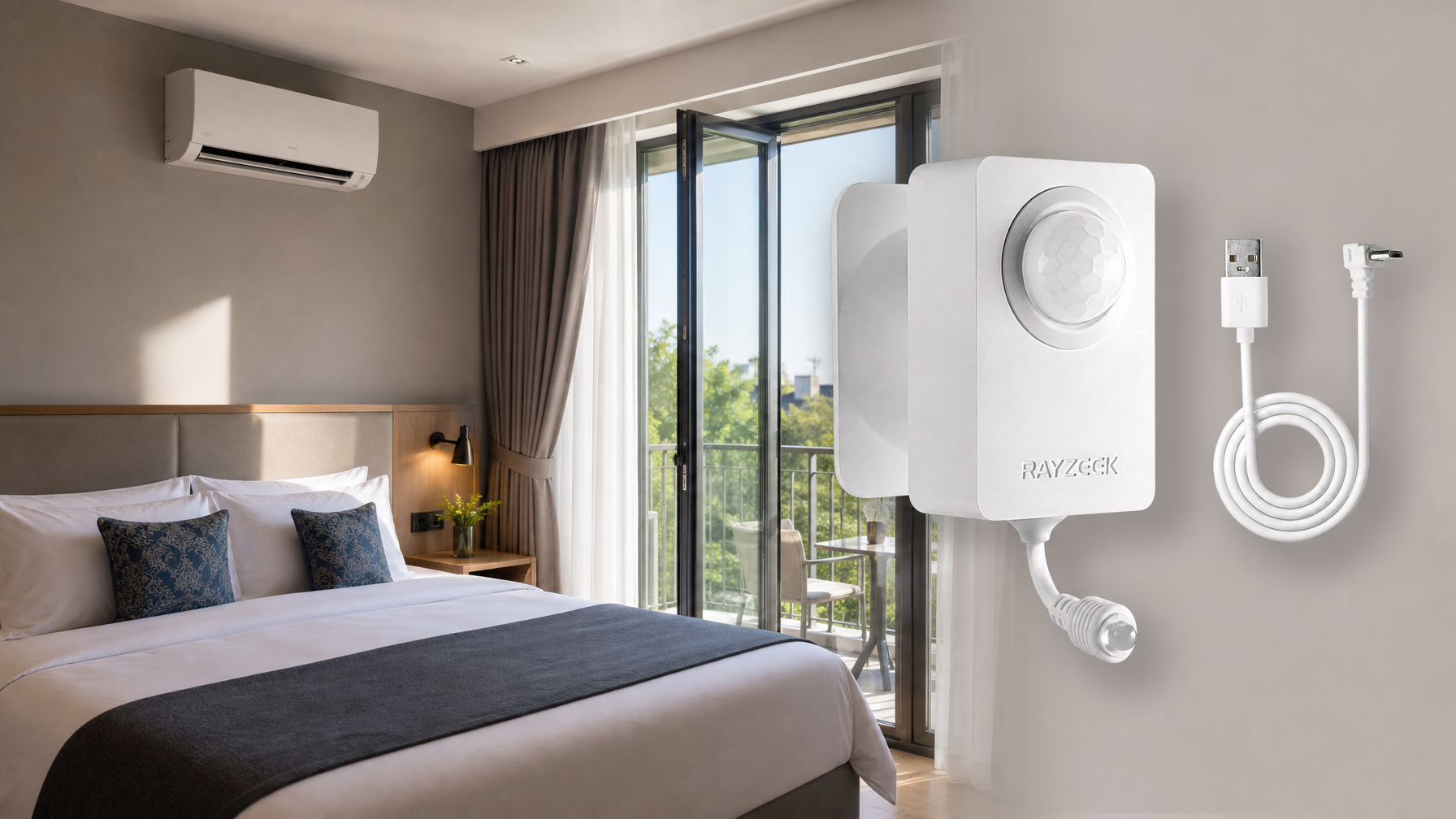
しかし、完全に清潔なフィルターを使用している状態でも、さらに省エネを図る方法があるとしたらどうでしょうか? 実のところ、誰もいない部屋でエアコンを運転したままにすることで、多大なエネルギーが浪費されがちです。家を出る前にエアコンを消し忘れたり、使っていない部屋でつけっぱなしにしたりした経験は誰にでもあるでしょう。そこで役立つのが、 RZ050 エアコン用人感センサー です。この革新的なデバイスは、部屋に人がいないことを検知すると自動的にエアコンをオフにし、無駄な電力消費を防いで電気代を大幅に削減します。定期的なフィルターメンテナンスと組み合わせることで、省エネ効果を最大限に高めるのに最適なソリューションとなります。

RZ050 エアコン用人感センサー
清潔なフィルターを使っていても無駄に消費されてしまうエネルギーをカット。
- 部屋を退室すると自動的にエアコンをオフにします。
- エアコンの電気代を最大50%削減します。
- DIYで簡単に設置でき、ほとんどのセパレート型エアコンに対応しています。
室内空気質の改善
エアコンフィルターを住まいの「肺」としてイメージしてみてください。私たちの肺が呼吸する空気をろ過するのと同様に、フィルターはホコリ、花粉、ペットのフケ、カビの胞子、その他の空中浮遊汚染物質を捕集します。これは良好な室内空気質を維持するために不可欠です。アレルギーや喘息、その他の呼吸器系疾患を持つ方にとって、清潔なフィルターは劇的な違いを生み出します。逆に汚れたフィルターは、これらの汚染物質を家中に再循環させ、呼吸器系の問題を悪化させたり、住空間の健康状態を損ねたりする可能性があります。
HVACシステムの寿命延長
A clogged filter doesn’t just affect your air quality and energy bills; it can also take a toll on your HVAC system itself. When airflow is restricted, the system can overheat. This is a bit like running a marathon with a blocked airway – not a good idea! Over time, this overheating can lead to premature wear and tear on vital components like the blower motor and compressor. This could result in costly repairs or, even worse, the need for premature system replacement. Regular filter maintenance helps prevent this overheating, ensuring your HVAC system lives a long and healthy life.
Rayzeek人感センサーのポートフォリオを見る.
お探しの製品が見つかりませんか?ご安心ください。課題を解決する手段は常に複数存在します。当社の製品ポートフォリオのいずれかがお役に立つかもしれません。
What Happens If You Don’t Clean Your Air Conditioner Filter?
Neglecting your air conditioner filter can lead to a cascade of negative consequences:
- Reduced Cooling Efficiency: You might notice that your home isn’t cooling as effectively as it used to, and temperatures might be uneven throughout your house.
- Higher Energy Bills: As your system works harder to compensate for the reduced airflow, your energy consumption will increase, leading to higher utility bills.
- Poor Indoor Air Quality: The air in your home might feel stuffy, and you or your family members might experience increased allergy or asthma symptoms.
- System Damage: Overheating can cause significant damage to your HVAC system’s components, potentially leading to costly repairs or even system failure.
- Frozen Evaporator Coil: In severe cases, restricted airflow can cause the evaporator coil to freeze, leading to a complete system shutdown.
- Blower Motor Strain: The blower motor will have to work harder to circulate air, which can lead to its premature failure.
Types of Air Conditioner Filters
Understanding the different types of air conditioner filters available is crucial for selecting the right one for your needs and knowing how to maintain it properly. A key concept to grasp here is the Minimum Efficiency Reporting Value (MERV). This scale, ranging from 1 to 20, rates a filter’s ability to capture particles. Higher MERV ratings indicate greater filtration efficiency, meaning the filter can trap smaller particles. Let’s explore the common types:
Fiberglass Filters: Understanding MERV Ratings and Limitations
These are the most basic and budget-friendly filters you’ll find. Typically sporting a MERV rating of 1-4, they are made of spun fiberglass fibers. While they do a decent job of protecting your HVAC system from large debris, they fall short when it comes to improving indoor air quality. They offer minimal filtration of smaller particles like pollen and dust. If you opt for fiberglass filters, be prepared to replace them frequently, usually every 30 days.
Limitation: Their low filtration efficiency makes them unsuitable for individuals with allergies or respiratory concerns.
Pleated Filters: Balancing Efficiency and Airflow
Pleated filters are a step up from fiberglass. Made of pleated fabric or paper-like material, they offer a larger surface area for trapping particles. With a MERV rating typically between 5-13, they are more effective at capturing smaller particles, including dust, pollen, and some mold spores. They strike a better balance between filtration efficiency and airflow compared to fiberglass filters. You’ll likely need to replace these every 3-6 months, depending on usage and environmental conditions.
It’s worth noting that a higher pleat density can increase filtration efficiency. However, this can also increase airflow resistance, potentially putting extra strain on your blower motor. It’s a delicate balance.
Washable Filters: Long-Term Cost Savings and Maintenance
As the name suggests, these filters are designed to be washed and reused. Made of durable materials like metal mesh or synthetic fabric, they typically have a MERV rating of 1-8. They present a cost-effective alternative to disposable filters, potentially lasting several years with proper maintenance. However, they do require regular cleaning, usually every 1-3 months.
The effectiveness of cleaning methods varies. While vacuuming removes surface debris, washing with water and mild detergent can remove more deeply embedded particles. However, it’s important to consider that repeated washing may degrade the filter media and reduce its efficiency over time. A cost-benefit analysis should consider the time investment in cleaning and the potential degradation of filtration efficiency.
HEPA Filters: Superior Filtration for Allergy Sufferers
HEPA (High-Efficiency Particulate Air) filters are the gold standard of air filtration. Designed to remove at least 99.97% of particles 0.3 microns in size (that’s incredibly small!), they boast a MERV rating of 17-20. They provide the highest level of filtration, trapping even the tiniest particles, including bacteria and some viruses. Often used in hospitals and cleanrooms, they can also be used in residential HVAC systems designed to accommodate them. For individuals with severe allergies or asthma, HEPA filters can significantly improve indoor air quality.
Limitation: They can significantly restrict airflow and may not be compatible with all HVAC systems. They often require professional installation and may increase energy consumption.
Electrostatic Filters: How They Attract and Capture Particles
These filters use a fascinating principle – static electricity – to attract and capture airborne particles. They can be either disposable or washable and typically have a MERV rating of 4-10. The filter media is electrostatically charged, causing particles to adhere to it, much like how a balloon rubbed on your hair can stick to a wall.
How Often Should You Clean Your Air Conditioner Filter?
The frequency of filter cleaning or replacement is not a one-size-fits-all answer. It depends on several factors, including the type of filter you have, how often you use your HVAC system, and the specific environmental conditions of your home.
こちらの商品もおすすめです
- 電圧: 単4形乾電池 2本
- 昼/夜モード
- タイマー設定時間: 15分、30分、1時間(デフォルト)、2時間
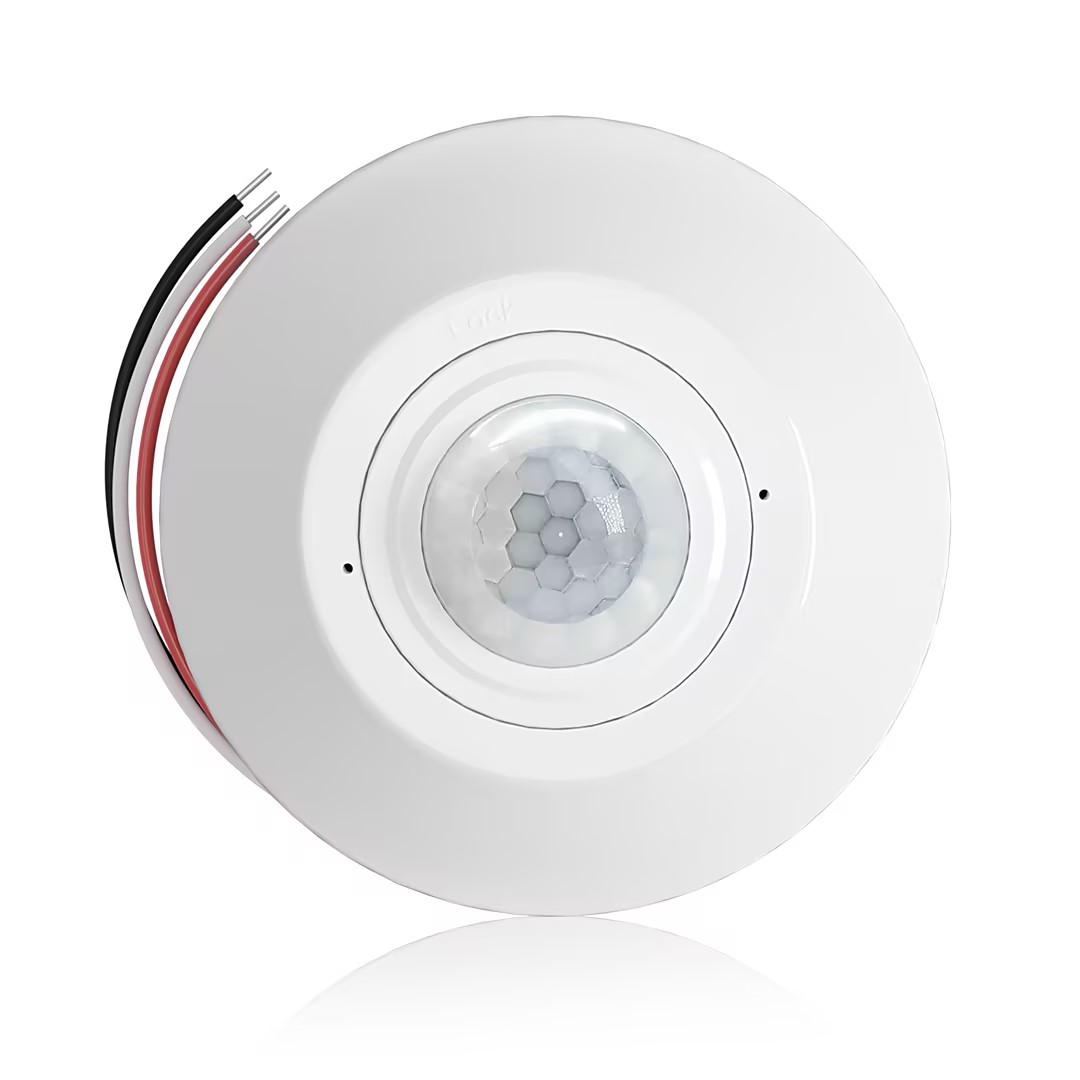
- 無電圧接点リレー出力付き天井取り付け型PIR人感センサー
- 12/24VDCまたは12/24VAC低電圧電源
- EMS、HVAC、および建物制御入力用COM、NO、NC絶縁リレー接点
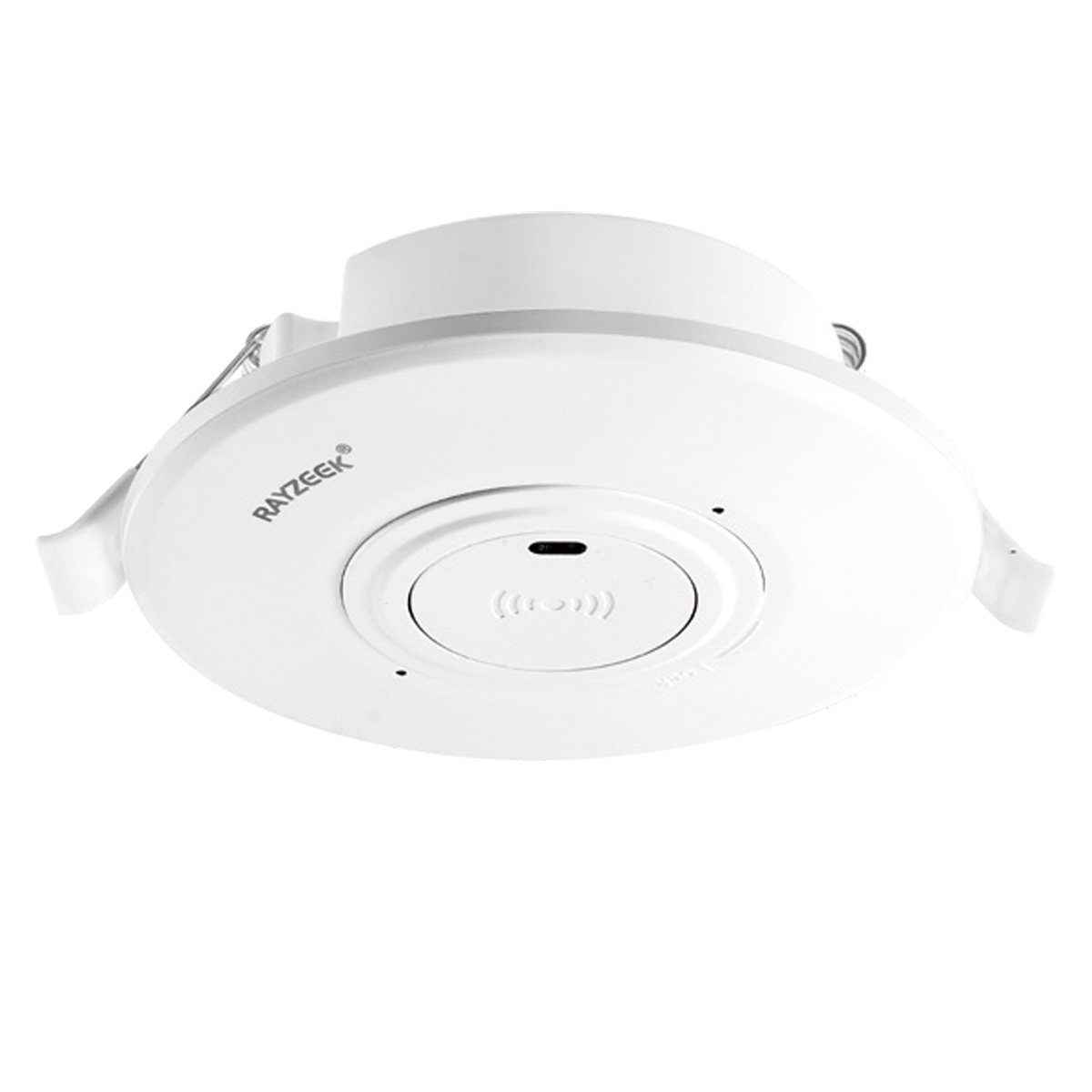
- 低電圧DC天井埋め込み型マイクロ波人感センサースイッチ
- 10~30 VDC範囲の12 VDC / 24 VDC入力
- 調整可能なタイムラグ、照度(Lux)閾値、感度を備えた最大動作電流10A仕様
- 高負荷対応型 埋込型天井取付けマイクロ波人感センサースイッチ
- 100-265 VAC 商用電源入力、10Aモデル
- 調整可能なタイムラグ、照度(Lux)閾値、感度を備えた5.8 GHzマイクロ波検知
- 埋込型天井取付けマイクロ波人感センサースイッチ
- 100-265 VAC商用電圧入力、5Aモデル
- 調整可能なタイムラグ、照度(Lux)閾値、感度を備えた5.8 GHzマイクロ波検知
- 220V電源対応 天井取付けRZ037 PIR(赤外線)人感センサー調光器
- 定格負荷660W、最大動作電流3A
- LUXボタンによる照度センサーのON/OFFおよびユーザー設定の調光明るさ制御
- 110V電源対応 天井取付けRZ037 PIR(赤外線)人感センサー調光器
- 定格負荷330W、最大動作電流3A
- LUXボタンによる照度センサーのON/OFFおよびユーザー設定の調光明るさ制御
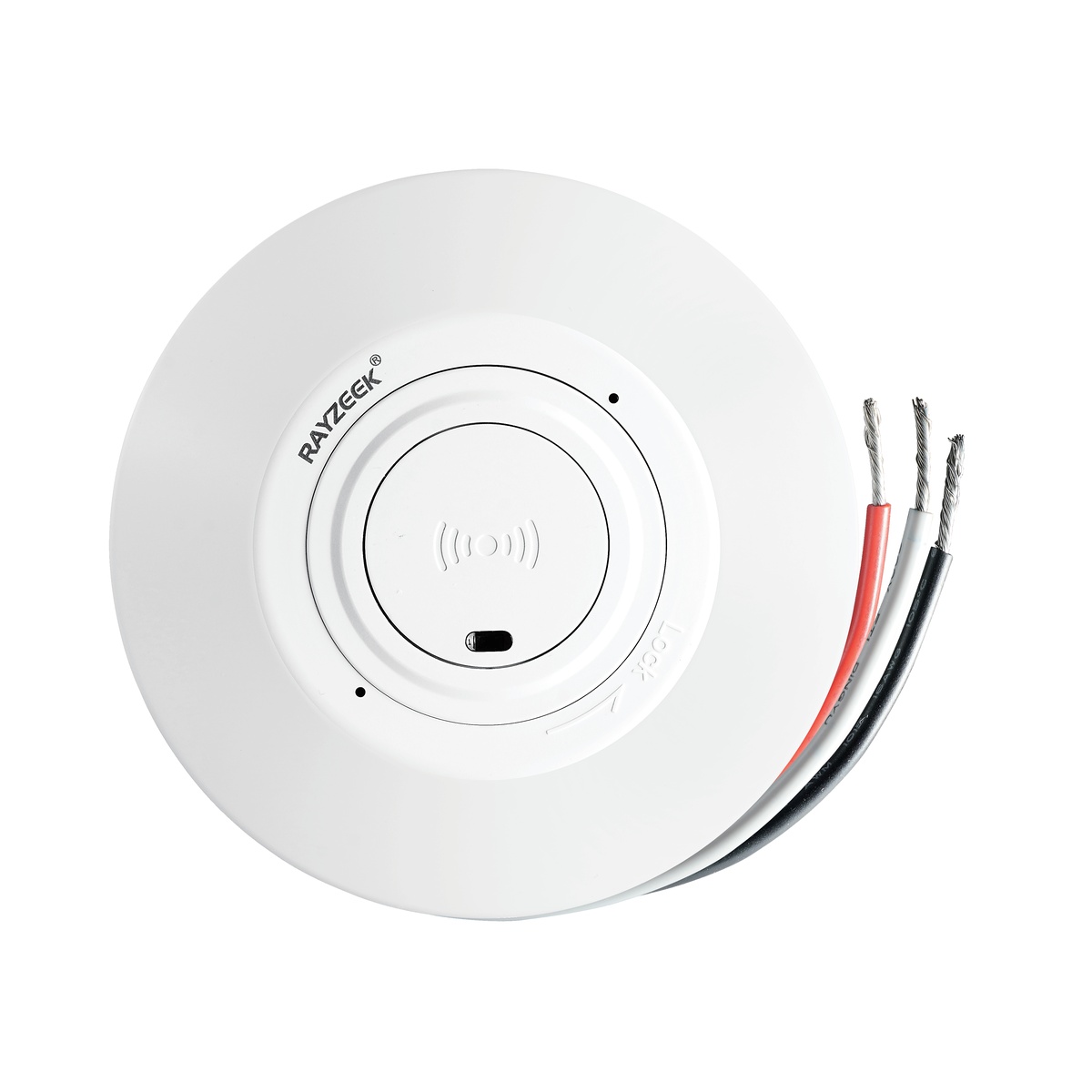
- 低電圧DC対応 天井取付けマイクロ波人感センサースイッチ
- 10~30 VDC範囲の12 VDC / 24 VDC入力
- 調整可能なタイムラグ、照度(Lux)閾値、感度を備えた最大動作電流10A仕様
- 高負荷対応 天井取付型マイクロ波人感センサースイッチ
- 100-265 VAC 商用電源入力、10Aモデル
- 調整可能なタイムラグ、照度(Lux)閾値、感度を備えた5.8 GHzマイクロ波検知
- 天井取り付け型マイクロ波人感センサースイッチ
- 100-265 VAC商用電圧入力、5Aモデル
- 調整可能なタイムラグ、照度(Lux)閾値、感度を備えた5.8 GHzマイクロ波検知
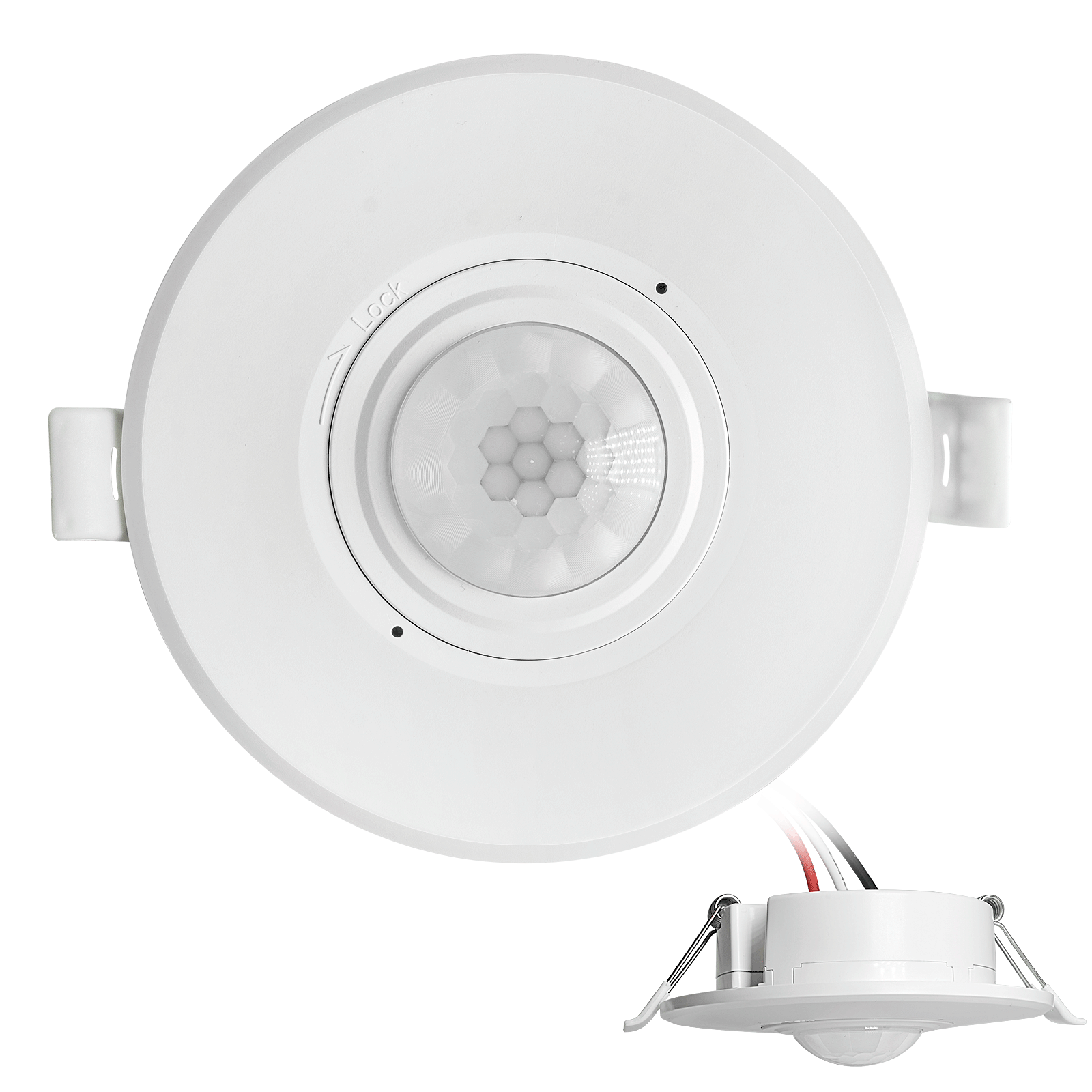
- 低電圧DC埋込型天井PIR人感センサースイッチ
- 10~30 VDC範囲の12 VDC / 24 VDC入力
- 最大動作電流10A(調整可能なタイムラグ、照度閾値、感度設定付き)
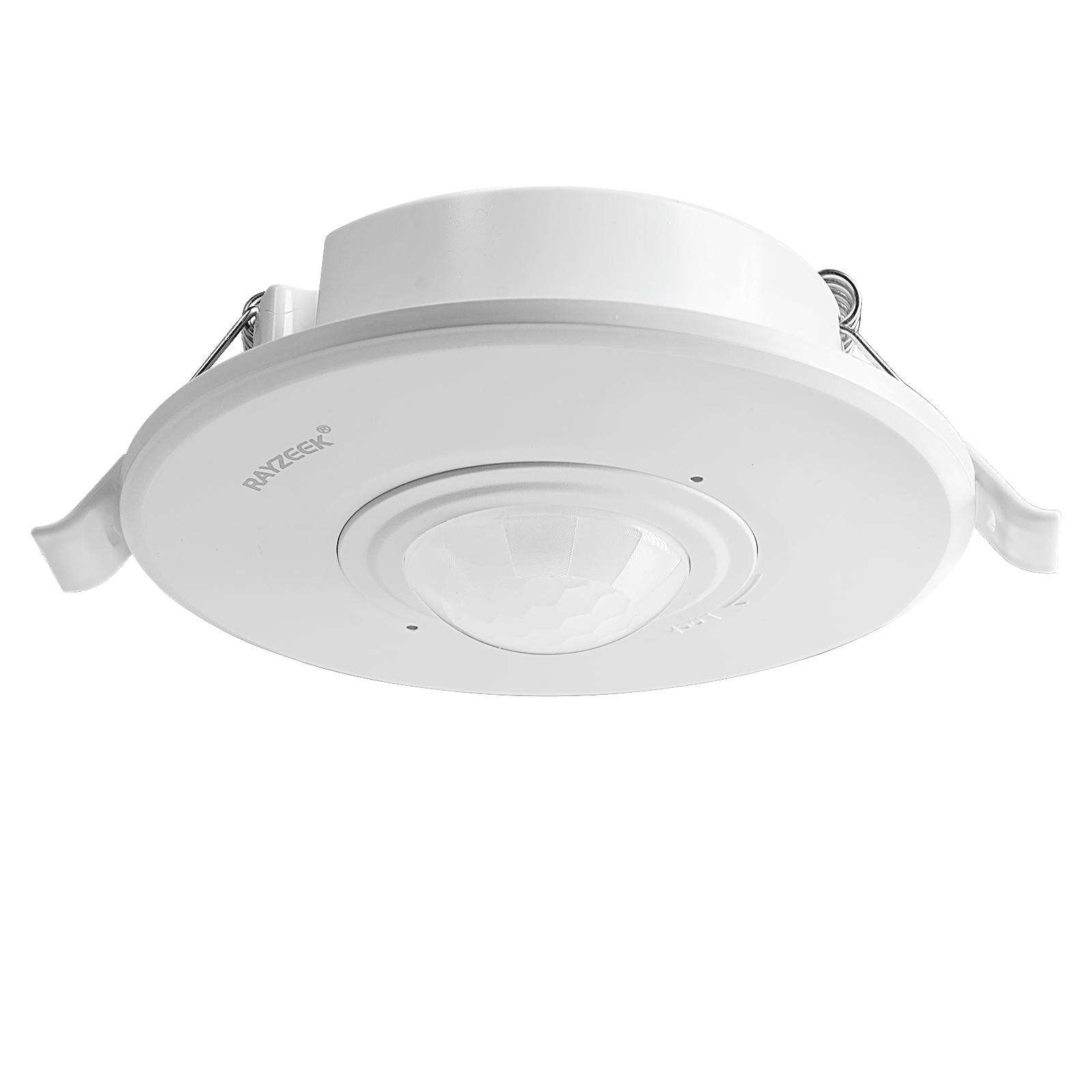
- 高負荷対応 埋込型天井PIR人感センサースイッチ
- 100-265 VAC 商用電源入力、10Aモデル
- 360度検知(調整可能なタイムラグ、照度閾値、感度設定付き)
- 埋込型天井PIR人感センサースイッチ
- 100-265 VAC商用電圧入力、5Aモデル
- 360度検知(調整可能なタイムラグ、照度閾値、感度設定付き)
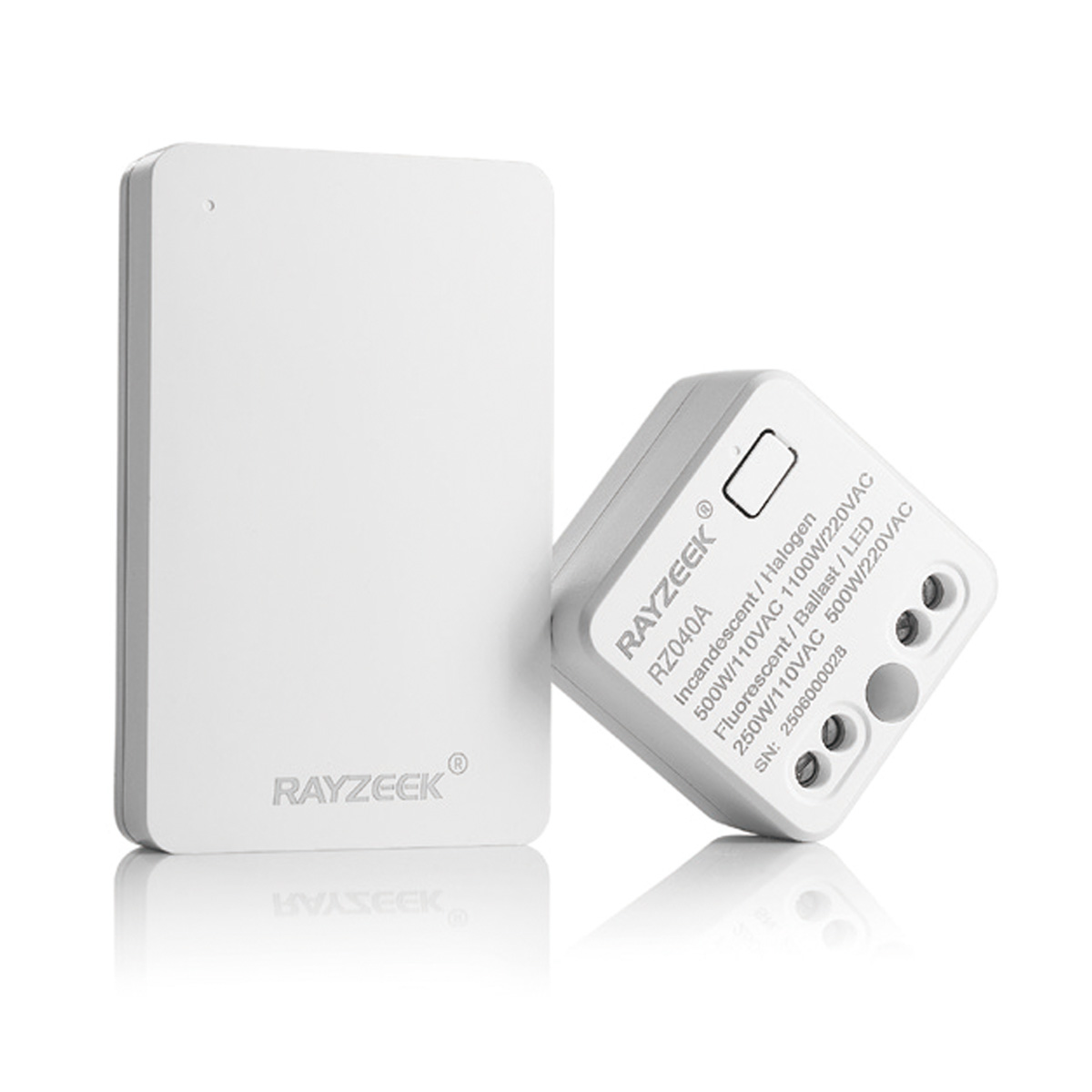
- 屋内用照明ON/OFF制御ワイヤレススイッチ&受信機キット
- 100-230VAC、50/60Hz、定格電流5A受信機
- 2.4GHz通信対応 CR2032電池駆動ワイヤレススイッチ
- Occupancy(自動点灯/自動消灯)
- 12–24V DC (10–30VDC)、最大10A
- 360°検知エリア、直径8–12m
- タイムラグ 15秒–30分
- 照度センサー オフ/15/25/35 Lux
- 高/低感度
- 自動点灯/自動消灯人感モード
- 100–265V AC, 10A(中性線必須)
- 360°検知範囲、検知直径8–12 m
- タイムデレイ15秒–30分、Lux OFF/15/25/35、感度 高/低
- 自動点灯/自動消灯人感モード
- 100–265V AC, 5A(中性線必須)
- 360°検知範囲、検知直径8–12 m
- タイムデレイ15秒–30分、Lux OFF/15/25/35、感度 高/低
General Recommendation:
- Fiberglass filters: Replace every 30 days.
- Pleated filters: Replace every 3-6 months.
- Washable filters: Clean every 1-3 months.
- HEPA filters: Replace every 12-18 months (or as recommended by the manufacturer).
Factors Affecting Cleaning Frequency:
- Pet Ownership: If you have furry friends at home, their dander can clog filters more quickly, requiring more frequent cleaning or replacement.
- Allergies or Asthma: Individuals with allergies or asthma may need to clean or replace their filters more often to maintain optimal indoor air quality and minimize symptoms.
- Local Environment: Do you live in an area with high levels of dust, pollen, or pollution? If so, you’ll likely need more frequent filter maintenance.
- HVAC System Usage: The more you use your AC system, the faster the filter will load up with particles, necessitating more frequent cleaning or replacement.
Consider your specific location and environmental factors. For example, if you live in an area with high pollen counts during certain seasons, you might find yourself needing to clean your filter more frequently during those times. It’s all about adapting to your specific circumstances.
How to Clean Reusable Air Conditioner Filters
Cleaning a reusable air conditioner filter is a straightforward process that can save you money and reduce waste. Here’s a step-by-step guide:
1. Gathering Supplies
Before you begin, gather the following supplies:
- Vacuum cleaner with a hose attachment
- Sink or tub
- Mild detergent (optional)
- Soft-bristled brush (optional)
- Bucket (optional)
- Gloves (optional)
2. Locating the Filter
The location of your air filter will vary depending on the type of HVAC system you have. Here are some common locations:
- Wall-mounted return vent: Often found in a hallway or central location.
- Ceiling-mounted return vent: Similar to wall-mounted, but located on the ceiling.
- Inside the air handler unit: Usually located in a closet, attic, or basement.
If you’re unsure where to find your filter, consult your HVAC system’s owner’s manual. It’s always a good idea to familiarize yourself with your system.
人感センサーを活用した省エネソリューションをお探しですか?
PIR人感センサー、人感センサー搭載省エネ製品、人感センサースイッチ、商業施設向けOccupancy/Vacancy(在室/不在)ソリューションについては、お気軽にお問い合わせください。
3. Removing the Filter
- Safety First: Turn off the power to your HVAC system at the thermostat or breaker box.
- Open the access panel or grille covering the filter.
- Carefully slide the filter out of its housing.
- Important Note: Pay attention to the airflow direction indicated by arrows on the filter frame. This is crucial for proper reinstallation.
4. Vacuuming the Filter
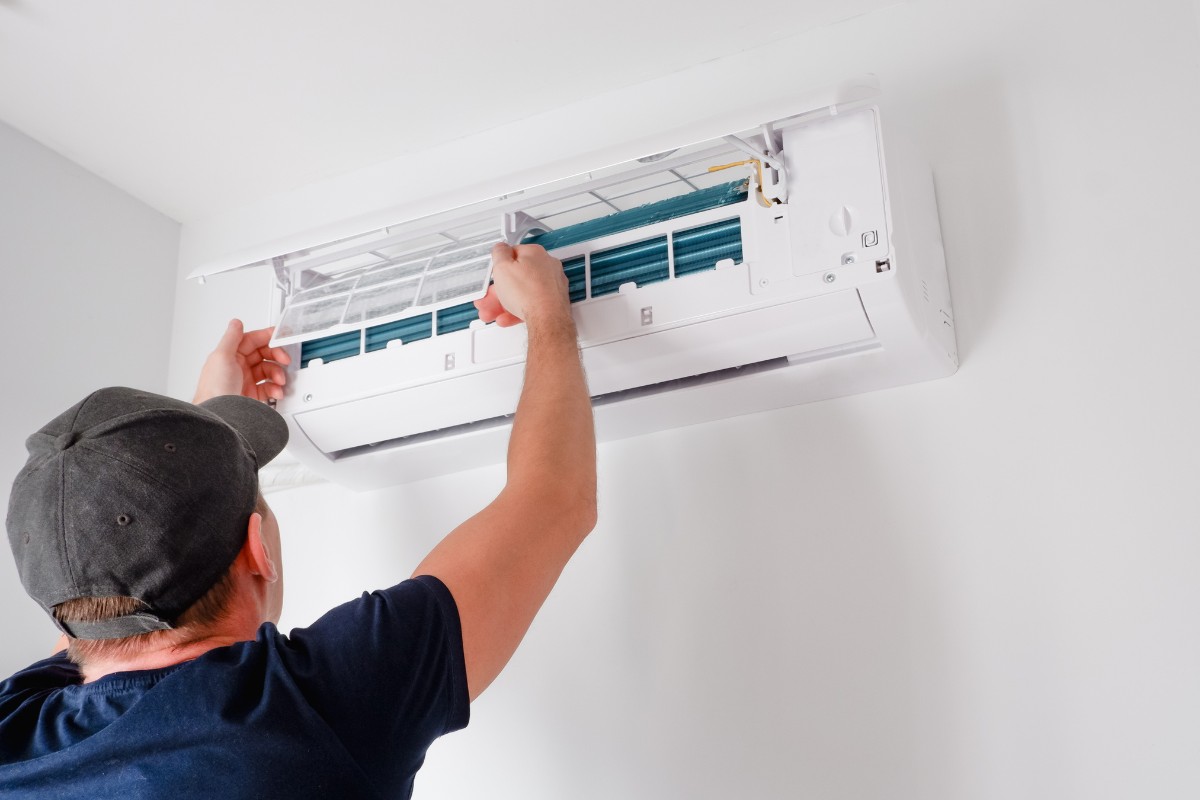
Using a vacuum cleaner with a hose attachment, thoroughly vacuum both sides of the filter. This step is essential for removing loose dust and debris, preventing it from being washed deeper into the filter media during the next step. If you have a pleated filter, pay special attention to the pleats, ensuring you remove as much debris as possible.
5. Washing the Filter
- Fill a sink, tub, or bucket with lukewarm water.
- If desired, add a small amount of mild detergent. Avoid using harsh chemicals or bleach, as they can damage the filter.
- Submerge the filter in the water and gently agitate it to loosen embedded dirt.
- If necessary, use a soft-bristled brush to gently scrub the filter, but be careful not to damage the filter media.
- Rinse the filter thoroughly with clean water until all soap residue is removed.
6. Drying the Filter
- Shake off any excess water from the filter.
- Allow the filter to air dry completely before reinstalling it. This may take several hours, depending on the humidity.
- Important: Do not use a heat source to dry the filter, as this could damage it.
Ensure the filter is completely dry before reinstalling it. A damp filter can become a breeding ground for mold and mildew, negating the benefits of cleaning and potentially introducing new problems to your indoor air quality.
7. Reinstalling the Filter
- Once the filter is completely dry, slide it back into its housing.
- Crucial Step: Make sure the airflow arrows are pointing in the correct direction.
- Close the access panel or grille.
- Turn the power to your HVAC system back on.
How to Clean Non-Reusable Air Conditioner Filters
Non-reusable filters, such as fiberglass and some pleated filters, are designed to be replaced, not cleaned. Attempting to clean these filters can damage the filter media and reduce their effectiveness. However, you can extend their lifespan slightly by vacuuming them to remove surface debris.
Steps:
- Turn off the power to your HVAC system.
- Remove the filter.
- Use a vacuum cleaner with a hose attachment to gently vacuum both sides of the filter.
- Reinstall the filter, noting the airflow direction.
- Replace the filter with a new one as soon as it appears heavily soiled or damaged.
Signs Your Air Conditioner Filter Needs Replacing
Even with regular cleaning, all filters eventually reach the end of their lifespan. Here are some signs that your air conditioner filter needs replacing:
- Visible Dirt and Debris: If the filter is visibly clogged with dirt and debris that cannot be removed by vacuuming or washing, it’s time for a new one.
- Damage: Any tears, holes, or other damage to the filter media compromise its effectiveness and necessitate replacement.
- Bent or Damaged Frame: A bent or damaged frame can prevent the filter from fitting properly, leading to air bypass and reduced filtration.
- Reduced Airflow: If you notice reduced airflow from the vents, it could indicate a severely clogged filter that needs replacing.
- Increase in Allergy or Asthma Symptoms: If you or your family members experience a noticeable increase in allergy or asthma symptoms, it could be a sign that the filter is no longer effectively trapping allergens.
- Musty Odors: Unpleasant or musty odors coming from the vents can indicate mold or mildew growth on the filter, requiring immediate replacement.
- End of Lifespan: Check the manufacturer’s guidelines for the recommended lifespan of your filter. Even if it appears clean, it’s best to replace it after the recommended period.
How to Replace an Air Conditioner Filter
Replacing an air conditioner filter is a simple task that most homeowners can do themselves. Here’s a step-by-step guide:
- Turn Off Power: Turn off the power to your HVAC system at the thermostat or breaker box.
- Locate and Remove Old Filter: Locate the filter and carefully remove the old one.
- Note the Size: Note the size of the old filter. It’s usually printed on the frame.
- Purchase New Filter: Purchase a new filter of the same size and type. This is an opportunity to consider upgrading to a higher MERV rating if desired, but ensure compatibility with your HVAC system.
- Insert New Filter: Insert the new filter into the housing, making absolutely sure the airflow arrows are pointing in the correct direction.
- Close Access Panel: Close the access panel or grille.
- Turn Power On: Turn the power to your HVAC system back on.
- Dispose of Old Filter: Dispose of the old filter properly.
By following these guidelines, you can ensure that your HVAC system runs efficiently, your indoor air quality remains high, and your home remains a comfortable and healthy environment. Remember, a clean air conditioner filter is a small but crucial investment in your well-being and the longevity of your HVAC system.