
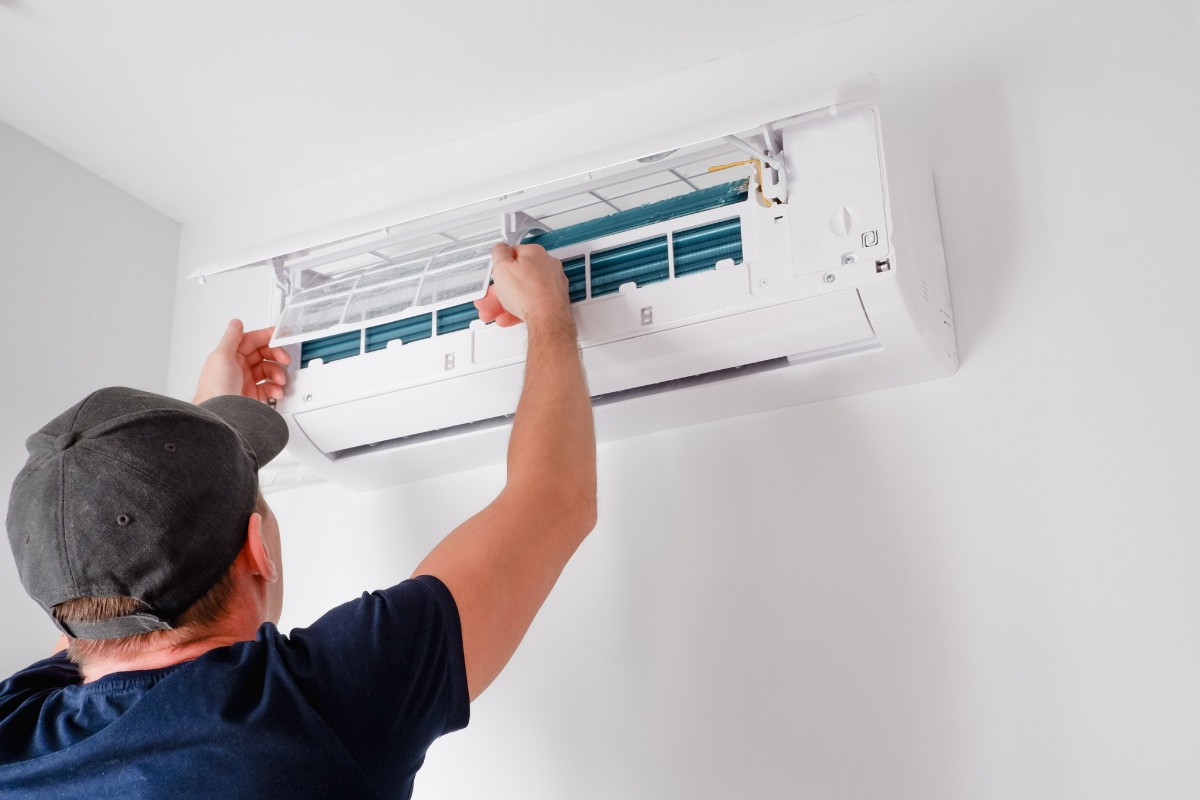
Vzduch, který dýcháme, často považujeme za samozřejmost, zejména v našich domovech. Zamysleli jste se však někdy nad tichým pomocníkem, který udržuje tento vzduch čistý a zajišťuje plynulý chod vašeho systému HVAC? Tímto nenápadným hrdinou je filtr klimatizace. Tento průvodce vás podrobně seznámí se světem filtrů do klimatizací a vysvětlí, proč jsou důležité, jak fungují a především jak je čistit. Ať už jste majitel domu, který hledá praktické tipy, nebo zkušený výzkumník se zájmem o složitosti filtrace vzduchu, v tomto článku najdete užitečné informace.
Co je to filtr klimatizace?
Filtr klimatizace je klíčovou součástí vašeho systému HVAC (vytápění, ventilace a klimatizace). Lze si jej představit jako strážce, který pečlivě zachycuje a odstraňuje částice ze vzduchu cirkulujícího vaším domovem. Tyto filtry, obvykle vyrobené z vláknitého materiálu nebo skládané papírové hmoty uložené v rámu, představují první linii obrany proti prachu, nečistotám a dalším usazeninám.
Hlavní funkcí filtru je chránit vnitřní mechanismy vašeho systému HVAC. Komponenty, jako je výparník a motor ventilátoru, mohou být nahromaděným prachem a nečistotami snadno poškozeny. Zachycením těchto částic filtr zajišťuje dlouhou životnost a účinnost vašeho systému. Tím však jeho role nekončí. Hraje také zásadní roli při zlepšování kvality vzduchu v interiéru. Filtry fungují tak, že fyzicky blokují částice, když vzduch prochází filtračním médiem. Hustota a struktura tohoto média určují velikost částic, které lze zachytit – tento koncept podrobněji prozkoumáme při diskusi o různých typech filtrů.
Proč byste měli čistit filtr klimatizace
Pravidelné čištění nebo výměna filtru klimatizace není jen nutná práce; je to zásadní postup pro udržení zdravé a efektivní domácnosti. Pojďme si shrnout hlavní důvody:
Vyšší energetická účinnost
Zanesený filtr funguje jako překážka pro proudění vzduchu. Pokud je filtr plný prachu a nečistot, musí systém HVAC vynaložit větší úsilí k protlačení vzduchu. Tato zvýšená zátěž se přímo promítá do vyšší spotřeby energie. Nemusíte to zaznamenat ihned, ale projeví se to na vašich účtech za energie. Ministerstvo energetiky USA uvádí, že znečištěný filtr může zvýšit spotřebu energie o 5–15%. Čistý filtr naopak umožňuje optimální proudění vzduchu, snižuje zatížení systému a podporuje energetickou účinnost. Jde o jednoduchou změnu, která může vést k výrazným úsporám.
Co kdybyste však mohli ušetřit ještě více energie, a to i s dokonale čistým filtrem? Pravdou je, že značné množství energie se často promrhá, když klimatizace zůstává zapnutá v neobsazených místnostech. Každý z nás to zná – zapomenout vypnout klimatizaci před odchodem z domu nebo ji nechat běžet v místnosti, kterou právě nepoužíváme. A právě zde přichází na řadu RZ050 Air Conditioner Motion Sensor . Toto inovativní zařízení automaticky vypne klimatizaci, jakmile zjistí, že je místnost prázdná. Zabraňuje tak zbytečné spotřebě energie a výrazně snižuje vaše účty. Je to ideální doplněk k pravidelné údržbě filtrů, který vám zajistí maximální úsporu energie.

RZ050 Air Conditioner Motion Sensor
Přestaňte plýtvat energií, a to i s čistými filtry.
- Automaticky vypne klimatizaci, když opustíte místnost.
- Ušetřete až 50% nákladů na energii klimatizace.
- Snadná instalace svépomocí, kompatibilní s většinou splitových klimatizačních jednotek.
Lepší kvalita vzduchu v interiéru
Imagine your air conditioner filter as the lungs of your home. Just as our lungs filter the air we breathe, the filter traps dust, pollen, pet dander, mold spores, and other airborne pollutants. This is crucial for maintaining good indoor air quality. For individuals with allergies, asthma, or other respiratory conditions, a clean filter can make a world of difference. A dirty filter, conversely, can recirculate these pollutants throughout your home, potentially exacerbating respiratory problems and making your living space less healthy.
Extended HVAC System Lifespan
A clogged filter doesn’t just affect your air quality and energy bills; it can also take a toll on your HVAC system itself. When airflow is restricted, the system can overheat. This is a bit like running a marathon with a blocked airway – not a good idea! Over time, this overheating can lead to premature wear and tear on vital components like the blower motor and compressor. This could result in costly repairs or, even worse, the need for premature system replacement. Regular filter maintenance helps prevent this overheating, ensuring your HVAC system lives a long and healthy life.
Inspirujte se portfoliem snímačů pohybu Rayzeek.
Nenašli jste, co hledáte? Nemějte obavy. K vyřešení vašich požadavků existují vždy alternativní cesty. Možná vám pomůže některé z našich portfolií.
What Happens If You Don’t Clean Your Air Conditioner Filter?
Neglecting your air conditioner filter can lead to a cascade of negative consequences:
- Reduced Cooling Efficiency: You might notice that your home isn’t cooling as effectively as it used to, and temperatures might be uneven throughout your house.
- Higher Energy Bills: As your system works harder to compensate for the reduced airflow, your energy consumption will increase, leading to higher utility bills.
- Poor Indoor Air Quality: The air in your home might feel stuffy, and you or your family members might experience increased allergy or asthma symptoms.
- System Damage: Overheating can cause significant damage to your HVAC system’s components, potentially leading to costly repairs or even system failure.
- Frozen Evaporator Coil: In severe cases, restricted airflow can cause the evaporator coil to freeze, leading to a complete system shutdown.
- Blower Motor Strain: The blower motor will have to work harder to circulate air, which can lead to its premature failure.
Types of Air Conditioner Filters
Understanding the different types of air conditioner filters available is crucial for selecting the right one for your needs and knowing how to maintain it properly. A key concept to grasp here is the Minimum Efficiency Reporting Value (MERV). This scale, ranging from 1 to 20, rates a filter’s ability to capture particles. Higher MERV ratings indicate greater filtration efficiency, meaning the filter can trap smaller particles. Let’s explore the common types:
Fiberglass Filters: Understanding MERV Ratings and Limitations
These are the most basic and budget-friendly filters you’ll find. Typically sporting a MERV rating of 1-4, they are made of spun fiberglass fibers. While they do a decent job of protecting your HVAC system from large debris, they fall short when it comes to improving indoor air quality. They offer minimal filtration of smaller particles like pollen and dust. If you opt for fiberglass filters, be prepared to replace them frequently, usually every 30 days.
Limitation: Their low filtration efficiency makes them unsuitable for individuals with allergies or respiratory concerns.
Pleated Filters: Balancing Efficiency and Airflow
Pleated filters are a step up from fiberglass. Made of pleated fabric or paper-like material, they offer a larger surface area for trapping particles. With a MERV rating typically between 5-13, they are more effective at capturing smaller particles, including dust, pollen, and some mold spores. They strike a better balance between filtration efficiency and airflow compared to fiberglass filters. You’ll likely need to replace these every 3-6 months, depending on usage and environmental conditions.
It’s worth noting that a higher pleat density can increase filtration efficiency. However, this can also increase airflow resistance, potentially putting extra strain on your blower motor. It’s a delicate balance.
Washable Filters: Long-Term Cost Savings and Maintenance
As the name suggests, these filters are designed to be washed and reused. Made of durable materials like metal mesh or synthetic fabric, they typically have a MERV rating of 1-8. They present a cost-effective alternative to disposable filters, potentially lasting several years with proper maintenance. However, they do require regular cleaning, usually every 1-3 months.
The effectiveness of cleaning methods varies. While vacuuming removes surface debris, washing with water and mild detergent can remove more deeply embedded particles. However, it’s important to consider that repeated washing may degrade the filter media and reduce its efficiency over time. A cost-benefit analysis should consider the time investment in cleaning and the potential degradation of filtration efficiency.
HEPA Filters: Superior Filtration for Allergy Sufferers
HEPA (High-Efficiency Particulate Air) filters are the gold standard of air filtration. Designed to remove at least 99.97% of particles 0.3 microns in size (that’s incredibly small!), they boast a MERV rating of 17-20. They provide the highest level of filtration, trapping even the tiniest particles, including bacteria and some viruses. Often used in hospitals and cleanrooms, they can also be used in residential HVAC systems designed to accommodate them. For individuals with severe allergies or asthma, HEPA filters can significantly improve indoor air quality.
Limitation: They can significantly restrict airflow and may not be compatible with all HVAC systems. They often require professional installation and may increase energy consumption.
Electrostatic Filters: How They Attract and Capture Particles
These filters use a fascinating principle – static electricity – to attract and capture airborne particles. They can be either disposable or washable and typically have a MERV rating of 4-10. The filter media is electrostatically charged, causing particles to adhere to it, much like how a balloon rubbed on your hair can stick to a wall.
How Often Should You Clean Your Air Conditioner Filter?
The frequency of filter cleaning or replacement is not a one-size-fits-all answer. It depends on several factors, including the type of filter you have, how often you use your HVAC system, and the specific environmental conditions of your home.
Mohlo by vás také zajímat
- Napětí: 2 baterie AAA
- Režim Den/Noc
- Časové zpoždění: 15 min, 30 min, 1 h (výchozí), 2 h

- Stropní PIR snímač přítomnosti s výstupem relé s beznapěťovým kontaktem
- Nízkonapěťové napájení 12/24VDC nebo 12/24VAC
- Isolované kontakty relé COM, NO a NC pro vstupy systémů EMS, HVAC a řízení budov

- Nízkonapěťový stejnosměrný vestavný stropní mikrovlnný spínač snímače pohybu
- Vstup 12 VDC / 24 VDC s rozsahem 10–30 VDC
- Maximální pracovní proud 10 A s nastavitelným časovým zpožděním, prahem Lux a citlivostí
- Vestavný stropní mikrovlnný spínač snímače pohybu pro vyšší zátěž
- Síťové vstupní napětí 100–265 VAC, model 10A
- Mikrovlnné snímání 5.8 GHz s nastavitelnou časovou prodlevou, prahem Lux a citlivostí
- Vestavný stropní mikrovlnný spínač senzoru pohybu
- Síťové vstupní napětí 100–265 VAC, model 5A
- Mikrovlnné snímání 5.8 GHz s nastavitelnou časovou prodlevou, prahem Lux a citlivostí
- Stropní RZ037 PIR senzor přítomnosti se stmívačem pro napájení 220V
- Maximální pracovní proud 3A s jmenovitým zatížením 660W
- Tlačítko LUX ovládá zapnutí/vypnutí světelného senzoru a uživatelsky nastavený jas stmívání
- Stropní RZ037 PIR senzor přítomnosti se stmívačem pro napájení 110V
- Maximální pracovní proud 3A s jmenovitým zatížením 330W
- Tlačítko LUX ovládá zapnutí/vypnutí světelného senzoru a uživatelsky nastavený jas stmívání

- Nízkonapěťový stejnosměrný stropní mikrovlnný spínač senzoru pohybu
- Vstup 12 VDC / 24 VDC s rozsahem 10–30 VDC
- Maximální pracovní proud 10 A s nastavitelným časovým zpožděním, prahem Lux a citlivostí
- Stropní mikrovlnný spínač senzoru pohybu pro vyšší zatížení
- Síťové vstupní napětí 100–265 VAC, model 10A
- Mikrovlnné snímání 5.8 GHz s nastavitelnou časovou prodlevou, prahem Lux a citlivostí
- Stropní mikrovlnný spínač s pohybovým senzorem
- Síťové vstupní napětí 100–265 VAC, model 5A
- Mikrovlnné snímání 5.8 GHz s nastavitelnou časovou prodlevou, prahem Lux a citlivostí

- Nízkonapěťový stejnosměrný vestavný stropní spínač s PIR pohybovým senzorem
- Vstup 12 VDC / 24 VDC s rozsahem 10–30 VDC
- Maximální pracovní proud 10A s nastavitelným časovým zpožděním, prahem Lux a citlivostí

- Vestavný stropní spínač s PIR pohybovým senzorem pro vyšší zátěž
- Síťové vstupní napětí 100–265 VAC, model 10A
- 360stupňová detekce s nastavitelným časovým zpožděním, prahem Lux a citlivostí
- Vestavný stropní spínač s PIR pohybovým senzorem
- Síťové vstupní napětí 100–265 VAC, model 5A
- 360stupňová detekce s nastavitelným časovým zpožděním, prahem Lux a citlivostí

- Sada bezdrátového spínače a přijímače pro vnitřní řízení osvětlení ZAP/VYP
- Přijímač 100-230VAC, 50/60Hz s jmenovitým proudem 5A
- Bezdrátový spínač napájený baterií CR2032 s komunikací 2,4GHz
- Detekce přítomnosti (Automatické ZAP/Automatické VYP)
- 12–24V DC (10–30VDC), až 10A
- Pokrytí 360°, průměr 8–12 m
- Časové zpoždění 15 s–30 min
- Snímač jasu Vypnuto / 15 / 25 / 35 Lux
- Vysoká/nízká citlivost
- Režim detekce přítomnosti s automatickým zapnutím/vypnutím
- 100–265V AC, 10A (vyžaduje nulový vodič)
- 360° pokrytí; průměr detekce 8–12 m
- Časové zpoždění 15 s – 30 min; Lux VYPNUTO / 15 / 25 / 35; citlivost vysoká/nízká
- Režim detekce přítomnosti s automatickým zapnutím/vypnutím
- 100–265V AC, 5A (vyžaduje nulový vodič)
- 360° pokrytí; průměr detekce 8–12 m
- Časové zpoždění 15 s – 30 min; Lux VYPNUTO / 15 / 25 / 35; citlivost vysoká/nízká
General Recommendation:
- Fiberglass filters: Replace every 30 days.
- Pleated filters: Replace every 3-6 months.
- Washable filters: Clean every 1-3 months.
- HEPA filters: Replace every 12-18 months (or as recommended by the manufacturer).
Factors Affecting Cleaning Frequency:
- Pet Ownership: If you have furry friends at home, their dander can clog filters more quickly, requiring more frequent cleaning or replacement.
- Allergies or Asthma: Individuals with allergies or asthma may need to clean or replace their filters more often to maintain optimal indoor air quality and minimize symptoms.
- Local Environment: Do you live in an area with high levels of dust, pollen, or pollution? If so, you’ll likely need more frequent filter maintenance.
- HVAC System Usage: The more you use your AC system, the faster the filter will load up with particles, necessitating more frequent cleaning or replacement.
Consider your specific location and environmental factors. For example, if you live in an area with high pollen counts during certain seasons, you might find yourself needing to clean your filter more frequently during those times. It’s all about adapting to your specific circumstances.
How to Clean Reusable Air Conditioner Filters
Cleaning a reusable air conditioner filter is a straightforward process that can save you money and reduce waste. Here’s a step-by-step guide:
1. Gathering Supplies
Before you begin, gather the following supplies:
- Vacuum cleaner with a hose attachment
- Sink or tub
- Mild detergent (optional)
- Soft-bristled brush (optional)
- Bucket (optional)
- Gloves (optional)
2. Locating the Filter
The location of your air filter will vary depending on the type of HVAC system you have. Here are some common locations:
- Wall-mounted return vent: Often found in a hallway or central location.
- Ceiling-mounted return vent: Similar to wall-mounted, but located on the ceiling.
- Inside the air handler unit: Usually located in a closet, attic, or basement.
If you’re unsure where to find your filter, consult your HVAC system’s owner’s manual. It’s always a good idea to familiarize yourself with your system.
Hledáte úsporná řešení aktivovaná pohybem?
Kontaktujte nás pro kompletní PIR snímače pohybu, úsporné produkty aktivované pohybem, spínače s pohybovým senzorem a komerční řešení pro detekci přítomnosti či nepřítomnosti osob.
3. Removing the Filter
- Safety First: Turn off the power to your HVAC system at the thermostat or breaker box.
- Open the access panel or grille covering the filter.
- Carefully slide the filter out of its housing.
- Important Note: Pay attention to the airflow direction indicated by arrows on the filter frame. This is crucial for proper reinstallation.
4. Vacuuming the Filter
Using a vacuum cleaner with a hose attachment, thoroughly vacuum both sides of the filter. This step is essential for removing loose dust and debris, preventing it from being washed deeper into the filter media during the next step. If you have a pleated filter, pay special attention to the pleats, ensuring you remove as much debris as possible.
5. Washing the Filter
- Fill a sink, tub, or bucket with lukewarm water.
- If desired, add a small amount of mild detergent. Avoid using harsh chemicals or bleach, as they can damage the filter.
- Submerge the filter in the water and gently agitate it to loosen embedded dirt.
- If necessary, use a soft-bristled brush to gently scrub the filter, but be careful not to damage the filter media.
- Rinse the filter thoroughly with clean water until all soap residue is removed.
6. Drying the Filter
- Shake off any excess water from the filter.
- Allow the filter to air dry completely before reinstalling it. This may take several hours, depending on the humidity.
- Important: Do not use a heat source to dry the filter, as this could damage it.
Ensure the filter is completely dry before reinstalling it. A damp filter can become a breeding ground for mold and mildew, negating the benefits of cleaning and potentially introducing new problems to your indoor air quality.
7. Reinstalling the Filter
- Once the filter is completely dry, slide it back into its housing.
- Crucial Step: Make sure the airflow arrows are pointing in the correct direction.
- Close the access panel or grille.
- Turn the power to your HVAC system back on.
How to Clean Non-Reusable Air Conditioner Filters
Non-reusable filters, such as fiberglass and some pleated filters, are designed to be replaced, not cleaned. Attempting to clean these filters can damage the filter media and reduce their effectiveness. However, you can extend their lifespan slightly by vacuuming them to remove surface debris.
Steps:
- Turn off the power to your HVAC system.
- Remove the filter.
- Use a vacuum cleaner with a hose attachment to gently vacuum both sides of the filter.
- Reinstall the filter, noting the airflow direction.
- Replace the filter with a new one as soon as it appears heavily soiled or damaged.
Signs Your Air Conditioner Filter Needs Replacing
Even with regular cleaning, all filters eventually reach the end of their lifespan. Here are some signs that your air conditioner filter needs replacing:
- Visible Dirt and Debris: If the filter is visibly clogged with dirt and debris that cannot be removed by vacuuming or washing, it’s time for a new one.
- Damage: Any tears, holes, or other damage to the filter media compromise its effectiveness and necessitate replacement.
- Bent or Damaged Frame: A bent or damaged frame can prevent the filter from fitting properly, leading to air bypass and reduced filtration.
- Reduced Airflow: If you notice reduced airflow from the vents, it could indicate a severely clogged filter that needs replacing.
- Increase in Allergy or Asthma Symptoms: If you or your family members experience a noticeable increase in allergy or asthma symptoms, it could be a sign that the filter is no longer effectively trapping allergens.
- Musty Odors: Unpleasant or musty odors coming from the vents can indicate mold or mildew growth on the filter, requiring immediate replacement.
- End of Lifespan: Check the manufacturer’s guidelines for the recommended lifespan of your filter. Even if it appears clean, it’s best to replace it after the recommended period.
How to Replace an Air Conditioner Filter
Replacing an air conditioner filter is a simple task that most homeowners can do themselves. Here’s a step-by-step guide:
- Turn Off Power: Turn off the power to your HVAC system at the thermostat or breaker box.
- Locate and Remove Old Filter: Locate the filter and carefully remove the old one.
- Note the Size: Note the size of the old filter. It’s usually printed on the frame.
- Purchase New Filter: Purchase a new filter of the same size and type. This is an opportunity to consider upgrading to a higher MERV rating if desired, but ensure compatibility with your HVAC system.
- Insert New Filter: Insert the new filter into the housing, making absolutely sure the airflow arrows are pointing in the correct direction.
- Close Access Panel: Close the access panel or grille.
- Turn Power On: Turn the power to your HVAC system back on.
- Dispose of Old Filter: Dispose of the old filter properly.
By following these guidelines, you can ensure that your HVAC system runs efficiently, your indoor air quality remains high, and your home remains a comfortable and healthy environment. Remember, a clean air conditioner filter is a small but crucial investment in your well-being and the longevity of your HVAC system.







