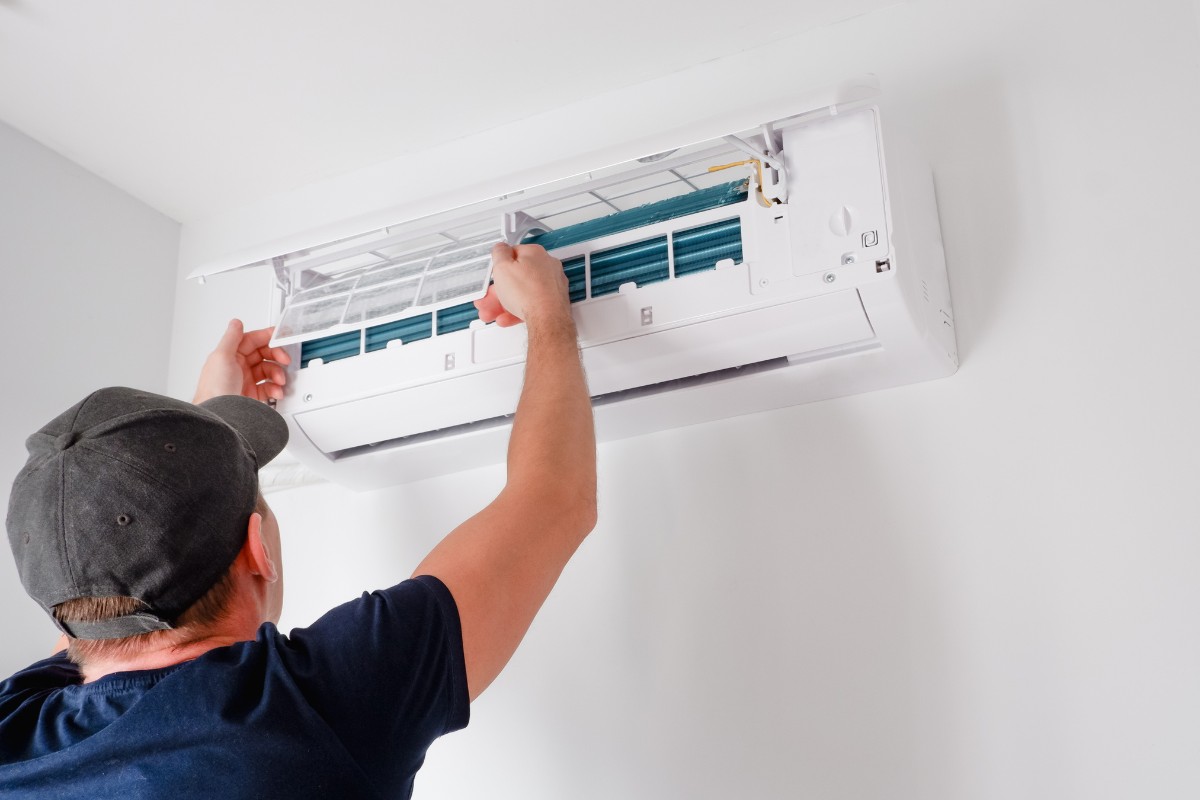
Мы часто принимаем воздух, которым дышим, как должное, особенно в собственном доме. Но задумывались ли вы когда-нибудь о незаметном труженике, который поддерживает чистоту этого воздуха и обеспечивает бесперебойную работу вашей системы отопления, вентиляции и кондиционирования (HVAC)? Этот невоспетый герой — фильтр вашего кондиционера. В этом подробном руководстве мы погрузимся в мир фильтров для кондиционеров, расскажем, почему они важны, как они работают и, самое главное, как их чистить. Найдете ли вы здесь практические советы как домовладелец или заинтересуетесь тонкостями фильтрации воздуха как опытный исследователь, эта статья будет вам полезна.
Что такое фильтр кондиционера?
Фильтр кондиционера — это важнейший компонент вашей системы HVAC (отопления, вентиляции и кондиционирования воздуха). Представьте его в роли стража, усердно задерживающего и удаляющего взвешенные частицы из воздуха, циркулирующего по вашему дому. Изготавливаемые обычно из волокнистого материала или плиссированной бумаги в раме, эти фильтры служат первой линией защиты от пыли, грязи и другого мусора.
Основная функция фильтра — защита внутренних узлов вашей системы HVAC. Такие компоненты, как змеевик испарителя и двигатель вентилятора, могут легко выйти из строя из-за скопления пыли и грязи. Улавливая эти частицы, фильтр обеспечивает долговечность и эффективность вашей системы. Но его роль этим не ограничивается. Он также играет ключевую роль в улучшении качества воздуха в помещении. Фильтры работают за счет физического задерживания частиц при прохождении воздуха через фильтрующий материал. Плотность и структура этого материала определяют размер улавливаемых частиц — этот принцип мы рассмотрим подробнее при обсуждении различных типов фильтров.
Почему необходимо чистить фильтр кондиционера
Регулярная очистка или замена фильтра кондиционера — это не просто бытовая обязанность, а необходимая процедура для поддержания здоровой и эффективной атмосферы в доме. Разберем основные причины:
Повышение энергоэффективности
Забитый фильтр создаёт преграду для воздушного потока. Когда фильтр заполнен пылью и мусором, системе HVAC приходится работать с большей нагрузкой, чтобы протолкнуть через него воздух. Это повышенное усилие напрямую приводит к увеличению потребления электроэнергии. Возможно, вы не заметите этого сразу, но это отразится на ваших счетах за коммунальные услуги. По данным Министерства энергетики США, грязный фильтр может увеличить энергопотребление на 5-15%. Чистый же фильтр обеспечивает оптимальный воздушный поток, снижая нагрузку на систему и способствуя энергоэффективности. Это простое изменение может привести к существенной экономии.
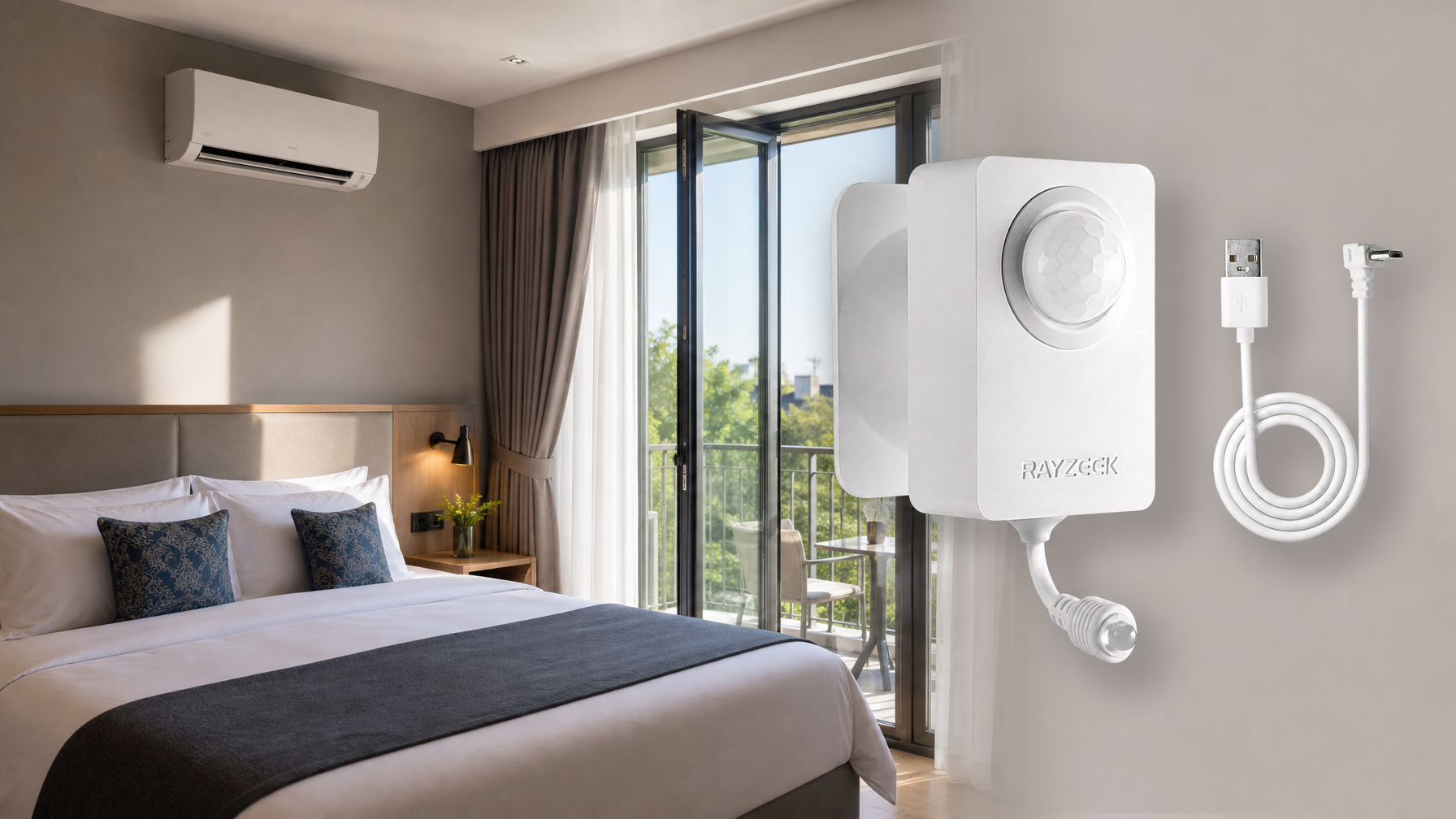
Но что, если бы вы могли сэкономить еще больше энергии даже с идеально чистым фильтром? Правда заключается в том, что значительное количество энергии часто расходуется впустую, когда кондиционеры остаются включенными в пустых комнатах. Каждый из нас попадал в такую ситуацию — забывал выключить кондиционер перед выходом из дома или оставлял его включенным в неиспользуемой комнате. Именно здесь на помощь приходит RZ050 Air Conditioner Motion Sensor . Это инновационное устройство автоматически выключает кондиционер, когда обнаруживает, что в комнате никого нет, предотвращая избыточный расход энергии и существенно снижая ваши счета. Это идеальное дополнение к регулярному обслуживанию фильтров, гарантирующее максимальную экономию энергии.

RZ050 Air Conditioner Motion Sensor
Перестаньте расходовать энергию впустую даже с чистыми фильтрами.
- Автоматически выключает ваш кондиционер, когда вы выходите из комнаты.
- Экономьте до 50% на счетах за электроэнергию для кондиционера.
- Простая самостоятельная установка, совместимость с большинством сплит-систем.
Улучшенное качество воздуха в помещении
Представьте фильтр вашего кондиционера как легкие вашего дома. Подобно тому, как наши легкие фильтруют воздух, которым мы дышим, фильтр улавливает пыль, пыльцу, шерсть домашних животных, споры плесени и другие загрязнения, содержащиеся в воздухе. Это критически важно для поддержания высокого качества воздуха в помещении. Для людей с аллергией, астмой или другими заболеваниями дыхательных путей чистый фильтр может кардинально изменить ситуацию. Грязный же фильтр, напротив, может повторно циркулировать эти загрязнители по всему дому, что потенциально усугубляет проблемы с дыханием и делает ваше жилое пространство менее здоровым.
Увеличенный срок службы системы HVAC
Забитый фильтр влияет не только на качество воздуха и счета за электроэнергию; он также может нанести вред самой системе HVAC. При ограничении воздушного потока система может перегреваться. Это похоже на бег на марафонскую дистанцию с перекрытыми дыхательными путями — не самая лучшая идея! Со временем этот перегрев может привести к преждевременному износу таких важных компонентов, как двигатель вентилятора и компрессор. Это может стать причиной дорогостоящего ремонта или, что еще хуже, необходимости преждевременной замены всей системы. Регулярное обслуживание фильтра помогает предотвратить этот перегрев, обеспечивая долгую и надежную работу вашей системы HVAC.
Вдохновляйтесь линейками датчиков движения Rayzeek.
Не нашли то, что искали? Не волнуйтесь, всегда есть альтернативные варианты решения ваших задач. Возможно, вам подойдет одна из наших линеек продукции.
Что произойдет, если не чистить фильтр кондиционера?
Игнорирование очистки фильтра кондиционера может привести к каскаду негативных последствий:
- Reduced Cooling Efficiency: You might notice that your home isn’t cooling as effectively as it used to, and temperatures might be uneven throughout your house.
- Higher Energy Bills: As your system works harder to compensate for the reduced airflow, your energy consumption will increase, leading to higher utility bills.
- Poor Indoor Air Quality: The air in your home might feel stuffy, and you or your family members might experience increased allergy or asthma symptoms.
- System Damage: Overheating can cause significant damage to your HVAC system’s components, potentially leading to costly repairs or even system failure.
- Frozen Evaporator Coil: In severe cases, restricted airflow can cause the evaporator coil to freeze, leading to a complete system shutdown.
- Blower Motor Strain: The blower motor will have to work harder to circulate air, which can lead to its premature failure.
Types of Air Conditioner Filters
Understanding the different types of air conditioner filters available is crucial for selecting the right one for your needs and knowing how to maintain it properly. A key concept to grasp here is the Minimum Efficiency Reporting Value (MERV). This scale, ranging from 1 to 20, rates a filter’s ability to capture particles. Higher MERV ratings indicate greater filtration efficiency, meaning the filter can trap smaller particles. Let’s explore the common types:
Fiberglass Filters: Understanding MERV Ratings and Limitations
These are the most basic and budget-friendly filters you’ll find. Typically sporting a MERV rating of 1-4, they are made of spun fiberglass fibers. While they do a decent job of protecting your HVAC system from large debris, they fall short when it comes to improving indoor air quality. They offer minimal filtration of smaller particles like pollen and dust. If you opt for fiberglass filters, be prepared to replace them frequently, usually every 30 days.
Limitation: Their low filtration efficiency makes them unsuitable for individuals with allergies or respiratory concerns.
Pleated Filters: Balancing Efficiency and Airflow
Pleated filters are a step up from fiberglass. Made of pleated fabric or paper-like material, they offer a larger surface area for trapping particles. With a MERV rating typically between 5-13, they are more effective at capturing smaller particles, including dust, pollen, and some mold spores. They strike a better balance between filtration efficiency and airflow compared to fiberglass filters. You’ll likely need to replace these every 3-6 months, depending on usage and environmental conditions.
It’s worth noting that a higher pleat density can increase filtration efficiency. However, this can also increase airflow resistance, potentially putting extra strain on your blower motor. It’s a delicate balance.
Washable Filters: Long-Term Cost Savings and Maintenance
As the name suggests, these filters are designed to be washed and reused. Made of durable materials like metal mesh or synthetic fabric, they typically have a MERV rating of 1-8. They present a cost-effective alternative to disposable filters, potentially lasting several years with proper maintenance. However, they do require regular cleaning, usually every 1-3 months.
The effectiveness of cleaning methods varies. While vacuuming removes surface debris, washing with water and mild detergent can remove more deeply embedded particles. However, it’s important to consider that repeated washing may degrade the filter media and reduce its efficiency over time. A cost-benefit analysis should consider the time investment in cleaning and the potential degradation of filtration efficiency.
HEPA Filters: Superior Filtration for Allergy Sufferers
HEPA (High-Efficiency Particulate Air) filters are the gold standard of air filtration. Designed to remove at least 99.97% of particles 0.3 microns in size (that’s incredibly small!), they boast a MERV rating of 17-20. They provide the highest level of filtration, trapping even the tiniest particles, including bacteria and some viruses. Often used in hospitals and cleanrooms, they can also be used in residential HVAC systems designed to accommodate them. For individuals with severe allergies or asthma, HEPA filters can significantly improve indoor air quality.
Limitation: They can significantly restrict airflow and may not be compatible with all HVAC systems. They often require professional installation and may increase energy consumption.
Electrostatic Filters: How They Attract and Capture Particles
These filters use a fascinating principle – static electricity – to attract and capture airborne particles. They can be either disposable or washable and typically have a MERV rating of 4-10. The filter media is electrostatically charged, causing particles to adhere to it, much like how a balloon rubbed on your hair can stick to a wall.
How Often Should You Clean Your Air Conditioner Filter?
The frequency of filter cleaning or replacement is not a one-size-fits-all answer. It depends on several factors, including the type of filter you have, how often you use your HVAC system, and the specific environmental conditions of your home.
Возможно, вас заинтересует
- Напряжение: 2 батарейки типа AAA
- Режим День/Ночь
- Задержка времени: 15 мин, 30 мин, 1 ч (по умолчанию), 2 ч
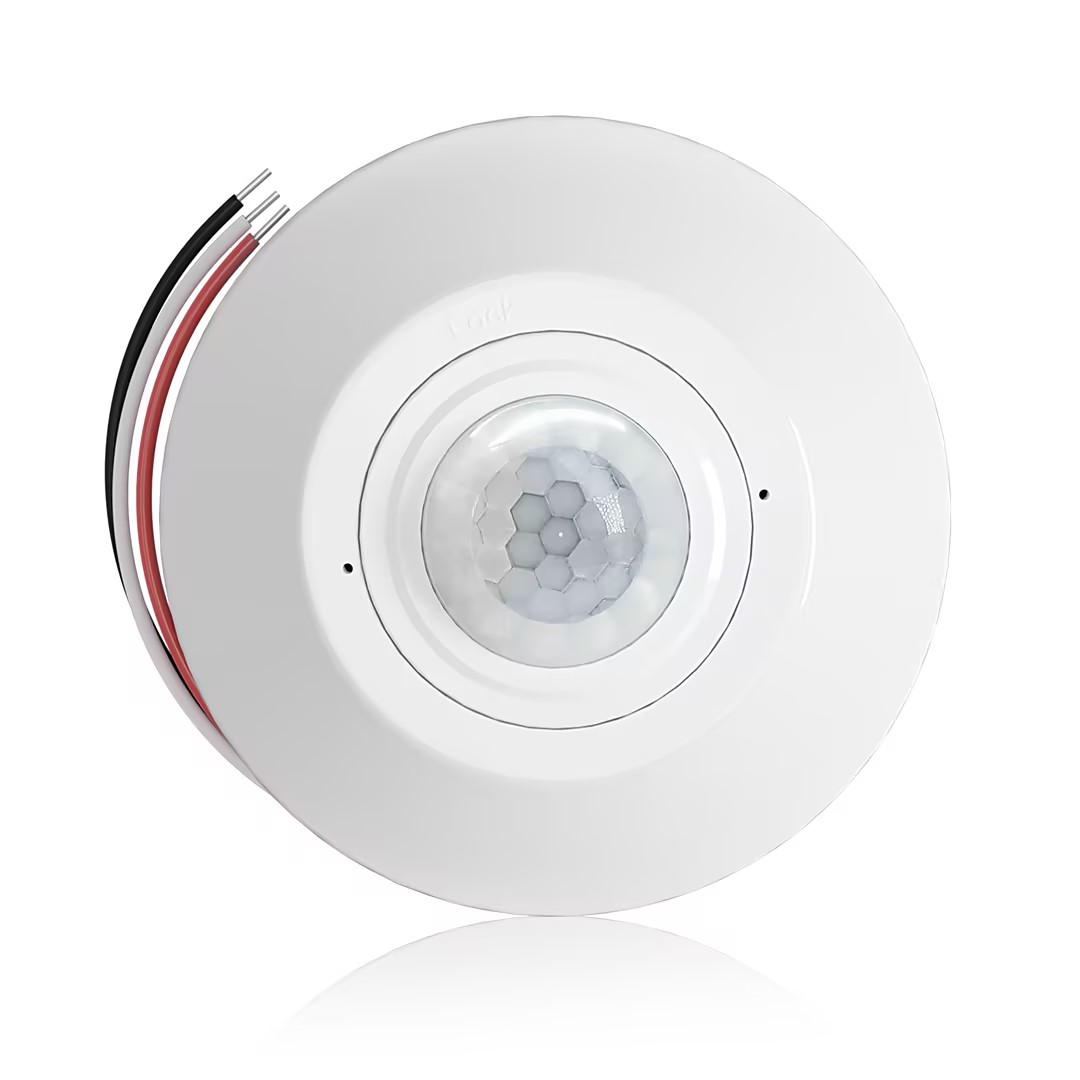
- Потолочный PIR-датчик присутствия с выходом реле с сухими контактами
- Низковольтное питание 12/24VDC или 12/24VAC
- Изолированные контакты реле COM, NO и NC для систем управления зданием (EMS), ОВК (HVAC) и автоматизации
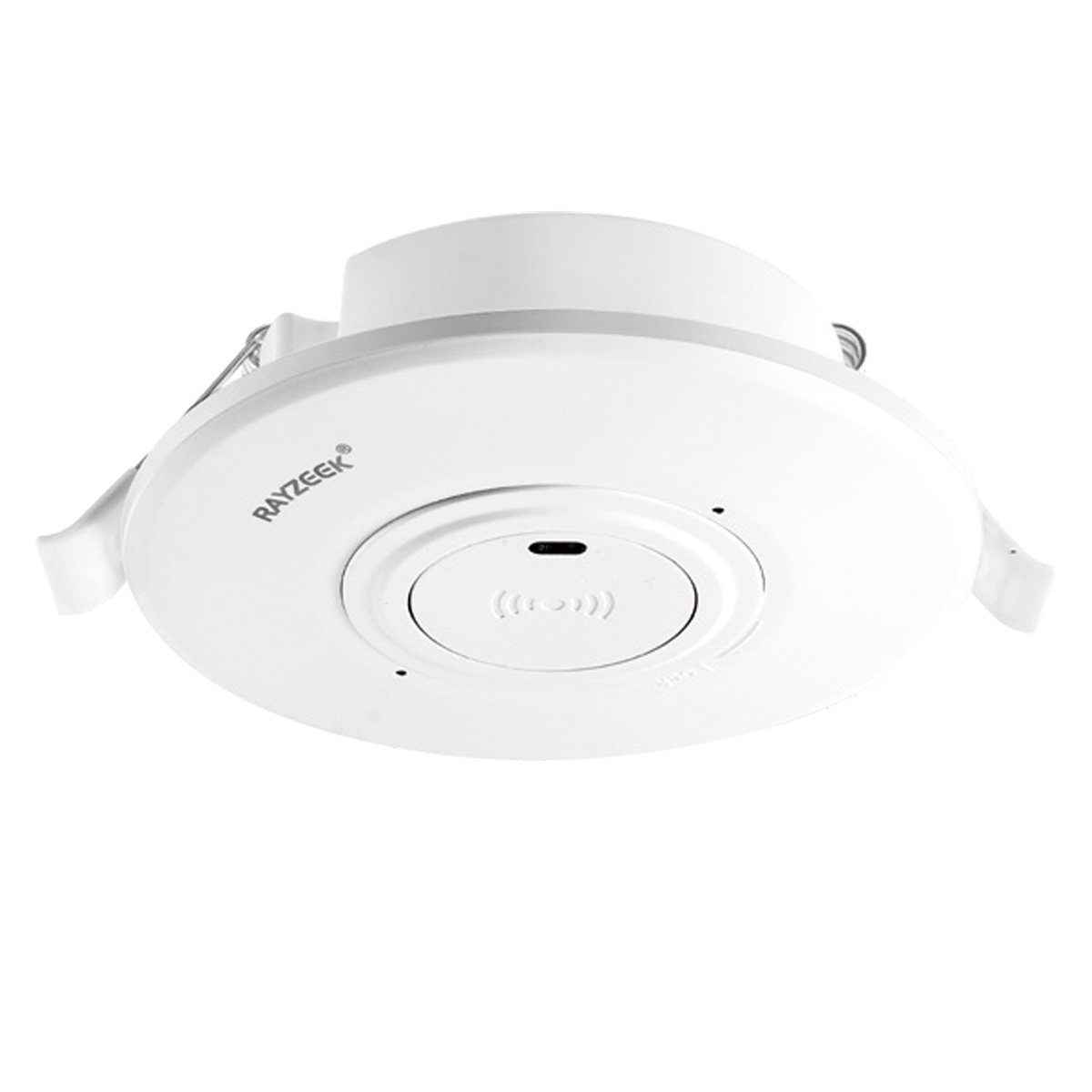
- Низковольтный встраиваемый потолочный микроволновый выключатель с датчиком движения постоянного тока
- Вход 12 VDC / 24 VDC с диапазоном 10-30 VDC
- Максимальный рабочий ток 10A с регулируемой задержкой времени, порогом освещенности (Lux) и чувствительностью
- Встраиваемый в потолок микроволновый датчик движения (выключатель) для повышенной нагрузки
- Входное сетевое напряжение 100-265 VAC, модель на 10A
- Микроволновое обнаружение на частоте 5.8 GHz с регулировкой задержки времени, порога освещенности (Lux) и чувствительности
- Встраиваемый в потолок микроволновый датчик движения (выключатель)
- Входное сетевое напряжение 100-265 VAC, модель на 5A
- Микроволновое обнаружение на частоте 5.8 GHz с регулировкой задержки времени, порога освещенности (Lux) и чувствительности
- Потолочный PIR-датчик присутствия с функцией диммера RZ037 для сетей 220V
- Максимальный рабочий ток 3A с номинальной нагрузкой 660W
- Кнопка LUX управляет включением/выключением датчика освещенности и установленной пользователем яркостью диммирования
- Потолочный PIR-датчик присутствия с функцией диммера RZ037 для сетей 110V
- Максимальный рабочий ток 3A с номинальной нагрузкой 330W
- Кнопка LUX управляет включением/выключением датчика освещенности и установленной пользователем яркостью диммирования
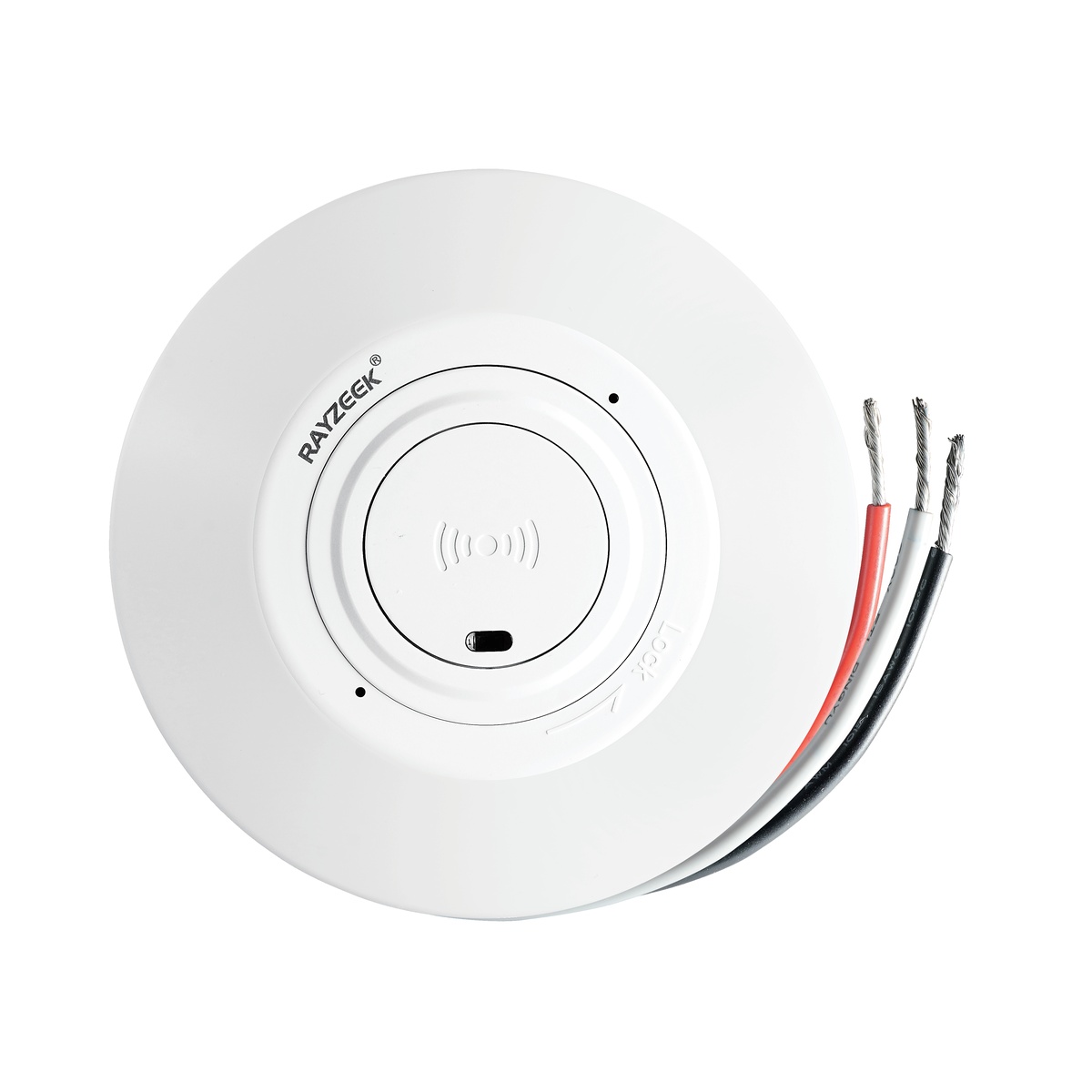
- Низковольтный потолочный микроволновый датчик движения (выключатель) постоянного тока (DC)
- Вход 12 VDC / 24 VDC с диапазоном 10-30 VDC
- Максимальный рабочий ток 10A с регулируемой задержкой времени, порогом освещенности (Lux) и чувствительностью
- Потолочный микроволновый датчик движения (выключатель) для повышенной нагрузки
- Входное сетевое напряжение 100-265 VAC, модель на 10A
- Микроволновое обнаружение на частоте 5.8 GHz с регулировкой задержки времени, порога освещенности (Lux) и чувствительности
- Потолочный микроволновый датчик движения (выключатель)
- Входное сетевое напряжение 100-265 VAC, модель на 5A
- Микроволновое обнаружение на частоте 5.8 GHz с регулировкой задержки времени, порога освещенности (Lux) и чувствительности
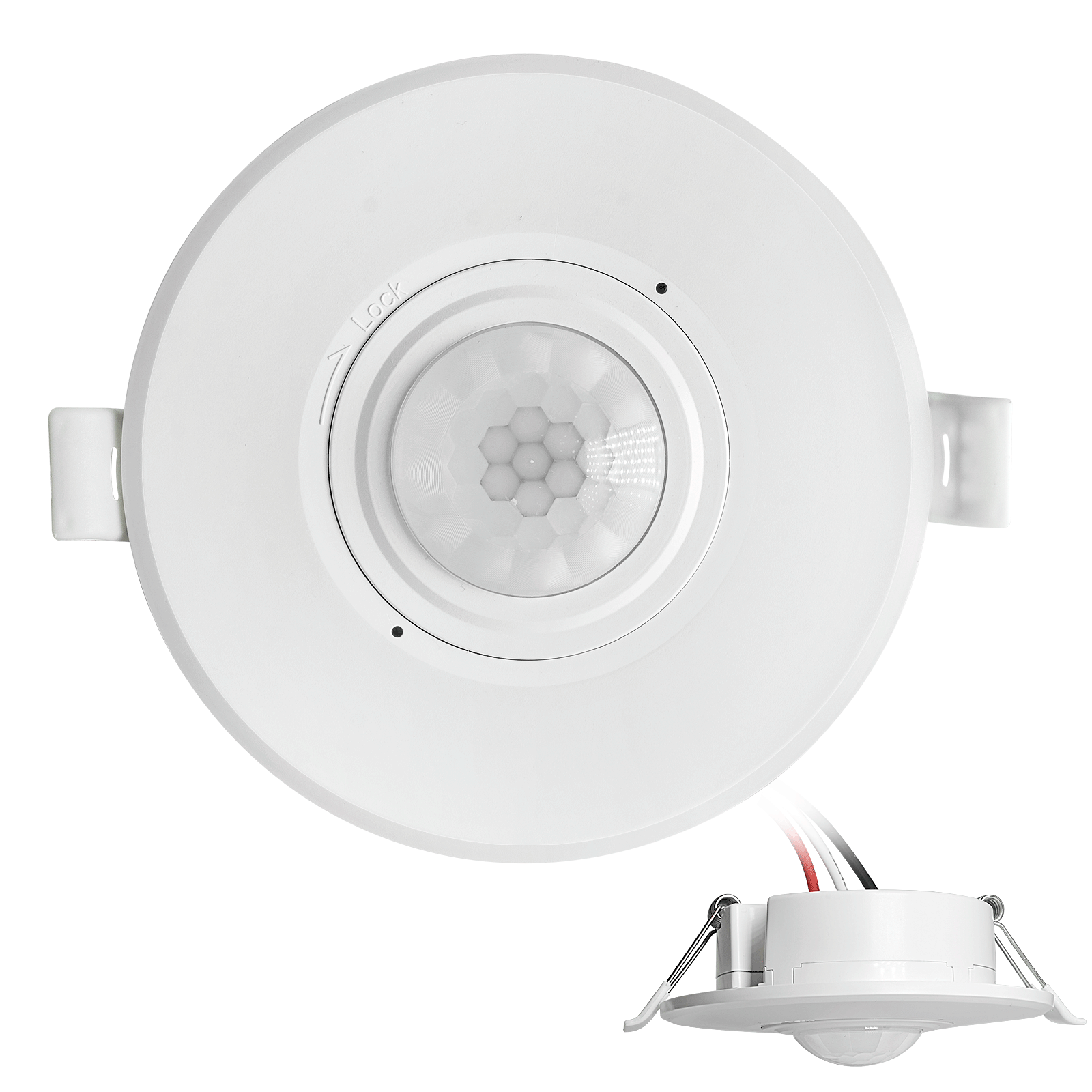
- Низковольтный встраиваемый потолочный датчик-выключатель движения PIR постоянного тока
- Вход 12 VDC / 24 VDC с диапазоном 10-30 VDC
- Максимальный рабочий ток 10 А с регулировкой задержки времени, порога освещенности (Lux) и чувствительности
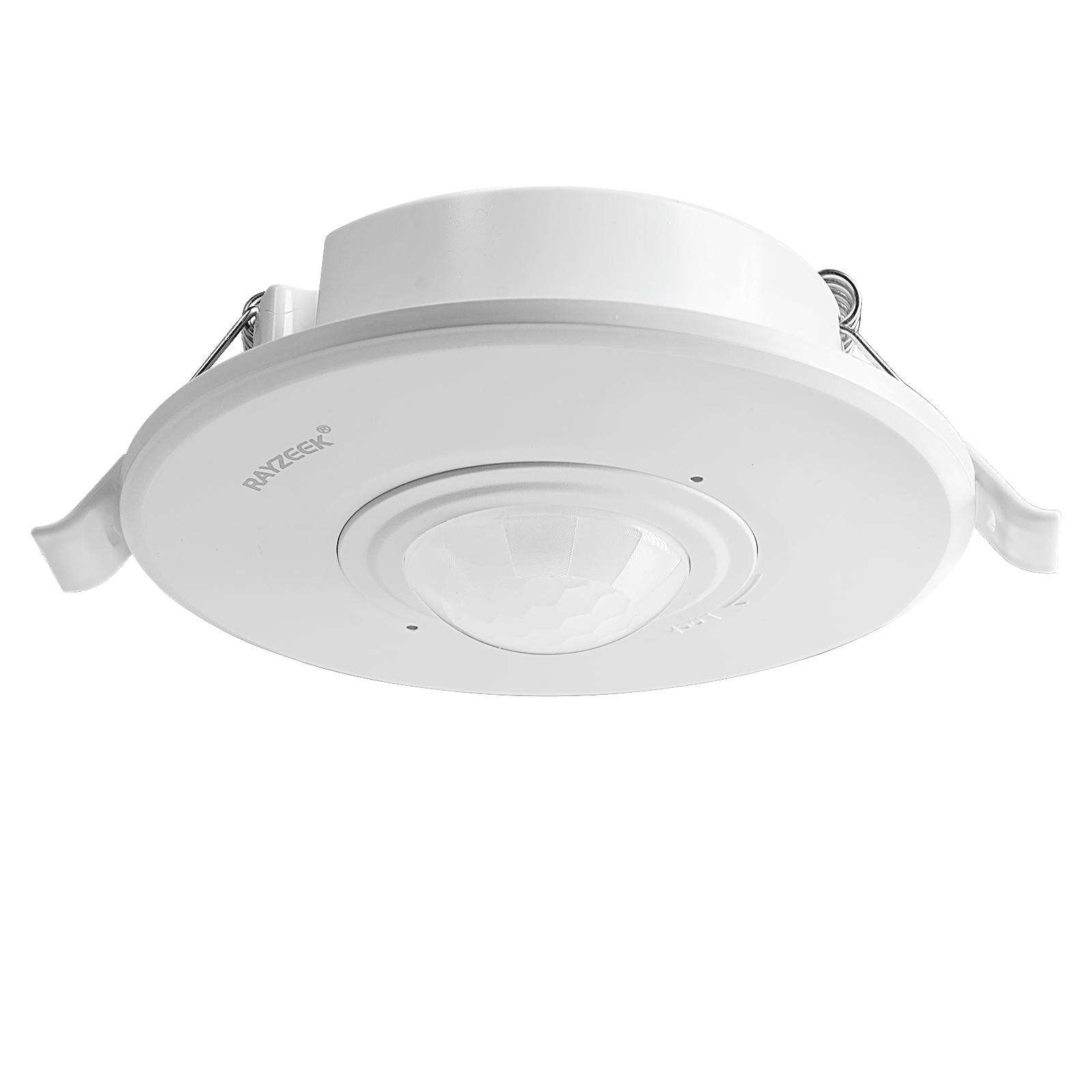
- Встраиваемый потолочный датчик-выключатель движения PIR для повышенной нагрузки
- Входное сетевое напряжение 100-265 VAC, модель на 10A
- Обнаружение на 360 градусов с регулировкой задержки времени, порога освещенности (Lux) и чувствительности
- Встраиваемый потолочный датчик-выключатель движения PIR
- Входное сетевое напряжение 100-265 VAC, модель на 5A
- Обнаружение на 360 градусов с регулировкой задержки времени, порога освещенности (Lux) и чувствительности
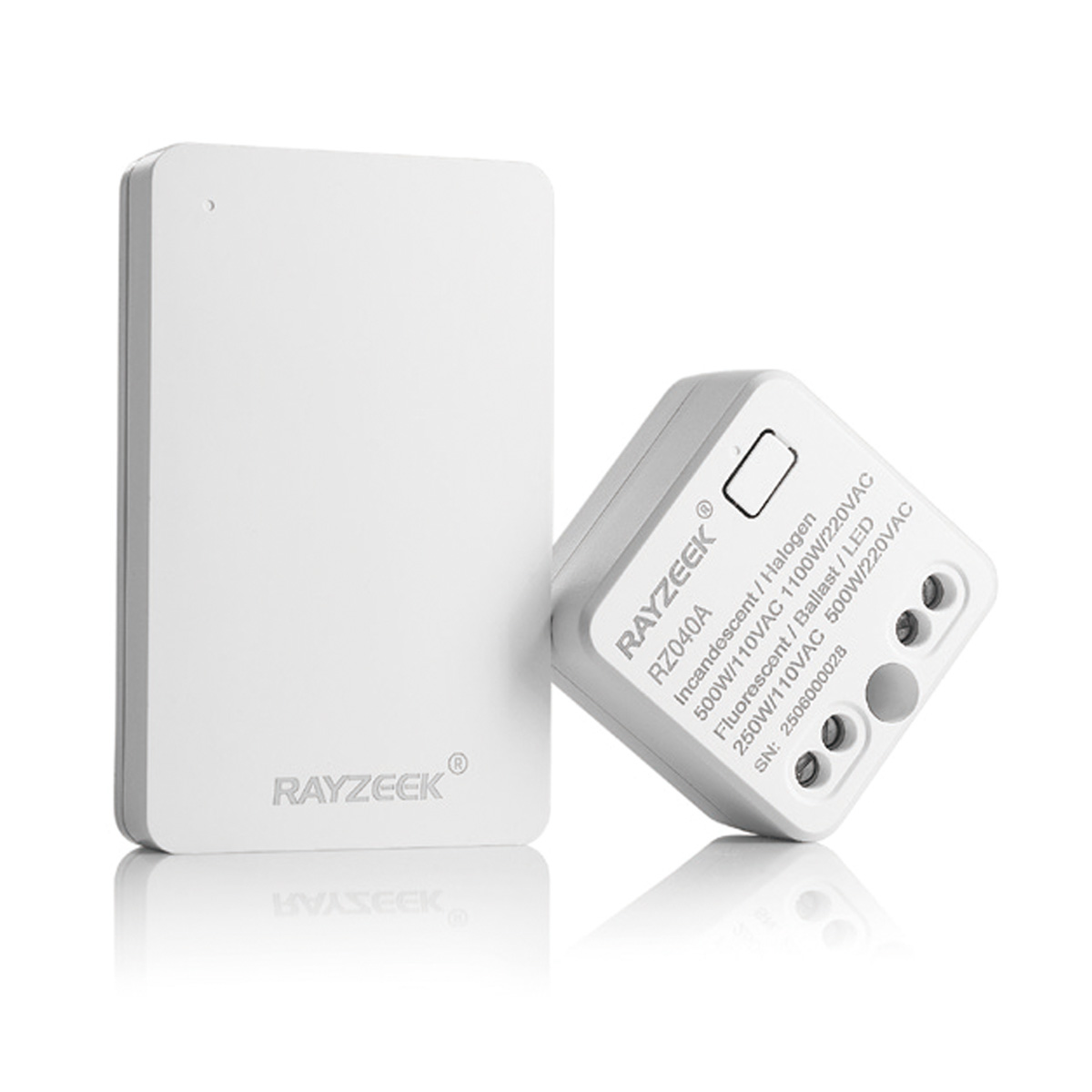
- Комплект из беспроводного выключателя и приемника для управления внутренним освещением (вкл/выкл)
- Приемник 100–230 В переменного тока, 50/60 Гц с номинальным током 5 А
- Беспроводной выключатель на базе батарейки CR2032 с частотой связи 2.4 ГГц
- Контроль присутствия (автоматическое включение и выключение)
- 12–24 В постоянного тока (10–30 В постоянного тока), до 10 А
- Зона покрытия 360°, диаметр обнаружения 8–12 м
- Задержка времени от 15 с до 30 мин
- Датчик освещенности: Выкл / 15 / 25 / 35 Люкс
- Высокая/низкая чувствительность
- Режим присутствия: авто-включение / авто-выключение
- 100–265V AC, 10A (требуется нейтраль)
- Зона покрытия 360°; диаметр обнаружения 8–12 м
- Задержка времени 15 с–30 мин; Lux ВЫКЛ/15/25/35; Чувствительность Высокая/Низкая
- Режим присутствия: авто-включение / авто-выключение
- 100–265V AC, 5A (требуется нейтраль)
- Зона покрытия 360°; диаметр обнаружения 8–12 м
- Задержка времени 15 с–30 мин; Lux ВЫКЛ/15/25/35; Чувствительность Высокая/Низкая
General Recommendation:
- Fiberglass filters: Replace every 30 days.
- Pleated filters: Replace every 3-6 months.
- Washable filters: Clean every 1-3 months.
- HEPA filters: Replace every 12-18 months (or as recommended by the manufacturer).
Factors Affecting Cleaning Frequency:
- Pet Ownership: If you have furry friends at home, their dander can clog filters more quickly, requiring more frequent cleaning or replacement.
- Allergies or Asthma: Individuals with allergies or asthma may need to clean or replace their filters more often to maintain optimal indoor air quality and minimize symptoms.
- Local Environment: Do you live in an area with high levels of dust, pollen, or pollution? If so, you’ll likely need more frequent filter maintenance.
- HVAC System Usage: The more you use your AC system, the faster the filter will load up with particles, necessitating more frequent cleaning or replacement.
Consider your specific location and environmental factors. For example, if you live in an area with high pollen counts during certain seasons, you might find yourself needing to clean your filter more frequently during those times. It’s all about adapting to your specific circumstances.
How to Clean Reusable Air Conditioner Filters
Cleaning a reusable air conditioner filter is a straightforward process that can save you money and reduce waste. Here’s a step-by-step guide:
1. Gathering Supplies
Before you begin, gather the following supplies:
- Vacuum cleaner with a hose attachment
- Sink or tub
- Mild detergent (optional)
- Soft-bristled brush (optional)
- Bucket (optional)
- Gloves (optional)
2. Locating the Filter
The location of your air filter will vary depending on the type of HVAC system you have. Here are some common locations:
- Wall-mounted return vent: Often found in a hallway or central location.
- Ceiling-mounted return vent: Similar to wall-mounted, but located on the ceiling.
- Inside the air handler unit: Usually located in a closet, attic, or basement.
If you’re unsure where to find your filter, consult your HVAC system’s owner’s manual. It’s always a good idea to familiarize yourself with your system.
Ищете энергосберегающие решения с датчиками движения?
Свяжитесь с нами, чтобы заказать готовые PIR-датчики движения, энергосберегающие устройства с активацией по движению, выключатели с датчиками движения, а также коммерческие решения контроля присутствия (Occupancy/Vacancy).
3. Removing the Filter
- Safety First: Turn off the power to your HVAC system at the thermostat or breaker box.
- Open the access panel or grille covering the filter.
- Carefully slide the filter out of its housing.
- Important Note: Pay attention to the airflow direction indicated by arrows on the filter frame. This is crucial for proper reinstallation.
4. Vacuuming the Filter
Using a vacuum cleaner with a hose attachment, thoroughly vacuum both sides of the filter. This step is essential for removing loose dust and debris, preventing it from being washed deeper into the filter media during the next step. If you have a pleated filter, pay special attention to the pleats, ensuring you remove as much debris as possible.
5. Washing the Filter
- Fill a sink, tub, or bucket with lukewarm water.
- If desired, add a small amount of mild detergent. Avoid using harsh chemicals or bleach, as they can damage the filter.
- Submerge the filter in the water and gently agitate it to loosen embedded dirt.
- If necessary, use a soft-bristled brush to gently scrub the filter, but be careful not to damage the filter media.
- Rinse the filter thoroughly with clean water until all soap residue is removed.
6. Drying the Filter
- Shake off any excess water from the filter.
- Allow the filter to air dry completely before reinstalling it. This may take several hours, depending on the humidity.
- Important: Do not use a heat source to dry the filter, as this could damage it.
Ensure the filter is completely dry before reinstalling it. A damp filter can become a breeding ground for mold and mildew, negating the benefits of cleaning and potentially introducing new problems to your indoor air quality.
7. Reinstalling the Filter
- Once the filter is completely dry, slide it back into its housing.
- Crucial Step: Make sure the airflow arrows are pointing in the correct direction.
- Close the access panel or grille.
- Turn the power to your HVAC system back on.
How to Clean Non-Reusable Air Conditioner Filters
Non-reusable filters, such as fiberglass and some pleated filters, are designed to be replaced, not cleaned. Attempting to clean these filters can damage the filter media and reduce their effectiveness. However, you can extend their lifespan slightly by vacuuming them to remove surface debris.
Steps:
- Turn off the power to your HVAC system.
- Remove the filter.
- Use a vacuum cleaner with a hose attachment to gently vacuum both sides of the filter.
- Reinstall the filter, noting the airflow direction.
- Replace the filter with a new one as soon as it appears heavily soiled or damaged.
Signs Your Air Conditioner Filter Needs Replacing
Even with regular cleaning, all filters eventually reach the end of their lifespan. Here are some signs that your air conditioner filter needs replacing:
- Visible Dirt and Debris: If the filter is visibly clogged with dirt and debris that cannot be removed by vacuuming or washing, it’s time for a new one.
- Damage: Any tears, holes, or other damage to the filter media compromise its effectiveness and necessitate replacement.
- Bent or Damaged Frame: A bent or damaged frame can prevent the filter from fitting properly, leading to air bypass and reduced filtration.
- Reduced Airflow: If you notice reduced airflow from the vents, it could indicate a severely clogged filter that needs replacing.
- Increase in Allergy or Asthma Symptoms: If you or your family members experience a noticeable increase in allergy or asthma symptoms, it could be a sign that the filter is no longer effectively trapping allergens.
- Musty Odors: Unpleasant or musty odors coming from the vents can indicate mold or mildew growth on the filter, requiring immediate replacement.
- End of Lifespan: Check the manufacturer’s guidelines for the recommended lifespan of your filter. Even if it appears clean, it’s best to replace it after the recommended period.
How to Replace an Air Conditioner Filter
Replacing an air conditioner filter is a simple task that most homeowners can do themselves. Here’s a step-by-step guide:
- Turn Off Power: Turn off the power to your HVAC system at the thermostat or breaker box.
- Locate and Remove Old Filter: Locate the filter and carefully remove the old one.
- Note the Size: Note the size of the old filter. It’s usually printed on the frame.
- Purchase New Filter: Purchase a new filter of the same size and type. This is an opportunity to consider upgrading to a higher MERV rating if desired, but ensure compatibility with your HVAC system.
- Insert New Filter: Insert the new filter into the housing, making absolutely sure the airflow arrows are pointing in the correct direction.
- Close Access Panel: Close the access panel or grille.
- Turn Power On: Turn the power to your HVAC system back on.
- Dispose of Old Filter: Dispose of the old filter properly.
By following these guidelines, you can ensure that your HVAC system runs efficiently, your indoor air quality remains high, and your home remains a comfortable and healthy environment. Remember, a clean air conditioner filter is a small but crucial investment in your well-being and the longevity of your HVAC system.