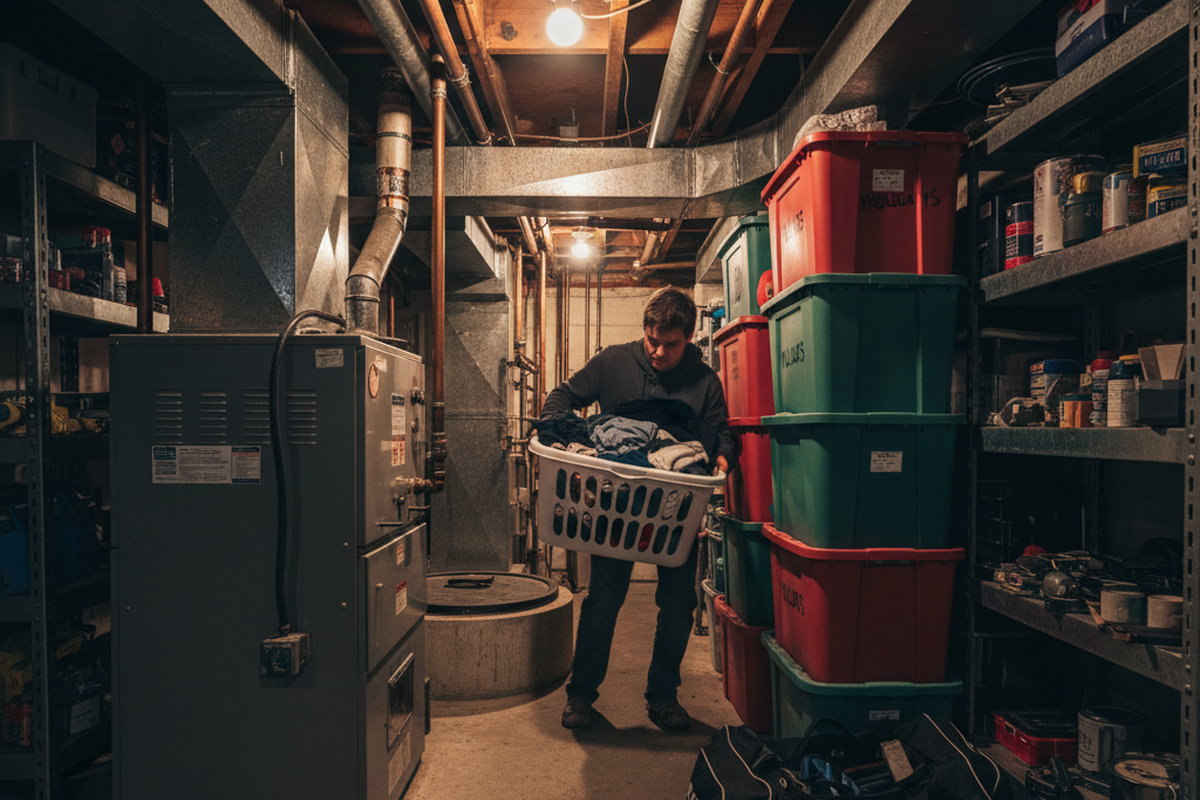
A man carries a white laundry basket through a narrow basement aisle lined with stacked plastic storage bins and metal shelving. A large furnace and overhead pipes crowd the space, while a black duffel bag sits on the floor in the foreground.

The basement mechanical room is a machine we walk into, not a storage nook. Rayzeek outlines a practical design path that removes reliance on memory with automated lighting, clear space, and robust local controls to prevent neglect from becoming disaster.


A glass coffee carafe rests on a heater in a dark room, highlighted by a bright orange on-off switch. The small amount of liquid inside has darkened and reduced to a burnt residue at the bottom of the pot.

Rayzeek advocates a dumb, local breakroom power solution: a heavy-duty sensor that powers the coffee maker only when people are in the room. With a 30-minute delay and rugged relays, it prevents waste, outages, and fridge mishaps while driving greener energy use.

A chef in a white coat and apron stands at a stainless steel table slicing radishes on a white board. Wire shelves holding plastic containers line the wall behind him.

Rayzeek explains why standard PIR sensors miss quiet prep zones in busy kitchens and how Dual-Tech ultrasonic sensing fixes the darkness on prep lines. Learn practical tips to fix dark prep rooms and prevent unsafe, strobe-prone outages.

A long, reflective table sits surrounded by empty chairs in a darkened conference room. Floor-to-ceiling windows reveal a foggy blue city skyline at twilight.

Rayzeek champions a simple, reliable alternative to overhyped smart thermostats. A dumb, hardwired occupancy sensor controls HVAC, with a factory-set timeout that avoids energy waste when rooms are empty, free from software failures or network glitches.

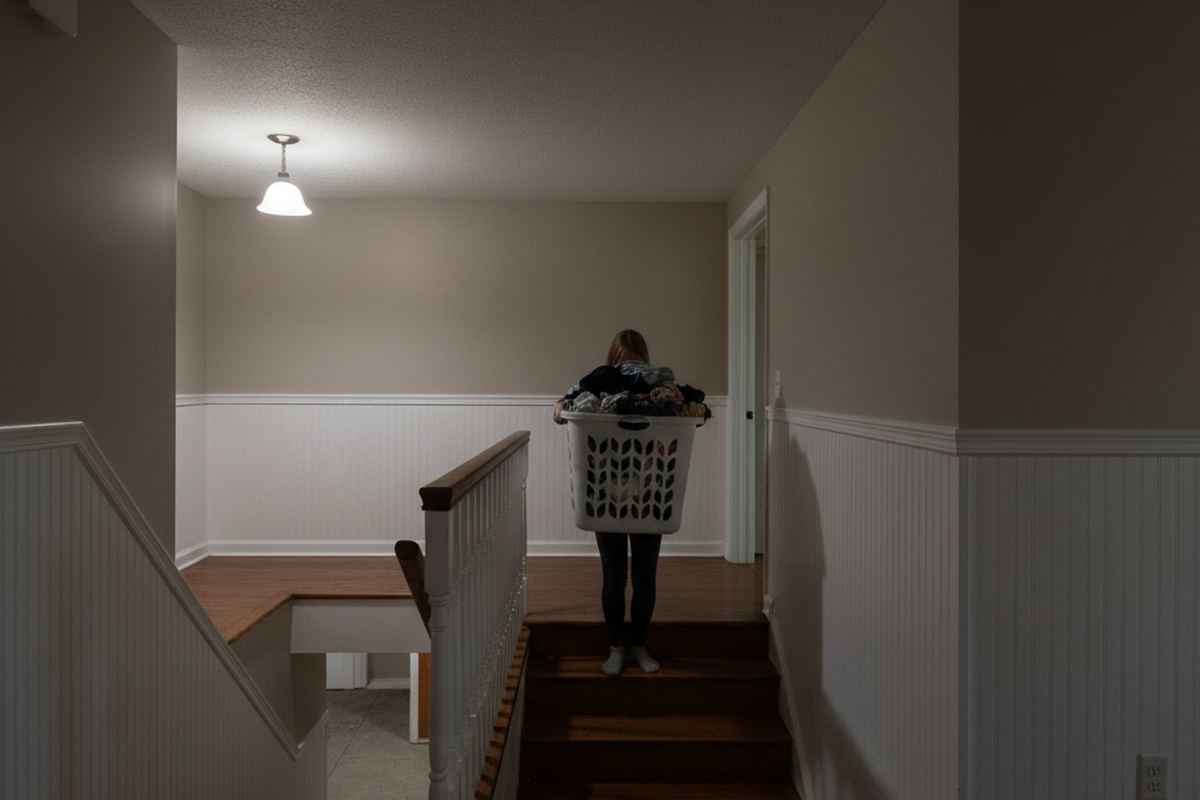
A person stands on the upper steps of a split-level staircase holding a large white laundry basket while facing away. The surrounding hallway is dimly lit, creating significant shadows across the wooden flooring and white wainscoting.

Rayzeek explains why split-level landings need ceiling-mounted sensors to prevent dark stairs and missed detections. The piece breaks down lighting latency, sensor geometry, and practical wiring to keep stairways lighting up the instant a foot touches them.

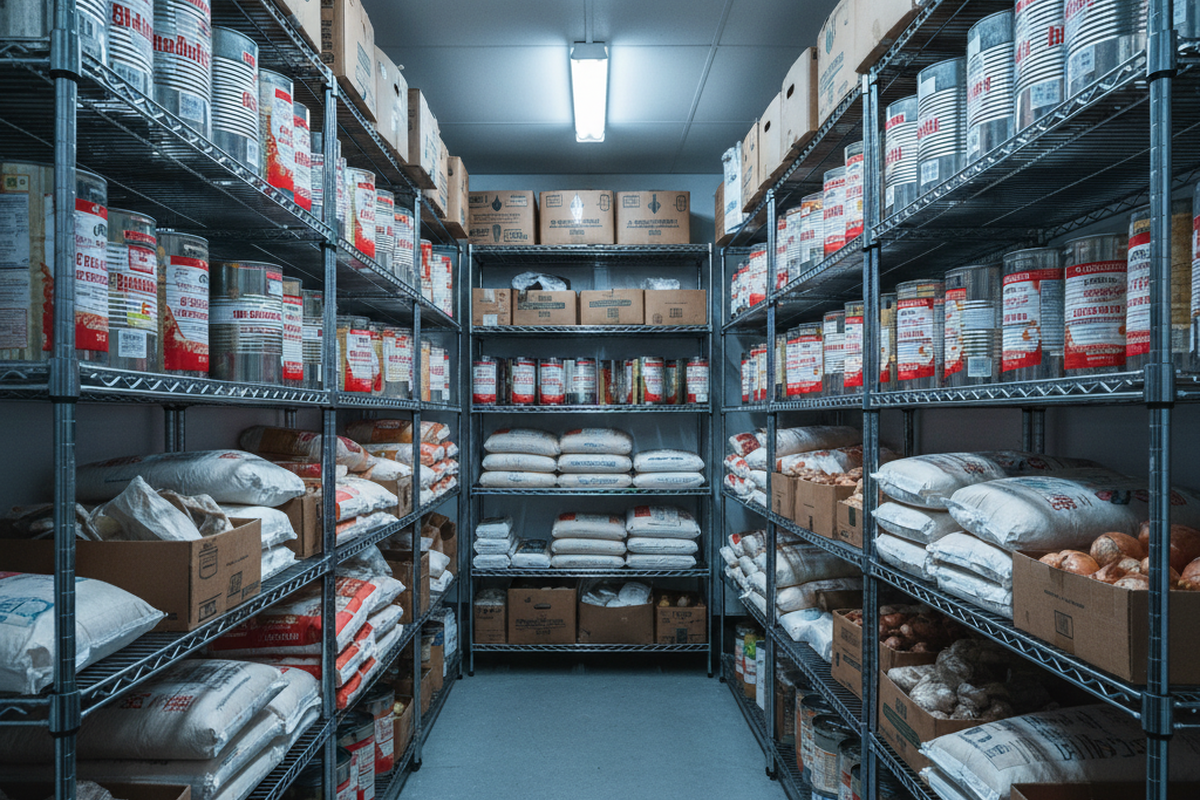
Metal wire shelving units packed with large cans and sacks line a narrow aisle in a commercial kitchen pantry. Bright overhead fluorescent strip lights illuminate the windowless storage space.

Køkkendepoter kan forbruge energi døgnet rundt – en skjult omkostning, som Ghost Closet afdækker. Denne feltguide viser, hvordan rod forstyrrer sensorer, hvorfor løsninger med dual-teknologi overgår billige vægafbrydere, og hvordan stabile styringer sparer penge uden at forsinke personalet.

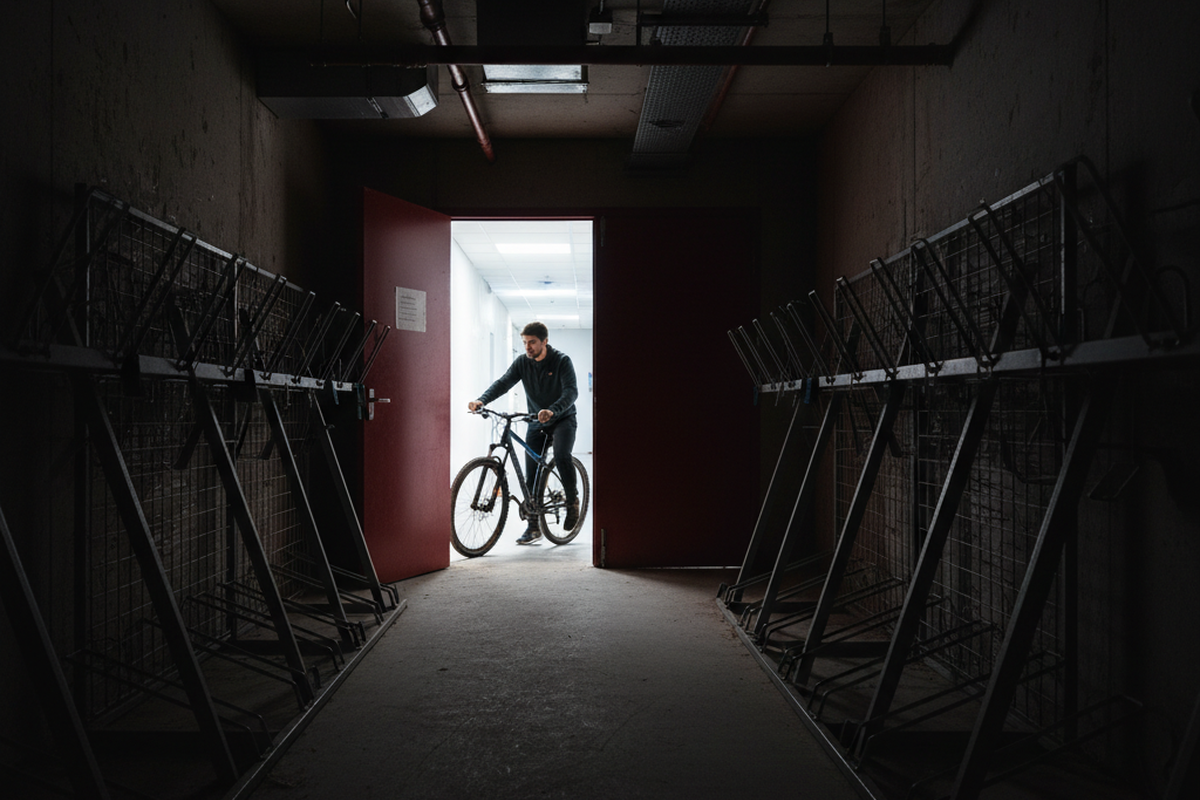
A cyclist pushes a bicycle through open red doors into a pitch-black concrete room lined with metal storage racks. The bright light from the hallway creates a silhouette against the unlit interior.

Cykelrum kræver belysning, der aktiveres øjeblikkeligt, så snart døren åbnes på klem, for at forhindre fald og skader. Guiden gennemgår sensorgeometri, dual-tech-systemer (PIR plus ultralyd) og en fastfortrådet løsning uden app til pålidelig belysning.

Rows of black server racks lined with blue status LEDs flank a central aisle composed of perforated floor tiles. A low-lying mist or fog drifts across the floor and lower rack sections beneath bright, square overhead light panels.

Rayzeek forklarer, hvordan belysning i datacentre kan virke spøgelsesagtig på grund af fejllæsninger i sensorer og varmluftssøjler. En Dual-Tech-tilgang med intelligent placering reducerer phantom loads, forbedrer driftssikkerheden og nedbringer energispild.

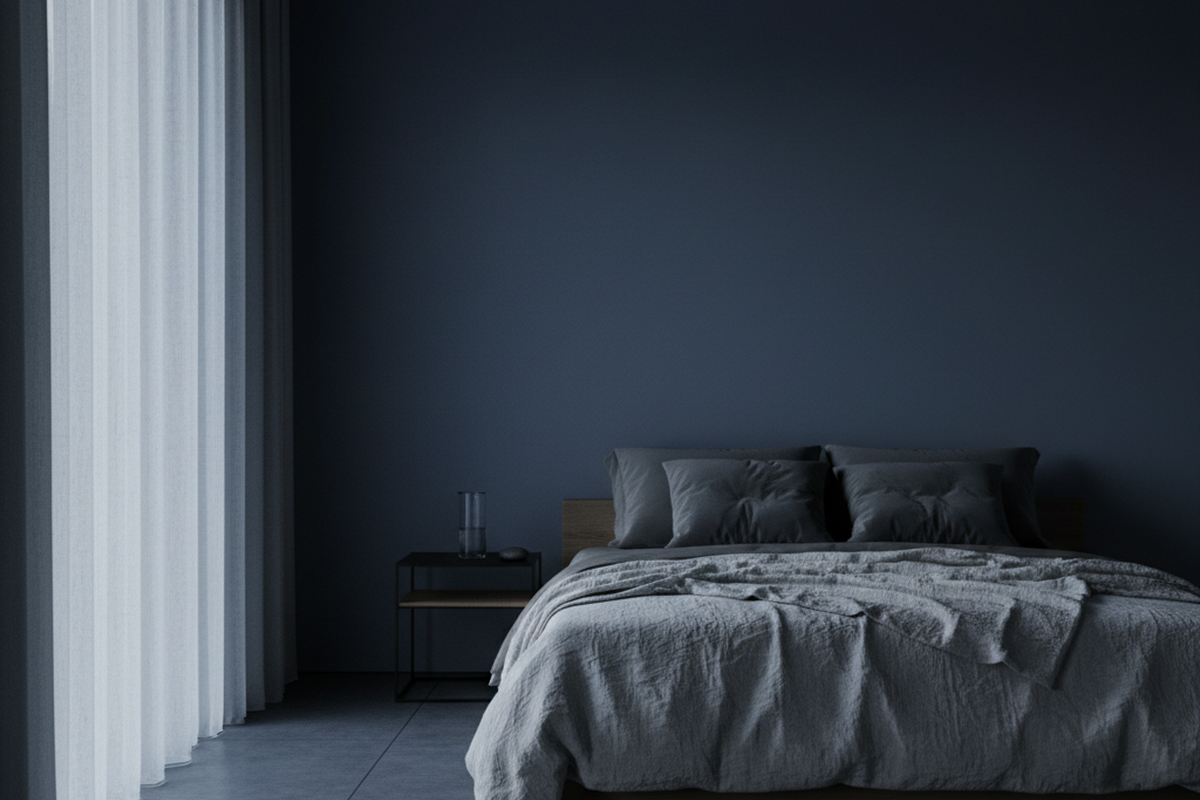
A dimly lit bedroom features a low bed with grey linens and a glass of water on a side table against dark blue walls. Soft light filters through sheer floor-to-ceiling curtains, illuminating the room without artificial fixtures.

Rayzeek wall box vacancy sensors fix the 2 a.m. auto-on nightmare by requiring manual light control in bedrooms. This guide covers vacancy mode, key settings, and simple installation tips to protect sleep and save energy.

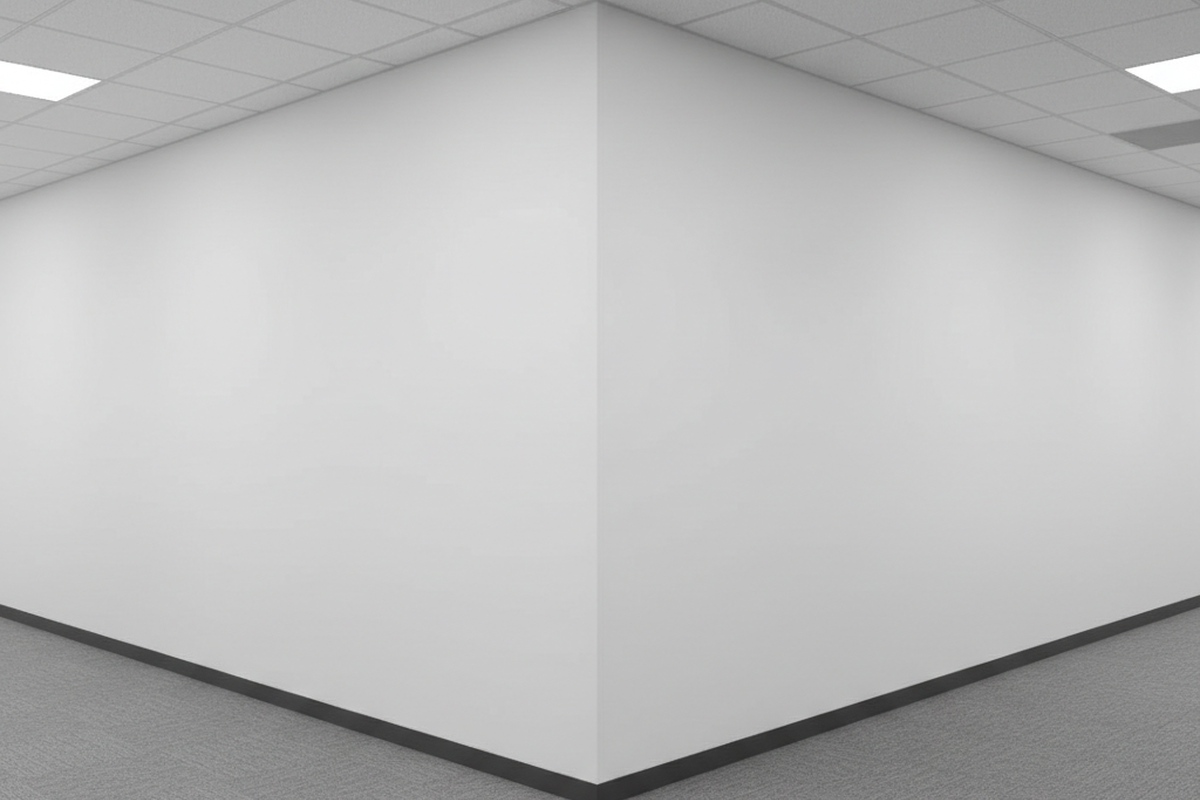
A stark white wall corner projects into an empty office corridor lined with grey carpet and overhead grid lighting. The vertical edge creates a sharp division between the two visible sides of the hallway structure.

Rayzeek explains why a single corner sensor falters in L-shaped corridors and how geometry governs motion detection. A two-sensor setup on each leg creates overlapping kill zones that keep lighting reliable at the turn.

Danish