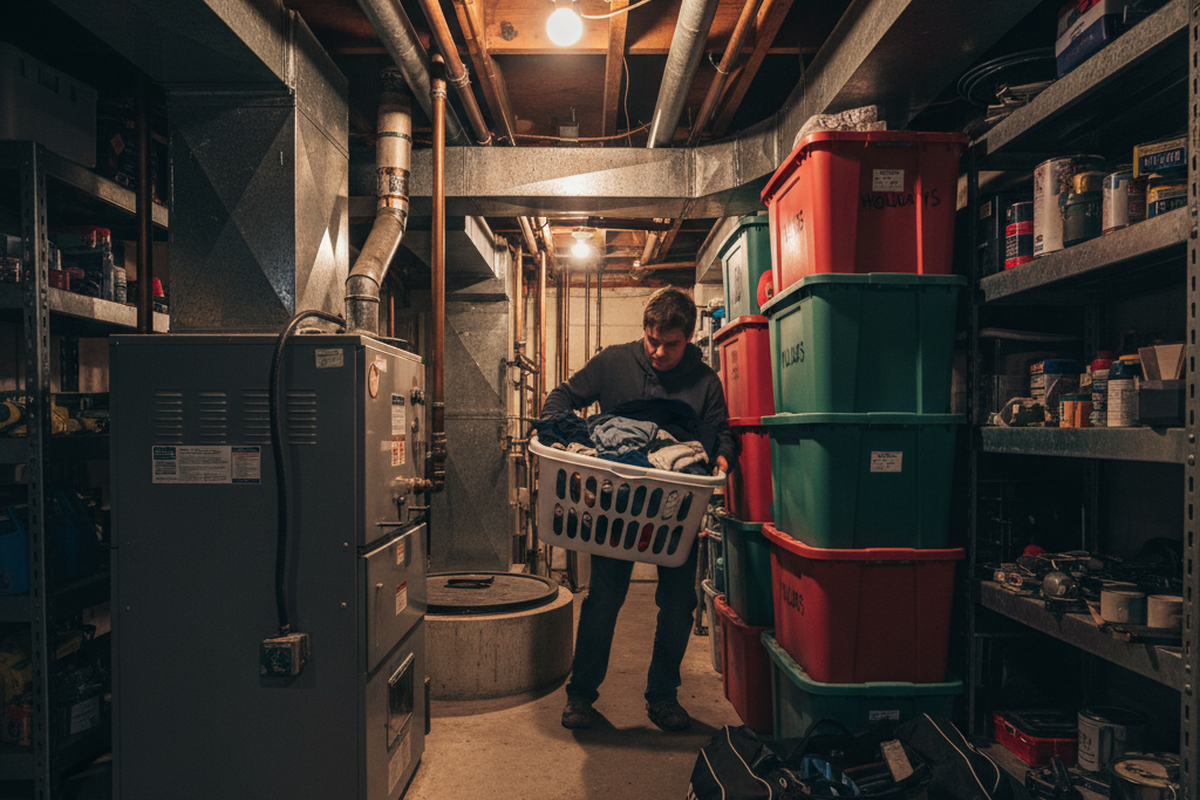
A man carries a white laundry basket through a narrow basement aisle lined with stacked plastic storage bins and metal shelving. A large furnace and overhead pipes crowd the space, while a black duffel bag sits on the floor in the foreground.

The basement mechanical room is a machine we walk into, not a storage nook. Rayzeek outlines a practical design path that removes reliance on memory with automated lighting, clear space, and robust local controls to prevent neglect from becoming disaster.
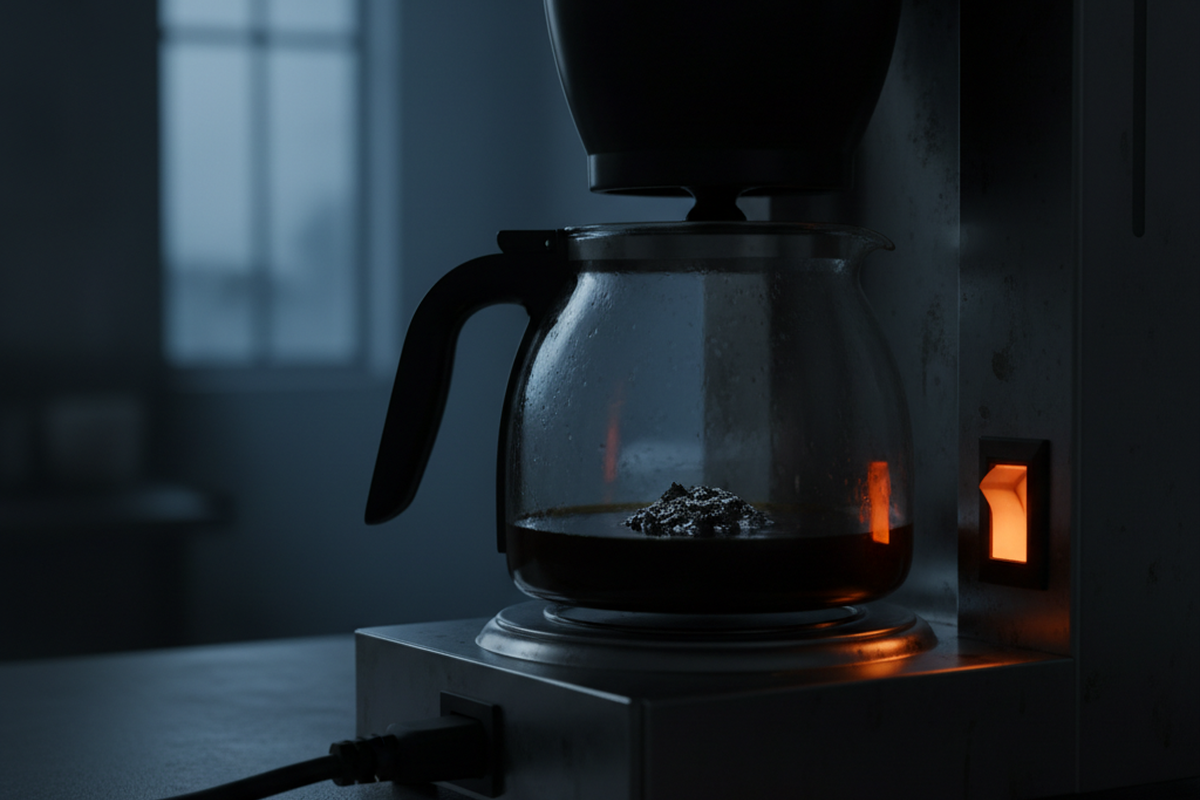

在黑暗的房間裏,玻璃咖啡壺放在加熱器上,明亮橙色的開關格外醒目。壺內少量的液體已變黑,並在壺底凝結成焦糊殘渣。

Rayzeek 提倡本地非智能茶水間電源解決方案:重型感應器僅在房內有人時才向咖啡機供電。配合 30 分鐘延遲和耐用繼電器,可在推動更綠色能源使用的同時,防止浪費、停電及雪櫃故障事故。

A chef in a white coat and apron stands at a stainless steel table slicing radishes on a white board. Wire shelves holding plastic containers line the wall behind him.

Rayzeek explains why standard PIR sensors miss quiet prep zones in busy kitchens and how Dual-Tech ultrasonic sensing fixes the darkness on prep lines. Learn practical tips to fix dark prep rooms and prevent unsafe, strobe-prone outages.

A long, reflective table sits surrounded by empty chairs in a darkened conference room. Floor-to-ceiling windows reveal a foggy blue city skyline at twilight.

Rayzeek champions a simple, reliable alternative to overhyped smart thermostats. A dumb, hardwired occupancy sensor controls HVAC, with a factory-set timeout that avoids energy waste when rooms are empty, free from software failures or network glitches.

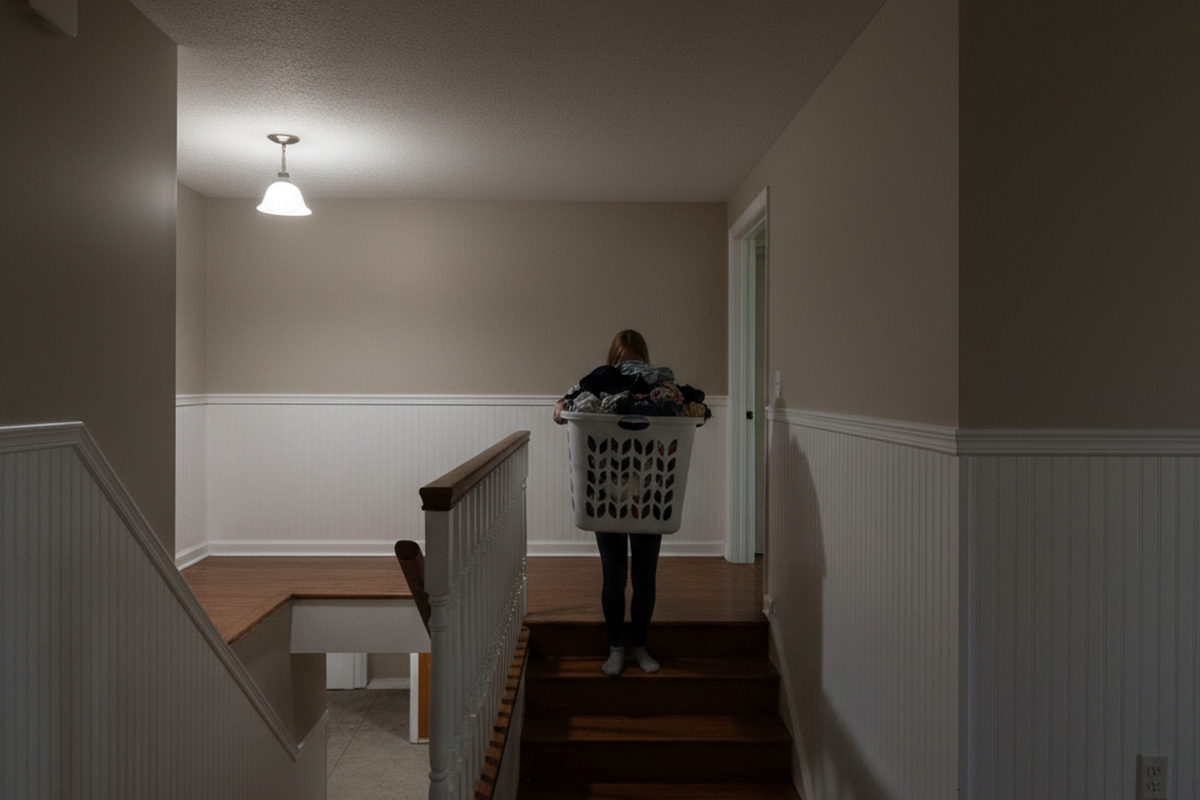
A person stands on the upper steps of a split-level staircase holding a large white laundry basket while facing away. The surrounding hallway is dimly lit, creating significant shadows across the wooden flooring and white wainscoting.

Rayzeek explains why split-level landings need ceiling-mounted sensors to prevent dark stairs and missed detections. The piece breaks down lighting latency, sensor geometry, and practical wiring to keep stairways lighting up the instant a foot touches them.

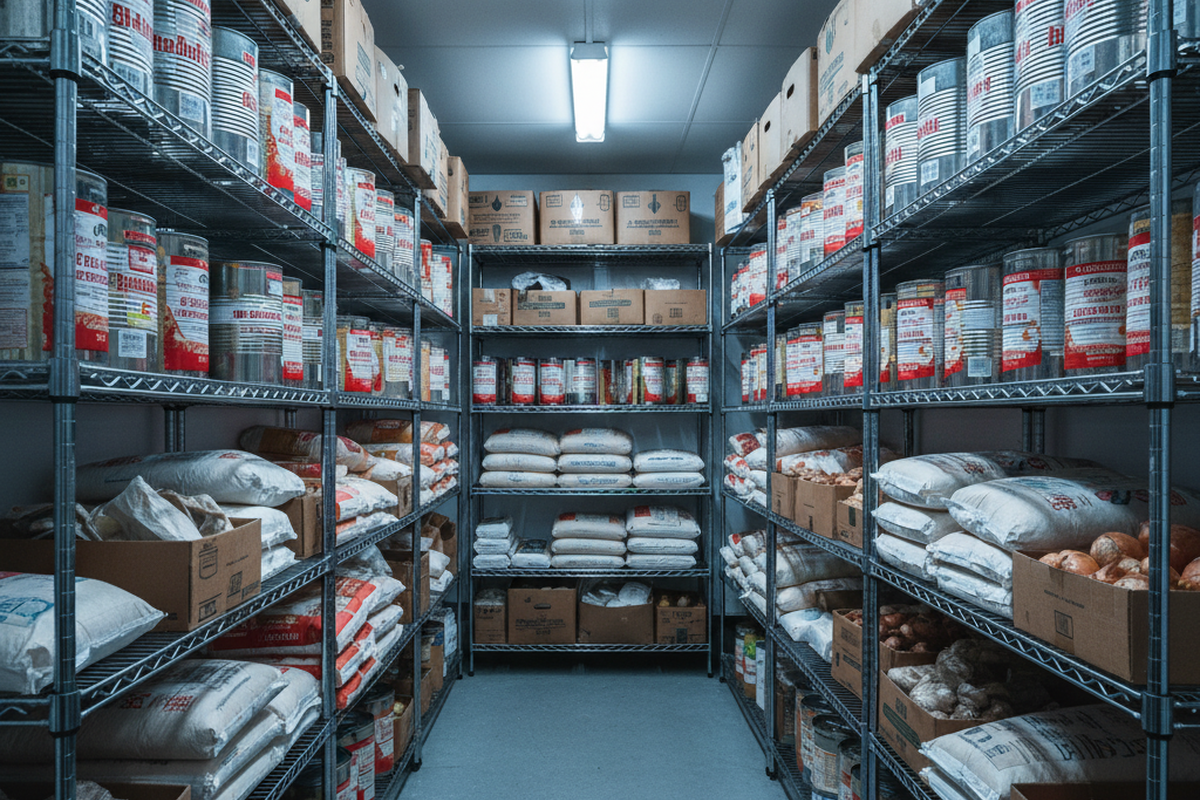
Metal wire shelving units packed with large cans and sacks line a narrow aisle in a commercial kitchen pantry. Bright overhead fluorescent strip lights illuminate the windowless storage space.

Kitchen storage rooms can burn energy round the clock, a hidden cost the Ghost Closet reveals. This field guide shows how clutter defeats sensors, why dual tech solutions beat cheap wall switches, and how steady controls save money without slowing staff.

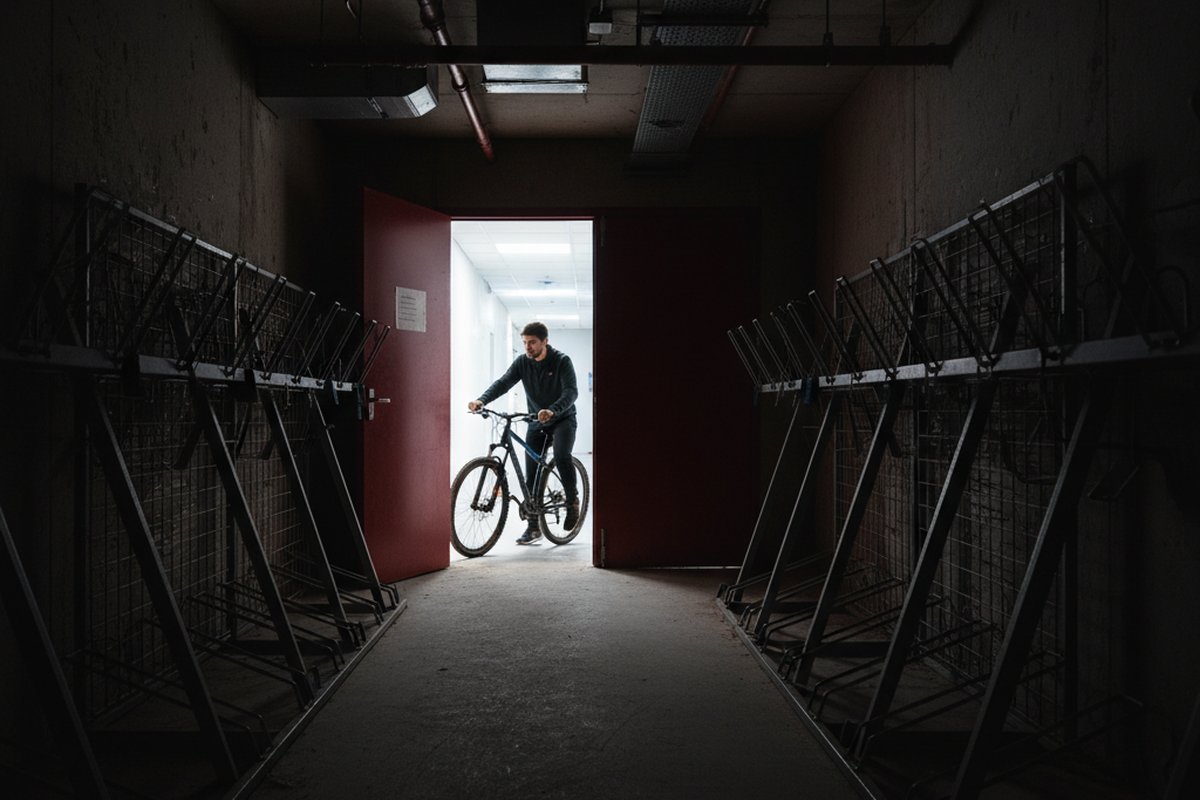
A cyclist pushes a bicycle through open red doors into a pitch-black concrete room lined with metal storage racks. The bright light from the hallway creates a silhouette against the unlit interior.

Bike rooms demand lighting that activates instantly as the door cracks open to prevent slips and injuries. The guide outlines sensor geometry, dual-tech (PIR plus Ultrasonic) systems, and a hard-wired, no-app approach to reliable illumination.

Rows of black server racks lined with blue status LEDs flank a central aisle composed of perforated floor tiles. A low-lying mist or fog drifts across the floor and lower rack sections beneath bright, square overhead light panels.

Rayzeek explains how data center lighting can feel haunted by sensor misreads and hot air plumes. A Dual-Tech approach with smart placement reduces phantom loads, improves reliability, and cuts energy waste.

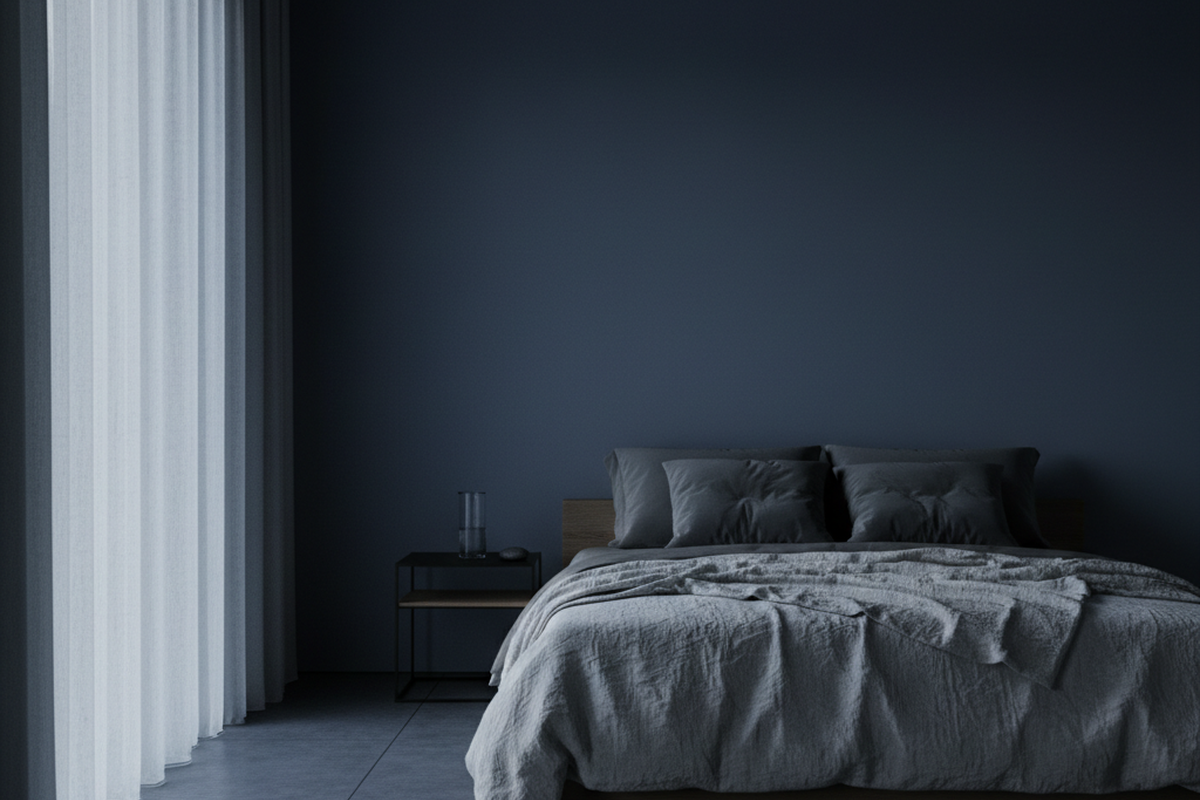
A dimly lit bedroom features a low bed with grey linens and a glass of water on a side table against dark blue walls. Soft light filters through sheer floor-to-ceiling curtains, illuminating the room without artificial fixtures.

Rayzeek wall box vacancy sensors fix the 2 a.m. auto-on nightmare by requiring manual light control in bedrooms. This guide covers vacancy mode, key settings, and simple installation tips to protect sleep and save energy.

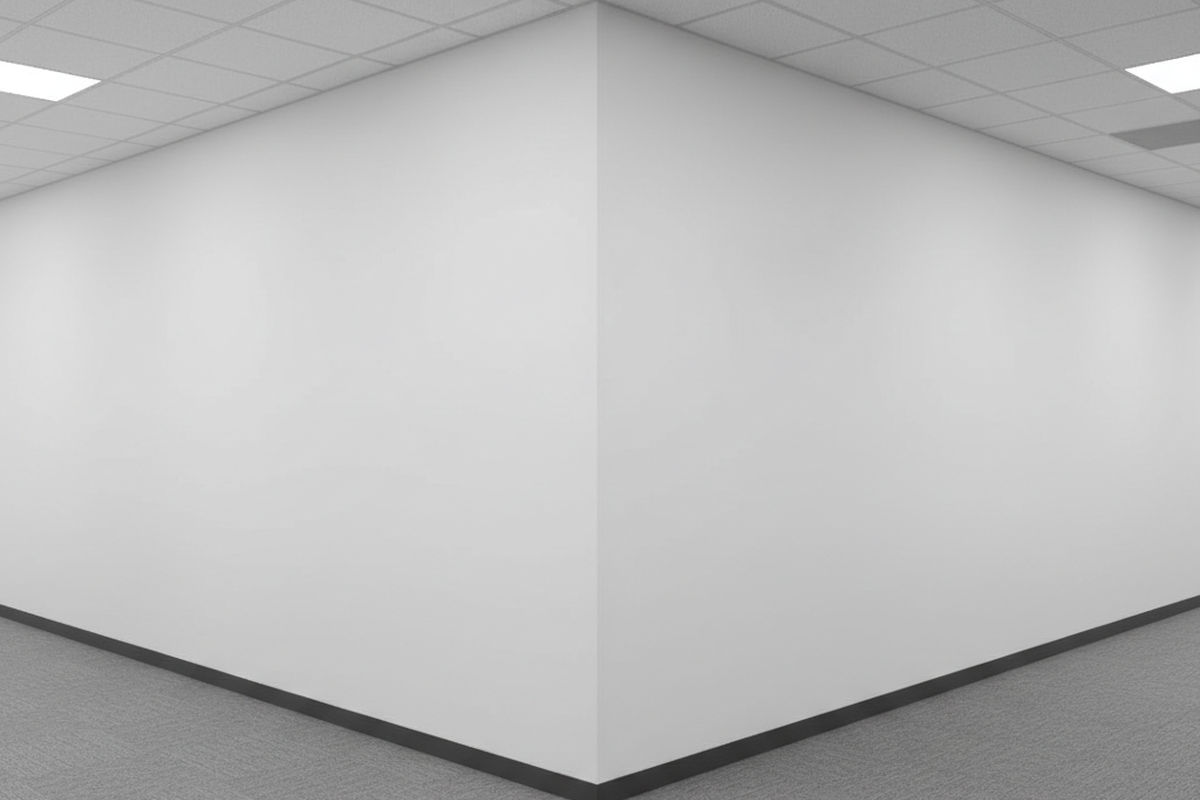
A stark white wall corner projects into an empty office corridor lined with grey carpet and overhead grid lighting. The vertical edge creates a sharp division between the two visible sides of the hallway structure.

Rayzeek explains why a single corner sensor falters in L-shaped corridors and how geometry governs motion detection. A two-sensor setup on each leg creates overlapping kill zones that keep lighting reliable at the turn.

Chinese