
חדרי ישיבות
גלו את פוטנציאל חיסכון באנרגיה בחדר הישיבות שלכם בעזרת מדריך העיצוב לחיישני תפוסה של Rayzeek.

מקסום היעילות האנרגטית בחדרי ישיבות באמצעות חיישני תפוסה
חדרי ישיבות הם חלק בלתי נפרד מתפקודו של כל מבנה מסחרי, ומשמשים כמרכז לפגישות, מצגות וסיעור מוחות. חדרים אלה מצוידים לעיתים קרובות בתאורה בעוצמה גבוהה כדי להבטיח נראות במהלך מצגות ודיונים. עם זאת, בשל שימוש לסירוגין, הם נוטים לבזבוז אנרגיה רב. לעיתים קרובות האורות נשארים דלוקים כאשר החדר ריק, דבר המוביל לצריכת אנרגיה מיותרת.
יתר על כן, השימוש הבלתי סדיר בחדרי ישיבות גורם לכך שהם נותרים לרוב ריקים לתקופות ממושכות, מה שמוביל לצריכת אנרגיה מיותרת אם האורות נשארים דלוקים. בזבוז זה לא רק פוגע ביעילות האנרגטית של המבנה, אלא גם תורם לעלויות תפעול גבוהות יותר.
באמצעות חיישני התפוסה של Rayzeek, תוכלו להפוך את חדר הישיבות שלכם למרחב חסכוני באנרגיה, העומד בדרישות תקני האנרגיה ותורם לסביבה ירוקה יותר.
עמידה בתקני האנרגיה

התקן הבינלאומי לשימור אנרגיה (IECC) הוא תקן מודל שפותח על ידי מועצת התקנים הבינלאומית (ICC) כדי לקבוע דרישות תכנון ובנייה מינימליות ליעילות אנרגטית במבנים. ה-IECC מתעדכן מדי שלוש שנים כדי לשלב את שיטות העבודה והטכנולוגיות העדכניות ביותר בתחום שימור האנרגיה.
IECC, מדוע זה צריך לעניין אותך
תקן IECC מאומץ במידה רבה על ידי מדינות ורשויות מקומיות ברחבי ארצות הברית. IECC מכסה היבטים שונים של שימוש באנרגיה, לרבות מעטפת הבניין (קירות, גגות וחלונות), מערכות חימום וקירור, ומערכות תאורה.
תקן IECC מחייב בקרות תאורה ספציפיות, כגון חיישני תפוסה, כדי למזער בזבוז אנרגיה בחללים לא מאוכלסים באזורים שונים.

תקן ANSI/ASHRAE/IES 90.1, תקן אנרגיה לאתרים ולמבנים למעט מבני מגורים נמוכים, הוא תקן אנרגיה מוכר גלובלית המפורסם על ידי האגודה האמריקאית למהנדסי חימום, קירור ומזוג אוויר (ASHRAE).
ASHRAE 90.1, מדוע זה צריך לעניין אותך
תקן ASHRAE 90.1 משמש כנקודת התייחסות (מדד) לתקני אנרגיה בבנייה ברחבי ארצות הברית ומשמש כמסלול ציות במסגרת ה-IECC, המתווה דרישות מינימום לביצועים יעילים באנרגיה של רכיבי מבנים מסחריים, כולל מעטפת הבניין, מערכות מיזוג אוויר (HVAC), מערכות חימום מים ומערכות תאורה.
תקן ASHRAE 90.1 מגדיר צפיפות הספק תאורה מרבית מותרת ודרישות מינימום לבקרת תאורה, כולל שימוש בחיישני תפוסה באזורים ספציפיים.

Title 24, חלק 6 של קוד תקני הבנייה של קליפורניה, הידוע רשמית כתקני יעילות אנרגטית בבנייה למבני מגורים ושאינם למגורים, מנוהל על ידי נציבות האנרגיה של קליפורניה (CEC) ומתעדכן תקופתית כדי לשקף טכנולוגיות ושיטות חדשות ליעילות אנרגטית.
Title 24, מדוע זה צריך לעניין אותך
תקן Title 24 ידוע בדרישות המחמירות שלו, הנחשבות לרוב למחמירות יותר מאלו שנמצאות בתקני אנרגיה רבים אחרים ברחבי ארצות הברית. Title 24 מחייב תקני ביצועים אנרגטיים קפדניים לכל היבטי הבנייה, הכוללים חימום, אוורור, מיזוג אוויר (HVAC), חימום מים ותאורה.
תקן Title 24 מחייב התקנת חיישני תפוסה המתאימים את התאורה בהתבסס על תפוסת החדר באזורים ספציפיים של מבנים מסחריים כדי להבטיח שאנרגיה לא תתבזבז.
אימוץ תקני אנרגיה לפי מדינה
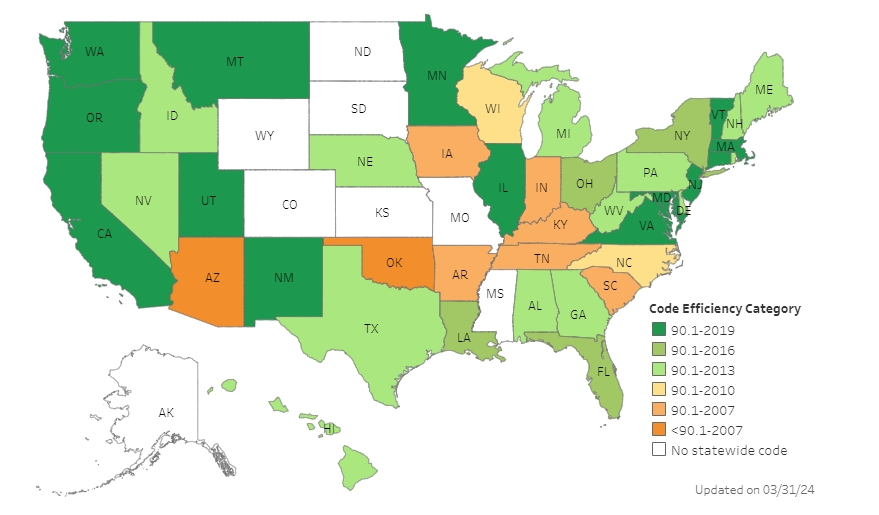
התרחבו כדי לצפות בטבלה המפורטת ↓
| מדינה | תקן מסחרי נוכחי | קטגוריית יעילות תקן מסחרי |
|---|---|---|
| אלבמה | 90.1-2013 | 90.1-2013 |
| אלסקה | אין תקן כלל-מדינתי | אין תקן כלל-מדינתי |
| אריזונה | שלטון מקומי (Home rule) | <90.1-2007 |
| ארקנסו | 2009 IECC ו-90.1-2007 | 90.1-2007 |
| קליפורניה | תקני יעילות אנרגטית לבנייה 2022 | 90.1-2019 |
| קולורדו | שלטון מקומי (Home rule) | אין תקן כלל-מדינתי |
| קונטיקט | 2021 IECC ו-90.1-2019 | 90.1-2019 |
| דלאוור | 2018 IECC ו-90.1-2016 | 90.1-2013 |
| מחוז קולומביה | 90.1-2013^ | 90.1-2019 |
| פלורידה | 2021 IECC ו-90.1-2019^ | 90.1-2016 |
| ג'ורג'יה | 2015 IECC ו-90.1-2013^ | 90.1-2013 |
| הוואי | שלטון מקומי (Home rule) | 90.1-2013 |
| איידהו | 2018 IECC ו-90.1-2016 | 90.1-2013 |
| אילינוי | 2021 IECC ו-90.1-2019 | 90.1-2019 |
| אינדיאנה | 90.1-2007 | 90.1-2007 |
| איווה | 2012 IECC ו-90.1-2010 | 90.1-2007 |
| קנזס | שלטון מקומי (Home rule) | אין תקן כלל-מדינתי |
| קנטקי | 2012 IECC ו-90.1-2010 | 90.1-2007 |
| לואיזיאנה | 2021 IECC ו-90.1-2019^ | 90.1-2016 |
| מיין | 2015 IECC ו-90.1-2013 | 90.1-2013 |
| מרילנד | 2021 IECC ו-90.1-2019^ | 90.1-2019 |
| מסצ'וסטס | 2018 IECC ו-90.1-2016^ | 90.1-2019 |
| מישיגן | 2015 IECC ו-90.1-2013^ | 90.1-2013 |
| מינסוטה | 90.1-2019^ | 90.1-2019 |
| מיסיסיפי | אין תקן כלל-מדינתי | אין תקן כלל-מדינתי |
| מיזורי | שלטון מקומי (Home rule) | אין תקן כלל-מדינתי |
| מונטנה | 2021 IECC ו-90.1-2019 | 90.1-2019 |
| נברסקה | 2018 IECC ו-90.1-2016 | 90.1-2013 |
| נבאדה | 2018 IECC ו-90.1-2016 | 90.1-2013 |
| ניו המפשייר | 2018 IECC ו-90.1-2016^ | 90.1-2013 |
| ניו ג'רזי | 90.1-2019 | 90.1-2019 |
| ניו מקסיקו | 2021 IECC ו-90.1-2019^ | 90.1-2019 |
| ניו יורק | 2018 IECC ו-90.1-2016^ | 90.1-2016 |
| צפון קרוליינה | 2015 IECC ו-90.1-2013^ | 90.1-2010 |
| צפון דקוטה | שלטון מקומי (Home rule) | אין תקן כלל-מדינתי |
| אוהיו | 2021 IECC ו-90.1-2019^ | 90.1-2016 |
| אוקלהומה | 2006 IECC and 90.1-2004 | <90.1-2007 |
| Oregon | 90.1-2019 | 90.1-2019 |
| Pennsylvania | 2018 IECC ו-90.1-2016 | 90.1-2013 |
| Rhode Island | 2018 IECC ו-90.1-2016^ | 90.1-2013 |
| South Carolina | 2009 IECC ו-90.1-2007 | 90.1-2007 |
| South Dakota | שלטון מקומי (Home rule) | אין תקן כלל-מדינתי |
| Tennessee | 2021 IECC and 90.1-2013 | 90.1-2007 |
| Texas | 2015 IECC ו-90.1-2013 | 90.1-2013 |
| Utah | 2021 IECC ו-90.1-2019^ | 90.1-2019 |
| Vermont | 2021 IECC ו-90.1-2019^ | 90.1-2019 |
| Virginia | 2021 IECC ו-90.1-2019^ | 90.1-2019 |
| Washington | 2018 Washington State Energy Code | 90.1-2019 |
| Tennessee | 2012 IECC ו-90.1-2010 | 90.1-2007 |
| Texas | 2015 IECC ו-90.1-2013 | 90.1-2013 |
| Utah | 2021 IECC ו-90.1-2019^ | 90.1-2019 |
| Vermont | 2018 IECC ו-90.1-2016^ | 90.1-2019 |
| Virginia | 2021 IECC ו-90.1-2019^ | 90.1-2019 |
| Washington | 2018 Washington State Energy Code | 90.1-2019 |
| West Virginia | 90.1-2013 | 90.1-2013 |
| Wisconsin | 2015 IECC ו-90.1-2013^ | 90.1-2010 |
| Wyoming | שלטון מקומי (Home rule) | אין תקן כלל-מדינתי |
- ^ When an amendment impacting energy efficiency can be quantified using DOE Prototype Building Models, they were captured in the analysis.
- For states adopting both IECC and 90.1, the IECC code is usually analyzed as the state current code in this study except for states with extensive amendments to the IECC.
Design Guide Key Concepts for Conference Rooms
Designing an energy-efficient lighting control solution for conference rooms involves strategic placement of occupancy sensors to ensure comprehensive coverage of the space.
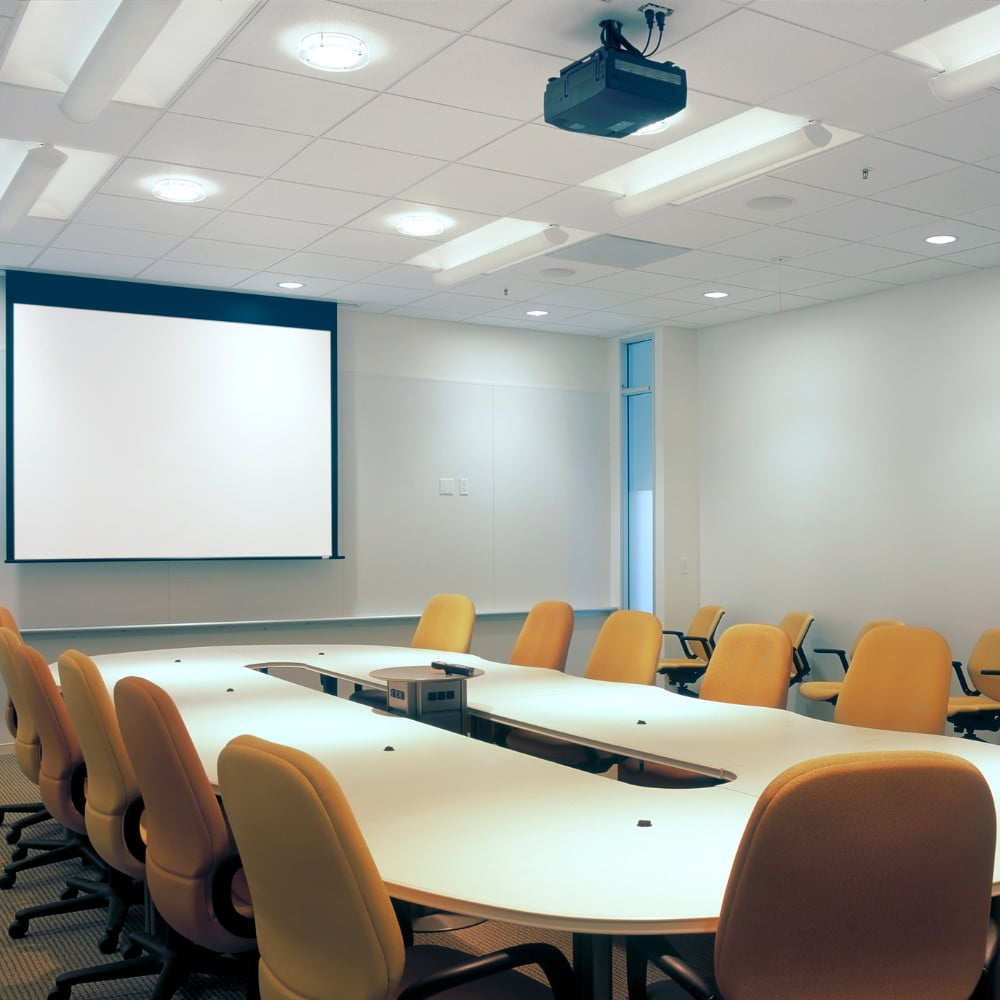
Designing an energy-efficient lighting system for a conference room involves strategic placement of occupancy sensors to ensure comprehensive coverage. Here are some guidelines to consider:
- Entrance Coverage: Install a wall-mounted sensor near the entrance to detect when someone enters or exits the room. This sensor should be positioned high enough to avoid obstruction from the open door and should not directly face the entrance to avoid false triggers from movement outside the room.
- Table Coverage: Place a ceiling-mounted sensor above the conference table to detect occupancy in the main area of the room. This sensor should be positioned centrally to ensure comprehensive coverage.
- Presentation Area Coverage: If your conference room has a dedicated presentation area, consider installing an additional wall-mounted sensor to cover this space. This sensor should be positioned to avoid any potential obstructions, such as screens or projectors.
- Wall Control: Install a wall control unit near the entrance for manual override or adjustments of the lighting settings. This control should be easily accessible upon entering or exiting the room.
- Avoidance of Obstructions and Interference: Ensure that sensors are not placed near air vents to prevent interference from air flow or vibrations. Also, consider the height and placement of furniture to avoid blocking the sensor’s field of view.
- Integration with Existing Systems: Our occupancy sensors can be integrated with existing lighting systems for seamless operation. They can also be programmed to turn off all lights after a certain period of inactivity, further enhancing energy efficiency.
Featured Products & Solutions
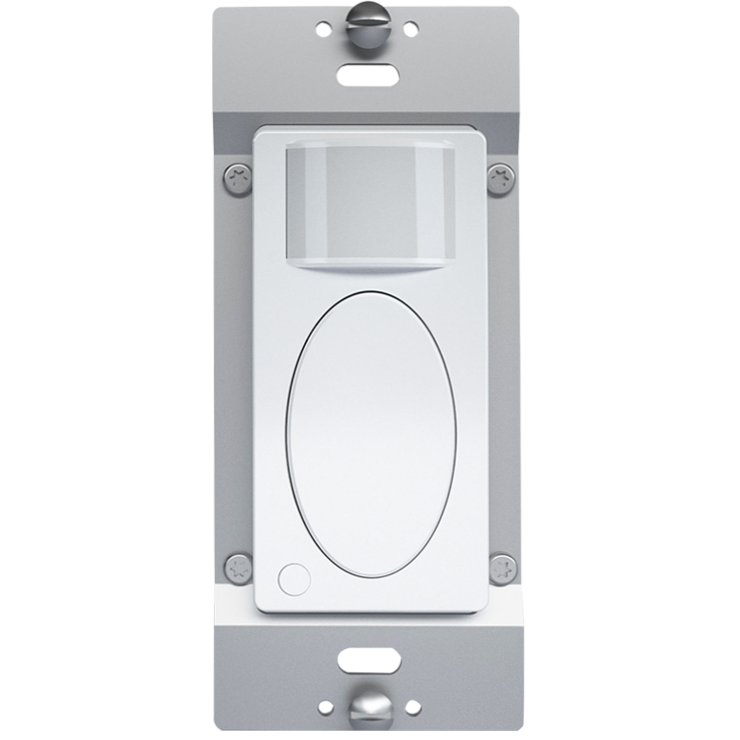
Wall Sensor Switches
RZ020/021 Motion Sensor Switches
- 2-wire, 3-wire, 4-wires wiring options
- Occupancy, Vacancy, Manual ON/OFF
- Adjustive time delay and ambient light control
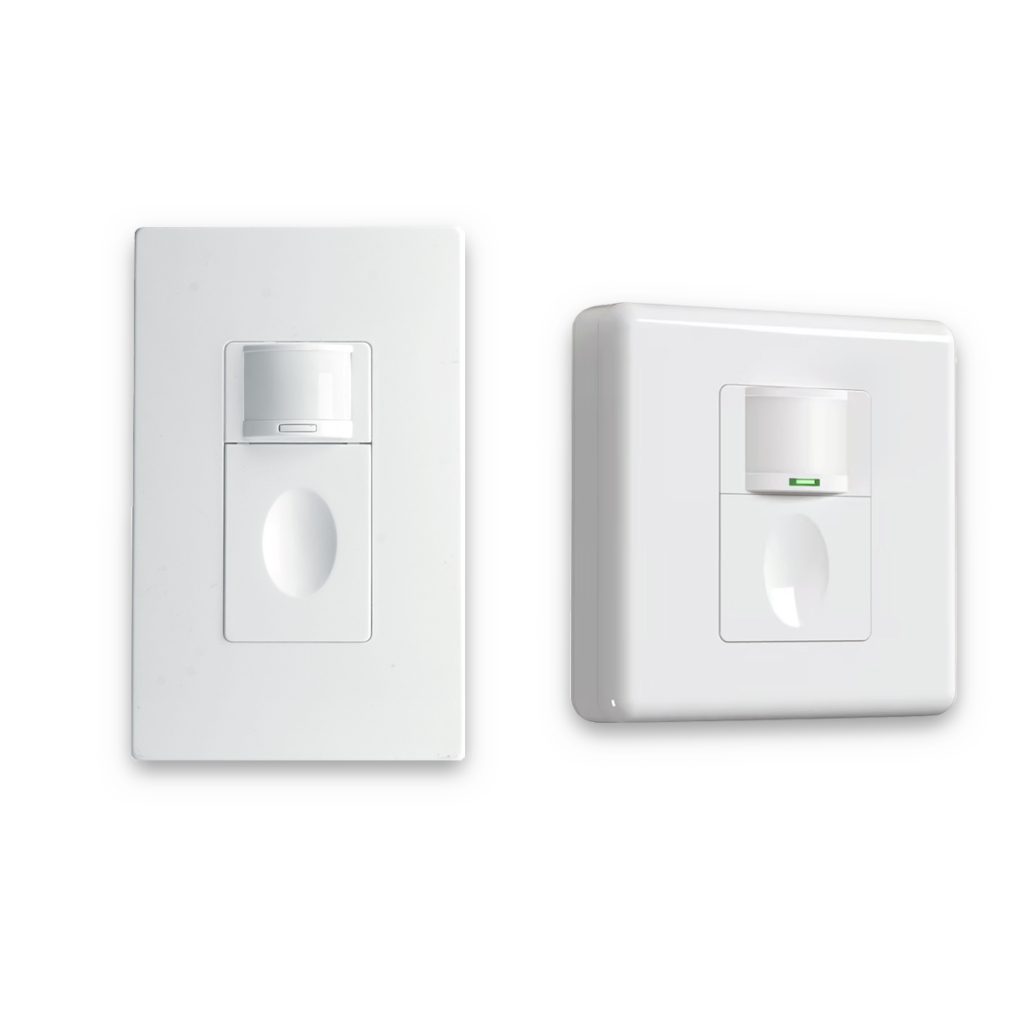
Multi-Location Wireless Wall Sensors
RZ020A/021A + RZ022W Kits
- Hardwired RZ021A/022A occupancy sensor switch
- Wireless companion switch (RZ022W) for multi-location control

Ceiling Occupancy Sensors
RZ036
- Hardwired occupancy sensors
- Auto ON, auto OFF
- Line voltage and Low voltage available
Core features included:
- Integrated manual ON/OFF control for all lighting
- Vacancy sensors (Manual ON only): Lights must be turned on manually only
- Adjustable time-delay, lighting is automatically turned full OFF after 15mins
- Additional: multi-location wireless kits to expand the control range without re-wring
- Additional: multiple wiring options available for both new constructions and retrofit projects.

Meets the Mandatory Provisions
IECC – 2011
C405.2.1 Occupant sensor controls
Occupant sensor controls shall be installed to control lights in the space.
C405.2.1.1 Occupant sensor control functions
- Manual on or partial on to no more than 50% power.
- Full off within 20 minutes after all occupants have left the space
- A manual control to turn off the lights.
ASHRAE 90.1 – 2022
9.4.1.1 a Local control
There shall be one or more manual lighting control device that provides ON and OFF control
of all lighting in the space.
9.4.1.1 b Restricted to manual ON
None of the lighting shall be automatically turned on
9.4.1.1 c Restricted to partial automatic ON
No more than 50% of the lighting power for the general lighting shall be allowed to be automatically turned on
** NOTE: At least one 9.4.1.1 b or 9.4.1.1 c shall be implemented.
9.4.1.1 h Automatic full OFF control
All lighting in the space shall be automatically shut off within 20 minutes of all occupants leaving the space
Title 24 – 2022
130.1 (a) Manual area controls.
Each area enclosed by ceiling-height partitions shall provide lighting controls that allow the lighting in that area to be manually turned on and off.
130.1 (c) Shut-OFF Controls.
Lighting shall be controlled with occupant sensing controls to automatically shut OFF all of the lighting in 20 minutes or less after the control zone is unoccupied that shall function either as:
- A. Occupant sensing controls (if 130.1(b) not required to have multi-level lighting controls); or
- B. Partial-ON occupant sensing controls, or
- C. Vacancy sensing controls, where all lighting responds to a manual ON input only
Let us hear you.
Let Rayzeek help design and deliver a bespoke energy-saving lighting solution for you.