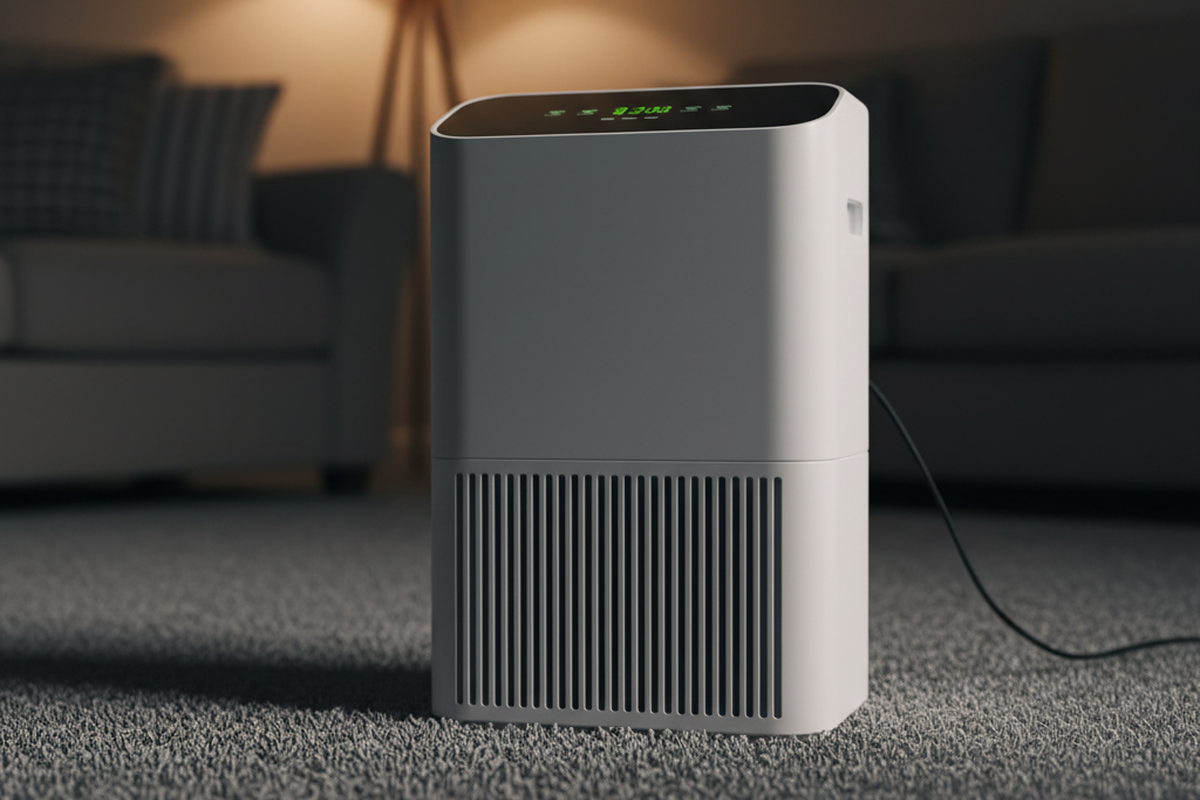
אתם מכירים את הצליל הזה. זהו הזימזום בתדר נמוך של מדחס 50 פינט הרוטט כנגד רצפת הבטון. הוא נכנס לפעולה בדיוק כשהסרט הופך לשקט, או מזמזם מתחת לקורות רצפת חדר השינה הראשי לאורך כל הלילה.
האינסטינקט לגשת לשם ולנתק את השקע הוא עוצמתי. אתם אומרים לעצמכם שתחברו אותו בחזרה מחר בבוקר. ואז מחר הופך ליום שלישי הבא, ועד שאתם נזכרים, למרתף יש ריח של קרטון רטוב ואדמה.
זהו המעגל שמוביל לחשבונות טיפול בעובש בעלי חמש ספרות.
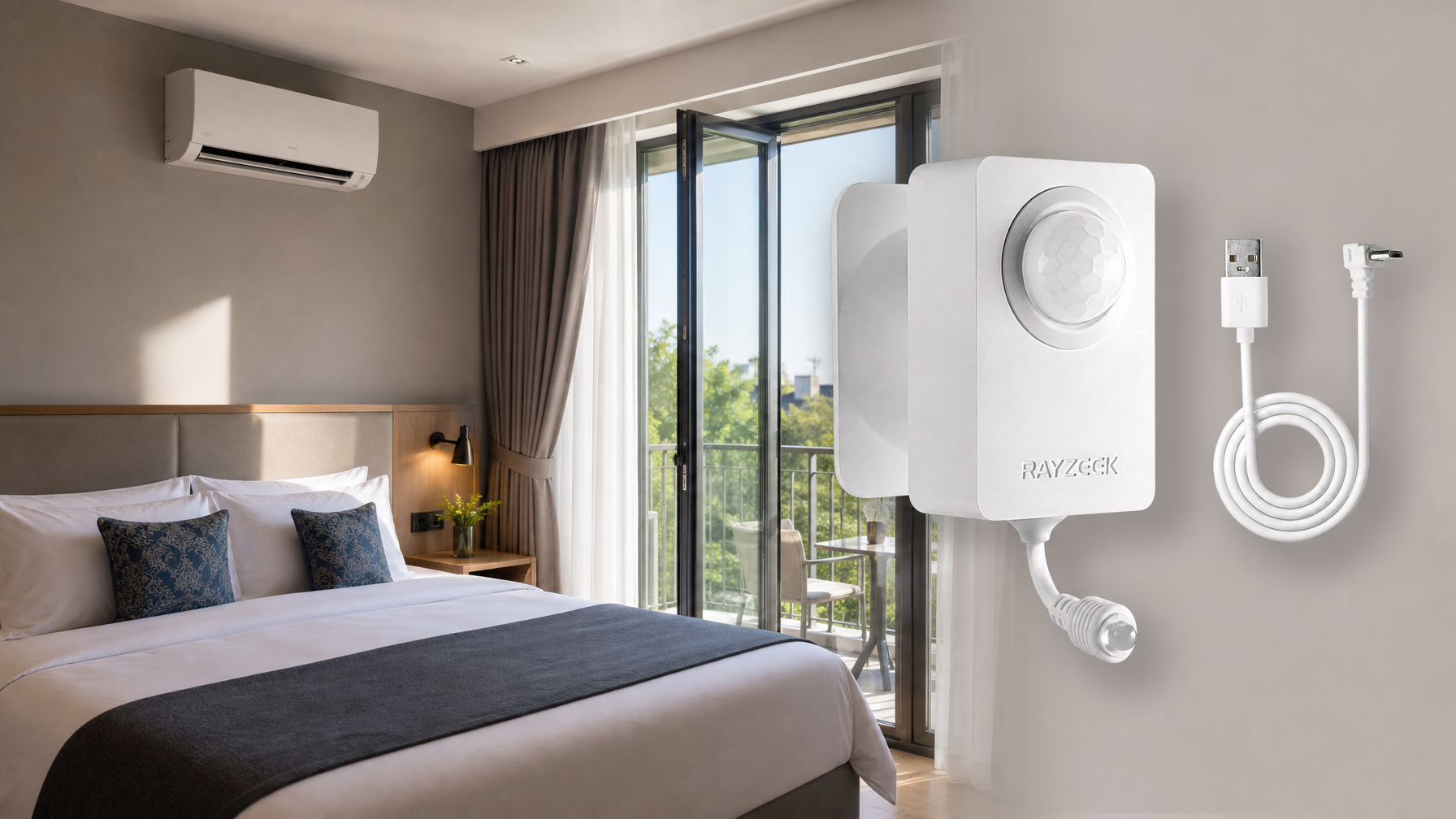
כדי לפתור את בעיית הרעש מבלי להרקיב את קורות המבנה, בעלי בתים נוטים לעיתים קרובות לפתרונות “חכמים”. הם קונים שקעי Wi-Fi שמתנתקים בזמן סופות, או מחפשים חיישני תנועה כמו סדרת Rayzeek RZ כדי לאוטומט את התהליך. ההיגיון נראה סביר: אם אני לא בחדר, למה המכשיר צריך לעבוד?
ההיגיון הזה פגום. אך אם אתם נחושים להשתמש בחיישן תנועה כדי לשלוט במסיר הלחות שלכם — בין אם כדי לחסוך בחשמל ובין אם כדי לשמור על השפוי - עליכם להגדיר אותו עם ערכה ספציפית מאוד של מנגנוני הגנה. אם תטעו בהגדרות, לא רק שיהיה לכם מרתף לח; אתם תשרפו את המדחס שלכם בתוך פחות מעונה واحدة.
הבעיה: אנשים מול מים
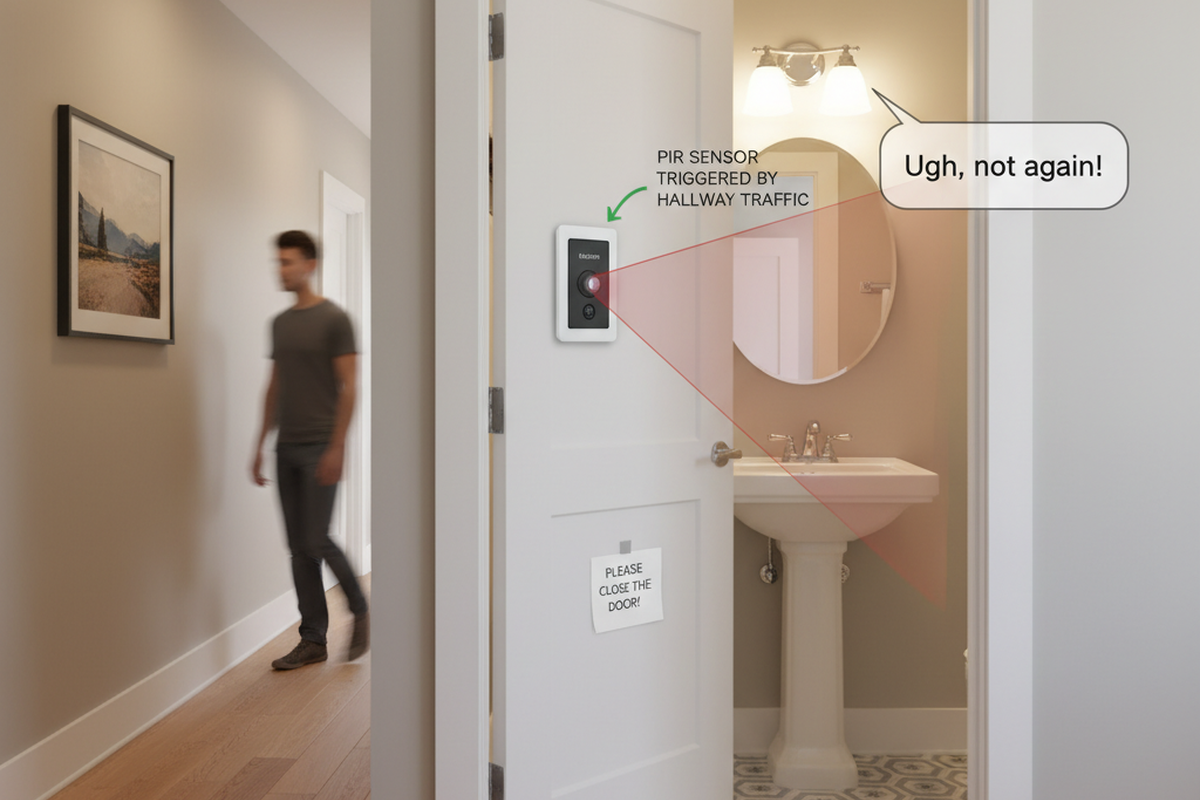
לפני שאתם קונים Rayzeek או כל חיישן נוכחות אחר, עליכם להבין את הטעות הבסיסית בשימוש בחיישן כזה לבקרת אקלים. חיישן תנועה (PIR) מזהה חתימות חום אינפרא-אדום הנעות לרוחב שדה הראייה שלו. הוא רואה אנשים, ולא מים.
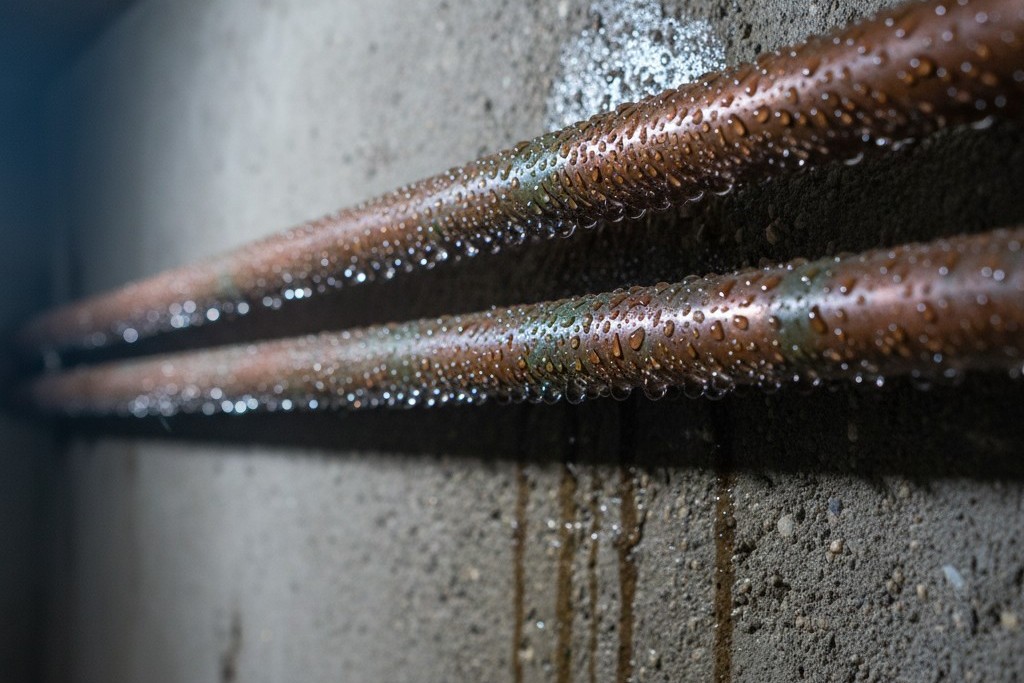
לאדי מים לא אכפת אם אתם בחדר. למעשה, במרתפים רבים, הלחות מזנקת בדיוק כשאתם לא שם — בלילה כאשר הטמפרטורה יורדת והלחות היחסית עולה, או במהלך שבוע גשום כשאתם תקועים בעבודה.
אם תחברו מסיר לחות לחיישן תנועה סטנדרטי, התנהגות ברירת המחדל היא: אין תנועה = ניתוק חשמל. זה הרסני עבור מרתף לשימוש כללי. אתם עוזבים את החדר, החשמל מתנתק, ולחות מתחילה להצטבר בגבס ובתשתית השטיח. עד שאתם חוזרים כעבור שלושה ימים לכבס, למושבות הפטרייתיות כבר היה יתרון התחלתי.
תרחיש השימוש התקף היחיד עבור מסיר לחות המופעל על ידי תנועה הוא כאשר עומס הלחות הוא activity-dependent. Think of a home gym where three people are sweating for an hour, or a workshop where you are gluing up wood and need to keep air movement high while you work. In those cases, your presence is the moisture event. For everything else, you are fighting physics.
The Hardware Handshake
If you decide the noise reduction is worth the risk, verify your equipment before spending $20 on a sensor. This setup relies on a “hard” power cut. The Rayzeek kills voltage to the outlet completely when it times out.
Walk down to your dehumidifier right now. With the unit running and the compressor engaged (listen for the deeper buzz, not just the fan), reach down and pull the plug. Wait ten seconds. Plug it back in.
מחפשים פתרונות חיסכון באנרגיה המופעלים על ידי תנועה?
צרו איתנו קשר לקבלת פתרונות מלאים של חיישני תנועה PIR, מוצרים חוסכי אנרגיה המופעלים על ידי תנועה, מתגי חיישני תנועה ופתרונות מסחריים לגילוי נוכחות/חוסר נוכחות (Occupancy/Vacancy).
Does it turn back on automatically and resume dehumidifying?
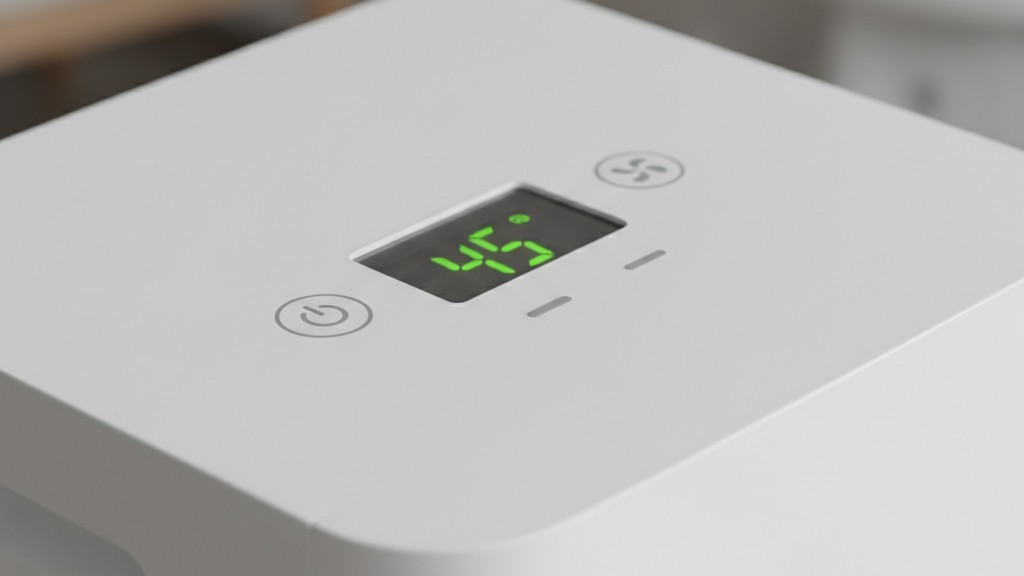
If it stays off, or goes into a “Standby” mode waiting for a button press, stop. This project is over. You cannot use an external sensor on a machine that requires a manual reset. Older mechanical units with physical dials work best for this. Many modern digital units—like certain Frigidaire Gallery or GE models—have a “memory” function that resumes the last setting, but cheaper units often revert to “Off.” If your unit doesn’t auto-restart, putting it on a motion sensor means it will turn off once and never turn on again.
Furthermore, ignore the internal humidistat on the dehumidifier itself. Set the target humidity to “Continuous” or as low as it will go (30-35%). You are moving the control logic to the motion sensor; if the internal humidistat satisfies and shuts off the compressor while you are still in the room, the motion sensor becomes irrelevant. You want the machine running hard whenever the circuit is live.
קבלו השראה מפורטפוליו חיישני התנועה של Rayzeek.
לא מוצאים את מה שאתם מחפשים? אל דאגה. תמיד יש דרכים חלופיות לפתור את הבעיות שלכם. אולי אחד הפורטפוליוים שלנו יכול לעזור.
The Kill Switch (And How to Avoid It)
The Rayzeek RZ021 isn’t a smart plug. No app, no cloud. Just dip switches or small dials under the faceplate. This is where you save your compressor or kill it.
The most critical setting is the השהיית זמן.
Factory defaults on motion sensors are often set to 1 minute or 5 minutes. Fine for a light bulb; a death sentence for a refrigeration compressor.
Compressors need to run for a sustained period to reach operating temperature and effectively pull moisture. More importantly, once a compressor shuts off, the pressure in the system needs time to equalize before it starts again. If your sensor is set to a 1-minute delay, and you walk in and out of the laundry room three times in ten minutes to grab a basket, you are “short-cycling” the unit.
Short-cycling forces the compressor to try to start against high head pressure. It will overheat, draw massive current (Locked Rotor Amps), and eventually trip the thermal overload or seize permanently.
You must set the Rayzeek time delay to its maximum setting—usually 30 minutes.
This accomplishes two things:
- Compressor Safety: It ensures that once triggered, the unit runs for a meaningful cycle, preventing rapid on/off toggling.
- The “Run-On” Dry Out: When you leave the room (removing the noise source), the unit continues to run for half an hour. This pulls the latent moisture you generated (sweat, breath) out of the air and, crucially, dries off the evaporator coil so it doesn’t sit there wet and grow mold inside the machine.
Do not get cute with the sensitivity dial. Crank it to high. In a cluttered basement, line-of-sight is often blocked by ductwork or shelving. You want the unit to trigger if you so much as wave a hand near the doorway.
The Vacation Blind Spot
There is a massive hole in this plan: Vacancy.
If you go on vacation for two weeks in August, or simply don’t go down to the basement for a few days, the dehumidifier will never run. The sensor sees no motion, so it delivers no power. Meanwhile, a thunderstorm rolls through, humidity hits 75%, and you aren’t there to trigger the drying cycle.
This is why this setup is dangerous for general home health.
If you rely on this method, you need a fail-safe. The Rayzeek has a small slider switch on the front (usually labeled ON / OFF / AUTO).
- AUTO: Motion sensing mode (Daily use).
- ON: Bypass mode (Always on).
You must discipline yourself to flip that switch to ON every time you leave the house for more than 24 hours. If you rely on the motion sensor during a two-week trip, you will come home to a science experiment on your baseboards.
אולי יעניין אותך גם

- מתח: 2 סוללות AAA
- מצב יום/לילה
- השהיית זמן: 15 דקות, 30 דקות, שעה אחת (ברירת מחדל), שעתיים
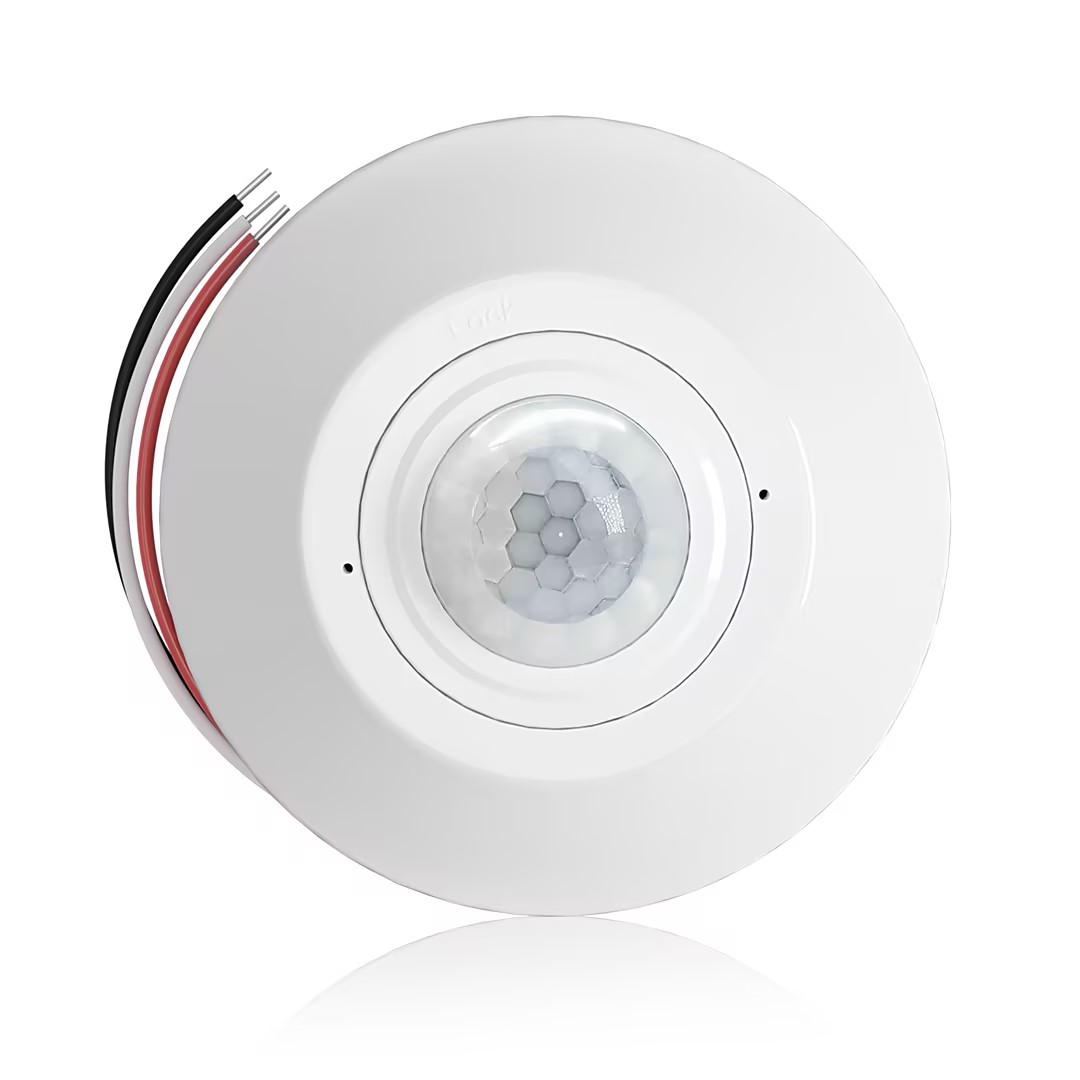
- חיישן נוכחות PIR להתקנה על התקרה עם יציאת ממסר מגע יבש
- אספקת מתח נמוך 12/24VDC או 12/24VAC
- מגעי ממסר מבודדים COM, NO ו-NC עבור היזונים של EMS, HVAC ובקרת מבנים
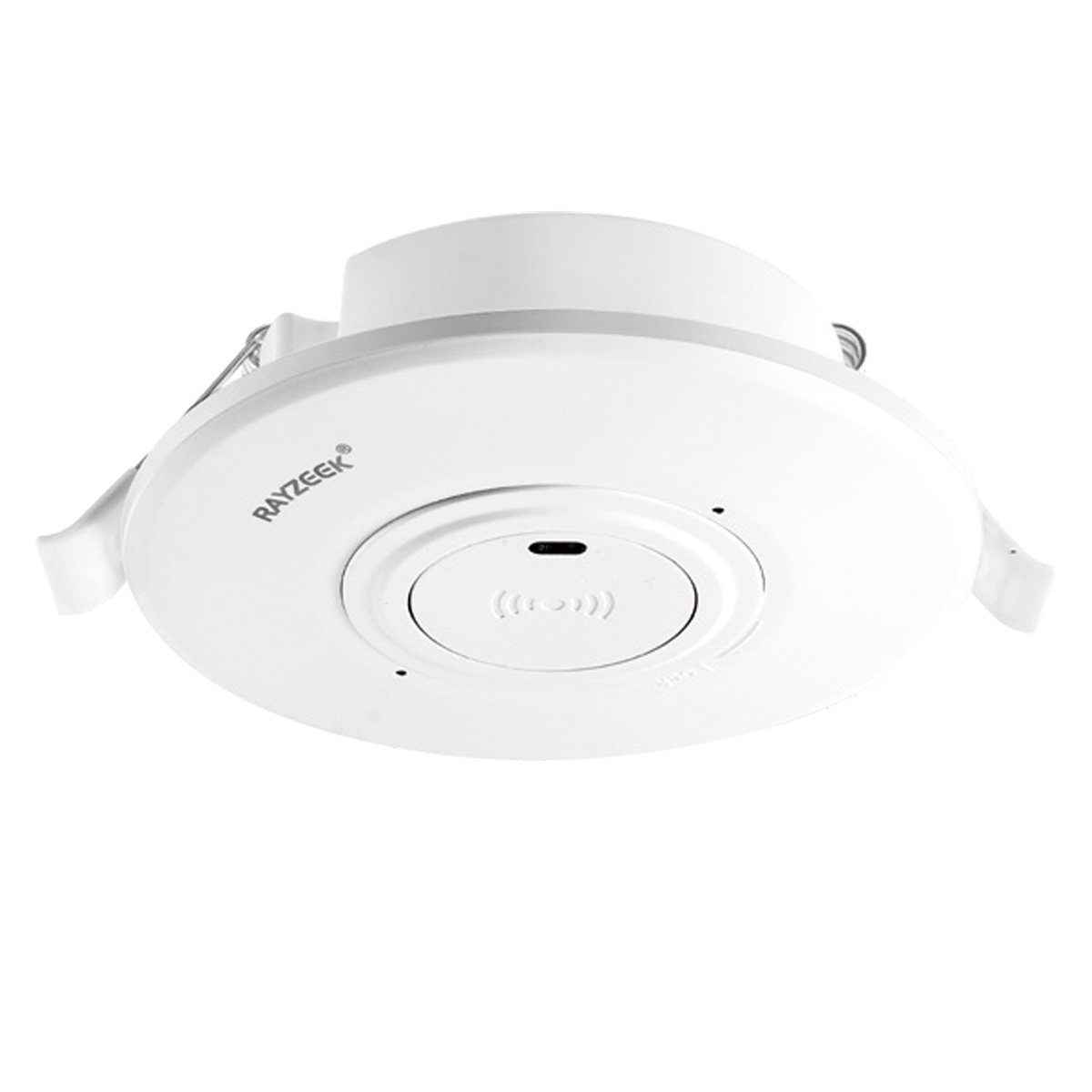
- מתג חיישן תנועה מיקרוגל שקוע לתקרה במתח נמוך DC
- כניסת 12 VDC / 24 VDC עם טווח של 10-30 VDC
- זרם עבודה מרבי של 10A עם השהיית זמן, סף Lux ורגישות מתכווננים
- מתג חיישן תנועה מיקרוגל שקוע לתקרה לעומסים גבוהים יותר
- כניסת מתח רשת 100-265 VAC, דגם 10A
- חיישן מיקרוגל 5.8GHz עם השהיית זמן מתכווננת, סף Lux ורגישות
- מתג חיישן תנועה מיקרוגל שקוע להתקנה בתקרה
- כניסת מתח רשת 100-265VAC, דגם 5A
- חיישן מיקרוגל 5.8GHz עם השהיית זמן מתכווננת, סף Lux ורגישות
- עמעם חיישן נוכחות PIR להתקנה בתקרה RZ037 למתח של 220V
- זרם עבודה מרבי של 3A עם עומס נקוב של 660W
- לחצן LUX שולט על הפעלה/כיבוי של חיישן האור ועל בהירות העמעום שנקבעה על ידי המשתמש
- עמעם חיישן נוכחות PIR להתקנה בתקרה RZ037 למתח של 110V
- זרם עבודה מרבי של 3A עם עומס נקוב של 330W
- לחצן LUX שולט על הפעלה/כיבוי של חיישן האור ועל בהירות העמעום שנקבעה על ידי המשתמש
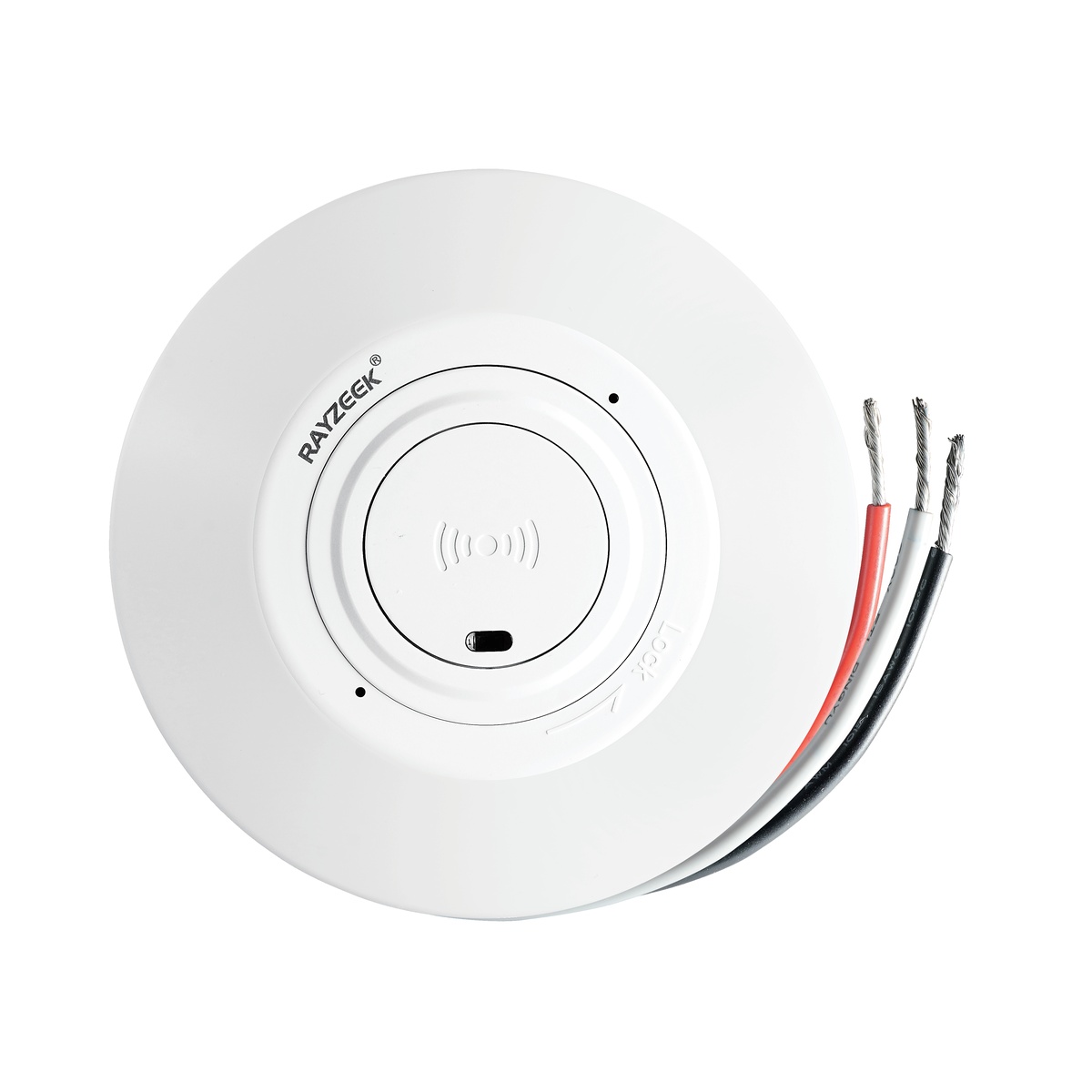
- מתג חיישן תנועה מיקרוגל להתקנה בתקרה במתח נמוך DC
- כניסת 12 VDC / 24 VDC עם טווח של 10-30 VDC
- זרם עבודה מרבי של 10A עם השהיית זמן, סף Lux ורגישות מתכווננים
- מתג חיישן תנועה מיקרוגל להתקנה בתקרה לעומס גבוה יותר
- כניסת מתח רשת 100-265 VAC, דגם 10A
- חיישן מיקרוגל 5.8GHz עם השהיית זמן מתכווננת, סף Lux ורגישות
- מתג חיישן תנועה מיקרוגל להתקנה בתקרה
- כניסת מתח רשת 100-265VAC, דגם 5A
- חיישן מיקרוגל 5.8GHz עם השהיית זמן מתכווננת, סף Lux ורגישות
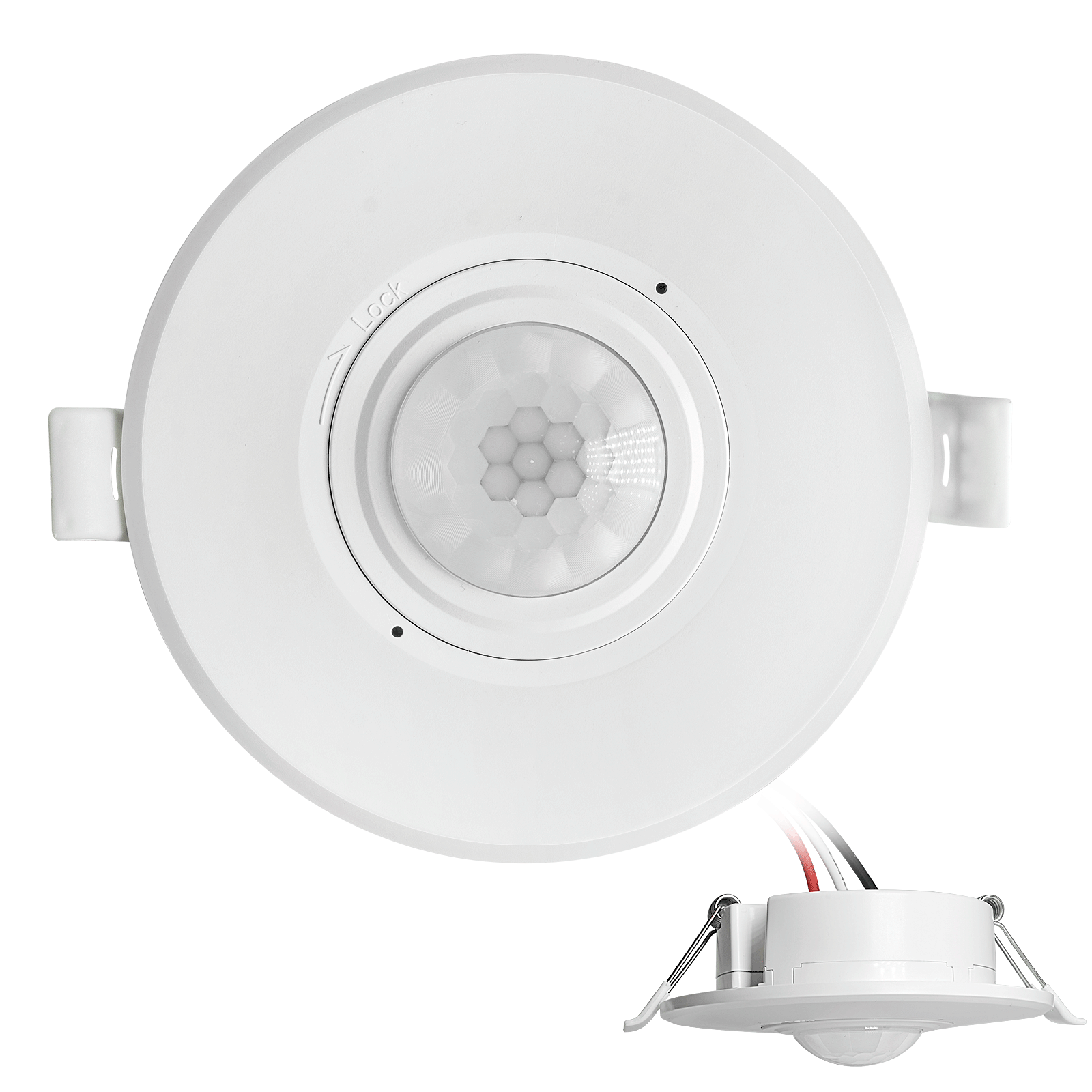
- מתג חיישן תנועה PIR שקוע לתקרה במתח נמוך DC
- כניסת 12 VDC / 24 VDC עם טווח של 10-30 VDC
- זרם עבודה מרבי של 10A עם השהיית זמן מתכווננת, סף תאורה (Lux) ורגישות מתכווננים
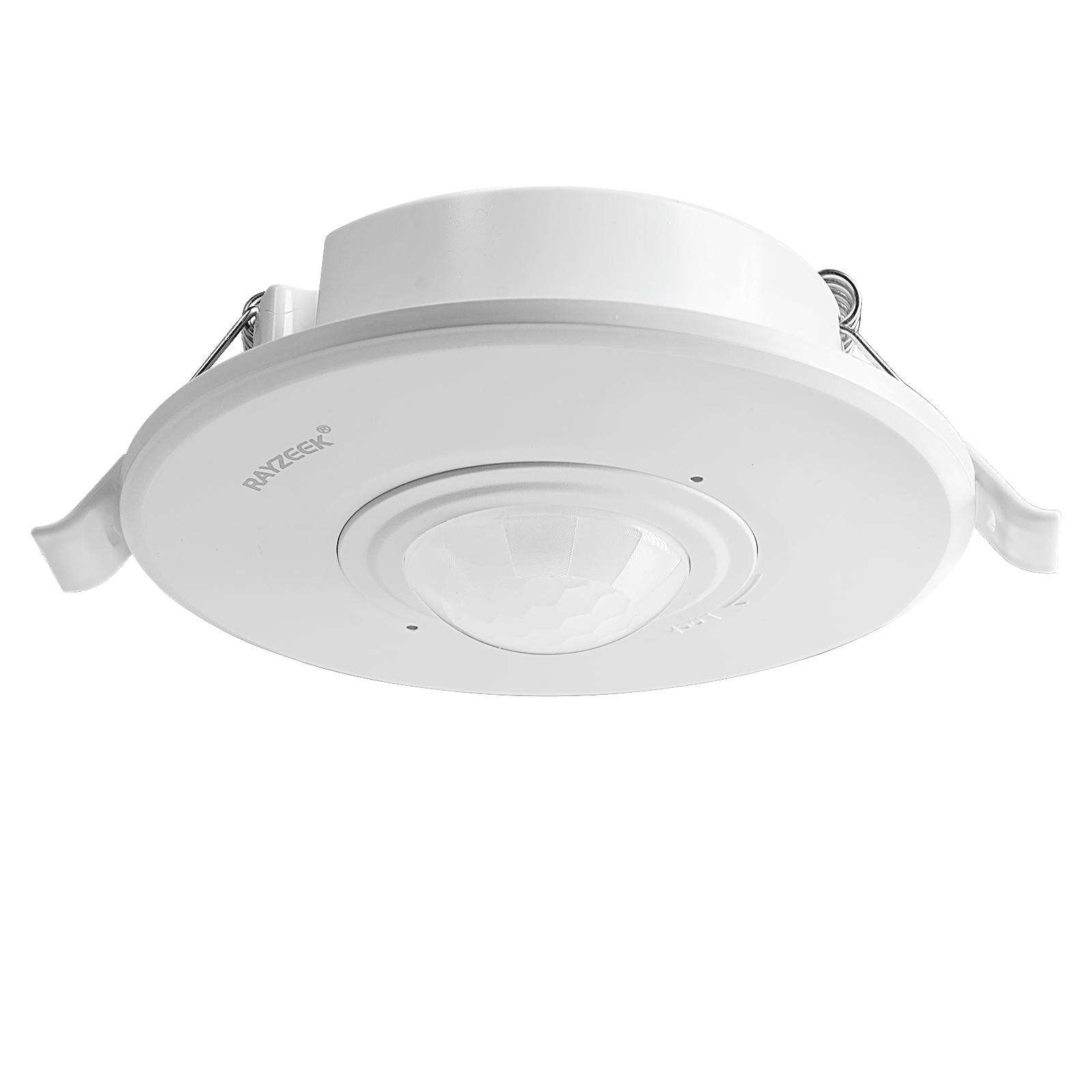
- מתג חיישן תנועה PIR שקוע לתקרה לעומס גבוה יותר
- כניסת מתח רשת 100-265 VAC, דגם 10A
- גילוי ב-360 מעלות עם השהיית זמן מתכווננת, סף תאורה (Lux) ורגישות מתכווננים
- מתג חיישן תנועה PIR שקוע לתקרה
- כניסת מתח רשת 100-265VAC, דגם 5A
- גילוי ב-360 מעלות עם השהיית זמן מתכווננת, סף תאורה (Lux) ורגישות מתכווננים
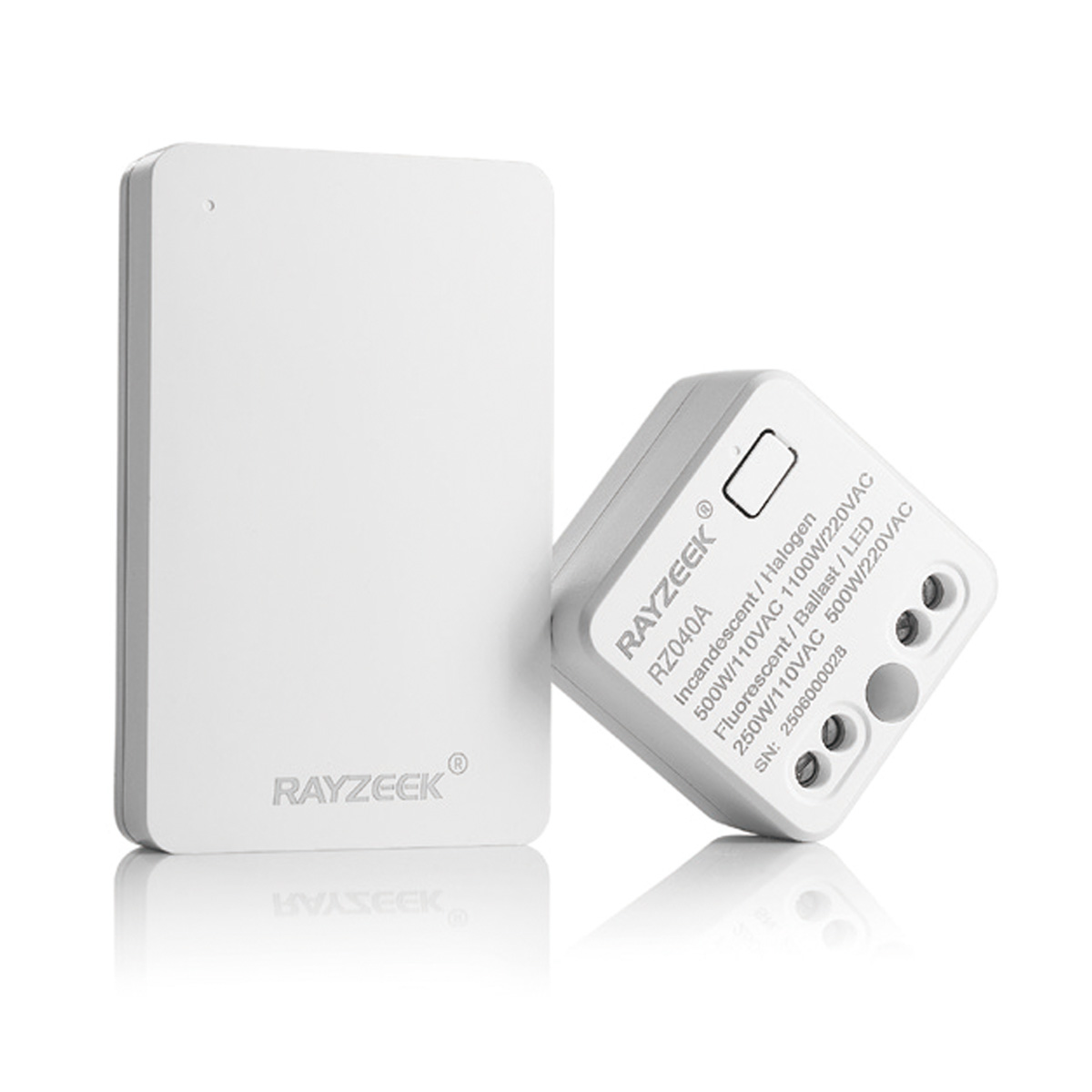
- ערכת מתג ומקלט אלחוטיים לבקרת תאורה הפעלה/כיבוי (ON/OFF) למבנים סגורים
- מקלט 100-230VAC, 50/60Hz עם זרם נקוב של 5A
- מתג אלחוטי מוזן סוללת CR2032 עם תקשורת בתדר 2.4GHz
- זיהוי נוכחות (הפעלה אוטומטית/כיבוי אוטומטי)
- 12–24V DC (10–30VDC), עד 10A
- כיסוי של 360°, קוטר של 8–12 מטר
- השהיית זמן 15 שניות–30 דקות
- חיישן תאורה כבוי/15/25/35 Lux
- רגישות גבוהה/נמוכה
- מצב נוכחות עם הפעלה אוטומטית/כיבוי אוטומטי
- 100–265V AC, 10A (נדרש מוליך אפס)
- כיסוי של 360°; קוטר גילוי של 8–12 מטרים
- השהיית זמן של 15 שניות–30 דקות; Lux OFF/15/25/35; רגישות גבוהה/נמוכה
- מצב נוכחות עם הפעלה אוטומטית/כיבוי אוטומטי
- 100–265V AC, 5A (נדרש מוליך אפס)
- כיסוי של 360°; קוטר גילוי של 8–12 מטרים
- השהיית זמן של 15 שניות–30 דקות; Lux OFF/15/25/35; רגישות גבוהה/נמוכה
The Verdict
Is it worth it?
If you are trying to save $15 a month on electricity, no. The cost of one mold remediation job—tearing out drywall and scrubbing studs—will wipe out twenty years of energy savings.
But if you are doing this for noise control in a finished space—using the sensor to ensure the unit is off during a movie and on after you go to bed—it can work. Just make sure your delay is set to 30 minutes, your unit auto-restarts, and you remember to bypass the sensor when you leave town. The goal is to make the machine invisible, not incompetent.