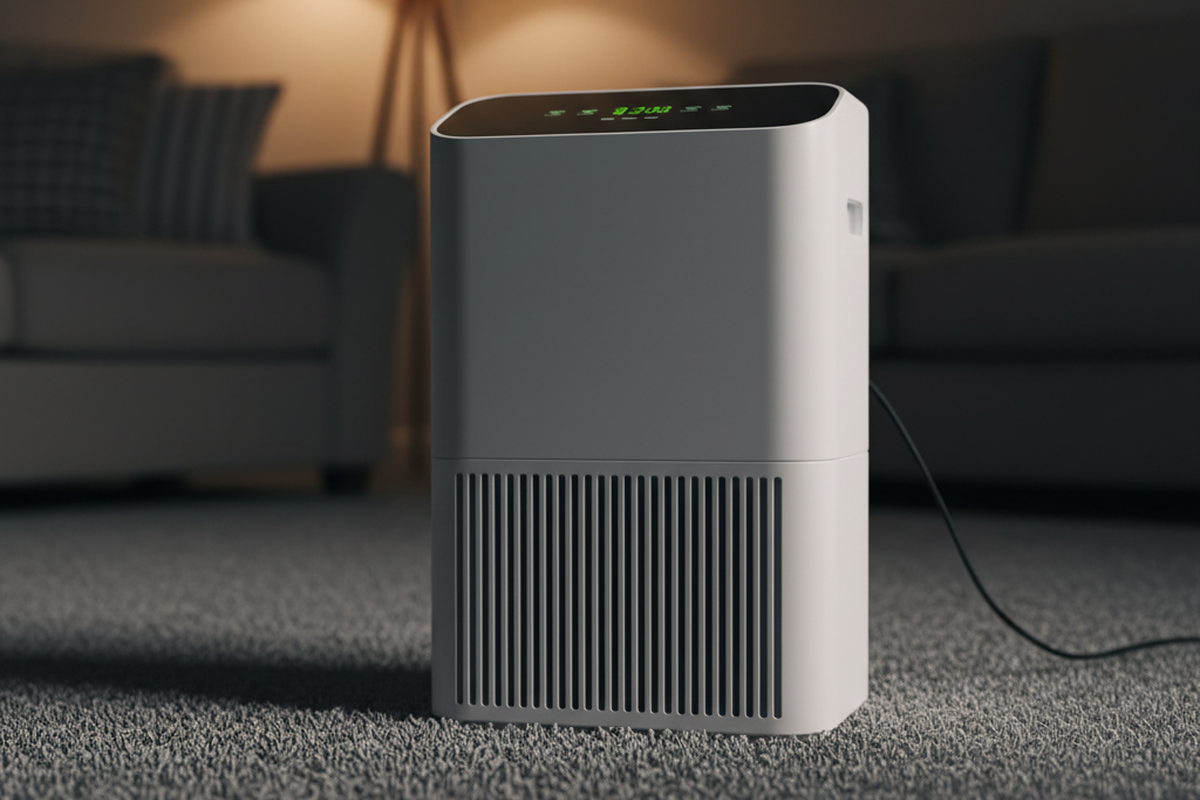
Você conhece esse som. É o zumbido de baixa frequência de um compressor de 50 pintas vibrando contra o piso de concreto. Ele é acionado exatamente no momento em que o filme fica silencioso ou permanece zumbindo sob o piso do quarto principal a noite toda.
O instinto de ir até lá e tirar o aparelho da tomada é irresistível. Você diz a si mesmo que vai ligá-lo novamente amanhã de manhã. Depois, o amanhã vira a próxima terça-feira e, quando você se lembra, o porão já está cheirando a papelão molhado e terra.
Este é o ciclo que leva a despesas de remediação na casa dos cinco dígitos.
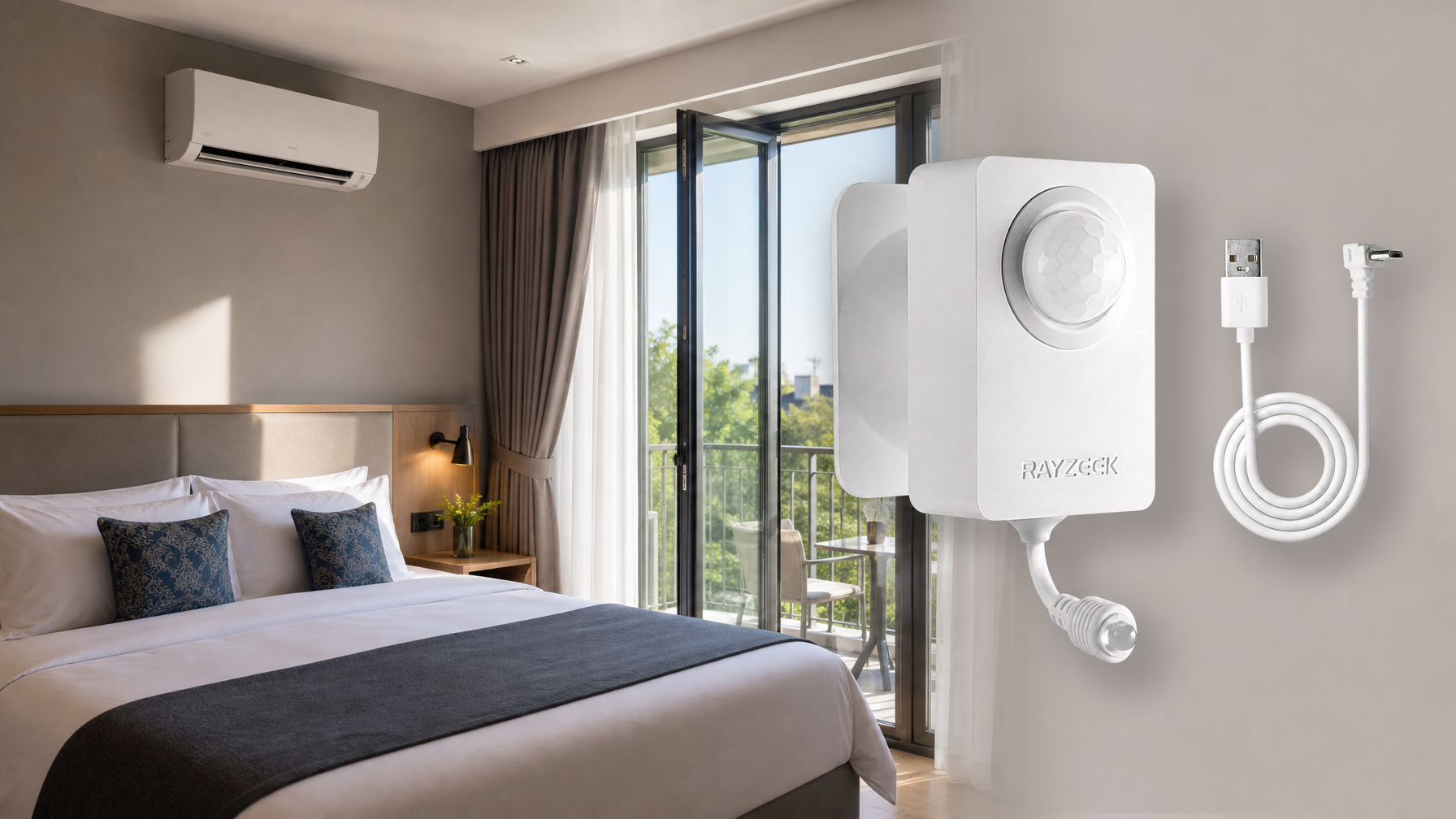
Para resolver o problema do ruído sem apodrecer a estrutura, os proprietários costumam recorrer a soluções “inteligentes”. Eles compram tomadas Wi-Fi que se desconectam durante tempestades ou analisam sensores de movimento como os da série Rayzeek RZ para automatizar o processo. A lógica parece coerente: Se não estou no cômodo, por que a máquina precisa funcionar?
Essa lógica é falha. Porém, se você estiver determinado a usar um sensor de movimento para controlar seu desumidificador — seja para economizar energia elétrica ou para preservar sua sanidade —, precisará configurá-lo com um conjunto muito específico de proteções. Se errar as configurações, você não terá apenas um porão úmido; você queimará o compressor em menos de uma temporada.
O problema: Pessoas vs. Água
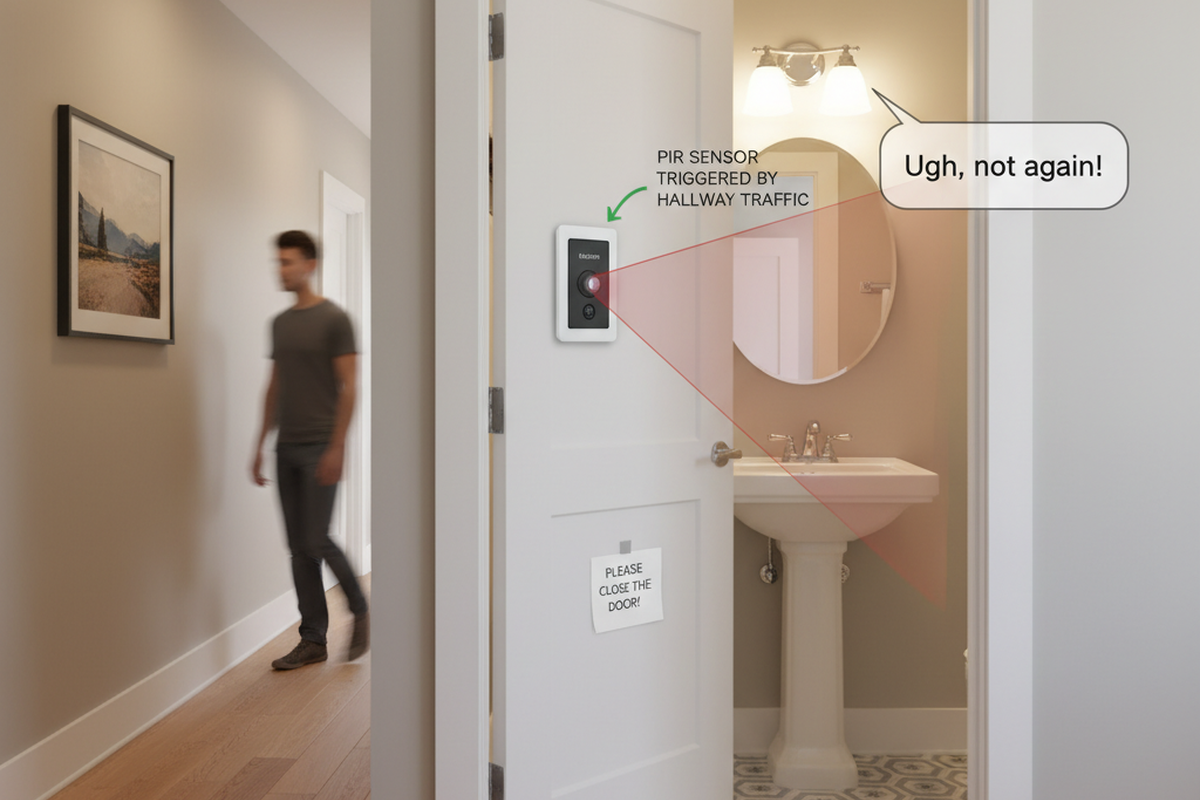
Antes de comprar um Rayzeek ou qualquer outro sensor de presença, é necessário entender o erro fundamental de utilizar um deles para o controle de climatização. Um sensor de movimento (PIR) detecta assinaturas de calor infravermelho deslocando-se pelo seu campo de visão. Ele identifica pessoas, não água.
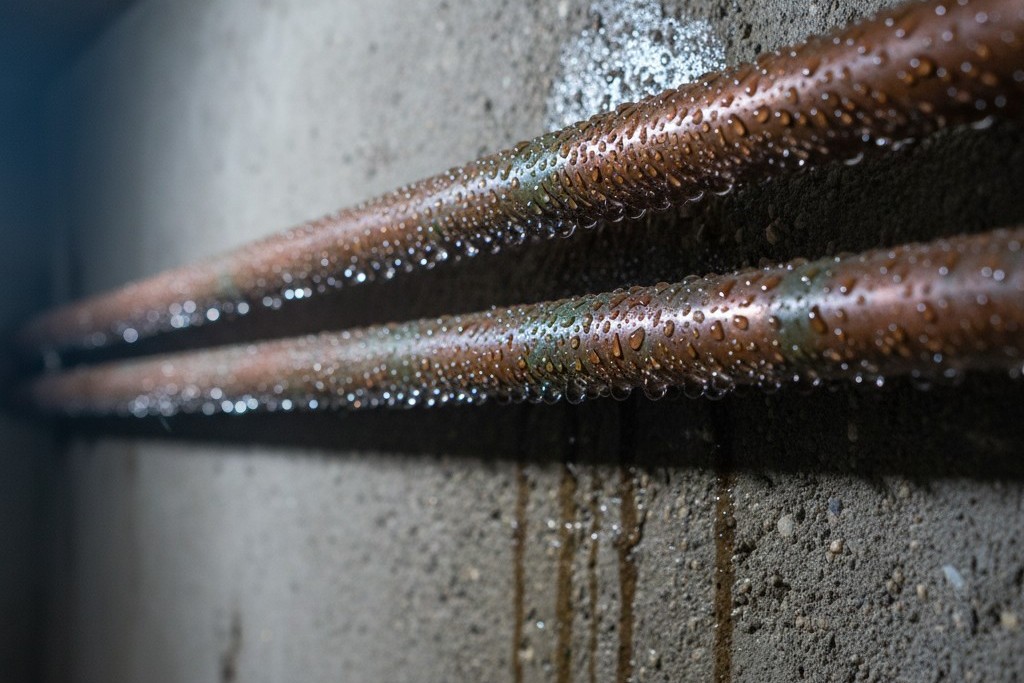
O vapor de água não se importa se você está no cômodo. Na verdade, em muitos porões, os picos de umidade ocorrem justamente quando você não está lá — à noite, quando a temperatura cai e a umidade relativa sobe, ou durante uma semana chuvosa em que você está preso no trabalho.
Se você conectar um desumidificador a um sensor de movimento padrão, o comportamento padrão será: Sem movimento = Corte de energia. Isso é catastrófico para um porão de uso geral. Você sai do cômodo, a energia é cortada e a umidade começa a se acumular na placa de gesso e no feltro do tapete. Quando você retorna três dias depois para lavar roupas, as colônias de fungos já se desenvolveram.
O único caso de uso válido para um desumidificador acionado por movimento é quando a carga de umidade é dependente da atividade. Pense em uma academia doméstica onde três pessoas estão suando por uma hora, ou em uma oficina onde você está colando madeira e precisa manter a circulação de ar elevada enquanto trabalha. Nesses casos, a sua presença is the moisture event. For everything else, you are fighting physics.
The Hardware Handshake
If you decide the noise reduction is worth the risk, verify your equipment before spending $20 on a sensor. This setup relies on a “hard” power cut. The Rayzeek kills voltage to the outlet completely when it times out.
Walk down to your dehumidifier right now. With the unit running and the compressor engaged (listen for the deeper buzz, not just the fan), reach down and pull the plug. Wait ten seconds. Plug it back in.
Procurando soluções de economia de energia ativadas por movimento?
Entre em contato conosco para sensores de movimento PIR completos, produtos de economia de energia ativados por movimento, interruptores com sensor de movimento e soluções comerciais de Presença/Ausência (Occupancy/Vacancy).
Does it turn back on automatically and resume dehumidifying?
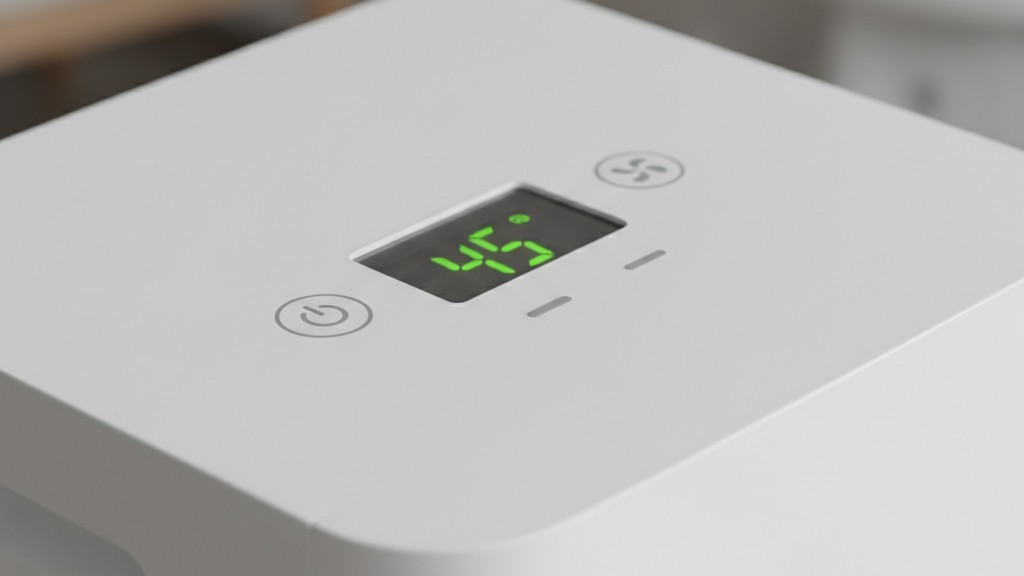
If it stays off, or goes into a “Standby” mode waiting for a button press, stop. This project is over. You cannot use an external sensor on a machine that requires a manual reset. Older mechanical units with physical dials work best for this. Many modern digital units—like certain Frigidaire Gallery or GE models—have a “memory” function that resumes the last setting, but cheaper units often revert to “Off.” If your unit doesn’t auto-restart, putting it on a motion sensor means it will turn off once and never turn on again.
Furthermore, ignore the internal humidistat on the dehumidifier itself. Set the target humidity to “Continuous” or as low as it will go (30-35%). You are moving the control logic to the motion sensor; if the internal humidistat satisfies and shuts off the compressor while you are still in the room, the motion sensor becomes irrelevant. You want the machine running hard whenever the circuit is live.
Inspire-se com os portfólios de sensores de movimento da Rayzeek.
Não encontrou o que procura? Não se preocupe. Sempre existem formas alternativas de resolver seus problemas. Talvez um de nossos portfólios possa ajudar.
The Kill Switch (And How to Avoid It)
The Rayzeek RZ021 isn’t a smart plug. No app, no cloud. Just dip switches or small dials under the faceplate. This is where you save your compressor or kill it.
The most critical setting is the Tempo de atraso.
Factory defaults on motion sensors are often set to 1 minute or 5 minutes. Fine for a light bulb; a death sentence for a refrigeration compressor.
Compressors need to run for a sustained period to reach operating temperature and effectively pull moisture. More importantly, once a compressor shuts off, the pressure in the system needs time to equalize before it starts again. If your sensor is set to a 1-minute delay, and you walk in and out of the laundry room three times in ten minutes to grab a basket, you are “short-cycling” the unit.
Short-cycling forces the compressor to try to start against high head pressure. It will overheat, draw massive current (Locked Rotor Amps), and eventually trip the thermal overload or seize permanently.
You must set the Rayzeek time delay to its maximum setting—usually 30 minutes.
This accomplishes two things:
- Compressor Safety: It ensures that once triggered, the unit runs for a meaningful cycle, preventing rapid on/off toggling.
- The “Run-On” Dry Out: When you leave the room (removing the noise source), the unit continues to run for half an hour. This pulls the latent moisture you generated (sweat, breath) out of the air and, crucially, dries off the evaporator coil so it doesn’t sit there wet and grow mold inside the machine.
Do not get cute with the sensitivity dial. Crank it to high. In a cluttered basement, line-of-sight is often blocked by ductwork or shelving. You want the unit to trigger if you so much as wave a hand near the doorway.
The Vacation Blind Spot
There is a massive hole in this plan: Vacancy.
If you go on vacation for two weeks in August, or simply don’t go down to the basement for a few days, the dehumidifier will never run. The sensor sees no motion, so it delivers no power. Meanwhile, a thunderstorm rolls through, humidity hits 75%, and you aren’t there to trigger the drying cycle.
This is why this setup is dangerous for general home health.
If you rely on this method, you need a fail-safe. The Rayzeek has a small slider switch on the front (usually labeled ON / OFF / AUTO).
- AUTO: Motion sensing mode (Daily use).
- ON: Bypass mode (Always on).
You must discipline yourself to flip that switch to ON every time you leave the house for more than 24 hours. If you rely on the motion sensor during a two-week trip, you will come home to a science experiment on your baseboards.
Você Também Pode Se Interessar Por

- Tensão: 2 Pilhas AAA
- Modo Dia/Noite
- Atraso de tempo: 15min, 30min, 1h(padrão), 2h
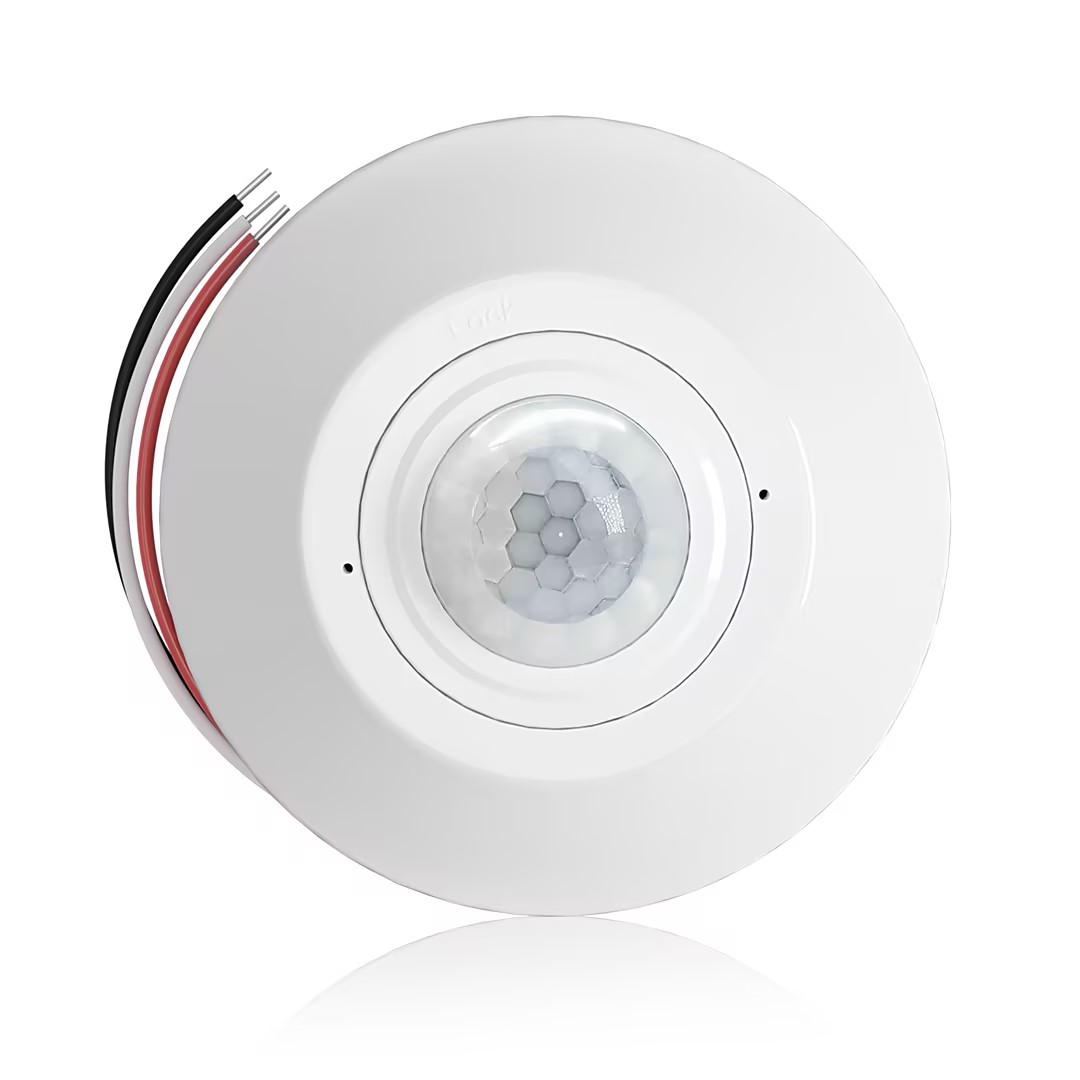
- Sensor de ocupação PIR para montagem no teto com saída de relé de contato seco
- Alimentação de baixa tensão de 12/24VDC ou 12/24VAC
- Contatos de relé isolados COM, NO e NC para entradas de EMS, HVAC e controle predial
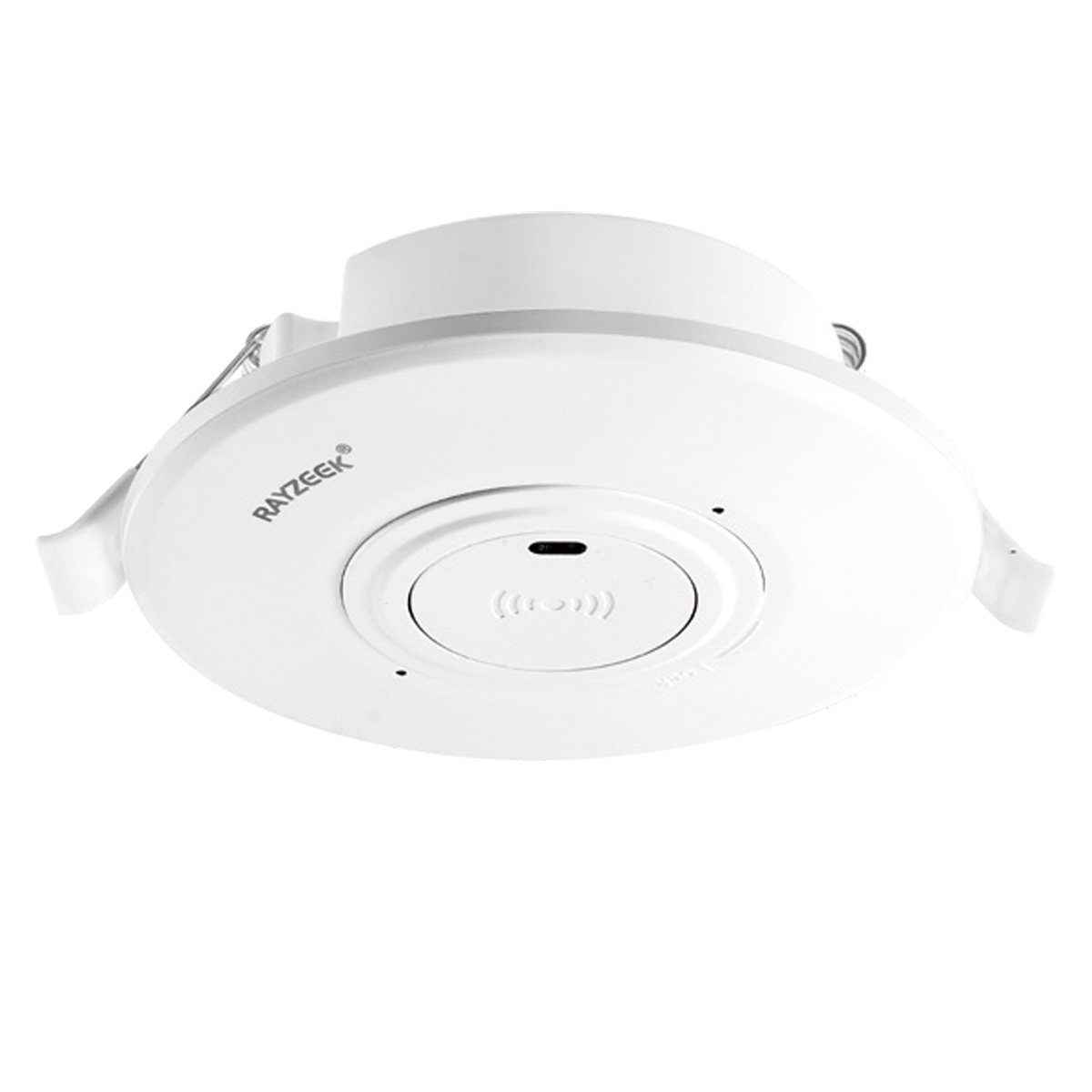
- Interruptor sensor de movimento de micro-ondas embutido no teto em baixa tensão CC
- Entrada de 12 VDC / 24 VDC com faixa de 10-30 VDC
- Corrente máxima de trabalho de 10A com tempo de retardo, limite Lux e sensibilidade ajustáveis
- Interruptor sensor de movimento de micro-ondas embutido no teto para maior carga
- Entrada de tensão de rede de 100-265 VAC, modelo 10A
- Detecção de micro-ondas de 5,8 GHz com tempo de atraso, limite de Lux e sensibilidade ajustáveis
- Interruptor de sensor de movimento de micro-ondas embutido para teto
- Entrada de tensão de rede de 100-265 VAC, modelo 5A
- Detecção de micro-ondas de 5,8 GHz com tempo de atraso, limite de Lux e sensibilidade ajustáveis
- Dimmer de sensor de presença PIR para teto RZ037 para alimentação de 220V
- Corrente máxima de trabalho de 3A com carga nominal de 660W
- O botão LUX controla o Ligar/Desligar do sensor de luz e o brilho de dimerização definido pelo usuário
- Dimmer de sensor de presença PIR para teto RZ037 para alimentação de 110V
- Corrente máxima de trabalho de 3A com carga nominal de 330W
- O botão LUX controla o Ligar/Desligar do sensor de luz e o brilho de dimerização definido pelo usuário
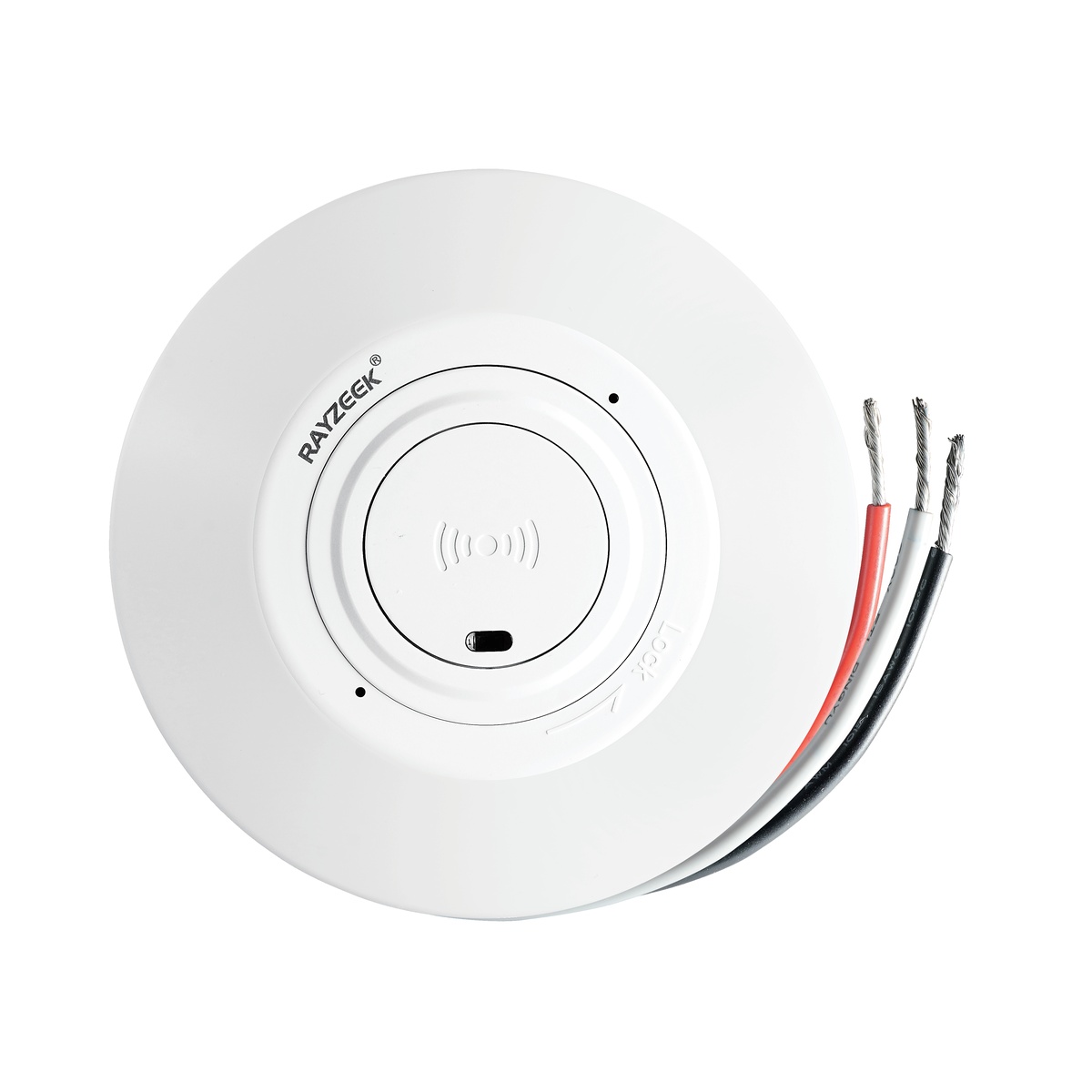
- Interruptor de sensor de movimento de micro-ondas para teto em baixa tensão CC
- Entrada de 12 VDC / 24 VDC com faixa de 10-30 VDC
- Corrente máxima de trabalho de 10A com tempo de retardo, limite Lux e sensibilidade ajustáveis
- Interruptor de sensor de movimento de micro-ondas para teto de maior carga
- Entrada de tensão de rede de 100-265 VAC, modelo 10A
- Detecção de micro-ondas de 5,8 GHz com tempo de atraso, limite de Lux e sensibilidade ajustáveis
- Interruptor com sensor de movimento por micro-ondas para montagem no teto
- Entrada de tensão de rede de 100-265 VAC, modelo 5A
- Detecção de micro-ondas de 5,8 GHz com tempo de atraso, limite de Lux e sensibilidade ajustáveis
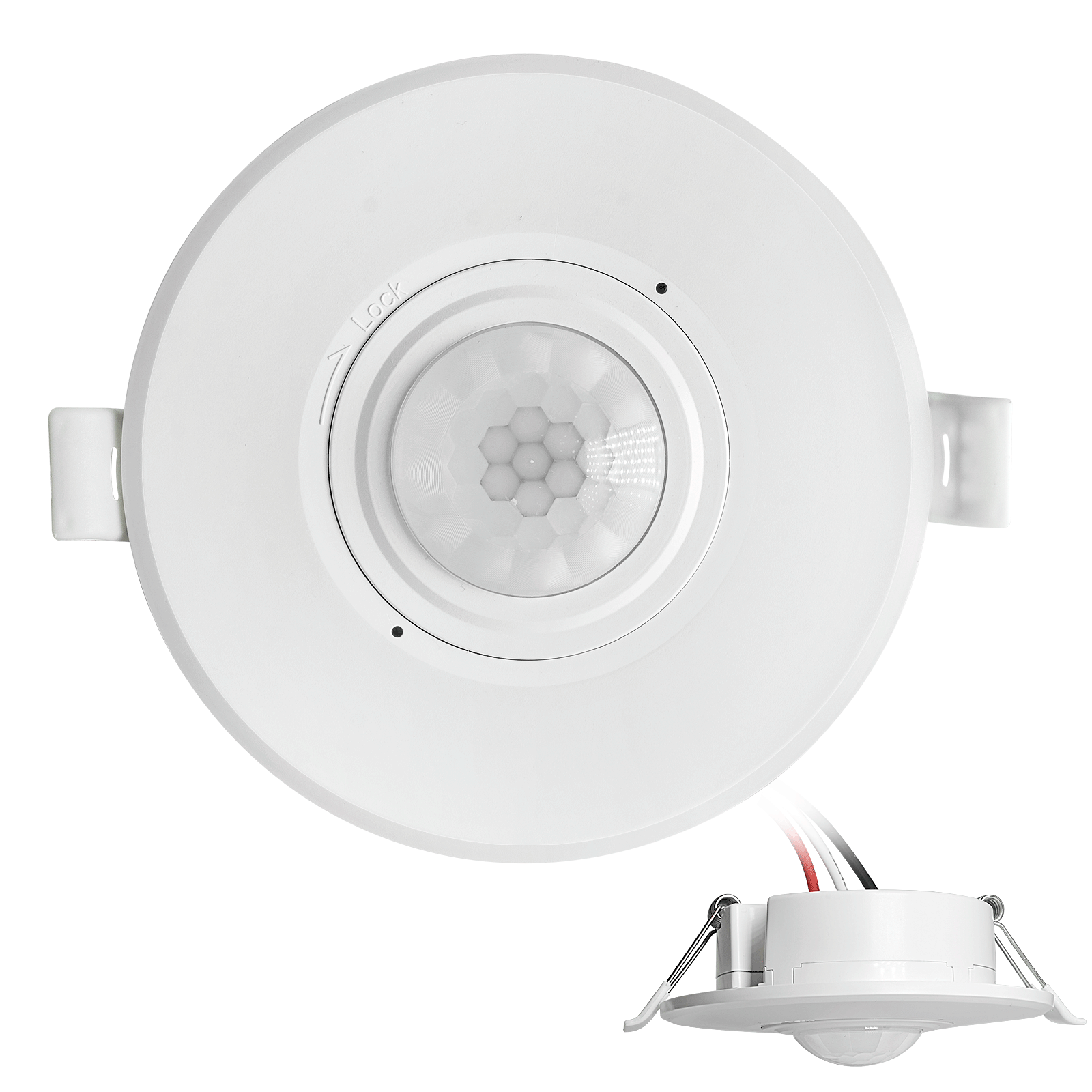
- Interruptor com sensor de movimento PIR de teto embutido CC de baixa tensão
- Entrada de 12 VDC / 24 VDC com faixa de 10-30 VDC
- Corrente máxima de trabalho de 10A com tempo de atraso, limite de Lux e sensibilidade ajustáveis
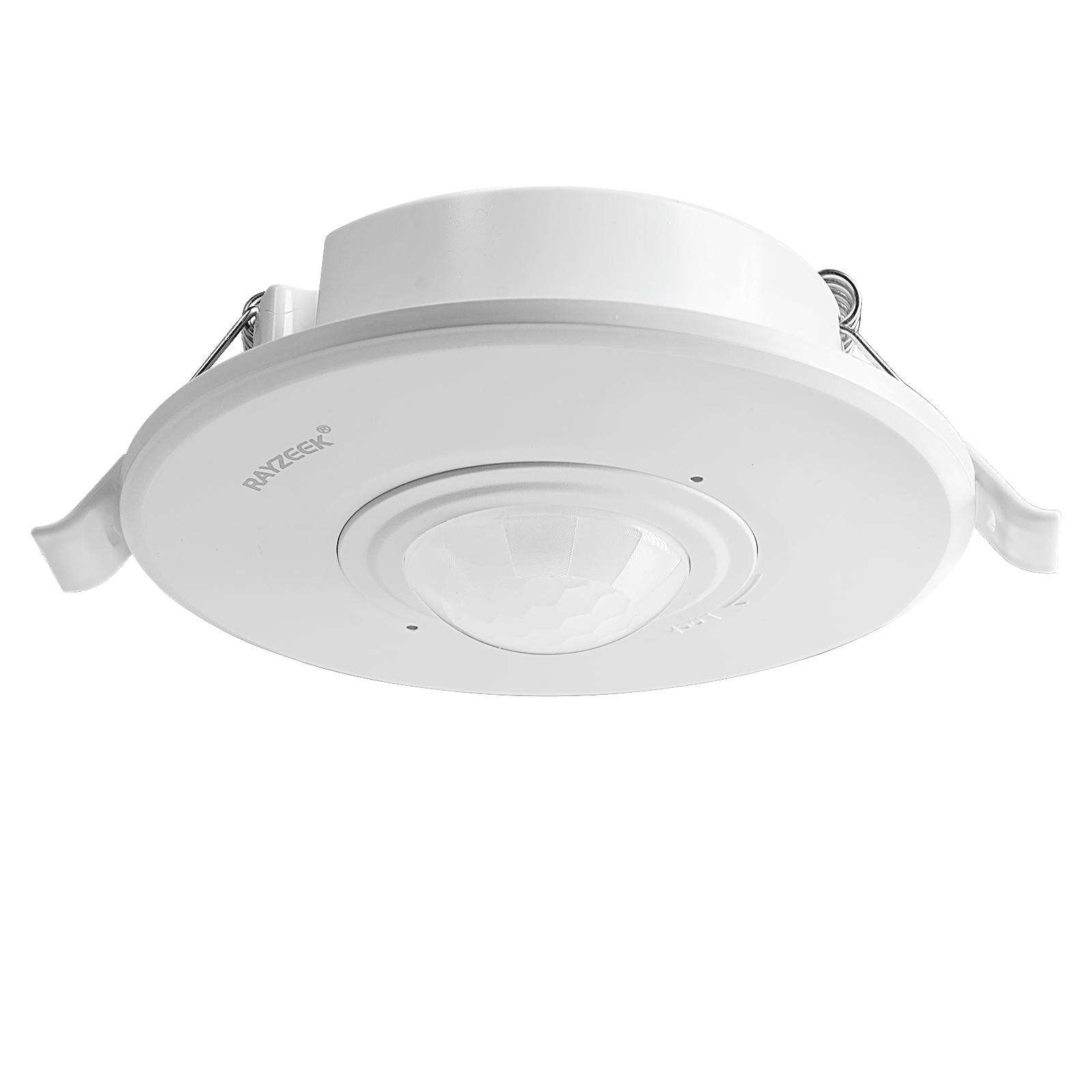
- Interruptor com sensor de movimento PIR de teto embutido para maior carga
- Entrada de tensão de rede de 100-265 VAC, modelo 10A
- Detecção de 360 graus com tempo de atraso, limite de Lux e sensibilidade ajustáveis
- Interruptor com sensor de movimento PIR de teto embutido
- Entrada de tensão de rede de 100-265 VAC, modelo 5A
- Detecção de 360 graus com tempo de atraso, limite de Lux e sensibilidade ajustáveis
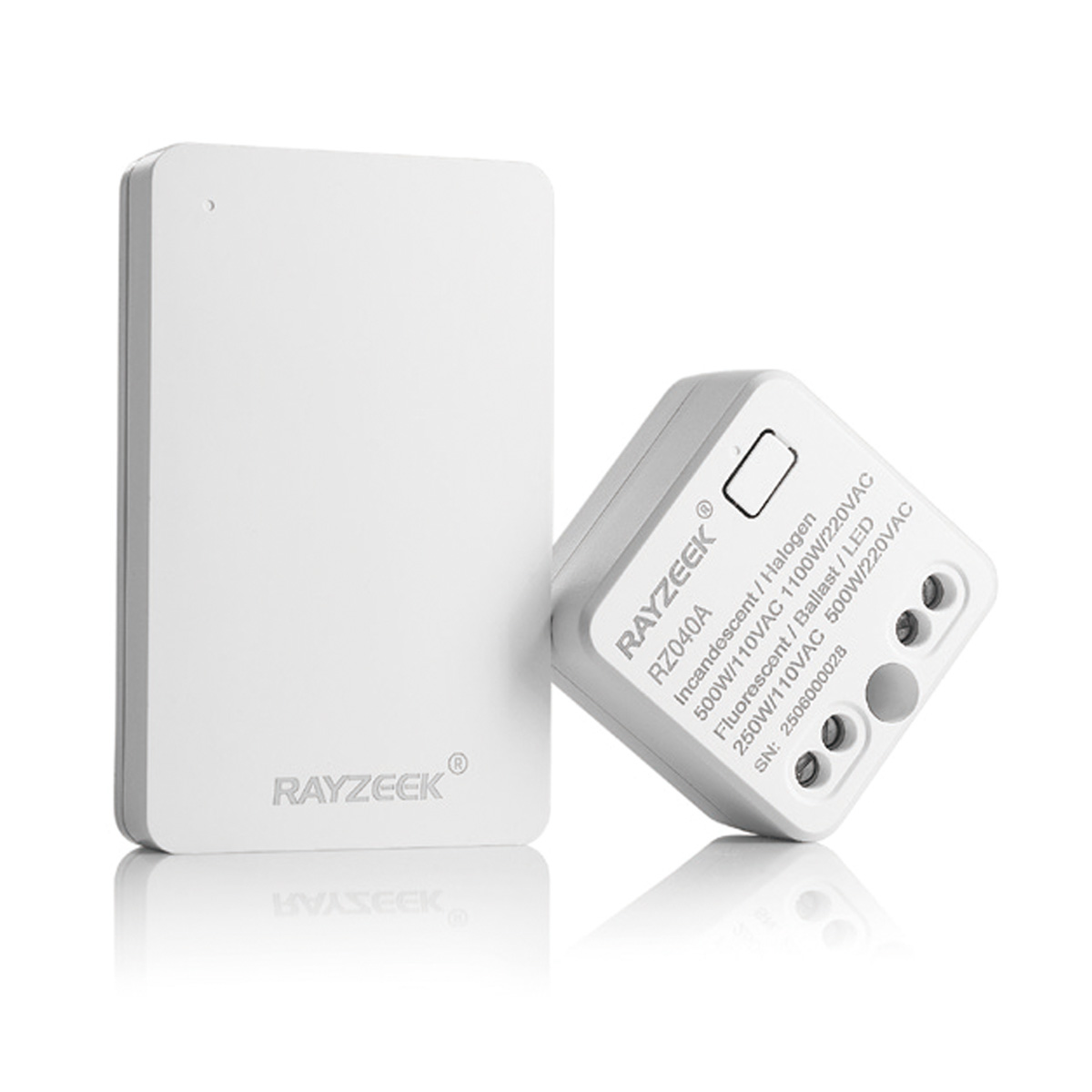
- Kit de receptor e interruptor sem fio para controle de iluminação LIGA/DESLIGA em ambientes internos
- Receptor de 100-230VAC, 50/60Hz com corrente nominal de 5A
- Interruptor sem fio alimentado por CR2032 com comunicação de 2,4 GHz
- Ocupação (LIGA automático/DESLIGA automático)
- 12–24V CC (10–30VDC), até 10A
- Cobertura de 360°, 8–12 m de diâmetro
- Temporização: 15 s–30 min
- Sensor de luz: Desligado/15/25/35 Lux
- Sensibilidade Alta/Baixa
- Modo de ocupação Liga-Automático/Desliga-Automático
- 100–265V AC, 10A (neutro obrigatório)
- Cobertura de 360°; diâmetro de detecção de 8–12 m
- Temporização: 15 s–30 min; Lux DESLIGADO/15/25/35; Sensibilidade Alta/Baixa
- Modo de ocupação Liga-Automático/Desliga-Automático
- 100–265V AC, 5A (neutro obrigatório)
- Cobertura de 360°; diâmetro de detecção de 8–12 m
- Temporização: 15 s–30 min; Lux DESLIGADO/15/25/35; Sensibilidade Alta/Baixa
The Verdict
Is it worth it?
If you are trying to save $15 a month on electricity, no. The cost of one mold remediation job—tearing out drywall and scrubbing studs—will wipe out twenty years of energy savings.
But if you are doing this for noise control in a finished space—using the sensor to ensure the unit is off during a movie and on after you go to bed—it can work. Just make sure your delay is set to 30 minutes, your unit auto-restarts, and you remember to bypass the sensor when you leave town. The goal is to make the machine invisible, not incompetent.