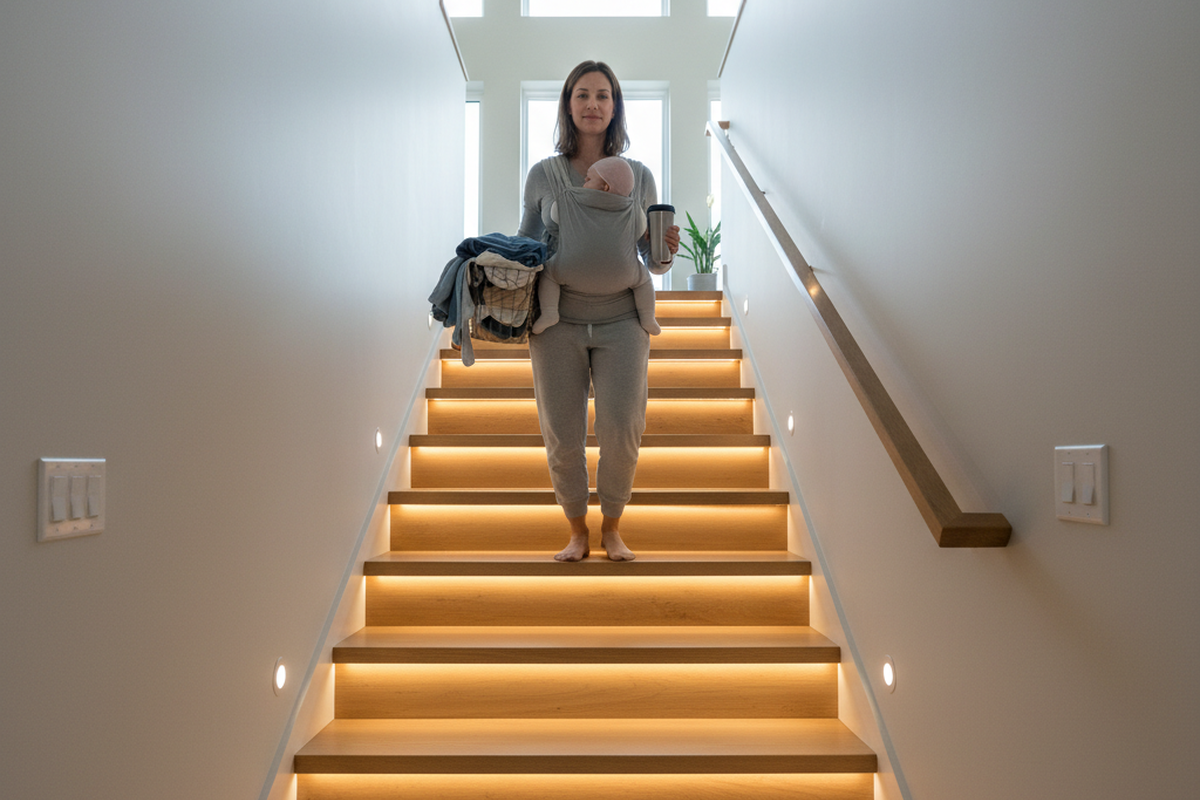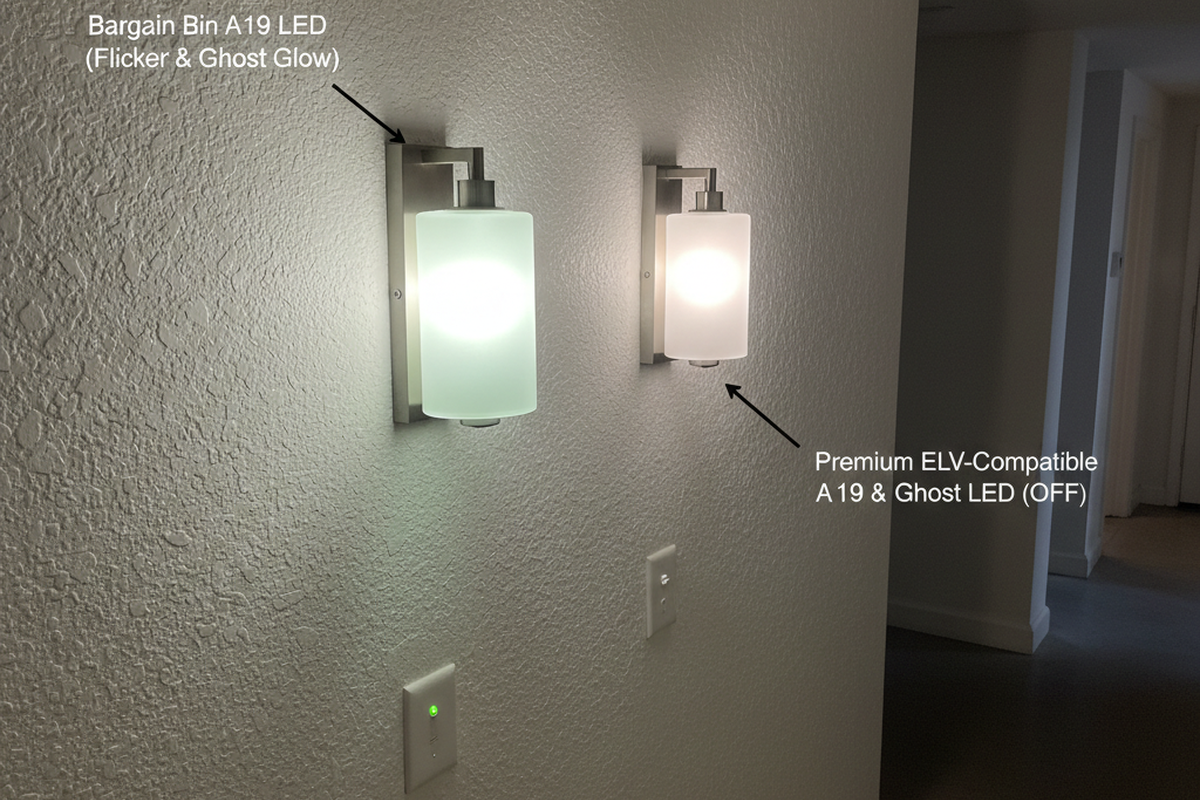
חיישני נוכחות ממלאים תפקיד מכריע באוטומציה של התאורה, בצמצום בזבוז החשמל ובשיפור חוויית השימוש בתאורה. קיימים שני סוגים של חיישני נוכחות: חיישני נוכחות (Occupancy sensors) הם סוג של חיישן המבצע הפעלה אוטומטית וכיבוי אוטומטי, בעוד שחיישני היעדרות (Vacancy sensors) הם חיישנים בעלי הפעלה ידנית וכיבוי אוטומטי, הנקראים לעיתים חיישני נוכחות בעלי הפעלה ידנית. ביישומים מסחריים, חיישני נוכחות וחיישני היעדרות מכונים לעיתים קרובות חיישני תנועה, גלאי תנועה או חיישני תאורה בשל יכולתם לשלוט בתאורה באמצעות זיהוי תנועה.
תוכן עניינים
חיישנים אלה משתמשים בטכנולוגיית אינפרא-אדום פסיבית (PIR), טכנולוגיה אולטרסונית או טכנולוגיה משולבת (Dual-tech) המשלבת הן PIR והן טכנולוגיה אולטרסונית לצורך זיהוי מצב נוכחות או היעדרות בחדר. לכל טכנולוגיה יתרונות וחסרונות משלה מבחינת הדיוק והיעילות של זיהוי תנועה. כאשר טכנולוגיית PIR היא המקובלת ביותר כיום כהסטרטגיה לזיהוי תנועה אסטרטגיית זיהוי תנועה בקרב כל המוצרים המופעלים על ידי תנועה כגון חיישני נוכחות, מתגי חיישן תנועה ותאורת אבטחה חיצונית, טכנולוגיה משולבת (Dual-tech) משמשת גם בחלק מחיישני הנוכחות ומתגי הקיר היוקרתיים.
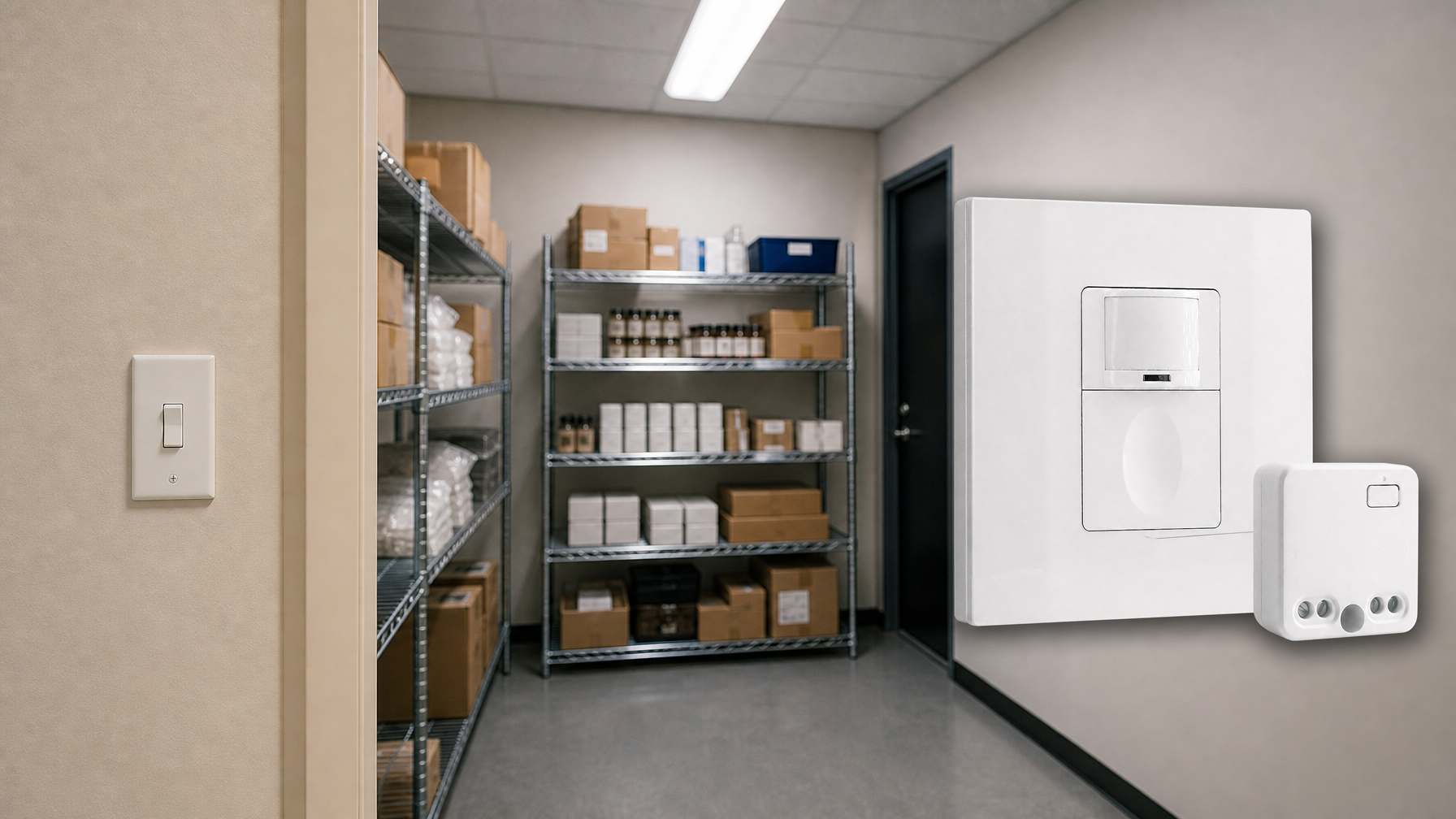
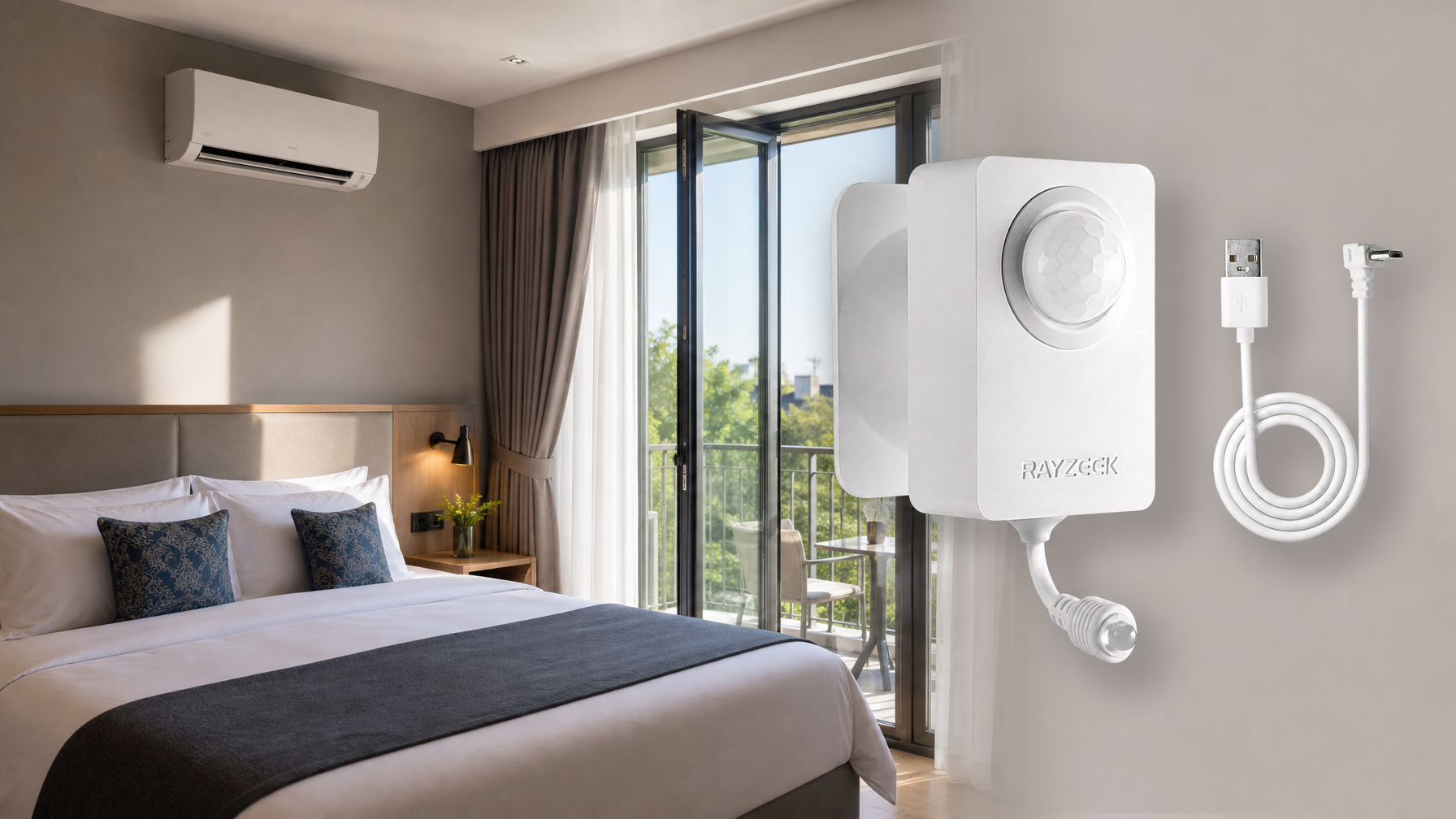
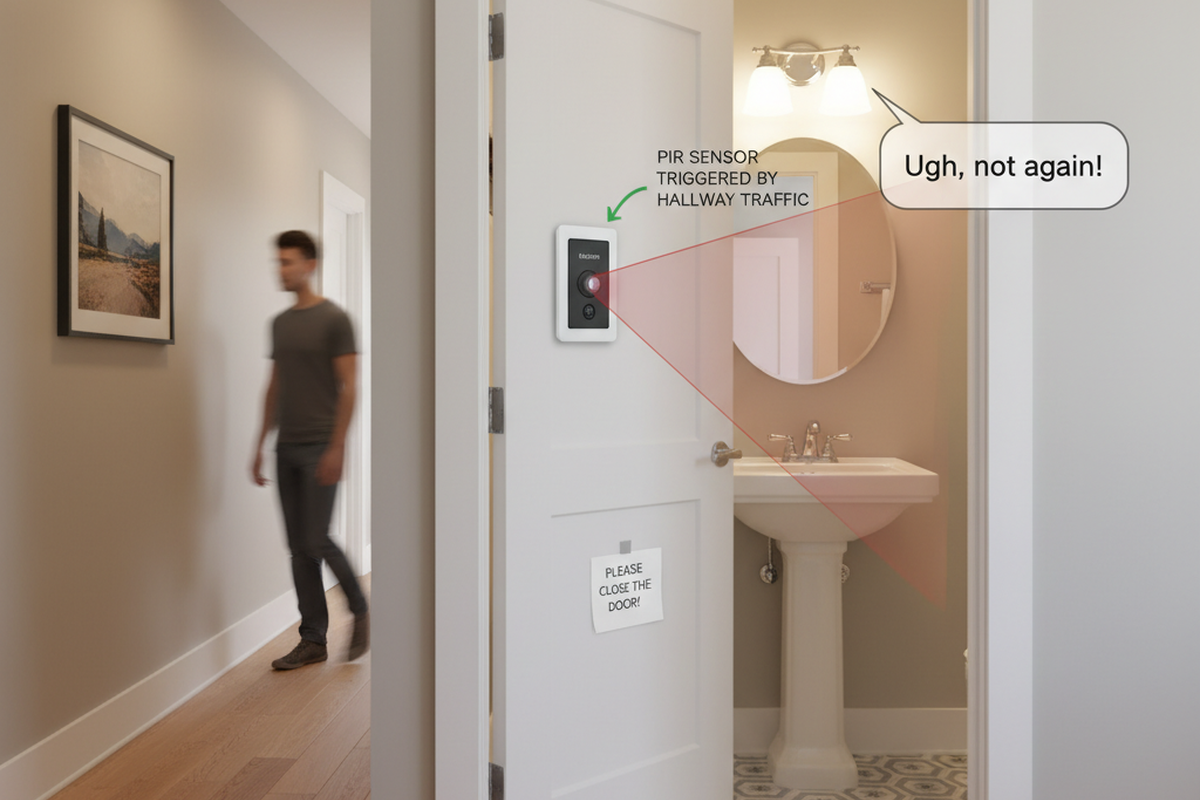
לחיישני נוכחות והיעדרות יש תצורות רבות. הם יכולים להיות מתג קיר אשר מתאים לקופסת חיבורים רגילה בקיר עם חיישן תנועה מובנה, או שהם יכולים להיות גלאי תנועה עצמאי המותקן בגובה על הקיר או התקרה ו- מחובר לחיווט התאורה הקיימת. יש לתכנן בקפידה את ההתקנה והמיקום של בקרות תאורה המבוססות על חיישני נוכחות לפני ההתקנה לקבלת התוצאה המיטבית. יש לקחת בחשבון את המבנה, היישום ותדירות השימוש בחדר.
כאשר תקני אנרגיה כגון IECC, ASHRAE ו-Title 24 דורשים כולם יישום של אסטרטגיית בקרת תאורה המבוססת על נוכחות במבני מגורים ומבנים מסחריים, על הקוראים לבחור בקפידה חיישני נוכחות וחיישני היעדרות מתאימים כדי לעמוד בתקנים אלה.
מהו תקן אנרגיה
תקני אנרגיה הם חלק מאוסף נרחב יותר של תקני בנייה, המפקחים על התכנון וההקמה של מבני מגורים ומבנים מסחריים, ומטרתם לשפר את היעילות האנרגטית כדי לצמצם את צריכת האנרגיה הנדרשת ואת השפעות הזיהום.
תקן בנייה (המכונה גם פיקוח בנייה או תקנות בנייה) הוא קובץ כללים המגדיר את הסטנדרטים עבור עצמים בנויים כגון מבנים ומבנים שאינם בניינים. מבנים חייבים לעמוד בתקן כדי לקבל היתר בנייה, בדרך כלל מהרשות המקומית.
לתקני אנרגיה כגון IECC (International Energy Conservation Code) ו-ASHRAE (American Society of Heating, Refrigerating and Air-Conditioning Engineers) יש דרישות מדויקות לגבי בקרות חיישני נוכחות שיש להשתמש בהן במבנים מסחריים ובמבני מגורים.
In this article, we will mainly talk about the IECC code.
מהו IECC
The International Energy Conservation Code (IECC) is a building code created by the International Code Council in 2000. It is a model code adopted by many states and municipal governments in the United States for the establishment of minimum design and construction requirements for energy efficiency.

The IECC is updated every three years, with the latest being the 2021 edition. The IECC references ASHRAE/IES 90.1 as an alternative standard so that building designers could have more choices in their design work.
תקן IECC 2011 עבור חיישני נוכחות
On July 28, 2021, DOE(Department of Energy) issued a determination that the 2021 International Energy Conservation Code (IECC) will improve energy efficiency in residential buildings. In support of this determination, DOE conducted a technical analysis evaluating the impacts of the updated code (relative to the 2018 IECC edition). DOE estimates national savings of approximately:
- 9.38 percent site energy savings
- 8.79 percent source energy savings
- 8.66 percent energy cost savings
- 8.66 percent carbon emissions
Let’s take a look at what IECC 2011 requires for occupancy sensors.
אולי יעניין אותך גם

- מתח: 2 סוללות AAA
- מצב יום/לילה
- השהיית זמן: 15 דקות, 30 דקות, שעה אחת (ברירת מחדל), שעתיים
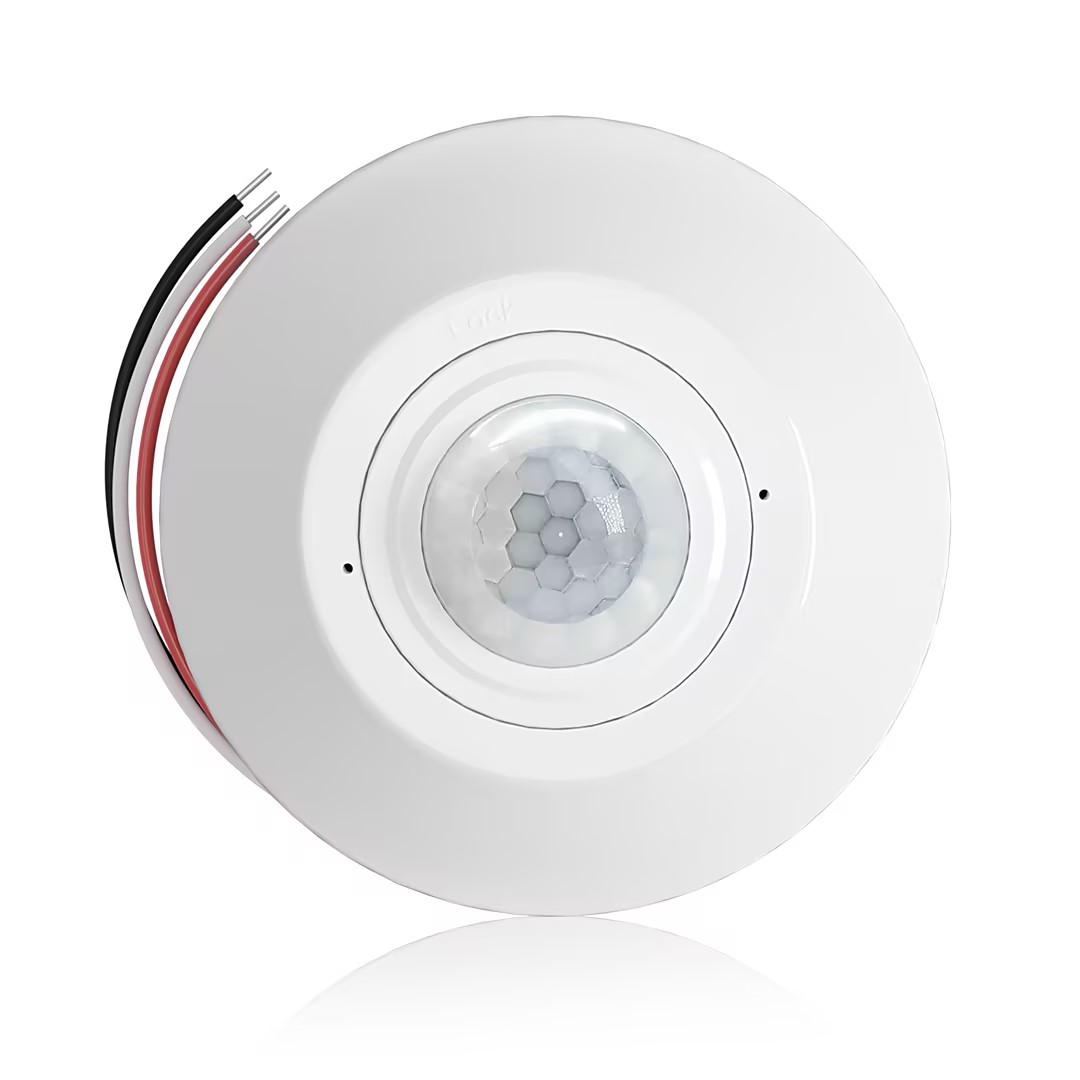
- חיישן נוכחות PIR להתקנה על התקרה עם יציאת ממסר מגע יבש
- אספקת מתח נמוך 12/24VDC או 12/24VAC
- מגעי ממסר מבודדים COM, NO ו-NC עבור היזונים של EMS, HVAC ובקרת מבנים
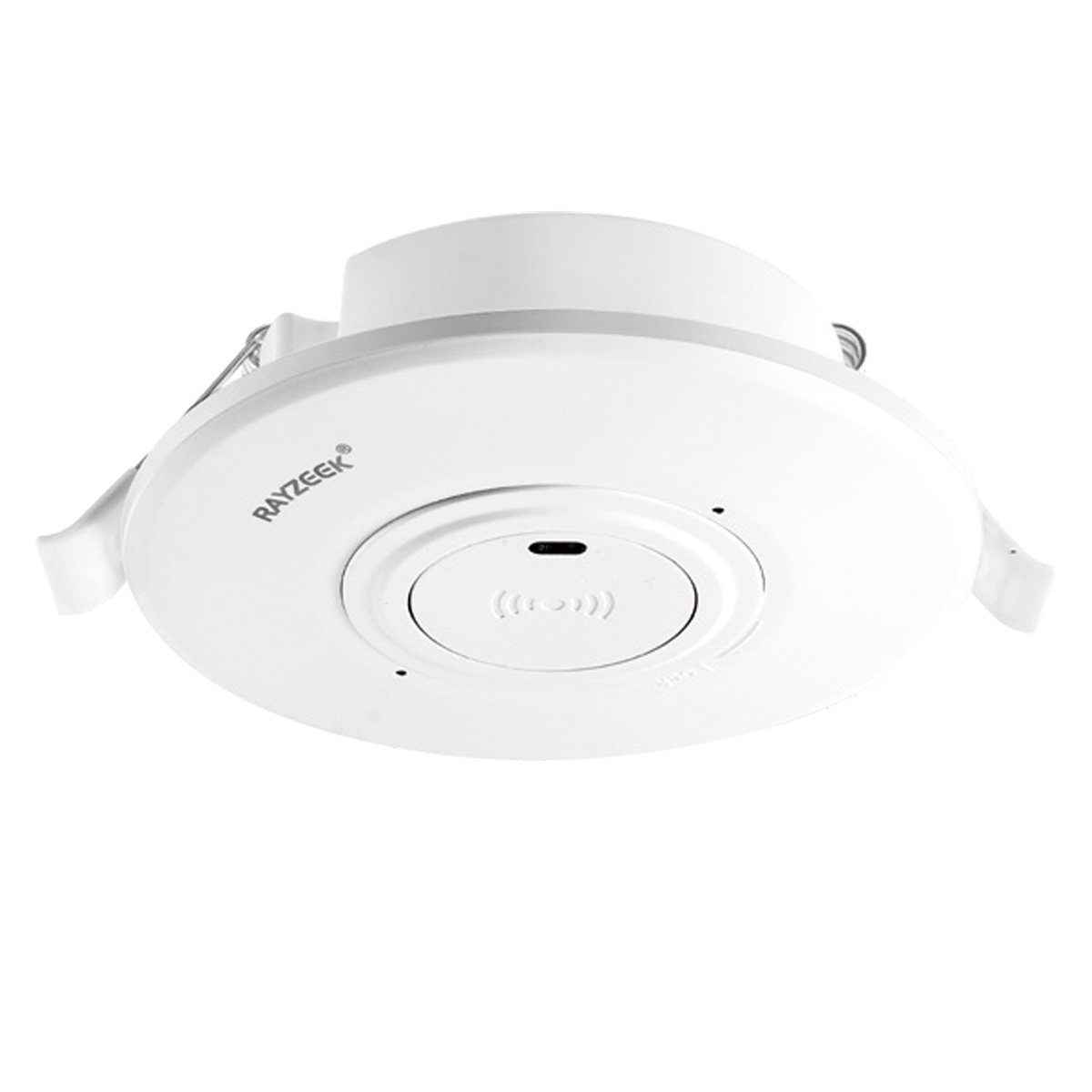
- מתג חיישן תנועה מיקרוגל שקוע לתקרה במתח נמוך DC
- כניסת 12 VDC / 24 VDC עם טווח של 10-30 VDC
- זרם עבודה מרבי של 10A עם השהיית זמן, סף Lux ורגישות מתכווננים
- מתג חיישן תנועה מיקרוגל שקוע לתקרה לעומסים גבוהים יותר
- כניסת מתח רשת 100-265 VAC, דגם 10A
- חיישן מיקרוגל 5.8GHz עם השהיית זמן מתכווננת, סף Lux ורגישות
- מתג חיישן תנועה מיקרוגל שקוע להתקנה בתקרה
- כניסת מתח רשת 100-265VAC, דגם 5A
- חיישן מיקרוגל 5.8GHz עם השהיית זמן מתכווננת, סף Lux ורגישות
- עמעם חיישן נוכחות PIR להתקנה בתקרה RZ037 למתח של 220V
- זרם עבודה מרבי של 3A עם עומס נקוב של 660W
- לחצן LUX שולט על הפעלה/כיבוי של חיישן האור ועל בהירות העמעום שנקבעה על ידי המשתמש
- עמעם חיישן נוכחות PIR להתקנה בתקרה RZ037 למתח של 110V
- זרם עבודה מרבי של 3A עם עומס נקוב של 330W
- לחצן LUX שולט על הפעלה/כיבוי של חיישן האור ועל בהירות העמעום שנקבעה על ידי המשתמש
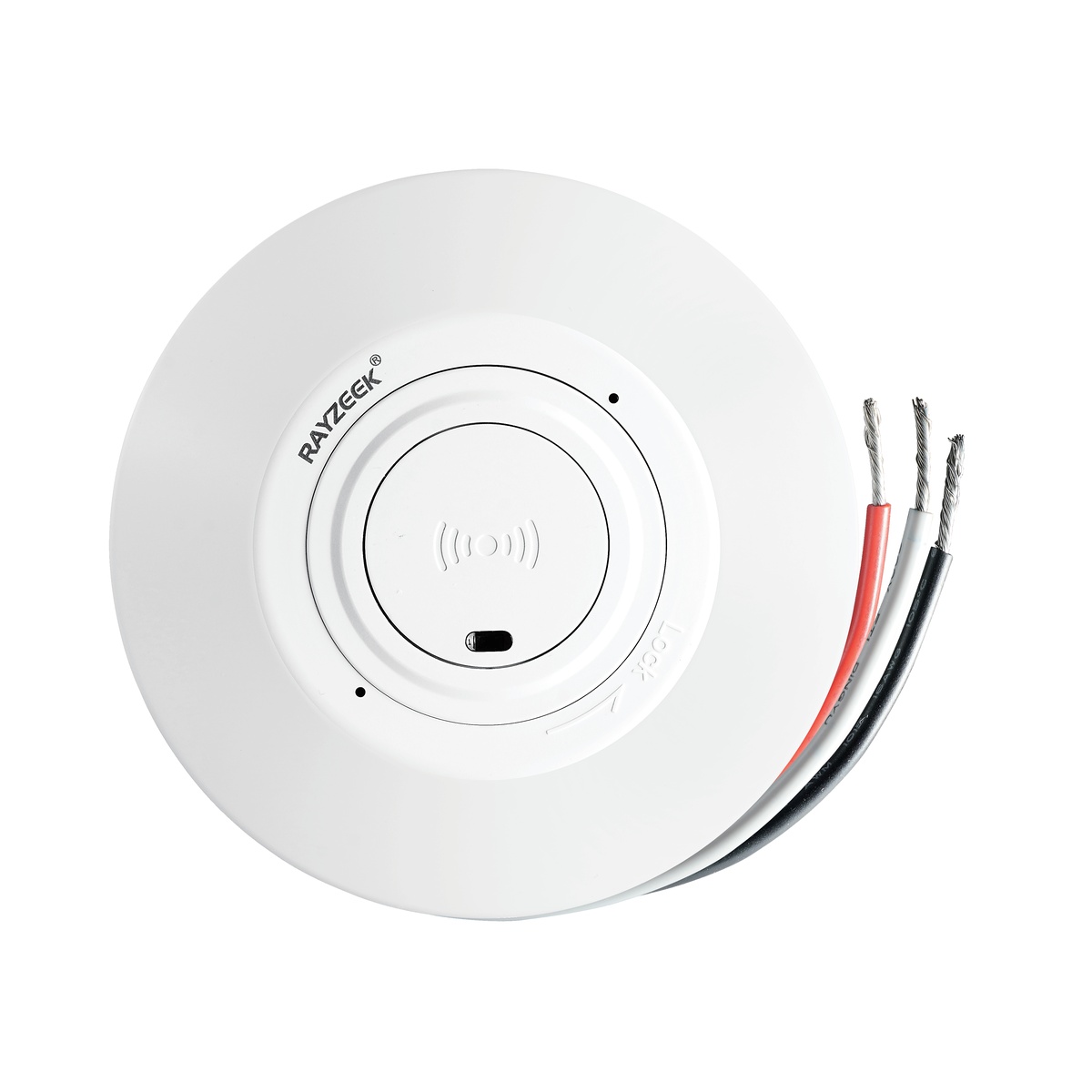
- מתג חיישן תנועה מיקרוגל להתקנה בתקרה במתח נמוך DC
- כניסת 12 VDC / 24 VDC עם טווח של 10-30 VDC
- זרם עבודה מרבי של 10A עם השהיית זמן, סף Lux ורגישות מתכווננים
- מתג חיישן תנועה מיקרוגל להתקנה בתקרה לעומס גבוה יותר
- כניסת מתח רשת 100-265 VAC, דגם 10A
- חיישן מיקרוגל 5.8GHz עם השהיית זמן מתכווננת, סף Lux ורגישות
- מתג חיישן תנועה מיקרוגל להתקנה בתקרה
- כניסת מתח רשת 100-265VAC, דגם 5A
- חיישן מיקרוגל 5.8GHz עם השהיית זמן מתכווננת, סף Lux ורגישות
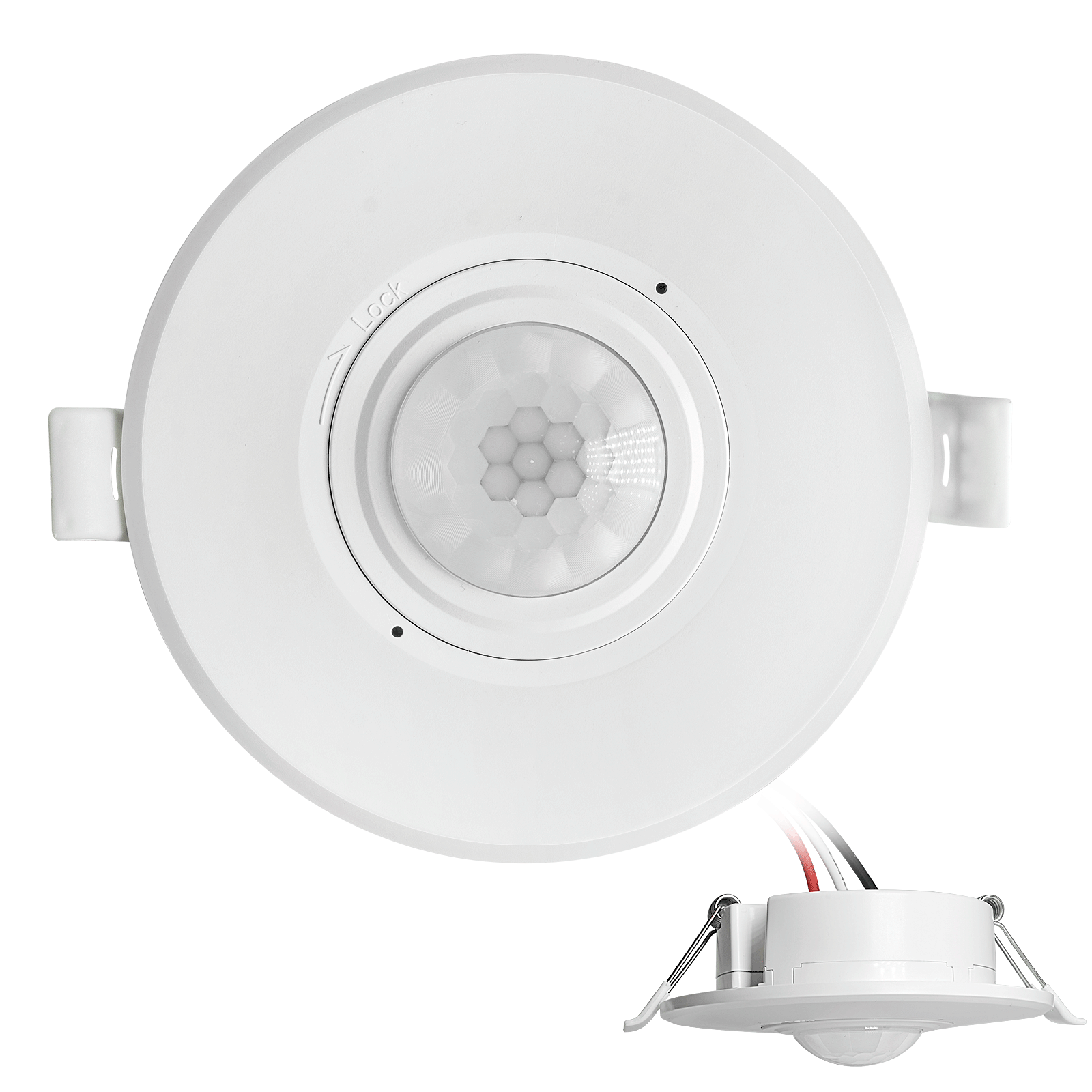
- מתג חיישן תנועה PIR שקוע לתקרה במתח נמוך DC
- כניסת 12 VDC / 24 VDC עם טווח של 10-30 VDC
- זרם עבודה מרבי של 10A עם השהיית זמן מתכווננת, סף תאורה (Lux) ורגישות מתכווננים
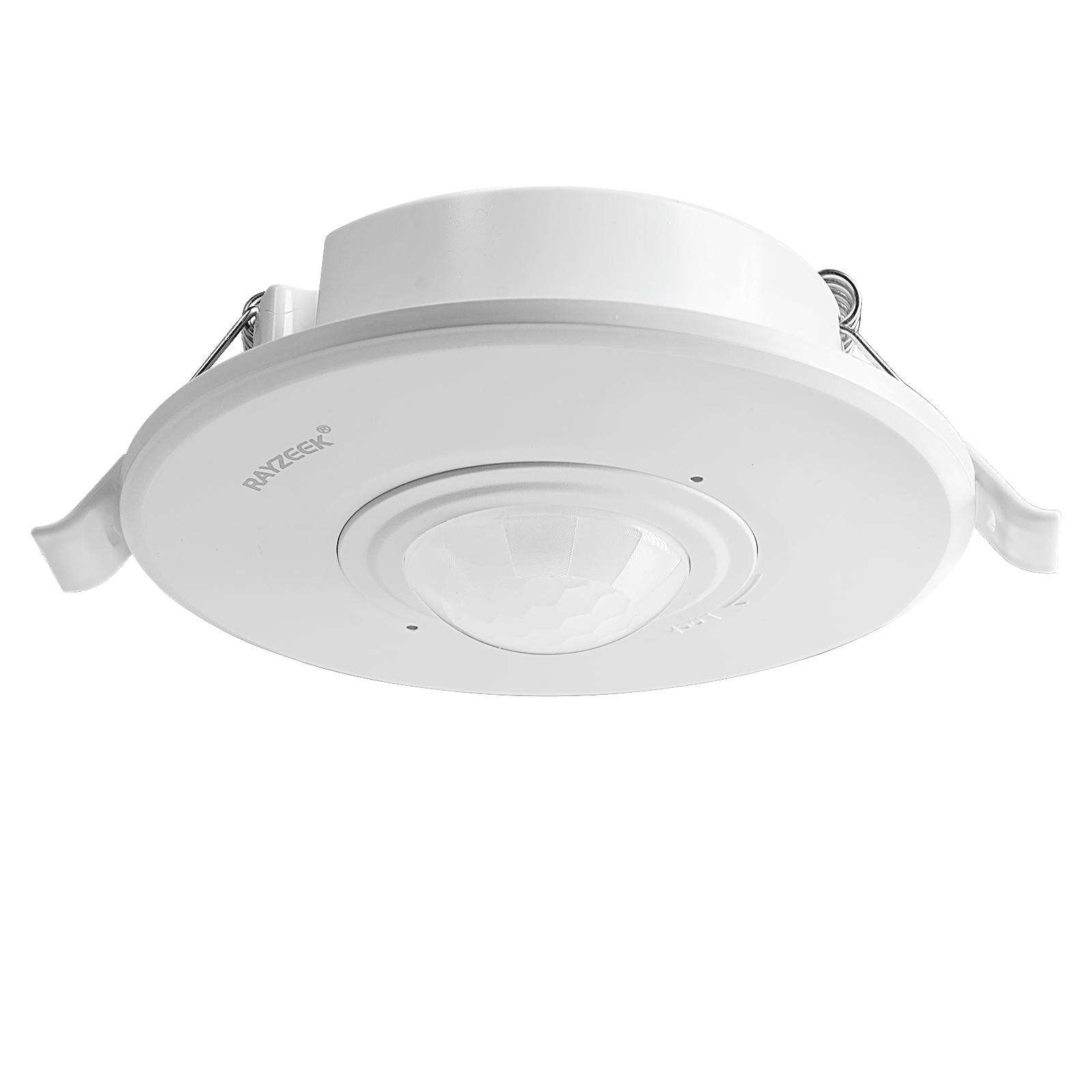
- מתג חיישן תנועה PIR שקוע לתקרה לעומס גבוה יותר
- כניסת מתח רשת 100-265 VAC, דגם 10A
- גילוי ב-360 מעלות עם השהיית זמן מתכווננת, סף תאורה (Lux) ורגישות מתכווננים
- מתג חיישן תנועה PIR שקוע לתקרה
- כניסת מתח רשת 100-265VAC, דגם 5A
- גילוי ב-360 מעלות עם השהיית זמן מתכווננת, סף תאורה (Lux) ורגישות מתכווננים
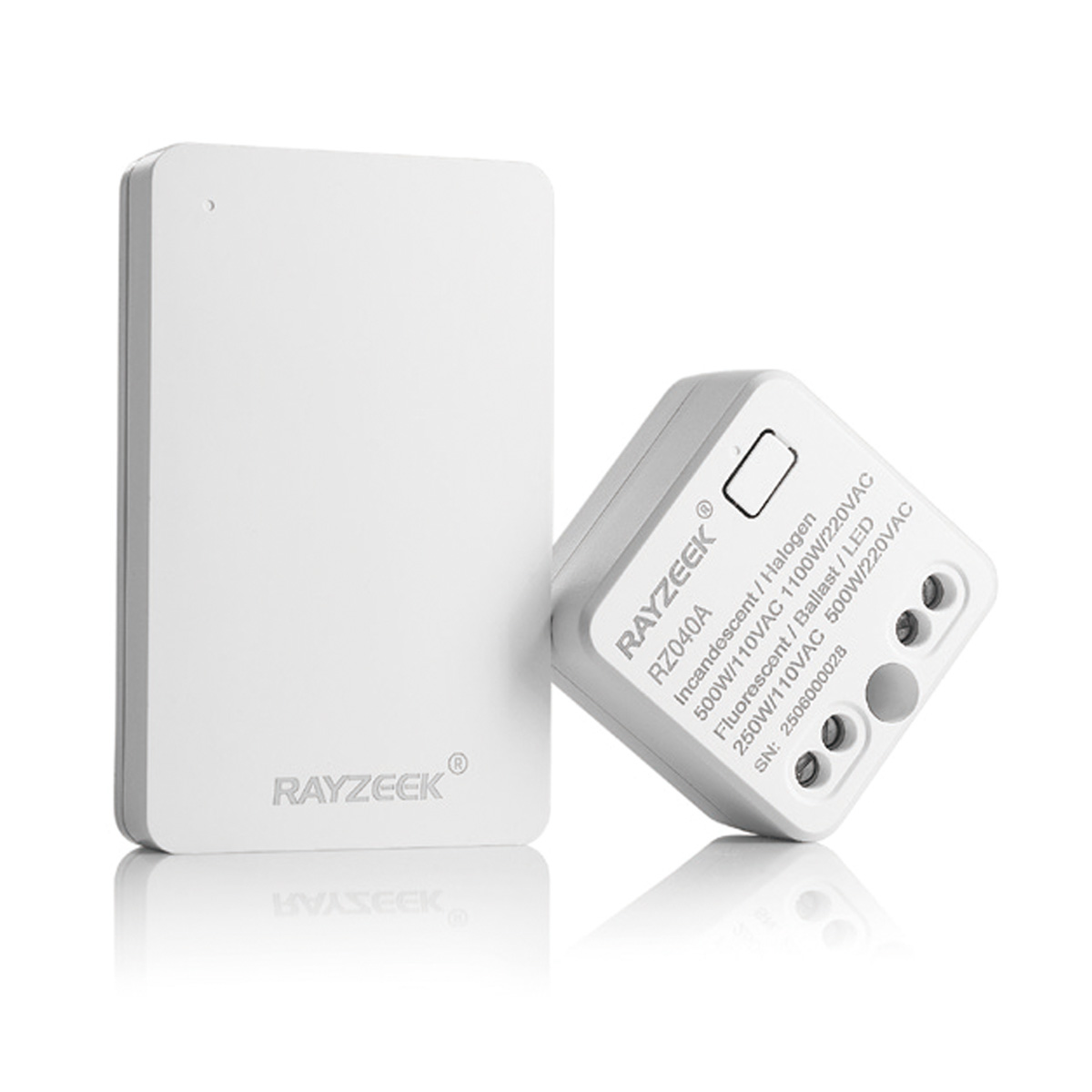
- ערכת מתג ומקלט אלחוטיים לבקרת תאורה הפעלה/כיבוי (ON/OFF) למבנים סגורים
- מקלט 100-230VAC, 50/60Hz עם זרם נקוב של 5A
- מתג אלחוטי מוזן סוללת CR2032 עם תקשורת בתדר 2.4GHz
- זיהוי נוכחות (הפעלה אוטומטית/כיבוי אוטומטי)
- 12–24V DC (10–30VDC), עד 10A
- כיסוי של 360°, קוטר של 8–12 מטר
- השהיית זמן 15 שניות–30 דקות
- חיישן תאורה כבוי/15/25/35 Lux
- רגישות גבוהה/נמוכה
- מצב נוכחות עם הפעלה אוטומטית/כיבוי אוטומטי
- 100–265V AC, 10A (נדרש מוליך אפס)
- כיסוי של 360°; קוטר גילוי של 8–12 מטרים
- השהיית זמן של 15 שניות–30 דקות; Lux OFF/15/25/35; רגישות גבוהה/נמוכה
- מצב נוכחות עם הפעלה אוטומטית/כיבוי אוטומטי
- 100–265V AC, 5A (נדרש מוליך אפס)
- כיסוי של 360°; קוטר גילוי של 8–12 מטרים
- השהיית זמן של 15 שניות–30 דקות; Lux OFF/15/25/35; רגישות גבוהה/נמוכה
The code concerning occupancy and vacancy sensors is located at C405.2.1 occupant sensor controls, as a subset of C405.2 Lighting controls, in section C405 for electrical power and lighting systems. It defines where the occupancy sensors are required and what pattern they should follow.
Where Are Occupancy Sensors Required
Occupant sensor controls shall be installed to control lights in the following space types:
- Classrooms/lecture/training rooms.
- Conference/meeting/multipurpose rooms.
- Copy/print rooms.
- Lounges/breakrooms.
- Enclosed offices.
- Open plan office areas.
- Restrooms.
- Storage rooms.
- Locker rooms.
- Corridors(added from 2018).
- Warehouse storage areas.
- Other spaces 300 square feet (28 m2) or less that are enclosed by floor-to-ceiling height partitions.
Exception: Luminaires that are required to have specific application controls in accordance with Section C405.2.5.
What We Learn
We can see that IECC 2021 has required the occupant sensor controls to be installed in nearly all places in a building, where most of them are very reasonable. These places are usually public spaces with many random people coming and going. With occupant sensor controls, especially the auto-on and auto-off occupancy sensors, people don’t and shouldn’t have to worry about turning on or leaving the light off.
For restrooms or locker rooms, occupancy sensors are no doubt the optimal option that the entirely automatic lighting controls give the best experience without users to worry a thing. For places like classrooms, meeting rooms, and enclosed offices, where it’s more private and more of an enclosed space, manual on vacancy sensors are normally used there to give users direct manual control, deciding whether to turn the light on or off according to their demand.
Occupant Sensor Control Function
Occupant sensor controls in warehouses shall comply with Section C40521.2. Occupant sensor controls in open plan office areas shall comply with Section C405.2.1.3. Occupant sensor controls in corridors shall comply with Section C405.2.1.4(added from 2018). Occupant sensor controls for all other spaces specified in Section C405.2.1 shall comply with the following:
- They shall automatically turn off lights within 20 minutes after all occupants have left the space.
- They shall be manual on or controlled to automatically turn on the lighting to not more than 50-percent power.
- They shall incorporate a manual control to allow occupants to turn off lights.
Exception: Full automatic-on controls with no manual control shall be permitted in condors, interior parking areas, stairways, restrooms, locker rooms, lobbies, library stacks and areas(updated from 2018) where manual operation would endanger occupant safety or security.
קבלו השראה מפורטפוליו חיישני התנועה של Rayzeek.
לא מוצאים את מה שאתם מחפשים? אל דאגה. תמיד יש דרכים חלופיות לפתור את הבעיות שלכם. אולי אחד הפורטפוליוים שלנו יכול לעזור.
What We Learn
From the IECC’s requirement for occupant sensor control function, we can undoubtedly come up with these conclusions:
- Time delay should be set to less than 20 minutes.
- Vacancy sensors are mostly required in commercial buildings because the code requires the occupant sensor controls to be manual on.
- If you want to use an auto-on occupancy sensor, you must use an occupancy sensor with a dimmer feature that is set to at least 50%, as the code requires the automatic turn-on of the light to be using less than 50% power.
- Whether you use a vacancy sensor or occupancy dimmer sensor, the sensor should include a manual control, usually a switch, to turn off the light instantly, which is not affecting vacancy sensors because nearly all vacancy sensors allow users to manually turn off the light.
- If you want to use an occupancy dimmer sensor, you should consider an occupancy+dimmer wall switch because it already includes a switch, and it is easy to program the dimming value on the wall swtich. If you want to use a ceiling occupancy sensor in conjunction with a light dimmer, the setting could be difficult.
C405.2.1.2 Occupant Sensor Control Function in Warehouse Storage Areas
Lighting in warehouse storage areas shall be controlled as follows:
- Lighting in each aisleway shall be controlled independently of lighting in all other aisleways and open areas.
- Occupant sensors shall automatically reduce lighting power within each controlled area to an unoccupied setpoint of not more than 50 percent of full power within 20 minutes after all occupants have left the controlled area.
- Lights that are not turned off by occupant sensors shall be turned off by time-switch control complying with Section C405.2.2.1(updated from 2018).
- A manual control shall be provided to allow occupants to turn off lights in the space(updated from 2018).
C405.2.1.3 Occupant Sensor Control Function in Open Plan Office Areas
Occupant sensor controls in open plan office spaces less than 300 square feet (28 m2) in area shall comply with Section C405.2.1.1. Occupant sensor controls in all other open plan office spaces shall comply with all of the following:
- The controls shall be configured so that general lighting can be controlled separately in control zones with floor areas not greater than 600 square feet (55 m2) within the open plan office space.
- General lighting in each control zone shall be permitted to automatically turn on upon occupancy within the control zone. General lighting in other unoccupied zones within the open plan office space shall be permitted to turn on to not more than 20 percent of full power or remain unaffected(updated from 2018).
- The controls shall automatically turn off general lighting in all control zones within 20 minutes after all occupants have left the open plan office space. Exception: Where general lighting is turned off by time-switch control complying with Section C40522.1.
- General lighting in each control zone shall turn off or uniformly reduce lighting power to an unoccupied setpoint of not more than 20 percent of full power within 20 minutes after all occupants have left the control zone.
C405.2.1.4 Occupant Sensor Control Function in Corridors.(Added From 2018)
Occupant sensor controls in corridors shall uniformly reduce lighting power to an occupied setpoint not more than 50 percent of full power within 20 minutes after all occupants have left the space.
Exception: Corridors provided with less than two footcandles of illumination on the floor at the darkest point with all lights on.
What We Learn
It’s clear that IECC is striving to push and increase energy efficiency one step further. From the updated and added contents in the requirement for warehouse, open offices and the newly added section for corridors in the 2021 version, we can see that the dimming feature is vital in helping reduce energy waste. Occupancy sensors with dimming features are going to be more and more popular as the code is steadily taking effect.
מחפשים פתרונות חיסכון באנרגיה המופעלים על ידי תנועה?
צרו איתנו קשר לקבלת פתרונות מלאים של חיישני תנועה PIR, מוצרים חוסכי אנרגיה המופעלים על ידי תנועה, מתגי חיישני תנועה ופתרונות מסחריים לגילוי נוכחות/חוסר נוכחות (Occupancy/Vacancy).
סיכום
Having a better understanding of the energy code can help designers and builders to design their buildings in a more efficient way. With the energy codes being updated every three years, occupancy sensor manufacturers can obtain a clear vision of how they can improve their products to be more energy-efficient and prepare for future updates of these energy codes.