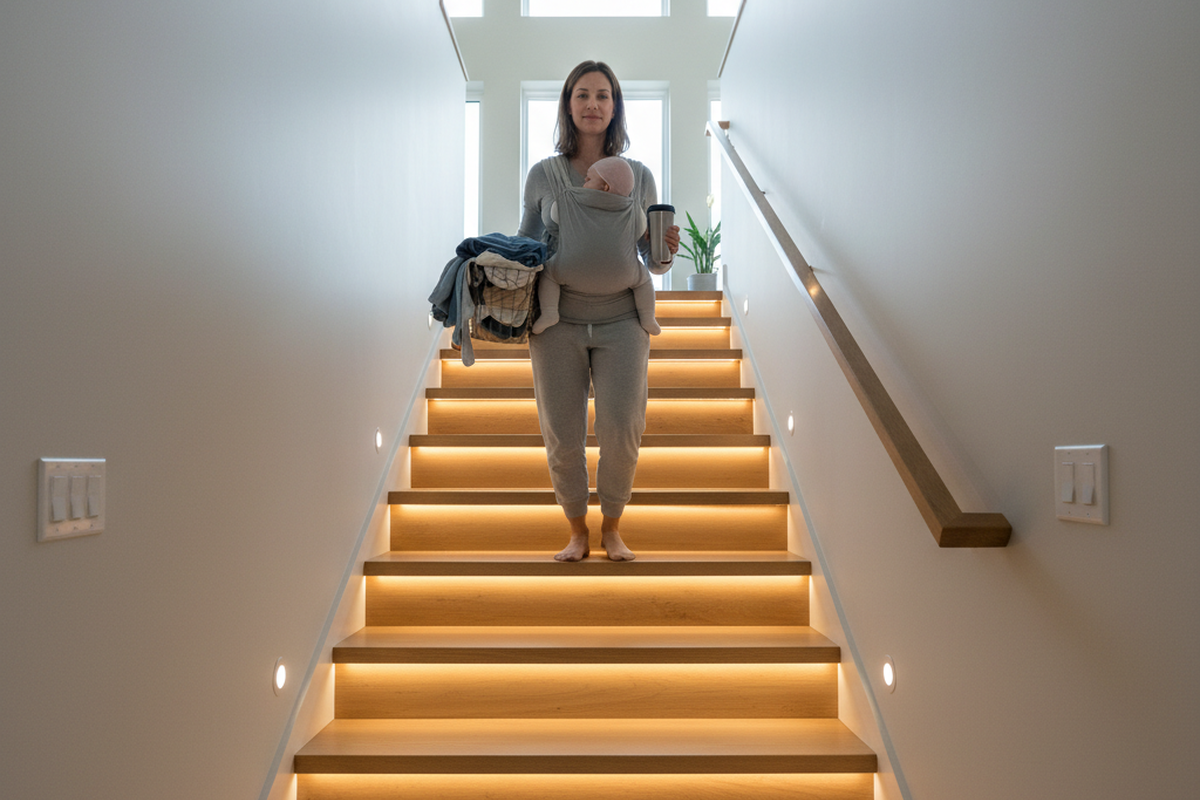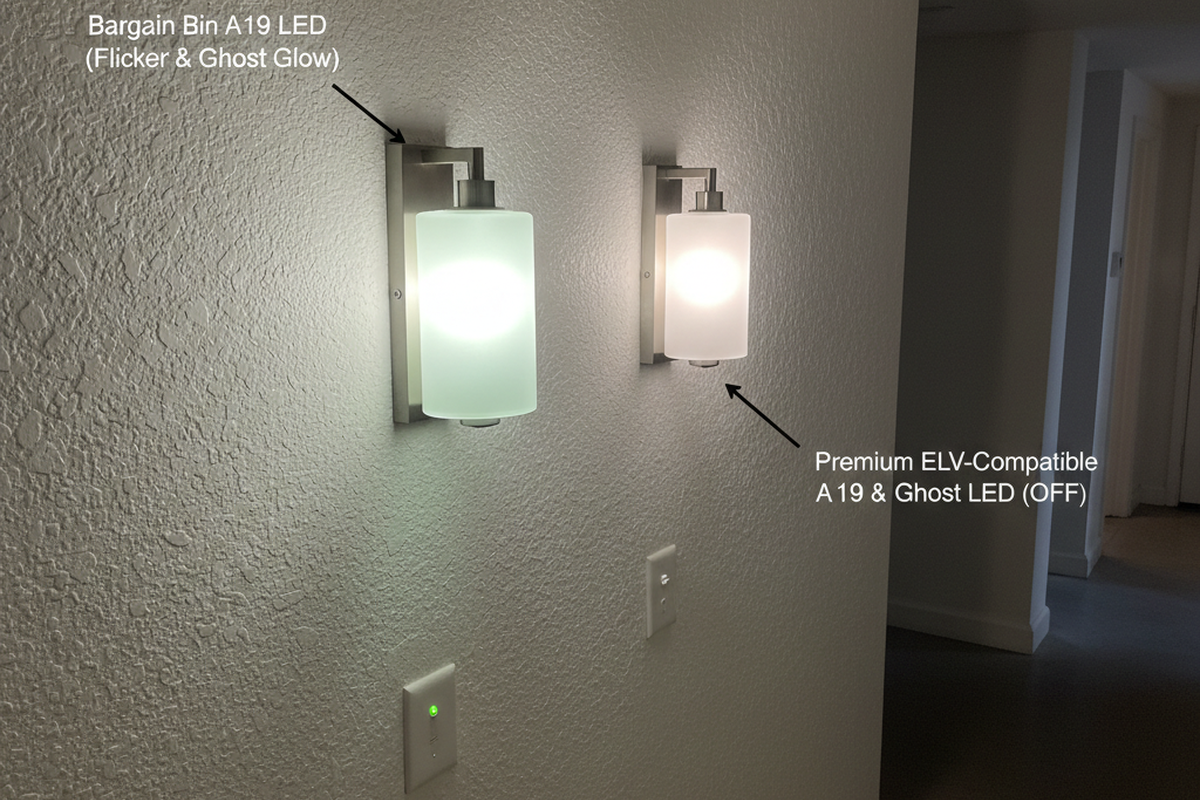
เซนเซอร์ตรวจจับการถือครองพื้นที่ (Occupancy sensor) มีบทบาทสำคัญอย่างยิ่งในการเปิด-ปิดไฟอัตโนมัติ ช่วยลดการสูญเสียพลังงานไฟฟ้า และยกระดับประสบการณ์ในการใช้งานระบบแสงสว่าง ทั้งนี้ เซนเซอร์ประเภทนี้แบ่งออกเป็น 2 ชนิดหลัก ได้แก่ เซนเซอร์ตรวจจับการถือครองพื้นที่: เซนเซอร์ตรวจจับการถือครองพื้นที่ (Occupancy sensor) เป็นเซนเซอร์ประเภทเปิดอัตโนมัติและปิดอัตโนมัติ ในขณะที่เซนเซอร์ตรวจจับพื้นที่ว่าง (Vacancy sensor) เป็นเซนเซอร์ประเภทเปิดด้วยตนเองและปิดอัตโนมัติ ซึ่งบางครั้งเรียกว่าเซนเซอร์ตรวจจับการถือครองพื้นที่แบบเปิดด้วยตนเอง เมื่อนำมาใช้งานในอาคารเชิงพาณิชย์ เซนเซอร์ตรวจจับการถือครองพื้นที่และเซนเซอร์ตรวจจับพื้นที่ว่างมักถูกเรียกรวมกันว่า เซนเซอร์ตรวจจับความเคลื่อนไหว อุปกรณ์ตรวจจับความเคลื่อนไหว หรือเซนเซอร์ควบคุมแสงสว่าง ตามความสามารถในการควบคุมไฟจากการตรวจจับความเคลื่อนไหว.
สารบัญ
- ข้อกำหนดด้านพลังงาน (Energy Code) คืออะไร
- IECC คืออะไร
- ข้อกำหนด IECC 2011 สำหรับเซนเซอร์ตรวจจับการถือครองพื้นที่
- บทสรุป
เซนเซอร์เหล่านี้ใช้เทคโนโลยีอินฟราเรดแบบพาสซีฟ (PIR) เทคโนโลยีอัลตราโซนิก หรือเทคโนโลยีคู่ (Dual-tech) ที่รวมทั้ง PIR และอัลตราโซนิกเข้าด้วยกัน ในการตรวจจับสถานะการใช้งานหรือพื้นที่ว่างภายในห้อง แต่ละเทคโนโลยีต่างมีข้อดีและข้อเสียในแง่ความแม่นยำและประสิทธิภาพของการตรวจจับความเคลื่อนไหว โดยเทคโนโลยี PIR เป็นเทคโนโลยีที่ได้รับการใช้อย่างแพร่หลายที่สุด กลยุทธ์การตรวจจับความเคลื่อนไหว ในบรรดาผลิตภัณฑ์ที่ทำงานด้วยความเคลื่อนไหวทั้งหมด เช่น เซนเซอร์ตรวจจับการถือครองพื้นที่ สวิตช์เซนเซอร์ตรวจจับความเคลื่อนไหว และไฟรักษาความปลอดภัยภายนอกอาคาร นอกจากนี้ยังมีการใช้เทคโนโลยีคู่ (Dual-tech) ในเซนเซอร์ตรวจจับการถือครองพื้นที่และสวิตช์ผนังระดับไฮเอนด์บางรุ่นอีกด้วย.
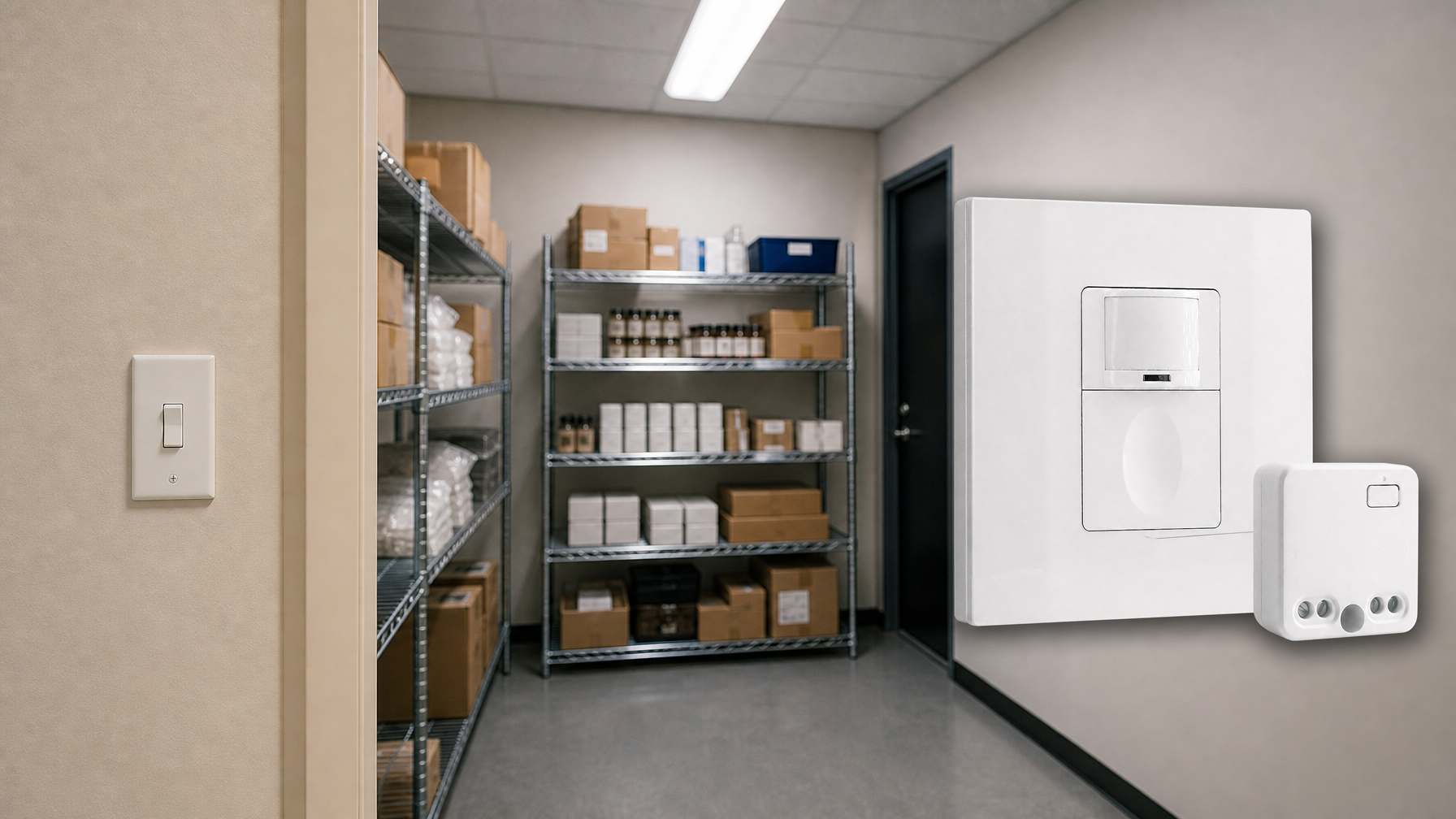
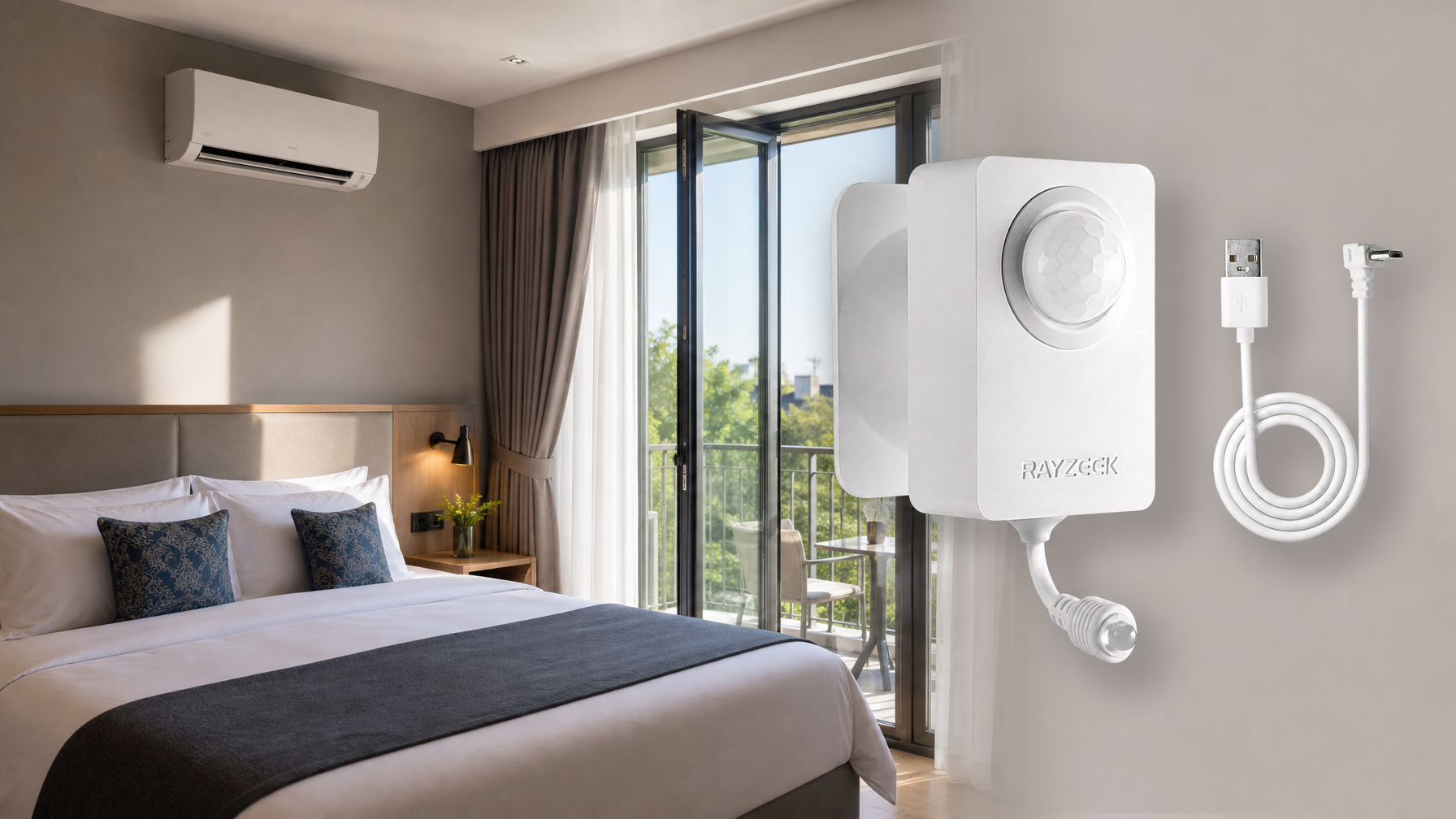
เซนเซอร์ตรวจจับการถือครองพื้นที่และเซนเซอร์ตรวจจับพื้นที่ว่างมีหลากหลายรูปแบบ โดยอาจเป็นสวิตช์ผนังที่ ติดตั้งเข้ากับบล็อกสวิตช์ผนังมาตรฐานได้อย่างพอดี พร้อมเซนเซอร์ตรวจจับความเคลื่อนไหวในตัว หรืออาจเป็นอุปกรณ์ตรวจจับความเคลื่อนไหวแบบอิสระที่ติดตั้งไว้สูงบนผนังหรือเพดาน แล้ว ต่อสายเข้ากับระบบไฟเดิม. การติดตั้งและการจัดวางตำแหน่งระบบควบคุมแสงสว่างด้วยเซนเซอร์ตรวจจับการถือครองพื้นที่ จำเป็นต้องมีการวางแผนอย่างรอบคอบก่อนการติดตั้งเพื่อให้ได้ผลลัพธ์ที่ดีที่สุด โดยควรนำผังห้อง วัตถุประสงค์การใช้งาน และความถี่ในการใช้งานห้องมาประกอบการพิจารณาทั้งหมด.
เนื่องจากข้อกำหนดด้านพลังงาน เช่น IECC, ASHRAE และ Title 24 ต่างกำหนดให้มีการใช้กลยุทธ์การควบคุมแสงสว่างตามการถือครองพื้นที่ในอาคารอยู่อาศัยและอาคารเชิงพาณิชย์ ผู้อ่านจึงควรเลือกใช้เซนเซอร์ตรวจจับการถือครองพื้นที่และเซนเซอร์ตรวจจับพื้นที่ว่างที่เหมาะสม เพื่อให้สอดคล้องกับข้อกำหนดเหล่านี้.
ข้อกำหนดด้านพลังงาน (Energy Code) คืออะไร
ข้อกำหนดด้านพลังงาน (Energy codes) เป็นส่วนหนึ่งของข้อกำหนดควบคุมการก่อสร้างอาคาร (Building codes) ในภาพรวม ซึ่งกำกับดูแลการออกแบบและการก่อสร้างโครงสร้างอาคารอยู่อาศัยและอาคารเชิงพาณิชย์ โดยมีเป้าหมายเพื่อปรับปรุงประสิทธิภาพการใช้พลังงาน ลดปริมาณพลังงานที่ต้องใช้ และลดผลกระทบจากมลพิษ.
ข้อกำหนดควบคุมการก่อสร้างอาคาร (Building code หรือเรียกว่า building control หรือ building regulations) คือเซตของกฎเกณฑ์ที่ระบุมาตรฐานสำหรับสิ่งปลูกสร้าง เช่น อาคารและโครงสร้างที่ไม่ใช่อาคาร โดยอาคารต้องปฏิบัติตามข้อกำหนดนี้จึงจะได้รับอนุมัติการก่อสร้าง ซึ่งโดยทั่วไปจะออกโดยสภาท้องถิ่น.
ข้อกำหนดด้านพลังงาน เช่น IECC (International Energy Conservation Code) และ ASHRAE (American Society of Heating, Refrigerating and Air-Conditioning Engineers) ต่างมีข้อกำหนดที่แม่นยำเกี่ยวกับการใช้ระบบควบคุมแสงสว่างด้วยเซนเซอร์ตรวจจับผู้ใช้อาคารในอาคารเชิงพาณิชย์และอาคารอยู่อาศัย.
ในบทความนี้ เราจะกล่าวถึงข้อกำหนด IECC เป็นหลัก.
IECC คืออะไร
The International Energy Conservation Code (IECC) is a building code created by the International Code Council in 2000. It is a model code adopted by many states and municipal governments in the United States for the establishment of minimum design and construction requirements for energy efficiency.

The IECC is updated every three years, with the latest being the 2021 edition. The IECC references ASHRAE/IES 90.1 as an alternative standard so that building designers could have more choices in their design work.
ข้อกำหนด IECC 2011 สำหรับเซนเซอร์ตรวจจับการถือครองพื้นที่
On July 28, 2021, DOE(Department of Energy) issued a determination that the 2021 International Energy Conservation Code (IECC) will improve energy efficiency in residential buildings. In support of this determination, DOE conducted a technical analysis evaluating the impacts of the updated code (relative to the 2018 IECC edition). DOE estimates national savings of approximately:
- 9.38 percent site energy savings
- 8.79 percent source energy savings
- 8.66 percent energy cost savings
- 8.66 percent carbon emissions
Let’s take a look at what IECC 2011 requires for occupancy sensors.
คุณอาจสนใจ

- แรงดันไฟฟ้า: ถ่าน AAA 2 ก้อน
- โหมดกลางวัน/กลางคืน
- การหน่วงเวลา: 15 นาที, 30 นาที, 1 ชั่วโมง (ค่าเริ่มต้น), 2 ชั่วโมง
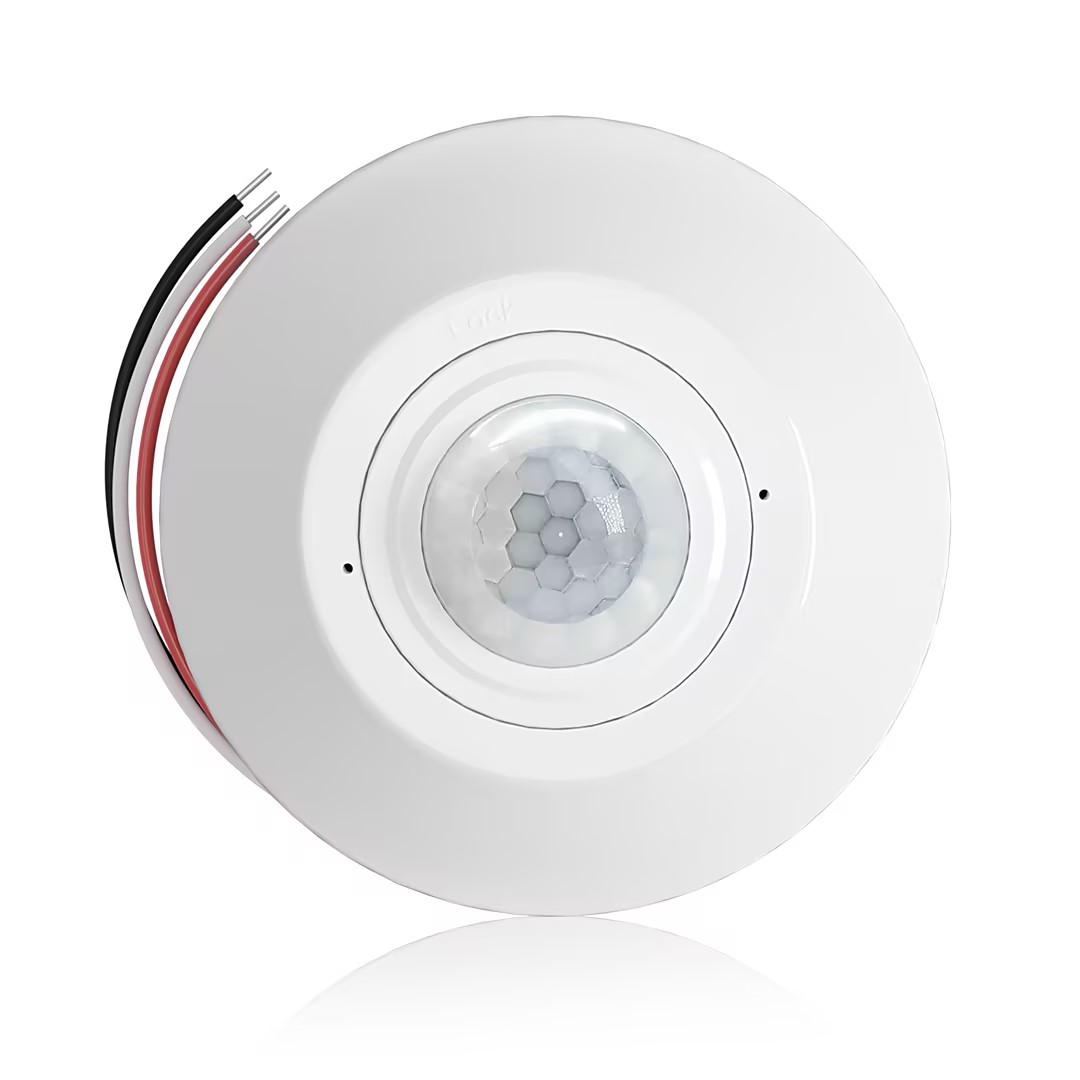
- เซนเซอร์ตรวจจับการถือครองห้อง PIR ติดตั้งบนเพดาน พร้อมเอาต์พุตรีเลย์หน้าสัมผัสแห้ง
- ระบบจ่ายไฟแรงดันต่ำ 12/24VDC หรือ 12/24VAC
- หน้าสัมผัสรีเลย์แบบแยก COM, NO และ NC สำหรับสัญญาณอินพุตของระบบ EMS, HVAC และระบบควบคุมอาคาร
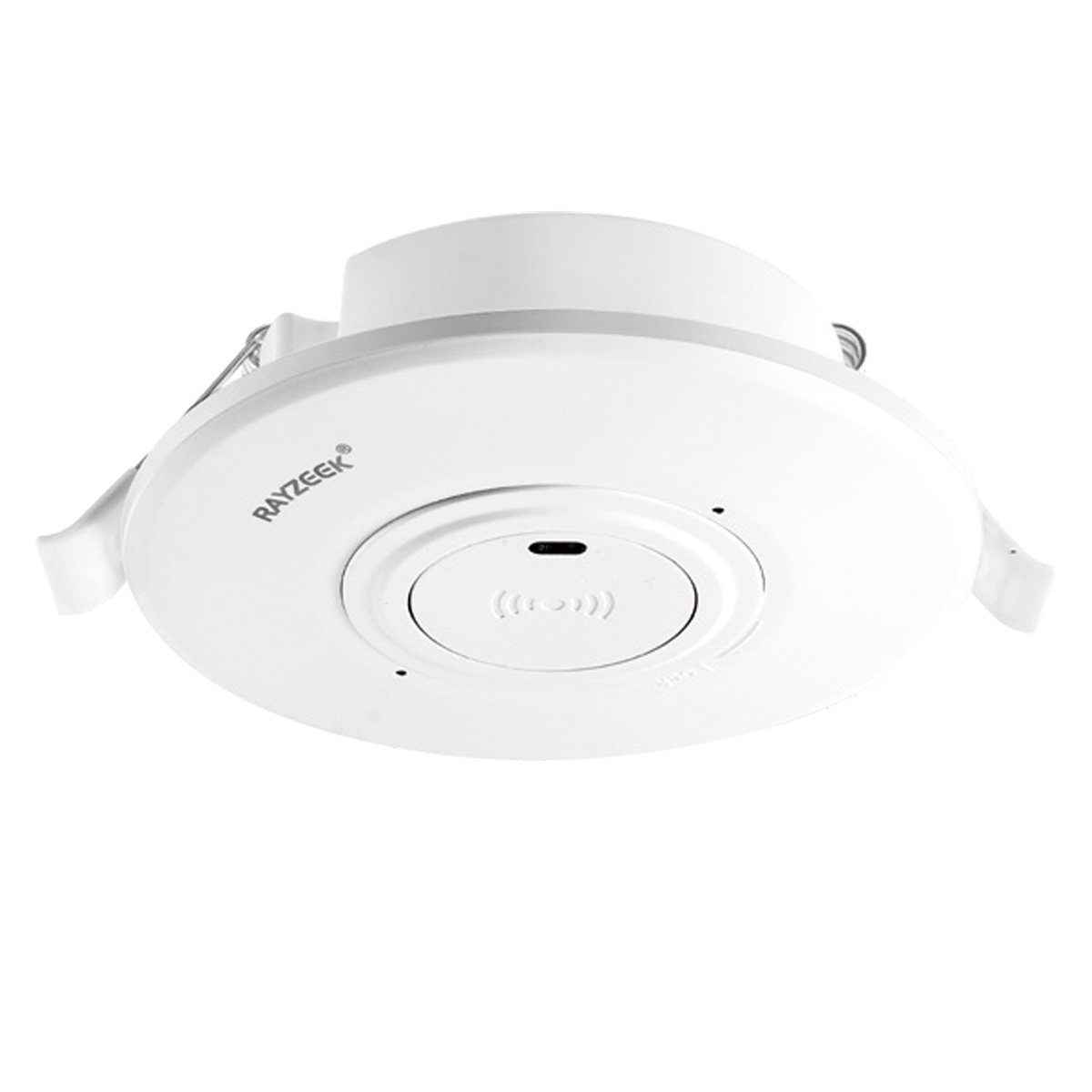
- สวิตช์เซนเซอร์ตรวจจับการเคลื่อนไหวด้วยไมโครเวฟแบบติดเพดานฝังฝ้า ไฟฟ้ากระแสตรงแรงดันต่ำ
- อินพุต 12 VDC / 24 VDC พร้อมช่วงรองรับ 10-30 VDC
- กระแสไฟฟ้าทำงานสูงสุด 10A พร้อมการปรับตั้งค่าเวลาหน่วง เกณฑ์ค่า Lux และความไวในการตรวจจับ
- สวิตช์เซนเซอร์ตรวจจับการเคลื่อนไหวด้วยไมโครเวฟแบบติดเพดานฝังฝ้า สำหรับโหลดสูง
- อินพุตแรงดันสาย 100-265 VAC รุ่น 10A
- ระบบตรวจจับด้วยไมโครเวฟความถี่ 5.8 GHz พร้อมการปรับตั้งค่าเวลาหน่วง เกณฑ์ค่า Lux และความไวในการตรวจจับ
- สวิตช์เซนเซอร์ตรวจจับการเคลื่อนไหวด้วยไมโครเวฟแบบติดเพดานฝังฝ้า
- อินพุตแรงดันสาย 100-265 VAC รุ่น 5A
- ระบบตรวจจับด้วยไมโครเวฟความถี่ 5.8 GHz พร้อมการปรับตั้งค่าเวลาหน่วง เกณฑ์ค่า Lux และความไวในการตรวจจับ
- สวิตช์หรี่ไฟเซนเซอร์ตรวจจับการเข้าใช้พื้นที่ระบบ PIR รุ่น RZ037 แบบติดเพดาน สำหรับระบบไฟฟ้า 220V
- กระแสไฟฟ้าทำงานสูงสุด 3A พร้อมโหลดพิกัด 660W
- ปุ่ม LUX ควบคุมการเปิด/ปิดเซนเซอร์แสง และความสว่างในการหรี่ไฟที่ผู้ใช้กำหนด
- สวิตช์หรี่ไฟเซนเซอร์ตรวจจับการเข้าใช้พื้นที่ระบบ PIR รุ่น RZ037 แบบติดเพดาน สำหรับระบบไฟฟ้า 110V
- กระแสไฟฟ้าทำงานสูงสุด 3A พร้อมโหลดพิกัด 330W
- ปุ่ม LUX ควบคุมการเปิด/ปิดเซนเซอร์แสง และความสว่างในการหรี่ไฟที่ผู้ใช้กำหนด
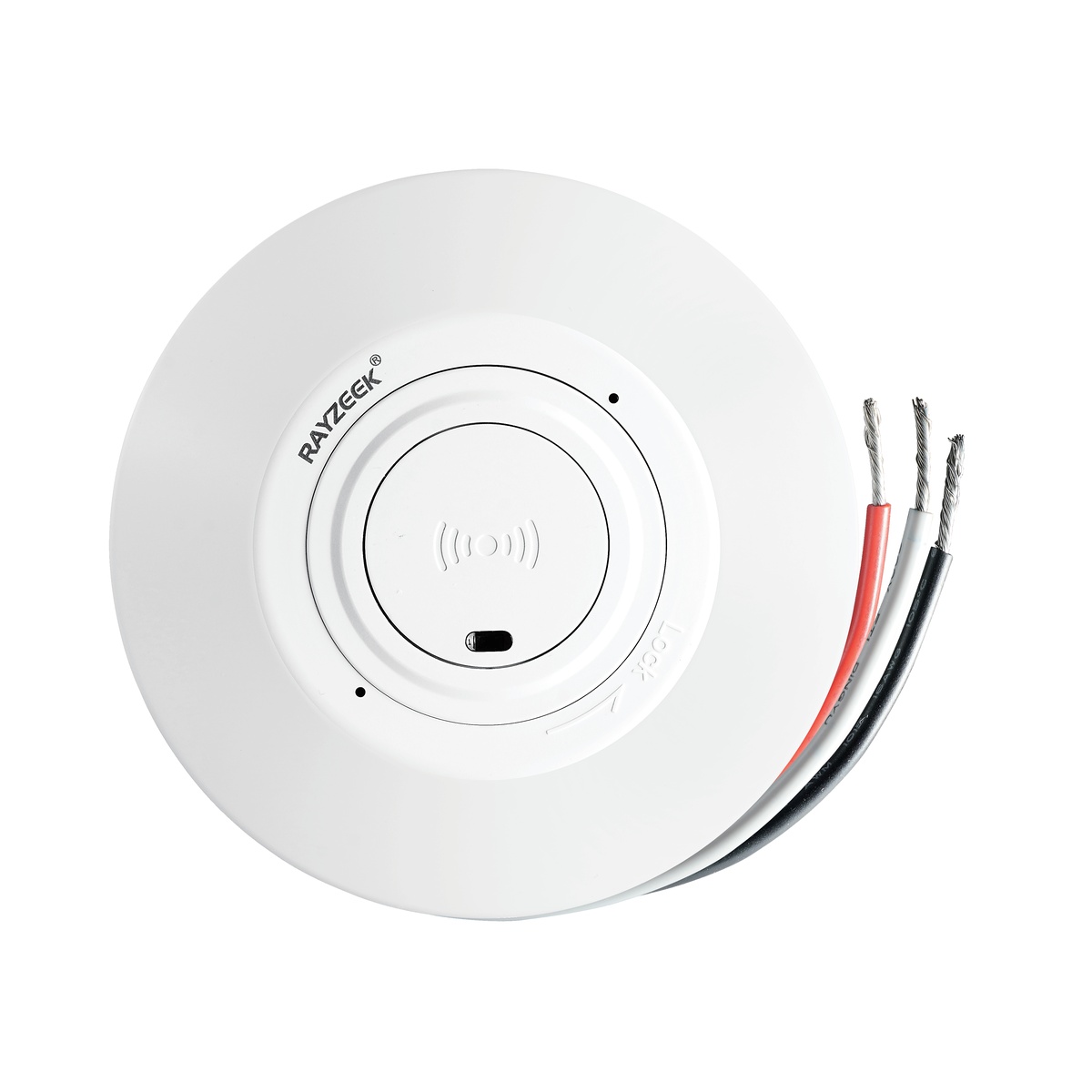
- สวิตช์เซนเซอร์ตรวจจับการเคลื่อนไหวด้วยไมโครเวฟแบบติดเพดาน ไฟฟ้ากระแสตรงแรงดันต่ำ
- อินพุต 12 VDC / 24 VDC พร้อมช่วงรองรับ 10-30 VDC
- กระแสไฟฟ้าทำงานสูงสุด 10A พร้อมการปรับตั้งค่าเวลาหน่วง เกณฑ์ค่า Lux และความไวในการตรวจจับ
- สวิตช์เซนเซอร์ตรวจจับความเคลื่อนไหวคลื่นไมโครเวฟแบบติดเพดาน รองรับโหลดสูง
- อินพุตแรงดันสาย 100-265 VAC รุ่น 10A
- ระบบตรวจจับด้วยไมโครเวฟความถี่ 5.8 GHz พร้อมการปรับตั้งค่าเวลาหน่วง เกณฑ์ค่า Lux และความไวในการตรวจจับ
- สวิตช์เซนเซอร์ตรวจจับความเคลื่อนไหวคลื่นไมโครเวฟแบบติดเพดาน
- อินพุตแรงดันสาย 100-265 VAC รุ่น 5A
- ระบบตรวจจับด้วยไมโครเวฟความถี่ 5.8 GHz พร้อมการปรับตั้งค่าเวลาหน่วง เกณฑ์ค่า Lux และความไวในการตรวจจับ
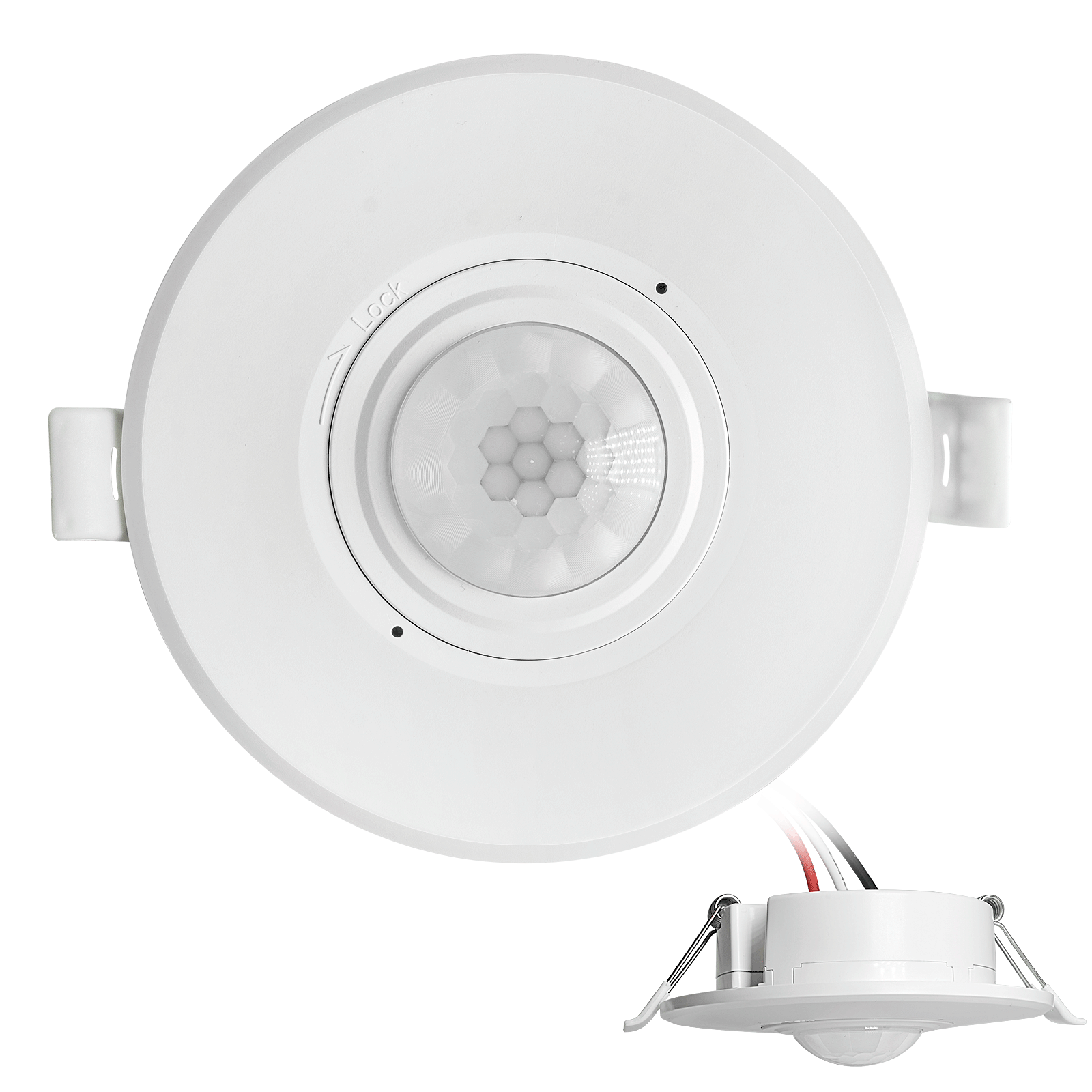
- สวิตช์เซนเซอร์ตรวจจับความเคลื่อนไหว PIR แบบฝังฝ้าเพดาน แรงดันไฟฟ้าต่ำ DC
- อินพุต 12 VDC / 24 VDC พร้อมช่วงรองรับ 10-30 VDC
- กระแสไฟฟ้าทำงานสูงสุด 10A พร้อมระบบปรับตั้งเวลาหน่วง ค่าความสว่าง Lux และความไวในการตรวจจับได้
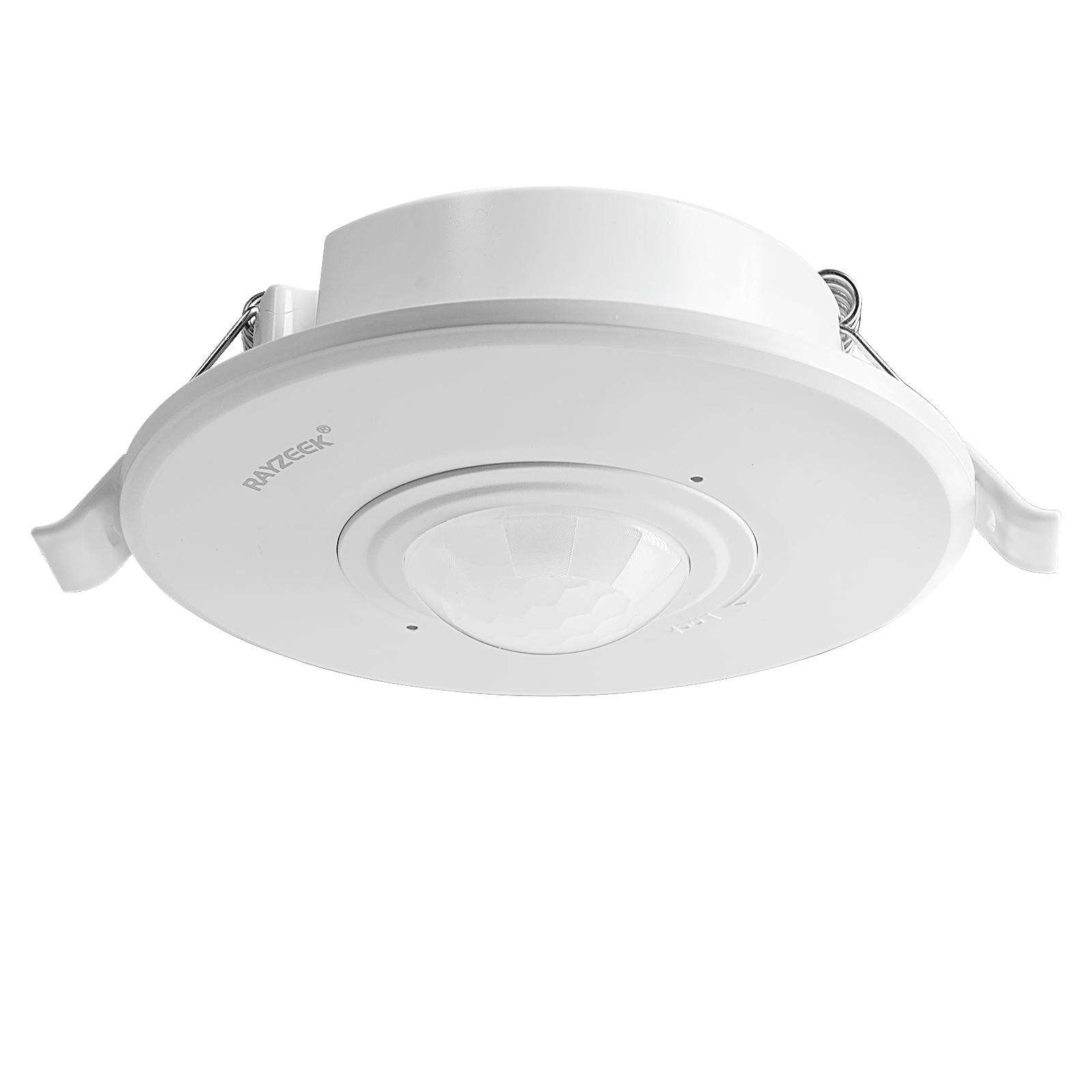
- สวิตช์เซนเซอร์ตรวจจับความเคลื่อนไหว PIR แบบฝังฝ้าเพดาน รองรับโหลดสูง
- อินพุตแรงดันสาย 100-265 VAC รุ่น 10A
- ระบบตรวจจับ 360 องศา พร้อมระบบปรับตั้งเวลาหน่วง ค่าความสว่าง Lux และความไวในการตรวจจับได้
- สวิตช์เซนเซอร์ตรวจจับความเคลื่อนไหว PIR แบบฝังฝ้าเพดาน
- อินพุตแรงดันสาย 100-265 VAC รุ่น 5A
- ระบบตรวจจับ 360 องศา พร้อมระบบปรับตั้งเวลาหน่วง ค่าความสว่าง Lux และความไวในการตรวจจับได้
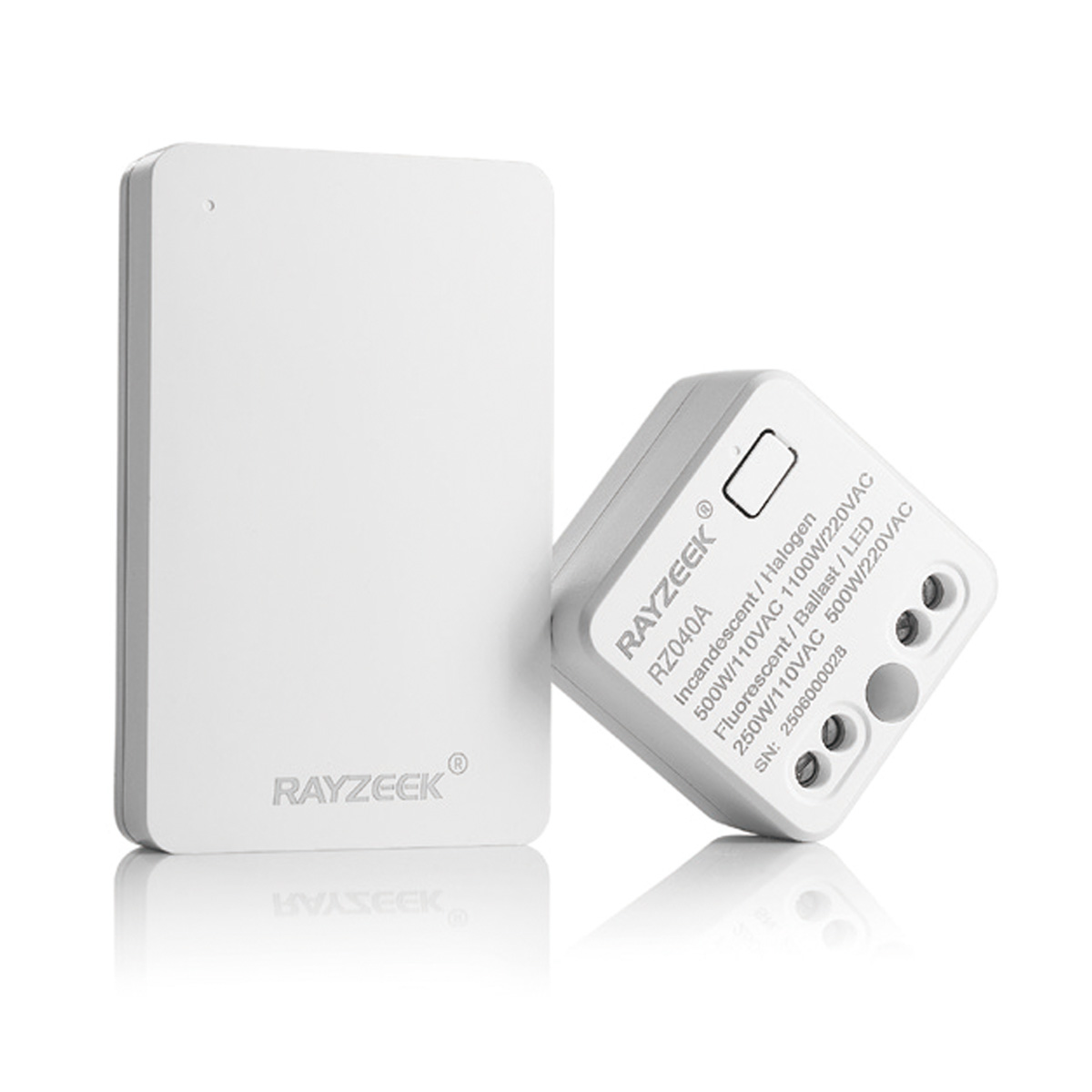
- ชุดสวิตช์ไร้สายและตัวรับสัญญาณสำหรับควบคุมการเปิด/ปิดไฟภายในอาคาร
- ตัวรับสัญญาณ 100-230VAC, 50/60Hz พิกัดกระแสไฟฟ้า 5A
- สวิตช์ไร้สายใช้พลังงานจากแบตเตอรี่ CR2032 พร้อมการสื่อสารผ่านความถี่ 2.4GHz
- ตรวจจับการใช้งาน (เปิดอัตโนมัติ/ปิดอัตโนมัติ)
- 12–24V DC (10–30VDC), สูงสุด 10A
- ครอบคลุม 360° เส้นผ่านศูนย์กลาง 8–12 ม.
- หน่วงเวลา 15 วินาที–30 นาที
- เซนเซอร์วัดแสง ปิด/15/25/35 Lux
- ความไวสูง/ต่ำ
- โหมดตรวจจับการใช้งาน เปิดอัตโนมัติ/ปิดอัตโนมัติ
- 100–265V AC, 10A (จำเป็นต้องมีสายสายนิวทรัล)
- ครอบคลุม 360°; เส้นผ่านศูนย์กลางการตรวจจับ 8–12 ม.
- หน่วงเวลา 15 วินาที–30 นาที; Lux ปิด/15/25/35; ความไวสูง/ต่ำ
- โหมดตรวจจับการใช้งาน เปิดอัตโนมัติ/ปิดอัตโนมัติ
- 100–265V AC, 5A (จำเป็นต้องมีสายสายนิวทรัล)
- ครอบคลุม 360°; เส้นผ่านศูนย์กลางการตรวจจับ 8–12 ม.
- หน่วงเวลา 15 วินาที–30 นาที; Lux ปิด/15/25/35; ความไวสูง/ต่ำ
The code concerning occupancy and vacancy sensors is located at C405.2.1 occupant sensor controls, as a subset of C405.2 Lighting controls, in section C405 for electrical power and lighting systems. It defines where the occupancy sensors are required and what pattern they should follow.
Where Are Occupancy Sensors Required
Occupant sensor controls shall be installed to control lights in the following space types:
- Classrooms/lecture/training rooms.
- Conference/meeting/multipurpose rooms.
- Copy/print rooms.
- Lounges/breakrooms.
- Enclosed offices.
- Open plan office areas.
- Restrooms.
- Storage rooms.
- Locker rooms.
- Corridors(added from 2018).
- Warehouse storage areas.
- Other spaces 300 square feet (28 m2) or less that are enclosed by floor-to-ceiling height partitions.
Exception: Luminaires that are required to have specific application controls in accordance with Section C405.2.5.
What We Learn
We can see that IECC 2021 has required the occupant sensor controls to be installed in nearly all places in a building, where most of them are very reasonable. These places are usually public spaces with many random people coming and going. With occupant sensor controls, especially the auto-on and auto-off occupancy sensors, people don’t and shouldn’t have to worry about turning on or leaving the light off.
For restrooms or locker rooms, occupancy sensors are no doubt the optimal option that the entirely automatic lighting controls give the best experience without users to worry a thing. For places like classrooms, meeting rooms, and enclosed offices, where it’s more private and more of an enclosed space, manual on vacancy sensors are normally used there to give users direct manual control, deciding whether to turn the light on or off according to their demand.
Occupant Sensor Control Function
Occupant sensor controls in warehouses shall comply with Section C40521.2. Occupant sensor controls in open plan office areas shall comply with Section C405.2.1.3. Occupant sensor controls in corridors shall comply with Section C405.2.1.4(added from 2018). Occupant sensor controls for all other spaces specified in Section C405.2.1 shall comply with the following:
- They shall automatically turn off lights within 20 minutes after all occupants have left the space.
- They shall be manual on or controlled to automatically turn on the lighting to not more than 50-percent power.
- They shall incorporate a manual control to allow occupants to turn off lights.
Exception: Full automatic-on controls with no manual control shall be permitted in condors, interior parking areas, stairways, restrooms, locker rooms, lobbies, library stacks and areas(updated from 2018) where manual operation would endanger occupant safety or security.
รับแรงบันดาลใจจากกลุ่มผลิตภัณฑ์เซนเซอร์ตรวจจับความเคลื่อนไหว Rayzeek.
ยังไม่พบสิ่งที่ต้องการใช่หรือไม่? ไม่ต้องกังวล เพราะยังมีแนวทางอื่นในการแก้ปัญหาของคุณเสมอ บางทีหนึ่งในกลุ่มผลิตภัณฑ์ของเราอาจช่วยคุณได้.
What We Learn
From the IECC’s requirement for occupant sensor control function, we can undoubtedly come up with these conclusions:
- Time delay should be set to less than 20 minutes.
- Vacancy sensors are mostly required in commercial buildings because the code requires the occupant sensor controls to be manual on.
- If you want to use an auto-on occupancy sensor, you must use an occupancy sensor with a dimmer feature that is set to at least 50%, as the code requires the automatic turn-on of the light to be using less than 50% power.
- Whether you use a vacancy sensor or occupancy dimmer sensor, the sensor should include a manual control, usually a switch, to turn off the light instantly, which is not affecting vacancy sensors because nearly all vacancy sensors allow users to manually turn off the light.
- If you want to use an occupancy dimmer sensor, you should consider an occupancy+dimmer wall switch because it already includes a switch, and it is easy to program the dimming value on the wall swtich. If you want to use a ceiling occupancy sensor in conjunction with a light dimmer, the setting could be difficult.
C405.2.1.2 Occupant Sensor Control Function in Warehouse Storage Areas
Lighting in warehouse storage areas shall be controlled as follows:
- Lighting in each aisleway shall be controlled independently of lighting in all other aisleways and open areas.
- Occupant sensors shall automatically reduce lighting power within each controlled area to an unoccupied setpoint of not more than 50 percent of full power within 20 minutes after all occupants have left the controlled area.
- Lights that are not turned off by occupant sensors shall be turned off by time-switch control complying with Section C405.2.2.1(updated from 2018).
- A manual control shall be provided to allow occupants to turn off lights in the space(updated from 2018).
C405.2.1.3 Occupant Sensor Control Function in Open Plan Office Areas
Occupant sensor controls in open plan office spaces less than 300 square feet (28 m2) in area shall comply with Section C405.2.1.1. Occupant sensor controls in all other open plan office spaces shall comply with all of the following:
- The controls shall be configured so that general lighting can be controlled separately in control zones with floor areas not greater than 600 square feet (55 m2) within the open plan office space.
- General lighting in each control zone shall be permitted to automatically turn on upon occupancy within the control zone. General lighting in other unoccupied zones within the open plan office space shall be permitted to turn on to not more than 20 percent of full power or remain unaffected(updated from 2018).
- The controls shall automatically turn off general lighting in all control zones within 20 minutes after all occupants have left the open plan office space. Exception: Where general lighting is turned off by time-switch control complying with Section C40522.1.
- General lighting in each control zone shall turn off or uniformly reduce lighting power to an unoccupied setpoint of not more than 20 percent of full power within 20 minutes after all occupants have left the control zone.
C405.2.1.4 Occupant Sensor Control Function in Corridors.(Added From 2018)
Occupant sensor controls in corridors shall uniformly reduce lighting power to an occupied setpoint not more than 50 percent of full power within 20 minutes after all occupants have left the space.
Exception: Corridors provided with less than two footcandles of illumination on the floor at the darkest point with all lights on.
What We Learn
It’s clear that IECC is striving to push and increase energy efficiency one step further. From the updated and added contents in the requirement for warehouse, open offices and the newly added section for corridors in the 2021 version, we can see that the dimming feature is vital in helping reduce energy waste. Occupancy sensors with dimming features are going to be more and more popular as the code is steadily taking effect.
กำลังมองหาโซลูชันประหยัดพลังงานทำงานตามการเคลื่อนไหวอยู่ใช่หรือไม่
ติดต่อเราเพื่อรับโซลูชันครบวงจรสำหรับ PIR motion sensor, ผลิตภัณฑ์ประหยัดพลังงานทำงานตามการเคลื่อนไหว, สวิตช์เซนเซอร์ตรวจจับการเคลื่อนไหว และโซลูชัน Occupancy/Vacancy สำหรับเชิงพาณิชย์.
บทสรุป
Having a better understanding of the energy code can help designers and builders to design their buildings in a more efficient way. With the energy codes being updated every three years, occupancy sensor manufacturers can obtain a clear vision of how they can improve their products to be more energy-efficient and prepare for future updates of these energy codes.