
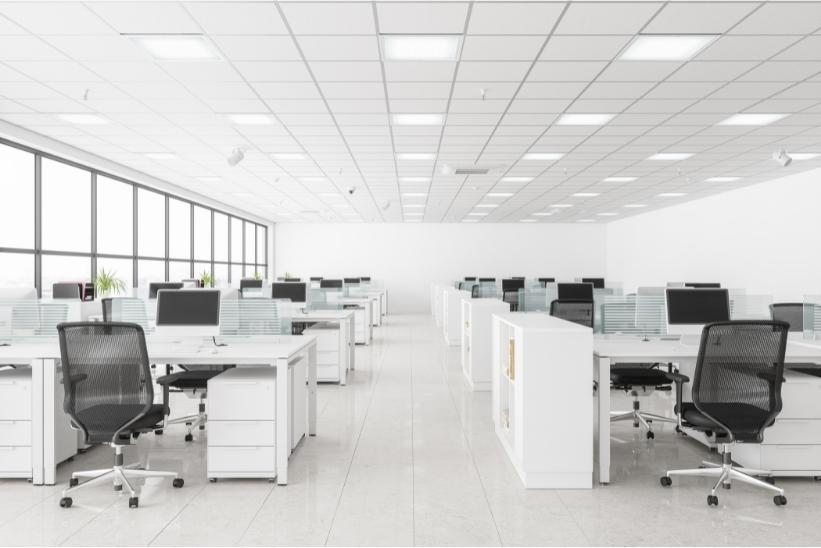
تؤدي مستشعرات شغل المساحات دورًا حيويًا في أتمتة الإضاءة، وتقليل هدر الكهرباء، وتحسين تجربة استخدام الإضاءة. وهناك نوعان من مستشعرات شغل المساحات: مستشعرات شغل المساحات هي نوع من المستشعرات ذاتية التشغيل والإيقاف، بينما تعتبر مستشعرات الخلو ذاتية الإيقاف ويدوية التشغيل، وتسمى أحيانًا مستشعرات شغل المساحات يدوية التشغيل. وعند استخدامها في التطبيقات التجارية، يُشار عادةً إلى مستشعرات شغل المساحات ومستشعرات الخلو باسم مستشعرات الحركة، أو كاشفات الحركة، أو مستشعرات الإضاءة لقدرتها على التحكم في الأضواء عن طريق كشف الحركة.
المحتويات
تعتمد هذه المستشعرات إما على تقنية الأشعة تحت الحمراء السلبية (PIR)، أو التقنية فوق الصوتية، أو التقنية المزدوجة التي تجمع بين تقنيتي PIR والفوق صوتية لاستشعار حالة الإشغال أو الخلو في الغرفة. وتتميز كل تقنية بوجود مزايا وعيوب في دقة وكفاءة كشف الحركة. ومع كون تقنية PIR هي الأكثر استخدامًا بين جميع المنتجات التي تعمل بالحركة مثل مستشعرات شغل المساحات، ومفاتيح مستشعرات الحركة، وأضواء الأمان الخارجية، تُستخدم التقنية المزدوجة أيضًا في بعض مستشعرات شغل المساحات والمفاتيح الجدارية العالية الأداء. استراتيجية كشف الحركة بين جميع المنتجات التي تعمل بالحركة مثل مستشعرات شغل المساحات، ومفاتيح مستشعرات الحركة، وأضواء الأمان الخارجية، يُستعان أيضًا بالتقنية المزدوجة في بعض مستشعرات شغل المساحات والمفاتيح الجدارية عالية المستوى.
تتعدد أشكال مستشعرات شغل المساحات والخلو. فيمكن أن تكون مفتاحًا جداريًا يركب في علبة جدارية قياسية مزودًا بمستشعر حركة مدمج، أو كاشف حركة مستقل يُثبت أعلى الجدار أو في السقف و يُوصل سلكيًا بإضاءة حالية. ويجب التخطيط بعناية لتركيب وتوزيع أنظمة التحكم في الإضاءة القائمة على مستشعرات شغل المساحات قبل التركيب للحصول على أفضل النتائج. كما ينبغي أخذ المخطط العام، والتطبيق، ومعدل استخدام الغرفة بعين الاعتبار.
مع اشتراط أكواد الطاقة مثل IECC وASHRAE وTitle 24 تطبيق استراتيجية التحكم في الإضاءة القائمة على الإشغال في المباني السكنية والتجارية، ينبغي على القراء اختيار مستشعرات شغل المساحات ومستشعرات الخلو المناسبة بعناية لضمان الامتثال لطلب هذه الأكواد.
ما هو كود الطاقة
تعد أكواد الطاقة فرعًا من مجموعة أوسع من أكواد البناء التي تنظم تصميم وإنشاء الهياكل السكنية والتجارية، وتهدف إلى تحسين كفاءة استخدام الطاقة لتقليل كمية الطاقة المطلوبة وآثار التلوث.
كود البناء (المعروف أيضًا بالتحكم في البناء أو لوائح البناء) هو مجموعة من القواعد التي تحدد المعايير الخاصة بالمنشآت مثل المباني والهياكل غير السكنية. ويجب أن تتوافق المباني مع الكود للحصول على تصريح التخطيط، عادةً من المجلس المحلي.
تتضمن أكواد الطاقة مثل IECC (الكود الدولي للحفاظ على الطاقة) وASHRAE (الجمعية الأمريكية لمهندسي التدفئة والتبريد وتكييف الهواء) متطلبات دقيقة لضوابط مستشعرات شاغلي المباني المقرر استخدامها في المباني التجارية والسكنية.
في هذا المقال، سنتحدث بشكل أساسي عن كود IECC.
ما هو كود IECC
The International Energy Conservation Code (IECC) is a building code created by the International Code Council in 2000. It is a model code adopted by many states and municipal governments in the United States for the establishment of minimum design and construction requirements for energy efficiency.

The IECC is updated every three years, with the latest being the 2021 edition. The IECC references ASHRAE/IES 90.1 as an alternative standard so that building designers could have more choices in their design work.
كود IECC 2011 لمستشعرات شغل المساحات
On July 28, 2021, DOE(Department of Energy) issued a determination that the 2021 International Energy Conservation Code (IECC) will improve energy efficiency in residential buildings. In support of this determination, DOE conducted a technical analysis evaluating the impacts of the updated code (relative to the 2018 IECC edition). DOE estimates national savings of approximately:
- 9.38 percent site energy savings
- 8.79 percent source energy savings
- 8.66 percent energy cost savings
- 8.66 percent carbon emissions
Let’s take a look at what IECC 2011 requires for occupancy sensors.
قد تكون مهتمًا بـ

- الجهد الكهربائي: بطاريتان AAA
- وضع النهار/الليل
- التأخير الزمني: 15 دقيقة، 30 دقيقة، ساعة واحدة (افتراضي)، ساعتان

- مستشعر إشغال PIR للسقف مع مخرج مرحل اتصال جاف
- مصدر إمداد بالطاقة منخفض الجهد 12/24VDC أو 12/24VAC
- ملامسات مرحل معزولة (COM وNO وNC) لمدخلات التحكم في أنظمة إدارة الطاقة (EMS) والتدفئة والتهوية وتكييف الهواء (HVAC) وإدارة المباني

- مفتاح مستشعر الحركة بالموجات الدقيقة بجهد منخفض من التيار المستمر (DC) للتركيب الغاطس في السقف
- دخل 12 VDC / 24 VDC مع نطاق من 10 إلى 30 VDC
- تيار تشغيل أقصى 10A مع تأخير زمني قابل للتعديل، وعتبة إضاءة (Lux)، وحساسية قابلة للضبط
- مفتاح مستشعر الحركة بالموجات الدقيقة للأحمال العالية للتركيب الغاطس في السقف
- دخل جهد الخط 100-265 VAC، طراز 10A
- استشعار بالموجات الدقيقة بتردد 5.8 GHz مع تأخير زمني قابل للتعديل، وعتبة إضاءة (Lux)، وحساسية قابلة للضبط
- مفتاح مستشعر الحركة بالموجات الدقيقة للتركيب الغاطس في السقف
- دخل جهد الخط 100-265 VAC، طراز 5A
- استشعار بالموجات الدقيقة بتردد 5.8 GHz مع تأخير زمني قابل للتعديل، وعتبة إضاءة (Lux)، وحساسية قابلة للضبط
- خافض إضاءة بمستشعر الإشغال RZ037 PIR للتركيب السقفي بقدرة جهد 220V
- تيار تشغيل أقصى 3A مع حمل مقدر يبلغ 660W
- زر LUX للتحكم في تشغيل/إيقاف مستشعر الضوء ومستوى سطوع خفت الإضاءة المحدد من قبل المستخدم
- خافض إضاءة بمستشعر الإشغال RZ037 PIR للتركيب السقفي بقدرة جهد 110V
- تيار تشغيل أقصى 3A مع حمل مقدر يبلغ 330W
- زر LUX للتحكم في تشغيل/إيقاف مستشعر الضوء ومستوى سطوع خفت الإضاءة المحدد من قبل المستخدم

- مفتاح مستشعر حركة ميكروويف لسقف، يعمل بالتيار المستمر منخفض الجهد
- دخل 12 VDC / 24 VDC مع نطاق من 10 إلى 30 VDC
- تيار تشغيل أقصى 10A مع تأخير زمني قابل للتعديل، وعتبة إضاءة (Lux)، وحساسية قابلة للضبط
- مفتاح مستشعر حركة ميكروويف لسقف ذو حمل أعلى
- دخل جهد الخط 100-265 VAC، طراز 10A
- استشعار بالموجات الدقيقة بتردد 5.8 GHz مع تأخير زمني قابل للتعديل، وعتبة إضاءة (Lux)، وحساسية قابلة للضبط
- مفتاح مستشعر حركة ميكروويف لسقف
- دخل جهد الخط 100-265 VAC، طراز 5A
- استشعار بالموجات الدقيقة بتردد 5.8 GHz مع تأخير زمني قابل للتعديل، وعتبة إضاءة (Lux)، وحساسية قابلة للضبط

- مفتاح حساس الحركة للأشعة تحت الحمراء PIR المدمج للسقف يعمل بالتيار المستمر منخفض الجهد
- دخل 12 VDC / 24 VDC مع نطاق من 10 إلى 30 VDC
- أقصى تيار تشغيل 10A مع تأخير زمني قابل للتعديل وعتبة إضاءة (Lux) وحساسية قابلتين للتعديل

- مفتاح حساس الحركة للأشعة تحت الحمراء PIR المدمج للسقف للأحمال العالية
- دخل جهد الخط 100-265 VAC، طراز 10A
- كشف بزاوية 360 درجة مع تأخير زمني قابل للتعديل وعتبة إضاءة (Lux) وحساسية قابلتين للتعديل
- مفتاح حساس الحركة للأشعة تحت الحمراء PIR المدمج للسقف
- دخل جهد الخط 100-265 VAC، طراز 5A
- كشف بزاوية 360 درجة مع تأخير زمني قابل للتعديل وعتبة إضاءة (Lux) وحساسية قابلتين للتعديل

- طقم مفتاح ومستقبل لاسلكي للتحكم في تشغيل وإيقاف الإضاءة الداخلية
- مستقبل 100-230VAC، 50/60Hz بتيار مقدر 5A
- مفتاح لاسلكي يعمل ببطارية CR2032 مع اتصال بتردد 2.4GHz
- مستشعر شغور (تشغيل تلقائي/إيقاف تلقائي)
- 12–24V DC (10–30VDC)، حتى 10A
- تغطية 360 درجة، بقطر 8–12 م
- تأخير زمني من 15 ثانية إلى 30 دقيقة
- مستشعر إضاءة: إيقاف/15/25/35 لوكس
- حساسية عالية/منخفضة
- وضع الشغور بتشغيل تلقائي/إيقاف تلقائي
- 100–265V AC، 10A (يتطلب خط محايد)
- تغطية 360 درجة؛ قطر الكشف 8–12 م
- تأخير زمني من 15 ثانية إلى 30 دقيقة؛ شدة الإضاءة: إيقاف/15/25/35 لوكس؛ الحساسية: عالية/منخفضة
- وضع الشغور بتشغيل تلقائي/إيقاف تلقائي
- 100–265V AC, 5A (neutral required)
- تغطية 360 درجة؛ قطر الكشف 8–12 م
- تأخير زمني من 15 ثانية إلى 30 دقيقة؛ شدة الإضاءة: إيقاف/15/25/35 لوكس؛ الحساسية: عالية/منخفضة
The code concerning occupancy and vacancy sensors is located at C405.2.1 occupant sensor controls, as a subset of C405.2 Lighting controls, in section C405 for electrical power and lighting systems. It defines where the occupancy sensors are required and what pattern they should follow.
Where Are Occupancy Sensors Required
Occupant sensor controls shall be installed to control lights in the following space types:
- Classrooms/lecture/training rooms.
- Conference/meeting/multipurpose rooms.
- Copy/print rooms.
- Lounges/breakrooms.
- Enclosed offices.
- Open plan office areas.
- Restrooms.
- Storage rooms.
- Locker rooms.
- Corridors(added from 2018).
- Warehouse storage areas.
- Other spaces 300 square feet (28 m2) or less that are enclosed by floor-to-ceiling height partitions.
Exception: Luminaires that are required to have specific application controls in accordance with Section C405.2.5.
What We Learn
We can see that IECC 2021 has required the occupant sensor controls to be installed in nearly all places in a building, where most of them are very reasonable. These places are usually public spaces with many random people coming and going. With occupant sensor controls, especially the auto-on and auto-off occupancy sensors, people don’t and shouldn’t have to worry about turning on or leaving the light off.
For restrooms or locker rooms, occupancy sensors are no doubt the optimal option that the entirely automatic lighting controls give the best experience without users to worry a thing. For places like classrooms, meeting rooms, and enclosed offices, where it’s more private and more of an enclosed space, manual on vacancy sensors are normally used there to give users direct manual control, deciding whether to turn the light on or off according to their demand.
Occupant Sensor Control Function
Occupant sensor controls in warehouses shall comply with Section C40521.2. Occupant sensor controls in open plan office areas shall comply with Section C405.2.1.3. Occupant sensor controls in corridors shall comply with Section C405.2.1.4(added from 2018). Occupant sensor controls for all other spaces specified in Section C405.2.1 shall comply with the following:
- They shall automatically turn off lights within 20 minutes after all occupants have left the space.
- They shall be manual on or controlled to automatically turn on the lighting to not more than 50-percent power.
- They shall incorporate a manual control to allow occupants to turn off lights.
Exception: Full automatic-on controls with no manual control shall be permitted in condors, interior parking areas, stairways, restrooms, locker rooms, lobbies, library stacks and areas(updated from 2018) where manual operation would endanger occupant safety or security.
احصل على الإلهام من محفظة منتجات مستشعرات الحركة Rayzeek.
لم تجد ما تبحث عنه؟ لا تقلق، فهناك دائمًا طرق بديلة لحل مشكلاتك. ربما تكون إحدى محافظ منتجاتنا هي الحل المناسب.
What We Learn
From the IECC’s requirement for occupant sensor control function, we can undoubtedly come up with these conclusions:
- Time delay should be set to less than 20 minutes.
- Vacancy sensors are mostly required in commercial buildings because the code requires the occupant sensor controls to be manual on.
- If you want to use an auto-on occupancy sensor, you must use an occupancy sensor with a dimmer feature that is set to at least 50%, as the code requires the automatic turn-on of the light to be using less than 50% power.
- Whether you use a vacancy sensor or occupancy dimmer sensor, the sensor should include a manual control, usually a switch, to turn off the light instantly, which is not affecting vacancy sensors because nearly all vacancy sensors allow users to manually turn off the light.
- If you want to use an occupancy dimmer sensor, you should consider an occupancy+dimmer wall switch because it already includes a switch, and it is easy to program the dimming value on the wall swtich. If you want to use a ceiling occupancy sensor in conjunction with a light dimmer, the setting could be difficult.
C405.2.1.2 Occupant Sensor Control Function in Warehouse Storage Areas
Lighting in warehouse storage areas shall be controlled as follows:
- Lighting in each aisleway shall be controlled independently of lighting in all other aisleways and open areas.
- Occupant sensors shall automatically reduce lighting power within each controlled area to an unoccupied setpoint of not more than 50 percent of full power within 20 minutes after all occupants have left the controlled area.
- Lights that are not turned off by occupant sensors shall be turned off by time-switch control complying with Section C405.2.2.1(updated from 2018).
- A manual control shall be provided to allow occupants to turn off lights in the space(updated from 2018).
C405.2.1.3 Occupant Sensor Control Function in Open Plan Office Areas
Occupant sensor controls in open plan office spaces less than 300 square feet (28 m2) in area shall comply with Section C405.2.1.1. Occupant sensor controls in all other open plan office spaces shall comply with all of the following:
- The controls shall be configured so that general lighting can be controlled separately in control zones with floor areas not greater than 600 square feet (55 m2) within the open plan office space.
- General lighting in each control zone shall be permitted to automatically turn on upon occupancy within the control zone. General lighting in other unoccupied zones within the open plan office space shall be permitted to turn on to not more than 20 percent of full power or remain unaffected(updated from 2018).
- The controls shall automatically turn off general lighting in all control zones within 20 minutes after all occupants have left the open plan office space. Exception: Where general lighting is turned off by time-switch control complying with Section C40522.1.
- General lighting in each control zone shall turn off or uniformly reduce lighting power to an unoccupied setpoint of not more than 20 percent of full power within 20 minutes after all occupants have left the control zone.
C405.2.1.4 Occupant Sensor Control Function in Corridors.(Added From 2018)
Occupant sensor controls in corridors shall uniformly reduce lighting power to an occupied setpoint not more than 50 percent of full power within 20 minutes after all occupants have left the space.
Exception: Corridors provided with less than two footcandles of illumination on the floor at the darkest point with all lights on.
What We Learn
It’s clear that IECC is striving to push and increase energy efficiency one step further. From the updated and added contents in the requirement for warehouse, open offices and the newly added section for corridors in the 2021 version, we can see that the dimming feature is vital in helping reduce energy waste. Occupancy sensors with dimming features are going to be more and more popular as the code is steadily taking effect.
هل تبحث عن حلول لتوفير الطاقة تعمل بالحركة؟
تواصل معنا للحصول على أجهزة استشعار الحركة PIR بالكامل، والمنتجات الموفرة للطاقة والتي تعمل بالحركة، ومفاتيح أجهزة استشعار الحركة، والحلول التجارية للإشغال/الشاغر.
الخاتمة
Having a better understanding of the energy code can help designers and builders to design their buildings in a more efficient way. With the energy codes being updated every three years, occupancy sensor manufacturers can obtain a clear vision of how they can improve their products to be more energy-efficient and prepare for future updates of these energy codes.







