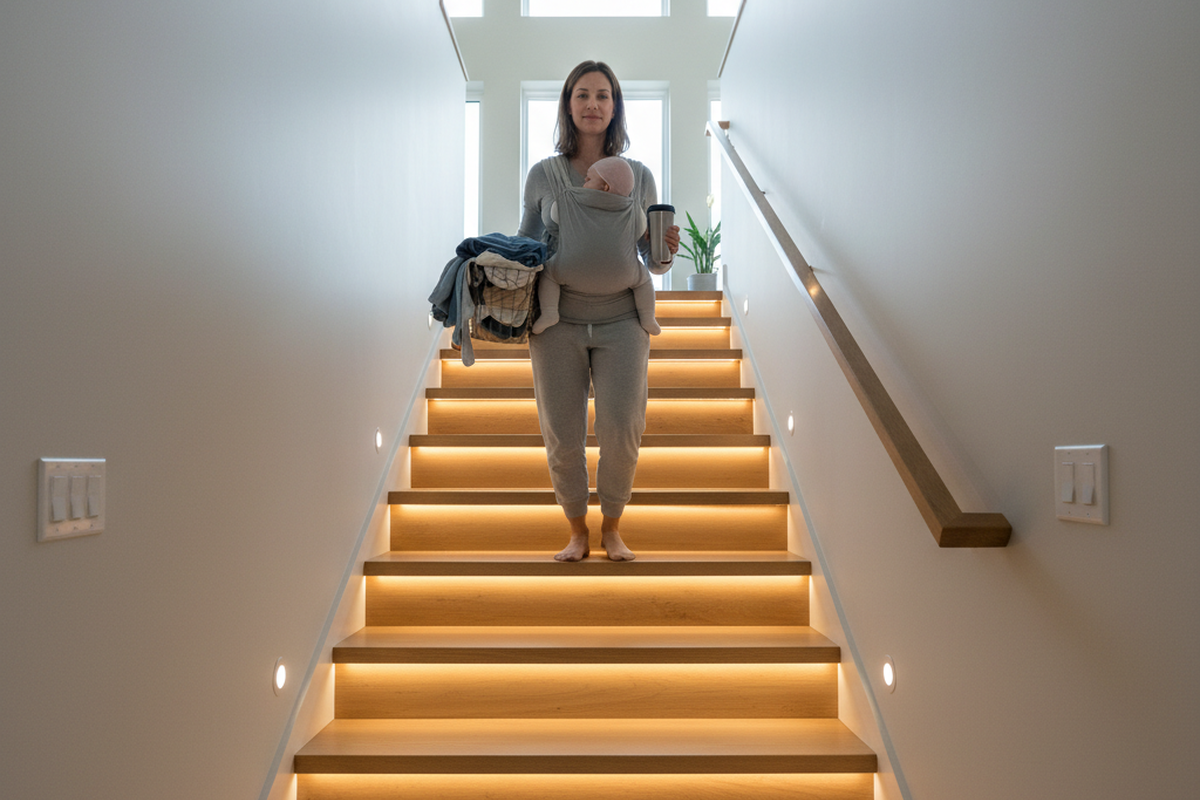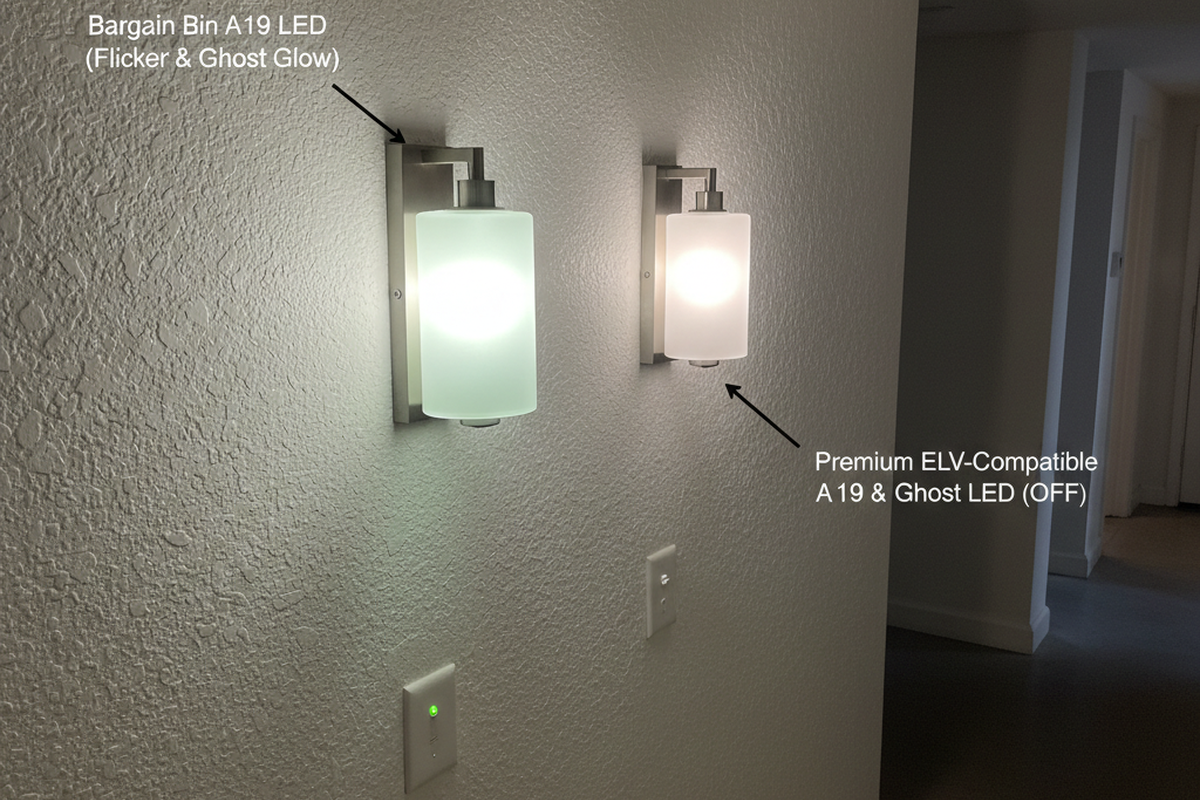
Präsenzmelder spielen eine entscheidende Rolle bei der Automatisierung von Beleuchtung, der Reduzierung von Stromverschwendung und der Verbesserung unseres Nutzungserlebnisses von Beleuchtung. Es gibt zwei Arten von Präsenzmeldern: Präsenzmelder sind eine Art von Auto-Ein- und Auto-Aus-Sensoren, während Präsenzmelder mit manueller Einschaltung (Vacancy Sensors) Manuell-Ein- und Auto-Aus-Sensoren sind, die manchmal auch als manuelle Präsenzmelder bezeichnet werden. Bei der Verwendung in gewerblichen Anwendungen werden Präsenzmelder und Präsenzmelder mit manueller Einschaltung aufgrund ihrer Fähigkeit, Lichter durch Bewegungserkennung zu steuern, gewöhnlich als Bewegungssensoren, Bewegungsmelder oder Lichtsensoren bezeichnet.
Inhalt
Diese Sensoren nutzen entweder Passiv-Infrarot (PIR), Ultraschall oder Dual-Tech-Strategien, die PIR und Ultraschall kombinieren, um den Belegungs- oder Leerstandsstatus eines Raumes zu erfassen. Jede Technologie hat ihre Vor- und Nachteile hinsichtlich der Genauigkeit und Effizienz der Bewegungserkennung. Während die PIR-Technologie die am weitesten verbreitete Strategie zur Bewegungserkennung unter allen bewegungsaktivierten Produkten wie Präsenzmeldern, Bewegungsmeldeschaltern, Sicherheitsleuchten für den Außenbereich ist, wird die Dual-Tech-Strategie auch bei einigen hochwertigen Präsenzmeldern und Wanddschaltern eingesetzt.
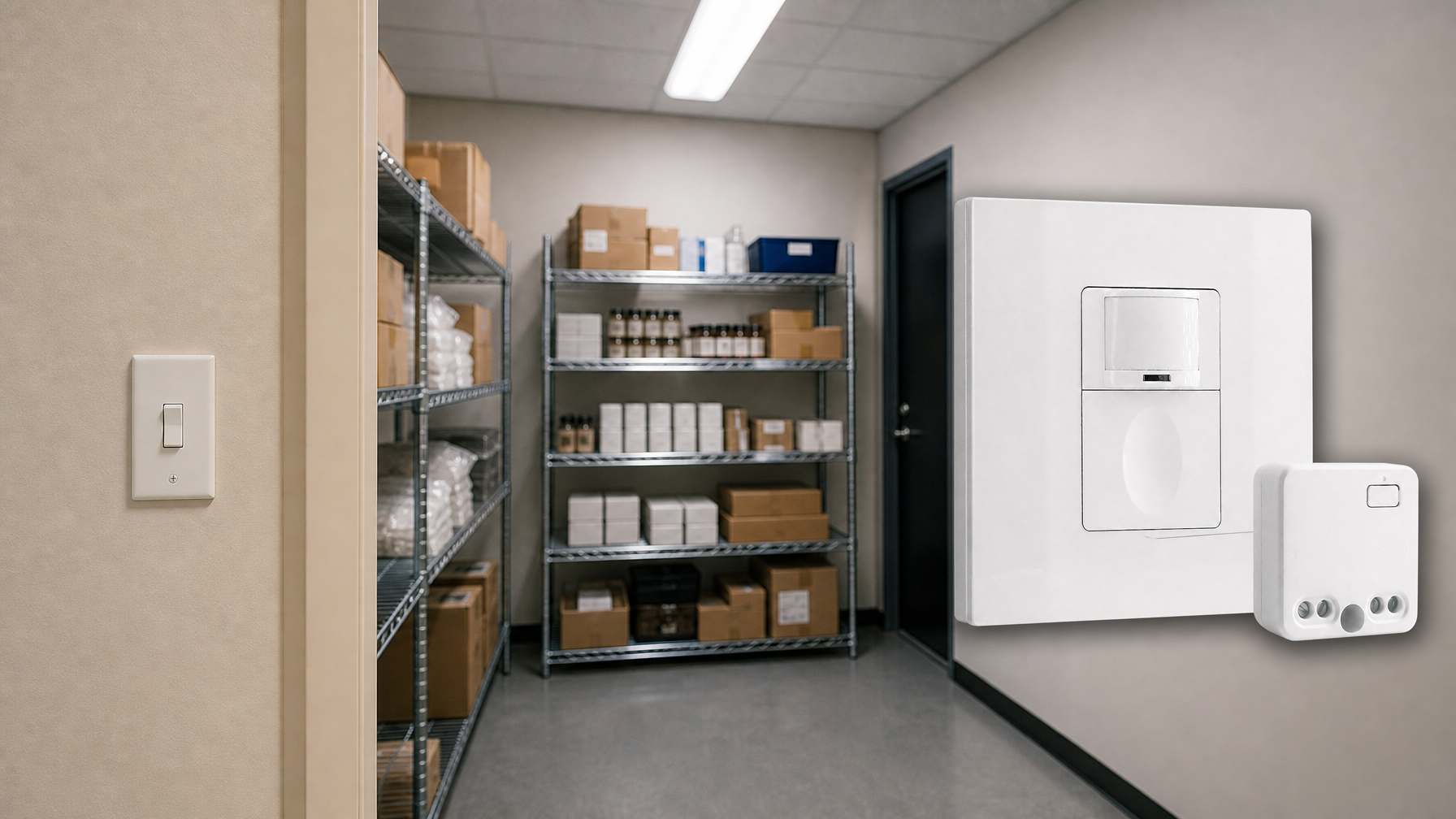
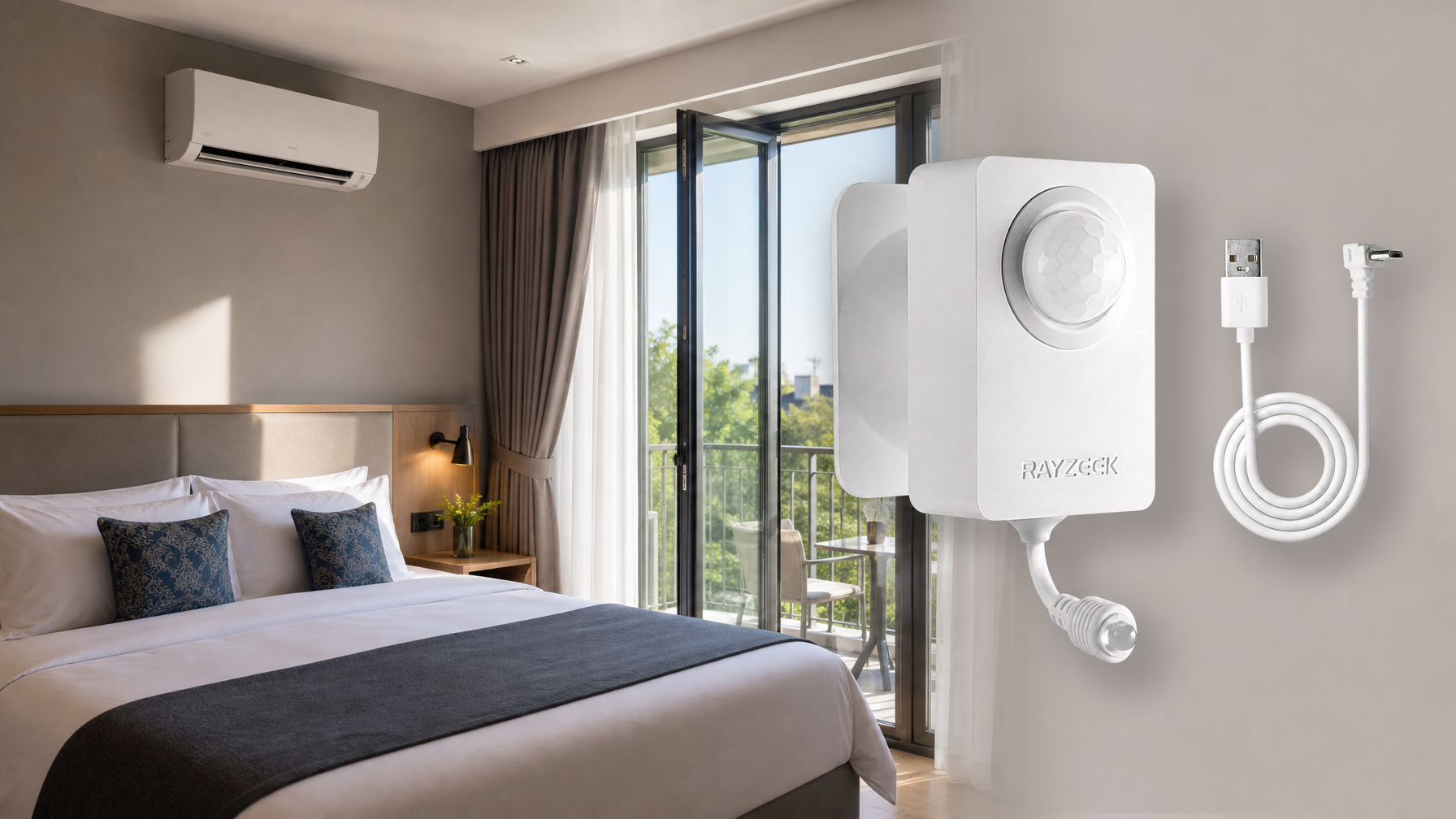
Präsenz- und Leerstandsmelder gibt es in vielen Formen. Sie können als Wand-Schalter ausgeführt sein, der in eine gewöhnliche Unterputzdose passt und über einen integrierten Bewegungssensor verfügt, oder sie können als eigenständige Bewegungsmelder hoch an der Wand oder Decke montiert und mit einer vorhandenen Leuchte verdrahtet. sein. Die Installation und Platzierung von präsenzmelderbasierten Beleuchtungssteuerungen muss vor der Installation sorgfältig geplant werden, um optimale Ergebnisse zu erzielen. Das Layout, die Anwendung und die Nutzungshäufigkeit eines Raumes sollten dabei berücksichtigt werden.
Da Energievorschriften wie IECC, ASHRAE und Title 24 die Umsetzung einer präsenzsbasierten Beleuchtungssteuerungsstrategie in Wohn- und Gewerbegebäuden vorschreiben, sollten Leser geeignete Präsenzmelder und Präsenzmelder mit manueller Einschaltung sorgfältig auswählen, um diese Vorschriften einzuhalten.
Was ist ein Energiecode?
Energievorschriften sind ein Teilbereich einer umfassenderen Sammlung von Bauvorschriften, die das Design und die Errichtung von Wohn- und Gewerbegebäuden regeln. Ihr Ziel ist es, die Energieeffizienz zu verbessern, um den Energiebedarf und die Belastung durch Umweltverschmutzung zu reduzieren.
Eine Bauordnung (auch Baurecht oder Bauvorschriften) ist ein Regelwerk, das die Standards für bauliche Anlagen wie Gebäude und sonstige Bauwerke festlegt. Gebäude müssen der Bauordnung entsprechen, um eine Baugenehmigung, in der Regel von der zuständigen lokalen Behörde, zu erhalten.
Energievorschriften wie der IECC (International Energy Conservation Code) und ASHRAE (American Society of Heating, Refrigerating and Air-Conditioning Engineers) enthalten genaue Anforderungen an Präsenzmeldersteuerungen, die in Gewerbe- und Wohngebäuden eingesetzt werden müssen.
In diesem Artikel behandeln wir hauptsächlich den IECC-Code.
Was ist der IECC?
The International Energy Conservation Code (IECC) is a building code created by the International Code Council in 2000. It is a model code adopted by many states and municipal governments in the United States for the establishment of minimum design and construction requirements for energy efficiency.

The IECC is updated every three years, with the latest being the 2021 edition. The IECC references ASHRAE/IES 90.1 as an alternative standard so that building designers could have more choices in their design work.
IECC 2011 für Präsenzmelder
On July 28, 2021, DOE(Department of Energy) issued a determination that the 2021 International Energy Conservation Code (IECC) will improve energy efficiency in residential buildings. In support of this determination, DOE conducted a technical analysis evaluating the impacts of the updated code (relative to the 2018 IECC edition). DOE estimates national savings of approximately:
- 9.38 percent site energy savings
- 8.79 percent source energy savings
- 8.66 percent energy cost savings
- 8.66 percent carbon emissions
Let’s take a look at what IECC 2011 requires for occupancy sensors.
Das könnte Sie auch interessieren

- Spannung: 2 AAA-Batterien
- Tag-/Nachtmodus
- Ausschaltverzögerung: 15min, 30min, 1h (Standard), 2h
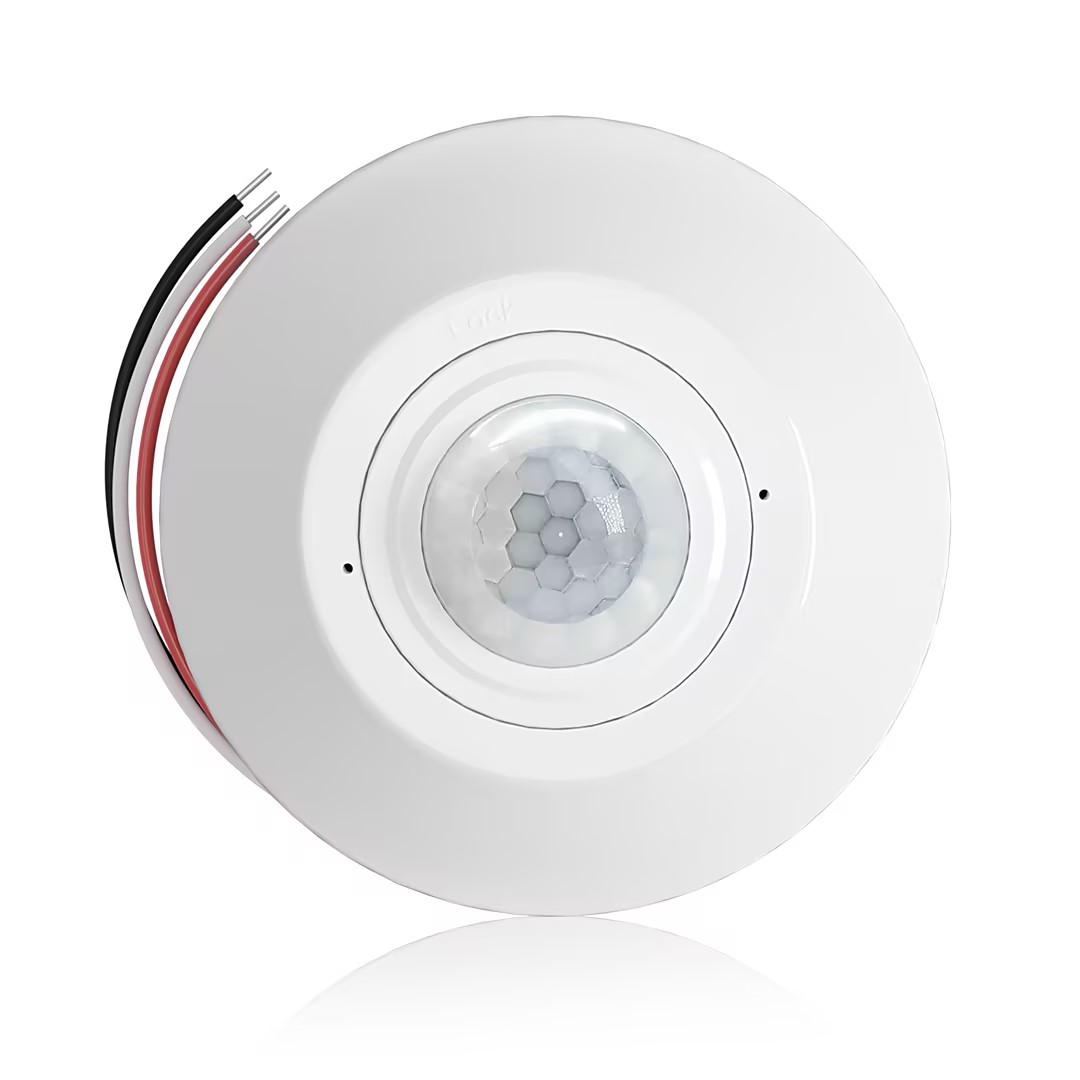
- Deckenmontierter PIR-Präsenzmelder mit potenzielfreiem Relaisausgang
- 12/24VDC oder 12/24VAC Niederspannungsversorgung
- Isolierte Relaiskontakte (COM, NO und NC) für EMS-, HVAC- und Gebäudesteuerungs-Eingänge
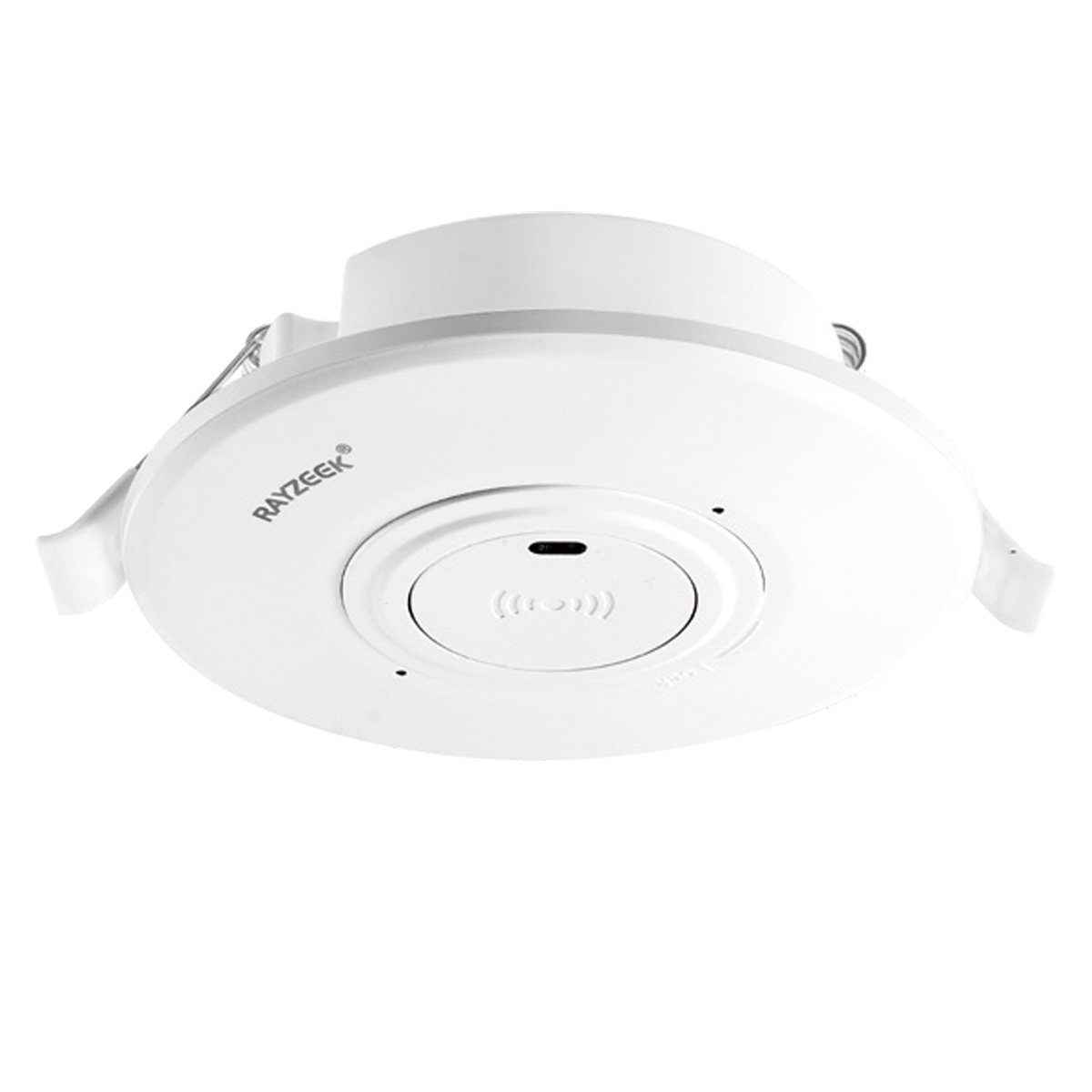
- Niederspannungs-DC-Mikrowellen-Bewegungssensorschalter für den Deckeneinbau
- 12 VDC / 24 VDC Eingang mit 10–30 VDC Bereich
- 10A max. Arbeitsstrom mit einstellbarer Zeitverzögerung, Lux-Schwelle und Empfindlichkeit
- Decken-Mikrowellen-Bewegungssensorschalter für den Einbau für höhere Lasten
- 100–265 VAC Netzspannungseingang, 10A-Modell
- 5,8-GHz-Mikrowellenerfassung mit einstellbarer Zeitverzögerung, Lux-Schwelle und Empfindlichkeit
- Unterputz-Mikrowellen-Bewegungssensorschalter für die Deckenmontage
- 100–265 VAC Netzspannungseingang, 5A-Modell
- 5,8-GHz-Mikrowellenerfassung mit einstellbarer Zeitverzögerung, Lux-Schwelle und Empfindlichkeit
- PIR-Präsenzsensor-Dimmer RZ037 für Deckenmontage und 220V-Stromversorgung
- 3A maximaler Betriebsstrom mit 660W Nennlast
- LUX-Taste steuert Lichtsensor-EIN/AUS sowie benutzerdefinierte Dimmhelligkeit
- PIR-Präsenzsensor-Dimmer RZ037 für Deckenmontage und 110V-Stromversorgung
- 3A maximaler Betriebsstrom mit 330W Nennlast
- LUX-Taste steuert Lichtsensor-EIN/AUS sowie benutzerdefinierte Dimmhelligkeit
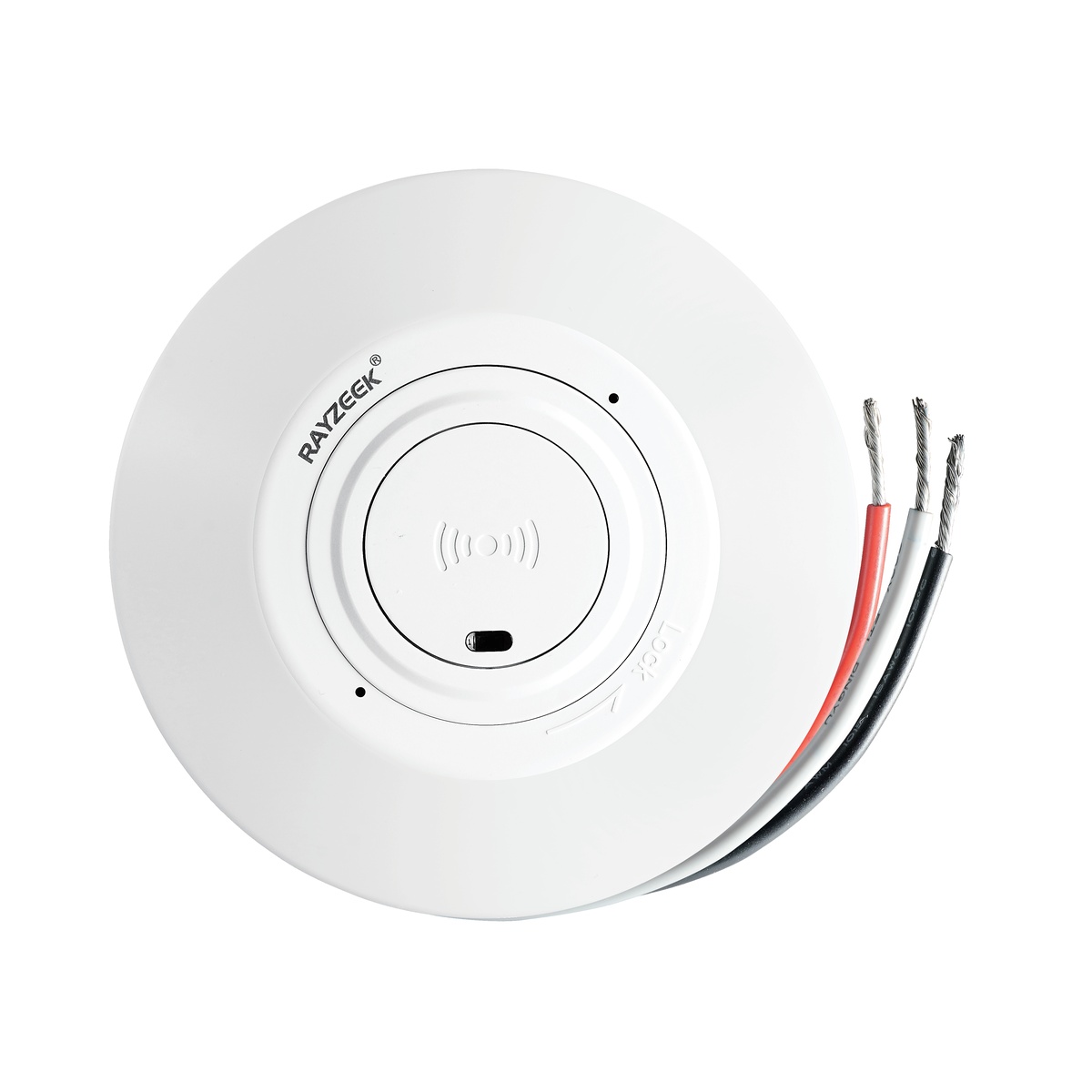
- Niederspannungs-DC-Mikrowellen-Bewegungssensorschalter für die Deckenmontage
- 12 VDC / 24 VDC Eingang mit 10–30 VDC Bereich
- 10A max. Arbeitsstrom mit einstellbarer Zeitverzögerung, Lux-Schwelle und Empfindlichkeit
- Decken-Mikrowellen-Bewegungssensorschalter für höhere Lasten
- 100–265 VAC Netzspannungseingang, 10A-Modell
- 5,8-GHz-Mikrowellenerfassung mit einstellbarer Zeitverzögerung, Lux-Schwelle und Empfindlichkeit
- Mikrowellen-Bewegungssensorschalter für die Deckenmontage
- 100–265 VAC Netzspannungseingang, 5A-Modell
- 5,8-GHz-Mikrowellenerfassung mit einstellbarer Zeitverzögerung, Lux-Schwelle und Empfindlichkeit
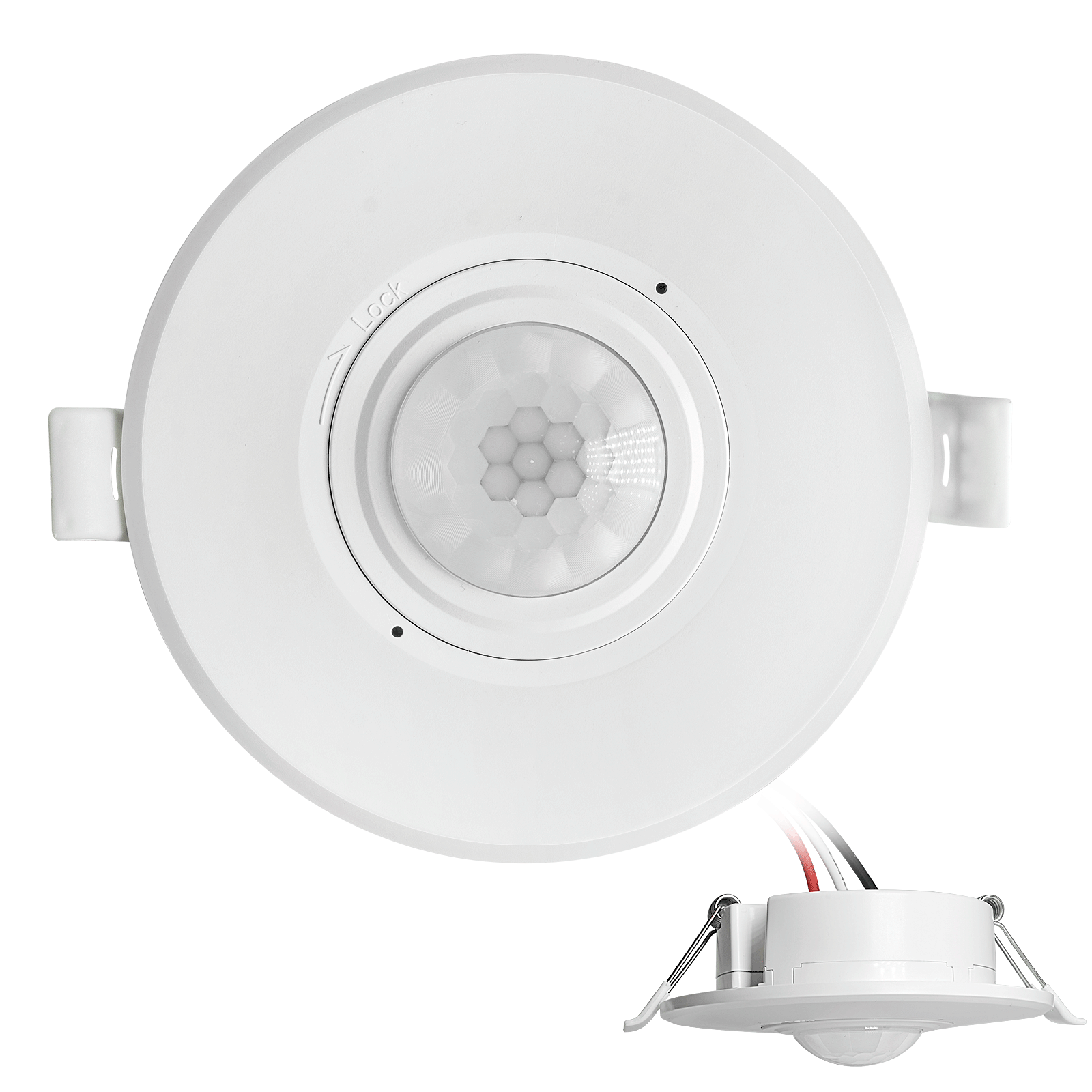
- Niederspannungs-DC-Unterputz-PIR-Bewegungssensorschalter für die Deckenmontage
- 12 VDC / 24 VDC Eingang mit 10–30 VDC Bereich
- Maximaler Betriebsstrom 10A mit einstellbarer Zeitverzögerung, Lux-Schwelle und Empfindlichkeit
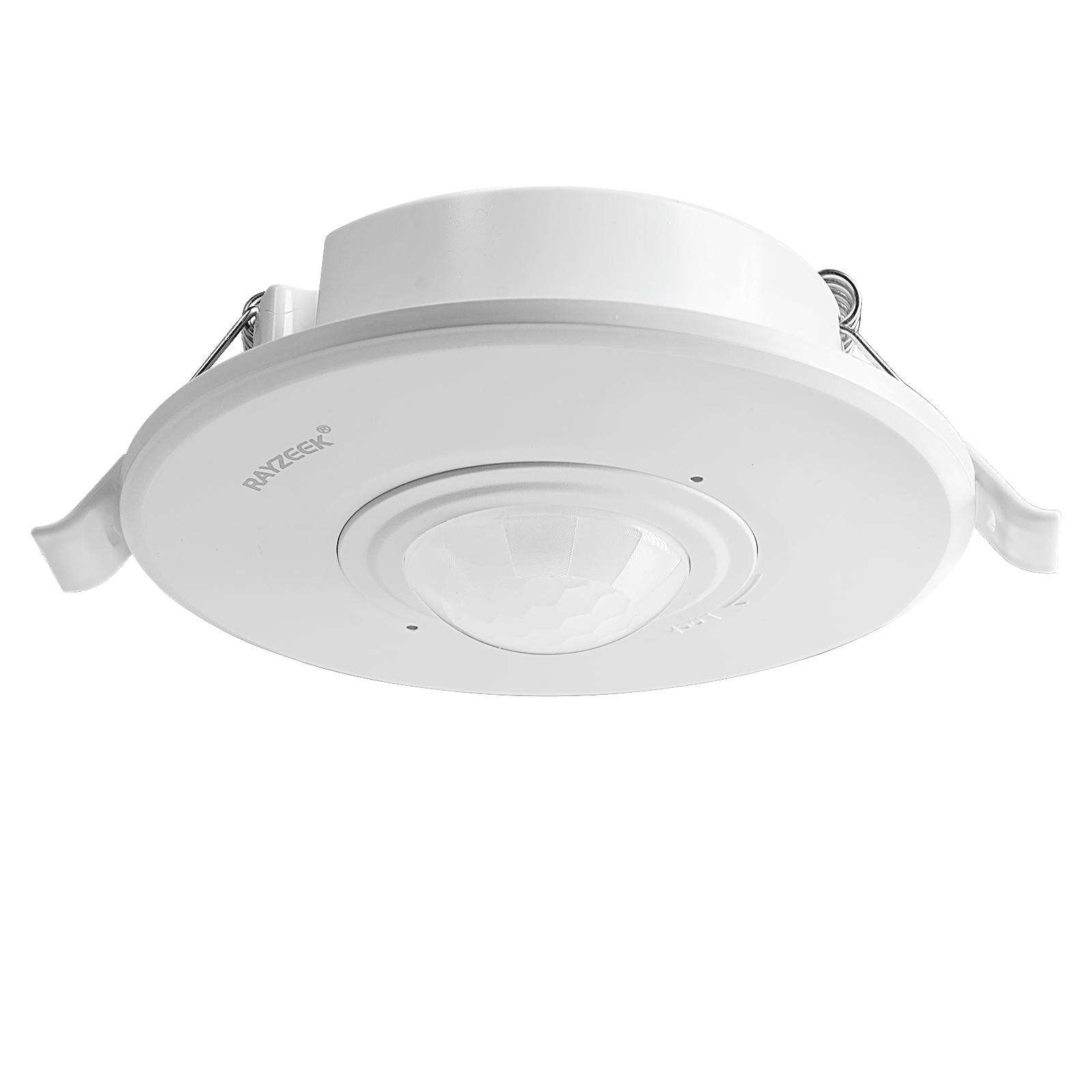
- PIR-Bewegungssensorschalter für Deckeneinbau für höhere Lasten
- 100–265 VAC Netzspannungseingang, 10A-Modell
- 360-Grad-Erfassung mit einstellbarer Ausschaltverzögerung, Lux-Schwelle und Empfindlichkeit
- PIR-Bewegungssensorschalter für Deckeneinbau
- 100–265 VAC Netzspannungseingang, 5A-Modell
- 360-Grad-Erfassung mit einstellbarer Ausschaltverzögerung, Lux-Schwelle und Empfindlichkeit
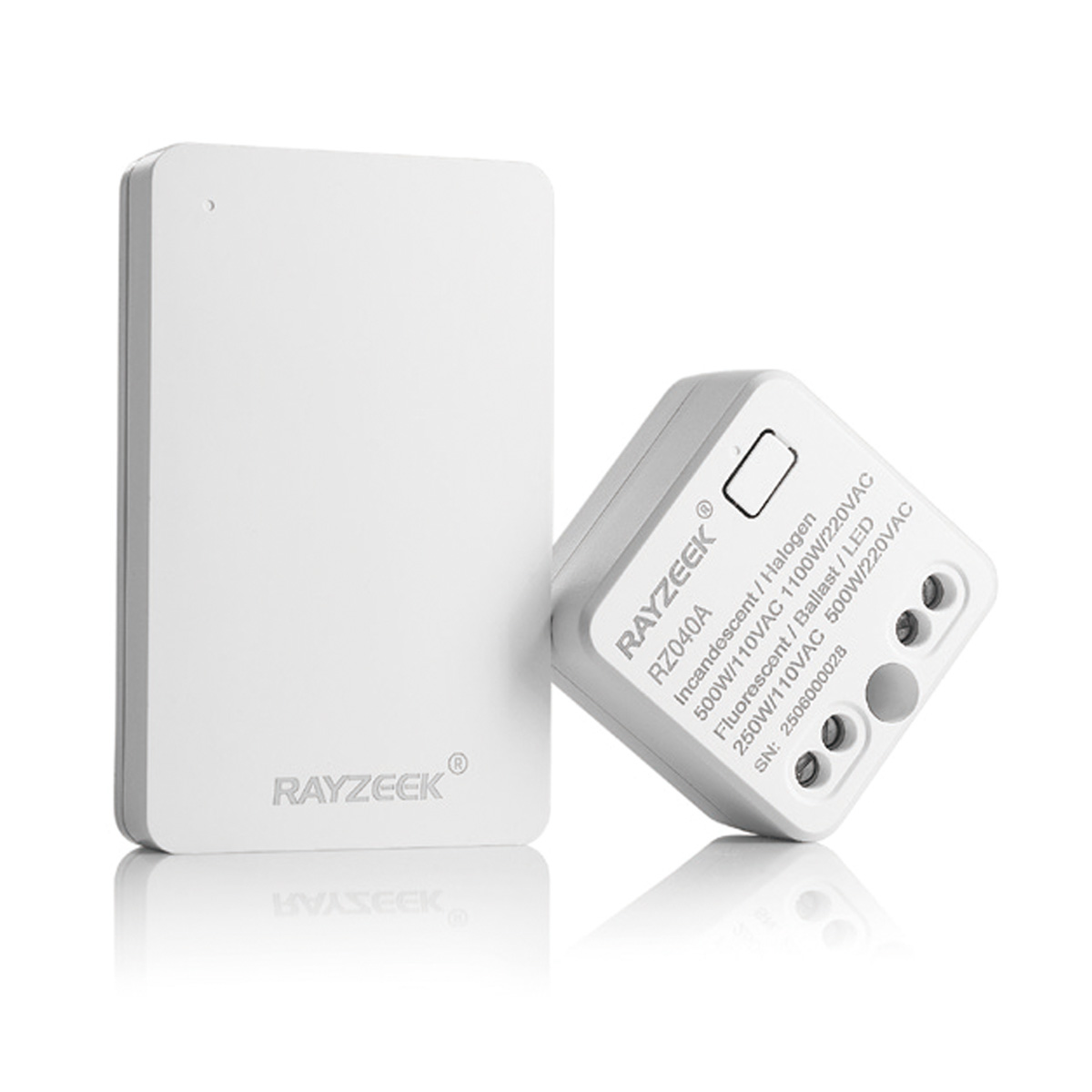
- Funk-Schalter- und Empfänger-Set zur Ein/Aus-Lichtsteuerung im Innenbereich
- 100-230VAC, 50/60Hz Empfänger mit 5A Nennstrom
- CR2032-betriebener Funkschalter mit 2,4GHz-Kommunikation
- Präsenzmodus (Auto-EIN/Auto-AUS)
- 12–24V DC (10–30VDC), bis zu 10A
- 360°-Erfassungsbereich, 8–12 m Durchmesser
- Ausschaltverzögerung 15 s–30 Min.
- Lichtsensor Aus/15/25/35 Lux
- Hohe/Niedrige Empfindlichkeit
- Auto-EIN/Auto-AUS Präsenzmodus
- 100–265V AC, 10A (Neutralleiter erforderlich)
- 360°-Erfassungsbereich; 8–12 m Erfassungsdurchmesser
- Ausschaltverzögerung 15 s–30 min; Lux AUS/15/25/35; Empfindlichkeit Hoch/Niedrig
- Auto-EIN/Auto-AUS Präsenzmodus
- 100–265V AC, 5A (Neutralleiter erforderlich)
- 360°-Erfassungsbereich; 8–12 m Erfassungsdurchmesser
- Ausschaltverzögerung 15 s–30 min; Lux AUS/15/25/35; Empfindlichkeit Hoch/Niedrig
The code concerning occupancy and vacancy sensors is located at C405.2.1 occupant sensor controls, as a subset of C405.2 Lighting controls, in section C405 for electrical power and lighting systems. It defines where the occupancy sensors are required and what pattern they should follow.
Where Are Occupancy Sensors Required
Occupant sensor controls shall be installed to control lights in the following space types:
- Classrooms/lecture/training rooms.
- Conference/meeting/multipurpose rooms.
- Copy/print rooms.
- Lounges/breakrooms.
- Enclosed offices.
- Open plan office areas.
- Restrooms.
- Storage rooms.
- Locker rooms.
- Corridors(added from 2018).
- Warehouse storage areas.
- Other spaces 300 square feet (28 m2) or less that are enclosed by floor-to-ceiling height partitions.
Exception: Luminaires that are required to have specific application controls in accordance with Section C405.2.5.
What We Learn
We can see that IECC 2021 has required the occupant sensor controls to be installed in nearly all places in a building, where most of them are very reasonable. These places are usually public spaces with many random people coming and going. With occupant sensor controls, especially the auto-on and auto-off occupancy sensors, people don’t and shouldn’t have to worry about turning on or leaving the light off.
For restrooms or locker rooms, occupancy sensors are no doubt the optimal option that the entirely automatic lighting controls give the best experience without users to worry a thing. For places like classrooms, meeting rooms, and enclosed offices, where it’s more private and more of an enclosed space, manual on vacancy sensors are normally used there to give users direct manual control, deciding whether to turn the light on or off according to their demand.
Occupant Sensor Control Function
Occupant sensor controls in warehouses shall comply with Section C40521.2. Occupant sensor controls in open plan office areas shall comply with Section C405.2.1.3. Occupant sensor controls in corridors shall comply with Section C405.2.1.4(added from 2018). Occupant sensor controls for all other spaces specified in Section C405.2.1 shall comply with the following:
- They shall automatically turn off lights within 20 minutes after all occupants have left the space.
- They shall be manual on or controlled to automatically turn on the lighting to not more than 50-percent power.
- They shall incorporate a manual control to allow occupants to turn off lights.
Exception: Full automatic-on controls with no manual control shall be permitted in condors, interior parking areas, stairways, restrooms, locker rooms, lobbies, library stacks and areas(updated from 2018) where manual operation would endanger occupant safety or security.
Lassen Sie sich von den Rayzeek Bewegungssensor-Portfolios inspirieren.
Nicht das Richtige gefunden? Keine Sorge. Es gibt immer alternative Wege, Ihre Anforderungen zu erfüllen. Vielleicht kann eines unserer Portfolios helfen.
What We Learn
From the IECC’s requirement for occupant sensor control function, we can undoubtedly come up with these conclusions:
- Time delay should be set to less than 20 minutes.
- Vacancy sensors are mostly required in commercial buildings because the code requires the occupant sensor controls to be manual on.
- If you want to use an auto-on occupancy sensor, you must use an occupancy sensor with a dimmer feature that is set to at least 50%, as the code requires the automatic turn-on of the light to be using less than 50% power.
- Whether you use a vacancy sensor or occupancy dimmer sensor, the sensor should include a manual control, usually a switch, to turn off the light instantly, which is not affecting vacancy sensors because nearly all vacancy sensors allow users to manually turn off the light.
- If you want to use an occupancy dimmer sensor, you should consider an occupancy+dimmer wall switch because it already includes a switch, and it is easy to program the dimming value on the wall swtich. If you want to use a ceiling occupancy sensor in conjunction with a light dimmer, the setting could be difficult.
C405.2.1.2 Occupant Sensor Control Function in Warehouse Storage Areas
Lighting in warehouse storage areas shall be controlled as follows:
- Lighting in each aisleway shall be controlled independently of lighting in all other aisleways and open areas.
- Occupant sensors shall automatically reduce lighting power within each controlled area to an unoccupied setpoint of not more than 50 percent of full power within 20 minutes after all occupants have left the controlled area.
- Lights that are not turned off by occupant sensors shall be turned off by time-switch control complying with Section C405.2.2.1(updated from 2018).
- A manual control shall be provided to allow occupants to turn off lights in the space(updated from 2018).
C405.2.1.3 Occupant Sensor Control Function in Open Plan Office Areas
Occupant sensor controls in open plan office spaces less than 300 square feet (28 m2) in area shall comply with Section C405.2.1.1. Occupant sensor controls in all other open plan office spaces shall comply with all of the following:
- The controls shall be configured so that general lighting can be controlled separately in control zones with floor areas not greater than 600 square feet (55 m2) within the open plan office space.
- General lighting in each control zone shall be permitted to automatically turn on upon occupancy within the control zone. General lighting in other unoccupied zones within the open plan office space shall be permitted to turn on to not more than 20 percent of full power or remain unaffected(updated from 2018).
- The controls shall automatically turn off general lighting in all control zones within 20 minutes after all occupants have left the open plan office space. Exception: Where general lighting is turned off by time-switch control complying with Section C40522.1.
- General lighting in each control zone shall turn off or uniformly reduce lighting power to an unoccupied setpoint of not more than 20 percent of full power within 20 minutes after all occupants have left the control zone.
C405.2.1.4 Occupant Sensor Control Function in Corridors.(Added From 2018)
Occupant sensor controls in corridors shall uniformly reduce lighting power to an occupied setpoint not more than 50 percent of full power within 20 minutes after all occupants have left the space.
Exception: Corridors provided with less than two footcandles of illumination on the floor at the darkest point with all lights on.
What We Learn
It’s clear that IECC is striving to push and increase energy efficiency one step further. From the updated and added contents in the requirement for warehouse, open offices and the newly added section for corridors in the 2021 version, we can see that the dimming feature is vital in helping reduce energy waste. Occupancy sensors with dimming features are going to be more and more popular as the code is steadily taking effect.
Suchen Sie nach bewegungsgesteuerten Energiesparlösungen?
Kontaktieren Sie uns für komplette PIR-Bewegungssensoren, bewegungsgesteuerte Energiesparprodukte, Bewegungsmelderschalter sowie gewerbliche Präsenz-/Präsenzabwesenheitslösungen.
Fazit
Having a better understanding of the energy code can help designers and builders to design their buildings in a more efficient way. With the energy codes being updated every three years, occupancy sensor manufacturers can obtain a clear vision of how they can improve their products to be more energy-efficient and prepare for future updates of these energy codes.