Tento článek zkoumá, zda lze klimatizaci považovat za termodynamický systém. Podíváme se na vnitřní fungování klimatizací, termodynamické principy jejich provozu, různé typy klimatizačních systémů a jejich účinnost. Ať už vás prostě jen zajímá, jak vaše klimatizace funguje, nebo jste zkušený výzkumník, v této podrobné analýze si přijdete na své.
Co je to vlastně termodynamický systém?
Termodynamický systém se zabývá přenosem nebo přeměnou tepelné energie. Tyto systémy vycházejí z principů termodynamiky, oboru fyziky, který zkoumá vztahy mezi teplem, prací, teplotou a energií. Mezi běžné příklady termodynamických systémů patří motory, chladničky a tepelná čerpadla. Jak uvidíme, klimatizace do této kategorie zcela přirozeně patří.
Termodynamické systémy se obecně dělí na otevřené a uzavřené. Otevřené systémy si se svým okolím vyměňují hmotu i energii. Představte si hrnec s vodou vroucí na sporáku – přijímá teplo a uvolňuje do vzduchu páru. Uzavřené systémy naproti tomu vyměňují energii, ale nikoli hmotu. Dobrým příkladem uzavřeného systému je utěsněný tlakový hrnec.
Definice klimatizace
Klimatizace je zařízení určené k ochlazování a odvlhčování vnitřního vzduchu. Dosahuje toho odebíráním tepla z vnitřního prostoru a jeho odváděním do venkovního prostředí. Přestože se klimatizace používají především pro komfortní chlazení v domácnostech, kancelářích a vozidlech, hrají roli také při chlazení průmyslových procesů.
Vnitřní fungování: Základní součásti klimatizace
Rozbereme si základní části, které klimatizaci umožňují vykonávat její práci:
Chladivo
Jedná se o pracovní kapalinu, speciální látku, která v průběhu chladicího procesu přechází mezi kapalným a plynným stavem a přitom pohlcuje a uvolňuje teplo. Běžná chladiva, jako R-410A a R-32, mají specifické termodynamické vlastnosti, např. bod varu a tepelnou kapacitu, díky nimž se pro tento úkol výborně hodí.
Kompresor
Kompresor je často považován za srdce systému a jeho úkolem je stlačovat plynné chladivo, čímž výrazně zvyšuje jeho tlak a teplotu. Tento energeticky náročný proces, obvykle poháněný elektromotorem, je zásadní pro to, aby chladivo mohlo později v kondenzátoru uvolnit teplo. Proces stlačování lze modelovat pomocí složitých rovnic, jako je rovnice izentropické komprese, která popisuje vztah mezi tlakem, objemem a exponentem izentropického děje. Tyto rovnice pomáhají určit práci vykonanou kompresorem.
Kondenzátor
Tato součást funguje jako tepelný výměník, ve kterém horké plynné chladivo o vysokém tlaku předává své teplo do venkovního prostředí. Jak chladivo odevzdává teplo, přechází do kapalného stavu. Kondenzátor obvykle obsahuje trubkové hady a žebra navržená tak, aby maximalizovala přenos tepla. Množství tepla uvolněného kondenzátorem přímo souvisí s hmotnostním průtokem chladiva a změnou jeho entalpie při kondenzaci.
Výparník
Výparník je další tepelný výměník umístěný v interiéru. Zde kapalné chladivo pohlcuje teplo z vnitřního vzduchu, což způsobí jeho opětovné odpaření na plyn. Toto pohlcování tepla ochlazuje vzduch, který cirkuluje přes trubky výparníku. Platí zde stejné principy pro výpočet přenosu tepla jako u kondenzátoru, avšak změna entalpie odpovídá procesu odpařování.
Expanzní ventil
Tento dávkovací prvek reguluje průtok chladiva do výparníku. Snižuje tlak kapalného chladiva, což způsobí jeho částečné odpaření a výrazné ochlazení. Tento pokles tlaku je nezbytný k tomu, aby chladivo ve výparníku účinně pohlcovalo teplo. Expanzní proces se obvykle považuje za izentalpický, což znamená, že entalpie chladiva zůstává před průchodem ventilem i po něm konstantní.
Jak klimatizace funguje: Chladicí oběh
Chladicí oběh je uzavřený cyklus zahrnující čtyři klíčové fáze: kompresi, kondenzaci, expanzi a odpařování. Zde je zjednodušené přehled:
- The compressor pressurizes and heats the refrigerant gas.
- In the condenser, the hot gas releases heat outdoors and liquefies.
- The expansion valve lowers the refrigerant’s pressure, causing it to cool.
- In the evaporator, the cold refrigerant absorbs indoor heat, cools the air, and reverts to a gas.
This cycle repeats continuously to maintain the desired indoor temperature.
Types of Air Conditioning Systems
Several types of air conditioning systems cater to different needs and preferences:
Split systems have an outdoor unit (housing the compressor and condenser) and an indoor unit (containing the evaporator). They are popular for cooling individual rooms or zones and are known for their quiet operation and flexible installation options.
Window units are self-contained units designed to be installed in a window opening. They are typically used for cooling single rooms and offer a budget-friendly option with relatively easy installation.
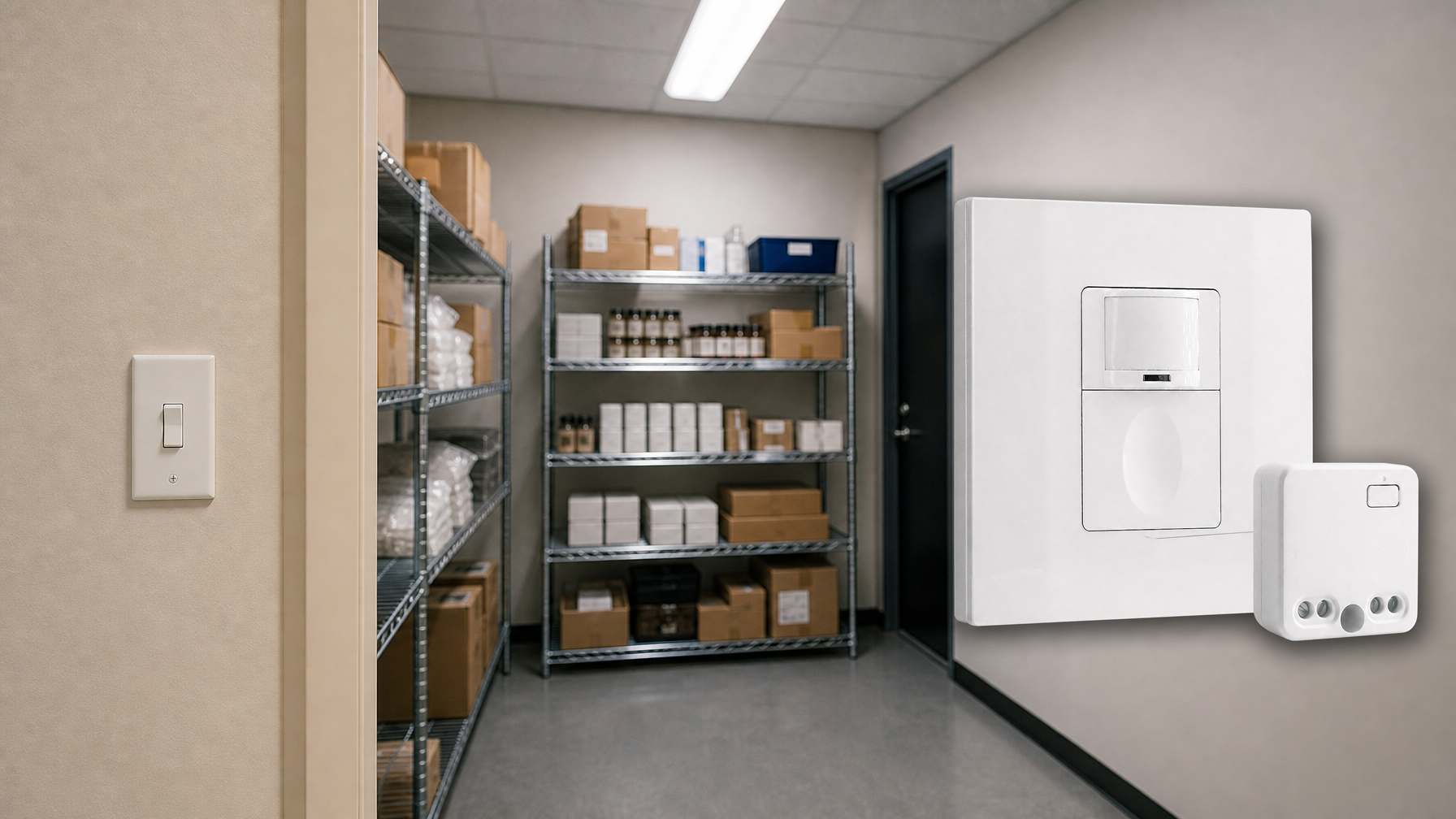
Inspirujte se portfoliem snímačů pohybu Rayzeek.
Nenašli jste, co hledáte? Nemějte obavy. K vyřešení vašich požadavků existují vždy alternativní cesty. Možná vám pomůže některé z našich portfolií.
Central air conditioning systems are designed to cool entire buildings using a network of ducts. They feature a single outdoor unit and a central indoor unit connected to ductwork, providing even cooling distribution and the ability to cool large spaces effectively.
Ductless mini-splits are similar to split systems but eliminate the need for ductwork. They have multiple indoor units connected to a single outdoor unit, offering individual zone control and simplifying installation in existing buildings.
Portable air conditioners are self-contained, movable units. They are often used for temporary or supplemental cooling and offer the advantages of portability and no permanent installation.
Air Conditioners as Thermal Systems: A Clear Connection
So, do air conditioners qualify as thermal systems? Absolutely! They transfer heat from one location (indoors) to another (outdoors) and rely on the principles of thermodynamics, specifically the refrigeration cycle. The refrigeration cycle is a practical application of the fundamental laws of thermodynamics.
Thermodynamic Principles in Air Conditioning: A Deeper Dive
Let’s explore the thermodynamic principles that govern the operation of air conditioners:
The First Law: Energy Conservation
The First Law of Thermodynamics, also known as the law of energy conservation, states that energy cannot be created or destroyed, only transferred or changed in form. In an air conditioner, the electrical energy supplied to the compressor is converted into work performed on the refrigerant. This energy is ultimately transferred as heat to the outdoor environment. The energy balance can be expressed as: Electrical Energy Input equals Heat Rejected to Outdoors minus Heat Absorbed from Indoors.
The Second Law: Entropy and the Flow of Heat
The Second Law of Thermodynamics dictates that the entropy of an isolated system always increases over time. In simpler terms, heat cannot spontaneously flow from a colder body to a hotter one. Air conditioners use work (provided by the compressor) to move heat from a colder space (indoors) to a hotter space (outdoors), a process that aligns with the Second Law. The refrigeration cycle is carefully designed to minimize entropy generation, thereby maximizing efficiency.
Entropy: A Measure of Disorder
Entropy is a measure of disorder or randomness within a system. The Second Law states that the total entropy of a system and its surroundings must always increase for any real process. In an air conditioner, the refrigerant’s entropy decreases as it releases heat in the condenser. However, the entropy of the surroundings increases by a larger amount, resulting in a net increase in overall entropy.
Analyzing the Compressor’s Performance
A compressor’s performance is often analyzed using its isentropic efficiency, which compares the actual work input to the ideal (isentropic) work input for the same pressure ratio. Well-designed compressors typically have isentropic efficiencies between 70-85%. The actual work input can be determined by dividing the isentropic work by the isentropic efficiency. Compressor performance curves, provided by manufacturers, illustrate the relationship between pressure ratio, mass flow rate, and power consumption.
Analyzing the Condenser’s Heat Transfer
The condenser’s heat transfer effectiveness can be analyzed using the Number of Transfer Units (NTU) method. NTU is a dimensionless parameter that represents the heat transfer size of the heat exchanger. The effectiveness of the condenser can be calculated using equations specific to the heat exchanger’s geometry. For instance, a simple counterflow heat exchanger’s effectiveness can be approximated as 1 minus the exponential of negative NTU. Higher effectiveness translates to better heat transfer and improved system efficiency.
Analyzing the Evaporator’s Performance
Similar to the condenser, the evaporator’s performance can also be analyzed using the NTU method. Factors like airflow rate, refrigerant flow rate, and heat exchanger design influence the evaporator’s effectiveness. Optimizing evaporator design can enhance heat transfer and reduce the temperature difference between the refrigerant and the indoor air, leading to better overall system performance.
Analyzing the Expansion Valve’s Role
The expansion valve’s performance is characterized by its ability to maintain a constant superheat at the evaporator outlet. Superheat is the difference between the refrigerant’s actual temperature and its saturation temperature at the evaporator pressure. Proper superheat control ensures that the evaporator is fully utilized and that no liquid refrigerant enters the compressor, which could cause damage. Thermostatic expansion valves (TXVs) use a feedback mechanism to adjust refrigerant flow and maintain a constant superheat.
Heat Transfer in Air Conditioners: A Closer Look
Heat transfer is a fundamental aspect of air conditioning. Let’s examine the three modes of heat transfer involved:
Hledáte úsporná řešení aktivovaná pohybem?
Kontaktujte nás pro kompletní PIR snímače pohybu, úsporné produkty aktivované pohybem, spínače s pohybovým senzorem a komerční řešení pro detekci přítomnosti či nepřítomnosti osob.
Conduction: Heat Transfer Through Direct Contact
Conduction is the transfer of heat through direct contact between molecules. In air conditioners, conduction occurs within the refrigerant, the metal walls of the tubing, and the fins of the heat exchangers. The rate of heat conduction is governed by Fourier’s Law, which relates the heat transfer rate to the material’s thermal conductivity, the cross-sectional area, and the temperature gradient.
Convection: Heat Transfer Through Fluid Motion
Convection is the transfer of heat through the movement of fluids (liquids or gases). In air conditioners, convection occurs between the refrigerant and the inner walls of the tubing, and between the air and the outer surfaces of the heat exchangers. Forced convection, driven by fans or pumps, significantly enhances heat transfer rates. Newton’s Law of Cooling describes the rate of heat convection, relating it to the convective heat transfer coefficient, the surface area, and the temperature difference between the surface and the fluid.
Radiation: Heat Transfer Through Electromagnetic Waves
Radiation is the transfer of heat through electromagnetic waves. While less prominent than conduction and convection in typical air conditioning operation, radiation can still play a role, particularly in the condenser. The condenser can radiate heat to the surrounding environment, especially if exposed to direct sunlight. The Stefan-Boltzmann Law governs the rate of heat radiation, relating it to the surface’s emissivity, the Stefan-Boltzmann constant, the surface area, and the absolute temperatures of the radiating surface and the surroundings.
Air Conditioner Efficiency and Performance Metrics: Understanding the Ratings
Several metrics are used to evaluate the efficiency and performance of air conditioners:
SEER (Seasonal Energy Efficiency Ratio)
SEER measures an air conditioner’s cooling output over a typical cooling season, divided by the total electric energy input during the same period. Higher SEER ratings signify greater energy efficiency. SEER is determined through standardized testing procedures that simulate a range of operating conditions.
EER (Energy Efficiency Ratio)
EER measures an air conditioner’s cooling output at a specific operating condition (95°F outdoor temperature, 80°F indoor temperature, and 50% relative humidity), divided by the electric power input at that condition. Higher EER ratings indicate better efficiency at that specific condition.
Coefficient of Performance (COP)
COP measures the efficiency of a heat pump or refrigeration system. It is the ratio of the desired output (heating or cooling) to the required work input. For cooling, COP is the Cooling Output divided by the Work Input. For heating, COP is the Heating Output divided by the Work Input. Higher COP values indicate greater efficiency.
Energy Efficiency Ratio (EER) – A Specific Type of COP
EER is a specific type of COP that applies to cooling systems. It is calculated as the cooling output (in Btu/h) divided by the power input (in watts) at a specific operating condition.
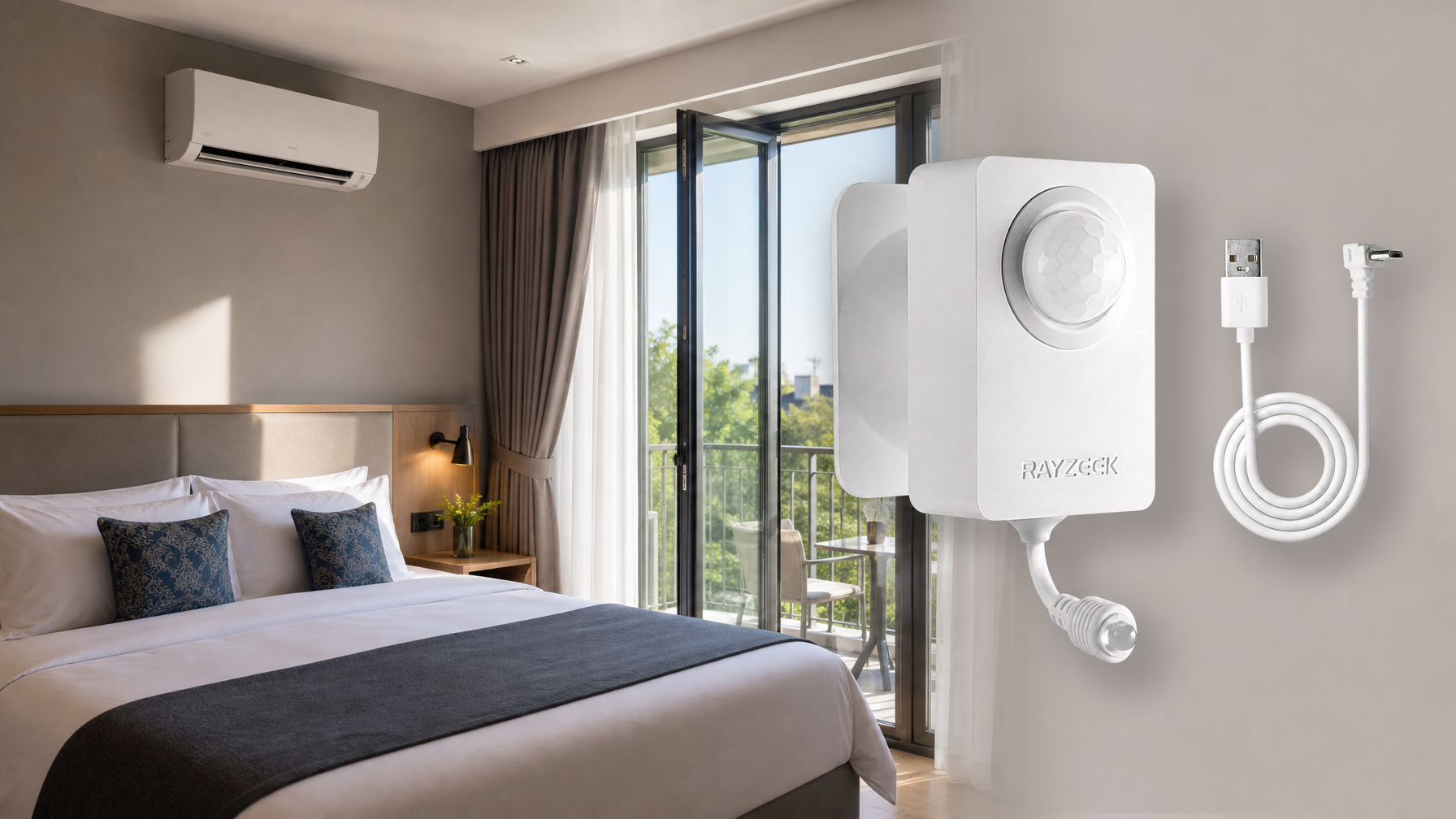
While SEER and EER ratings provide valuable insights into an air conditioner’s efficiency, real-world energy consumption often depends on usage patterns. For instance, leaving the AC running in an empty room drastically reduces its effective efficiency. The Rayzeek RZ050 Air Conditioner Motion Sensor addresses this issue directly by automating the AC’s operation based on occupancy.

Rayzeek RZ050: Maximize Your AC’s Efficiency
Intelligently automates your AC to boost its effective SEER and EER ratings.
- Reduces energy bills by up to 50% by turning off the AC in unoccupied rooms.
- Night mode ensures uninterrupted sleep while still saving energy during the day.
- Helps you achieve optimal energy efficiency beyond the standard ratings.
Is an Air Conditioner a Closed or Open Thermal System?
An air conditioner can be considered a closed thermal system concerning the refrigerant. The refrigerant remains contained within a sealed loop, never mixing with the external environment. However, the air conditioner itself is part of a larger open system, as it exchanges energy (heat) with both the indoor and outdoor environments. It takes in electrical energy and interacts with the air in the room, which is not a closed system.
Advanced Concepts in Air Conditioning Thermodynamics
Let’s explore some more advanced concepts:
Psychrometrics: Understanding Moist Air
Psychrometrics is the study of the thermodynamic properties of moist air. It’s crucial for understanding and designing air conditioning systems. Key psychrometric properties include dry-bulb temperature, wet-bulb temperature, relative humidity, humidity ratio, and enthalpy. Psychrometric charts are graphical tools used to visualize and analyze these properties. Air conditioners not only cool the air but also affect its humidity, making psychrometrics essential for proper system design and operation.
Enthalpy: The Total Heat Content
Enthalpy is a thermodynamic property that represents the total heat content of a system. In air conditioning, enthalpy quantifies the heat content of the refrigerant and the moist air. The change in the refrigerant’s enthalpy during evaporation and condensation determines the system’s cooling capacity. The enthalpy of moist air depends on its temperature and humidity ratio. Enthalpy calculations are essential for determining the cooling load and sizing air conditioning equipment.
Real-World Air Conditioner System Design and Optimization: Beyond the Basics
Designing an efficient air conditioning system involves considering various factors, including:
Mohlo by vás také zajímat
- Napětí: 2 baterie AAA
- Režim Den/Noc
- Časové zpoždění: 15 min, 30 min, 1 h (výchozí), 2 h
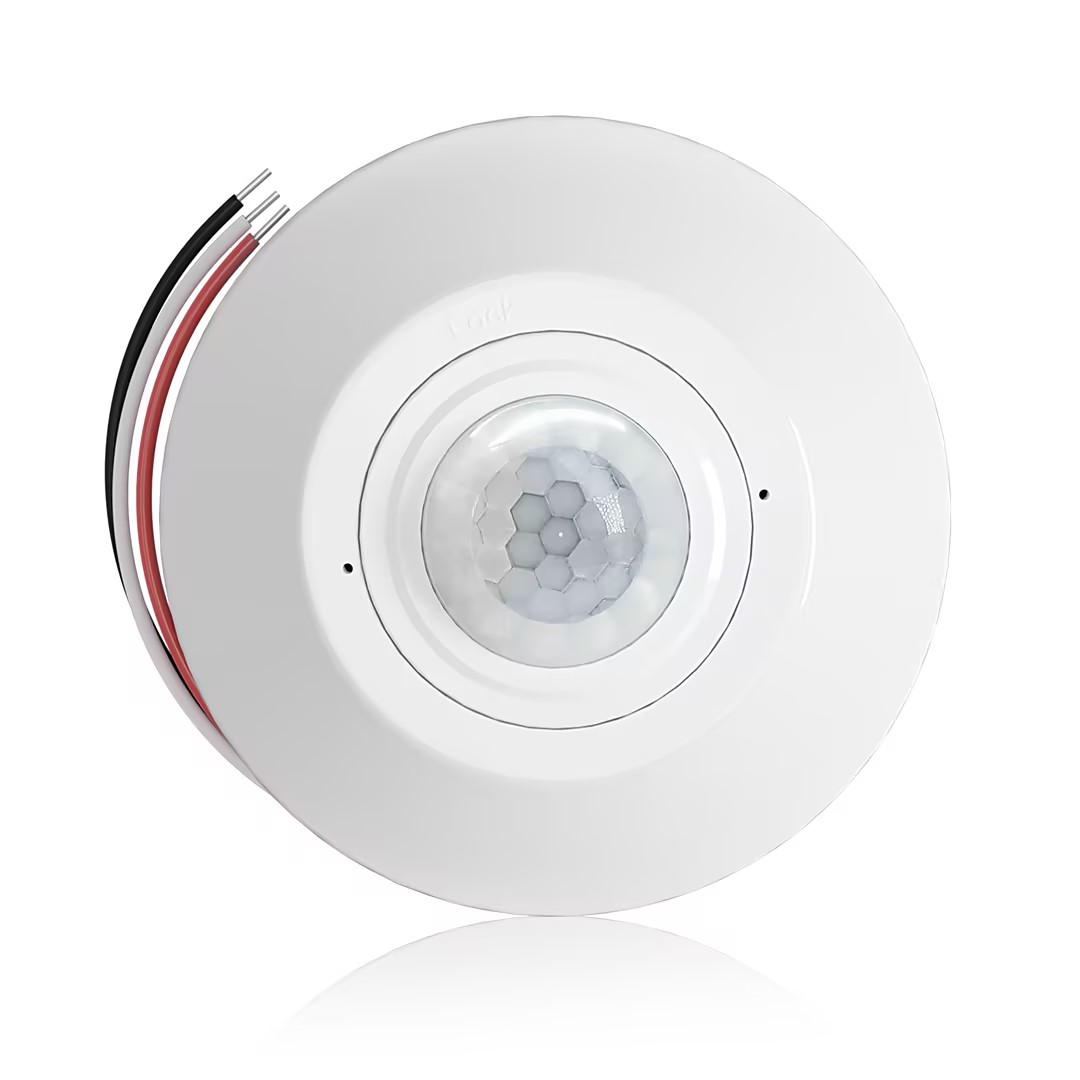
- Stropní PIR snímač přítomnosti s výstupem relé s beznapěťovým kontaktem
- Nízkonapěťové napájení 12/24VDC nebo 12/24VAC
- Isolované kontakty relé COM, NO a NC pro vstupy systémů EMS, HVAC a řízení budov
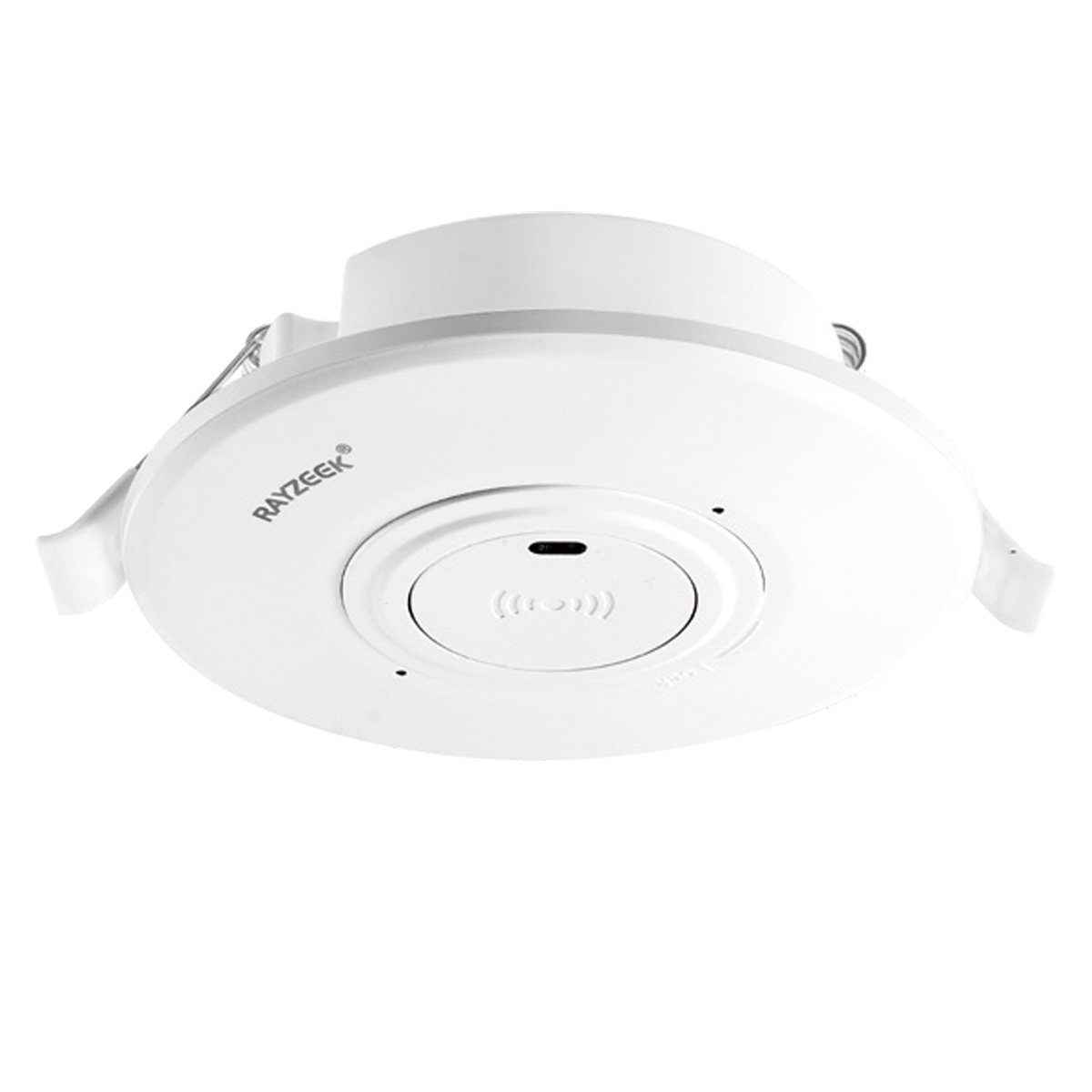
- Nízkonapěťový stejnosměrný vestavný stropní mikrovlnný spínač snímače pohybu
- Vstup 12 VDC / 24 VDC s rozsahem 10–30 VDC
- Maximální pracovní proud 10 A s nastavitelným časovým zpožděním, prahem Lux a citlivostí
- Vestavný stropní mikrovlnný spínač snímače pohybu pro vyšší zátěž
- Síťové vstupní napětí 100–265 VAC, model 10A
- Mikrovlnné snímání 5.8 GHz s nastavitelnou časovou prodlevou, prahem Lux a citlivostí
- Vestavný stropní mikrovlnný spínač senzoru pohybu
- Síťové vstupní napětí 100–265 VAC, model 5A
- Mikrovlnné snímání 5.8 GHz s nastavitelnou časovou prodlevou, prahem Lux a citlivostí
- Stropní RZ037 PIR senzor přítomnosti se stmívačem pro napájení 220V
- Maximální pracovní proud 3A s jmenovitým zatížením 660W
- Tlačítko LUX ovládá zapnutí/vypnutí světelného senzoru a uživatelsky nastavený jas stmívání
- Stropní RZ037 PIR senzor přítomnosti se stmívačem pro napájení 110V
- Maximální pracovní proud 3A s jmenovitým zatížením 330W
- Tlačítko LUX ovládá zapnutí/vypnutí světelného senzoru a uživatelsky nastavený jas stmívání
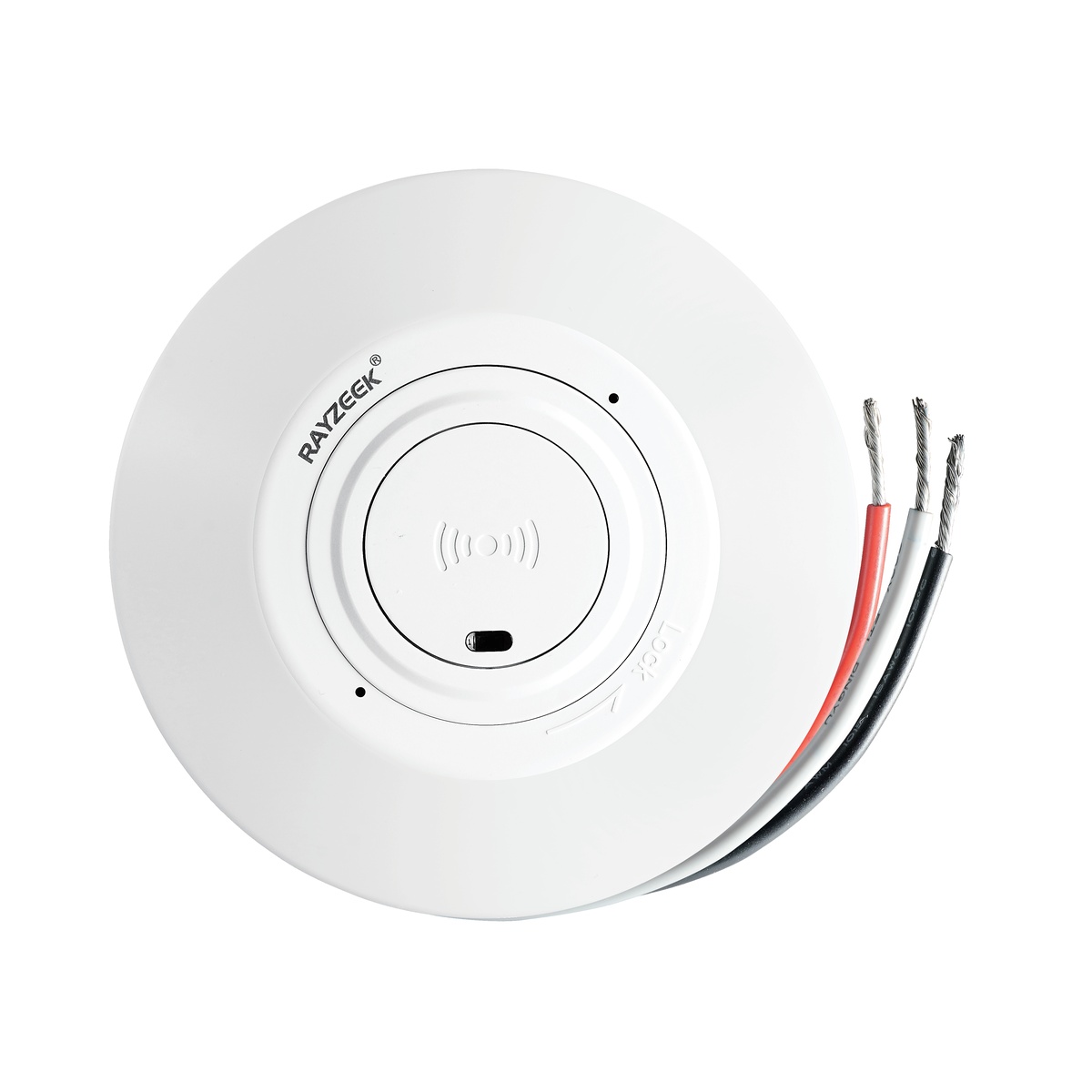
- Nízkonapěťový stejnosměrný stropní mikrovlnný spínač senzoru pohybu
- Vstup 12 VDC / 24 VDC s rozsahem 10–30 VDC
- Maximální pracovní proud 10 A s nastavitelným časovým zpožděním, prahem Lux a citlivostí
- Stropní mikrovlnný spínač senzoru pohybu pro vyšší zatížení
- Síťové vstupní napětí 100–265 VAC, model 10A
- Mikrovlnné snímání 5.8 GHz s nastavitelnou časovou prodlevou, prahem Lux a citlivostí
- Stropní mikrovlnný spínač s pohybovým senzorem
- Síťové vstupní napětí 100–265 VAC, model 5A
- Mikrovlnné snímání 5.8 GHz s nastavitelnou časovou prodlevou, prahem Lux a citlivostí
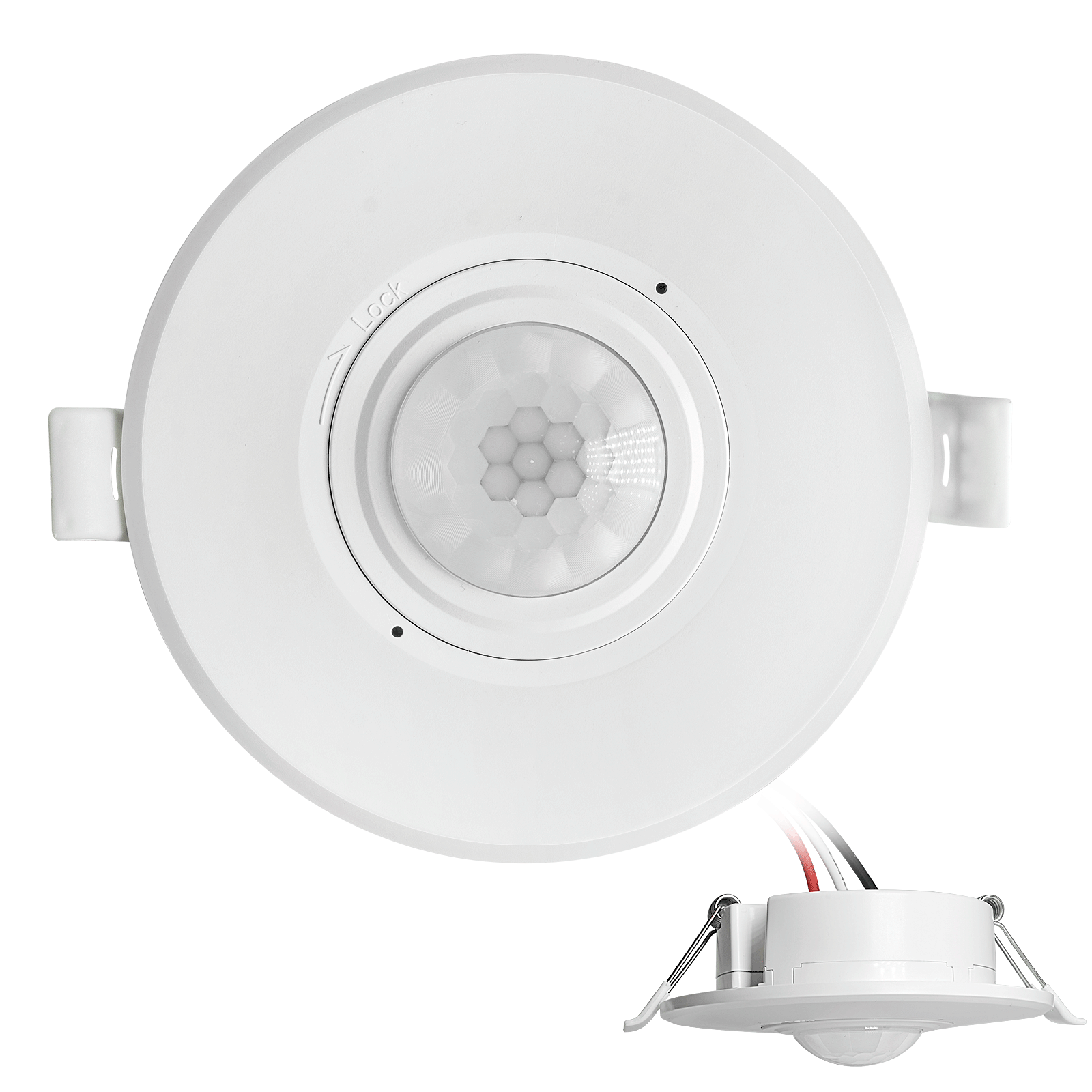
- Nízkonapěťový stejnosměrný vestavný stropní spínač s PIR pohybovým senzorem
- Vstup 12 VDC / 24 VDC s rozsahem 10–30 VDC
- Maximální pracovní proud 10A s nastavitelným časovým zpožděním, prahem Lux a citlivostí
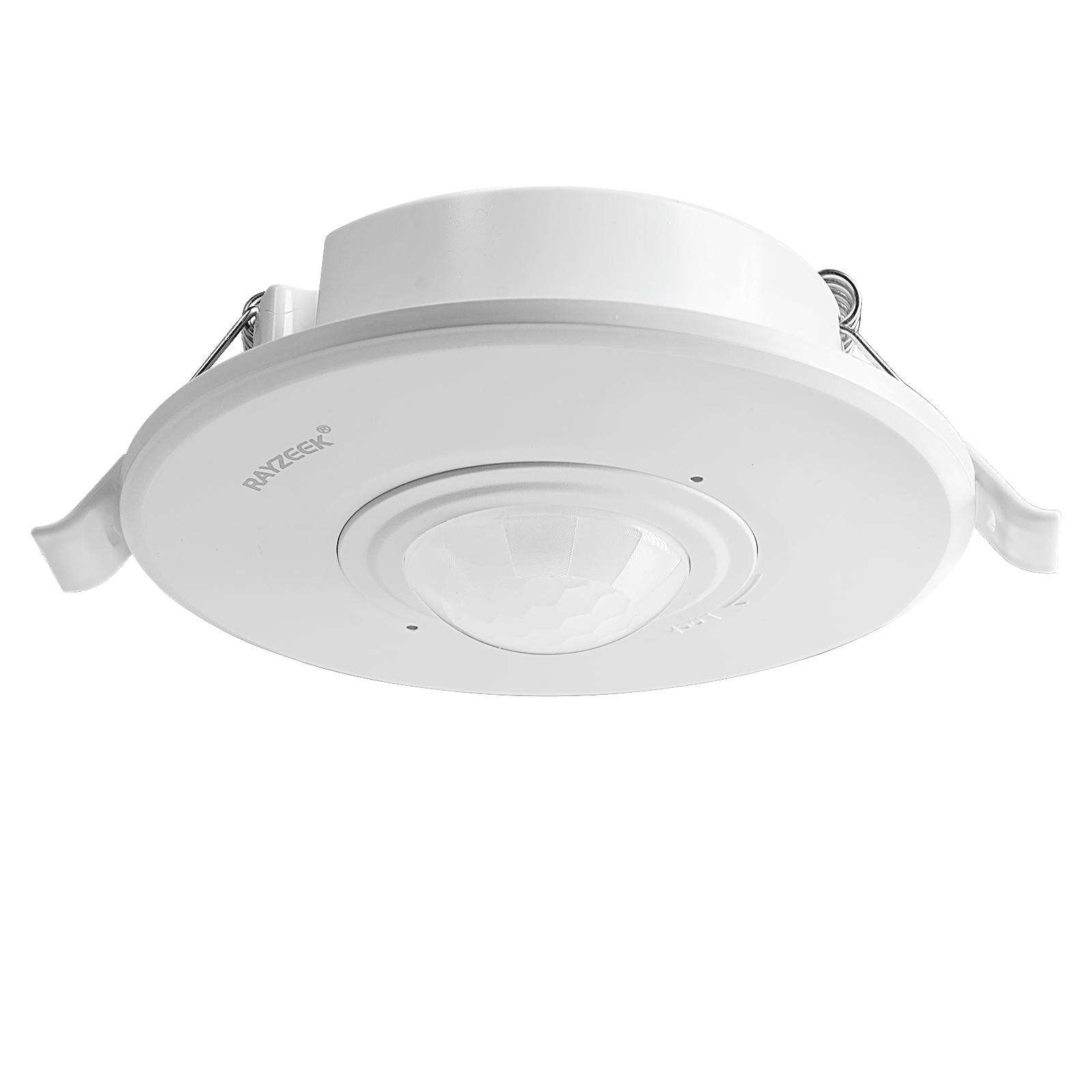
- Vestavný stropní spínač s PIR pohybovým senzorem pro vyšší zátěž
- Síťové vstupní napětí 100–265 VAC, model 10A
- 360stupňová detekce s nastavitelným časovým zpožděním, prahem Lux a citlivostí
- Vestavný stropní spínač s PIR pohybovým senzorem
- Síťové vstupní napětí 100–265 VAC, model 5A
- 360stupňová detekce s nastavitelným časovým zpožděním, prahem Lux a citlivostí
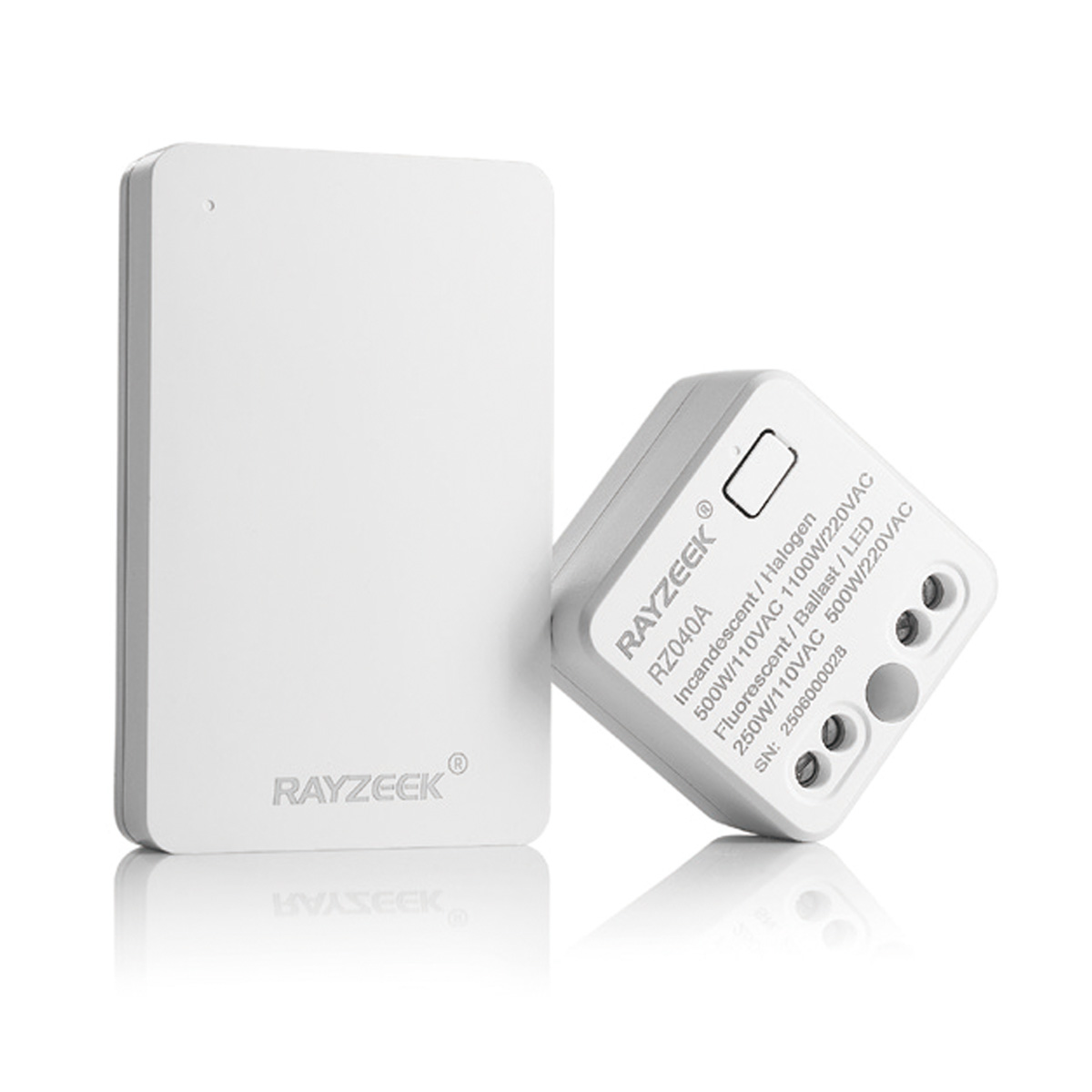
- Sada bezdrátového spínače a přijímače pro vnitřní řízení osvětlení ZAP/VYP
- Přijímač 100-230VAC, 50/60Hz s jmenovitým proudem 5A
- Bezdrátový spínač napájený baterií CR2032 s komunikací 2,4GHz
- Detekce přítomnosti (Automatické ZAP/Automatické VYP)
- 12–24V DC (10–30VDC), až 10A
- Pokrytí 360°, průměr 8–12 m
- Časové zpoždění 15 s–30 min
- Snímač jasu Vypnuto / 15 / 25 / 35 Lux
- Vysoká/nízká citlivost
- Režim detekce přítomnosti s automatickým zapnutím/vypnutím
- 100–265V AC, 10A (vyžaduje nulový vodič)
- 360° pokrytí; průměr detekce 8–12 m
- Časové zpoždění 15 s – 30 min; Lux VYPNUTO / 15 / 25 / 35; citlivost vysoká/nízká
- Režim detekce přítomnosti s automatickým zapnutím/vypnutím
- 100–265V AC, 5A (vyžaduje nulový vodič)
- 360° pokrytí; průměr detekce 8–12 m
- Časové zpoždění 15 s – 30 min; Lux VYPNUTO / 15 / 25 / 35; citlivost vysoká/nízká
- Climate: Understanding the outdoor temperature and humidity variations throughout the year is crucial for selecting the right system.
- Building Load: Accurately estimating the amount of heat that needs to be removed from the building is essential. This depends on factors like insulation, occupancy, and internal heat gains.
- Control Strategies: Employing advanced control systems, such as variable refrigerant flow (VRF) or variable-speed compressors, can optimize performance under varying loads.
Optimization Techniques for Maximum Efficiency
Optimization techniques can be used to minimize energy consumption while maintaining desired comfort levels. This may involve using simulation software to model system performance under different operating conditions. Life-cycle cost analysis can help evaluate the long-term economic and environmental impact of different design choices.
Thermodynamic Limitations: The Boundaries of Efficiency
- The Carnot cycle represents the theoretical upper limit of efficiency for any heat engine or refrigeration cycle operating between two temperatures.
- Real-world air conditioners have efficiencies significantly lower than the Carnot efficiency due to irreversibilities in the compression process, heat transfer limitations, and other factors.
The Future of Air Conditioning: Pushing the Boundaries
Current research is focused on developing new refrigerants with lower global warming potential and exploring alternative cooling technologies that can overcome the limitations of the conventional vapor-compression cycle.
One promising area is the development of more sophisticated control algorithms that can dynamically adjust system operation based on real-time weather data, occupancy patterns, and energy prices. This could lead to significant energy savings and improved comfort.
Another area of interest is the integration of thermal storage technologies with air conditioning systems. This could allow for shifting cooling loads to off-peak hours, reducing electricity costs and grid strain.