يتناول هذا المقال ما إذا كان مكيف الهواء يُعد نظامًا حراريًا. سنستعرض آلية العمل الداخلية لمكيفات الهواء، والمبادئ الثرموديناميكية التي تعتمد عليها، ومختلف أنواع أنظمة التكييف، ومدى كفاءتها. وسواء كنت شغوفًا بمعرفة كيفية عمل مكيف الهواء لديك أو كنت باحثًا خبيرًا، فستجد في هذا التحليل الشامل ما يفيدك.
ما هو النظام الحراري بالتحديد؟
يتعامل النظام الحراري مع نقل الطاقة الحرارية أو تحويلها. وتستند هذه الأنظمة إلى مبادئ الثرموديناميكا (الديناميكا الحرارية)، وهو فرع الفيزياء الذي يدرس العلاقات بين الحرارة، والشغل، ودرجة الحرارة، والطاقة. وتشمل الأمثلة اليومية للأنظمة الحرارية المحركات، والثلاجات، والمضخات الحرارية. وكما سنرى، فإن مكيفات الهواء تندرج بوضوح ضمن هذه الفئة.
تُصنَّف الأنظمة الحرارية بصفة عامة إلى أنظمة مفتوحة أو مغلقة. تتبادل الأنظمة المفتوحة كلاً من المادة والطاقة مع محيطها؛ وتخيل في ذلك إناء ماء يغلي على الموقد، إذ يمتص الحرارة ويطلق البخار في الهواء. وعلى النقيض من ذلك، تتبادل الأنظمة المغلقة الطاقة دون المادة، وتُعد قدر الضغط المحكمة إغلاقًا مثالاً جيدًا على النظام المغلق.
تعريف مكيف الهواء
مكيف الهواء هو جهاز مصمم لتبريد الهواء الداخلي وإزالة الرطوبة منه. ويحقق ذلك عن طريق سحب الحرارة من المساحة الداخلية وطردها إلى الخارج. ورغم استخدامه بشكل أساسي للتبريد وتوفير الراحة في المنازل والمكاتب والمركبات، إلا أن مكيفات الهواء تؤدي أيضًا دورًا في التبريد الخاص بالعمليات الصناعية.
آلية العمل الداخلية: المكونات الأساسية لمكيف الهواء
دعنا نستعرض الأجزاء جوهرية الكفيلة بتمكين مكيف الهواء من أداء عمله:
مائع التبريد (سائل التبريد)
هذا هو مائع العمل، وهو مادة خاصة تتنقل بين الحالتين السائلة والغازية، وتعمل على امتصاص الحرارة وإطلاقها أثناء عملية التبريد. وتتمتع وسائط التبريد الشائعة، مثل R-410A وR-32، بخصائص ثرموديناميكية محددة، مثل نقطة الغليان والسعة الحرارية، مما يجعلها ملائمة تمامًا لهذه المهمة.
الضاغط (Compressor)
غالباً ما يُعتبر الضاغط قلب النظام، وتتمثل مهمته في ضغط غاز التبريد، مما يرفع ضغطه ودرجة حرارته بشكل ملحوظ. وتُعد هذه العملية المستهلكة للطاقة، والتي تعمل عادة بواسطة محرك كهربائي، حاسمة لتمكين مائع التبريد من إطلاق الحرارة لاحقًا في المكثف. ويمكن نمذجة عملية الضغط باستخدام معادلات معقدة مثل معادلة الضغط الأدياباتي المنعكس (الإنتروبي)، والتي تربط بين الضغط، والحجم، ونسبة الحرارة النوعية. وتساعدنا هذه المعادلات على تحديد الشغل المبذول بواسطة الضاغط.
المكثف (Condenser)
يعمل هذا المكون كمبادل حراري، حيث يطلق غاز التبريد الساخن عالي الضغط حرارته إلى البيئة الخارجية. ومع فقدانه للحرارة، يتحول مائع التبريد إلى حالة سائلة. ويتكون المكثف عادة من أنابيب ملفوفة وزعانف مصممة لزيادة نقل الحرارة إلى أقصى حد. وترتبط كمية الحرارة المنبعثة من المكثف ارتباطًا مباشرًا بمعدل تدفق كتلة مائع التبريد والتغير في المحتوى الحراري (الإنتالبي) الخاص به أثناء تكثفه.
المبخر (Evaporator)
يقع المبخر داخل المبنى، وهو مبادل حراري آخر. وخلاله، يمتص مائع التبريد السائل الحرارة من الهواء الداخلي، مما يؤدي إلى تبخره وعودته إلى حالة غازية. وتؤدي عملية امتصاص الحرارة هذه إلى تبريد الهواء الذي يتم تدويره عبر أنابيب المبخر. وتُطبق هنا نفس المبادئ المستخدمة لحساب نقل الحرارة في المكثف، ولكن التغير في المحتوى الحراري يناظر عملية التبخر.
صمام التمدد (Expansion Valve)
ينظم جهاز القياس هذا تدفق مائع التبريد إلى المبخر. فهو يخفض ضغط سائل التبريد، مما يتسبب في تبخره جزئيًا وانخفاض درجة حرارته بشكل كبير. ويُعد هذا الانخفاض في الضغط ضروريًا لتمكين مائع التبريد من امتصاص الحرارة بفاعلية في المبخر. وتُعامل عملية التمدد عادةً على أنها عملية ثبات المحتوى الحراري (ثابتة الإنتالبي)، مما يعني أن المحتوى الحراري لمائع التبريد يظل ثابتًا قبل المرور عبر الصمام وبعده.
كيف يعمل مكيف الهواء: دورة التبريد
دورة التبريد هي حلقة مستمرة تتضمن أربع مراحل رئيسية: الضغط، والتكثيف، والتمدد، والتبخير. وإليك تبسيطًا لخطواتها:
- The compressor pressurizes and heats the refrigerant gas.
- In the condenser, the hot gas releases heat outdoors and liquefies.
- The expansion valve lowers the refrigerant’s pressure, causing it to cool.
- In the evaporator, the cold refrigerant absorbs indoor heat, cools the air, and reverts to a gas.
This cycle repeats continuously to maintain the desired indoor temperature.
Types of Air Conditioning Systems
Several types of air conditioning systems cater to different needs and preferences:
Split systems have an outdoor unit (housing the compressor and condenser) and an indoor unit (containing the evaporator). They are popular for cooling individual rooms or zones and are known for their quiet operation and flexible installation options.
Window units are self-contained units designed to be installed in a window opening. They are typically used for cooling single rooms and offer a budget-friendly option with relatively easy installation.
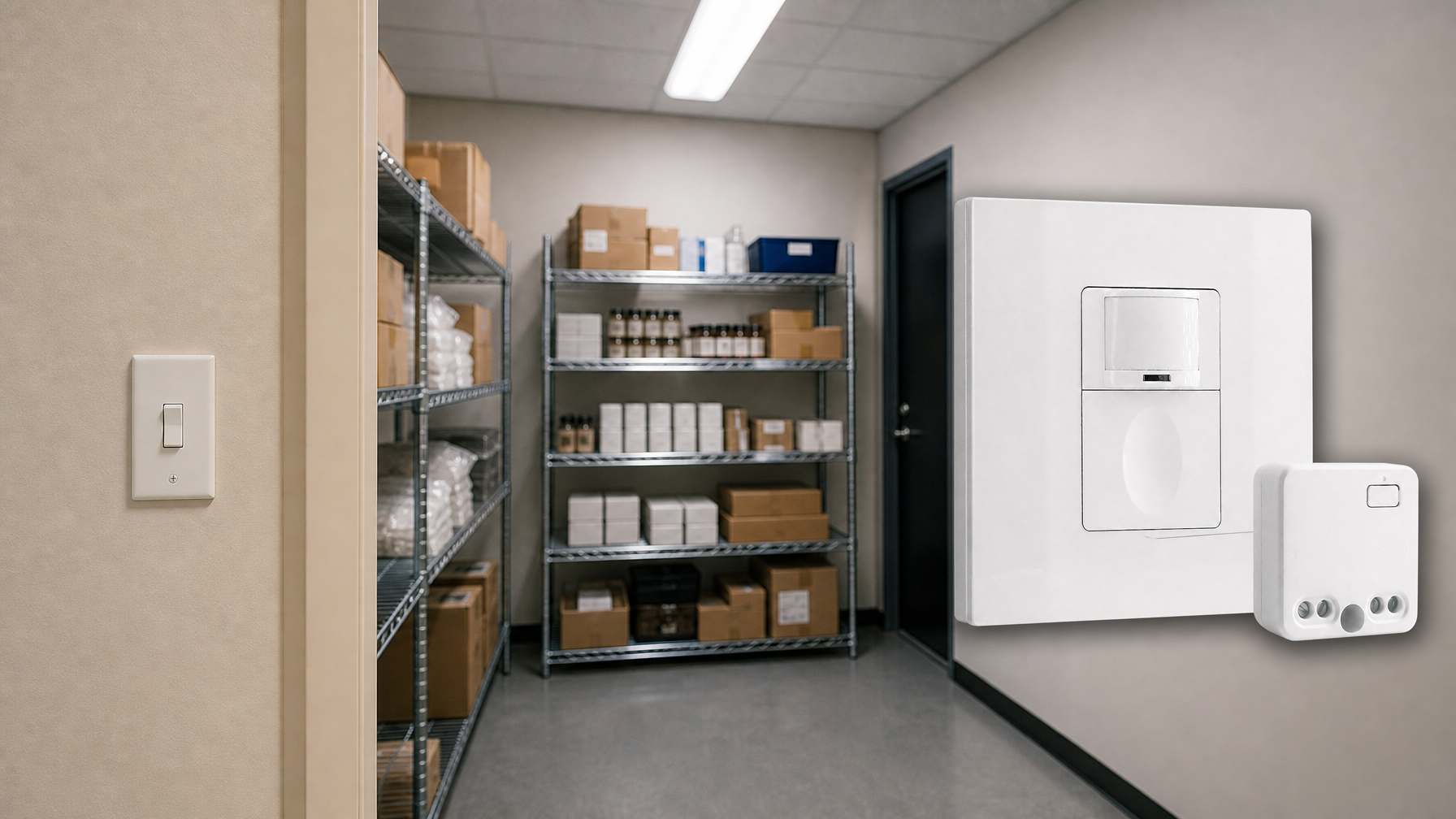
احصل على الإلهام من محفظة منتجات مستشعرات الحركة Rayzeek.
لم تجد ما تبحث عنه؟ لا تقلق، فهناك دائمًا طرق بديلة لحل مشكلاتك. ربما تكون إحدى محافظ منتجاتنا هي الحل المناسب.
Central air conditioning systems are designed to cool entire buildings using a network of ducts. They feature a single outdoor unit and a central indoor unit connected to ductwork, providing even cooling distribution and the ability to cool large spaces effectively.
Ductless mini-splits are similar to split systems but eliminate the need for ductwork. They have multiple indoor units connected to a single outdoor unit, offering individual zone control and simplifying installation in existing buildings.
Portable air conditioners are self-contained, movable units. They are often used for temporary or supplemental cooling and offer the advantages of portability and no permanent installation.
Air Conditioners as Thermal Systems: A Clear Connection
So, do air conditioners qualify as thermal systems? Absolutely! They transfer heat from one location (indoors) to another (outdoors) and rely on the principles of thermodynamics, specifically the refrigeration cycle. The refrigeration cycle is a practical application of the fundamental laws of thermodynamics.
Thermodynamic Principles in Air Conditioning: A Deeper Dive
Let’s explore the thermodynamic principles that govern the operation of air conditioners:
The First Law: Energy Conservation
The First Law of Thermodynamics, also known as the law of energy conservation, states that energy cannot be created or destroyed, only transferred or changed in form. In an air conditioner, the electrical energy supplied to the compressor is converted into work performed on the refrigerant. This energy is ultimately transferred as heat to the outdoor environment. The energy balance can be expressed as: Electrical Energy Input equals Heat Rejected to Outdoors minus Heat Absorbed from Indoors.
The Second Law: Entropy and the Flow of Heat
The Second Law of Thermodynamics dictates that the entropy of an isolated system always increases over time. In simpler terms, heat cannot spontaneously flow from a colder body to a hotter one. Air conditioners use work (provided by the compressor) to move heat from a colder space (indoors) to a hotter space (outdoors), a process that aligns with the Second Law. The refrigeration cycle is carefully designed to minimize entropy generation, thereby maximizing efficiency.
Entropy: A Measure of Disorder
Entropy is a measure of disorder or randomness within a system. The Second Law states that the total entropy of a system and its surroundings must always increase for any real process. In an air conditioner, the refrigerant’s entropy decreases as it releases heat in the condenser. However, the entropy of the surroundings increases by a larger amount, resulting in a net increase in overall entropy.
Analyzing the Compressor’s Performance
A compressor’s performance is often analyzed using its isentropic efficiency, which compares the actual work input to the ideal (isentropic) work input for the same pressure ratio. Well-designed compressors typically have isentropic efficiencies between 70-85%. The actual work input can be determined by dividing the isentropic work by the isentropic efficiency. Compressor performance curves, provided by manufacturers, illustrate the relationship between pressure ratio, mass flow rate, and power consumption.
Analyzing the Condenser’s Heat Transfer
The condenser’s heat transfer effectiveness can be analyzed using the Number of Transfer Units (NTU) method. NTU is a dimensionless parameter that represents the heat transfer size of the heat exchanger. The effectiveness of the condenser can be calculated using equations specific to the heat exchanger’s geometry. For instance, a simple counterflow heat exchanger’s effectiveness can be approximated as 1 minus the exponential of negative NTU. Higher effectiveness translates to better heat transfer and improved system efficiency.
Analyzing the Evaporator’s Performance
Similar to the condenser, the evaporator’s performance can also be analyzed using the NTU method. Factors like airflow rate, refrigerant flow rate, and heat exchanger design influence the evaporator’s effectiveness. Optimizing evaporator design can enhance heat transfer and reduce the temperature difference between the refrigerant and the indoor air, leading to better overall system performance.
Analyzing the Expansion Valve’s Role
The expansion valve’s performance is characterized by its ability to maintain a constant superheat at the evaporator outlet. Superheat is the difference between the refrigerant’s actual temperature and its saturation temperature at the evaporator pressure. Proper superheat control ensures that the evaporator is fully utilized and that no liquid refrigerant enters the compressor, which could cause damage. Thermostatic expansion valves (TXVs) use a feedback mechanism to adjust refrigerant flow and maintain a constant superheat.
Heat Transfer in Air Conditioners: A Closer Look
Heat transfer is a fundamental aspect of air conditioning. Let’s examine the three modes of heat transfer involved:
هل تبحث عن حلول لتوفير الطاقة تعمل بالحركة؟
تواصل معنا للحصول على أجهزة استشعار الحركة PIR بالكامل، والمنتجات الموفرة للطاقة والتي تعمل بالحركة، ومفاتيح أجهزة استشعار الحركة، والحلول التجارية للإشغال/الشاغر.
Conduction: Heat Transfer Through Direct Contact
Conduction is the transfer of heat through direct contact between molecules. In air conditioners, conduction occurs within the refrigerant, the metal walls of the tubing, and the fins of the heat exchangers. The rate of heat conduction is governed by Fourier’s Law, which relates the heat transfer rate to the material’s thermal conductivity, the cross-sectional area, and the temperature gradient.
Convection: Heat Transfer Through Fluid Motion
Convection is the transfer of heat through the movement of fluids (liquids or gases). In air conditioners, convection occurs between the refrigerant and the inner walls of the tubing, and between the air and the outer surfaces of the heat exchangers. Forced convection, driven by fans or pumps, significantly enhances heat transfer rates. Newton’s Law of Cooling describes the rate of heat convection, relating it to the convective heat transfer coefficient, the surface area, and the temperature difference between the surface and the fluid.
Radiation: Heat Transfer Through Electromagnetic Waves
Radiation is the transfer of heat through electromagnetic waves. While less prominent than conduction and convection in typical air conditioning operation, radiation can still play a role, particularly in the condenser. The condenser can radiate heat to the surrounding environment, especially if exposed to direct sunlight. The Stefan-Boltzmann Law governs the rate of heat radiation, relating it to the surface’s emissivity, the Stefan-Boltzmann constant, the surface area, and the absolute temperatures of the radiating surface and the surroundings.
Air Conditioner Efficiency and Performance Metrics: Understanding the Ratings
Several metrics are used to evaluate the efficiency and performance of air conditioners:
SEER (Seasonal Energy Efficiency Ratio)
SEER measures an air conditioner’s cooling output over a typical cooling season, divided by the total electric energy input during the same period. Higher SEER ratings signify greater energy efficiency. SEER is determined through standardized testing procedures that simulate a range of operating conditions.
EER (Energy Efficiency Ratio)
EER measures an air conditioner’s cooling output at a specific operating condition (95°F outdoor temperature, 80°F indoor temperature, and 50% relative humidity), divided by the electric power input at that condition. Higher EER ratings indicate better efficiency at that specific condition.
Coefficient of Performance (COP)
COP measures the efficiency of a heat pump or refrigeration system. It is the ratio of the desired output (heating or cooling) to the required work input. For cooling, COP is the Cooling Output divided by the Work Input. For heating, COP is the Heating Output divided by the Work Input. Higher COP values indicate greater efficiency.
Energy Efficiency Ratio (EER) – A Specific Type of COP
EER is a specific type of COP that applies to cooling systems. It is calculated as the cooling output (in Btu/h) divided by the power input (in watts) at a specific operating condition.
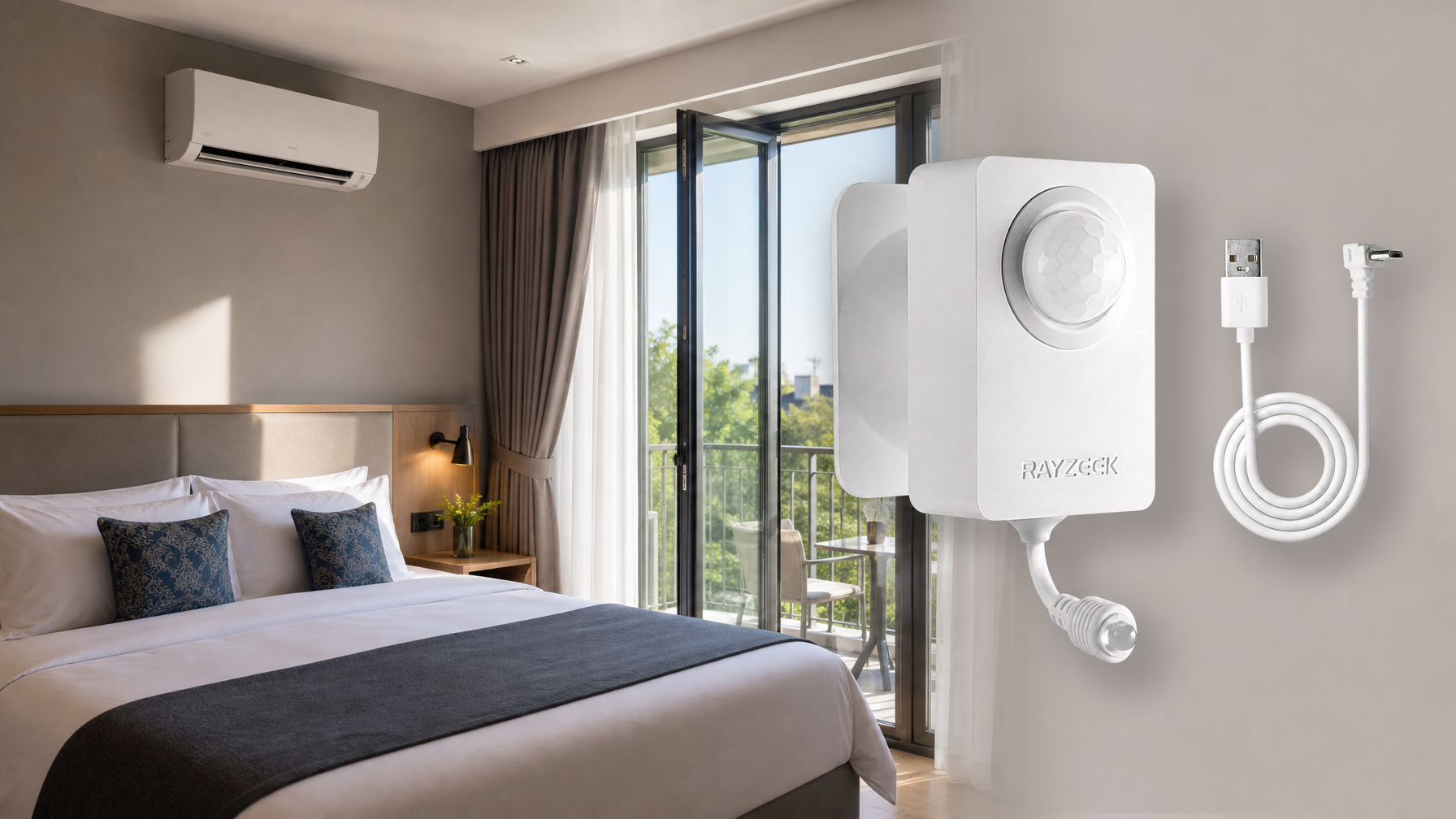
While SEER and EER ratings provide valuable insights into an air conditioner’s efficiency, real-world energy consumption often depends on usage patterns. For instance, leaving the AC running in an empty room drastically reduces its effective efficiency. The Rayzeek RZ050 Air Conditioner Motion Sensor addresses this issue directly by automating the AC’s operation based on occupancy.

Rayzeek RZ050: Maximize Your AC’s Efficiency
Intelligently automates your AC to boost its effective SEER and EER ratings.
- Reduces energy bills by up to 50% by turning off the AC in unoccupied rooms.
- Night mode ensures uninterrupted sleep while still saving energy during the day.
- Helps you achieve optimal energy efficiency beyond the standard ratings.
Is an Air Conditioner a Closed or Open Thermal System?
An air conditioner can be considered a closed thermal system concerning the refrigerant. The refrigerant remains contained within a sealed loop, never mixing with the external environment. However, the air conditioner itself is part of a larger open system, as it exchanges energy (heat) with both the indoor and outdoor environments. It takes in electrical energy and interacts with the air in the room, which is not a closed system.
Advanced Concepts in Air Conditioning Thermodynamics
Let’s explore some more advanced concepts:
Psychrometrics: Understanding Moist Air
Psychrometrics is the study of the thermodynamic properties of moist air. It’s crucial for understanding and designing air conditioning systems. Key psychrometric properties include dry-bulb temperature, wet-bulb temperature, relative humidity, humidity ratio, and enthalpy. Psychrometric charts are graphical tools used to visualize and analyze these properties. Air conditioners not only cool the air but also affect its humidity, making psychrometrics essential for proper system design and operation.
Enthalpy: The Total Heat Content
Enthalpy is a thermodynamic property that represents the total heat content of a system. In air conditioning, enthalpy quantifies the heat content of the refrigerant and the moist air. The change in the refrigerant’s enthalpy during evaporation and condensation determines the system’s cooling capacity. The enthalpy of moist air depends on its temperature and humidity ratio. Enthalpy calculations are essential for determining the cooling load and sizing air conditioning equipment.
Real-World Air Conditioner System Design and Optimization: Beyond the Basics
Designing an efficient air conditioning system involves considering various factors, including:
قد تكون مهتمًا بـ
- الجهد الكهربائي: بطاريتان AAA
- وضع النهار/الليل
- التأخير الزمني: 15 دقيقة، 30 دقيقة، ساعة واحدة (افتراضي)، ساعتان
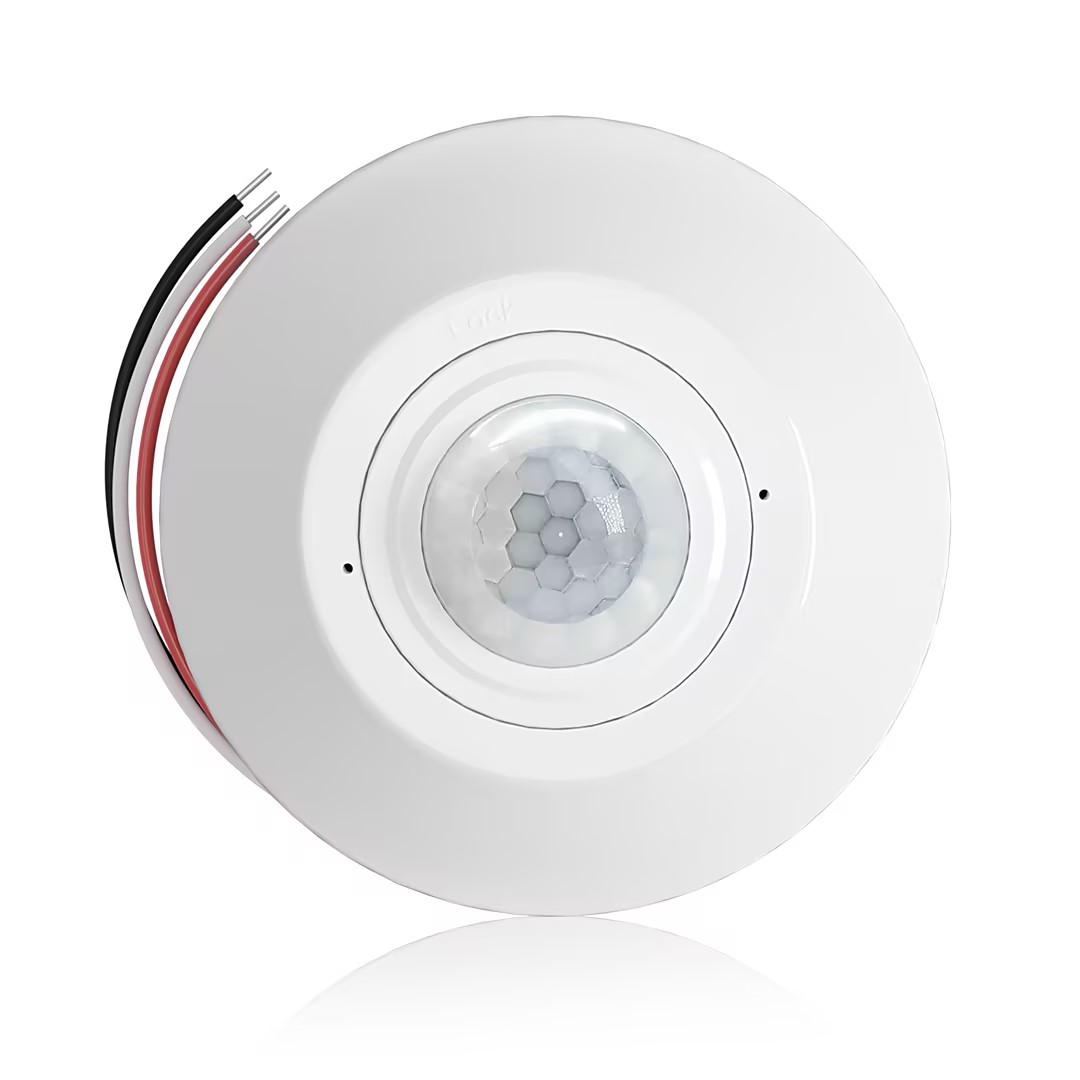
- مستشعر إشغال PIR للسقف مع مخرج مرحل اتصال جاف
- مصدر إمداد بالطاقة منخفض الجهد 12/24VDC أو 12/24VAC
- ملامسات مرحل معزولة (COM وNO وNC) لمدخلات التحكم في أنظمة إدارة الطاقة (EMS) والتدفئة والتهوية وتكييف الهواء (HVAC) وإدارة المباني
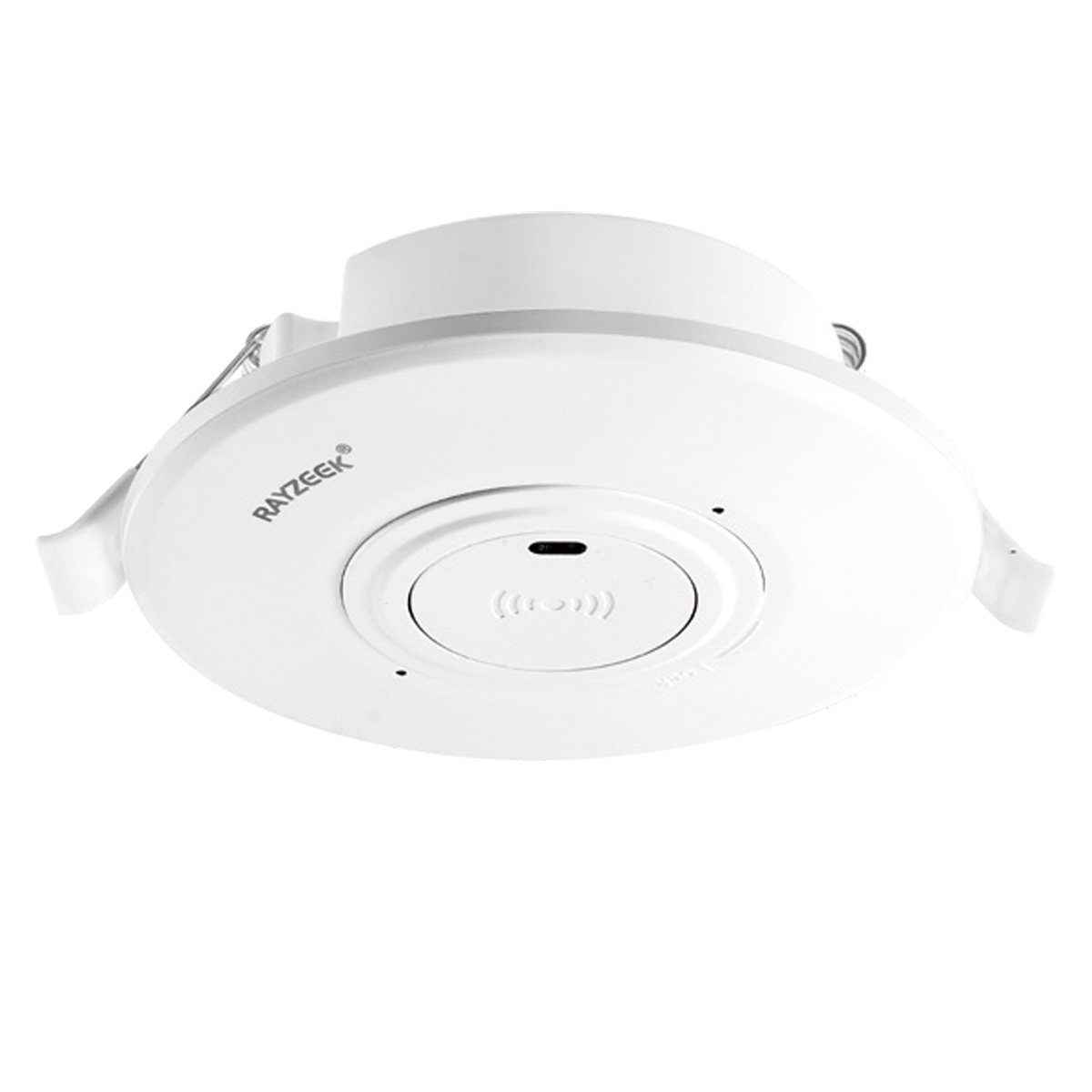
- مفتاح مستشعر الحركة بالموجات الدقيقة بجهد منخفض من التيار المستمر (DC) للتركيب الغاطس في السقف
- دخل 12 VDC / 24 VDC مع نطاق من 10 إلى 30 VDC
- تيار تشغيل أقصى 10A مع تأخير زمني قابل للتعديل، وعتبة إضاءة (Lux)، وحساسية قابلة للضبط
- مفتاح مستشعر الحركة بالموجات الدقيقة للأحمال العالية للتركيب الغاطس في السقف
- دخل جهد الخط 100-265 VAC، طراز 10A
- استشعار بالموجات الدقيقة بتردد 5.8 GHz مع تأخير زمني قابل للتعديل، وعتبة إضاءة (Lux)، وحساسية قابلة للضبط
- مفتاح مستشعر الحركة بالموجات الدقيقة للتركيب الغاطس في السقف
- دخل جهد الخط 100-265 VAC، طراز 5A
- استشعار بالموجات الدقيقة بتردد 5.8 GHz مع تأخير زمني قابل للتعديل، وعتبة إضاءة (Lux)، وحساسية قابلة للضبط
- خافض إضاءة بمستشعر الإشغال RZ037 PIR للتركيب السقفي بقدرة جهد 220V
- تيار تشغيل أقصى 3A مع حمل مقدر يبلغ 660W
- زر LUX للتحكم في تشغيل/إيقاف مستشعر الضوء ومستوى سطوع خفت الإضاءة المحدد من قبل المستخدم
- خافض إضاءة بمستشعر الإشغال RZ037 PIR للتركيب السقفي بقدرة جهد 110V
- تيار تشغيل أقصى 3A مع حمل مقدر يبلغ 330W
- زر LUX للتحكم في تشغيل/إيقاف مستشعر الضوء ومستوى سطوع خفت الإضاءة المحدد من قبل المستخدم
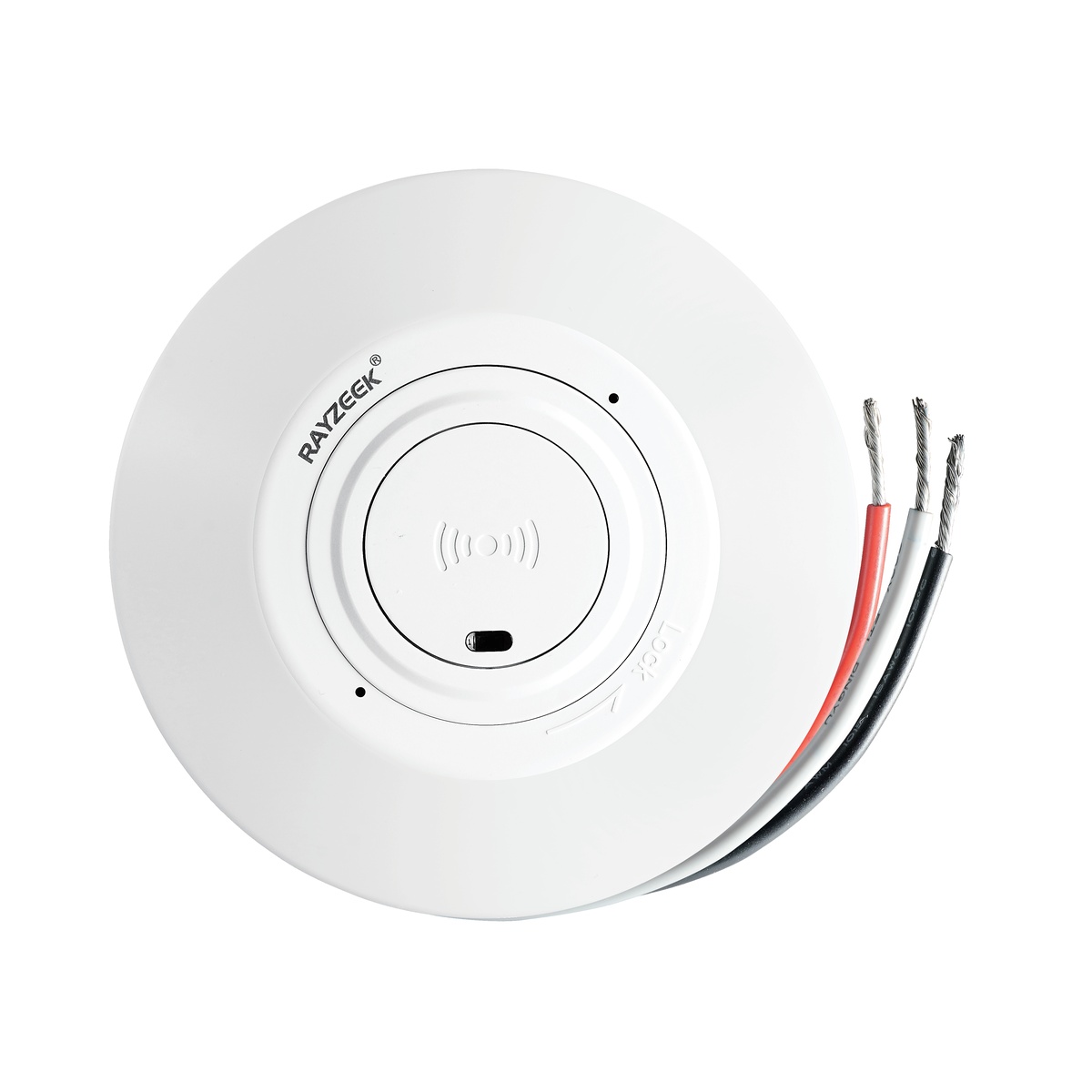
- مفتاح مستشعر حركة ميكروويف لسقف، يعمل بالتيار المستمر منخفض الجهد
- دخل 12 VDC / 24 VDC مع نطاق من 10 إلى 30 VDC
- تيار تشغيل أقصى 10A مع تأخير زمني قابل للتعديل، وعتبة إضاءة (Lux)، وحساسية قابلة للضبط
- مفتاح مستشعر حركة ميكروويف لسقف ذو حمل أعلى
- دخل جهد الخط 100-265 VAC، طراز 10A
- استشعار بالموجات الدقيقة بتردد 5.8 GHz مع تأخير زمني قابل للتعديل، وعتبة إضاءة (Lux)، وحساسية قابلة للضبط
- مفتاح مستشعر حركة ميكروويف لسقف
- دخل جهد الخط 100-265 VAC، طراز 5A
- استشعار بالموجات الدقيقة بتردد 5.8 GHz مع تأخير زمني قابل للتعديل، وعتبة إضاءة (Lux)، وحساسية قابلة للضبط
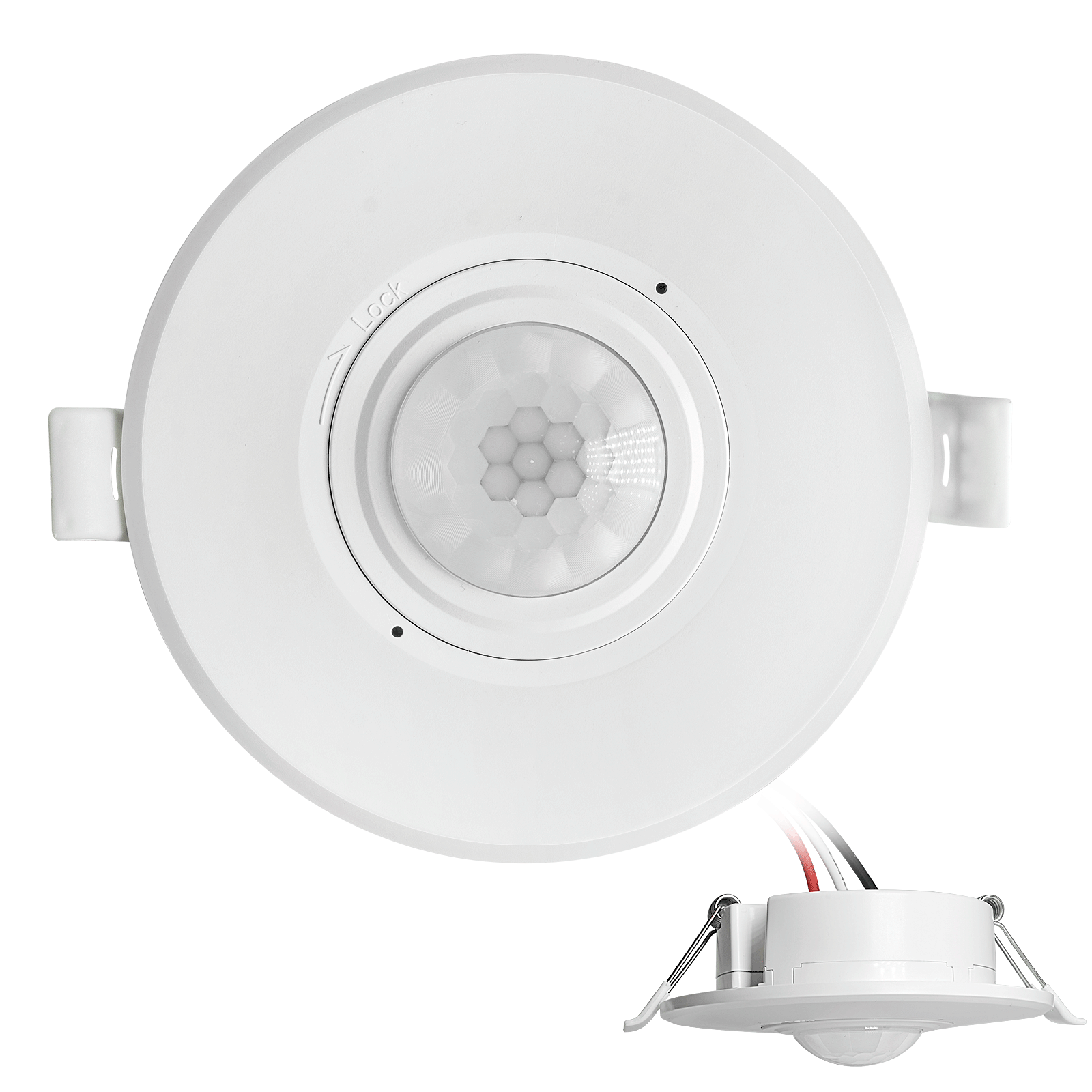
- مفتاح حساس الحركة للأشعة تحت الحمراء PIR المدمج للسقف يعمل بالتيار المستمر منخفض الجهد
- دخل 12 VDC / 24 VDC مع نطاق من 10 إلى 30 VDC
- أقصى تيار تشغيل 10A مع تأخير زمني قابل للتعديل وعتبة إضاءة (Lux) وحساسية قابلتين للتعديل
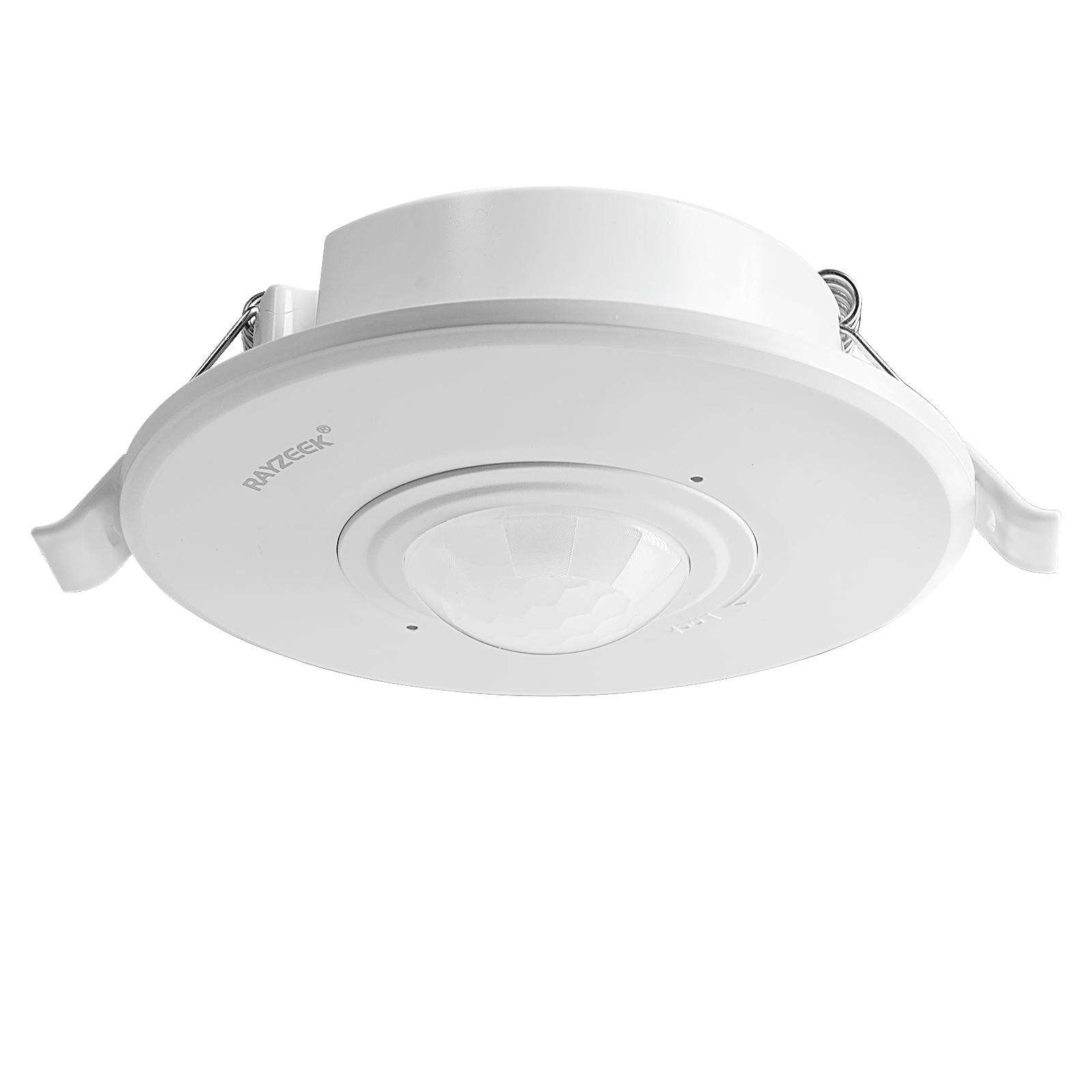
- مفتاح حساس الحركة للأشعة تحت الحمراء PIR المدمج للسقف للأحمال العالية
- دخل جهد الخط 100-265 VAC، طراز 10A
- كشف بزاوية 360 درجة مع تأخير زمني قابل للتعديل وعتبة إضاءة (Lux) وحساسية قابلتين للتعديل
- مفتاح حساس الحركة للأشعة تحت الحمراء PIR المدمج للسقف
- دخل جهد الخط 100-265 VAC، طراز 5A
- كشف بزاوية 360 درجة مع تأخير زمني قابل للتعديل وعتبة إضاءة (Lux) وحساسية قابلتين للتعديل
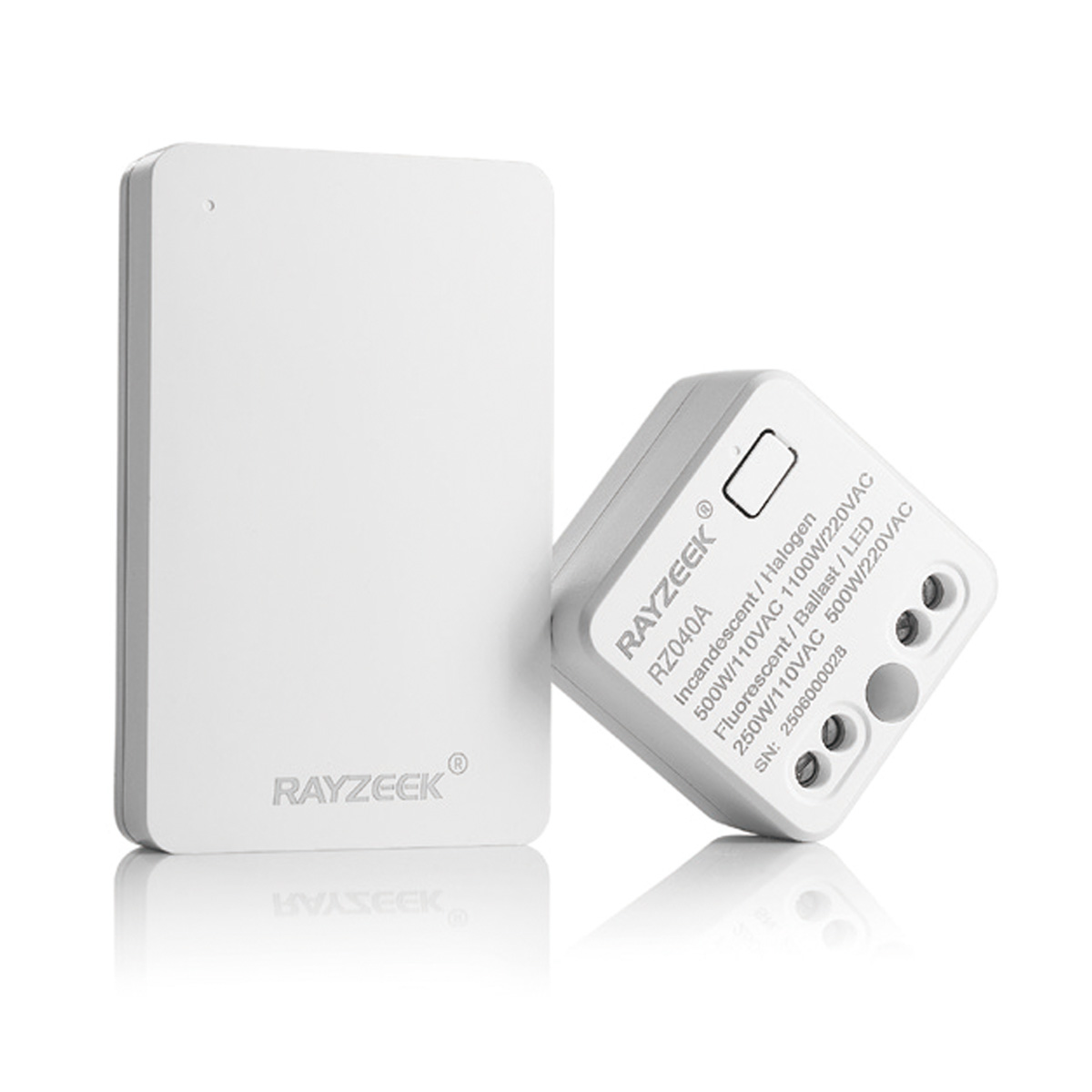
- طقم مفتاح ومستقبل لاسلكي للتحكم في تشغيل وإيقاف الإضاءة الداخلية
- مستقبل 100-230VAC، 50/60Hz بتيار مقدر 5A
- مفتاح لاسلكي يعمل ببطارية CR2032 مع اتصال بتردد 2.4GHz
- مستشعر شغور (تشغيل تلقائي/إيقاف تلقائي)
- 12–24V DC (10–30VDC)، حتى 10A
- تغطية 360 درجة، بقطر 8–12 م
- تأخير زمني من 15 ثانية إلى 30 دقيقة
- مستشعر إضاءة: إيقاف/15/25/35 لوكس
- حساسية عالية/منخفضة
- وضع الشغور بتشغيل تلقائي/إيقاف تلقائي
- 100–265V AC، 10A (يتطلب خط محايد)
- تغطية 360 درجة؛ قطر الكشف 8–12 م
- تأخير زمني من 15 ثانية إلى 30 دقيقة؛ شدة الإضاءة: إيقاف/15/25/35 لوكس؛ الحساسية: عالية/منخفضة
- وضع الشغور بتشغيل تلقائي/إيقاف تلقائي
- 100–265V AC, 5A (neutral required)
- تغطية 360 درجة؛ قطر الكشف 8–12 م
- تأخير زمني من 15 ثانية إلى 30 دقيقة؛ شدة الإضاءة: إيقاف/15/25/35 لوكس؛ الحساسية: عالية/منخفضة
- Climate: Understanding the outdoor temperature and humidity variations throughout the year is crucial for selecting the right system.
- Building Load: Accurately estimating the amount of heat that needs to be removed from the building is essential. This depends on factors like insulation, occupancy, and internal heat gains.
- Control Strategies: Employing advanced control systems, such as variable refrigerant flow (VRF) or variable-speed compressors, can optimize performance under varying loads.
Optimization Techniques for Maximum Efficiency
Optimization techniques can be used to minimize energy consumption while maintaining desired comfort levels. This may involve using simulation software to model system performance under different operating conditions. Life-cycle cost analysis can help evaluate the long-term economic and environmental impact of different design choices.
Thermodynamic Limitations: The Boundaries of Efficiency
- The Carnot cycle represents the theoretical upper limit of efficiency for any heat engine or refrigeration cycle operating between two temperatures.
- Real-world air conditioners have efficiencies significantly lower than the Carnot efficiency due to irreversibilities in the compression process, heat transfer limitations, and other factors.
The Future of Air Conditioning: Pushing the Boundaries
Current research is focused on developing new refrigerants with lower global warming potential and exploring alternative cooling technologies that can overcome the limitations of the conventional vapor-compression cycle.
One promising area is the development of more sophisticated control algorithms that can dynamically adjust system operation based on real-time weather data, occupancy patterns, and energy prices. This could lead to significant energy savings and improved comfort.
Another area of interest is the integration of thermal storage technologies with air conditioning systems. This could allow for shifting cooling loads to off-peak hours, reducing electricity costs and grid strain.