


Bewegingssensoren

Home » Bewegingssensoren

Bewegingssensoren

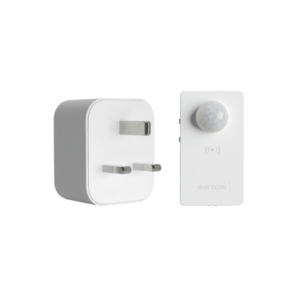
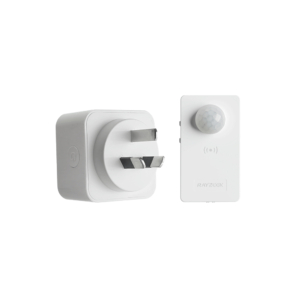
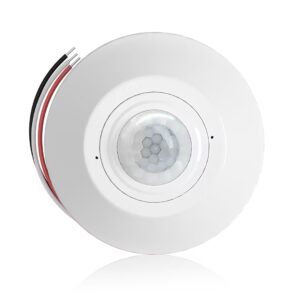
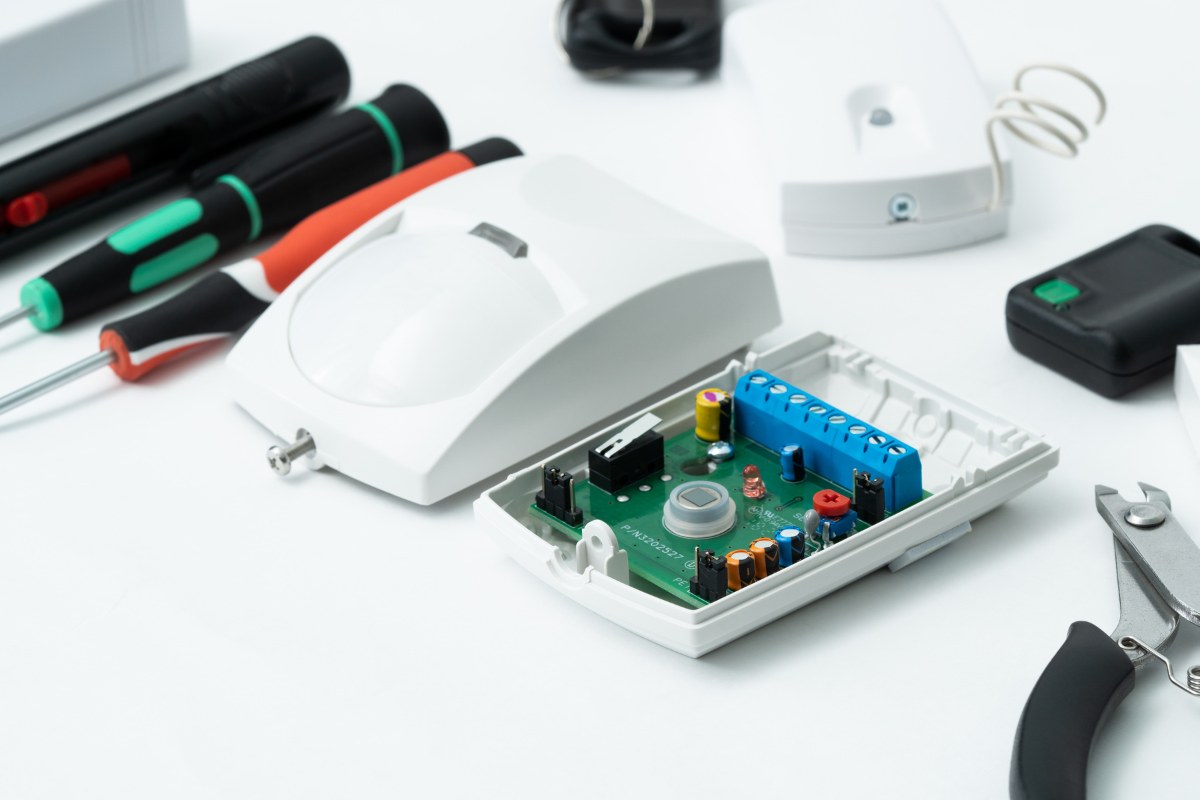
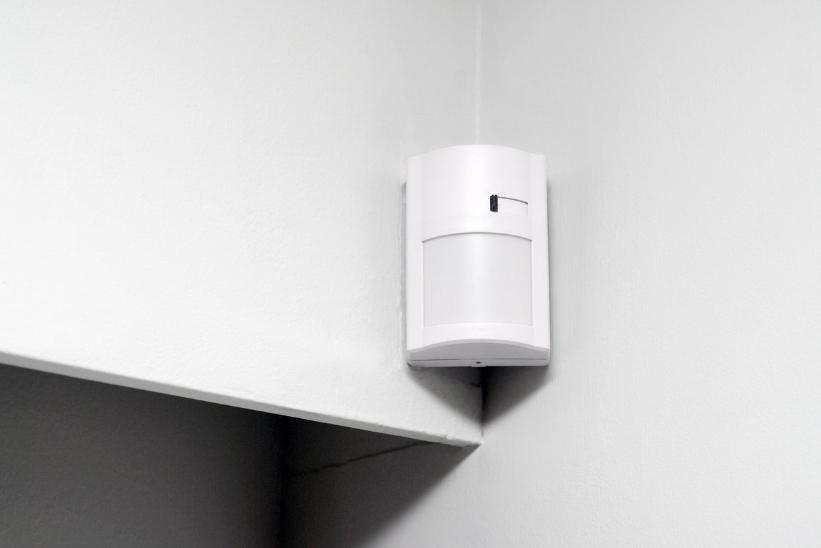
Ervaar het gemak en de veiligheid van onze bewegingssensoren. De bewegingssensoren van Rayzeek zijn ontworpen om beweging in een ruimte te detecteren en een actie in werking te stellen, zoals het inschakelen van verlichting of het activeren van een beveiligingssysteem. Onze sensoren maken gebruik van geavanceerde technologie om valse alarmen te minimaliseren en tegelijkertijd een betrouwbare detectie van personen en grote huisdieren te bieden. Ze zijn ideaal voor zowel binnen- als buitengebruik en kunnen eenvoudig worden geïnstalleerd in woningen, kantoren of industriële omgevingen. Kies de bewegingssensoren van Rayzeek voor een veiligere en energiezuinigere omgeving.

Energie-efficiëntieplan voor commerciële gebouwen

Een compleet energie-efficiëntieplan ontworpen voor uw commerciële project om te voldoen aan de energievoorschriften en te besparen op de elektriciteitsrekening.

Met de draadloze bewegingssensorsets, wand-bewegingsschakelaars, plafond-aanwezigheidssensoren en HVAC-/airconditioningsensoren van Rayzeek

Op maat gemaakte energiebesparende oplossingen

Heeft u behoefte aan op maat gemaakte, innovatieve energiebesparende oplossingen die nog niet op de markt te vinden zijn?

Rayzeek investeert, ontwerpt en produceert continu geavanceerde energiebesparende oplossingen voor toekomstige uitdagingen op het gebied van energie.

Ontdek hoe Rayzeek uw tevredenheid garandeert met onze grondig geteste bewegingssensoren.

Productcategorieën

Ontdek onze bewegingssensoren

Contactloos & energiebesparend

Onze bewegingssensor biedt een contactloze, energiebesparende levensstijl. De sensor regelt de verlichting op basis van gedetecteerde beweging, wat zorgt voor hygiëne en energiebesparing. Ervaar naadloos comfort en duurzaamheid met onze innovatieve technologie.

Flexibiliteit

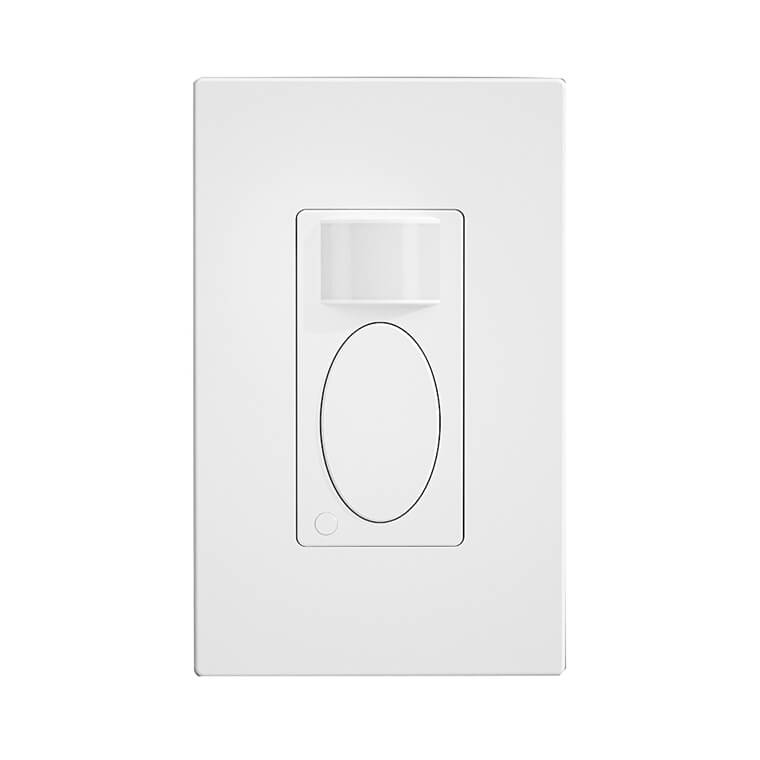
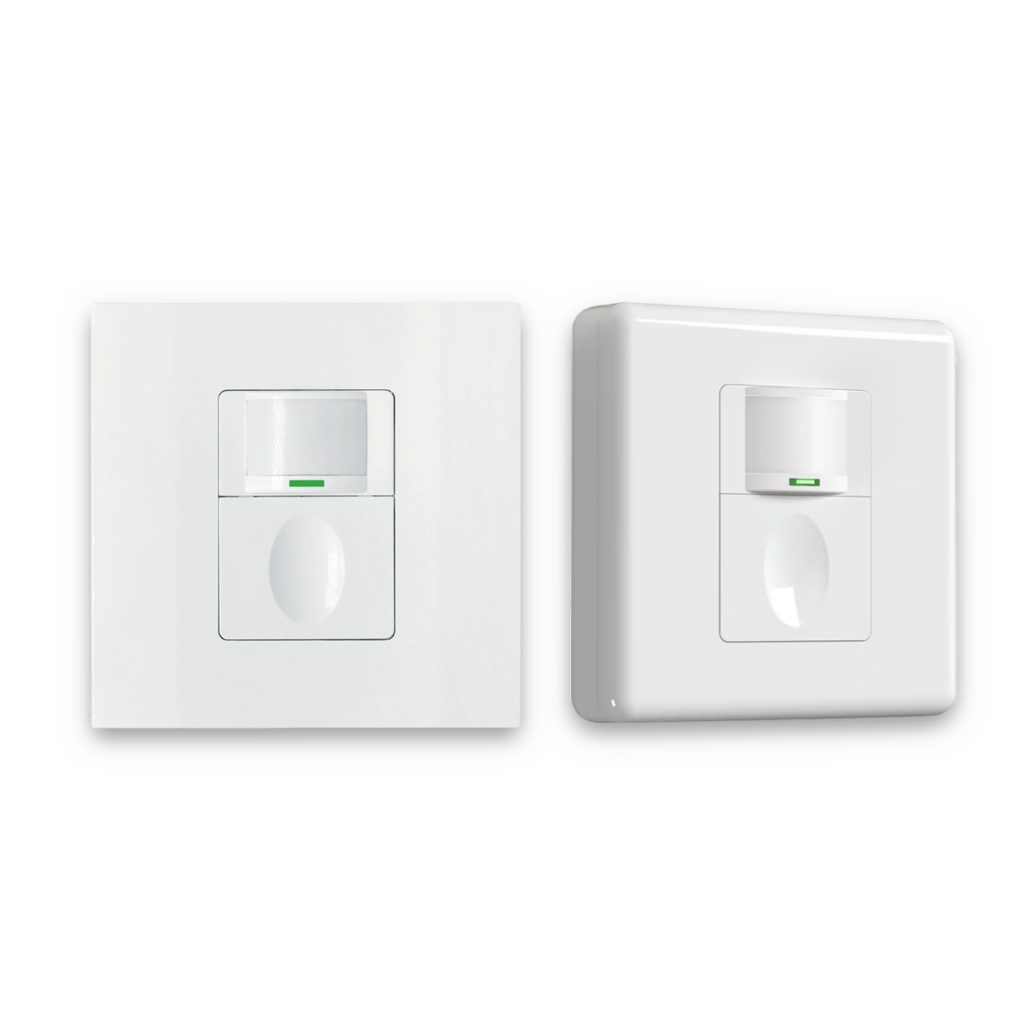
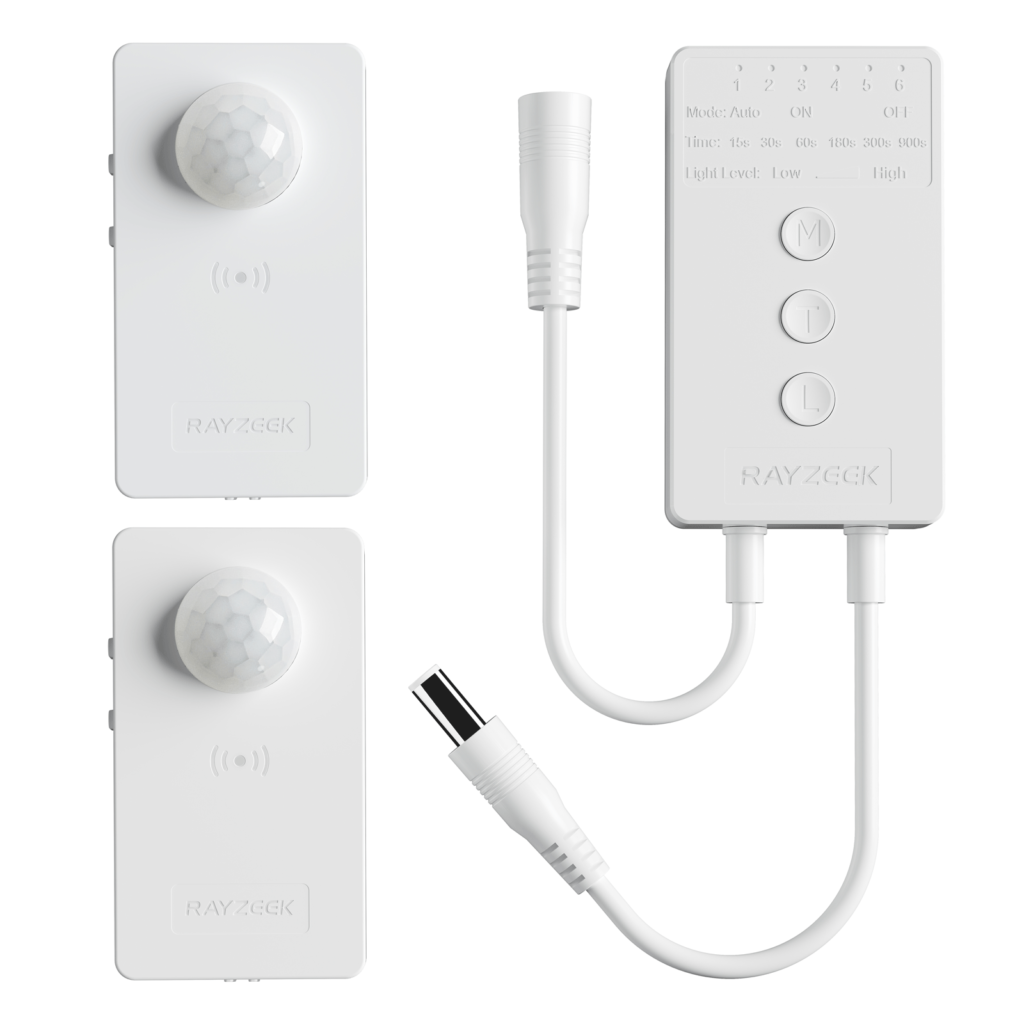
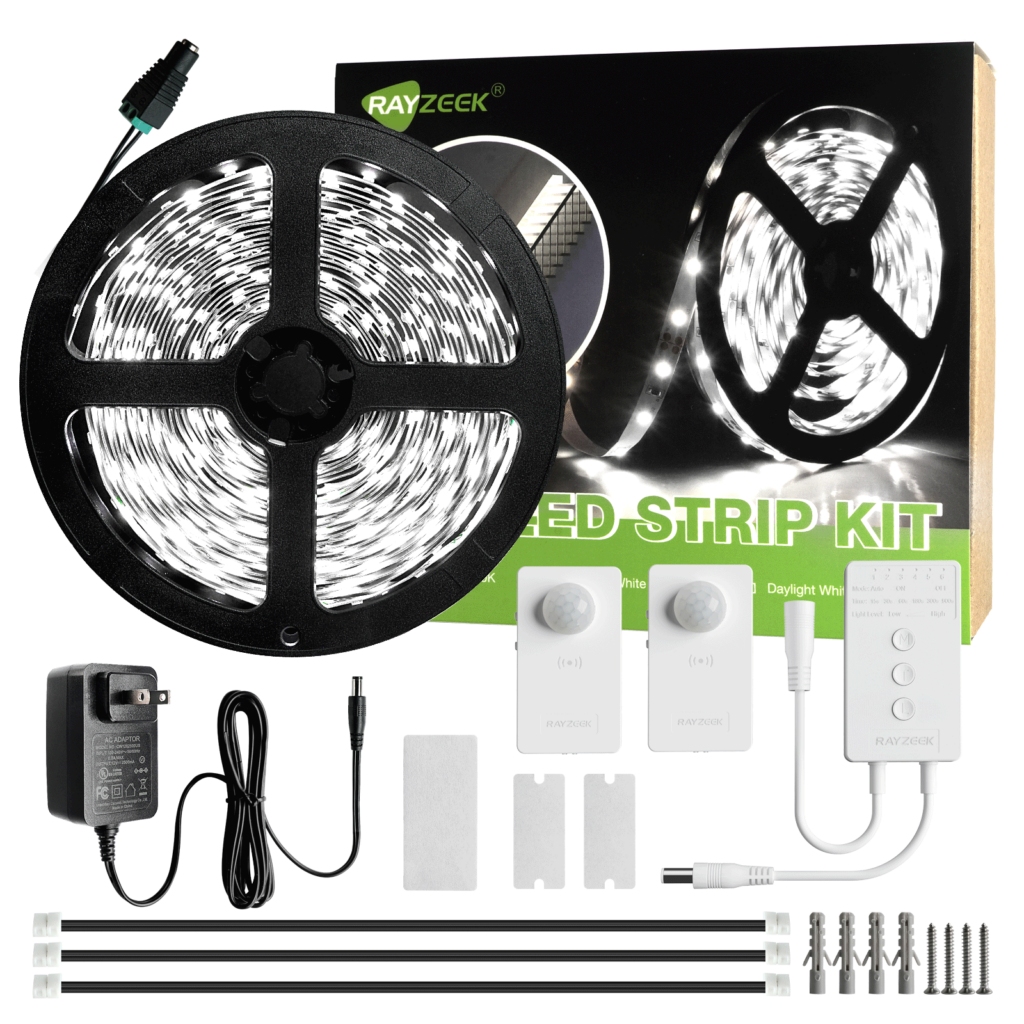
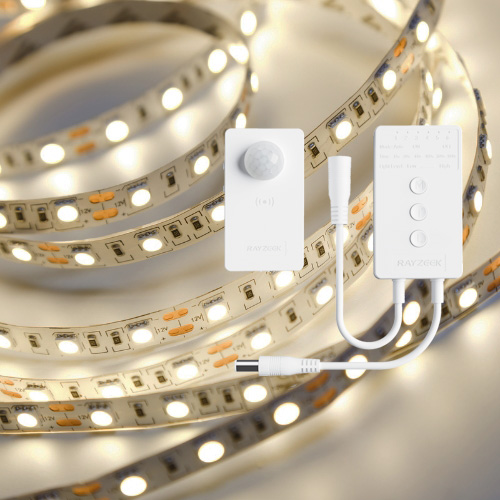
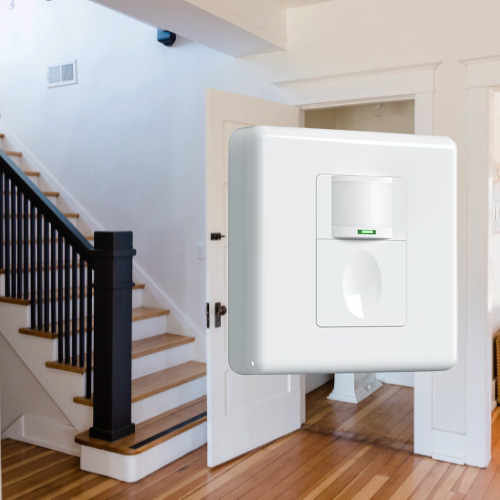
Onze bewegingssensor onderscheidt zich door zijn flexibiliteit. Van compacte in-line sensoren voor ledstrips tot wandschakelaars voor huiseigenaren en sensoren van commerciële kwaliteit: wij bieden voor elk wat wils. Ervaar de veelzijdigheid van ons product, ontworpen om aan uiteenlopende behoeften te voldoen.

Innovatie

Experience the power of Innovation with our motion sensors. We constantly innovate, offering unique models like multilocation, air conditioner, and 2-wire only sensors, setting us apart in a competitive market.

Bewegingssensoren

Resultaat 1–9 van de 67 resultaten wordt getoond

Wat is een bewegingssensor

A motion sensor is a device that detects physical movement in a given area. It can be used to monitor movement in a room, hallway, or other areas where the sensor is placed. It operates by emitting a signal - this could be infrared, ultrasonic, or microwave. When this signal is interrupted by movement, the sensor triggers a response. In the case of your product, this response is to turn on the lights.

These sensors are designed to detect any motion, including that of humans, animals, or other objects. They are often used in conjunction with lighting systems to improve energy efficiency. When the sensor detects motion, it signals the lights to turn on, ensuring that lights are not left on unnecessarily when a room is unoccupied. Conversely, when the sensor no longer detects motion, it will signal the lights to turn off, conserving energy. It's important to note that these motion sensors are distinct from motion detectors used in home security systems, which are designed to trigger an alarm rather than control lighting.

Motion Sensor vs Occupancy Sensor

Motion sensors are designed to detect any movement in their field of view. They respond to moving objects only. These sensors are typically used in security or lighting systems, where the goal is to detect movement such as someone walking by. They use simple resolution components of less coverage area and are more common in homes due to their low price range.

Occupancy sensors, on the other hand, are designed to detect the presence of a person or an animal, whether they are stationary or not. This makes them ideal for applications like lighting control, where the goal is to keep the lights on as long as a room is occupied, regardless of whether there is movement or not. Occupancy detectors use higher resolution components and give more precise readings, making them a bit costlier than motion sensors.

Common Motion Sensor Technogloies

Motion sensors, such as those used in our product line, typically employ one of common technologies: Passive Infrared (PIR), Ultrasonic, Microwave or Dual-Technology.

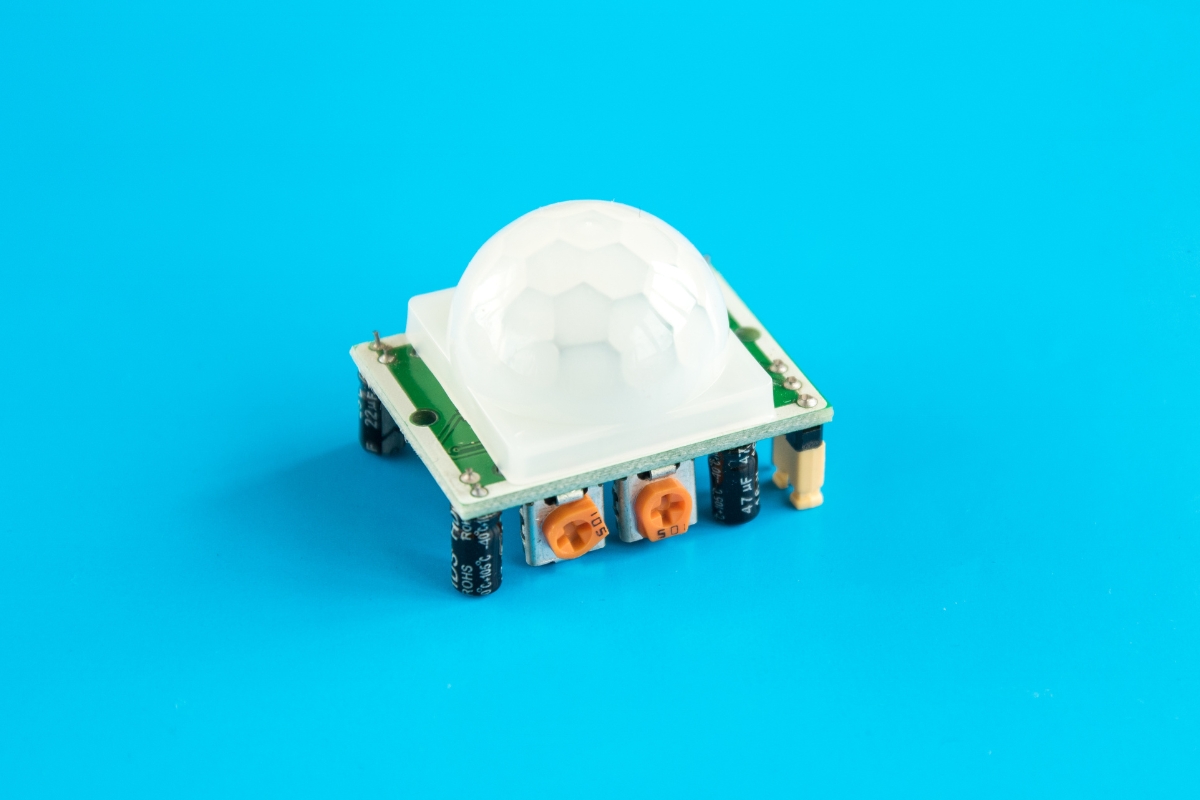
Passive Infrared (PIR) sensors detect changes in heat radiation within the environment. When a warm body like a human or animal passes in the detection area, it detects the change in infrared radiation and triggers the sensor. This technology is energy-efficient as it does not emit energy but only receives it.

Ultrasonic sensors emit ultrasonic waves, and when these waves hit an object, they bounce back to the sensor. The sensor then measures the time it took for the wave to return, allowing it to calculate the distance to the object. If the object moves, the time it takes for the wave to return changes, triggering the sensor.

Microwave sensors work similarly to ultrasonic sensors but use microwave pulses instead of ultrasonic waves. These sensors cover a larger area compared to PIR and Ultrasonic sensors but are more prone to interference and false alarms.

In a dual-technology motion sensor, both the PIR and Ultrasonic sensors must be triggered to set off the light. This significantly reduces the chance of false alarms as both heat movement (from PIR) and physical movement (from Ultrasonic) need to be detected. This makes them ideal for situations where precision is paramount.

Hoe bewegingssensoren werken

Motion sensors work by using a variety of technologies to detect movement in an area. The primary technology used in our motion sensors is Passive Infrared (PIR). The sensor works by detecting the infrared radiation emitted naturally by all objects, especially living beings. When a person or object passes within the field of view of the sensor, it detects the change in infrared radiation. This change triggers the sensor.

Once triggered, the sensor sends a signal to the connected lighting system to turn on the lights. The lights remain on as long as the sensor continues to detect movement. When movement ceases, the sensor stops sending the signal, and this prompts the lighting system to turn off the lights, thereby conserving energy. It's important to note that our motion sensors are designed for energy efficiency and convenience, and not for security purposes. They are ideal for use in various settings, including hallways, restrooms, and offices.

Does Motion Sensor Work Through Glass

Motion sensors, particularly those using Passive Infrared (PIR) technology, generally do not function through glass. PIR sensors detect changes in infrared energy, which is emitted by humans and animals as heat. When a person or animal enters the detection zone of a PIR sensor, it detects this infrared energy and triggers the lights.

However, glass poses a barrier to infrared energy. Modern glass is designed to insulate and prevent heat from passing through, absorbing the infrared energy. Consequently, if a person or animal is behind a pane of glass, the infrared energy will not reach the sensor, and the motion sensor will not be triggered.

There are, however, certain types of motion sensors that can function through glass. For instance, radar motion sensor bulbs use photocell sensors that detect both infrared and visible light. Since light can travel through glass, these types of bulbs can detect movement beyond the glass1. This is because glass does not absorb the visible part of the light spectrum, allowing for motion detection beyond any glass obstacle.

Does Light Trigger Motion Sensors

No, light does not typically trigger motion sensors. Motion sensors, like the ones in our product range, work based on detecting changes in infrared energy. When a person or object moves within the sensor’s field of view, it detects the change in infrared energy and triggers the light to turn on.

Sudden changes in temperature can potentially cause false triggers, as heat also emits infrared energy. For example, the sudden appearance of a warm object against a cool background might trigger the sensor. But under normal circumstances, changes in light levels should not affect the operation of the motion sensors.

Our motion sensors are designed to be highly reliable and minimize false triggers, providing you with a seamless and efficient lighting solution. They are not intended for use in home security systems, but rather to provide convenient, energy-saving automated lighting.

Does Motion Sensor Light Save Energy

Yes, motion sensor lights can significantly contribute to energy savings. They operate by detecting movement within a specific range and automatically turning on the lights. This ensures that lights are only in use when necessary, reducing the amount of wasted energy that occurs when lights are left on in unoccupied spaces.

Moreover, these sensors also automatically turn off the lights after a preset period of inactivity, further conserving energy. This feature is particularly beneficial in spaces that are intermittently occupied, such as hallways, staircases, or restrooms. By automating the process of turning lights on and off based on occupancy, motion sensor lights optimize energy usage and can lead to substantial reductions in electricity bills.

Motion Sensor to Detect Animals

Yes, motion sensors can detect animals. The detection is based on the principle of Passive Infrared (PIR) technology, which senses heat emitted by living beings. When an animal, such as a pet, moves within the sensor's range, the change in heat signatures triggers the sensor.

The sensitivity and range of detection can vary based on the specific model and settings of the motion sensor. Some sensors offer pet-immunity features to avoid false alarms triggered by small animals. These sensors are designed to ignore motion from animals below a certain weight or size, providing a more tailored solution for users with pets.

Commerciële energiebesparingsoplossingen

Kantoorruimte

Ontdek energiebesparende oplossingen voor individuele kantoren met de sensorontwerpgids van Rayzeek. Leer hoe u aan de energievoorschriften voldoet en tegelijkertijd de lichtregeling optimaliseert voor efficiëntie en comfort.

Kantoortuin

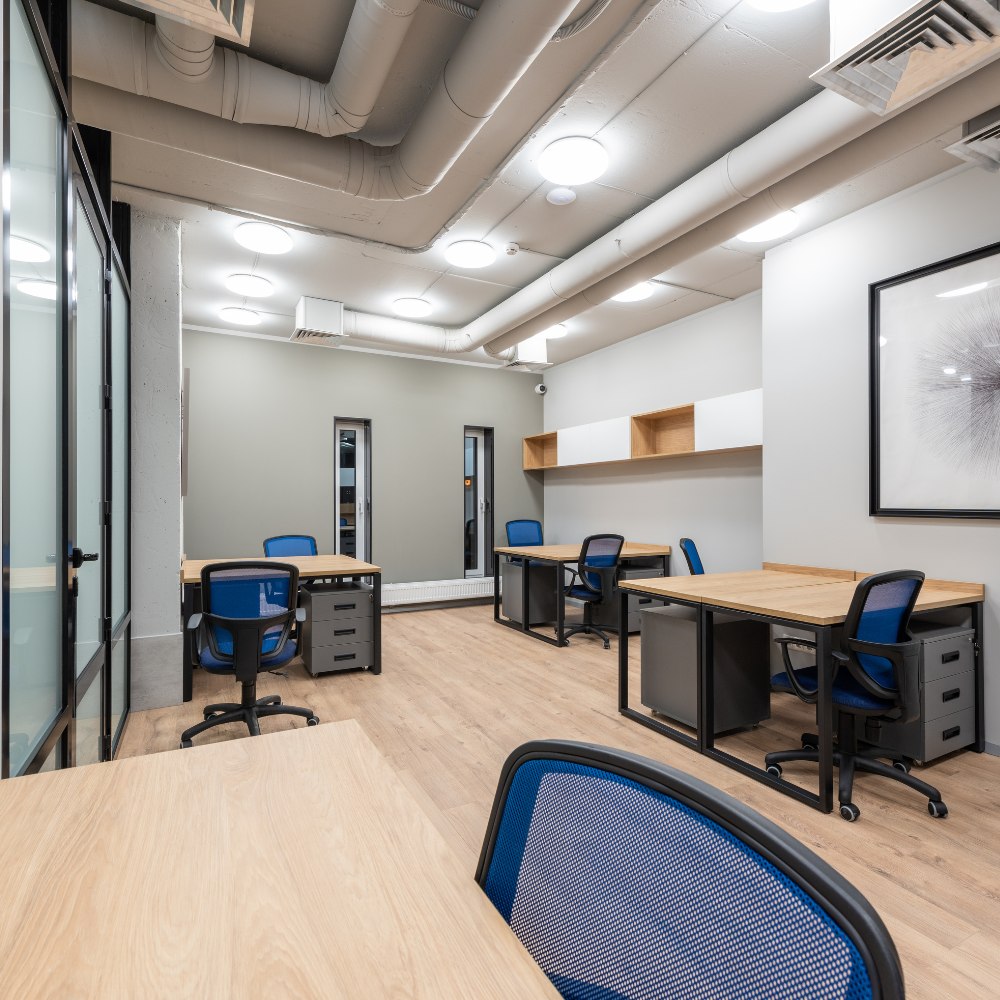
Ontdek de kracht van geautomatiseerde lichtregeling bij het verhogen van de efficiëntie en het verminderen van energieverspilling. Leer hoe u de lichtregeling in uw werkomgeving optimaliseert voor efficiëntie en comfort.

Vergaderruimte

Ontdek het energiebesparingspotentieel van uw vergaderruimte met de aanwezigheidssensorontwerpgids van Rayzeek.

Klaslokaal

Ontdek het energiebesparingspotentieel van klaslokalen met de sensorontwerpgids van Rayzeek. Leer hoe u aan de energievoorschriften voldoet en tegelijkertijd een efficiëntere leeromgeving creëert.

Restaurant

Verken de energiebesparende ontwerpgids voor restaurants, waar efficiënte lichtregeling essentieel is om een verwelkomende sfeer te creëren en tegelijkertijd het energieverbruik te verlagen.

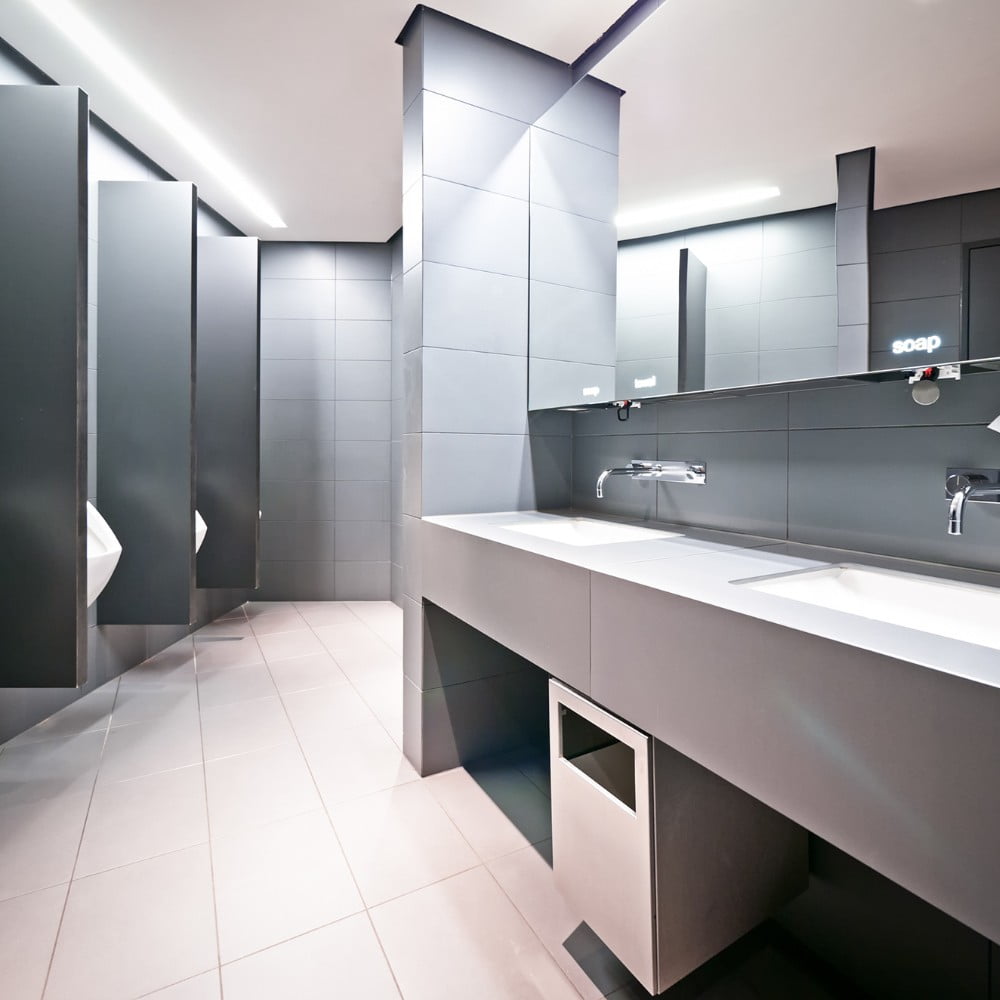
Toiletruimte

Verken onze energiebesparingsgids voor toiletruimtes, ontworpen om u te helpen oplossingen met aanwezigheidssensoren te begrijpen en te implementeren voor een efficiënte lichtregeling in overeenstemming met de Amerikaanse energievoorschriften.

Opslagruimte

Ontdek het energiebesparingspotentieel van opslagruimtes met de aanwezigheidssensorontwerpgids van Rayzeek.

Gang

Ontdek het energiebesparingspotentieel van gangen met de sensorontwerpgids van Rayzeek. Ontdek de kracht van geautomatiseerde lichtregeling in de doorgangsruimtes van uw commerciële gebouw.

Lobby

Ontdek het energiebesparingspotentieel van uw lobby. Leer hoe u aan de energievoorschriften voldoet en energieverspilling vermindert met onze oplossingen op maat.

Meer informatie over bewegingssensoren

Dutch