


Sensor Gerak

Beranda » Sensor Gerak

Sensor Gerak

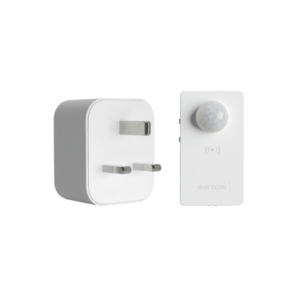
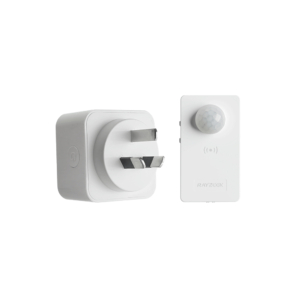
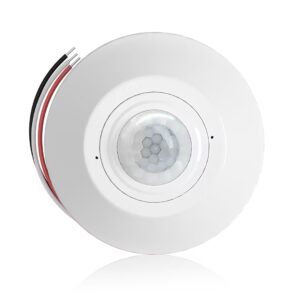
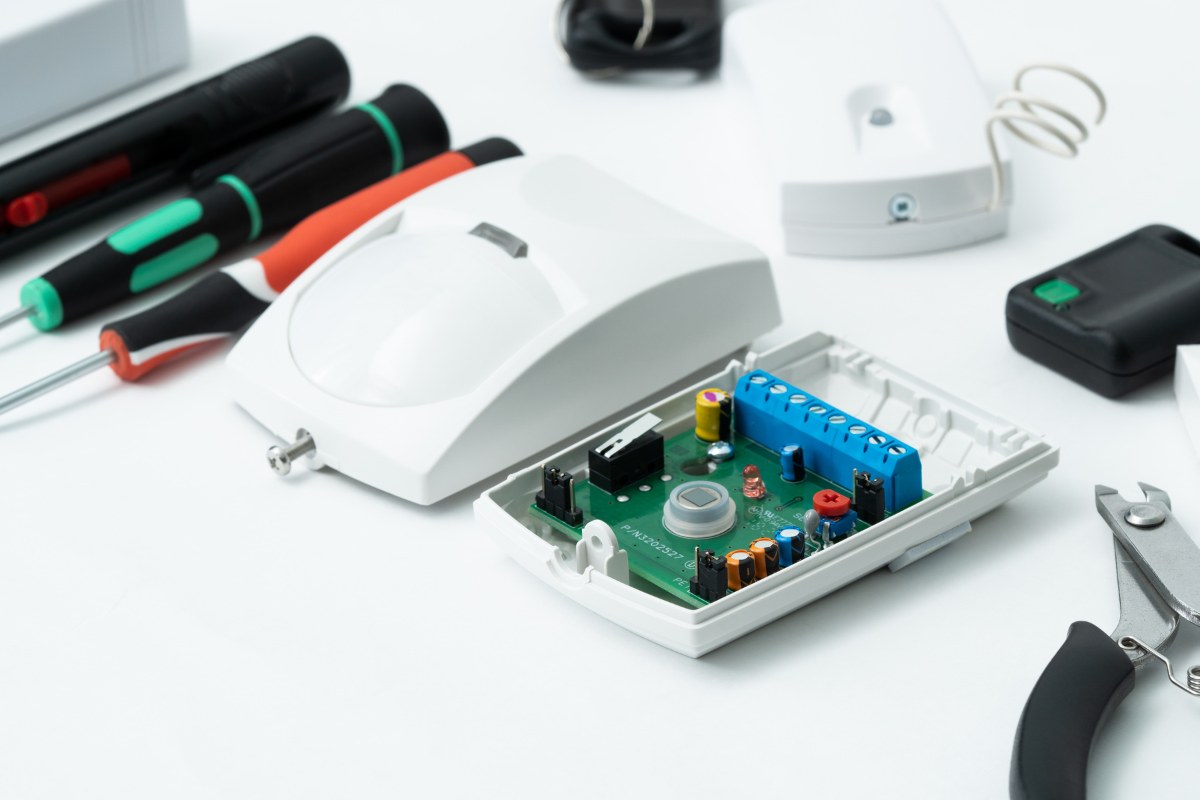
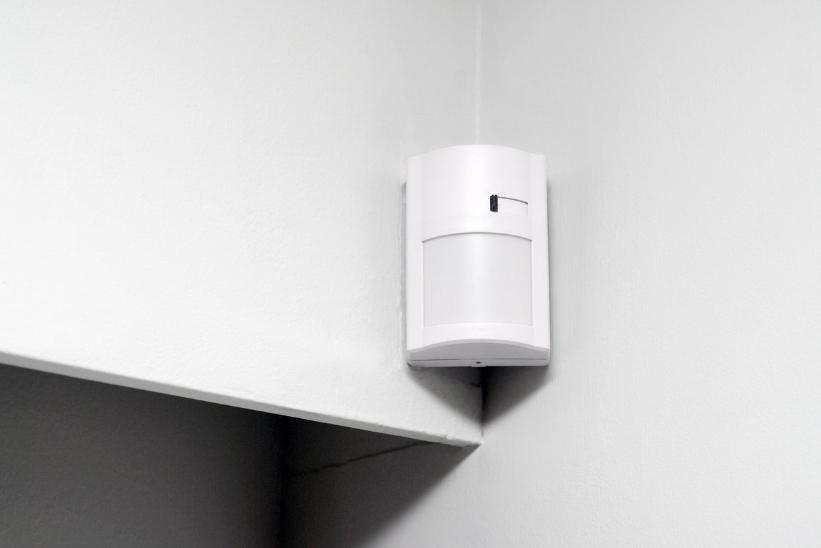
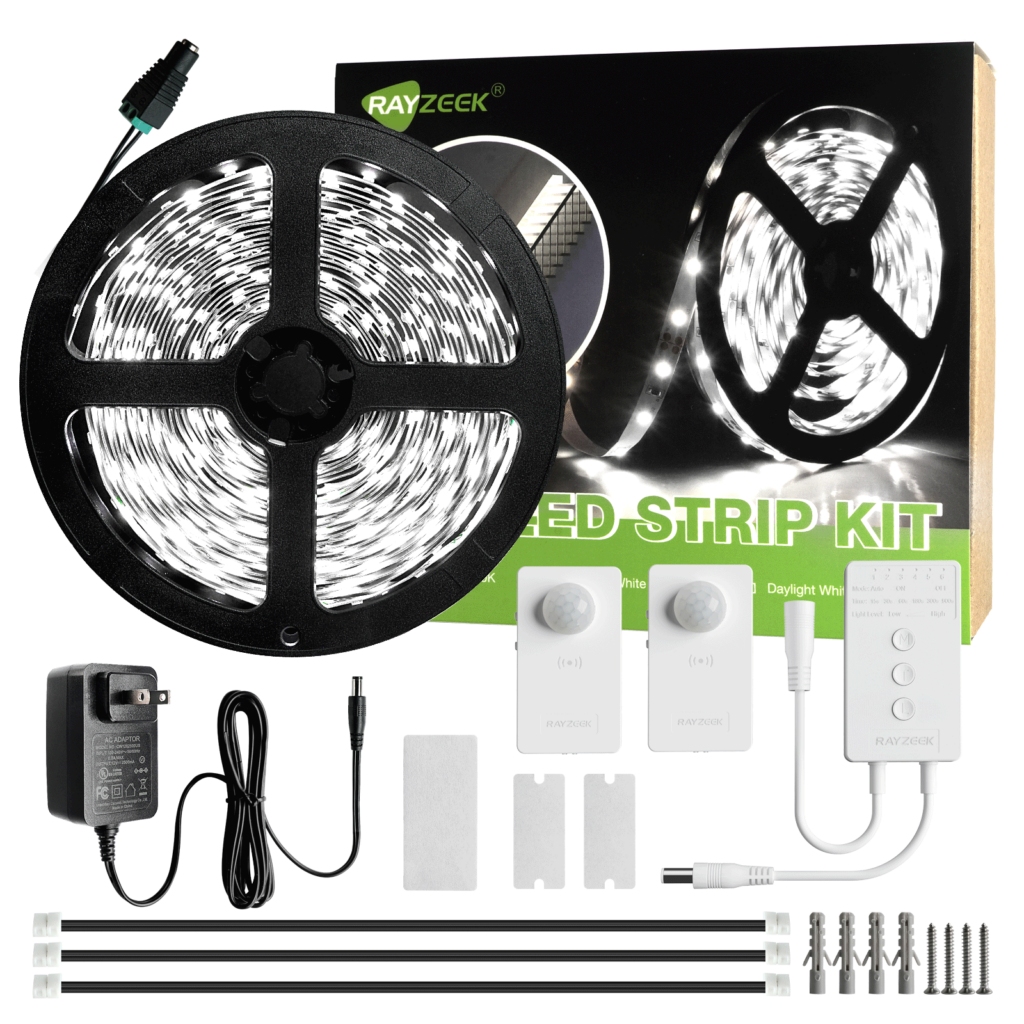
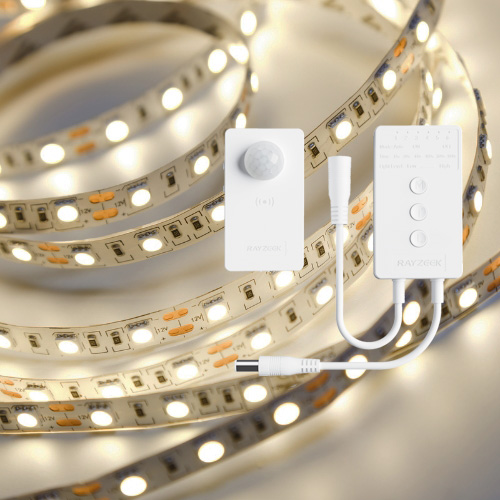
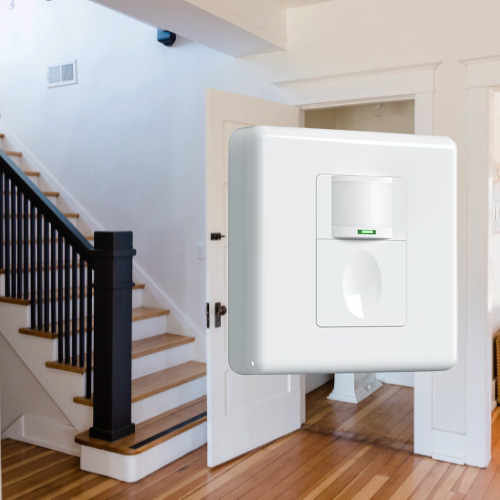
Nikmati kemudahan dan keamanan dari sensor gerak kami. Sensor gerak Rayzeek dirancang untuk mendeteksi pergerakan di dalam ruangan dan memicu respons, seperti menyalakan lampu atau mengaktifkan sistem keamanan. Sensor kami menggunakan teknologi canggih untuk meminimalkan alarm palsu sekaligus memberikan deteksi yang andal terhadap manusia dan hewan peliharaan berukuran besar. Sangat ideal untuk penggunaan di dalam maupun luar ruangan, serta dapat dipasang dengan mudah di rumah, kantor, atau lingkungan industri. Pilih sensor gerak Rayzeek untuk lingkungan yang lebih aman dan efisien energi.

Rencana Efisiensi Energi untuk Bangunan Komersial

Rangkaian rencana efisiensi energi lengkap yang dirancang untuk proyek komersial Anda guna memenuhi standar kode energi dan menghemat tagihan listrik.

Dengan set kit sensor gerak nirkabel, sakelar dinding sensor gerak, sensor hunian plafon, serta Sensor HVAC/Pendingin Udara dari Rayzeek

Solusi Penghematan Energi Khusus

Membutuhkan solusi penghematan energi inovatif yang disesuaikan dan belum ditemukan di pasar?

Rayzeek terus berinvestasi, merancang, dan memproduksi solusi penghematan energi tercanggih untuk menghadapi tantangan energi di masa depan.

Pelajari bagaimana Rayzeek menjamin kepuasan Anda melalui sensor gerak kami yang telah diuji secara ketat.

Kategori Produk

Jelajahi Sensor Gerak Kami

Tanpa Sentuhan & Hemat Energi

Sensor gerak kami menawarkan gaya hidup bebas sentuhan dan hemat energi. Sensor ini mengontrol pencahayaan berdasarkan gerakan yang terdeteksi, memastikan higienitas serta konservasi energi. Nikmati kenyamanan dan keberlanjutan yang lancar dengan teknologi inovatif kami.

Fleksibilitas

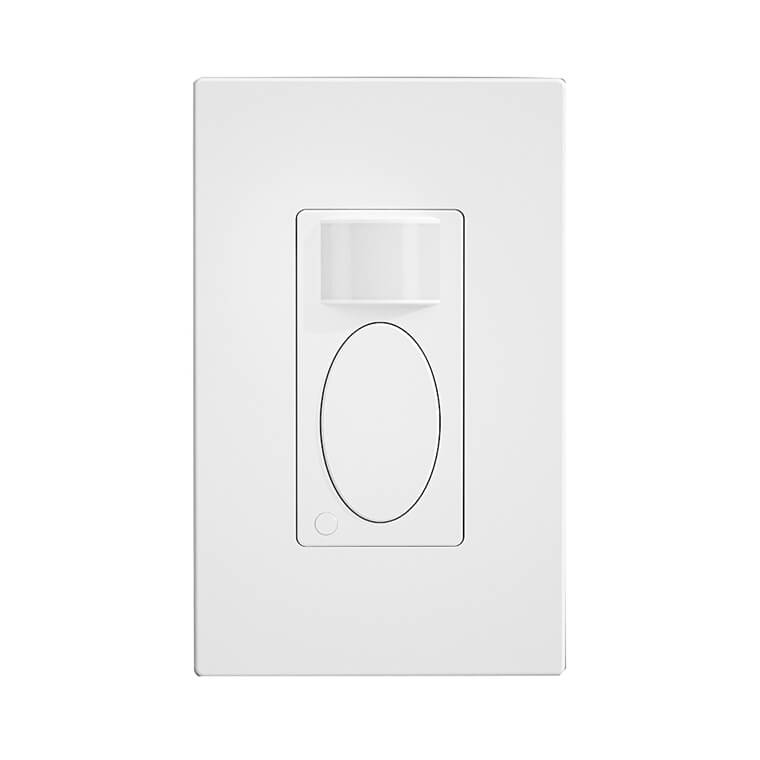
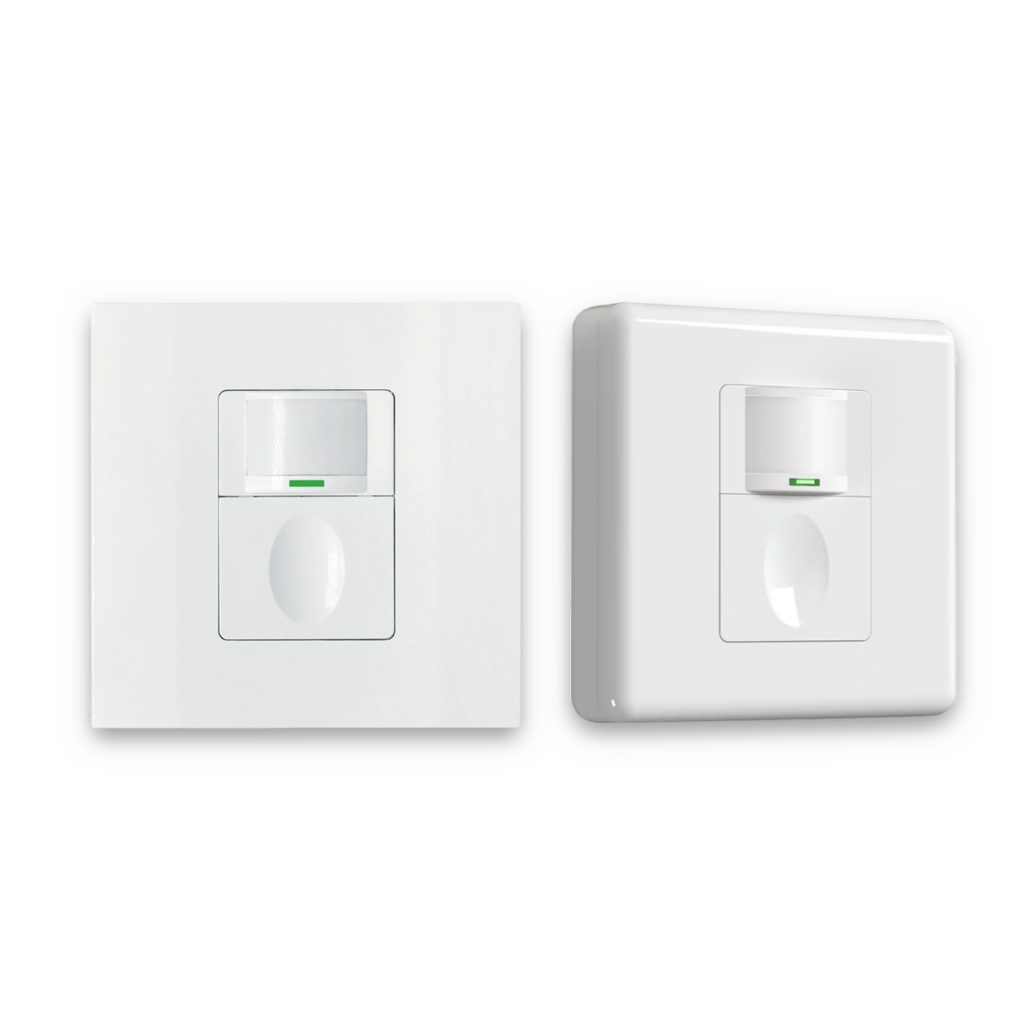
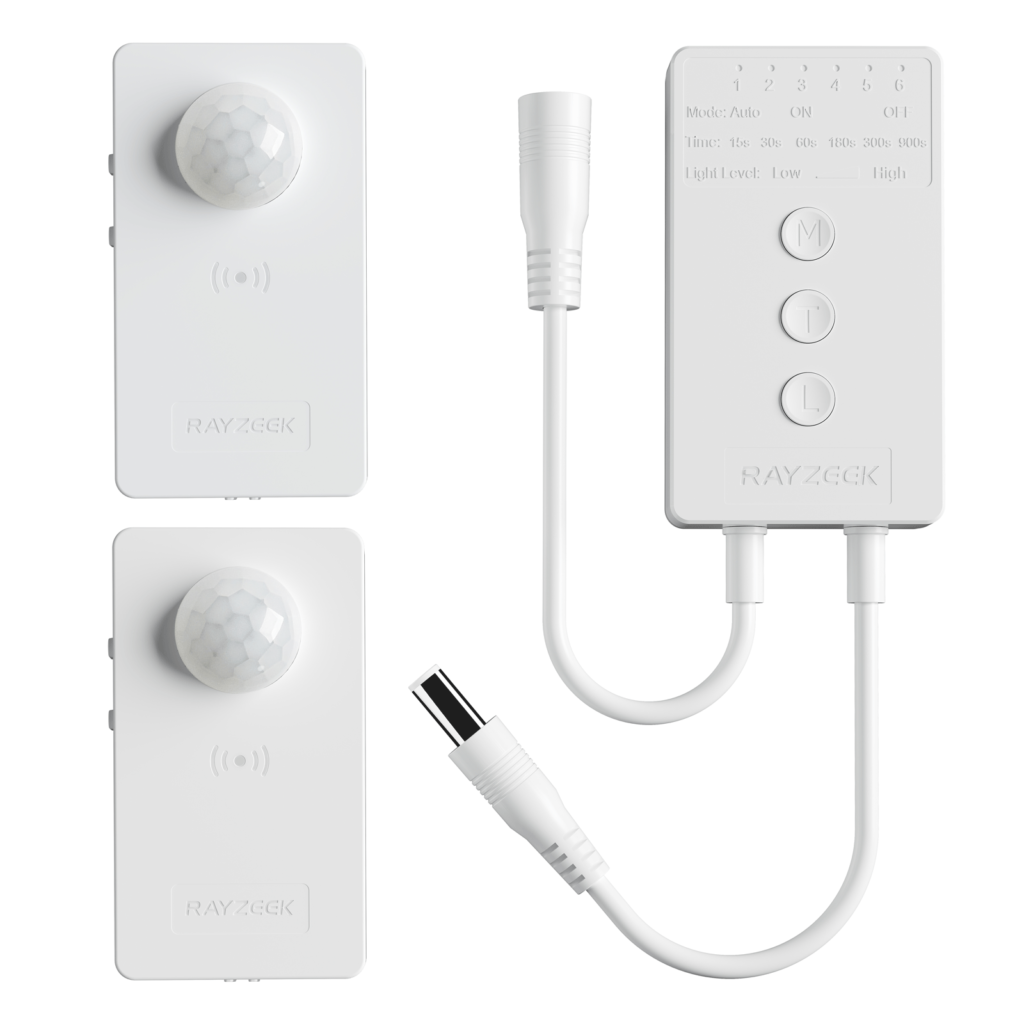
Sensor gerak kami unggul berkat fleksibilitasnya. Mulai dari sensor in-line ringkas untuk strip lampu hingga sakelar dinding bagi pemilik rumah dan sensor kelas komersial, kami menyediakan semuanya. Nikmati keragaman fungsi dari produk kami yang dirancang untuk memenuhi berbagai kebutuhan.

Inovasi

Rasakan keunggulan Inovasi dengan sensor gerak kami. Kami terus berinovasi dengan menawarkan model-model unik seperti sensor multilokasi, pendingin udara, dan sensor khusus 2-kawat, yang membedakan kami di pasar yang kompetitif.

Sensor Gerak

Menampilkan 1–9 dari 67 hasil

Apa itu Sensor Gerak

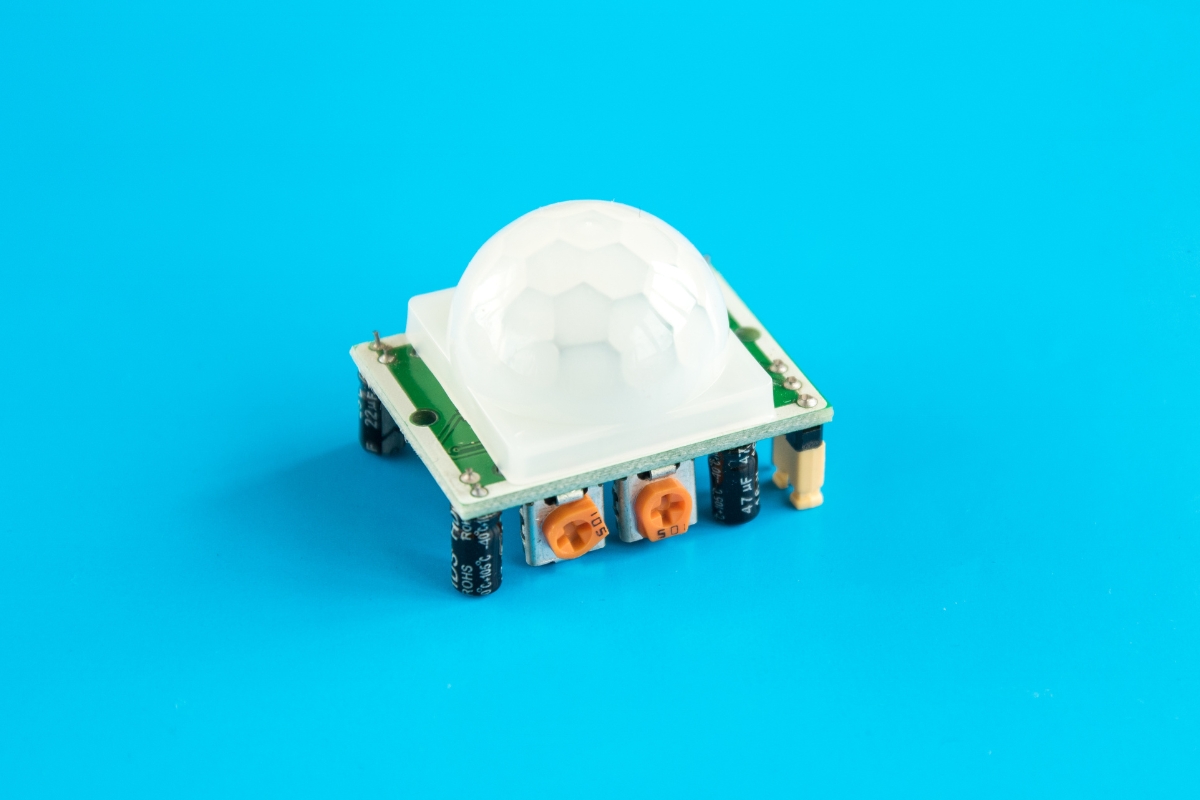
Sensor gerak adalah perangkat yang mendeteksi pergerakan fisik di area tertentu. Perangkat ini dapat digunakan untuk memantau pergerakan di ruangan, koridor, atau area lain tempat sensor ditempatkan. Cara kerjanya adalah dengan memancarkan sinyal—baik inframerah, ultrasonik, maupun gelombang mikro. Ketika sinyal ini terputus oleh pergerakan, sensor akan memicu respons. Dalam kasus produk Anda, respons ini adalah menyalakan lampu.

These sensors are designed to detect any motion, including that of humans, animals, or other objects. They are often used in conjunction with lighting systems to improve energy efficiency. When the sensor detects motion, it signals the lights to turn on, ensuring that lights are not left on unnecessarily when a room is unoccupied. Conversely, when the sensor no longer detects motion, it will signal the lights to turn off, conserving energy. It's important to note that these motion sensors are distinct from motion detectors used in home security systems, which are designed to trigger an alarm rather than control lighting.

Motion Sensor vs Occupancy Sensor

Motion sensors are designed to detect any movement in their field of view. They respond to moving objects only. These sensors are typically used in security or lighting systems, where the goal is to detect movement such as someone walking by. They use simple resolution components of less coverage area and are more common in homes due to their low price range.

Occupancy sensors, on the other hand, are designed to detect the presence of a person or an animal, whether they are stationary or not. This makes them ideal for applications like lighting control, where the goal is to keep the lights on as long as a room is occupied, regardless of whether there is movement or not. Occupancy detectors use higher resolution components and give more precise readings, making them a bit costlier than motion sensors.

Common Motion Sensor Technogloies

Motion sensors, such as those used in our product line, typically employ one of common technologies: Passive Infrared (PIR), Ultrasonic, Microwave or Dual-Technology.

Passive Infrared (PIR) sensors detect changes in heat radiation within the environment. When a warm body like a human or animal passes in the detection area, it detects the change in infrared radiation and triggers the sensor. This technology is energy-efficient as it does not emit energy but only receives it.

Ultrasonic sensors emit ultrasonic waves, and when these waves hit an object, they bounce back to the sensor. The sensor then measures the time it took for the wave to return, allowing it to calculate the distance to the object. If the object moves, the time it takes for the wave to return changes, triggering the sensor.

Microwave sensors work similarly to ultrasonic sensors but use microwave pulses instead of ultrasonic waves. These sensors cover a larger area compared to PIR and Ultrasonic sensors but are more prone to interference and false alarms.

In a dual-technology motion sensor, both the PIR and Ultrasonic sensors must be triggered to set off the light. This significantly reduces the chance of false alarms as both heat movement (from PIR) and physical movement (from Ultrasonic) need to be detected. This makes them ideal for situations where precision is paramount.

Cara Kerja Sensor Gerak

Motion sensors work by using a variety of technologies to detect movement in an area. The primary technology used in our motion sensors is Passive Infrared (PIR). The sensor works by detecting the infrared radiation emitted naturally by all objects, especially living beings. When a person or object passes within the field of view of the sensor, it detects the change in infrared radiation. This change triggers the sensor.

Once triggered, the sensor sends a signal to the connected lighting system to turn on the lights. The lights remain on as long as the sensor continues to detect movement. When movement ceases, the sensor stops sending the signal, and this prompts the lighting system to turn off the lights, thereby conserving energy. It's important to note that our motion sensors are designed for energy efficiency and convenience, and not for security purposes. They are ideal for use in various settings, including hallways, restrooms, and offices.

Does Motion Sensor Work Through Glass

Motion sensors, particularly those using Passive Infrared (PIR) technology, generally do not function through glass. PIR sensors detect changes in infrared energy, which is emitted by humans and animals as heat. When a person or animal enters the detection zone of a PIR sensor, it detects this infrared energy and triggers the lights.

However, glass poses a barrier to infrared energy. Modern glass is designed to insulate and prevent heat from passing through, absorbing the infrared energy. Consequently, if a person or animal is behind a pane of glass, the infrared energy will not reach the sensor, and the motion sensor will not be triggered.

There are, however, certain types of motion sensors that can function through glass. For instance, radar motion sensor bulbs use photocell sensors that detect both infrared and visible light. Since light can travel through glass, these types of bulbs can detect movement beyond the glass1. This is because glass does not absorb the visible part of the light spectrum, allowing for motion detection beyond any glass obstacle.

Does Light Trigger Motion Sensors

No, light does not typically trigger motion sensors. Motion sensors, like the ones in our product range, work based on detecting changes in infrared energy. When a person or object moves within the sensor’s field of view, it detects the change in infrared energy and triggers the light to turn on.

Sudden changes in temperature can potentially cause false triggers, as heat also emits infrared energy. For example, the sudden appearance of a warm object against a cool background might trigger the sensor. But under normal circumstances, changes in light levels should not affect the operation of the motion sensors.

Our motion sensors are designed to be highly reliable and minimize false triggers, providing you with a seamless and efficient lighting solution. They are not intended for use in home security systems, but rather to provide convenient, energy-saving automated lighting.

Does Motion Sensor Light Save Energy

Yes, motion sensor lights can significantly contribute to energy savings. They operate by detecting movement within a specific range and automatically turning on the lights. This ensures that lights are only in use when necessary, reducing the amount of wasted energy that occurs when lights are left on in unoccupied spaces.

Moreover, these sensors also automatically turn off the lights after a preset period of inactivity, further conserving energy. This feature is particularly beneficial in spaces that are intermittently occupied, such as hallways, staircases, or restrooms. By automating the process of turning lights on and off based on occupancy, motion sensor lights optimize energy usage and can lead to substantial reductions in electricity bills.

Motion Sensor to Detect Animals

Yes, motion sensors can detect animals. The detection is based on the principle of Passive Infrared (PIR) technology, which senses heat emitted by living beings. When an animal, such as a pet, moves within the sensor's range, the change in heat signatures triggers the sensor.

The sensitivity and range of detection can vary based on the specific model and settings of the motion sensor. Some sensors offer pet-immunity features to avoid false alarms triggered by small animals. These sensors are designed to ignore motion from animals below a certain weight or size, providing a more tailored solution for users with pets.

Solusi Penghematan Energi Komersial

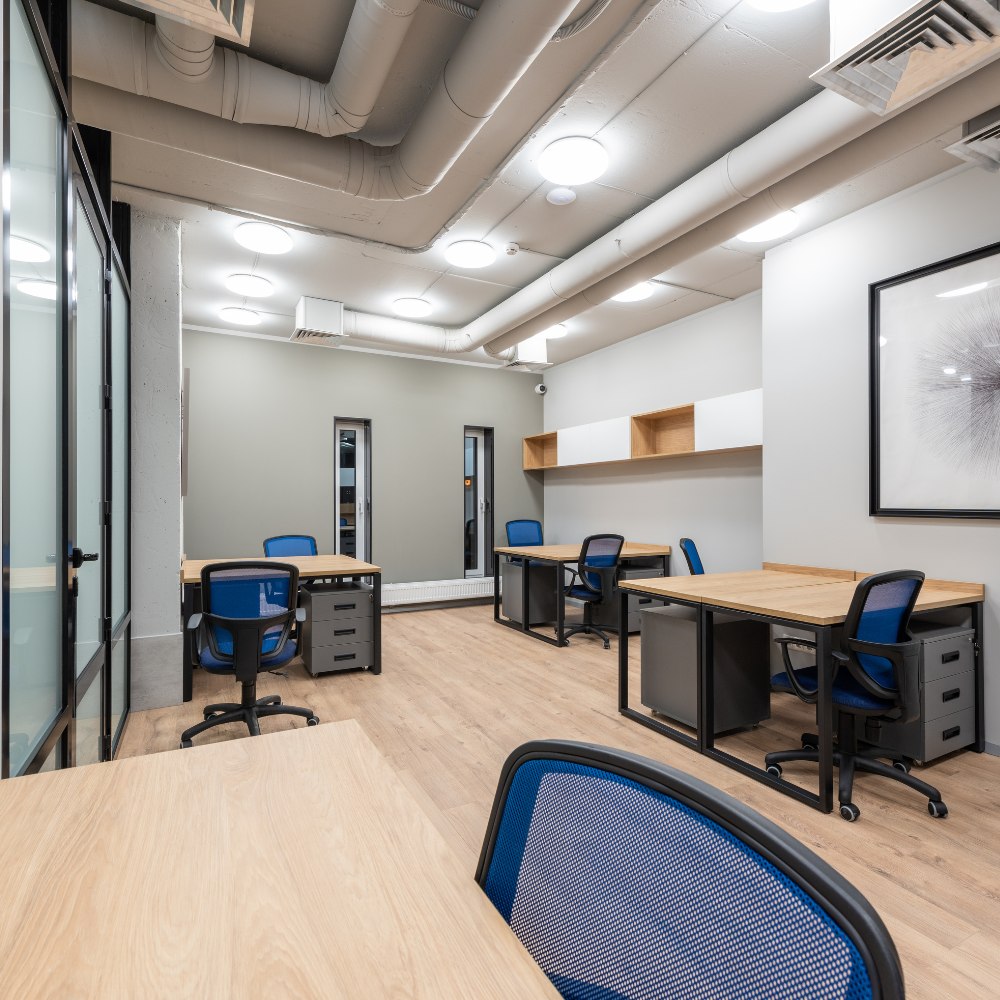
Kantor Pribadi

Temukan solusi penghematan energi untuk kantor pribadi dengan panduan desain sensor Rayzeek. Pelajari cara memenuhi persyaratan standar energi sekaligus mengoptimalkan kontrol pencahayaan demi efisiensi dan kenyamanan.

Ruang Kerja Terbuka

Ungkap keunggulan kontrol pencahayaan otomatis dalam meningkatkan efisiensi dan mengurangi pemborosan energi. Pelajari cara mengoptimalkan kontrol pencahayaan demi efisiensi dan kenyamanan di ruang kerja Anda.

Ruang Rapat

Temukan potensi penghematan energi di ruang rapat Anda dengan panduan desain sensor hunian Rayzeek.

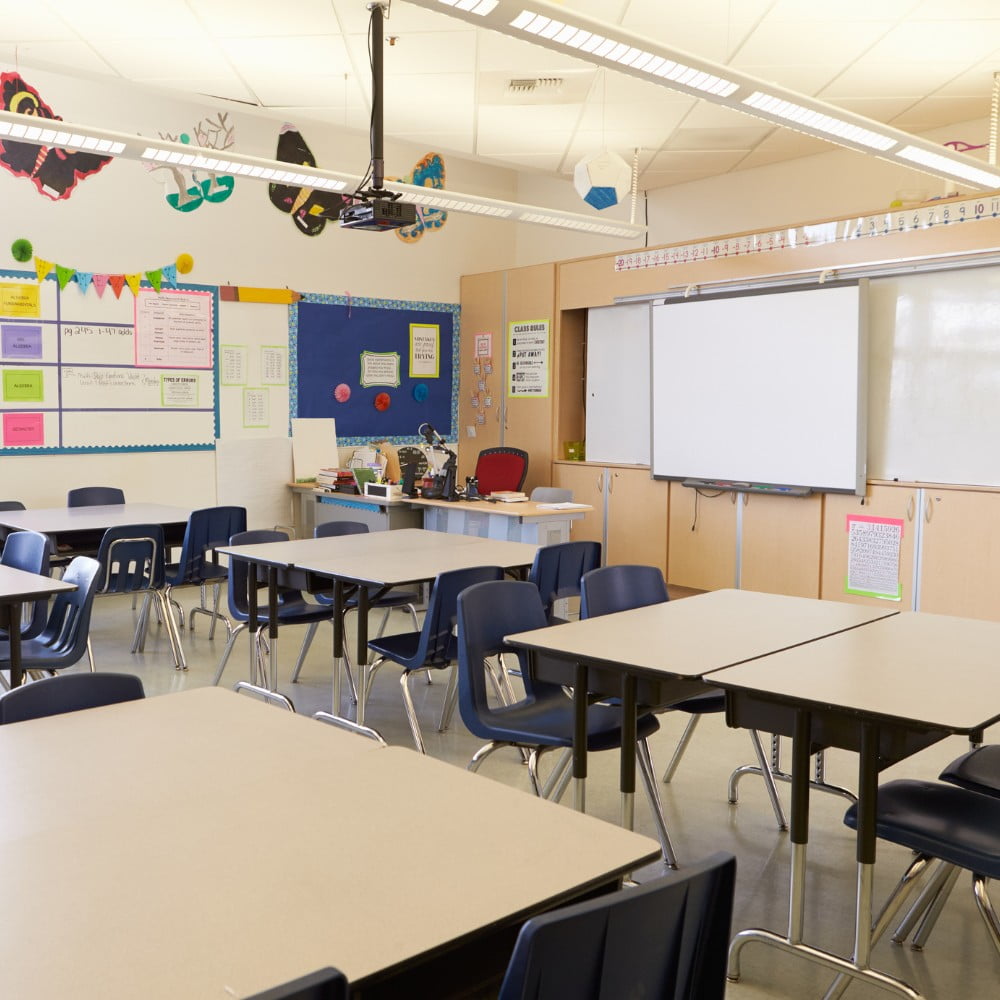
Ruang Kelas

Temukan potensi penghematan energi di ruang kelas dengan panduan desain sensor Rayzeek. Pelajari cara memenuhi persyaratan standar energi sekaligus menciptakan lingkungan belajar yang lebih efisien.

Restoran

Pelajari panduan desain penghematan energi untuk restoran, di mana kontrol pencahayaan yang efisien merupakan kunci untuk menciptakan suasana yang nyaman sekaligus mengurangi konsumsi energi.

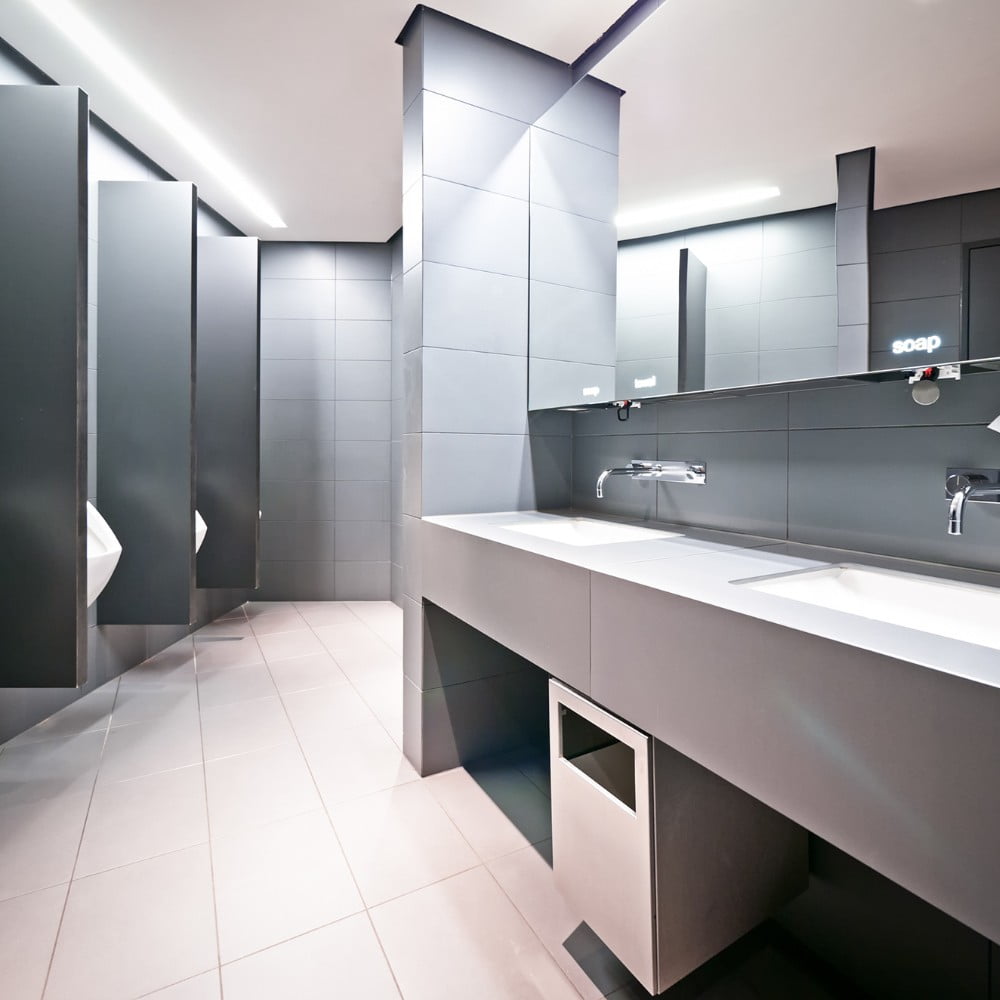
Toilet

Pelajari panduan penghematan energi kami untuk toilet, yang dirancang untuk membantu Anda memahami dan menerapkan solusi sensor hunian demi kontrol pencahayaan yang efisien sesuai dengan Standar Energi AS.

Ruang Penyimpanan

Temukan potensi penghematan energi di ruang penyimpanan dengan panduan desain sensor hunian Rayzeek.

Koridor

Temukan potensi penghematan energi di koridor dengan panduan desain sensor Rayzeek. Ungkap keunggulan kontrol pencahayaan otomatis pada lorong bangunan komersial Anda.

Lobi

Temukan potensi penghematan energi di lobi Anda. Pelajari cara memenuhi standar energi dan mengurangi pemborosan energi dengan solusi khusus kami.

Pelajari tentang Sensor Gerak

Indonesian