
storage rooms
Discover the energy-saving potential of storage rooms with Rayzeek’s occupancy sensor design guide.

Maximize Energy Efficiency in Storage Rooms with Occupancy Sensors
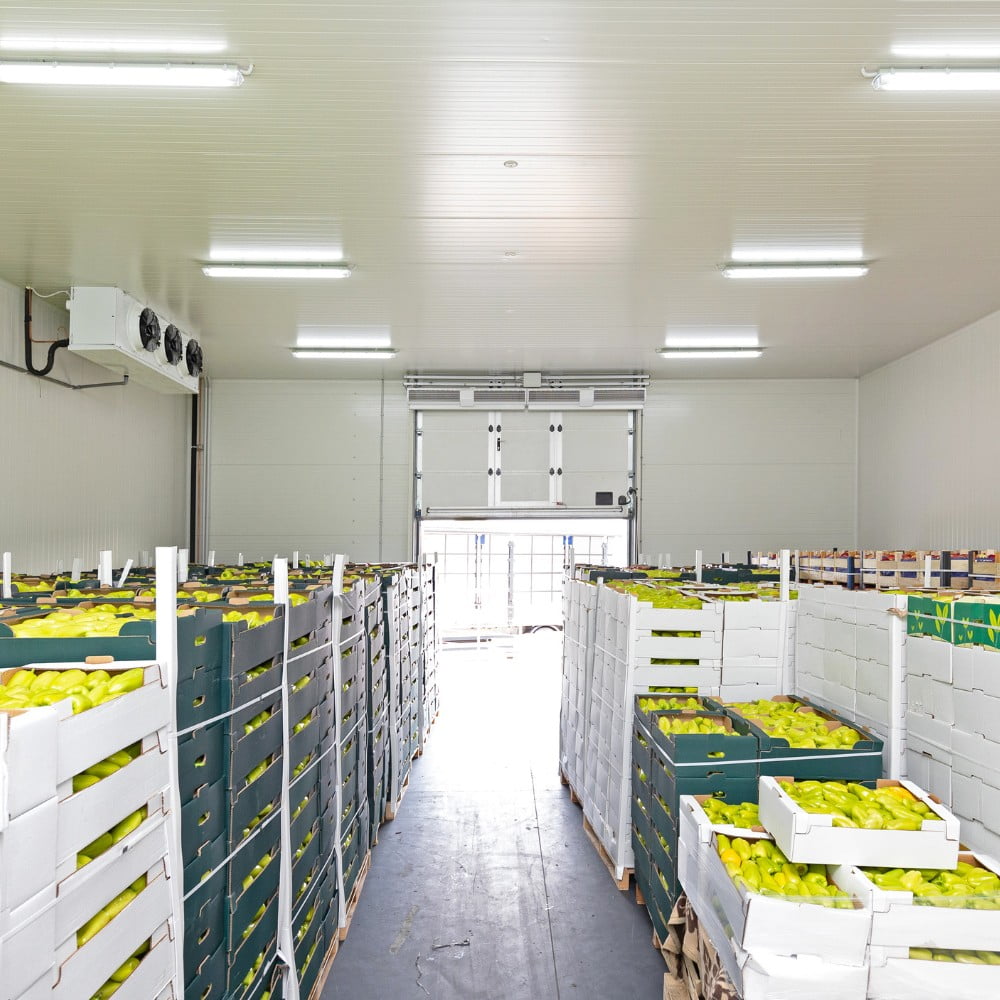
Storage rooms, often overlooked, are integral parts of commercial buildings. These spaces are typically filled with shelves, boxes, and various items, and are used for storing supplies, equipment, or archived documents. Lighting in these areas is crucial for visibility and safety, but it can also be a significant source of energy waste. Traditional lighting systems in storage rooms are often left on unnecessarily, leading to high energy consumption and costs.
Moreover, storage rooms are usually equipped with fluorescent or LED lights, which, while energy-efficient, can still consume a considerable amount of power when left on for extended periods. The sporadic and unpredictable nature of storage room usage further exacerbates this issue, as lights are often left on even when the room is unoccupied, leading to unnecessary energy waste.
This energy wastage can be mitigated by using occupancy sensors. These devices automatically control lighting based on the presence or absence of people, ensuring lights are only on when needed. By installing occupancy sensors in storage rooms, businesses can significantly reduce their energy consumption, lower their utility bills, and contribute to a more sustainable environment.
符合能源法規

《國際能源節約規範》(International Energy Conservation Code,簡稱 IECC)是由國際規範委員會(International Code Council,簡稱 ICC)制定的示範規範,旨在確立建築物能源效益的最低設計與建造要求。IECC 每三年更新一次,以納入最新的能源節約實踐與技術。
IECC:為何您需要關注
IECC 已被美國各州和地方政府廣泛採用。IECC 涵蓋能源使用的多個方面,包括建築外圍結構(牆壁、屋頂和窗戶)、供暖與制冷系統,以及照明系統。
IECC 強制要求使用特定的照明控制設備(例如佔用感應器),以最大限度地減少各區域無人空間的能源浪費。

ANSI/ASHRAE/IES Standard 90.1(除低層住宅建築外的地點與建築能源標準)是由美國採暖、制冷與空調工程師學會(ASHRAE)發布的廣受認可之能源標準。
ASHRAE 90.1:為何您需要關注
ASHRAE 90.1 被用作全美建築能源法規的基準,並作為 IECC 內部的合規途徑,其中概述了商業建築組件(包括建築外圍結構、HVAC 系統、水加熱系統和照明系統)能源效益表現的最低要求。
ASHRAE 90.1 標準規定了最大允許照明功率密度和最低照明控制要求,包括在特定區域使用佔用感應器。

Title 24 為加州建築標準法規第 6 部分,官方稱為《住宅與非住宅建築能源效益標準》。Title 24 由加州能源委員會管理,並定期更新以反映新的能源效益技術與方法。
Title 24:為何您需要關注
Title 24 以其嚴格的要求而聞名,通常被認為比美國許多其他能源法規更為嚴格。Title 24 對建築施工的所有方面(包括供暖、通風、空調 (HVAC)、水加熱和照明)都制定了嚴格的能源表現標準。
Title 24 要求在商業建築的特定區域安裝佔用感應器,根據房間的佔用情況調節燈光,以確保不會浪費能源。
按州劃分的能源法規採用情況
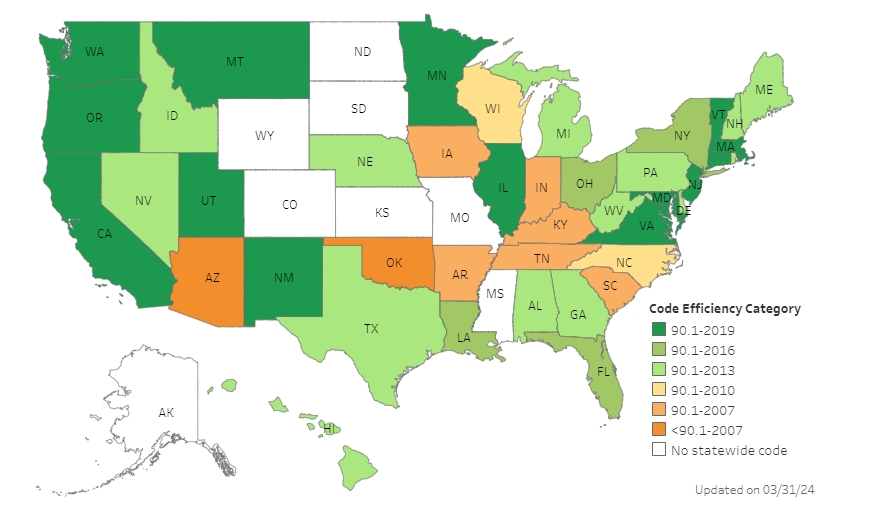
展開以查看詳細表格 ↓
| 州份 | 現行商業法規 | 商業法規效益類別 |
|---|---|---|
| 阿拉巴馬州 | 90.1-2013 | 90.1-2013 |
| 阿拉斯加州 | 無全州統一規範 | 無全州統一法規 |
| 亞利桑那州 | 地方自治 | <90.1-2007 |
| 阿肯色州 | 2009 IECC 及 90.1-2007 | 90.1-2007 |
| 加利福尼亞州 | 2022年建築能源效益標準 | 90.1-2019 |
| 科羅拉多州 | 地方自治 | 無全州統一法規 |
| 康涅狄格州 | 2021 IECC 及 90.1-2019 | 90.1-2019 |
| 特拉華州 | 2018 IECC 及 90.1-2016 | 90.1-2013 |
| 哥倫比亞特區 | 90.1-2013^ | 90.1-2019 |
| 佛羅里達州 | 2021 IECC 及 90.1-2019^ | 90.1-2016 |
| 佐治亞州 | 2015 IECC 及 90.1-2013^ | 90.1-2013 |
| 夏威夷州 | 地方自治 | 90.1-2013 |
| 愛達荷州 | 2018 IECC 及 90.1-2016 | 90.1-2013 |
| 伊利諾伊州 | 2021 IECC 及 90.1-2019 | 90.1-2019 |
| 印第安納州 | 90.1-2007 | 90.1-2007 |
| 愛荷華州 | 2012 IECC 與 90.1-2010 | 90.1-2007 |
| 堪薩斯州 | 地方自治 | 無全州統一法規 |
| 肯塔基州 | 2012 IECC 與 90.1-2010 | 90.1-2007 |
| 路易斯安那州 | 2021 IECC 及 90.1-2019^ | 90.1-2016 |
| 緬因州 | 2015 IECC 與 90.1-2013 | 90.1-2013 |
| 馬里蘭州 | 2021 IECC 及 90.1-2019^ | 90.1-2019 |
| 麻省 | 2018 IECC 與 90.1-2016^ | 90.1-2019 |
| 密歇根州 | 2015 IECC 及 90.1-2013^ | 90.1-2013 |
| 明尼蘇達州 | 90.1-2019^ | 90.1-2019 |
| 密西西比州 | 無全州統一規範 | 無全州統一法規 |
| 密蘇里州 | 地方自治 | 無全州統一法規 |
| 蒙大拿州 | 2021 IECC 及 90.1-2019 | 90.1-2019 |
| Nebraska | 2018 IECC 及 90.1-2016 | 90.1-2013 |
| Nevada | 2018 IECC 及 90.1-2016 | 90.1-2013 |
| New Hampshire | 2018 IECC 與 90.1-2016^ | 90.1-2013 |
| New Jersey | 90.1-2019 | 90.1-2019 |
| New Mexico | 2021 IECC 及 90.1-2019^ | 90.1-2019 |
| New York | 2018 IECC 與 90.1-2016^ | 90.1-2016 |
| North Carolina | 2015 IECC 及 90.1-2013^ | 90.1-2010 |
| North Dakota | 地方自治 | 無全州統一法規 |
| Ohio | 2021 IECC 及 90.1-2019^ | 90.1-2016 |
| Oklahoma | 2006 IECC and 90.1-2004 | <90.1-2007 |
| Oregon | 90.1-2019 | 90.1-2019 |
| Pennsylvania | 2018 IECC 及 90.1-2016 | 90.1-2013 |
| Rhode Island | 2018 IECC 與 90.1-2016^ | 90.1-2013 |
| South Carolina | 2009 IECC 及 90.1-2007 | 90.1-2007 |
| South Dakota | 地方自治 | 無全州統一法規 |
| Tennessee | 2021 IECC and 90.1-2013 | 90.1-2007 |
| Texas | 2015 IECC 與 90.1-2013 | 90.1-2013 |
| Utah | 2021 IECC 及 90.1-2019^ | 90.1-2019 |
| Vermont | 2021 IECC 及 90.1-2019^ | 90.1-2019 |
| Virginia | 2021 IECC 及 90.1-2019^ | 90.1-2019 |
| Washington | 2018 Washington State Energy Code | 90.1-2019 |
| Tennessee | 2012 IECC 與 90.1-2010 | 90.1-2007 |
| Texas | 2015 IECC 與 90.1-2013 | 90.1-2013 |
| Utah | 2021 IECC 及 90.1-2019^ | 90.1-2019 |
| Vermont | 2018 IECC 與 90.1-2016^ | 90.1-2019 |
| Virginia | 2021 IECC 及 90.1-2019^ | 90.1-2019 |
| Washington | 2018 Washington State Energy Code | 90.1-2019 |
| West Virginia | 90.1-2013 | 90.1-2013 |
| Wisconsin | 2015 IECC 及 90.1-2013^ | 90.1-2010 |
| Wyoming | 地方自治 | 無全州統一法規 |
- ^ When an amendment impacting energy efficiency can be quantified using DOE Prototype Building Models, they were captured in the analysis.
- For states adopting both IECC and 90.1, the IECC code is usually analyzed as the state current code in this study except for states with extensive amendments to the IECC.
獨立辦公室設計指南核心概念
為獨立辦公室設計高能源效益的照明控制方案時,需要策略性地佈置佔用傳感器,以確保覆蓋整個空間。
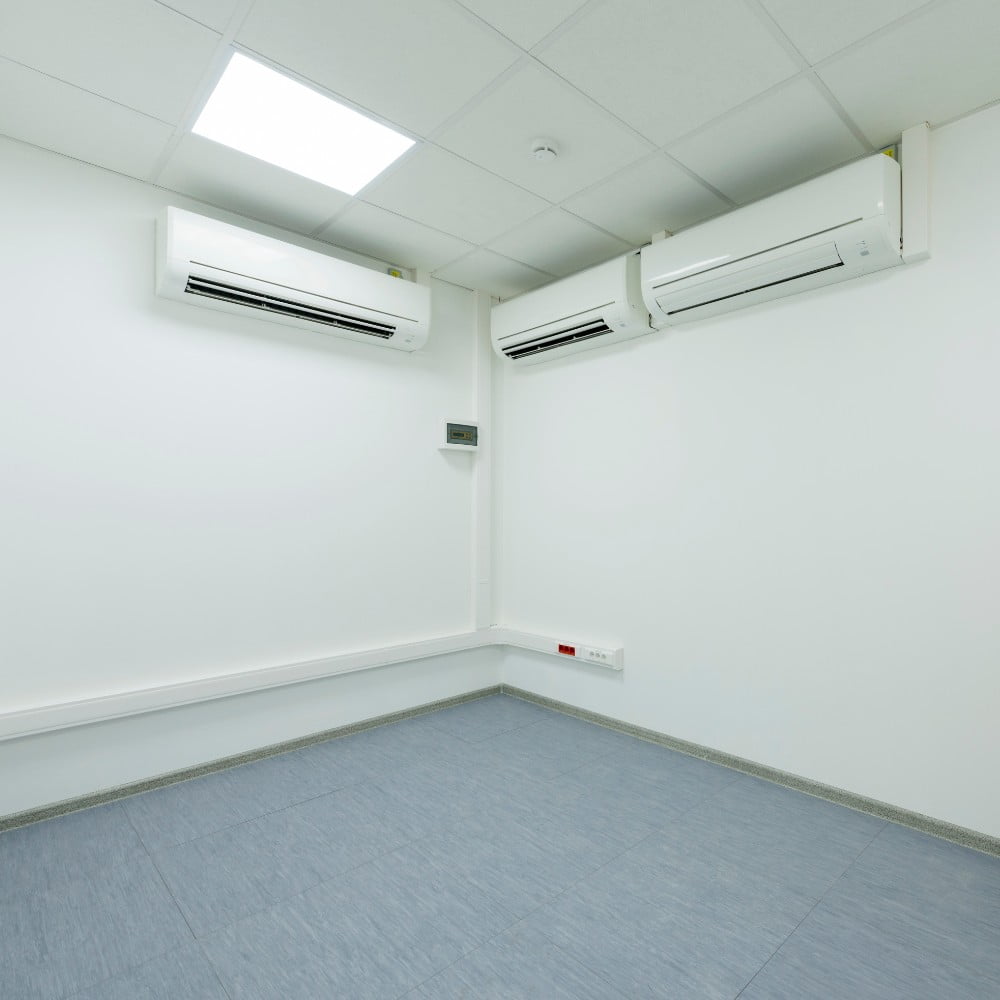
In a storage room, the primary areas that require lighting are the main walkways and the individual aisles between shelves. Here are some guidelines to follow:
- Main Walkways: Install ceiling occupancy sensors at regular intervals along the main walkways. These sensors should be set to Auto ON and Full OFF mode, ensuring that lights turn on automatically when someone enters the walkway and turn off when the area is vacant.
- Individual Aisles: For individual aisles between shelves, consider installing wall occupancy sensors at the entrance of each aisle. These sensors can detect when someone enters the aisle and turn on the lights accordingly. Given the sporadic usage of these aisles, the sensors should be set to Manual ON and Full OFF mode. This means that the lights will only turn on when manually switched on but will turn off automatically when the aisle is vacant.
- Entrance Area: The entrance area of the storage room should have a wall sensor switch that allows manual control of all lighting in the room. This switch can be used to turn all lights on or off as needed, providing an additional layer of control.
- Sensor Placement Considerations: When placing sensors, ensure they are not located near air vents or other sources of movement that could trigger false positives. Also, ensure that the sensors’ field of view is not obstructed by shelves or stored items.
- Sensor Height: Consider the height of the sensor installation. Sensors should be installed at a height that allows for optimal coverage of the room, taking into account the height of stored items.
- Manual Control: Incorporate manual controls to allow users to turn ON/OFF all lighting when needed. This can be particularly useful in storage rooms where lighting may be required for extended periods during inventory checks or reorganization tasks.
Featured Products & Solutions
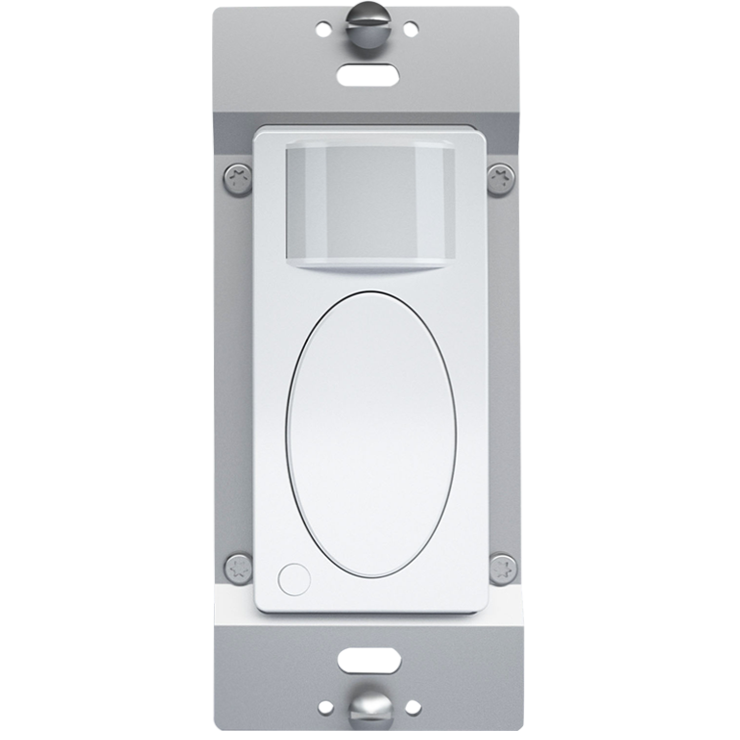
Wall Sensor Switches
RZ020/021 Motion Sensor Switches
- 2-wire, 3-wire, 4-wires wiring options
- Occupancy, Vacancy, Manual ON/OFF
- Adjustive time delay and ambient light control
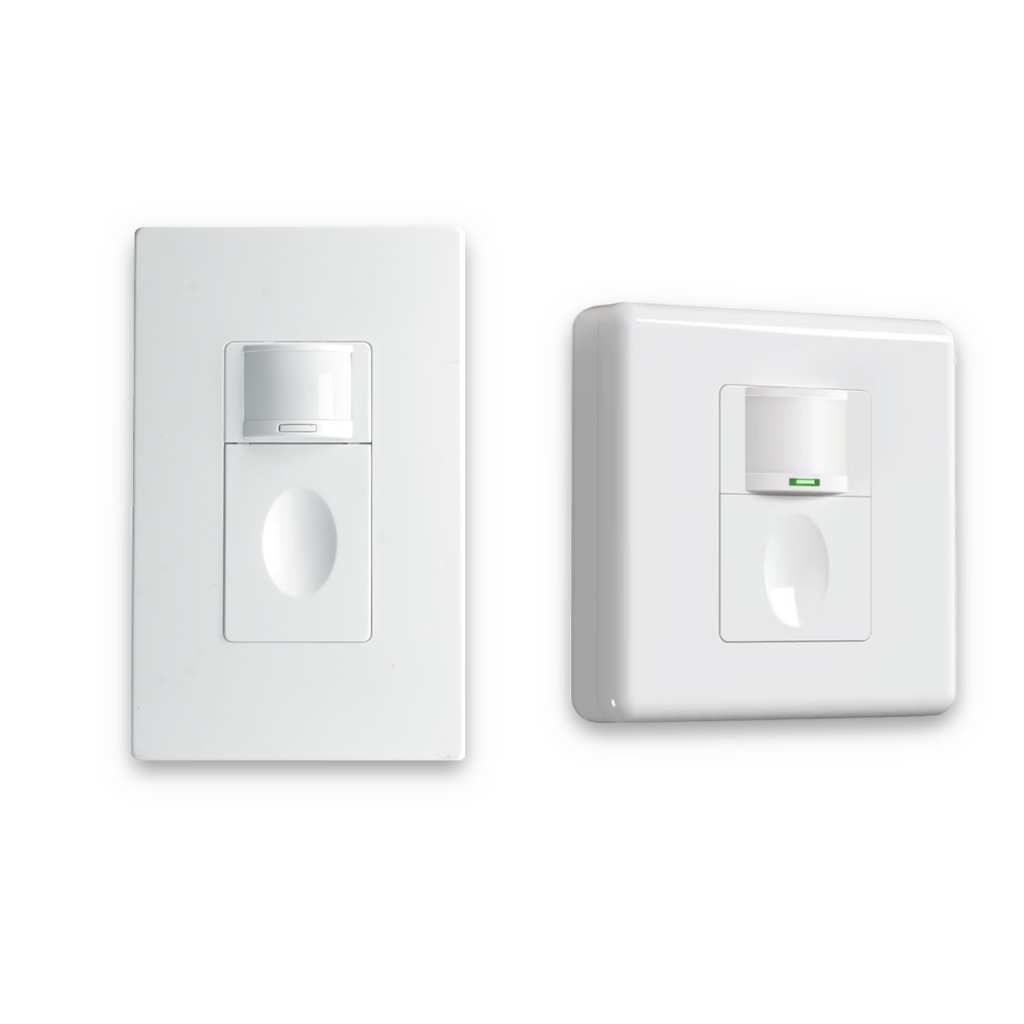
Multi-Location Wireless Wall Sensors
RZ020A/021A + RZ022W Kits
- Hardwired RZ021A/022A occupancy sensor switch
- Wireless companion switch (RZ022W) for multi-location control

Ceiling Occupancy Sensors
RZ036
- Hardwired occupancy sensors
- Auto ON, auto OFF
- Line voltage and Low voltage available
Core features included:
- Integrated manual ON/OFF control for all lighting
- Vacancy sensors (Manual ON only): Lights must be turned on manually only
- Adjustable time-delay, lighting is automatically turned full OFF after 15mins
- Additional: multi-location wireless kits to expand the control range without re-wring
- Additional: multiple wiring options available for both new constructions and retrofit projects.
Meets the Mandatory Provisions
IECC – 2011
C405.2.1 Occupant sensor controls
Occupant sensor controls shall be installed to control lights in the space.
C405.2.1.1 Occupant sensor control functions
- Manual on or partial on to no more than 50% power.
- Full off within 20 minutes after all occupants have left the space
- A manual control to turn off the lights.
ASHRAE 90.1 – 2022
9.4.1.1 a Local control
There shall be one or more manual lighting control device that provides ON and OFF control
of all lighting in the space.
9.4.1.1 H Automatic full OFF control
All lighting in the space shall be automatically shut off within 20 minutes of all occupants leaving the space
Additionally, for storage rooms with sizes <50 ft2:
9.4.1.1 b Restricted to manual ON
None of the lighting shall be automatically turned on
Title 24 – 2022
130.1 (a) Manual area controls.
Each area enclosed by ceiling-height partitions shall provide lighting controls that allow the lighting in that area to be manually turned on and off.
130.1 (c) Shut-OFF Controls.
Lighting shall be controlled with occupant sensing controls to automatically shut OFF all of the lighting in 20 minutes or less after the control zone is unoccupied that shall function either as:
- A. Occupant sensing controls (if 130.1(b) not required to have multi-level lighting controls); or
- B. Partial-ON occupant sensing controls, or
- C. Vacancy sensing controls, where all lighting responds to a manual ON input only
Let us hear you.
Let Rayzeek help design and deliver a bespoke energy-saving lighting solution for you.