
storage rooms
Discover the energy-saving potential of storage rooms with Rayzeek’s occupancy sensor design guide.

Maximize Energy Efficiency in Storage Rooms with Occupancy Sensors
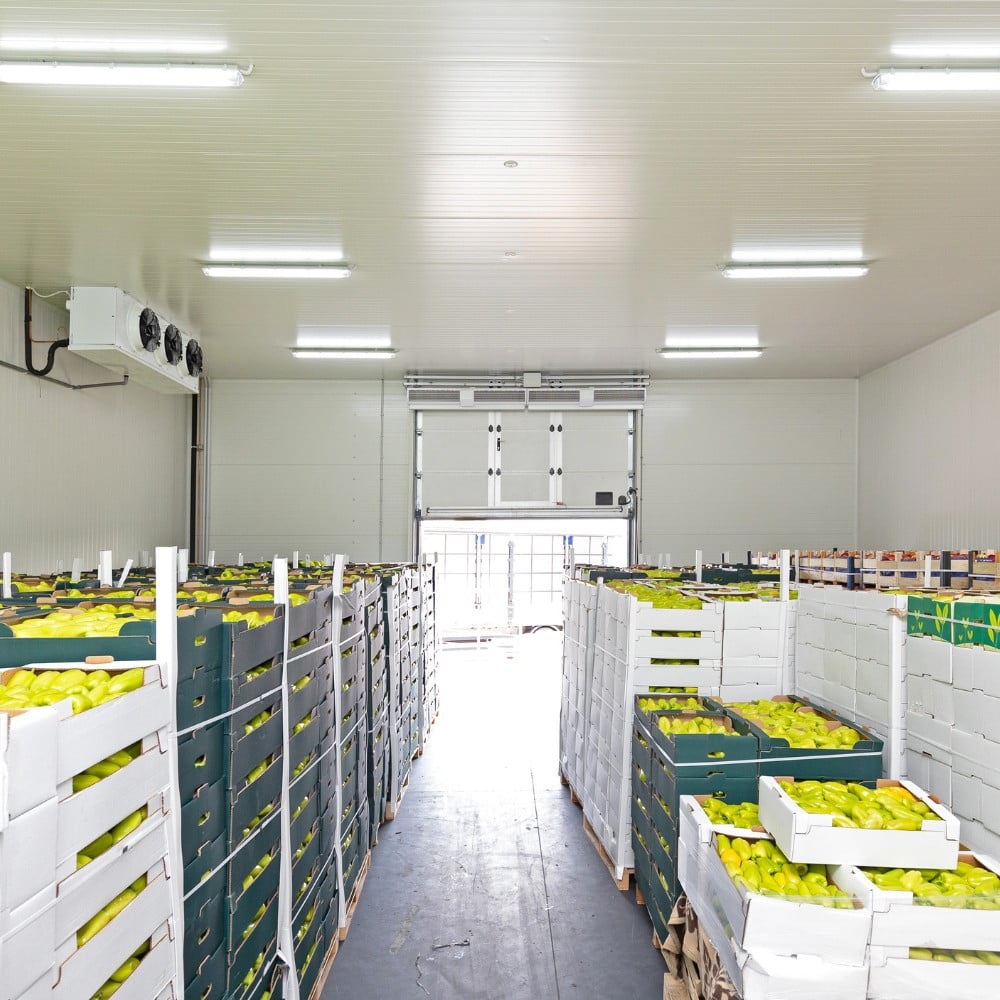
Storage rooms, often overlooked, are integral parts of commercial buildings. These spaces are typically filled with shelves, boxes, and various items, and are used for storing supplies, equipment, or archived documents. Lighting in these areas is crucial for visibility and safety, but it can also be a significant source of energy waste. Traditional lighting systems in storage rooms are often left on unnecessarily, leading to high energy consumption and costs.
Moreover, storage rooms are usually equipped with fluorescent or LED lights, which, while energy-efficient, can still consume a considerable amount of power when left on for extended periods. The sporadic and unpredictable nature of storage room usage further exacerbates this issue, as lights are often left on even when the room is unoccupied, leading to unnecessary energy waste.
This energy wastage can be mitigated by using occupancy sensors. These devices automatically control lighting based on the presence or absence of people, ensuring lights are only on when needed. By installing occupancy sensors in storage rooms, businesses can significantly reduce their energy consumption, lower their utility bills, and contribute to a more sustainable environment.
الامتثال للوائح القياسية للطاقة

قانون حفظ الطاقة الدولي (IECC) هو قانون نموذجي تم تطويره بواسطة مجلس القوانين الدولي (ICC) لوضع الحد الأدنى من متطلبات التصميم والبناء لكفاءة الطاقة في المباني. ويتم تحديث IECC كل ثلاث سنوات لإدماج أحدث الممارسات والتقنيات في مجال حفظ الطاقة.
قانون IECC: لماذا ينبغي أن تهتم به؟
يُطبق قانون IECC على نطاق واسع من قبل الولايات والبلديات في جميع أنحاء الولايات المتحدة. ويغطي IECC جوانب مختلفة من استخدام الطاقة، بما في ذلك غلاف المبنى (الجدران والأسقف والنوافذ)، وأنظمة التدفئة والتبريد، وأنظمة الإضاءة.
ينص قانون IECC على عناصر تحكم محددة في الإضاءة، مثل أجهزة استشعار الإشغال، للحد من هدر الطاقة في المساحات غير المشغولة في مختلف المناطق.

تُعد معايير ANSI/ASHRAE/IES Standard 90.1، الخاصة بطاقة المواقع والمباني باستثناء المباني السكنية منخفضة الارتفاع، معيارًا معترفًا به على نطاق واسع للطاقة، صادرًا عن الجمعية الأمريكية لمهندسي التدفئة والتبريد وتكييف الهواء (ASHRAE).
معيار ASHRAE 90.1: لماذا ينبغي أن تهتم به؟
يُستخدم معيار ASHRAE 90.1 كمرجع للوائح طاقة المباني في جميع أنحاء الولايات المتحدة، ويُعد مسارًا للامتثال ضمن قانون IECC، حيث يحدد الحد الأدنى من المتطلبات للأداء الموفر للطاقة لمكونات المباني التجارية، بما في ذلك أغلفة المباني، وأنظمة التدفئة والتهوية وتكييف الهواء (HVAC)، وأنظمة تسخين المياه، وأنظمة الإضاءة.
يحدد معيار ASHRAE 90.1 الحد الأقصى لكثافة قدرة الإضاءة المسموح بها والحد الأدنى لمتطلبات التحكم في الإضاءة، بما في ذلك استخدام أجهزة استشعار الإشغال في مناطق محددة.

العنوان 24، الجزء 6 من قانون معايير البناء في كاليفورنيا، المعروف رسميًا باسم معايير كفاءة طاقة المباني للمباني السكنية غير السكنية، تُديره لجنة الطاقة في كاليفورنيا ويتم تحديثه بشكل دوري ليعكس تقنيات وطرق كفاءة الطاقة الجديدة.
العنوان 24 (Title 24): لماذا ينبغي أن تهتم به؟
يشتهر العنوان 24 بمتطلباته الصارمة، والتي تُعتبر في كثير من الأحيان أكثر صرامة من تلك الموجودة في العديد من لوائح الطاقة الأخرى عبر الولايات المتحدة. وينص العنوان 24 على معايير صارمة لأداء الطاقة لكافة جوانب تشييد المباني، والتي تشمل التدفئة والتهوية وتكييف الهواء (HVAC)، وتسخين المياه، والإضاءة.
يتطلب العنوان 24 تركيب أجهزة استشعار الإشغال التي تضبط الإضاءة بناءً على إشغال الغرفة في مناطق محددة من المباني التجارية لضمان عدم هدر الطاقة.
اعتماد لوائح الطاقة حسب الولاية
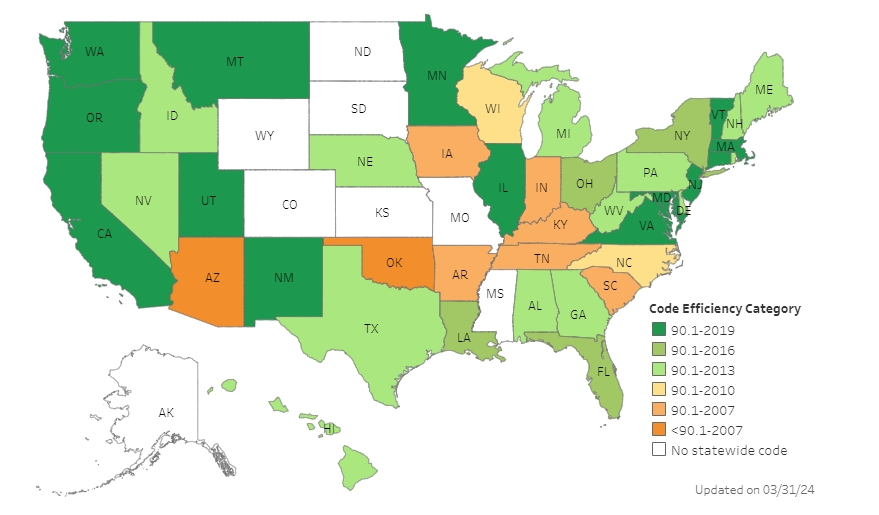
قم بالتوسيع لعرض الجدول التفصيلي ↓
| الولاية | القانون التجاري الحالي | فئة كفاءة القانون التجاري |
|---|---|---|
| ألاباما | 90.1-2013 | 90.1-2013 |
| ألاسكا | لا يوجد على مستوى الولاية | لا يوجد قانون على مستوى الولاية |
| أريزونا | الحكم المحلي | <90.1-2007 |
| أركنساس | 2009 IECC و 90.1-2007 | 90.1-2007 |
| كاليفورنيا | 2022 Building Energy Efficiency Standards | 90.1-2019 |
| Colorado | الحكم المحلي | لا يوجد قانون على مستوى الولاية |
| Connecticut | 2021 IECC and 90.1-2019 | 90.1-2019 |
| Delaware | 2018 IECC and 90.1-2016 | 90.1-2013 |
| District of Columbia | 90.1-2013^ | 90.1-2019 |
| Florida | 2021 IECC and 90.1-2019^ | 90.1-2016 |
| Georgia | 2015 IECC and 90.1-2013^ | 90.1-2013 |
| Hawaii | الحكم المحلي | 90.1-2013 |
| Idaho | 2018 IECC and 90.1-2016 | 90.1-2013 |
| Illinois | 2021 IECC and 90.1-2019 | 90.1-2019 |
| Indiana | 90.1-2007 | 90.1-2007 |
| Iowa | 2012 IECC and 90.1-2010 | 90.1-2007 |
| Kansas | الحكم المحلي | لا يوجد قانون على مستوى الولاية |
| Kentucky | 2012 IECC and 90.1-2010 | 90.1-2007 |
| Louisiana | 2021 IECC and 90.1-2019^ | 90.1-2016 |
| Maine | 2015 IECC and 90.1-2013 | 90.1-2013 |
| Maryland | 2021 IECC and 90.1-2019^ | 90.1-2019 |
| Massachusetts | 2018 IECC and 90.1-2016^ | 90.1-2019 |
| Michigan | 2015 IECC and 90.1-2013^ | 90.1-2013 |
| Minnesota | 90.1-2019^ | 90.1-2019 |
| Mississippi | لا يوجد على مستوى الولاية | لا يوجد قانون على مستوى الولاية |
| Missouri | الحكم المحلي | لا يوجد قانون على مستوى الولاية |
| Montana | 2021 IECC and 90.1-2019 | 90.1-2019 |
| Nebraska | 2018 IECC and 90.1-2016 | 90.1-2013 |
| Nevada | 2018 IECC and 90.1-2016 | 90.1-2013 |
| New Hampshire | 2018 IECC and 90.1-2016^ | 90.1-2013 |
| New Jersey | 90.1-2019 | 90.1-2019 |
| New Mexico | 2021 IECC and 90.1-2019^ | 90.1-2019 |
| New York | 2018 IECC and 90.1-2016^ | 90.1-2016 |
| North Carolina | 2015 IECC and 90.1-2013^ | 90.1-2010 |
| North Dakota | الحكم المحلي | لا يوجد قانون على مستوى الولاية |
| Ohio | 2021 IECC and 90.1-2019^ | 90.1-2016 |
| Oklahoma | 2006 IECC and 90.1-2004 | <90.1-2007 |
| Oregon | 90.1-2019 | 90.1-2019 |
| Pennsylvania | 2018 IECC and 90.1-2016 | 90.1-2013 |
| Rhode Island | 2018 IECC and 90.1-2016^ | 90.1-2013 |
| South Carolina | 2009 IECC و 90.1-2007 | 90.1-2007 |
| South Dakota | الحكم المحلي | لا يوجد قانون على مستوى الولاية |
| Tennessee | 2021 IECC and 90.1-2013 | 90.1-2007 |
| Texas | 2015 IECC and 90.1-2013 | 90.1-2013 |
| Utah | 2021 IECC and 90.1-2019^ | 90.1-2019 |
| Vermont | 2021 IECC and 90.1-2019^ | 90.1-2019 |
| Virginia | 2021 IECC and 90.1-2019^ | 90.1-2019 |
| Washington | 2018 Washington State Energy Code | 90.1-2019 |
| Tennessee | 2012 IECC and 90.1-2010 | 90.1-2007 |
| Texas | 2015 IECC and 90.1-2013 | 90.1-2013 |
| Utah | 2021 IECC and 90.1-2019^ | 90.1-2019 |
| Vermont | 2018 IECC and 90.1-2016^ | 90.1-2019 |
| Virginia | 2021 IECC and 90.1-2019^ | 90.1-2019 |
| Washington | 2018 Washington State Energy Code | 90.1-2019 |
| West Virginia | 90.1-2013 | 90.1-2013 |
| Wisconsin | 2015 IECC and 90.1-2013^ | 90.1-2010 |
| Wyoming | الحكم المحلي | لا يوجد قانون على مستوى الولاية |
- ^ When an amendment impacting energy efficiency can be quantified using DOE Prototype Building Models, they were captured in the analysis.
- For states adopting both IECC and 90.1, the IECC code is usually analyzed as the state current code in this study except for states with extensive amendments to the IECC.
المفاهيم الأساسية لدليل تصميم المكاتب الخاصة
يتطلب تصميم حل موفر للطاقة للتحكم في الإضاءة للمكاتب الخاصة التوزيع الاستراتيجي لمستشعرات الإشغال لضمان التغطية الشاملة للمساحة.
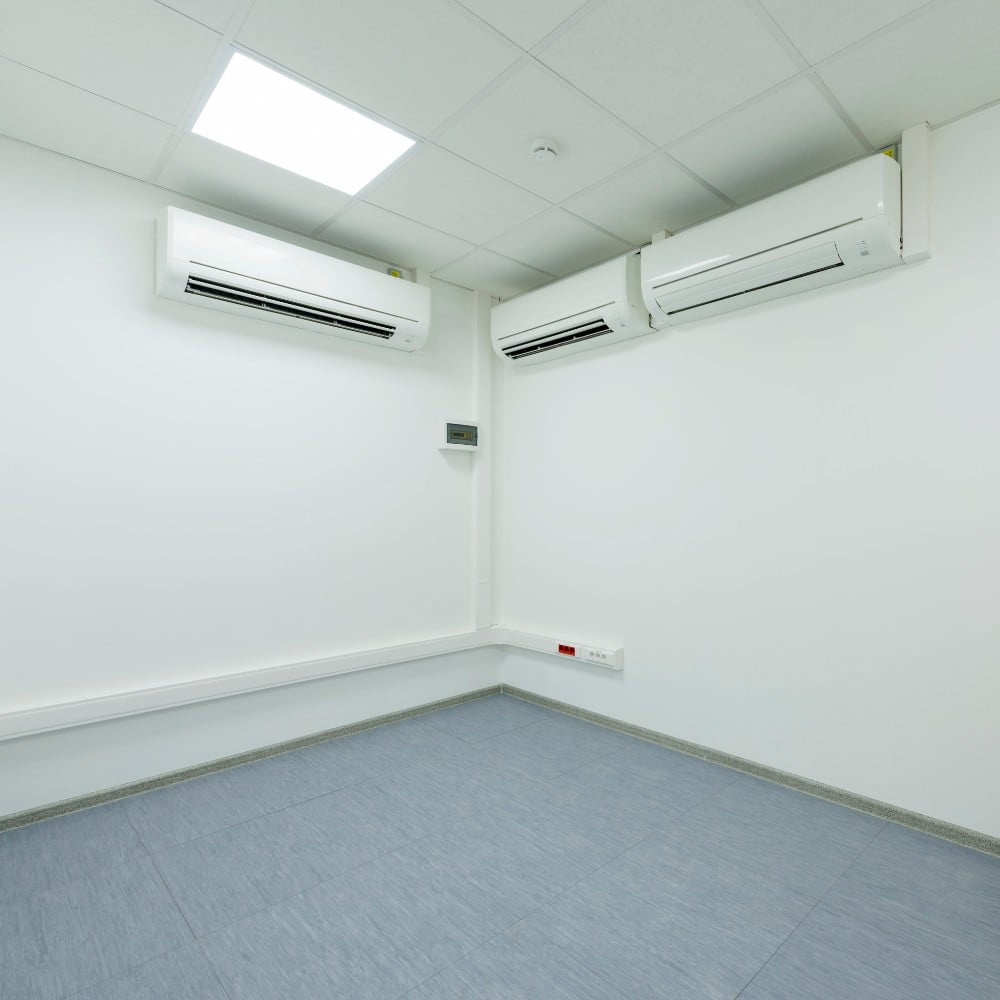
In a storage room, the primary areas that require lighting are the main walkways and the individual aisles between shelves. Here are some guidelines to follow:
- Main Walkways: Install ceiling occupancy sensors at regular intervals along the main walkways. These sensors should be set to Auto ON and Full OFF mode, ensuring that lights turn on automatically when someone enters the walkway and turn off when the area is vacant.
- Individual Aisles: For individual aisles between shelves, consider installing wall occupancy sensors at the entrance of each aisle. These sensors can detect when someone enters the aisle and turn on the lights accordingly. Given the sporadic usage of these aisles, the sensors should be set to Manual ON and Full OFF mode. This means that the lights will only turn on when manually switched on but will turn off automatically when the aisle is vacant.
- Entrance Area: The entrance area of the storage room should have a wall sensor switch that allows manual control of all lighting in the room. This switch can be used to turn all lights on or off as needed, providing an additional layer of control.
- Sensor Placement Considerations: When placing sensors, ensure they are not located near air vents or other sources of movement that could trigger false positives. Also, ensure that the sensors’ field of view is not obstructed by shelves or stored items.
- Sensor Height: Consider the height of the sensor installation. Sensors should be installed at a height that allows for optimal coverage of the room, taking into account the height of stored items.
- Manual Control: Incorporate manual controls to allow users to turn ON/OFF all lighting when needed. This can be particularly useful in storage rooms where lighting may be required for extended periods during inventory checks or reorganization tasks.
Featured Products & Solutions
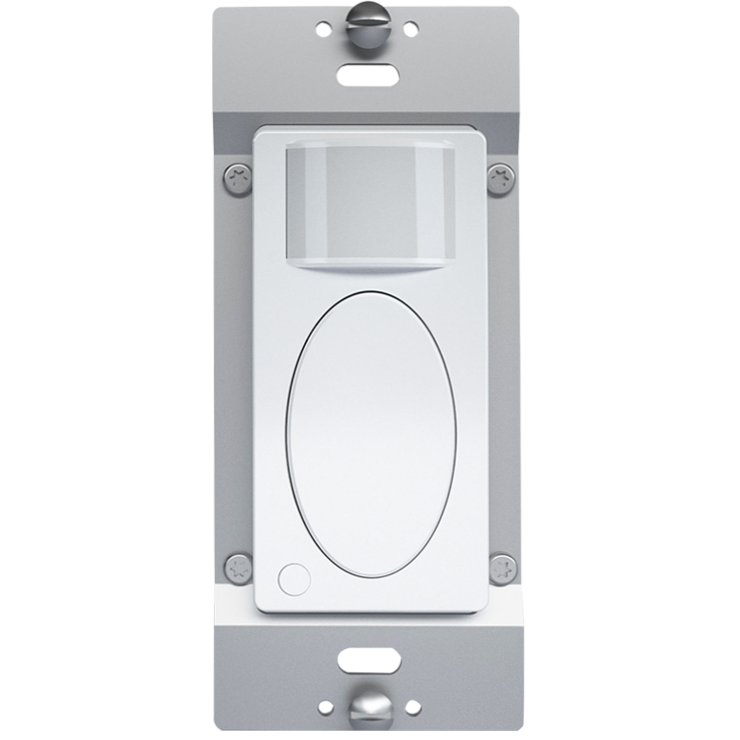
Wall Sensor Switches
RZ020/021 Motion Sensor Switches
- 2-wire, 3-wire, 4-wires wiring options
- Occupancy, Vacancy, Manual ON/OFF
- Adjustive time delay and ambient light control
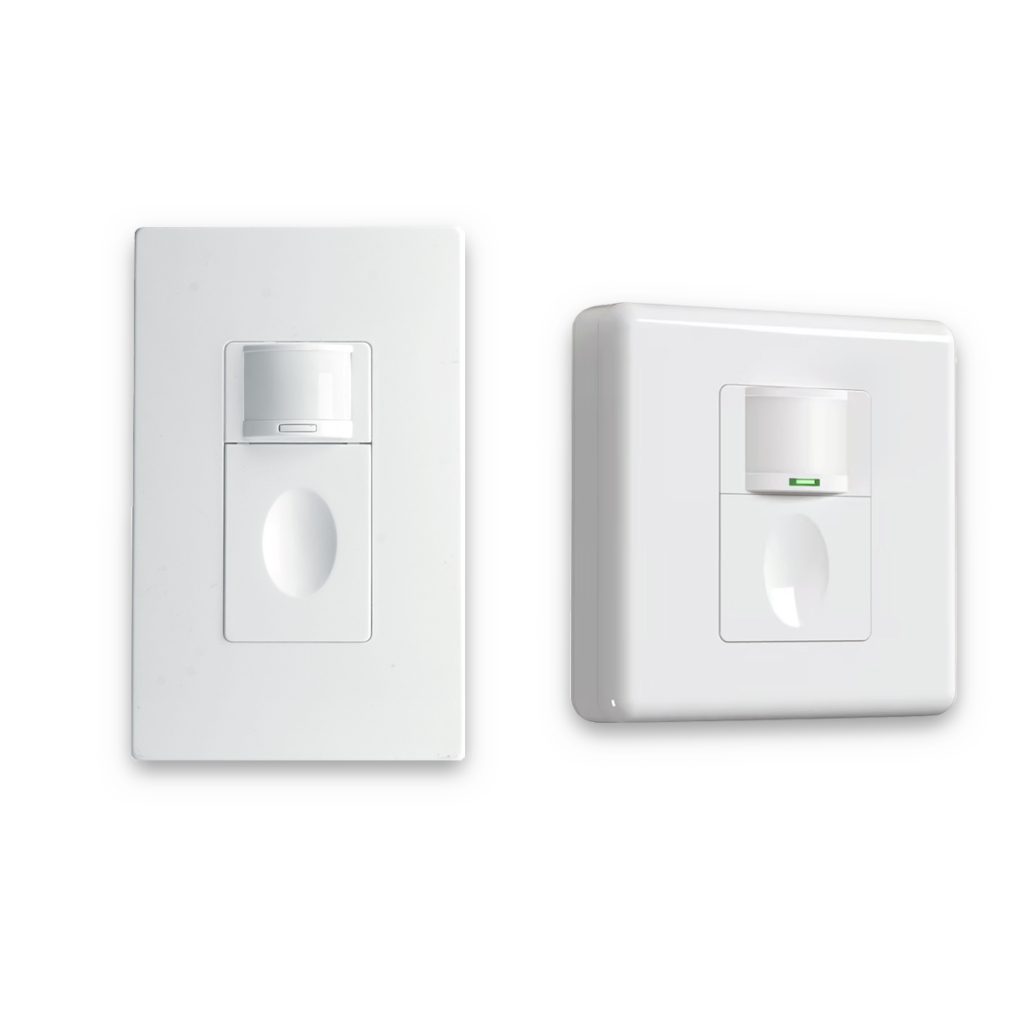
Multi-Location Wireless Wall Sensors
RZ020A/021A + RZ022W Kits
- Hardwired RZ021A/022A occupancy sensor switch
- Wireless companion switch (RZ022W) for multi-location control

Ceiling Occupancy Sensors
RZ036
- Hardwired occupancy sensors
- Auto ON, auto OFF
- Line voltage and Low voltage available
Core features included:
- Integrated manual ON/OFF control for all lighting
- Vacancy sensors (Manual ON only): Lights must be turned on manually only
- Adjustable time-delay, lighting is automatically turned full OFF after 15mins
- Additional: multi-location wireless kits to expand the control range without re-wring
- Additional: multiple wiring options available for both new constructions and retrofit projects.
Meets the Mandatory Provisions
IECC – 2011
C405.2.1 Occupant sensor controls
Occupant sensor controls shall be installed to control lights in the space.
C405.2.1.1 Occupant sensor control functions
- Manual on or partial on to no more than 50% power.
- Full off within 20 minutes after all occupants have left the space
- A manual control to turn off the lights.
ASHRAE 90.1 – 2022
9.4.1.1 a Local control
There shall be one or more manual lighting control device that provides ON and OFF control
of all lighting in the space.
9.4.1.1 H Automatic full OFF control
All lighting in the space shall be automatically shut off within 20 minutes of all occupants leaving the space
Additionally, for storage rooms with sizes <50 ft2:
9.4.1.1 b Restricted to manual ON
None of the lighting shall be automatically turned on
Title 24 – 2022
130.1 (a) Manual area controls.
Each area enclosed by ceiling-height partitions shall provide lighting controls that allow the lighting in that area to be manually turned on and off.
130.1 (c) Shut-OFF Controls.
Lighting shall be controlled with occupant sensing controls to automatically shut OFF all of the lighting in 20 minutes or less after the control zone is unoccupied that shall function either as:
- A. Occupant sensing controls (if 130.1(b) not required to have multi-level lighting controls); or
- B. Partial-ON occupant sensing controls, or
- C. Vacancy sensing controls, where all lighting responds to a manual ON input only
Let us hear you.
Let Rayzeek help design and deliver a bespoke energy-saving lighting solution for you.