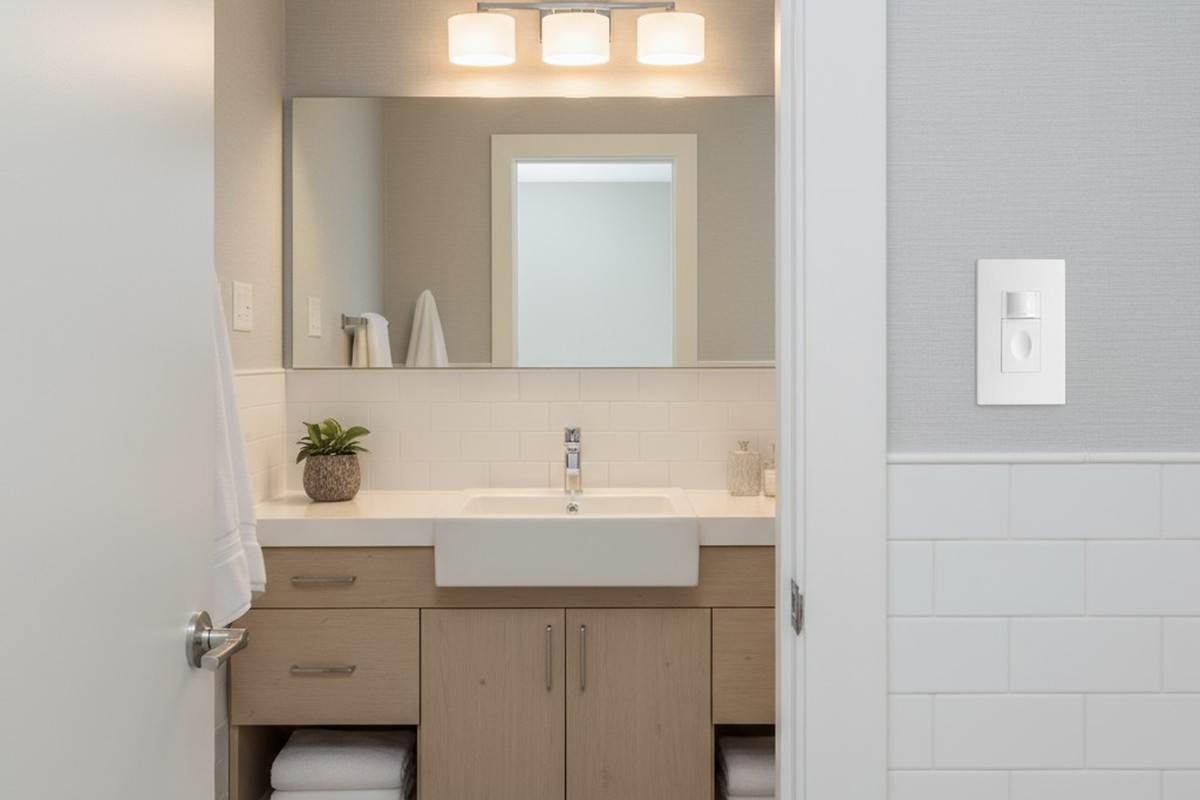
Вентилятор для ванної кімнати з датчиком вологості здається ідеальним рішенням. Він обіцяє вмикатися саме тоді, коли ви приймаєте душ, працювати рівно стільки, скільки потрібно для видалення пари, і потім вимикатися. Логіка бездоганна: душ створює вологість, датчики її виявляють, а вентилятор її видаляє. Це елегантний автоматизований цикл.

Однак це часто не працює. У реальному житті системи керування на основі вологості виявляються дивовижно ненадійними. Вентилятори мовчать під час відвідування ванної кімнати, коли є лише запах. Вони не спрацьовують після гарячого душу в сухому кліматі. Вони вимикаються занадто швидко у маленькій туалетній кімнаті. Ідеал ідеально відкаліброваного вентилятора, чутливого до вологи, постійно не проходить перевірку повсякденним життям, що змушує переглянути уявлення про те, що робить систему вентиляції дійсно ефективною.
Для більшості будинків значно надійнішим є простіший підхід: керування на основі присутності з таймером затримки вимкнення. Ця стратегія змінює теоретичну точність датчика на практичну впевненість у наявності людини. Коли хтось входить до ванної кімнати, вентилятор працює. Коли людина виходить, таймер підтримує його роботу протягом заданого періоду. Це передбачувано, не залежить від клімату й усуває як вологу, так і запах без необхідності вимірювання жодного з цих параметрів. Хоча контроль вологості має свою нішу, керування за присутністю є кращою стратегією за замовчуванням.
Як працюють ці дві стратегії
Ці два підходи працюють на абсолютно різних тригерах і припущеннях. Один реагує на зміни навколишнього середовища, тоді як інший відповідає на дії людини.
Надихайтеся портфоліо датчиків руху Rayzeek.
Не знайшли те, що шукаєте? Не хвилюйтеся. Завжди є альтернативні способи розв'язання ваших завдань. Можливо, одне з наших портфоліо стане вам у пригоді.
Датчик вологості: реактивне припущення
Датчик вологості вимірює відносну вологість (RH) у навколишньому повітрі — кількість водяної пари порівняно з максимально можливою кількістю, яку повітря може утримувати за цієї температури. Вентилятор запускається одним із двох способів. Порогове спрацьовування активує вентилятор, коли відносна вологість перевищує заданий рівень, зазвичай 50-70%. Диференціальне спрацьовування реагує на швидку rate of change, наприклад, на збільшення відносної вологості на 10% за п'ять хвилин.
У будь-якому режимі система є суто реактивною. Вона чекає на значний сплеск вологи від душу або ванни, працює доти, доки вологість не впаде нижче порогового значення, і потім вимикається. Передбачається, що вимірювана зміна вологості є єдиною вагомою причиною для вентиляції.
Керування за присутністю: детермінована визначеність
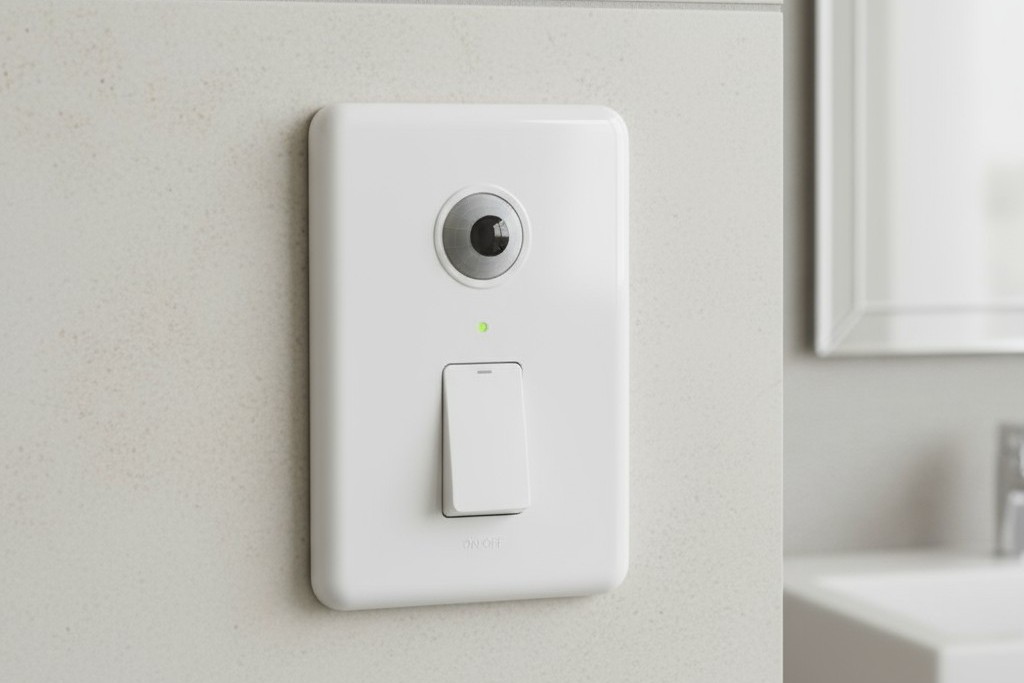
Керування за присутністю покладається на датчик руху або присутності. Коли ви входите до ванної кімнати, вентилятор вмикається негайно і працює доти, доки ви там перебуваєте. Важливим компонентом є таймер затримки після виходу. Коли ви виходите, датчик виявляє вашу відсутність і починає зворотний відлік, зазвичай від 10 до 20 хвилин. Вентилятор продовжує працювати протягом усього цього часу, забезпечуючи повний повітрообмін, який видаляє як вологу, так і запах.
Ця поведінка є детермінованою. Присутність гарантує активацію; вихід гарантує ретельну роботу після відвідування. Система не інтерпретує екологічні дані. Вона виходить із того, що кожне відвідування ванної кімнати потребує вентиляції, і забезпечує її з механічною послідовністю.
Where Humidity Sensing Breaks Down
The clean logic of humidity sensing conceals common failure modes. These aren’t rare malfunctions but predictable outcomes rooted in the physics of air and the patterns of daily life.
The Dry Climate Trap
Relative humidity is just that—relative. In an arid climate where baseline indoor humidity might be just 15%, a steamy shower can fog the mirror without ever pushing the RH past the sensor’s 50% trigger threshold. The bathroom might feel damp, but the absolute humidity change isn’t enough to register. Even a delta-based sensor might miss the event if the rise is too gradual. In climates where the ambient humidity rarely exceeds 40%, a standard humidity sensor becomes little more than a ceiling ornament.
The Small Bathroom Problem
In a small powder room, the limited air volume means moisture from handwashing or a quick shower can cause a rapid humidity spike. But that small volume also means the room equilibrates just as quickly. Air exchanges with the hallway under the door, and moisture diffuses into wall surfaces. The humidity spike can rise and fall before a sensor with conservative settings even registers it as an event worth addressing. The result is inconsistent performance, eroding any trust in the system.
Odor Is Not Moisture
The most fundamental flaw is categorical: a humidity sensor cannot detect odor. A bathroom visit that generates no steam produces no meaningful change in relative humidity. The sensor sees nothing, the fan stays off, and the odor lingers. Since odor control is a primary reason people want a bathroom fan, a system that is blind to this problem is fundamentally inadequate.
Шукаєте енергозбережні рішення з датчиками руху?
Зв'яжіться з нами, щоб отримати повний асортимент інфрачервоних (PIR) датчиків руху, енергозбережних продуктів, що активуються рухом, вимикачів із датчиками руху, а також комерційних рішень для контролю присутності та відсутності (Occupancy/Vacancy).
Why Occupancy Control Is More Reliable
Occupancy control sidesteps these issues by abandoning environmental measurement altogether. Its logic is simple and sound: if someone used the bathroom, ventilation is necessary.
This approach just works, everywhere. A home in Phoenix with 12% baseline humidity gets the same reliable fan operation as one in New Orleans with 65% humidity. The system is immune to climate because it responds only to a universal constant: human presence. It covers both moisture and odor comprehensively, because the post-run timer is set long enough to cycle the room’s air multiple times. A 15-minute run in a standard bathroom with an 80 CFM fan will exchange the entire volume of air three times over—more than enough to clear steam and smells.
The key is setting the timer correctly. A small powder room might only need 10 minutes, while a standard bathroom benefits from 15-20 minutes. Most occupancy controls have adjustable timers, allowing you to tune the run time to your specific needs.
Finally, the system is predictable. You know what it will do every time. It turns on when you enter and runs for a set time after you leave. There’s no mystery, no second-guessing if the conditions were “right.” This consistency builds trust and lets you forget about the fan entirely, because it behaves the same way every time.
When Humidity Sensing Still Makes Sense
Despite its flaws, humidity sensing excels in a few specific scenarios where its adaptive nature becomes an advantage.
Chronically Humid Climates

In coastal regions or areas with high annual rainfall, indoor humidity can consistently hover above 50-60%. Here, the low-baseline problem inverts. A shower will easily push the RH past a 70% threshold, making the sensor highly reliable. In this environment, a fixed 15-minute timer from an occupancy sensor might not be enough to bring the elevated humidity back to a safe level, increasing mold risk. A humidity sensor, however, will continue running until the job is done, providing a crucial adaptive response.
Shared or Commercial Bathrooms
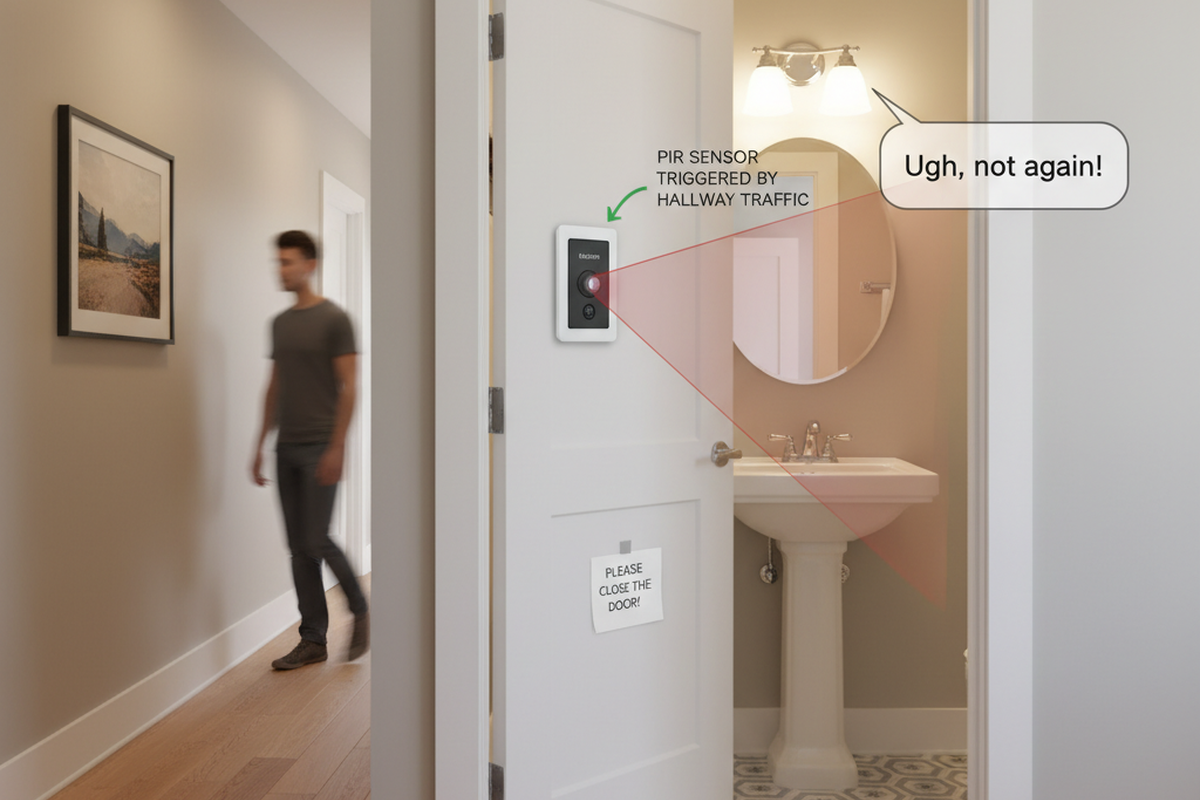
In a multi-stall public restroom or a gym locker room, occupancy sensing is impractical. A motion sensor might never detect a true vacancy, causing the fan to run nonstop, or it might shut off while someone is in a stall outside its view. Here, humidity sensing or simple continuous ventilation is a better fit, as it can respond to the aggregate moisture load from multiple users.
Choosing the Right Strategy
For the vast majority of homes, the choice is clear.
For most residential bathrooms: Occupancy control with an adjustable 15-20 minute timer is the most reliable choice. It works consistently in any climate, handles both odor and moisture, and is completely predictable. This is especially true for homes in arid or moderate climates and for any small-to-medium-sized bathroom.
Можливо, вас зацікавить

- Напруга: 2 батарейки AAA
- Режим День/Ніч
- Затримка часу: 15 хв, 30 хв, 1 год (за замовчуванням), 2 год
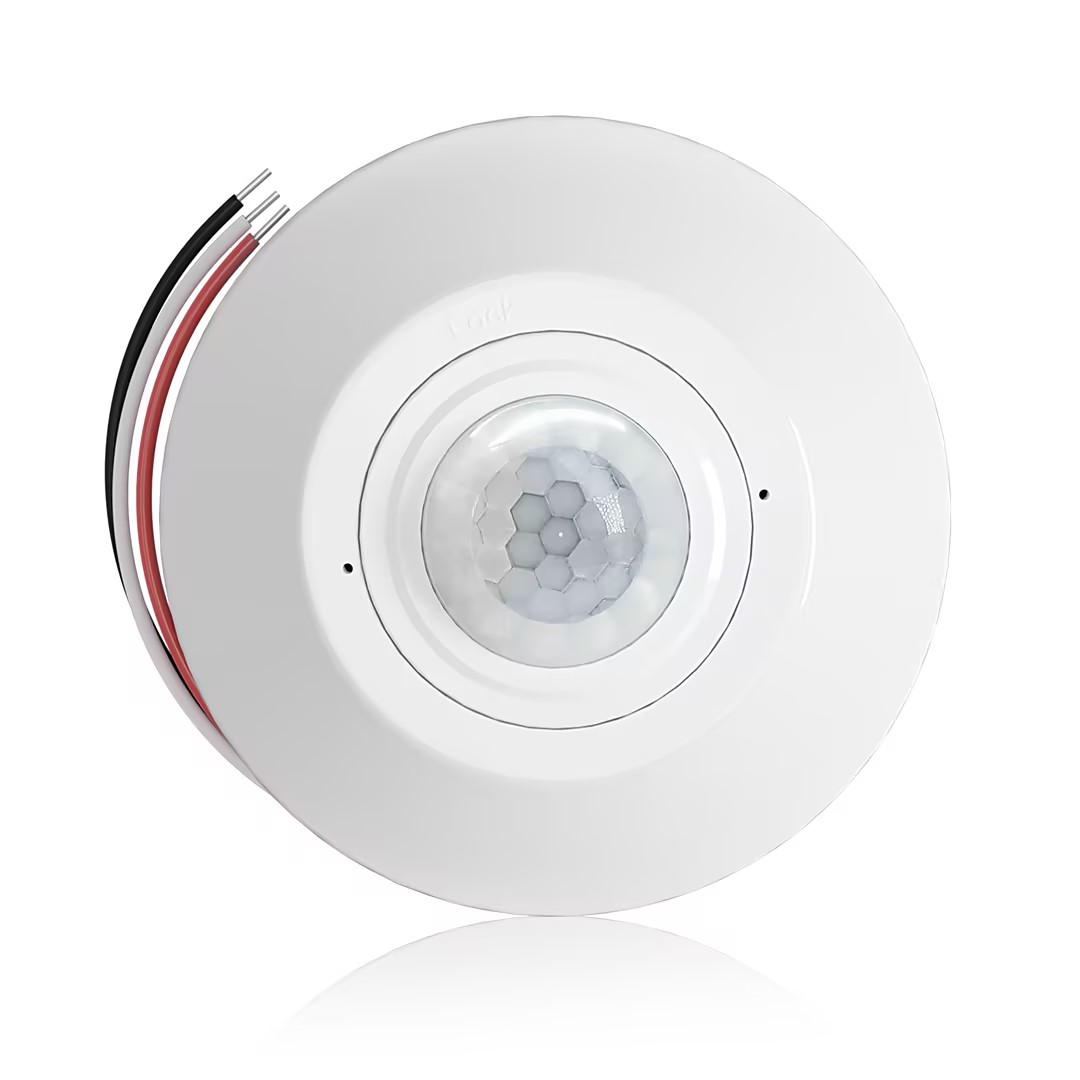
- Стелярний PIR-датчик присутності з виходом реле типу «сухий контакт»
- Низьковольтне живлення 12/24 В постійного струму або 12/24 В змінного струму
- Ізольовані контакти реле COM, NO та NC для систем управління будівлями (EMS), опалення, вентиляції та кондиціонування (HVAC)
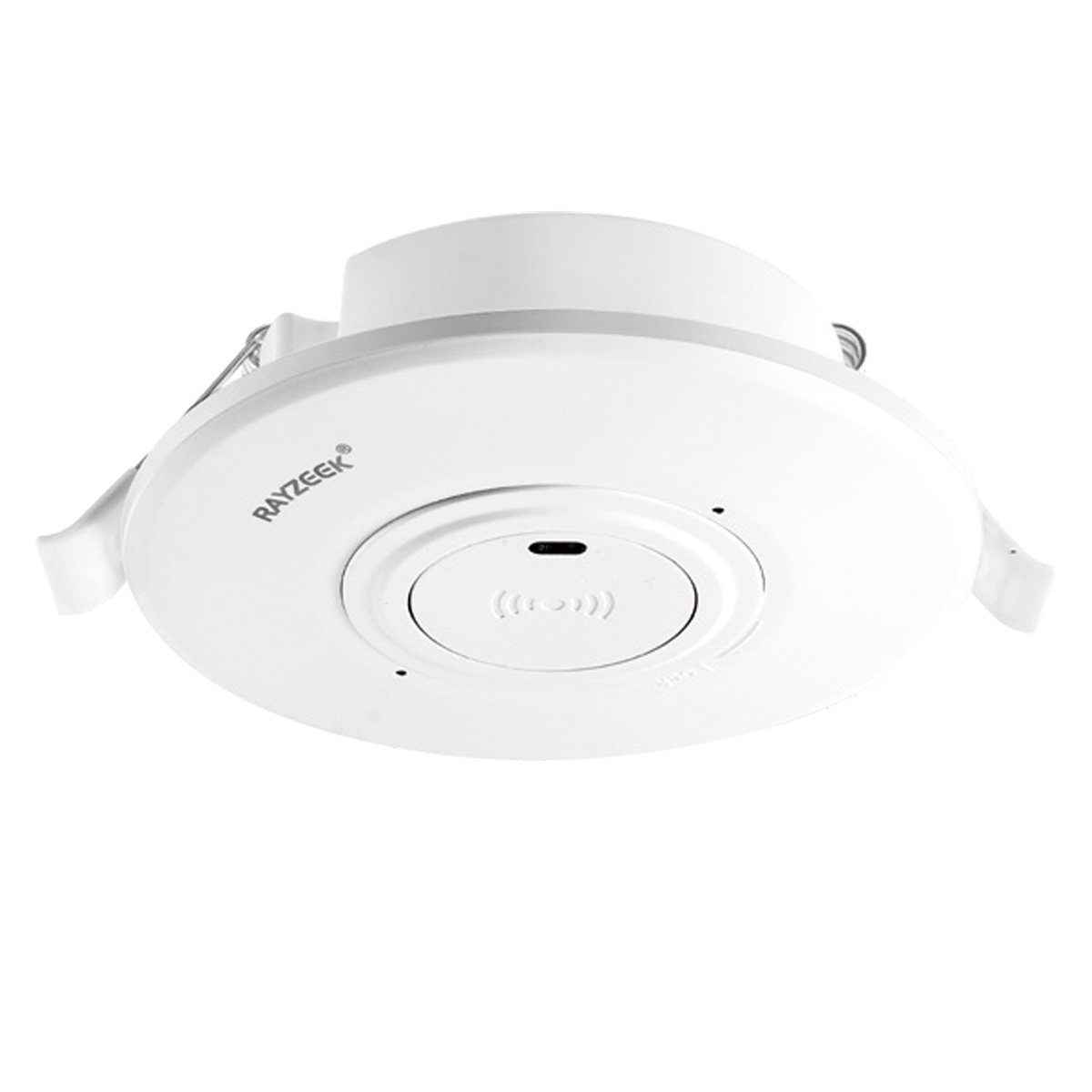
- Низьковольтний врізний стельовий мікрохвильовий вимикач із датчиком руху постійного струму
- Вхід 12 В / 24 В постійного струму з діапазоном 10–30 В постійного струму
- Максимальний робочий струм 10A з регульованою затримкою часу, порогом Lux і чутливістю
- Врізний стельовий мікрохвильовий вимикач із датчиком руху для підвищеного навантаження
- Вхідна мережева напруга 100-265 VAC, модель 10A
- Мікрохвильове виявлення 5.8 GHz з регульованою затримкою часу, порогом Lux і чутливістю
- Врізний стельовий мікрохвильовий вимикач із датчиком руху
- Вхідна мережева напруга 100-265 VAC, модель 5A
- Мікрохвильове виявлення 5.8 GHz з регульованою затримкою часу, порогом Lux і чутливістю
- Стельовий димер із PIR-датчиком присутності RZ037 для живлення 220V
- Максимальний робочий струм 3A із номінальним навантаженням 660W
- Кнопка LUX керує увімкненням/вимкненням датчика освітленості та налаштованою користувачем яскравістю димування
- Стельовий PIR-датчик присутній з димером RZ037 для живлення 110V
- Максимальний робочий струм 3A із номінальним навантаженням 330W
- Кнопка LUX керує увімкненням/вимкненням датчика освітленості та налаштованою користувачем яскравістю димування
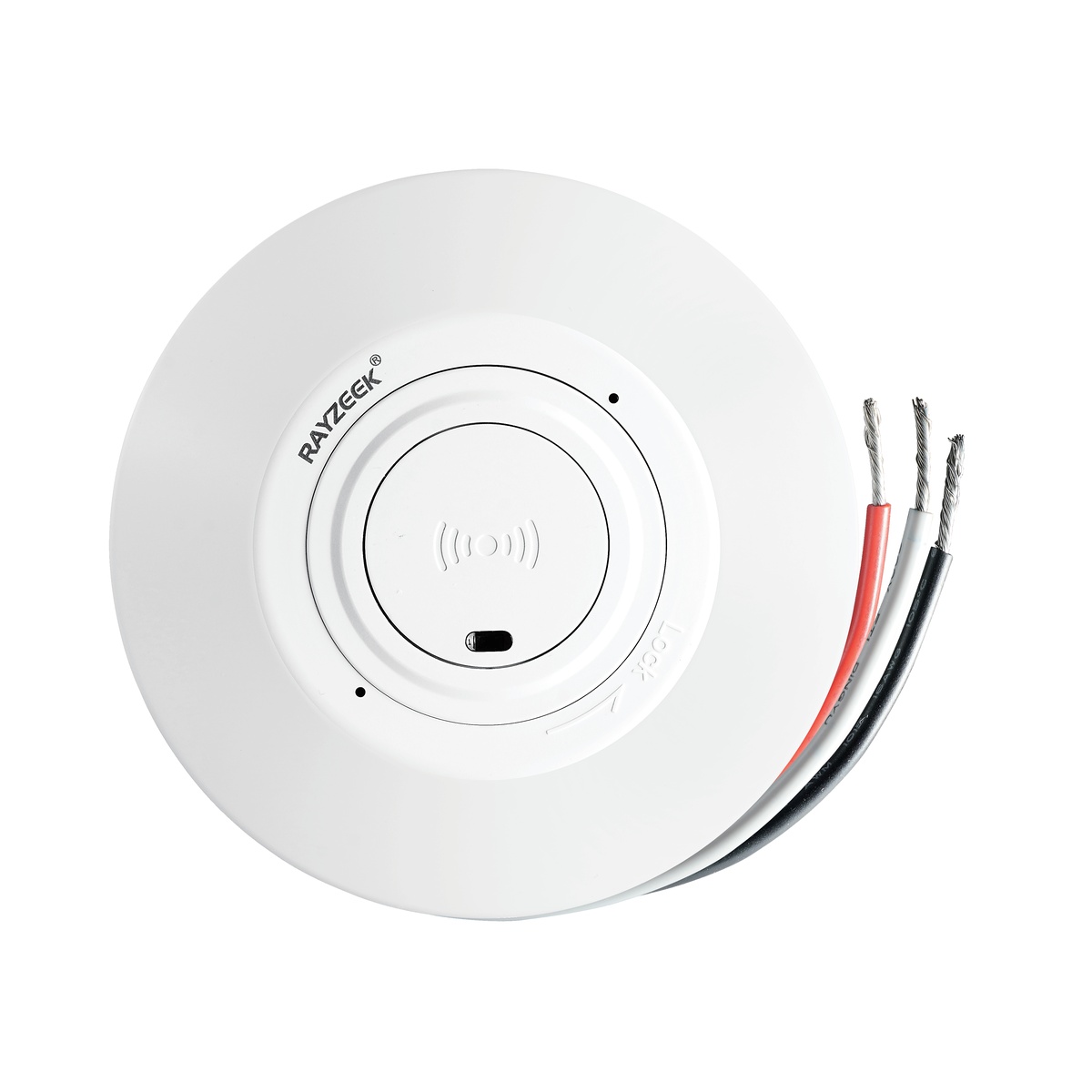
- Низьковольтний стельовий мікрохвильовий датчик руху постійного струму
- Вхід 12 В / 24 В постійного струму з діапазоном 10–30 В постійного струму
- Максимальний робочий струм 10A з регульованою затримкою часу, порогом Lux і чутливістю
- Стельовий мікрохвильовий датчик руху для підвищеного навантаження
- Вхідна мережева напруга 100-265 VAC, модель 10A
- Мікрохвильове виявлення 5.8 GHz з регульованою затримкою часу, порогом Lux і чутливістю
- Стельовий мікрохвильовий датчик руху
- Вхідна мережева напруга 100-265 VAC, модель 5A
- Мікрохвильове виявлення 5.8 GHz з регульованою затримкою часу, порогом Lux і чутливістю
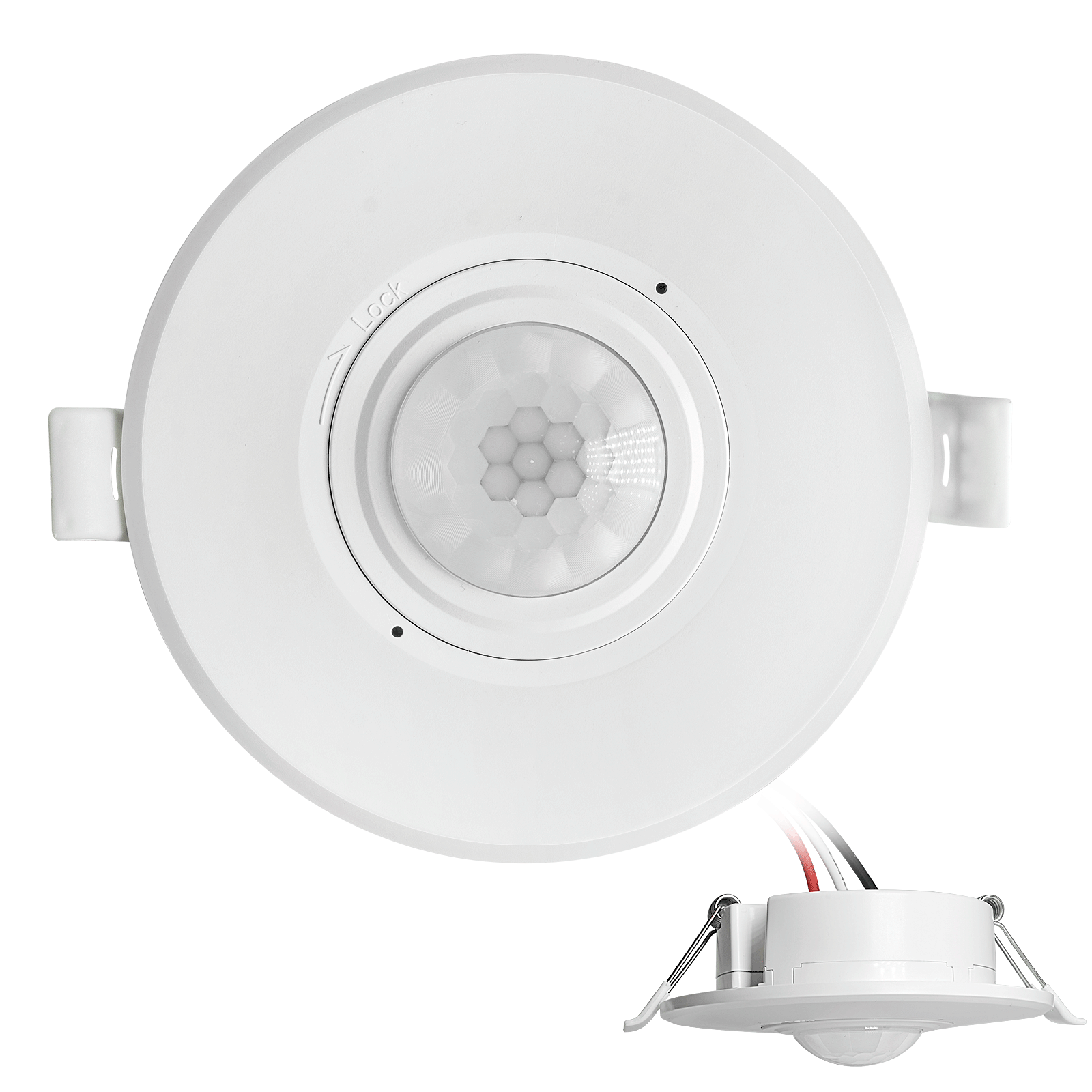
- Низьковольтний врізний стельовий PIR-датчик руху постійного струму
- Вхід 12 В / 24 В постійного струму з діапазоном 10–30 В постійного струму
- Максимальний робочий струм 10A з регульованою затримкою часу, порогом Lux та чутливістю
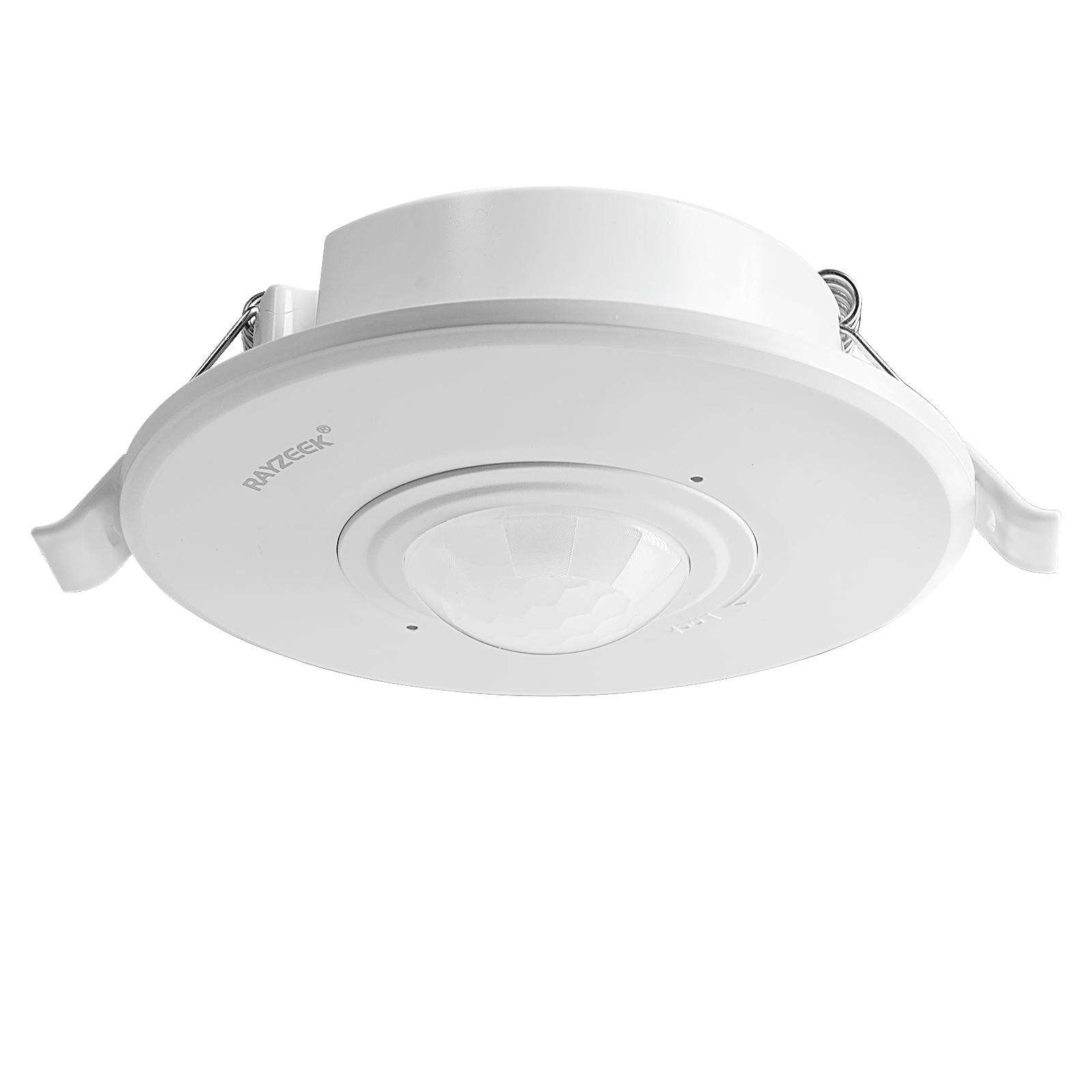
- Врізний стельовий PIR-датчик руху для підвищеного навантаження
- Вхідна мережева напруга 100-265 VAC, модель 10A
- Детекція на 360 градусів з регульованою затримкою часу, порогом Lux та чутливістю
- Врізний стельовий вимикач із PIR-датчиком руху
- Вхідна мережева напруга 100-265 VAC, модель 5A
- Детекція на 360 градусів з регульованою затримкою часу, порогом Lux та чутливістю
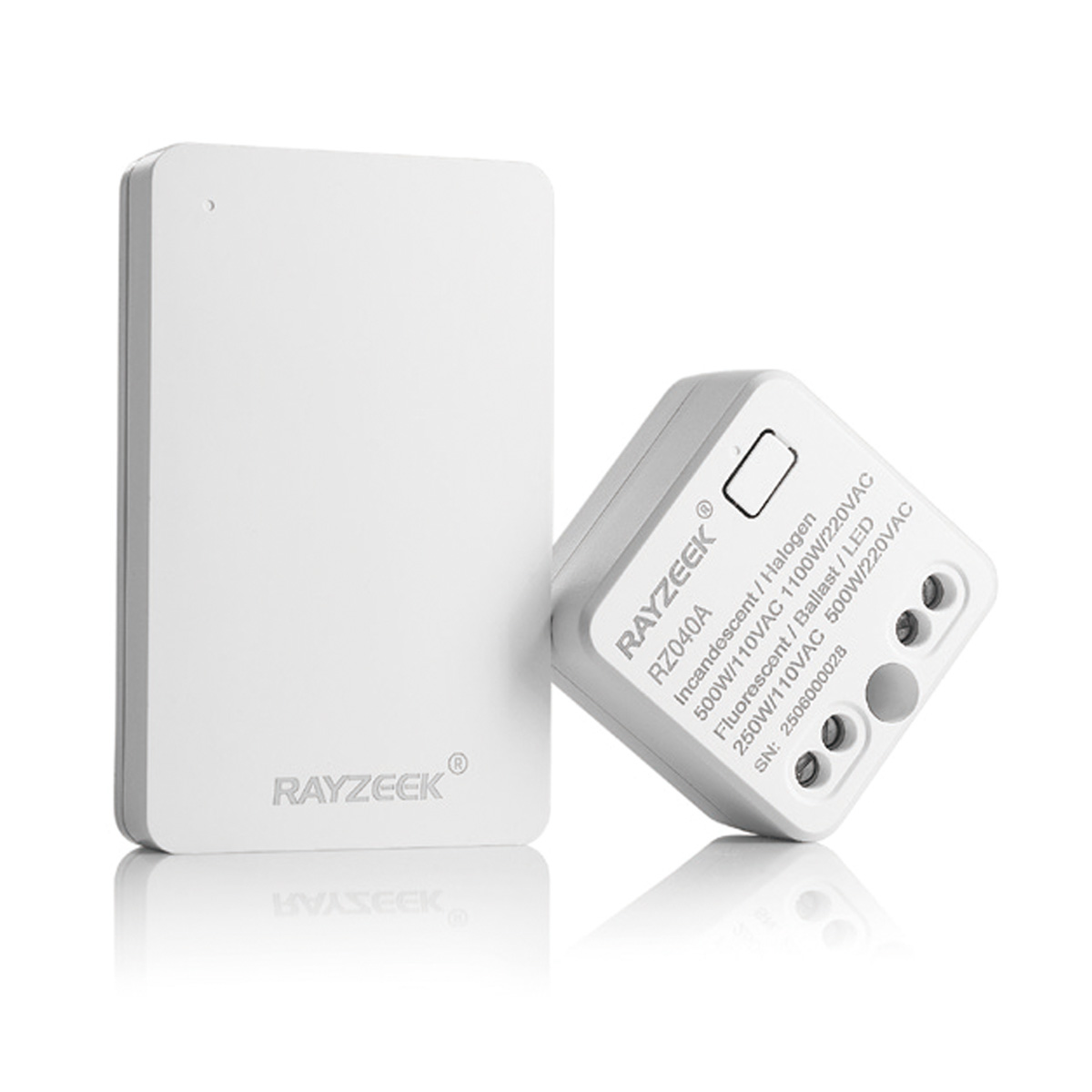
- Комплект бездротового вимикача та приймача для внутрішнього керування освітленням (УВІМК/ВИМК)
- Приймач 100-230VAC, 50/60Hz із номінальним струмом 5A
- Бездротовий вимикач із живленням від CR2032 та зв'язком 2.4GHz
- Режим присутності (Auto-ON/Auto-OFF)
- 12–24V DC (10–30VDC), до 10A
- Зона охоплення 360°, діаметр 8–12 m
- Затримка часу 15 s–30 min
- Датчик освітленості Off/15/25/35 Lux
- Висока/низька чутливість
- Режим присутності Auto-ON/Auto-OFF (автоматичне увімкнення/вимкнення)
- 100–265V AC, 10A (необхідна нейтраль)
- Зона охоплення 360°; діаметр виявлення 8–12 м
- Затримка часу 15 s–30 min; Lux OFF/15/25/35; чутливість High/Low
- Режим присутності Auto-ON/Auto-OFF (автоматичне увімкнення/вимкнення)
- 100–265V AC, 5A (необхідна нейтраль)
- Зона охоплення 360°; діаметр виявлення 8–12 м
- Затримка часу 15 s–30 min; Lux OFF/15/25/35; чутливість High/Low
For bathrooms in chronically humid climates: If your indoor RH is regularly above 50%, humidity sensing is a strong contender. The elevated baseline makes the sensor reliable, and its ability to run until the moisture is truly gone is a key advantage in preventing mold. A dual-mode system—triggering on occupancy but continuing to run based on humidity—offers the best of both worlds.
For large, complex bathrooms: A master bath over 100 square feet may benefit from a longer post-run timer (20-25 minutes) on an occupancy sensor, or a more sophisticated dual-mode controller.
The goal is to align the control strategy with the real-world conditions of the space. While humidity sensing offers a sophisticated, data-driven approach, it is a specialized tool that performs well only under specific conditions. Occupancy control is a general-purpose solution that sacrifices theoretical precision for practical reliability. In most bathrooms, reliability wins.