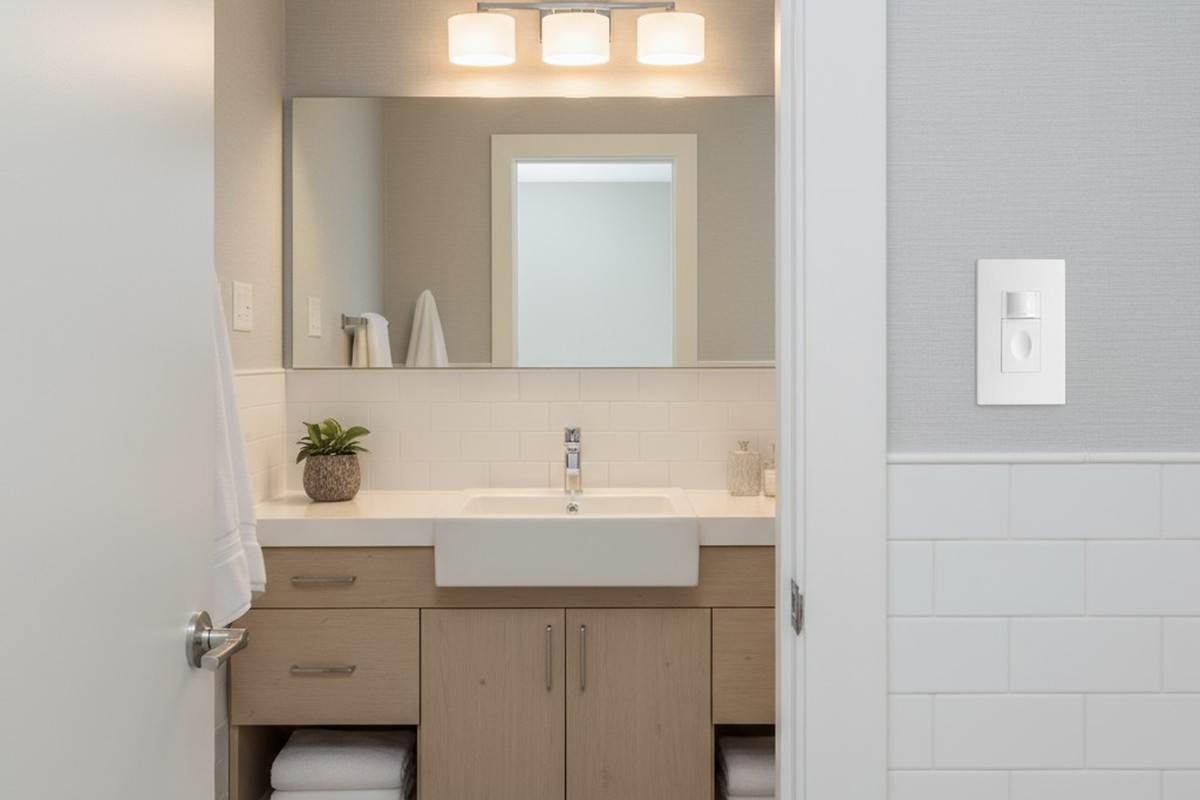
พัดลมดูดอากาศในห้องน้ำพร้อมเซนเซอร์วัดความชื้นดูเหมือนจะเป็นทางออกที่สมบูรณ์แบบ โดยสัญญาว่าจะทำงานอย่างแม่นยำเมื่อคุณอาบน้ำ เปิดทำงานนานพอที่จะระบายไอน้ำ แล้วจึงปิดตัวเองโดยอัตโนมัติ หลักการนั้นสมบูรณ์แบบ: การอาบน้ำสร้างความชื้น เซนเซอร์ตรวจจับความชื้น และพัดลมระบายความชื้นออกไป ซึ่งเป็นระบบอัตโนมัติที่ทำงานอย่างราบรื่น.

เว้นแต่ว่าในความเป็นจริงมันมักจะไม่ทำงานเช่นนั้น ในการใช้งานจริง ระบบควบคุมตามค่าความชื้นมีความไม่แน่นอนอย่างน่าประหลาดใจ พัดลมไม่ทำงานเมื่อมีการใช้งานห้องน้ำที่มีเฉพาะกลิ่นอับ ไม่สามารถตรวจจับเพื่อทำงานได้หลังจากอาบน้ำอุ่นในสภาพอากาศที่แห้ง หรือปิดเร็วเกินไปในห้องน้ำขนาดเล็ก สภาพแวดล้อมที่สมบูรณ์แบบของพัดลมที่ปรับตั้งค่าอย่างแม่นยำและตรวจจับความชื้นได้ดีนั้นสอบไม่ผ่านการใช้งานจริงในชีวิตประจำวันอย่างต่อเนื่อง ส่งผลให้ต้องมีการพิจารณาใหม่ว่าอะไรคือปัจจัยที่ทำให้ระบบระบายอากาศมีประสิทธิภาพอย่างแท้จริง.
สำหรับบ้านส่วนใหญ่ วิธีการที่ง่ายกว่านั้นมีความน่าเชื่อถือมากกว่ามาก นั่นคือ การควบคุมตามการเข้าใช้พื้นที่ร่วมกับตัวตั้งเวลาทำงานต่อหลังจากออกจากห้องน้ำ กลยุทธ์นี้แลกความแม่นยำทางทฤษฎีของเซนเซอร์กับความแน่นอนในการใช้งานจริงจากการปรากฏตัวของมนุษย์ เมื่อมีคนเข้าห้องน้ำ พัดลมจะทำงาน และเมื่อพวกเขาออกไป ตัวตั้งเวลาจะเล่นรันพัดลมต่อไปตามระยะเวลาที่กำหนดไว้ ระบบนี้สามารถคาดเดาได้ ไม่ขึ้นอยู่กับสภาพอากาศ และจัดการได้ทั้งความชื้นและกลิ่นโดยไม่จำเป็นต้องวัดค่าใดๆ แม้ว่าการตรวจจับความชื้นจะมีประโยชน์ในบางกรณี แต่การควบคุมตามการเข้าใช้พื้นที่คือกลยุทธ์หลักที่ดีกว่า.
กลไกการทำงานของทั้งสองกลยุทธ์
ทั้งสองรูปแบบทำงานโดยอาศัยตัวกระตุ้นและสมมติฐานที่แตกต่างกันอย่างสิ้นเชิง รูปแบบหนึ่งตอบสนองต่อการเปลี่ยนแปลงของสภาพแวดล้อม ในขณะที่อีกรูปแบบหนึ่งตอบสนองต่อการกระทำของมนุษย์.
รับแรงบันดาลใจจากกลุ่มผลิตภัณฑ์เซนเซอร์ตรวจจับความเคลื่อนไหว Rayzeek.
ยังไม่พบสิ่งที่ต้องการใช่หรือไม่? ไม่ต้องกังวล เพราะยังมีแนวทางอื่นในการแก้ปัญหาของคุณเสมอ บางทีหนึ่งในกลุ่มผลิตภัณฑ์ของเราอาจช่วยคุณได้.
การตรวจจับความชื้น: การคาดเดาแบบตั้งรับ
เซนเซอร์วัดความชื้นจะวัดค่าความชื้นสัมพัทธ์ (RH) ในอากาศโดยรอบ ซึ่งก็คือปริมาณไอน้ำที่มีอยู่เปรียบเทียบกับปริมาณสูงสุดที่อากาศสามารถอุ้มไว้ได้ ณ อุณหภูมินั้น พัดลมจะถูกกระตุ้นให้ทำงานด้วยวิธีใดวิธีหนึ่งจากสองวิธีนี้. การกระตุ้นตามเกณฑ์กำหนด (Threshold triggering) เปิดใช้งานพัดลมเมื่อค่า RH สูงเกินระดับที่ตั้งไว้ ซึ่งโดยทั่วไปคือ 50-70%. การกระตุ้นตามอัตราการเปลี่ยนแปลง (Delta triggering) ตอบสนองต่ออัตราที่รวดเร็วของ อัตราการเปลี่ยนแปลง, เช่น การเพิ่มขึ้นของค่า RH 10% ภายในห้านาที.
ไม่ว่าจะอยู่ในโหมดใด ระบบจะทำงานแบบตั้งรับโดยสิ้นเชิง โดยจะรอให้มีความชื้นเพิ่มขึ้นอย่างมากจากการอาบน้ำ แล้วทำงานจนกว่าความชื้นจะลดลงกลับมาต่ำกว่าเกณฑ์ จากนั้นจึงปิดทำงาน ระบบตั้งสมมติฐานว่าการเปลี่ยนแปลงความชื้นที่วัดค่าได้เป็นเหตุผลที่ถูกต้องเพียงประการเดียวสำหรับการระบายอากาศ.
การควบคุมตามการเข้าใช้พื้นที่: ความแน่นอนที่ขับเคลื่อนด้วยเหตุการณ์
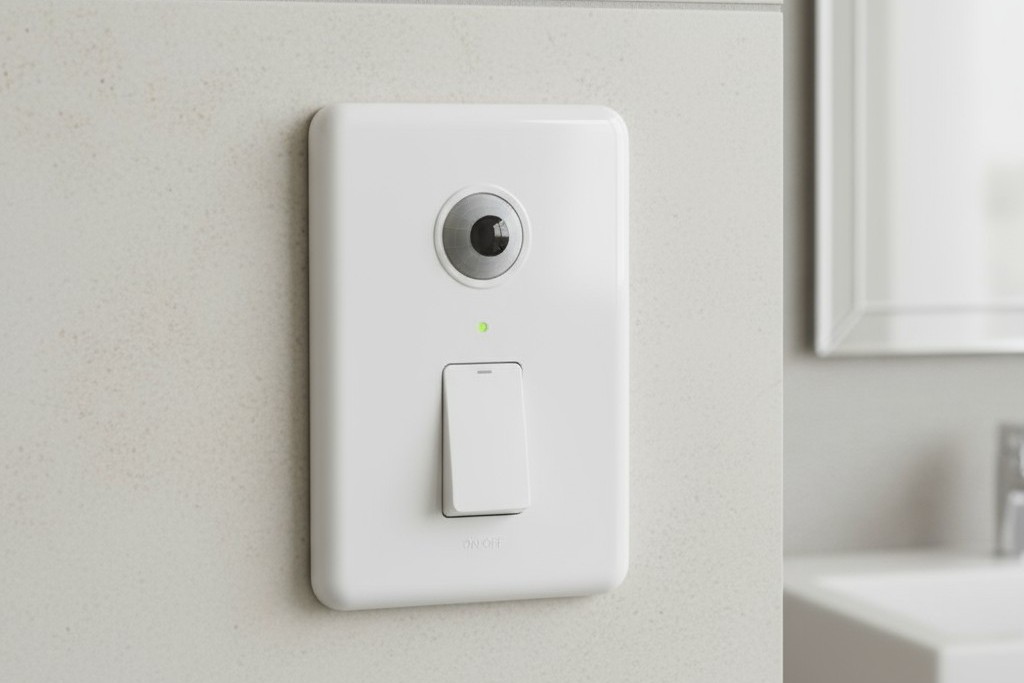
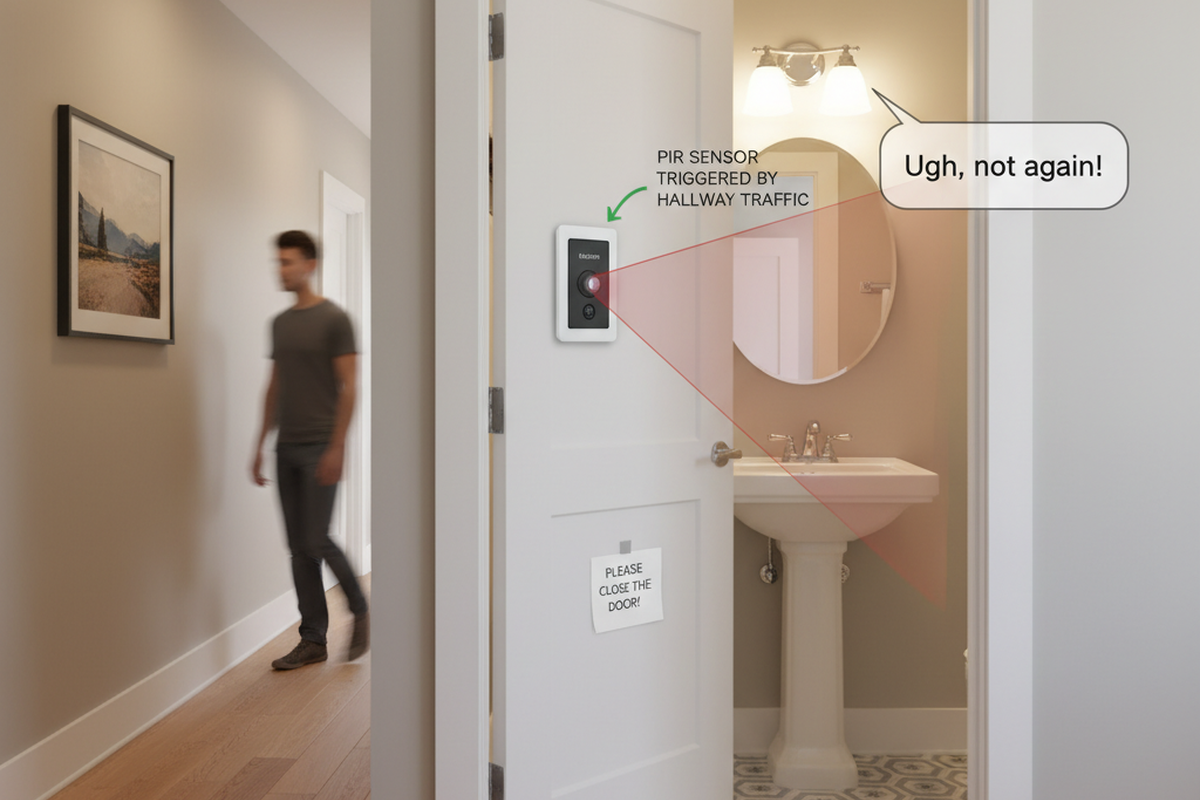
การควบคุมตามการเข้าใช้พื้นที่อาศัยเซนเซอร์ตรวจจับความเคลื่อนไหวหรือการปรากฏตัว เมื่อคุณเข้าห้องน้ำ พัดลมจะเปิดทำงานทันทีและทำงานตราบใดที่คุณยังอยู่ข้างใน ส่วนประกอบสำคัญคือตัวตั้งเวลาหลังจากออกจากห้องน้ำ เมื่อคุณออกไป เซนเซอร์จะตรวจจับได้ว่าไม่มีคนอยู่และเริ่มนับถอยหลัง โดยทั่วไปจะตั้งไว้ที่ 10 ถึง 20 นาที พัดลมจะทำงานต่อไปตลอดช่วงเวลานี้ เพื่อให้มั่นใจว่าจะมีการถ่ายเทอากาศอย่างสมบูรณ์ซึ่งช่วยขจัดทั้งความชื้นและกลิ่นอับ.
พฤติกรรมนี้เป็นไปตามกฎเกณฑ์ที่แน่นอน การปรากฏตัวรับประกันการเปิดใช้งาน และการออกจากห้องน้ำรับประกันการทำงานต่ออย่างทั่วถึง ระบบไม่ได้ตีความข้อมูลสภาพแวดล้อม แต่ตั้งสมมติฐานว่าการใช้ห้องน้ำทุกครั้งสมควรได้รับระบายอากาศ และตอบสนองด้วยความสม่ำเสมอตามกลไก.
Where Humidity Sensing Breaks Down
The clean logic of humidity sensing conceals common failure modes. These aren’t rare malfunctions but predictable outcomes rooted in the physics of air and the patterns of daily life.
The Dry Climate Trap
Relative humidity is just that—relative. In an arid climate where baseline indoor humidity might be just 15%, a steamy shower can fog the mirror without ever pushing the RH past the sensor’s 50% trigger threshold. The bathroom might feel damp, but the absolute humidity change isn’t enough to register. Even a delta-based sensor might miss the event if the rise is too gradual. In climates where the ambient humidity rarely exceeds 40%, a standard humidity sensor becomes little more than a ceiling ornament.
The Small Bathroom Problem
In a small powder room, the limited air volume means moisture from handwashing or a quick shower can cause a rapid humidity spike. But that small volume also means the room equilibrates just as quickly. Air exchanges with the hallway under the door, and moisture diffuses into wall surfaces. The humidity spike can rise and fall before a sensor with conservative settings even registers it as an event worth addressing. The result is inconsistent performance, eroding any trust in the system.
Odor Is Not Moisture
The most fundamental flaw is categorical: a humidity sensor cannot detect odor. A bathroom visit that generates no steam produces no meaningful change in relative humidity. The sensor sees nothing, the fan stays off, and the odor lingers. Since odor control is a primary reason people want a bathroom fan, a system that is blind to this problem is fundamentally inadequate.
กำลังมองหาโซลูชันประหยัดพลังงานทำงานตามการเคลื่อนไหวอยู่ใช่หรือไม่
ติดต่อเราเพื่อรับโซลูชันครบวงจรสำหรับ PIR motion sensor, ผลิตภัณฑ์ประหยัดพลังงานทำงานตามการเคลื่อนไหว, สวิตช์เซนเซอร์ตรวจจับการเคลื่อนไหว และโซลูชัน Occupancy/Vacancy สำหรับเชิงพาณิชย์.
Why Occupancy Control Is More Reliable
Occupancy control sidesteps these issues by abandoning environmental measurement altogether. Its logic is simple and sound: if someone used the bathroom, ventilation is necessary.
This approach just works, everywhere. A home in Phoenix with 12% baseline humidity gets the same reliable fan operation as one in New Orleans with 65% humidity. The system is immune to climate because it responds only to a universal constant: human presence. It covers both moisture and odor comprehensively, because the post-run timer is set long enough to cycle the room’s air multiple times. A 15-minute run in a standard bathroom with an 80 CFM fan will exchange the entire volume of air three times over—more than enough to clear steam and smells.
The key is setting the timer correctly. A small powder room might only need 10 minutes, while a standard bathroom benefits from 15-20 minutes. Most occupancy controls have adjustable timers, allowing you to tune the run time to your specific needs.
Finally, the system is predictable. You know what it will do every time. It turns on when you enter and runs for a set time after you leave. There’s no mystery, no second-guessing if the conditions were “right.” This consistency builds trust and lets you forget about the fan entirely, because it behaves the same way every time.
When Humidity Sensing Still Makes Sense
Despite its flaws, humidity sensing excels in a few specific scenarios where its adaptive nature becomes an advantage.
Chronically Humid Climates

In coastal regions or areas with high annual rainfall, indoor humidity can consistently hover above 50-60%. Here, the low-baseline problem inverts. A shower will easily push the RH past a 70% threshold, making the sensor highly reliable. In this environment, a fixed 15-minute timer from an occupancy sensor might not be enough to bring the elevated humidity back to a safe level, increasing mold risk. A humidity sensor, however, will continue running until the job is done, providing a crucial adaptive response.
Shared or Commercial Bathrooms
In a multi-stall public restroom or a gym locker room, occupancy sensing is impractical. A motion sensor might never detect a true vacancy, causing the fan to run nonstop, or it might shut off while someone is in a stall outside its view. Here, humidity sensing or simple continuous ventilation is a better fit, as it can respond to the aggregate moisture load from multiple users.
Choosing the Right Strategy
For the vast majority of homes, the choice is clear.
For most residential bathrooms: Occupancy control with an adjustable 15-20 minute timer is the most reliable choice. It works consistently in any climate, handles both odor and moisture, and is completely predictable. This is especially true for homes in arid or moderate climates and for any small-to-medium-sized bathroom.
คุณอาจสนใจ

- แรงดันไฟฟ้า: ถ่าน AAA 2 ก้อน
- โหมดกลางวัน/กลางคืน
- การหน่วงเวลา: 15 นาที, 30 นาที, 1 ชั่วโมง (ค่าเริ่มต้น), 2 ชั่วโมง
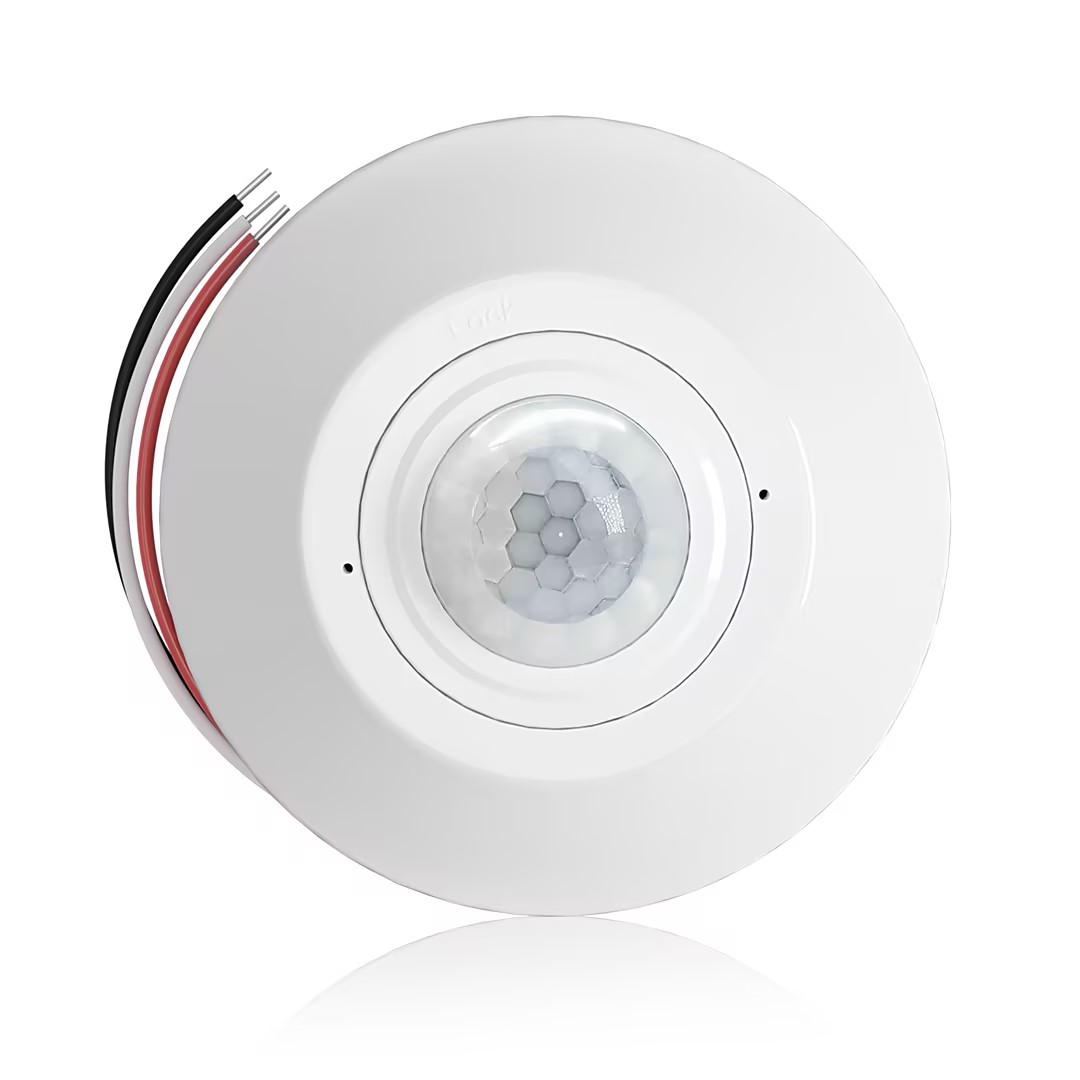
- เซนเซอร์ตรวจจับการถือครองห้อง PIR ติดตั้งบนเพดาน พร้อมเอาต์พุตรีเลย์หน้าสัมผัสแห้ง
- ระบบจ่ายไฟแรงดันต่ำ 12/24VDC หรือ 12/24VAC
- หน้าสัมผัสรีเลย์แบบแยก COM, NO และ NC สำหรับสัญญาณอินพุตของระบบ EMS, HVAC และระบบควบคุมอาคาร
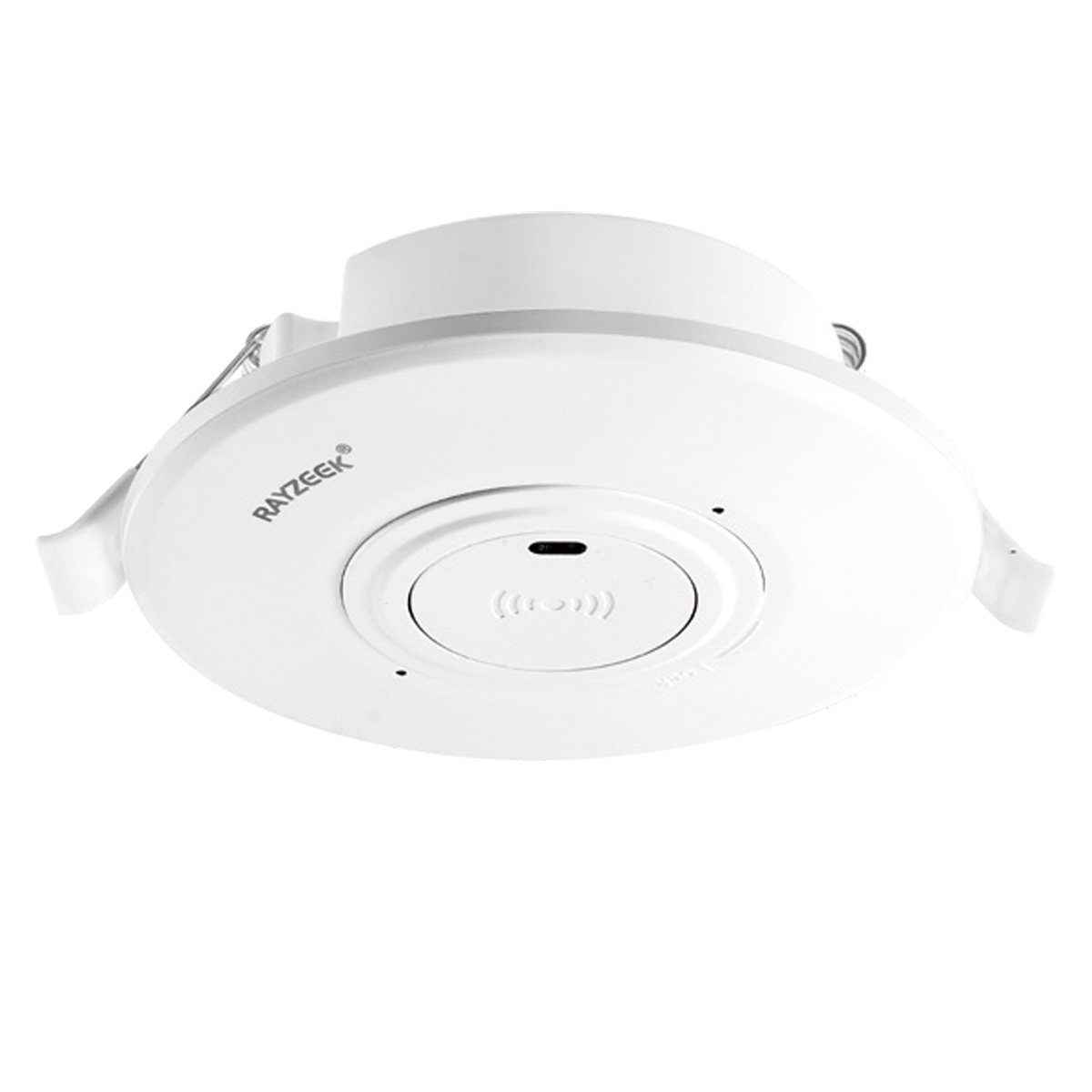
- สวิตช์เซนเซอร์ตรวจจับการเคลื่อนไหวด้วยไมโครเวฟแบบติดเพดานฝังฝ้า ไฟฟ้ากระแสตรงแรงดันต่ำ
- อินพุต 12 VDC / 24 VDC พร้อมช่วงรองรับ 10-30 VDC
- กระแสไฟฟ้าทำงานสูงสุด 10A พร้อมการปรับตั้งค่าเวลาหน่วง เกณฑ์ค่า Lux และความไวในการตรวจจับ
- สวิตช์เซนเซอร์ตรวจจับการเคลื่อนไหวด้วยไมโครเวฟแบบติดเพดานฝังฝ้า สำหรับโหลดสูง
- อินพุตแรงดันสาย 100-265 VAC รุ่น 10A
- ระบบตรวจจับด้วยไมโครเวฟความถี่ 5.8 GHz พร้อมการปรับตั้งค่าเวลาหน่วง เกณฑ์ค่า Lux และความไวในการตรวจจับ
- สวิตช์เซนเซอร์ตรวจจับการเคลื่อนไหวด้วยไมโครเวฟแบบติดเพดานฝังฝ้า
- อินพุตแรงดันสาย 100-265 VAC รุ่น 5A
- ระบบตรวจจับด้วยไมโครเวฟความถี่ 5.8 GHz พร้อมการปรับตั้งค่าเวลาหน่วง เกณฑ์ค่า Lux และความไวในการตรวจจับ
- สวิตช์หรี่ไฟเซนเซอร์ตรวจจับการเข้าใช้พื้นที่ระบบ PIR รุ่น RZ037 แบบติดเพดาน สำหรับระบบไฟฟ้า 220V
- กระแสไฟฟ้าทำงานสูงสุด 3A พร้อมโหลดพิกัด 660W
- ปุ่ม LUX ควบคุมการเปิด/ปิดเซนเซอร์แสง และความสว่างในการหรี่ไฟที่ผู้ใช้กำหนด
- สวิตช์หรี่ไฟเซนเซอร์ตรวจจับการเข้าใช้พื้นที่ระบบ PIR รุ่น RZ037 แบบติดเพดาน สำหรับระบบไฟฟ้า 110V
- กระแสไฟฟ้าทำงานสูงสุด 3A พร้อมโหลดพิกัด 330W
- ปุ่ม LUX ควบคุมการเปิด/ปิดเซนเซอร์แสง และความสว่างในการหรี่ไฟที่ผู้ใช้กำหนด
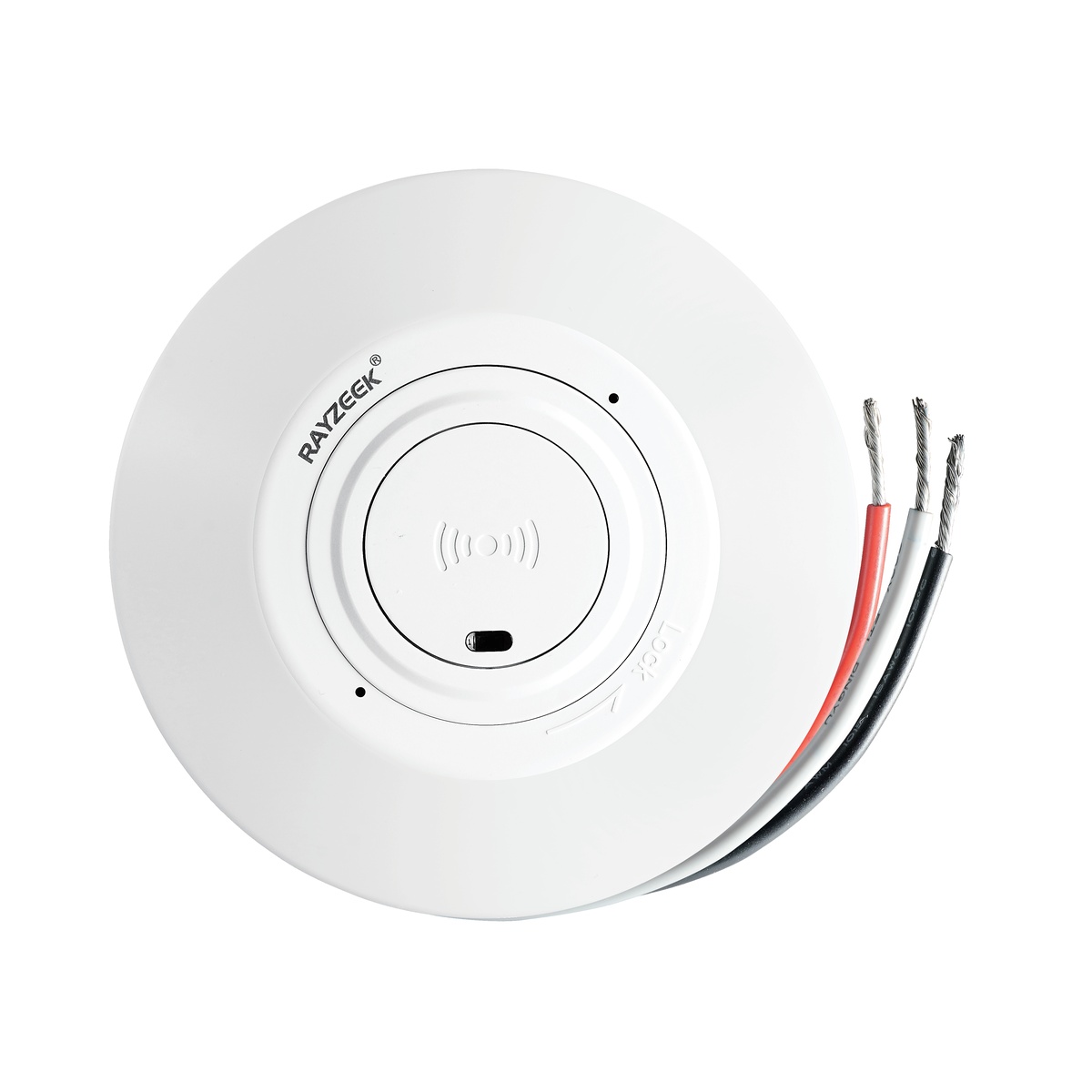
- สวิตช์เซนเซอร์ตรวจจับการเคลื่อนไหวด้วยไมโครเวฟแบบติดเพดาน ไฟฟ้ากระแสตรงแรงดันต่ำ
- อินพุต 12 VDC / 24 VDC พร้อมช่วงรองรับ 10-30 VDC
- กระแสไฟฟ้าทำงานสูงสุด 10A พร้อมการปรับตั้งค่าเวลาหน่วง เกณฑ์ค่า Lux และความไวในการตรวจจับ
- สวิตช์เซนเซอร์ตรวจจับความเคลื่อนไหวคลื่นไมโครเวฟแบบติดเพดาน รองรับโหลดสูง
- อินพุตแรงดันสาย 100-265 VAC รุ่น 10A
- ระบบตรวจจับด้วยไมโครเวฟความถี่ 5.8 GHz พร้อมการปรับตั้งค่าเวลาหน่วง เกณฑ์ค่า Lux และความไวในการตรวจจับ
- สวิตช์เซนเซอร์ตรวจจับความเคลื่อนไหวคลื่นไมโครเวฟแบบติดเพดาน
- อินพุตแรงดันสาย 100-265 VAC รุ่น 5A
- ระบบตรวจจับด้วยไมโครเวฟความถี่ 5.8 GHz พร้อมการปรับตั้งค่าเวลาหน่วง เกณฑ์ค่า Lux และความไวในการตรวจจับ
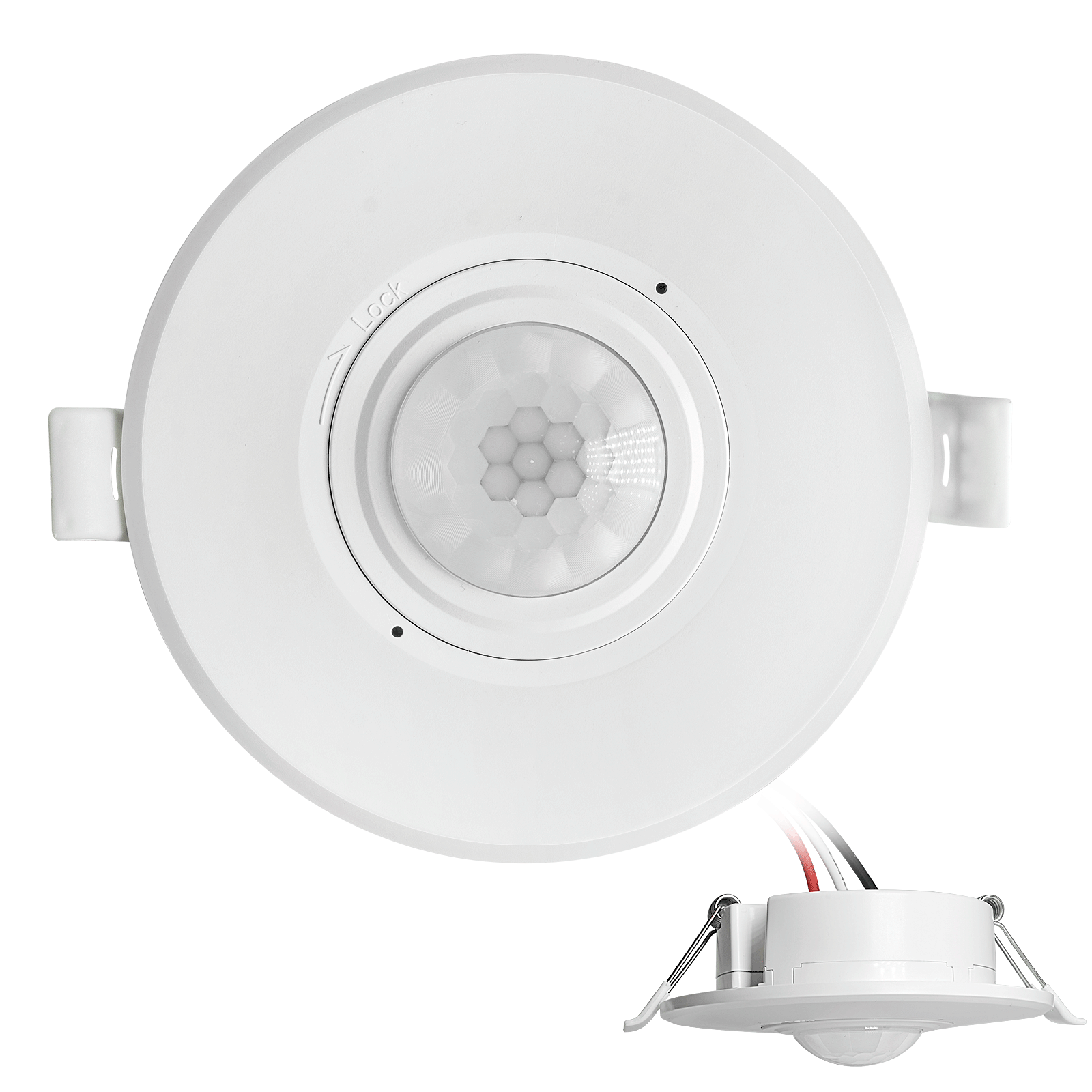
- สวิตช์เซนเซอร์ตรวจจับความเคลื่อนไหว PIR แบบฝังฝ้าเพดาน แรงดันไฟฟ้าต่ำ DC
- อินพุต 12 VDC / 24 VDC พร้อมช่วงรองรับ 10-30 VDC
- กระแสไฟฟ้าทำงานสูงสุด 10A พร้อมระบบปรับตั้งเวลาหน่วง ค่าความสว่าง Lux และความไวในการตรวจจับได้
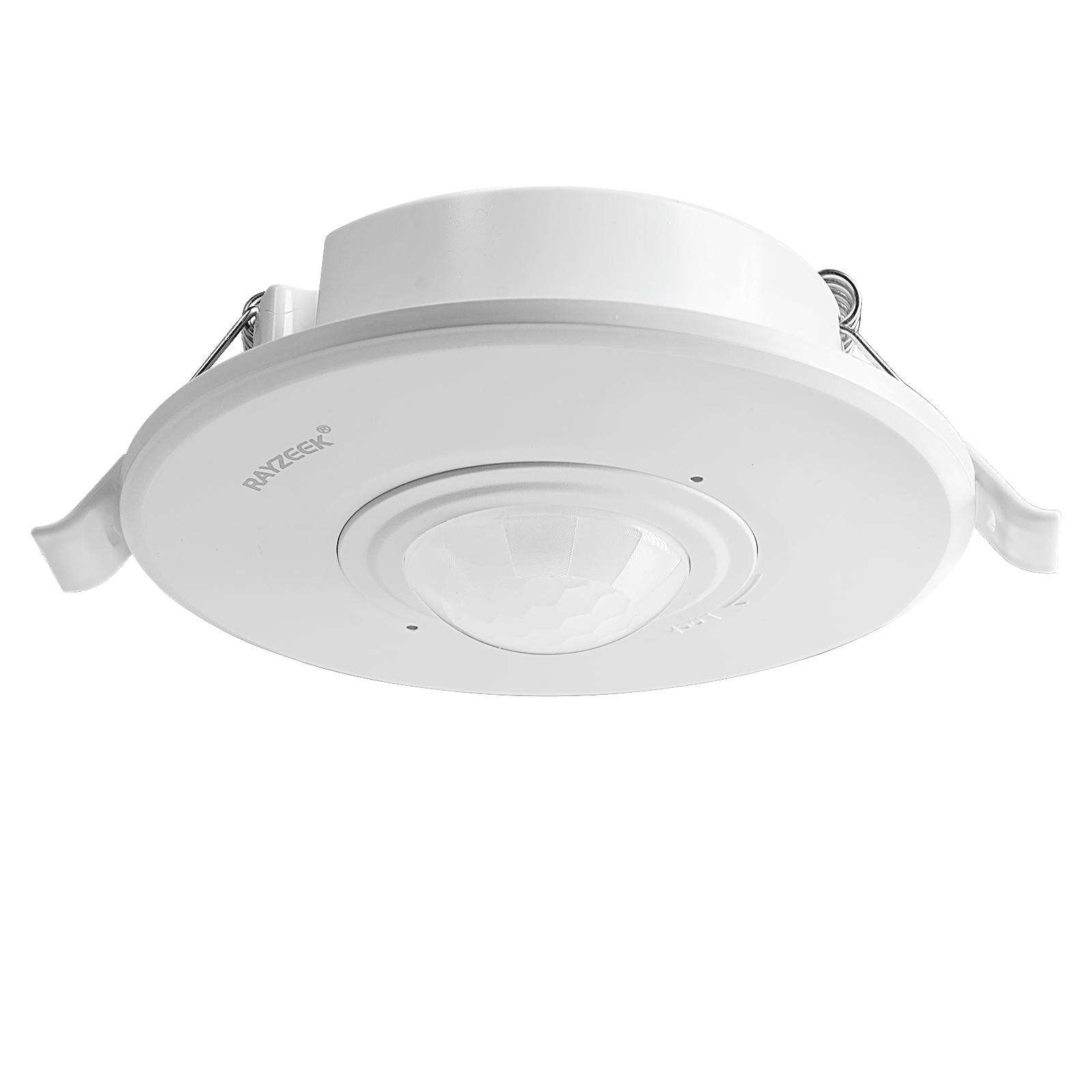
- สวิตช์เซนเซอร์ตรวจจับความเคลื่อนไหว PIR แบบฝังฝ้าเพดาน รองรับโหลดสูง
- อินพุตแรงดันสาย 100-265 VAC รุ่น 10A
- ระบบตรวจจับ 360 องศา พร้อมระบบปรับตั้งเวลาหน่วง ค่าความสว่าง Lux และความไวในการตรวจจับได้
- สวิตช์เซนเซอร์ตรวจจับความเคลื่อนไหว PIR แบบฝังฝ้าเพดาน
- อินพุตแรงดันสาย 100-265 VAC รุ่น 5A
- ระบบตรวจจับ 360 องศา พร้อมระบบปรับตั้งเวลาหน่วง ค่าความสว่าง Lux และความไวในการตรวจจับได้
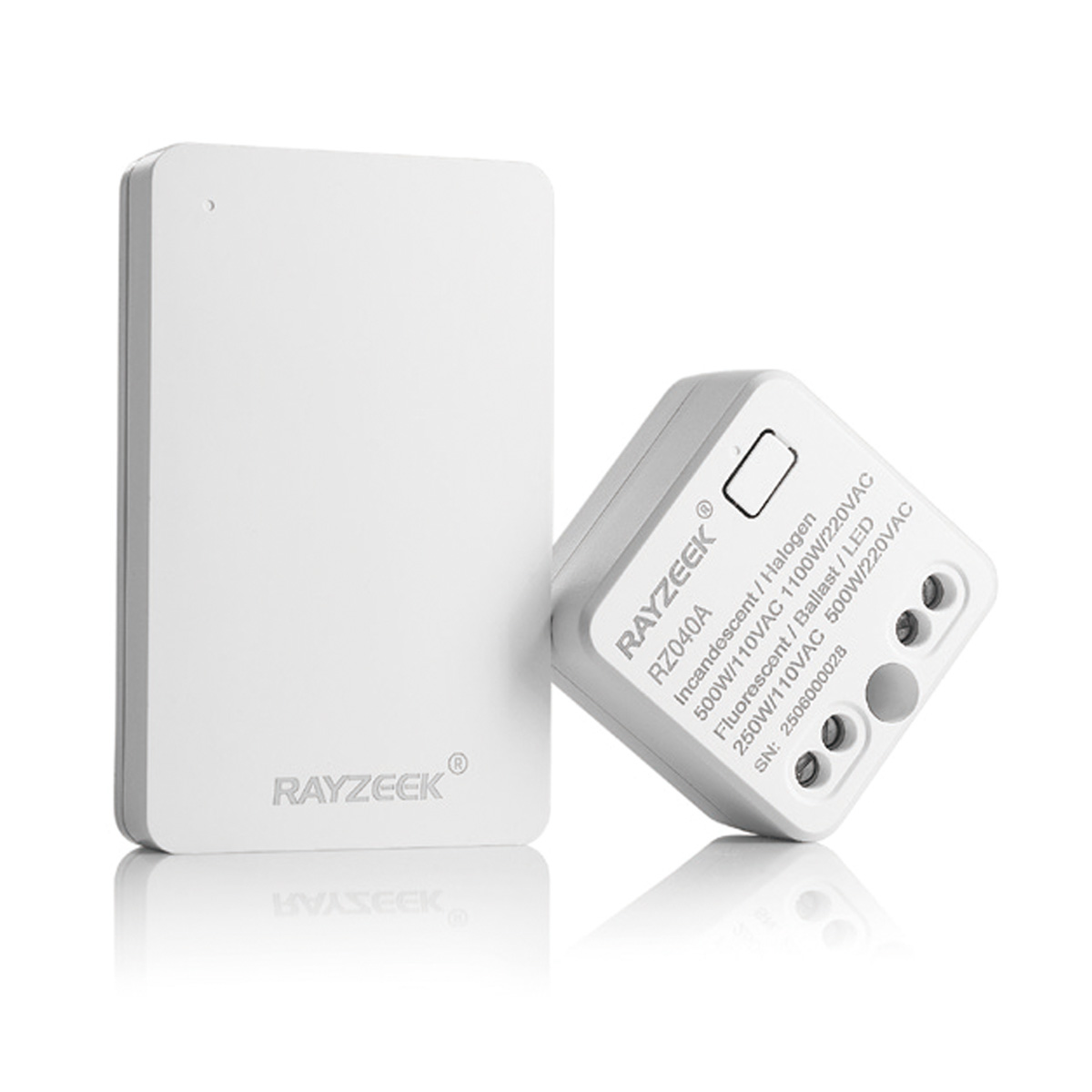
- ชุดสวิตช์ไร้สายและตัวรับสัญญาณสำหรับควบคุมการเปิด/ปิดไฟภายในอาคาร
- ตัวรับสัญญาณ 100-230VAC, 50/60Hz พิกัดกระแสไฟฟ้า 5A
- สวิตช์ไร้สายใช้พลังงานจากแบตเตอรี่ CR2032 พร้อมการสื่อสารผ่านความถี่ 2.4GHz
- ตรวจจับการใช้งาน (เปิดอัตโนมัติ/ปิดอัตโนมัติ)
- 12–24V DC (10–30VDC), สูงสุด 10A
- ครอบคลุม 360° เส้นผ่านศูนย์กลาง 8–12 ม.
- หน่วงเวลา 15 วินาที–30 นาที
- เซนเซอร์วัดแสง ปิด/15/25/35 Lux
- ความไวสูง/ต่ำ
- โหมดตรวจจับการใช้งาน เปิดอัตโนมัติ/ปิดอัตโนมัติ
- 100–265V AC, 10A (จำเป็นต้องมีสายสายนิวทรัล)
- ครอบคลุม 360°; เส้นผ่านศูนย์กลางการตรวจจับ 8–12 ม.
- หน่วงเวลา 15 วินาที–30 นาที; Lux ปิด/15/25/35; ความไวสูง/ต่ำ
- โหมดตรวจจับการใช้งาน เปิดอัตโนมัติ/ปิดอัตโนมัติ
- 100–265V AC, 5A (จำเป็นต้องมีสายสายนิวทรัล)
- ครอบคลุม 360°; เส้นผ่านศูนย์กลางการตรวจจับ 8–12 ม.
- หน่วงเวลา 15 วินาที–30 นาที; Lux ปิด/15/25/35; ความไวสูง/ต่ำ
For bathrooms in chronically humid climates: If your indoor RH is regularly above 50%, humidity sensing is a strong contender. The elevated baseline makes the sensor reliable, and its ability to run until the moisture is truly gone is a key advantage in preventing mold. A dual-mode system—triggering on occupancy but continuing to run based on humidity—offers the best of both worlds.
For large, complex bathrooms: A master bath over 100 square feet may benefit from a longer post-run timer (20-25 minutes) on an occupancy sensor, or a more sophisticated dual-mode controller.
The goal is to align the control strategy with the real-world conditions of the space. While humidity sensing offers a sophisticated, data-driven approach, it is a specialized tool that performs well only under specific conditions. Occupancy control is a general-purpose solution that sacrifices theoretical precision for practical reliability. In most bathrooms, reliability wins.