

Aframele false ale senzorilor de mișcare pot fi extrem de deranjante, deoarece determină o pierdere de încredere în sistemul de securitate. În acest articol sunt analizate în detaliu cauzele alarmelor false și sunt prezentate soluții eficiente pentru prevenirea acestora, în vederea asigurării unui sistem de securitate rezidențială fiabil.
Cuprins
- Ce este o alarmă falsă
- De ce pot cauza probleme alarmele false
- Cauzele alarmelor false generate de senzorii de mișcare
- Cauzele alarmelor false pentru uși și ferestre
- Cauzele alarmelor false generate de detectoarele de fum
- Cauzele alarmelor false în sistemele de securitate rezidențială
- Prevenirea alarmelor false pentru senzorii de mișcare
- Reducerea alarmelor false pentru sistemele de securitate rezidențială
Ce este o alarmă falsă
O alarmă falsă este un eveniment în care un sistem de securitate detectează o activitate ce declanșează un dispozitiv de detecție, cum ar fi un senzor de mișcare sau un detector de fum, fără o cauză reală sau atunci când cauza este o împrejurare inofensivă și neintenționată.
În contextul detectoarelor de mișcare, termenul “alarmă falsă” poate fi parțial înșelător. Acest lucru se datorează faptului că majoritatea alarmelor false provocate de acești senzori indică, de fapt, că senzorul funcționează corespunzător.
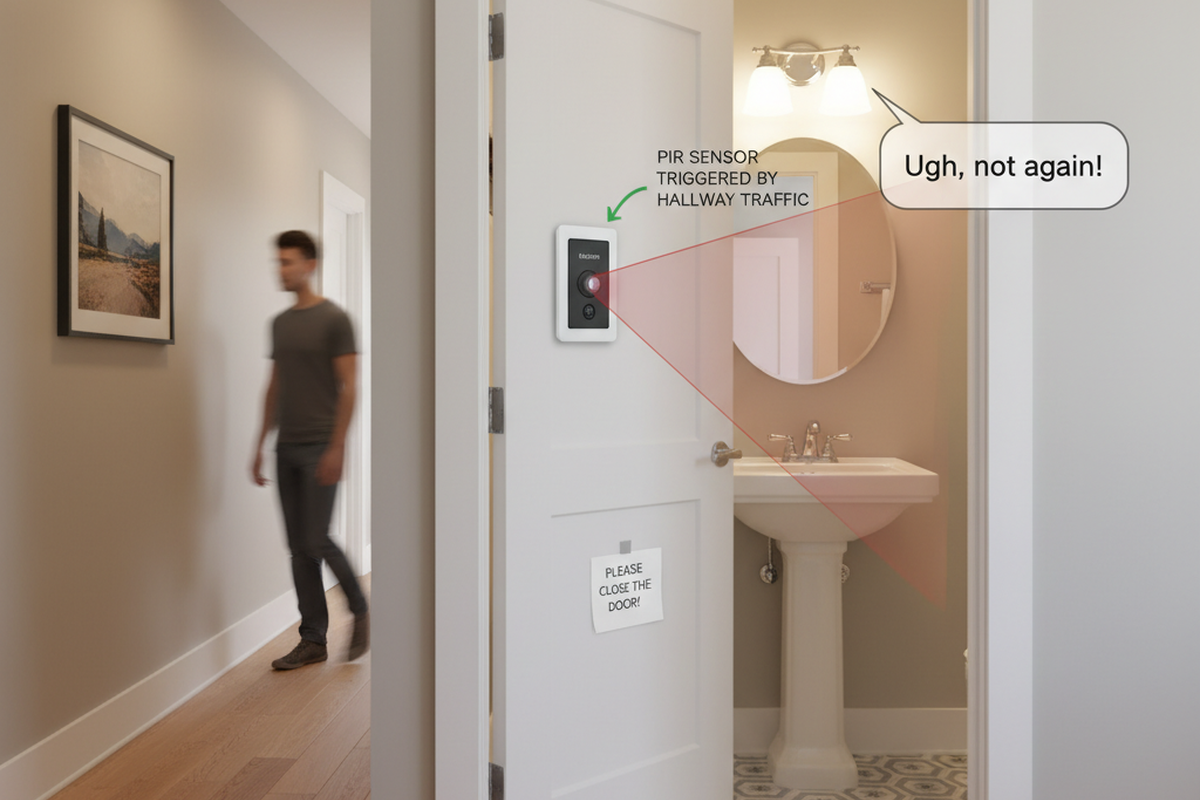
Majoritatea detectoarelor de mișcare utilizează tehnologia de sesizare a căldurii, cunoscută sub numele de senzori de mișcare PIR, pentru a detecta modificările din indicele termic al unei încăperi, care pot indica intrarea unui obiect nou. De exemplu, animalele mici pot declanșa frecvent alarme în depozite și garaje. În plus, o pătrundere bruscă a luminii solare prin fereastră poate genera un eveniment de mișcare, deoarece reproduce căldura provocată de o persoană care intră în încăpere. De asemenea, chiar și insectele pot cauza alarme dacă pătrund în interiorul unui detector. În aceste situații, detectorul funcționează conform proiectării, chiar dacă generează o alarmă “falsă” deranjantă.
Când un sistem de securitate transmite un semnal de alarmă, centrul de monitorizare nu poate stabili dacă evenimentul este o alarmă “reală” doar prin interpretarea semnalului. Prin urmare, dispecerii sunt instruiți să respecte un protocol de intervenție bazat pe tipul de sistem de la care provine semnalul. De exemplu, în cazul unei alarme de incendiu, centrul de monitorizare trimite imediat echipajul de pompieri pentru a minimiza timpul de răspuns. Această abordare preventivă permite economisirea de timp, resurse și vieți omenești, însă intervențiile la alarme false pot suprasolicita serviciile de poliție și pompieri, distrăgând atenția de la urgențele și evenimentele de alarmă reale.
De ce pot cauza probleme alarmele false
Alarmele false într-un sistem de securitate rezidențială nu reprezintă doar un inconvenient minor. Acestea pot duce la probleme semnificative, care depășesc simplul disconfort de moment. Iată câteva dintre principalele probleme asociate cu alarmele false.
Implicații financiare
Alarmele false pot genera costuri ridicate. Multe jurisdicții oferă clemență pentru primele abateri, însă alarmele false repetate conduc adesea la amenzi. Aceste amenzi pot ajunge până la $250 pe apariție și se pot acumula rapid dacă problema nu este remediată cu promptitudine.
Consum de resurse pentru serviciile de urgență
Alarmele false reprezintă un consum semnificativ de resurse pentru serviciile de urgență. Acestea constituie cel mai frecvent tip de apel primit de aceste servicii și, din păcate, o mare parte dintre ele sunt alarme false. Această situație generează cheltuieli inutile de personal și echipamente și poate întârzia intervenția la apelurile legitime de urgență.
Irosirea timpului și a resurselor serviciilor de urgență
Atunci când este declanșată o alarmă falsă, serviciile de urgență sunt adesea trimise la fața locului. Acest lucru irosește timp și resurse valoroase care ar putea fi utilizate mai eficient în altă parte. În plus, poate duce la o scădere a încrederii în sistemul de alarmă din partea echipajelor de intervenție, ceea ce poate avea ca rezultat timpi de răspuns mai lenți în viitor.
Distraction for Monitoring Centers
When an alarm is activated, the monitoring center is promptly notified. If the alarm is false, the attention of the monitoring center is diverted away from genuine alarms. This diversion can be dangerous as it can lead to slower response times in the event of a real emergency.
Unnecessary Stress and Anxiety for Homeowners
Repeated false alarms can cause stress and anxiety for homeowners. This is particularly true if they occur at night when people are sleeping. Over time, this can lead to a lack of trust in the alarm system and can cause people to turn it off altogether, leaving them vulnerable to real threats.
Damage to Reputation
If a home security company is associated with too many false alarms, it may get a poor reputation. This can affect their business and customer trust.
Potential for Fines and Penalties
Many cities and towns have ordinances that penalize homeowners and businesses for frequent false alarms. These fines can be costly and can quickly add up if the problem is not addressed. In some cases, repeated false alarms can even result in the suspension or revocation of the alarm system’s permit.
Lăsați-vă inspirat de portofoliile de senzori de mișcare Rayzeek.
Nu găsiți ceea ce căutați? Nu vă faceți griji. Există întotdeauna modalități alternative de a vă rezolva problemele. Poate vă poate ajuta unul dintre portofoliile noastre.
Impact on Community Resources
False alarms represent a costly issue for police, first responders, and communities as a whole. The costs associated with false alarms go beyond what you might think. They include personnel costs of police call takers and dispatchers, backup personnel and equipment costs, time and costs associated with analyzing false alarms, and lost-opportunity costs. False alarms can prevent police from responding to actual crimes. Most costs associated with false alarms are passed on to taxpayers.
Cauzele alarmelor false generate de senzorii de mișcare
Motion sensor false alarms can be triggered by a variety of factors. As the most common motion sensors utilized in home security systems are PIR motion sensors, we’ll mainly talk about the cause of PIR motion sensors unless otherwise specified. Here are some of the most common causes.
Bugs and Insects
Flying or crawling insects, especially spiders, can trigger false alarms. They often make homes in corners and anchor their webs to the sensors. If they are big enough and crawl near the sensor, it can trigger a false alarm when there is no real emergency.
Pets
Pets moving around in the detection area can cause false alarms. If homeowners have pets and don’t get sensors with pet sensitivity settings, there will probably be a lot of false alarms. Some motion sensors offer “pet immunity” features that ignore motion from pets.
Air Currents
Curtains or plants blown by air conditioning or heaters can trigger the motion sensors as they are a significant heat source.
Ceiling Fans and Other Moving Objects
The movement of ceiling fans can be detected by the motion sensors, causing false alarms. Although this is not very likely to happen to PIR motion sensor false alarms, if the ceiling fan can cause environmental heat changes, it can be caught.
Human Error
Someone who is not familiar with the system or not properly trained can inadvertently trigger the alarm.
Poorly Designed/Installed Security Systems
If the installer does not consider the home, its occupants, and how they use the home, the system is more susceptible to false alarms. The system/motion sensor should only monitor areas that might need to be monitored, not the living area of the homeowners.
Lack of Maintenance/Low Batteries
Although security system equipment generally doesn’t need much maintenance, it does need some. Otherwise, false alarms can be caused by factors such as low batteries if they are not hardwired for power.
Outdated or Old Security Equipment
If it’s been a while since your security system was installed and you’re experiencing a lot of false alarms, your equipment may need to be replaced.
Malfunctioning Security System Equipment
Although relatively rare, there’s always the chance that the equipment itself is actually jammed or malfunctioning, and that’s what’s causing the false alarm.
Heat Changes
Some sensors can track infrared radiation. This means a motion detector will be able to detect a light that has been turned on because of a shift in temperature.
White Light Momentarily Blinding the Detector
White light momentarily blinding the detector can cause false alarms because natural light is infrared radiation.
Unlocked Doors and Windows
This may seem like a no-brainer, but knowing that everything is locked before going to bed or before leaving the house ensures that a gust of wind won’t cause a window or door to become ajar. The hot wind or IR leaked from the door and windows can trigger a PIR motion sensor.
Improper Installation
When a home security system is installed, it’s vital that all detectors and sensors are correctly aligned and that equipment is installed according to the manufacturer’s recommendations.
RFI/EMI Signals
RFI/EMI signals can cause false alarms to active sensors.
Cauzele alarmelor false pentru uși și ferestre
False alarms from door and window sensors can be a common issue in home security systems. These false alarms can be attributed to a few key causes.
Sensor Misalignment
Door and window sensors function by aligning a contact with a magnet. When the door or window opens, the magnet loses contact with the sensor, triggering an alarm.
However, weather-related wear and tear can cause doors and windows to shift from their frames, increasing the gap between the sensor and the magnet. This increased gap can lead to false alarms as the magnet may no longer maintain a consistent connection with the sensor.
To troubleshoot these false alarms, it’s important to check the gap between the contact and the magnet. Adjusting the position of the contact or repairing the door or window frame can often resolve this issue.
Overly-Sensitive Glass Break Detectors
Glass break detectors are designed to trigger an alarm when they detect the sound of breaking glass. However, these detectors can also be set off by other loud noises, such as a door being kicked in, dogs barking, or objects falling over. If your glass break detectors are overly sensitive, they may be prone to false alarms.
To prevent this, it’s recommended that you discuss the sensitivity settings of your glass break detectors with your security technician. They can adjust the sensitivity to ensure it only responds to the sounds it’s meant to detect.
Unsecured Doors and Windows
It may seem obvious, but ensuring that all doors and windows are securely closed and locked can prevent false alarms. A gust of wind or a slight nudge can cause an unsecured door or window to open, triggering an alarm. Establishing a routine to check all doors and windows before leaving the house or going to bed can help prevent these types of false alarms.
Cauzele alarmelor false generate de detectoarele de fum
Smoke detectors provide early warning of potential fire hazards. However, they can sometimes trigger false alarms, which can be both annoying and potentially dangerous if they lead to complacency. Here are some common causes of smoke detector false alarms.
S-ar putea să vă intereseze și

- Tensiune: 2 baterii AAA
- Mod Zi/Noapte
- Temporizare: 15min, 30min, 1h (implicit), 2h
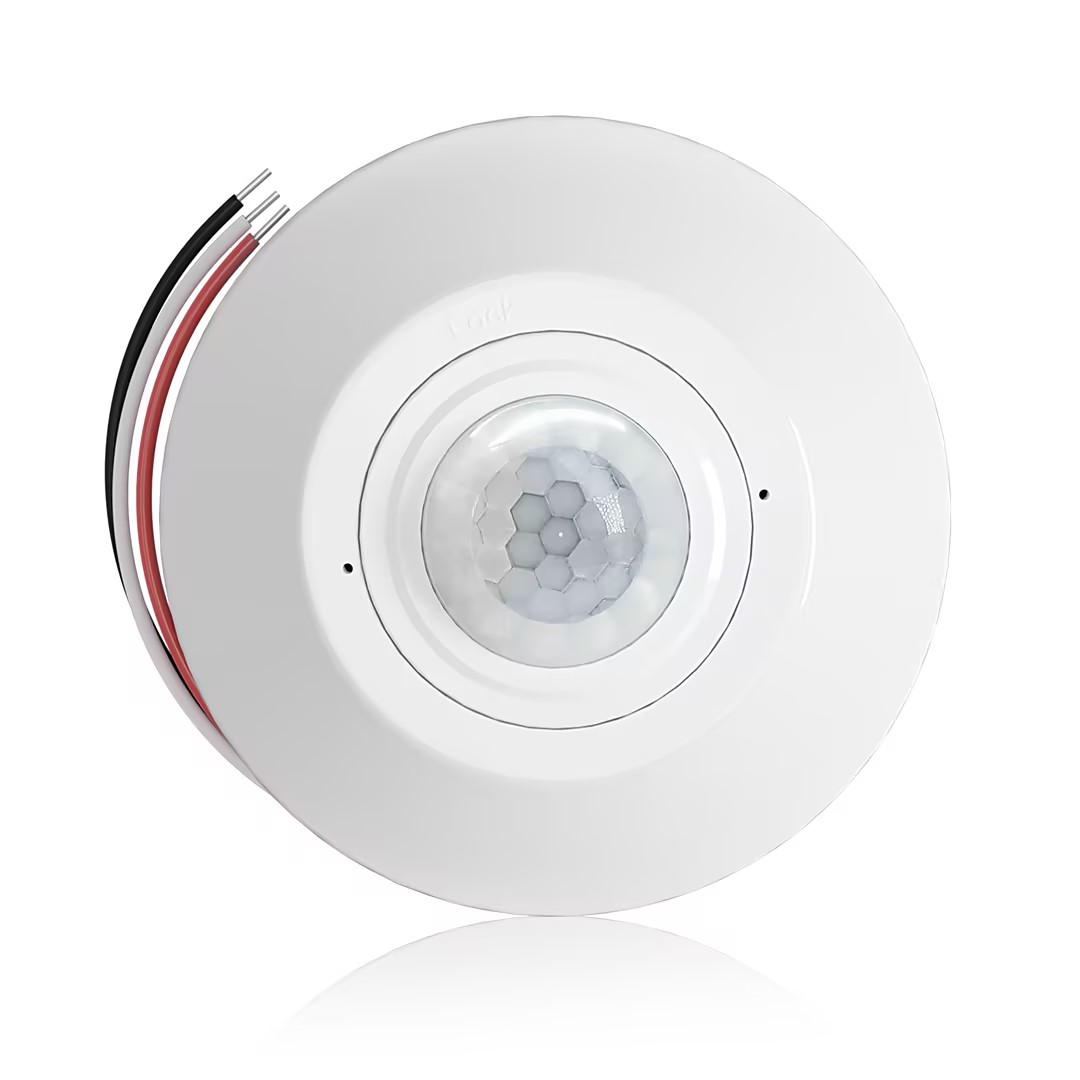
- Senzor de prezență PIR cu montaj pe tavan și ieșire de releu cu contact uscat
- Alimentare de joasă tensiune de 12/24VDC sau 12/24VAC
- Contacte de releu izolate COM, NO și NC pentru intrări de control al sistemelor EMS, HVAC și al clădirilor
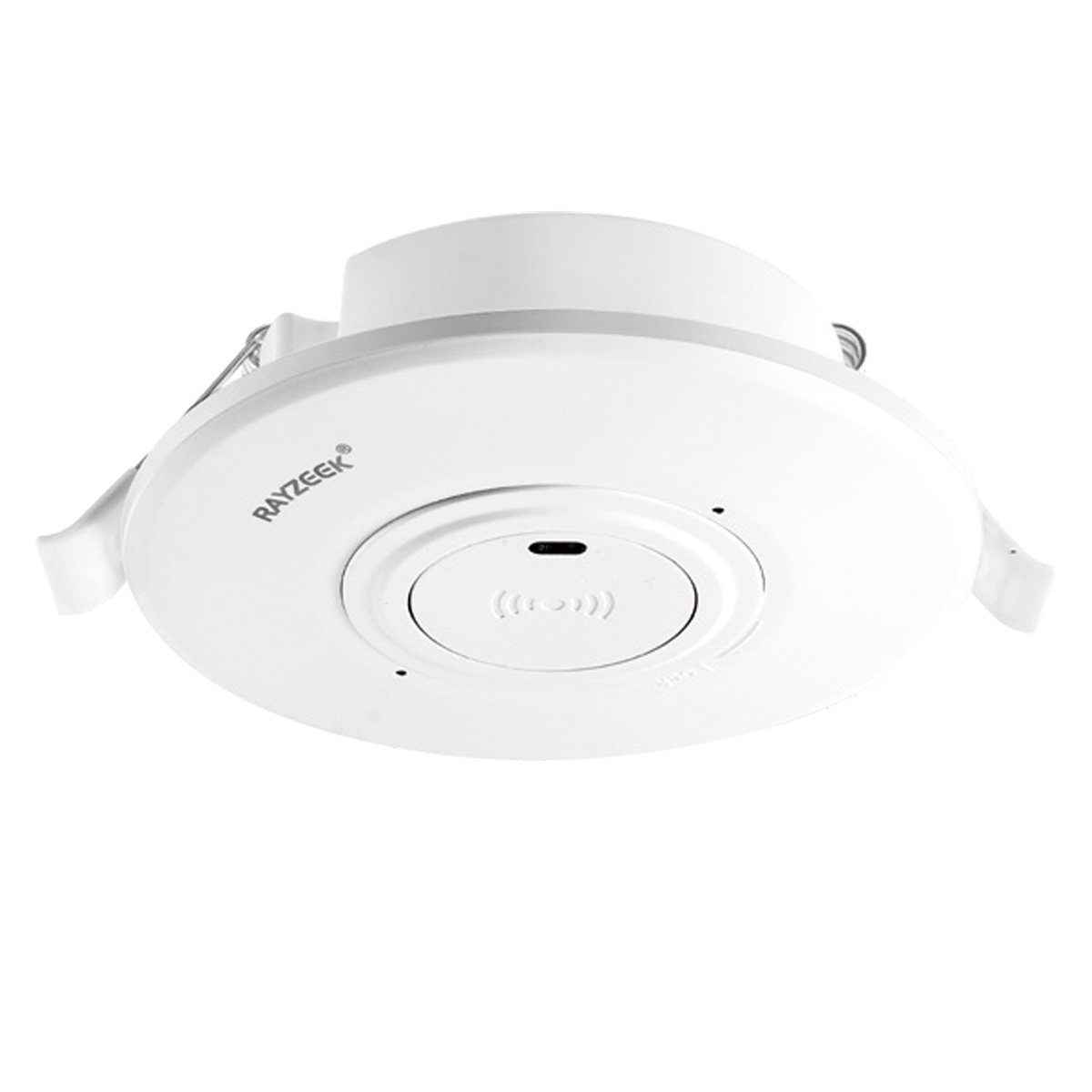
- Întrerupător cu senzor de mișcare cu microunde încastrat în tavan, de joasă tensiune DC
- Intrare de 12 VDC / 24 VDC cu un interval cuprins între 10-30 VDC
- Curent de lucru maxim de 10A cu temporizare reglabilă, prag Lux și sensibilitate ajustabile
- Întrerupător cu senzor de mișcare cu microunde încastrat în tavan, pentru sarcini mai mari
- Intrare la tensiunea rețelei de 100-265 VAC, model de 10A
- Detectare cu microunde de 5.8 GHz cu temporizare reglabilă, prag Lux și sensibilitate ajustabile
- Întrerupător încastrat pentru plafon cu senzor de mișcare cu microunde
- Tensiune de intrare 100-265 VAC, model de 5A
- Detectare cu microunde de 5.8 GHz cu temporizare reglabilă, prag Lux și sensibilitate ajustabile
- Variator cu senzor de prezență PIR RZ037 pentru plafon, pentru alimentare la 220V
- Curent maxim de lucru de 3A cu sarcină nominală de 660W
- Butonul LUX controlează funcția ON/OFF a senzorului de lumină și luminozitatea setată de utilizator
- Variator cu senzor de prezență PIR RZ037 pentru plafon, pentru alimentare la 110V
- Curent maxim de lucru de 3A cu sarcină nominală de 330W
- Butonul LUX controlează funcția ON/OFF a senzorului de lumină și luminozitatea setată de utilizator
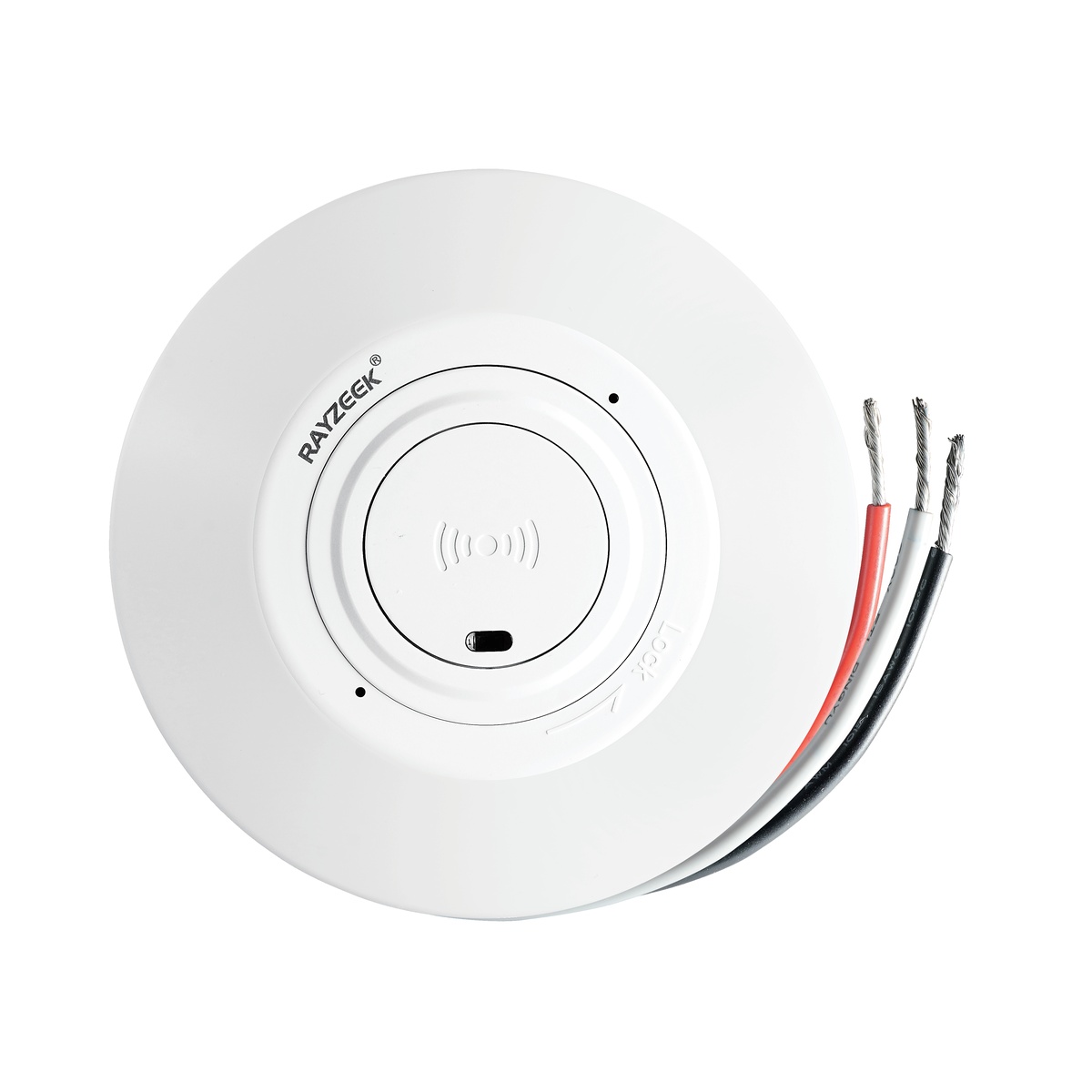
- Întrerupător cu senzor de mișcare cu microunde pentru plafon, de joasă tensiune C.C.
- Intrare de 12 VDC / 24 VDC cu un interval cuprins între 10-30 VDC
- Curent de lucru maxim de 10A cu temporizare reglabilă, prag Lux și sensibilitate ajustabile
- Întrerupător cu senzor de mișcare cu microunde pentru plafon, pentru sarcini mai mari
- Intrare la tensiunea rețelei de 100-265 VAC, model de 10A
- Detectare cu microunde de 5.8 GHz cu temporizare reglabilă, prag Lux și sensibilitate ajustabile
- Întrerupător cu senzor de mișcare cu microunde pentru plafon
- Tensiune de intrare 100-265 VAC, model de 5A
- Detectare cu microunde de 5.8 GHz cu temporizare reglabilă, prag Lux și sensibilitate ajustabile
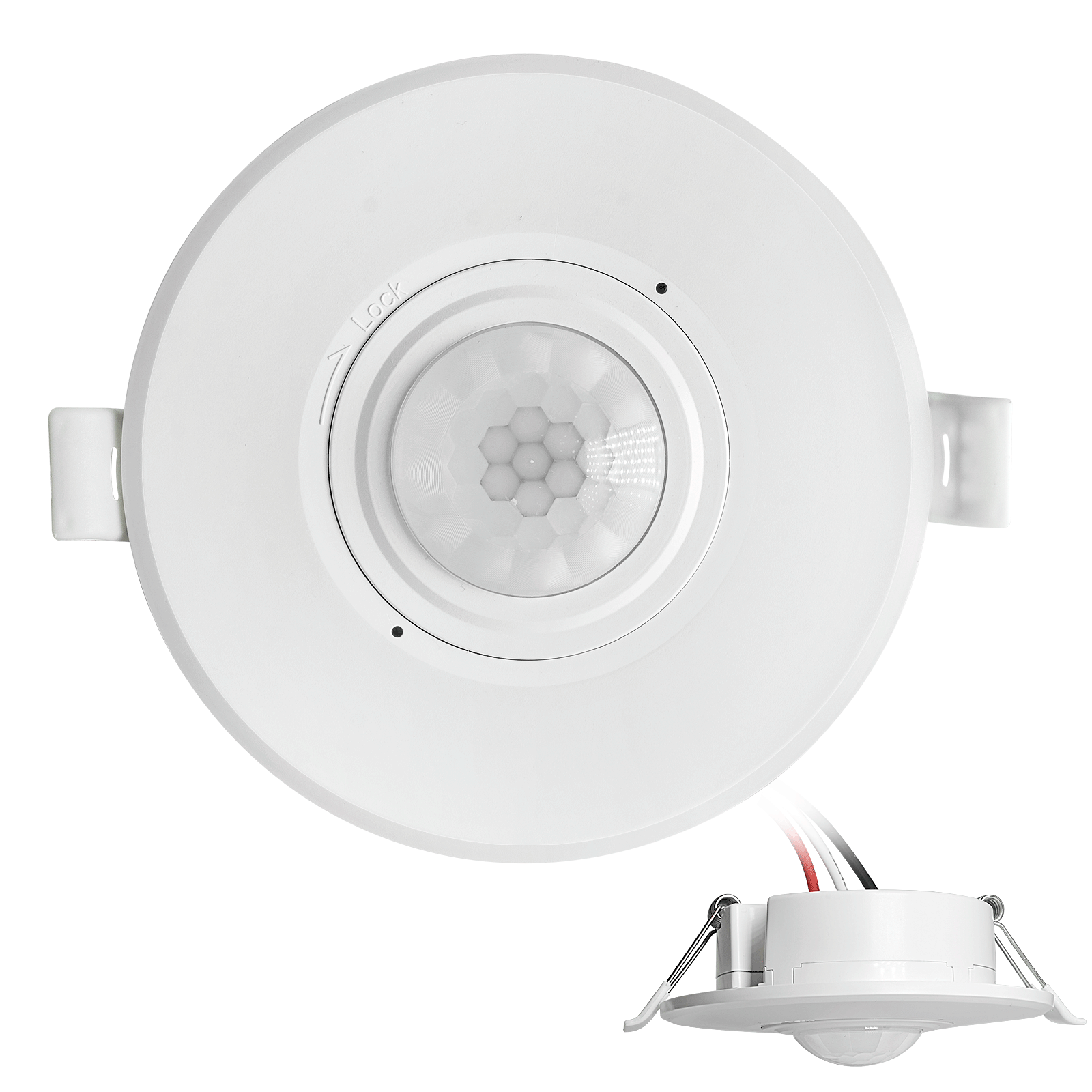
- Întrerupător cu senzor de mișcare PIR încastrat în tavan, CC de joasă tensiune
- Intrare de 12 VDC / 24 VDC cu un interval cuprins între 10-30 VDC
- Curent maxim de lucru 10A cu temporizare reglabilă, prag Lux și sensibilitate
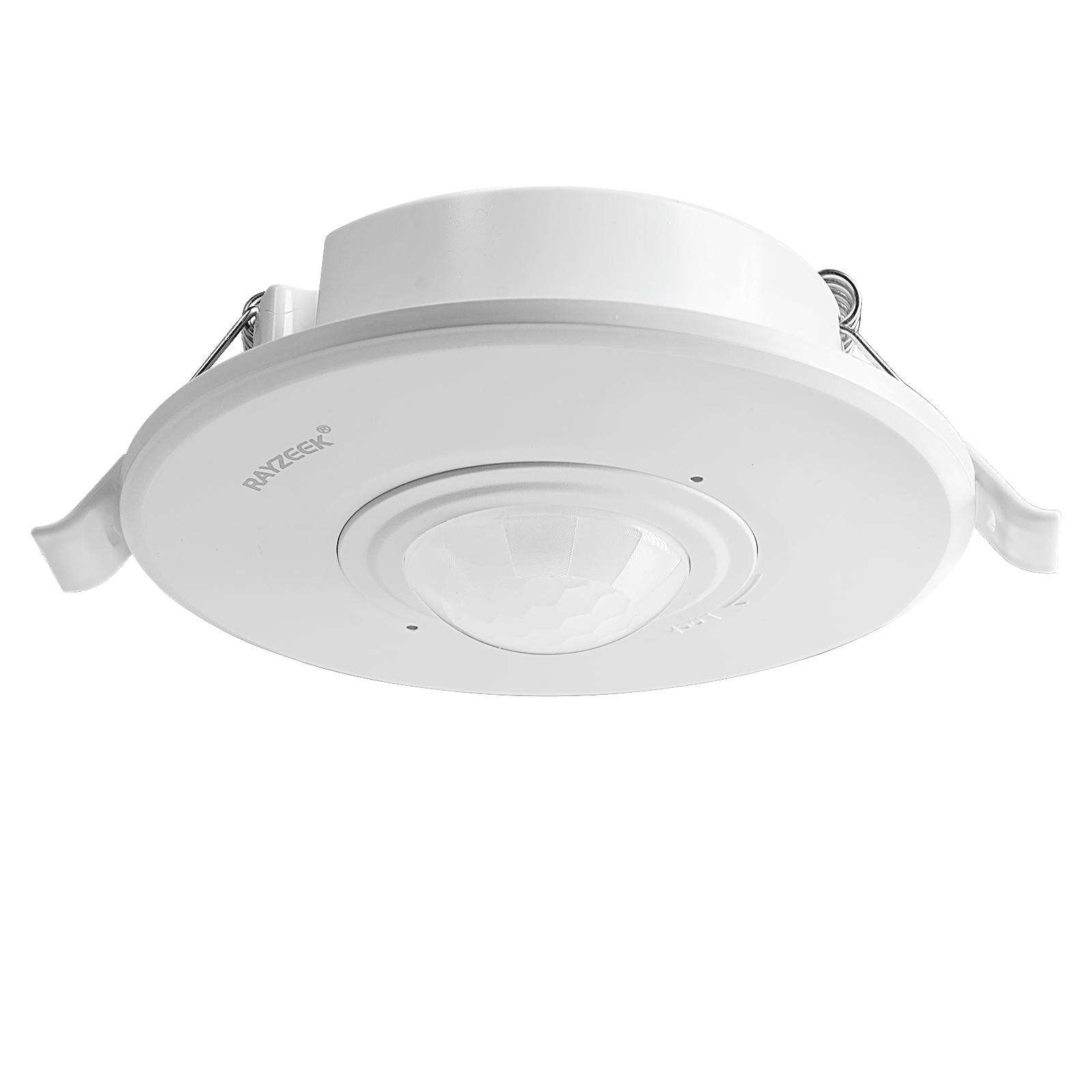
- Întrerupător cu senzor de mișcare PIR încastrat în tavan pentru sarcini mai mari
- Intrare la tensiunea rețelei de 100-265 VAC, model de 10A
- Detecție la 360 de grade cu temporizare reglabilă, prag Lux și sensibilitate
- Întrerupător cu senzor de mișcare PIR încastrat în tavan
- Tensiune de intrare 100-265 VAC, model de 5A
- Detecție la 360 de grade cu temporizare reglabilă, prag Lux și sensibilitate
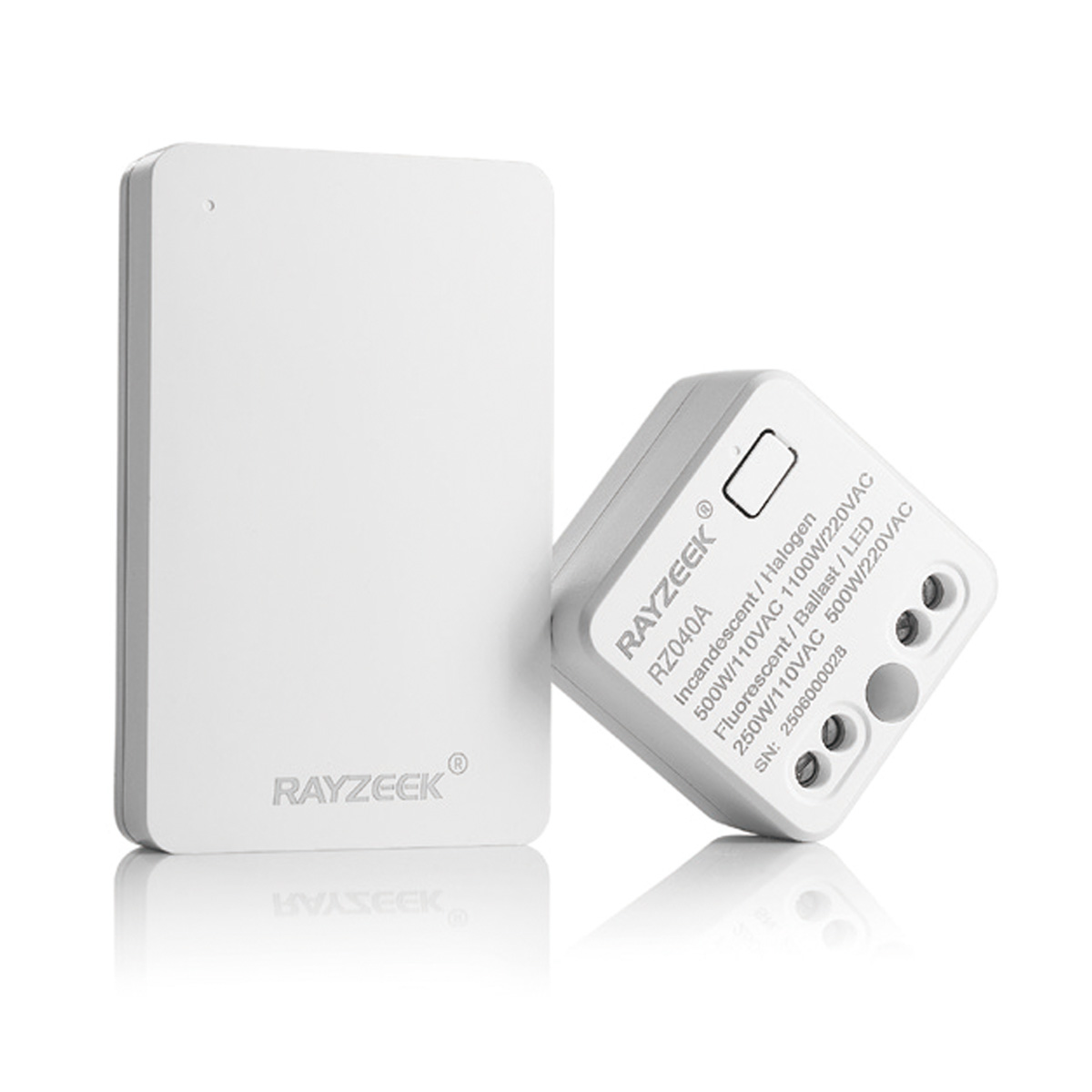
- Kit de întrerupător și receptor wireless pentru controlul iluminatului de interior PORNIT/OPRIT
- Receptor 100-230VAC, 50/60Hz cu curent nominal de 5A
- Întrerupător wireless alimentat cu baterie CR2032 cu comunicare la 2.4GHz
- Prezență (PORNIRE automată/OPRIRE automată)
- 12–24V CC (10–30VCC), până la 10A
- Acoperire 360°, diametru 8–12 m
- Temporizare 15 s–30 min
- Senzor de lumină Oprit/15/25/35 Lux
- Sensibilitate ridicată/scăzută
- Mod de prezență Auto-ON/Auto-OFF
- 100–265V AC, 10A (necesită nul)
- Acoperire 360°; diametru de detecție 8–12 m
- Temporizare 15 s–30 min; Lux OFF/15/25/35; Sensibilitate ridicată/scăzută
- Mod de prezență Auto-ON/Auto-OFF
- 100–265V AC, 5A (necesită nul)
- Acoperire 360°; diametru de detecție 8–12 m
- Temporizare 15 s–30 min; Lux OFF/15/25/35; Sensibilitate ridicată/scăzută
Steam
Smoke detectors installed near bathrooms may go into alarm mode when steam escapes from the bathroom. These devices cannot distinguish between steam from a shower and smoke from a fire, leading to false alarms. This is an indication of a properly working detector, but it also highlights the importance of careful placement to avoid such issues.
Changes in Home Layout
Alterations to a home’s layout, such as the installation of duct systems that route kitchen smoke into hallways, can activate smoke detectors. If these changes occur after the installation of smoke detectors, it may be necessary to relocate the detectors to prevent false alarms.
Dust and Debris Buildup
Dust and loose debris can settle into the detection chamber of a smoke detector, replicating the arrival of smoke and triggering an alarm. Regular cleaning of these devices can help prevent this issue.
Cauzele alarmelor false în sistemele de securitate rezidențială
Home security systems are designed to protect your home and loved ones. However, false alarms can occur, causing unnecessary stress and potentially leading to fines or a reduced response from local authorities.
Though a majority of false alarm causes are due to the motion sensors, there are also a number of reasons that the false alarms are specifically caused by the home security system.
User Error
This is one of the most common causes of false alarms, accounting for more than 80% of all such incidents. This includes unlocked or loose doors, kids, neighbors, relatives, visitors, repairmen, pets, etc. User errors can occur when individuals accidentally trigger the alarm or forget the security code. It’s important to ensure that all users, including guests and temporary staff, are properly trained on how to use the system.
Failure to Enter the Security Code on Time
This is a common cause of false alarms. When the alarm system is installed, the keypad should be placed near the entry point so that the system can be disarmed within 10-30 seconds of entering the home.
Forgotten Passcodes
If the alarm system’s passcode is forgotten, it can lead to a false alarm. It’s important to commit the keypad code to memory or write it down and store it somewhere safe. Having a home security app ready to launch on your smartphone can also help to disarm the system before entering the house.
Guests Unfamiliar with Your System
Guests who are not familiar with your security system can accidentally trigger an alarm. It’s important to train your guests on how to arm and disarm the system to prevent false alarms.
Căutați soluții de economisire a energiei activate de mișcare?
Contactați-ne pentru senzori de mișcare PIR compleți, produse de economisire a energiei cu activare la mișcare, întrerupătoare cu senzor de mișcare și soluții comerciale de prezență/vacanță.
Equipment Malfunction
Equipment failure or malfunction is another common cause of false alarms. Faulty equipment, including sensors, control panels, smoke detectors, and communication devices, can lead to false alarms. Regular maintenance and inspection can help prevent these issues.
Environmental Factors
Environmental factors such as strong light, drafts, central heating, and fires can cause false alarms. To fix a problem with heat or light, you typically need to replace a standard PIR with a dual-technology MIR detector.
Poor Engineering and Installation
Poorly installed or serviced systems can lead to false alarms. If sensors aren’t aligned properly or if the wrong type of sensor is used in a particular setting, the system may trip falsely. For example, if door and window sensors aren’t aligned properly or if the wrong type of motion sensor is used in the wrong setting, the system may trip falsely. The system must be installed correctly, and the right devices are used in each area.
Panel-Related Issues
Occasionally, false alarms do not stem from any alarm sensors but from the alarm panel itself. Lightning strikes or power surges can create electrical problems within an alarm panel that trigger false alarms. In these cases, changing out the panel while keeping the current sensors in place generally fixes the issue.
Prevenirea alarmelor false pentru senzorii de mișcare
Preventing false alarms for motion sensors is crucial to ensure the reliability and efficiency of your security system. As most non-human false alarms are caused by falsely triggering the motion sensor, preventing false alarms caused specifically by PIR motion sensors can significantly improve the overall accuracy of the whole system. Here are some strategies to help you achieve this.
Remove Moving Items
Ensure that no moving items remain in the area where a motion sensor is located, especially moving items with a warm body that can emit radiation that can be caught by the PIR sensor. This includes pets, curtains, or other objects that could trigger the sensor.
Correct Sensor Placement
Correct sensor placement is essential to prevent false alarms. Sensors should be installed in the correct locations and away from environmental factors such as extreme temperatures, strong winds, and heavy rain.
Adjust Lighting
With a security system that includes a motion sensor light with a camera, adjusting lighting to reduce false alarms matters. This can be done in a number of ways that don’t involve curtains or blinds. For example, removing objects that are reflecting light or causing patterns, such as moving a tree whose leaves are creating issues or relocating a troublesome mirror. Another way you can adjust light is to keep your home brighter during the day, so there’s less of a contrast between inside and outside light sources.
Pet and Wildlife Management
Managing pets and wildlife can help prevent false alarms. It’s important to keep pets away from sensors and to ensure that sensors are installed in the correct locations. For instance, most sensors can be adjusted or replaced with newer models that can ignore pets under 2 1/2 feet and up to 85 lbs. Sometimes, just installing the sensors upside down can get the window of coverage up above what a pet could trigger.
Regular Maintenance
Regular maintenance and inspection of the security system can help prevent equipment malfunction and false alarms. It’s important to ensure that the system is in good condition and that all components are functioning correctly.
Education and Training
Educating and training all users of the security system on proper usage can help prevent false alarms due to user error. Make sure that everyone understands how to use the system correctly. Everyone needs to be trained to learn how to master a skill – the same goes for home security systems.
Professional Installation
Professional installation of the security system can help prevent false alarms. It’s important to hire a professional who has experience with security systems and can ensure that the system is installed correctly.
Communicate with Your Technician
When installing your system, let your technician know about any potential issues, such as pets that can climb onto furniture and get in the way of a motion sensor. The technician will design and locate your sensors to avoid such false triggerings.
Reducerea alarmelor false pentru sistemele de securitate rezidențială
Reducing false alarms for home security systems is crucial for maintaining the effectiveness of the system and avoiding unnecessary disturbances.
Despite reducing motion sensor false alarms, also try these strategies to prevent false alarms caused by your home security system.
Choose the Correct System
The choice of a home security system should be tailored to the specific needs of the homeowner. For instance, a homeowner with pets might prefer a system with pet-friendly motion sensors. Offering a variety of options allows customers to select the system that best suits their requirements.
User Education
Proper education on the use of the home security system can significantly reduce false alarms. This includes teaching customers how to correctly arm and disarm the system, interpret error messages, and handle any issues that may arise.
Two-Way Monitoring
Many home security systems are connected to a central monitoring system. This setup allows the central station to monitor the home and communicate directly with the homeowner before dispatching local authorities. This two-way communication can help prevent false alarms.
Dual Verification
Dual verification is another effective strategy for reducing false alarms. When a home alarm system is activated, the central station will require audio or visual verification from the homeowner before contacting authorities.
Post-Alarm Debriefing
Even with the best precautions, false alarms can still occur. When they do, it’s beneficial for users to participate in a post-alarm debriefing. This process can help both parties understand why the false alarm occurred and how to prevent similar incidents in the future.
Regular Maintenance
Encouraging users to perform regular maintenance on their home security system can prevent false alarms. This includes checking that all cameras, smoke detectors, motion detectors, and sensors are secure and free of any dust or debris that could trigger a false alarm.
In addition to these strategies, users should also ensure that all protected doors and windows are securely closed and locked and that pets, balloons, fans, heaters, etc., are kept away from motion sensor areas. It’s also important for users to know how much time they have to disarm the system upon entering and to always keep doors and windows locked when the alarm is armed.


Z artykułu niewiele się dowiedziałem o fałszywych alarmach uruchamianych przez urządzenia w drzwiach i oknach nazywanych kontaktronem a to one głównie wywołują alarmy szczególnie w domowych systemach bezprzewodowych. Zmienił się również rynek którego ciężar przesunął się z zabezpieczeń obiektów przemysłowych i ludzi z grubszym portfelem preferujących rzekomo niezawodne i odpowiednio drogie systemy głównie z użyciem czujników PIR na tani system zabezpieczeń domowych.Rezultat jest taki że nie ma w ogóle fachowców od dominujących obecnie na rynku tanich systemów bezprzewodowych lub mieszanych (przewodowych) często skutecznie zabezpieczających domowy mir.Gdyby to był problem tylko fachowców to pół biedy bo rynek nie zna próżni i szybko wygeneruje monterów do systemów królujących obecnie na rynku. Zanim to jednak nastąpi to mam problem bo mając zamontowanych w oknach i drzwiach kilkanaście bezprzewodowych kontaktronów komunikujących się ze stacyjką alarmowa dalej nie wiem np.tego czy słaba bateria w kontaktronie może wywołać alarm.Kiedy jeden z fachowców od drogich zabawek nie mający pojęcia o systemach które można kupić za rogiem doradził żeby zresetować cały system i na nowo uzbrajać czujki to opadły mi ręce. Tym bardziej że moje wszystkie czujki działają co sprawdziłem w praktyce zaś po uzbrojeniu jedna z nich wszczyna alarm tyle że nie wiem która.Nie wiem też czy to nie wina stacyjki w której padło wewnętrzne awaryjne zasilanie bateryjne bo w instrukcji nic na ten temat nie ma.Z poważaniem.
Witaj Sławomir, dzięki za komentarz. Koncentrujemy się na dziedzinie PIR, dlatego niewiele wiemy o czujnikach kontaktowych okien/drzwi, dlatego przykro nam, że nie możemy zapewnić praktycznej pomocy w Twoim przypadku.
Nie wiem też, czy Twoje czujniki są oparte na PIR, czy na czujnikach kontaktowych. Jeśli czujnik działa dobrze, ale wykrywa niepożądane sygnały i wywołuje fałszywe alarmy, można to łatwo naprawić. Po prostu spróbuj przenieść czujnik, aż znajdziesz dobre miejsce.
Szczerze mówiąc, profesjonaliści też nie mają o tym zielonego pojęcia, a fałszywe alarmy zdarzają się cały czas. Nie wiemy, czy czujnik jest uszkodzony, czy po prostu wykrywa niepożądane sygnały i wywołuje fałszywe alarmy.
Zapytaj producenta czujników o rozwiązanie problemu lub poproś o wymianę czujników. To najlepszy sposób.
Sławomir przede wszystkim powinieneś napisać jaki masz system alarmowy – producent/model. To samo się tyczy kontaktronu – jaki model, jaki producent? Wtedy na pewno uzyskałbyś lepszą pomoc. O kontaktronach jest mowa w artykule i wymieniona jest najczęstsza przyczyna fałszywych alarmów – zbyt duża odległość czujnika od magnesu.