
A real ameaça da esterilização por ultravioleta não é a radiação em si. Sabemos exatamente o que a luz de 254 nm faz ao tecido orgânico: ela destrói o DNA e interrompe a replicação celular. O problema é que ela faz isso com as suas córneas com a mesma eficiência que faz com esporos de mofo em uma placa de Petri, e o faz silenciosamente.
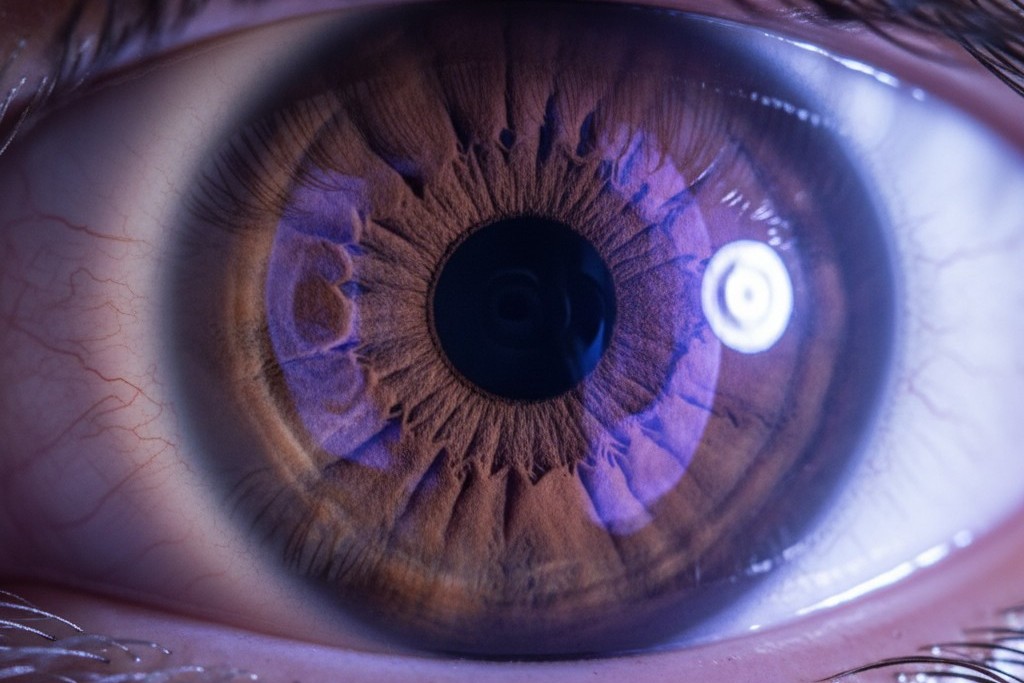
Não há aviso de calor. Não há dor imediata. Um hobbista pode colocar a mão dentro de uma câmara de cura para ajustar uma amostra, confiando em um interruptor manual que ele jurou ter desligado. Dois minutos de exposição depois, ele conclui o trabalho e vai para a cama. Quatro horas mais tarde, acorda gritando porque suas pálpebras parecem cheias de areia quente. Isso é fotoceratite. O dano já está feito, e o único remédio é tempo, escuridão e talvez um frasco de colírio de tetracaína se a equipe do pronto-socorro estiver de bom humor.
A memória não é um recurso de segurança. Os seres humanos são o elo fraco de qualquer sistema de contenção. Se você está construindo uma estação de cura por UV-C, uma capela de fluxo laminar ou uma sala de esterilização, precisa de um sistema que presuma que você será descuidado. Você precisa de um interruptor de emergência que funcione mais rápido do que você consegue pensar.
A armadilha da latência dos sensores “inteligentes”
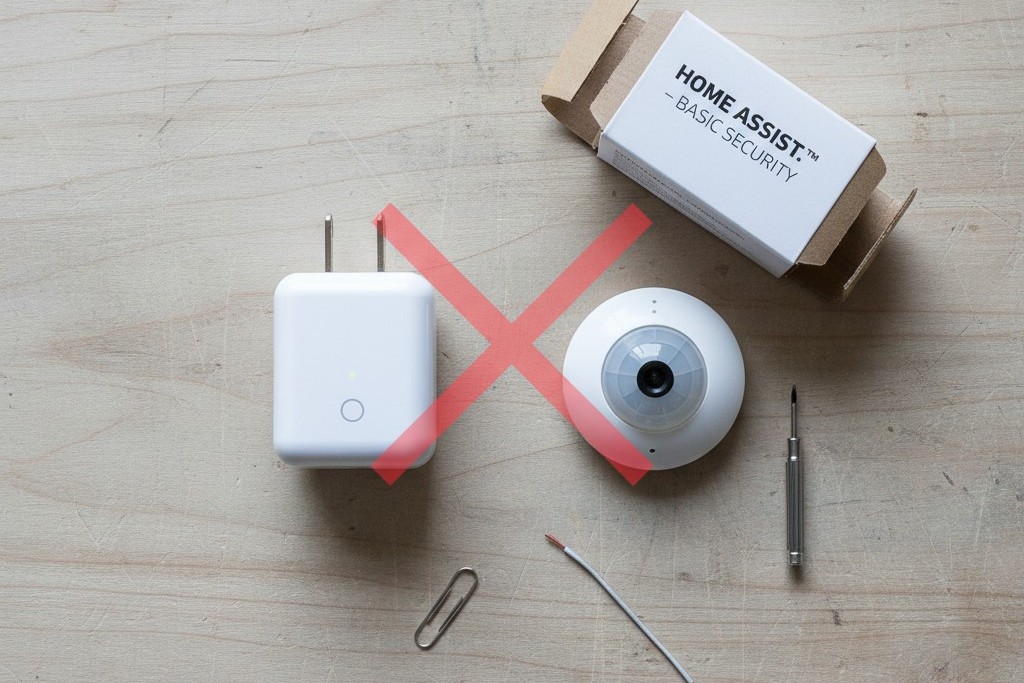
O instinto do entusiasta de DIY moderno é pegar um sensor doméstico inteligente sobressalente e vinculá-lo a uma tomada inteligente. Você pega um sensor de movimento Zigbee, o emparelha com um hub e escreve uma automação simples: “Se movimento for detectado, desligar a tomada inteligente”.”
Não faça isso.
Essa cadeia lógica é inadequada para a segurança da vida humana. Considere o caminho do sinal: O sensor detecta movimento, sai do estado de repouso de baixo consumo e negocia a conexão com o seu hub. O hub processa a lógica — ou pior, envia uma chamada de API para um servidor na nuvem na AWS East. O comando é roteado de volta para a tomada inteligente, que finalmente corta a energia.
Eu cronometrei essa sequência em hardwares de consumo. Mesmo em uma rede local, a latência pode oscilar entre 800 milissegundos e 1,5 segundo. Se a nuvem estiver envolvida, ou se o seu roteador Wi-Fi estiver negociando uma troca de canal, esse atraso pode saltar para cinco segundos. No contexto da intensidade de UV-C, um atraso de um segundo é uma eternidade de exposição. Você está efetivamente apostando a sua visão no tempo de atividade de uma fazenda de servidores na Virgínia.
Pior ainda, os equipamentos inteligentes de consumo falham no estado “perigoso”. Se o Wi-Fi cair, a automação falha e a lâmpada permanece acesa. Se a bateria do sensor acabar, a lâmpada permanece acesa. Se o hub travar durante uma atualização de firmware, a lâmpada permanece acesa. Você precisa de um sistema em que a falha de qualquer componente resulte no desligamento imediato da lâmpada.
Inspire-se com os portfólios de sensores de movimento da Rayzeek.
Não encontrou o que procura? Não se preocupe. Sempre existem formas alternativas de resolver seus problemas. Talvez um de nossos portfólios possa ajudar.
Gravidade, cobre e lógica normalmente fechada
O padrão industrial para esse problema é a lógica “Normally Closed” (NC) ou normalmente fechada. É a única arquitetura aceitável para um intertravamento de segurança.
Em um sistema normalmente fechado, o circuito de segurança é um loop contínuo de eletricidade que deve ser mantido ativamente para manter a máquina em funcionamento. O sensor ou interruptor permanece fechado (conduzindo eletricidade) apenas quando é seguro. No momento em que esse loop é interrompido — por uma porta que se abre, um feixe que se rompe ou um fio cortado —, a gravidade ou uma mola força a abertura do relé de energia, desligando a luz.
Você Também Pode Se Interessar Por

- Tensão: 2 Pilhas AAA
- Modo Dia/Noite
- Atraso de tempo: 15min, 30min, 1h(padrão), 2h

- Sensor de ocupação PIR para montagem no teto com saída de relé de contato seco
- Alimentação de baixa tensão de 12/24VDC ou 12/24VAC
- Contatos de relé isolados COM, NO e NC para entradas de EMS, HVAC e controle predial

- Interruptor sensor de movimento de micro-ondas embutido no teto em baixa tensão CC
- Entrada de 12 VDC / 24 VDC com faixa de 10-30 VDC
- Corrente máxima de trabalho de 10A com tempo de retardo, limite Lux e sensibilidade ajustáveis
- Interruptor sensor de movimento de micro-ondas embutido no teto para maior carga
- Entrada de tensão de rede de 100-265 VAC, modelo 10A
- Detecção de micro-ondas de 5,8 GHz com tempo de atraso, limite de Lux e sensibilidade ajustáveis
- Interruptor de sensor de movimento de micro-ondas embutido para teto
- Entrada de tensão de rede de 100-265 VAC, modelo 5A
- Detecção de micro-ondas de 5,8 GHz com tempo de atraso, limite de Lux e sensibilidade ajustáveis
- Dimmer de sensor de presença PIR para teto RZ037 para alimentação de 220V
- Corrente máxima de trabalho de 3A com carga nominal de 660W
- O botão LUX controla o Ligar/Desligar do sensor de luz e o brilho de dimerização definido pelo usuário
- Dimmer de sensor de presença PIR para teto RZ037 para alimentação de 110V
- Corrente máxima de trabalho de 3A com carga nominal de 330W
- O botão LUX controla o Ligar/Desligar do sensor de luz e o brilho de dimerização definido pelo usuário

- Interruptor de sensor de movimento de micro-ondas para teto em baixa tensão CC
- Entrada de 12 VDC / 24 VDC com faixa de 10-30 VDC
- Corrente máxima de trabalho de 10A com tempo de retardo, limite Lux e sensibilidade ajustáveis
- Interruptor de sensor de movimento de micro-ondas para teto de maior carga
- Entrada de tensão de rede de 100-265 VAC, modelo 10A
- Detecção de micro-ondas de 5,8 GHz com tempo de atraso, limite de Lux e sensibilidade ajustáveis
- Interruptor com sensor de movimento por micro-ondas para montagem no teto
- Entrada de tensão de rede de 100-265 VAC, modelo 5A
- Detecção de micro-ondas de 5,8 GHz com tempo de atraso, limite de Lux e sensibilidade ajustáveis

- Interruptor com sensor de movimento PIR de teto embutido CC de baixa tensão
- Entrada de 12 VDC / 24 VDC com faixa de 10-30 VDC
- Corrente máxima de trabalho de 10A com tempo de atraso, limite de Lux e sensibilidade ajustáveis

- Interruptor com sensor de movimento PIR de teto embutido para maior carga
- Entrada de tensão de rede de 100-265 VAC, modelo 10A
- Detecção de 360 graus com tempo de atraso, limite de Lux e sensibilidade ajustáveis
- Interruptor com sensor de movimento PIR de teto embutido
- Entrada de tensão de rede de 100-265 VAC, modelo 5A
- Detecção de 360 graus com tempo de atraso, limite de Lux e sensibilidade ajustáveis

- Kit de receptor e interruptor sem fio para controle de iluminação LIGA/DESLIGA em ambientes internos
- Receptor de 100-230VAC, 50/60Hz com corrente nominal de 5A
- Interruptor sem fio alimentado por CR2032 com comunicação de 2,4 GHz
- Ocupação (LIGA automático/DESLIGA automático)
- 12–24V CC (10–30VDC), até 10A
- Cobertura de 360°, 8–12 m de diâmetro
- Temporização: 15 s–30 min
- Sensor de luz: Desligado/15/25/35 Lux
- Sensibilidade Alta/Baixa
- Modo de ocupação Liga-Automático/Desliga-Automático
- 100–265V AC, 10A (neutro obrigatório)
- Cobertura de 360°; diâmetro de detecção de 8–12 m
- Temporização: 15 s–30 min; Lux DESLIGADO/15/25/35; Sensibilidade Alta/Baixa
- Modo de ocupação Liga-Automático/Desliga-Automático
- 100–265V AC, 5A (neutro obrigatório)
- Cobertura de 360°; diâmetro de detecção de 8–12 m
- Temporização: 15 s–30 min; Lux DESLIGADO/15/25/35; Sensibilidade Alta/Baixa
Pense no freio de um elevador. Ele não é mantido aberto por uma trava; ele é mantido aberto por energia elétrica. Se a energia falha, o freio trava instantaneamente. Sua instalação UV deve funcionar da mesma maneira. Você não está enviando um sinal para “desligar” a luz. Você está interrompendo fisicamente a energia que permite que a luz exista.
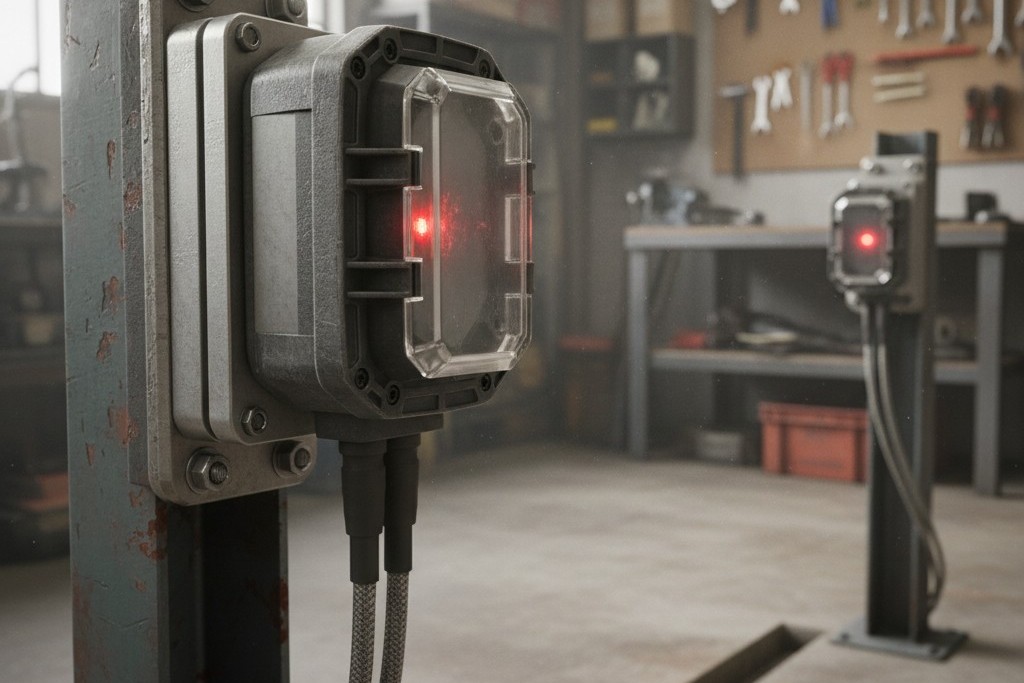
É por isso que feixes perimétricos simples — como os sensores de segurança na parte inferior de uma porta de garagem — costumam ser superiores a sensores digitais complexos. Um conjunto de feixes de segurança Chamberlain ou Genie cria um alarme de Barreira invisível. O receptor espera um sinal constante do emissor. Se você passar por ele, bloqueará fisicamente os fótons. O circuito se abre. O relé desliga. Não há software para interpretar o evento. A física do circuito determina que a energia deve ser cortada.
Enxergando o que os humanos não conseguem
Se você precisa usar detecção volumétrica (detectar movimento dentro de uma sala em vez de apenas uma barreira perimétrica), você se depara com o problema do “tempo cego”. Sensores Infravermelhos Passivos (PIR) padrão — do tipo usado em luzes de varanda — são projetados para detectar grandes movimentos laterais em seu campo de visão. Eles são péssimos para detectar micromovimentos.
Se você entrar em uma sala e ficar parado para inspecionar uma impressão, um sensor PIR barato determinará que a sala está vazia e permitirá que a lâmpada UV acenda. Esta é a diferença entre “Ocupação” (acender luzes por conveniência) e “Segurança” (manter luzes apagadas para sobrevivência). Você não está tentando economizar eletricidade aqui; você está tentando evitar queimaduras.
Para uma cortina de segurança verdadeira, recomenda-se sensores de “Dupla Tecnologia”. Essas unidades, como a série Bosch Blue Line Gen2, combinam PIR com radar Doppler de micro-ondas. O elemento de micro-ondas inunda ativamente o espaço com energia e busca a variação de frequência causada por objetos em movimento. Ele é muito mais sensível a pequenos movimentos, como respiração ou mudança de peso.
Sensores de micro-ondas têm uma particularidade perigosa, no entanto: eles conseguem ver através de drywall, vidro e plástico. Se você construir uma caixa de cura de acrílico, um sensor de micro-ondas interno pode detectar você caminhando ao lado da caixa e interromper o ciclo desnecessariamente. Por outro lado, o PIR não consegue ver através do vidro. Você deve alinhar a física do sensor ao material de contenção. Se estiver usando um invólucro de vidro, o PIR é seguro. Se estiver protegendo uma sala aberta, o uso de Dupla Tecnologia conectado em série é o padrão.
O estalo da segurança: isolando a tensão
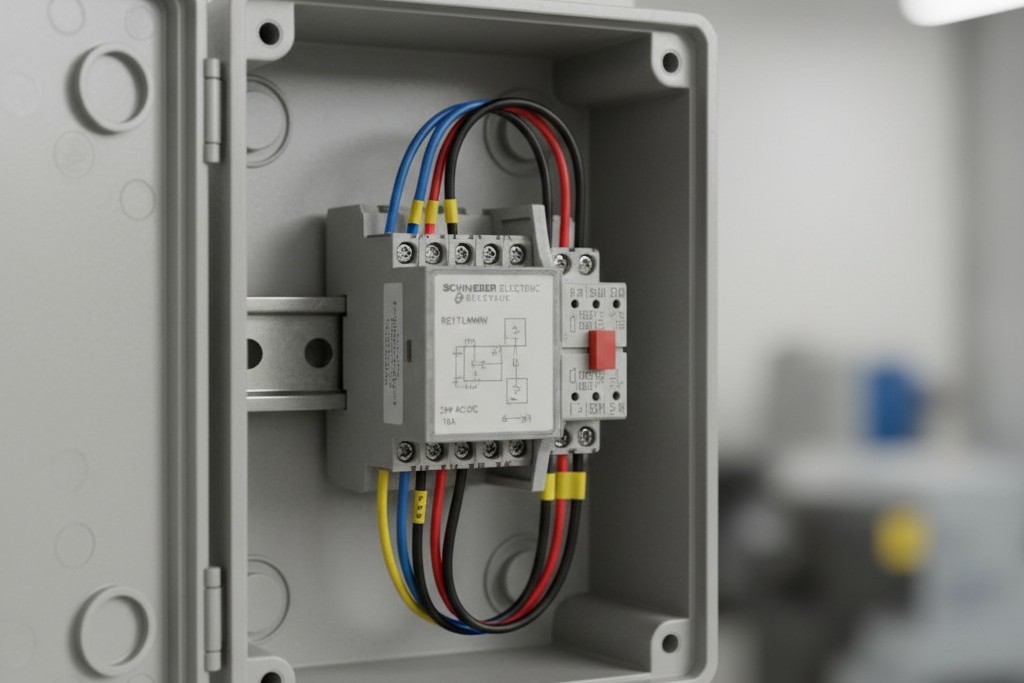
Você não pode conectar esses sensores de baixa tensão diretamente ao seu reator UV de 120V ou 240V. Isso danificará o sensor e representará um risco elétrico grave. Você precisa de uma interface física que separe a tensão lógica (geralmente 12V ou 24VAC) da tensão de carga.
É aqui que entra o “RIB” (Relay in a Box) ou um contator dedicado. Um dispositivo como o RIBU1C permite executar um loop de controle seguro e de baixa tensão por meio de seus sensores e chaves de porta. Quando esse loop é fechado, o eletroímã do RIB une os contatos de alta tensão com um estalo mecânico distinto.
Procurando soluções de economia de energia ativadas por movimento?
Entre em contato conosco para sensores de movimento PIR completos, produtos de economia de energia ativados por movimento, interruptores com sensor de movimento e soluções comerciais de Presença/Ausência (Occupancy/Vacancy).
Esse som é importante. É o som do fechamento de uma lacuna de ar física. Quando o loop de segurança é interrompido, uma mola força a separação desses contatos. Não importa se o microcontrolador travar ou se o Wi-Fi cair. A mola não se importa. Ela obedece às leis da física, abrindo o circuito e cortando a energia para o reator.
O ritual do teste de caminhada
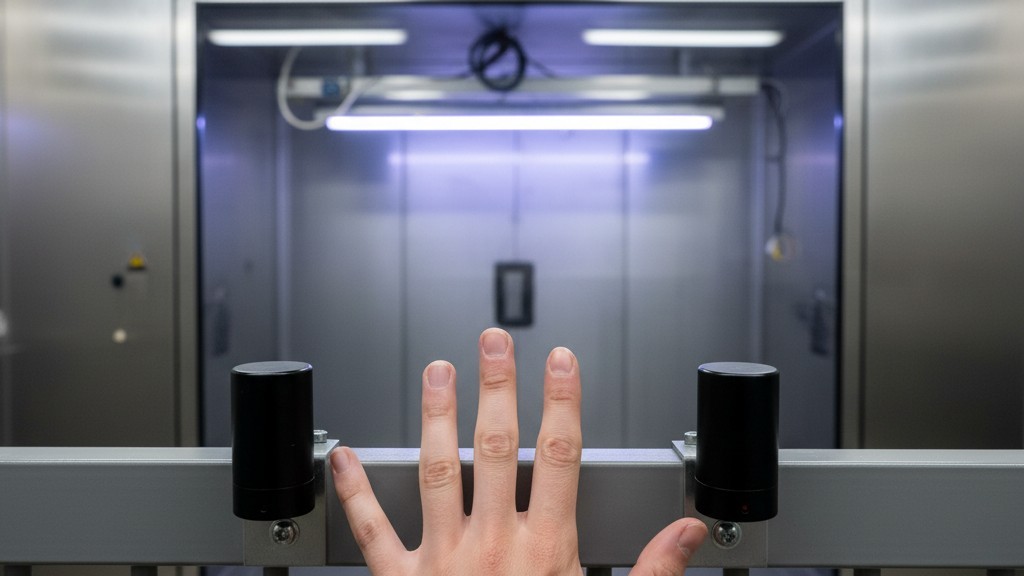
Once you build this, don’t trust it. Test it.
Every time you set up a new run, perform a functional check. Start the cycle, then trigger the safety—open the door, wave a hand past the beam, cut the power to the sensor. You should hear the relay click off instantly. There should be no hesitation.
If you are working with Far-UVC (222nm), you will read marketing claims that it is safe for human skin and eyes. Treat those claims with extreme skepticism. Regulations lag behind technology, and manufacturing tolerances vary. Treat every UV source as if it is a loaded weapon. Trust the interlock, not the wavelength.
The goal is a system that protects you from your own complacency. When you are tired, rushing, or distracted, the machine must be smarter than you. It must fail into safety, every single time.







