Die tatsächliche Gefahr der Ultraviolett-Sterilisation liegt nicht in der Strahlung selbst. Wir wissen genau, was 254nm-Licht mit organischem Gewebe macht: Es zerschneidet die DNA und stoppt die zelluläre Replikation. Das Problem ist, dass es dies bei Ihren Hornhäuten genauso effizient tut wie bei Schimmelpilzsporen auf einer Petrischale – und zwar völlig lautlos.
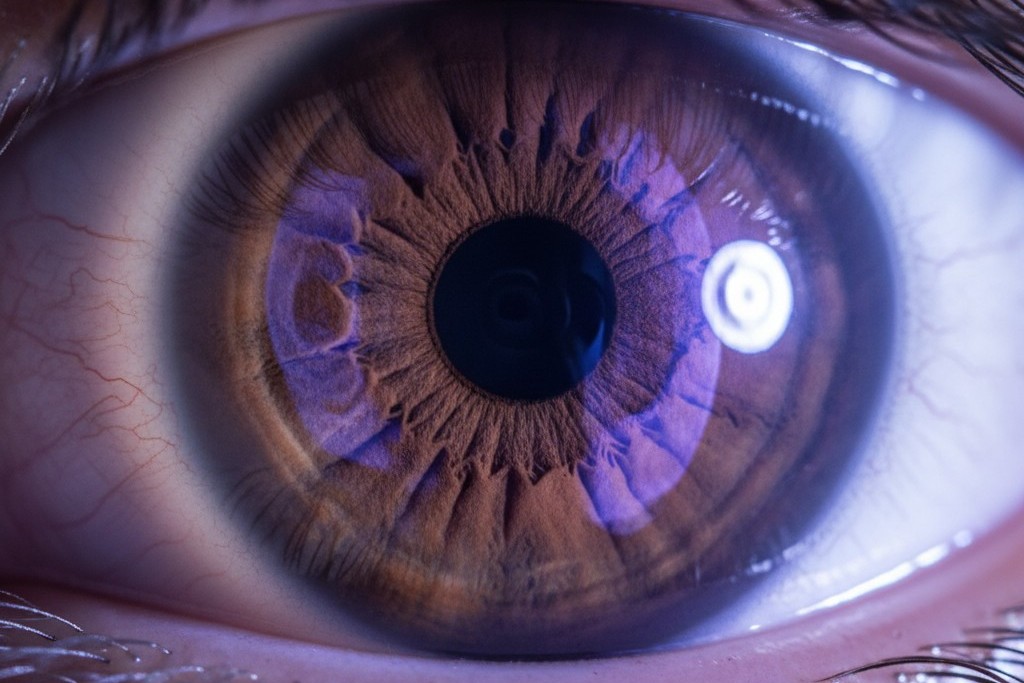
Es gibt keine Hitzewarnung. Es gibt keinen sofortigen Schmerz. Ein Hobbyanwender greift vielleicht in eine Härtungskammer, um eine Probe zu justieren, und verlässt sich dabei auf einen manuellen Kippschalter, von dem er schwor, ihn ausgeschaltet zu haben. Zwei Minuten Exposition später beendet er die Arbeit und geht zu Bett. Vier Stunden später wacht er schreiend auf, weil sich seine Augenlider anfühlen, als wären sie mit heißem Sand gefüllt. Das ist Photokeratitis. Der Schaden ist bereits entstanden, und die einzige Abhilfe sind Zeit, Dunkelheit und vielleicht eine Flasche Tetracain-Tropfen, wenn die Notaufnahme großzügig gestimmt ist.
Gedächtnis ist kein Sicherheitsmerkmal. Menschen sind das schwächste Glied in jedem Schutzsystem. Wenn Sie eine UV-C-Härtungsstation, eine Laminar-Flow-Werkbank oder einen Sterilisationsraum bauen, benötigen Sie ein System, das davon ausgeht, dass Sie unachtsam sein werden. Sie benötigen einen Not-Aus-Schalter, der schneller reagiert, als Sie denken können.
Die Latenzfalle “smarter” Sensoren
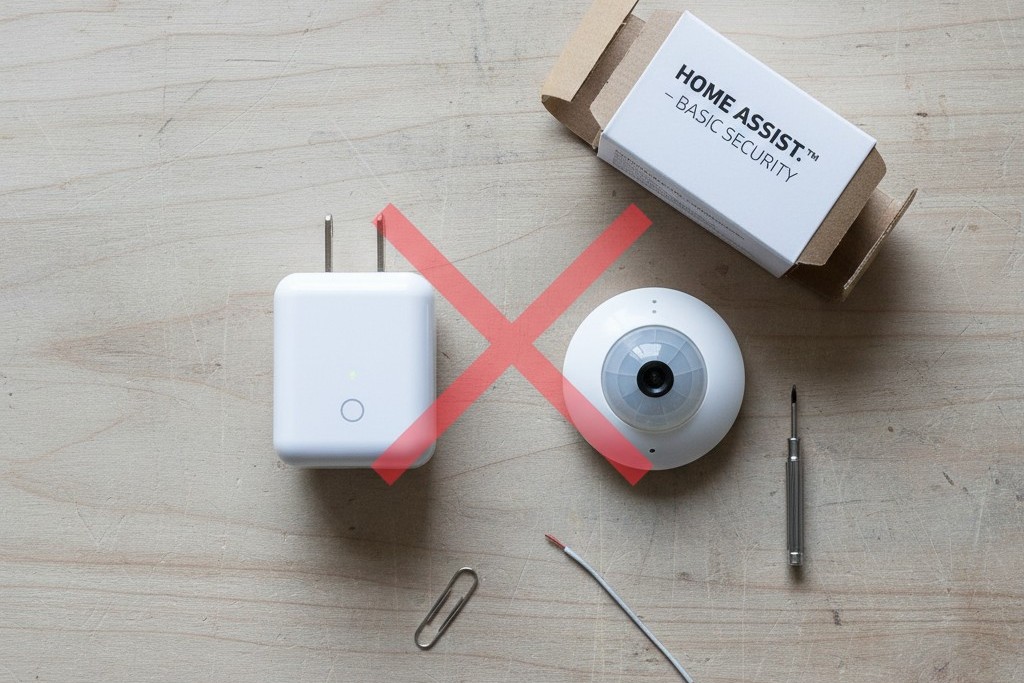
Der Instinkt des modernen Heimwerkers ist es, sich einen reserve Smart-Home-Sensor zu schnappen und ihn mit einem Zwischenstecker zu koppeln. Sie nehmen einen Zigbee-Bewegungssensor, verbinden ihn mit einem Hub und schreiben eine einfache Automatisierung: “Wenn Bewegung erkannt wird, schalte den Zwischenstecker aus.”
Tun Sie das nicht.
Diese Logikkette ist für die Lebensrettung ungeeignet. Bedenken Sie den Signalweg: Der Sensor erkennt eine Bewegung, wacht aus dem Energiesparmodus auf und führt einen Handshake mit Ihrem Hub durch. Der Hub verarbeitet die Logik – oder, was noch schlimmer ist, sendet einen API-Aufruf an einen Cloud-Server in AWS East. Der Befehl wird zurück zum Zwischenstecker geleitet, der schließlich die Stromzufuhr unterbricht.
Ich habe diesen Ablauf auf Verbraucher-Hardware gemessen. Selbst in einem lokalen Netzwerk kann die Latenz zwischen 800 Millisekunden und 1,5 Sekunden schwanken. Wenn die Cloud beteiligt ist oder Ihr WLAN-Router einen Kanalwechsel verhandelt, kann sich diese Verzögerung auf fünf Sekunden erhöhen. Im Kontext der UV-C-Intensität ist eine Verzögerung von einer Sekunde eine Ewigkeit der Exposition. Sie wetten effektiv Ihre Sehkraft auf die Betriebszeit einer Serverfarm in Virginia.
Erschwerend kommt hinzu, dass Consumer-Smart-Hardware im “gefährlichen” Zustand ausfällt. Wenn das WLAN ausfällt, schlägt die Automatisierung fehl und die Lampe bleibt an. Wenn die Sensorbatterie leer ist, bleibt die Lampe an. Wenn der Hub während eines Firmware-Updates einfriert, bleibt die Lampe an. Sie benötigen ein System, bei dem der Ausfall eines beliebigen Bauteils dazu führt, dass sich die Lampe sofort ausschaltet.
Lassen Sie sich von den Rayzeek Bewegungssensor-Portfolios inspirieren.
Nicht das Richtige gefunden? Keine Sorge. Es gibt immer alternative Wege, Ihre Anforderungen zu erfüllen. Vielleicht kann eines unserer Portfolios helfen.
Schwerkraft, Kupfer und die „Normally Closed“-Logik
Der Industriestandard für dieses Problem ist die “Normally Closed” (NC)-Logik (Ruhestromprinzip). Sie ist die einzige akzeptable Architektur für eine Sicherheitsverriegelung.
In einem Ruhestromsystem ist der Sicherheitskreis eine kontinuierliche Stromschleife, die aktiv aufrechterhalten werden muss, damit die Maschine läuft. Der Sensor oder Schalter ist nur dann geschlossen (leitend), wenn es sicher ist. In dem Moment, in dem diese Schleife unterbrochen wird – durch das Öffnen einer Tür, das Unterbrechen eines Lichtstrahls oder das Durchtrennen eines Drahtes –, drückt die Schwerkraft oder eine Feder das Leistungsrelais auf und schaltet das Licht ab.
Das könnte Sie auch interessieren

- Spannung: 2 AAA-Batterien
- Tag-/Nachtmodus
- Ausschaltverzögerung: 15min, 30min, 1h (Standard), 2h
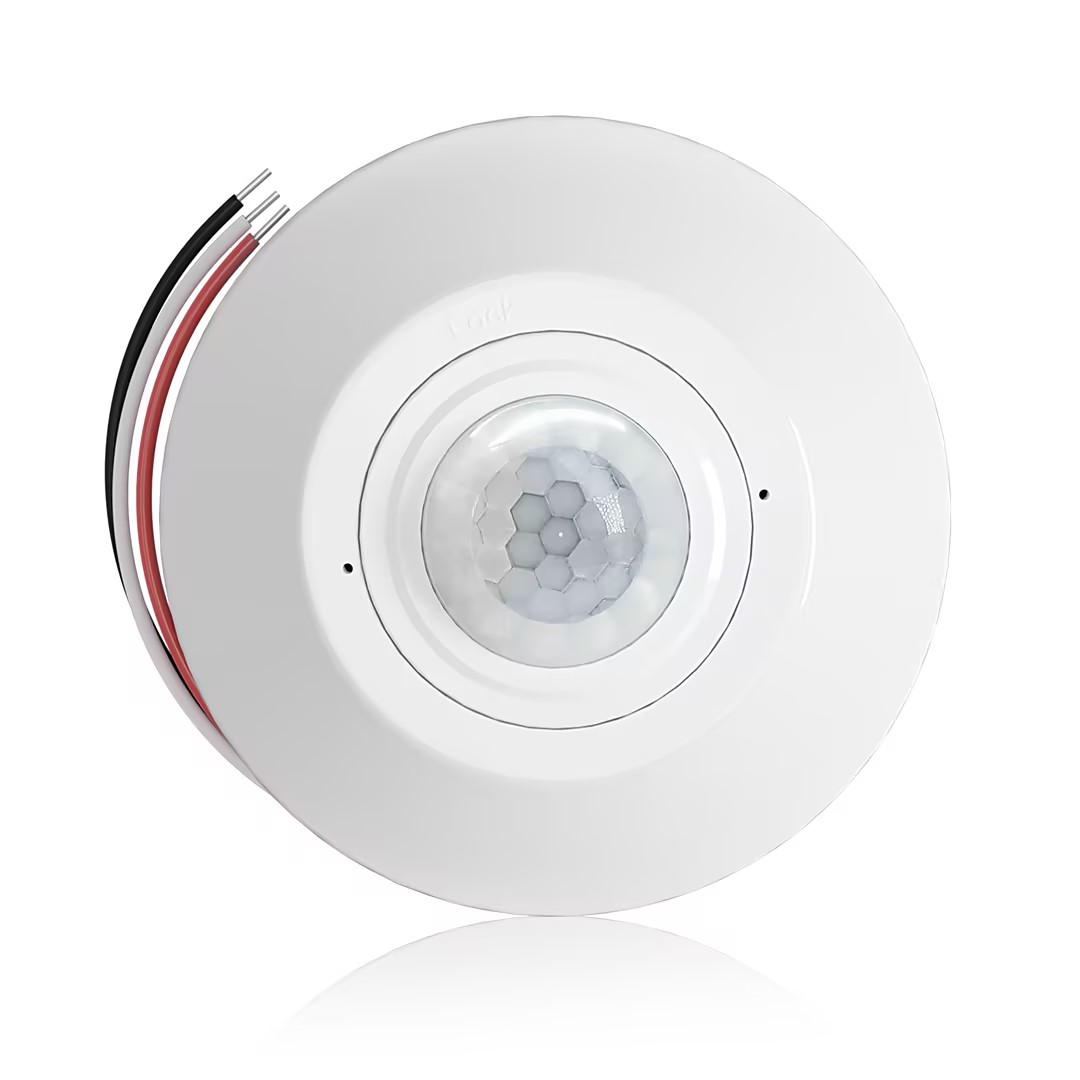
- Deckenmontierter PIR-Präsenzmelder mit potenzielfreiem Relaisausgang
- 12/24VDC oder 12/24VAC Niederspannungsversorgung
- Isolierte Relaiskontakte (COM, NO und NC) für EMS-, HVAC- und Gebäudesteuerungs-Eingänge
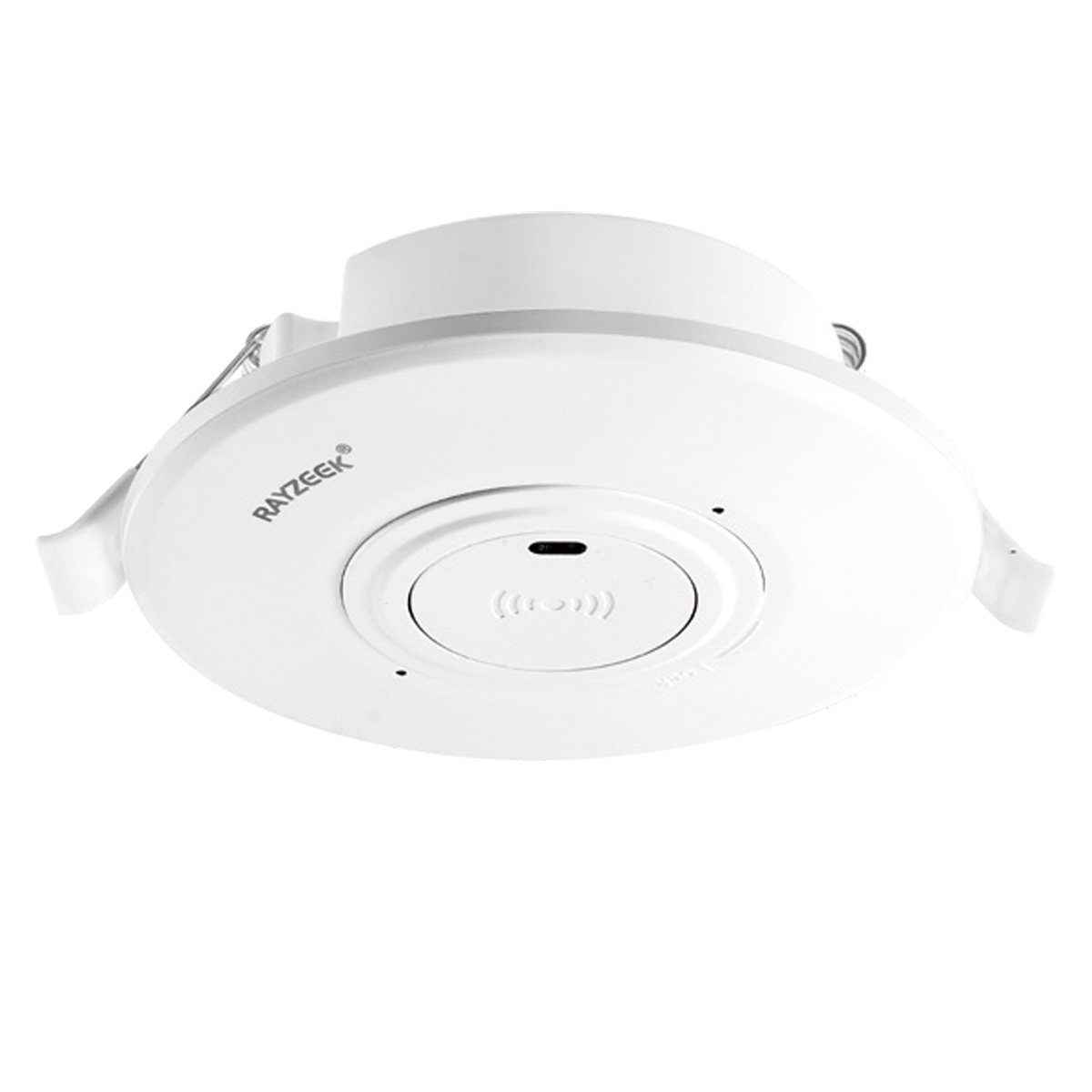
- Niederspannungs-DC-Mikrowellen-Bewegungssensorschalter für den Deckeneinbau
- 12 VDC / 24 VDC Eingang mit 10–30 VDC Bereich
- 10A max. Arbeitsstrom mit einstellbarer Zeitverzögerung, Lux-Schwelle und Empfindlichkeit
- Decken-Mikrowellen-Bewegungssensorschalter für den Einbau für höhere Lasten
- 100–265 VAC Netzspannungseingang, 10A-Modell
- 5,8-GHz-Mikrowellenerfassung mit einstellbarer Zeitverzögerung, Lux-Schwelle und Empfindlichkeit
- Unterputz-Mikrowellen-Bewegungssensorschalter für die Deckenmontage
- 100–265 VAC Netzspannungseingang, 5A-Modell
- 5,8-GHz-Mikrowellenerfassung mit einstellbarer Zeitverzögerung, Lux-Schwelle und Empfindlichkeit
- PIR-Präsenzsensor-Dimmer RZ037 für Deckenmontage und 220V-Stromversorgung
- 3A maximaler Betriebsstrom mit 660W Nennlast
- LUX-Taste steuert Lichtsensor-EIN/AUS sowie benutzerdefinierte Dimmhelligkeit
- PIR-Präsenzsensor-Dimmer RZ037 für Deckenmontage und 110V-Stromversorgung
- 3A maximaler Betriebsstrom mit 330W Nennlast
- LUX-Taste steuert Lichtsensor-EIN/AUS sowie benutzerdefinierte Dimmhelligkeit
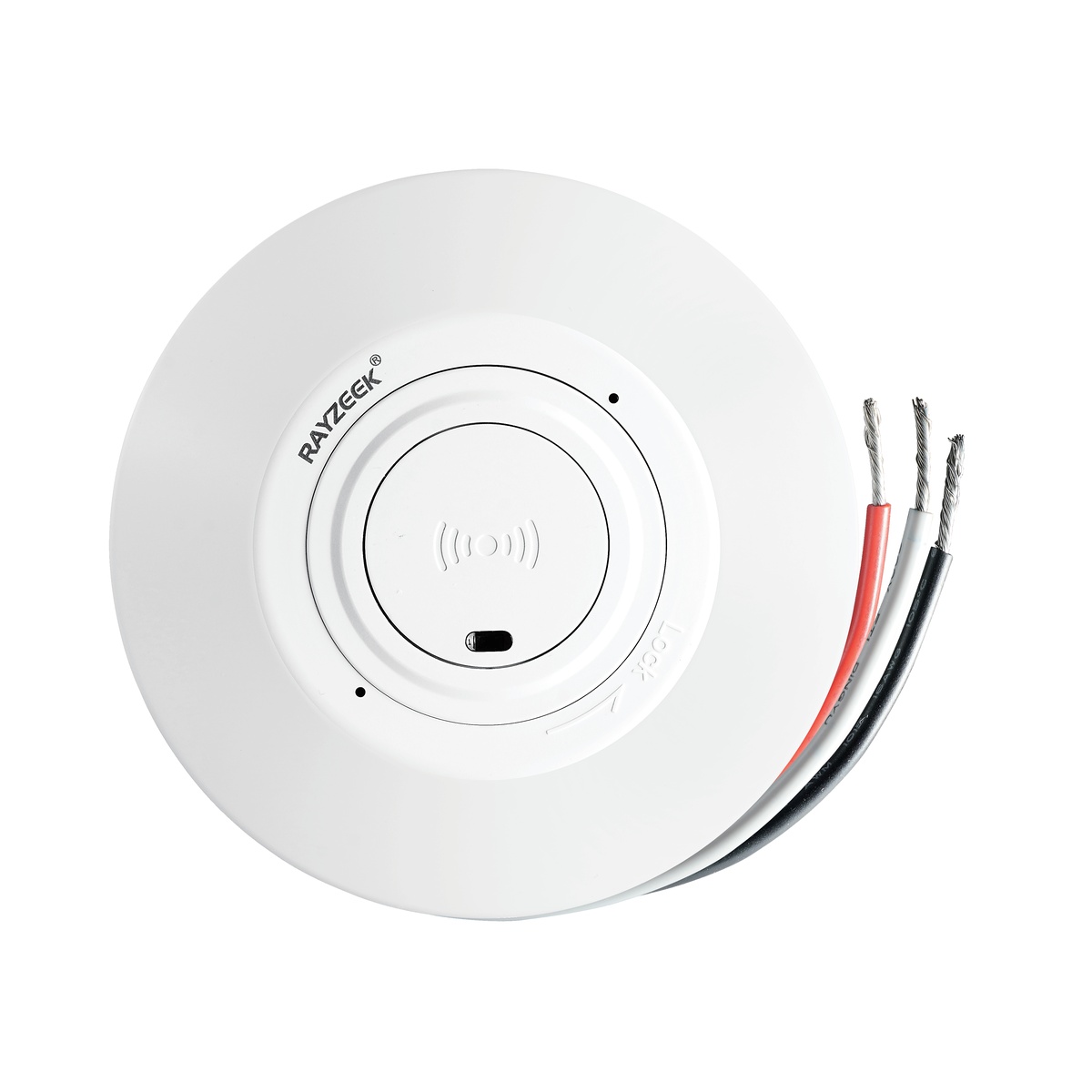
- Niederspannungs-DC-Mikrowellen-Bewegungssensorschalter für die Deckenmontage
- 12 VDC / 24 VDC Eingang mit 10–30 VDC Bereich
- 10A max. Arbeitsstrom mit einstellbarer Zeitverzögerung, Lux-Schwelle und Empfindlichkeit
- Decken-Mikrowellen-Bewegungssensorschalter für höhere Lasten
- 100–265 VAC Netzspannungseingang, 10A-Modell
- 5,8-GHz-Mikrowellenerfassung mit einstellbarer Zeitverzögerung, Lux-Schwelle und Empfindlichkeit
- Mikrowellen-Bewegungssensorschalter für die Deckenmontage
- 100–265 VAC Netzspannungseingang, 5A-Modell
- 5,8-GHz-Mikrowellenerfassung mit einstellbarer Zeitverzögerung, Lux-Schwelle und Empfindlichkeit
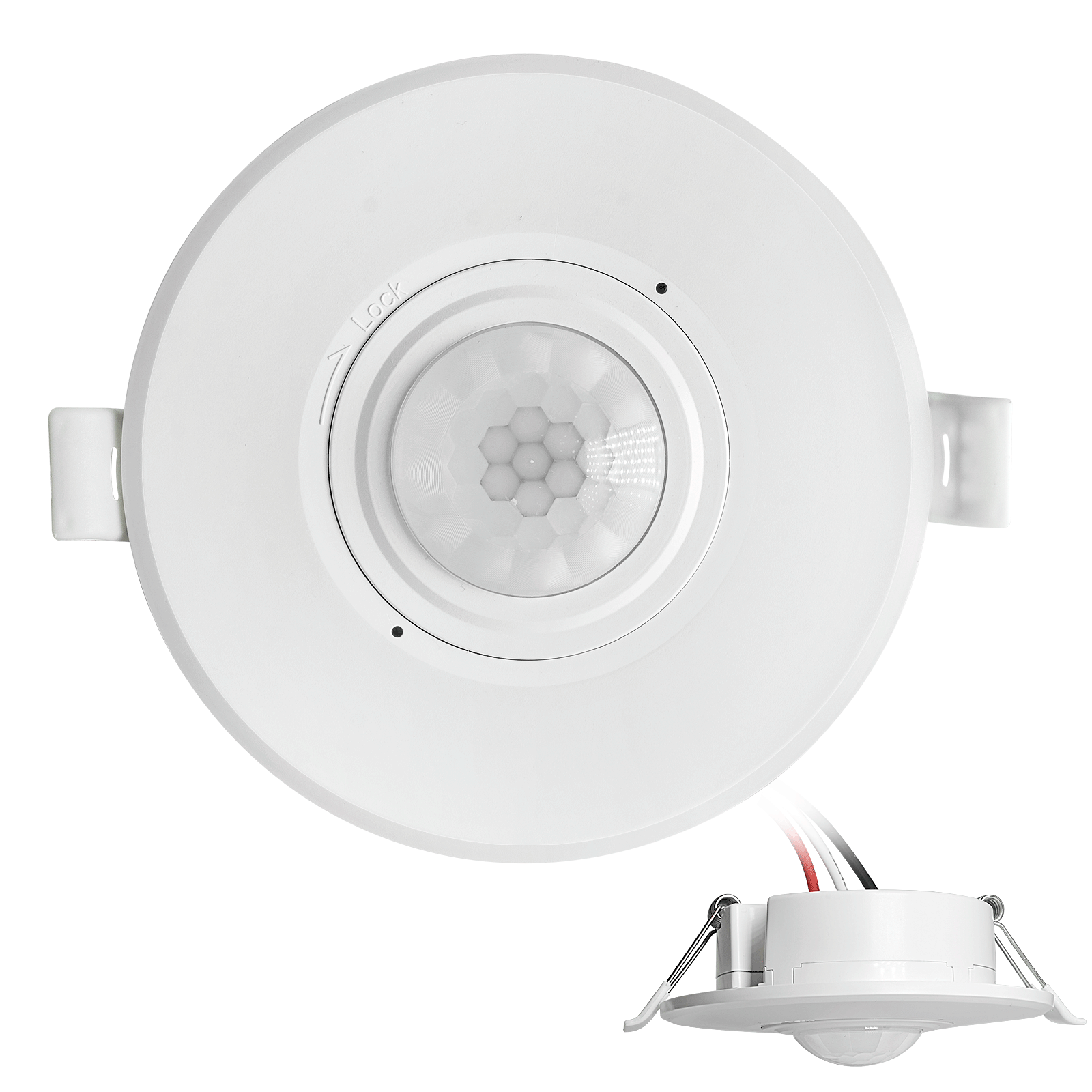
- Niederspannungs-DC-Unterputz-PIR-Bewegungssensorschalter für die Deckenmontage
- 12 VDC / 24 VDC Eingang mit 10–30 VDC Bereich
- Maximaler Betriebsstrom 10A mit einstellbarer Zeitverzögerung, Lux-Schwelle und Empfindlichkeit
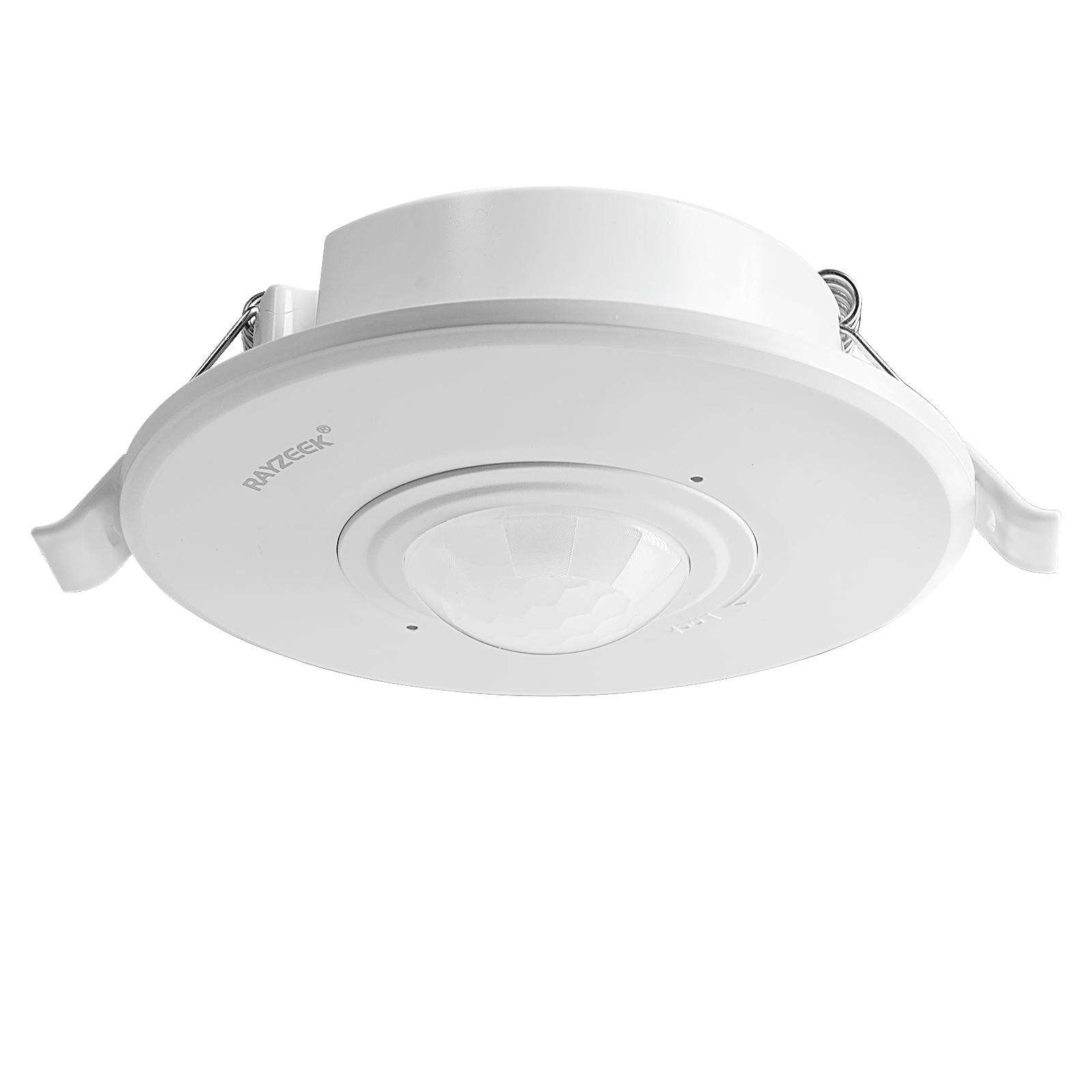
- PIR-Bewegungssensorschalter für Deckeneinbau für höhere Lasten
- 100–265 VAC Netzspannungseingang, 10A-Modell
- 360-Grad-Erfassung mit einstellbarer Ausschaltverzögerung, Lux-Schwelle und Empfindlichkeit
- PIR-Bewegungssensorschalter für Deckeneinbau
- 100–265 VAC Netzspannungseingang, 5A-Modell
- 360-Grad-Erfassung mit einstellbarer Ausschaltverzögerung, Lux-Schwelle und Empfindlichkeit
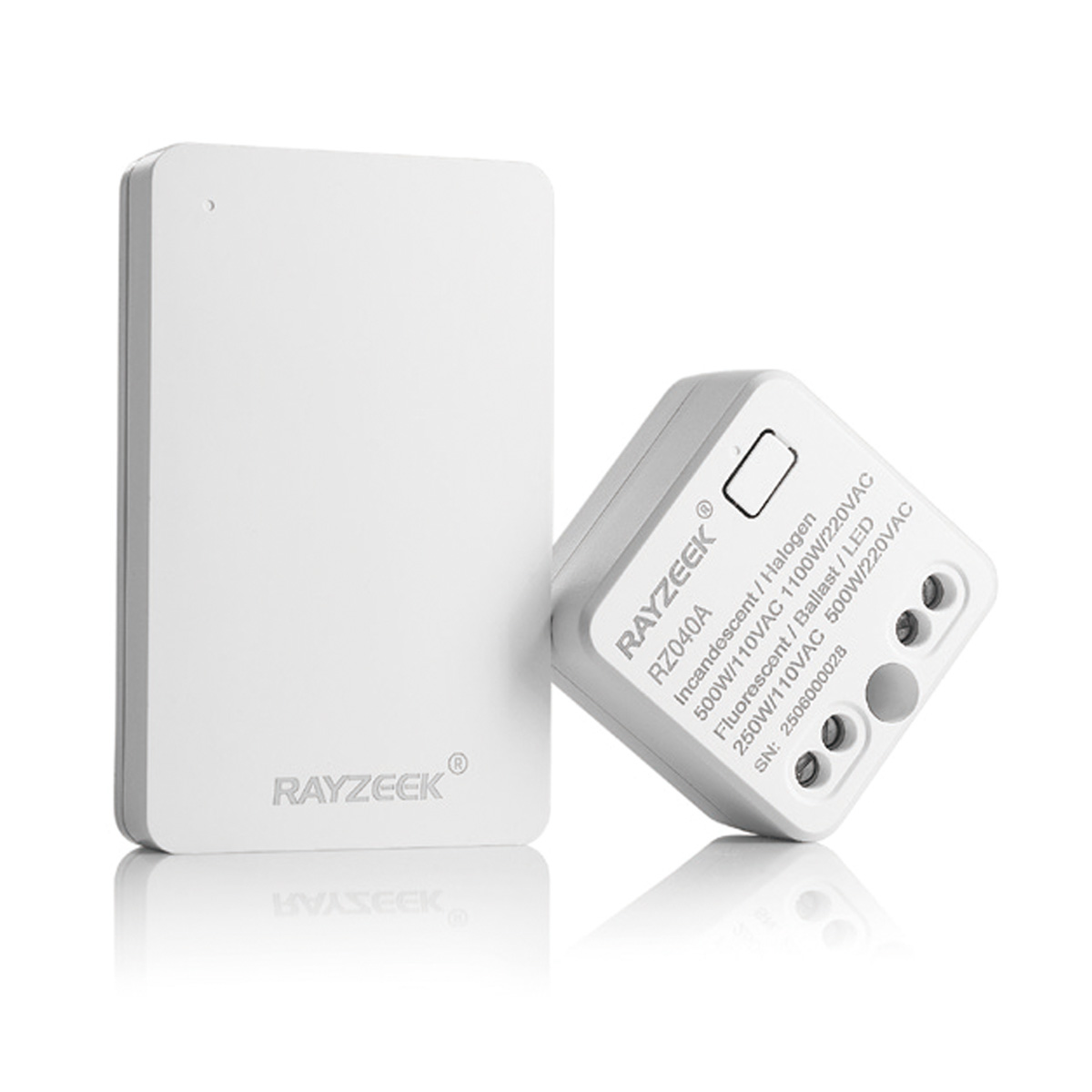
- Funk-Schalter- und Empfänger-Set zur Ein/Aus-Lichtsteuerung im Innenbereich
- 100-230VAC, 50/60Hz Empfänger mit 5A Nennstrom
- CR2032-betriebener Funkschalter mit 2,4GHz-Kommunikation
- Präsenzmodus (Auto-EIN/Auto-AUS)
- 12–24V DC (10–30VDC), bis zu 10A
- 360°-Erfassungsbereich, 8–12 m Durchmesser
- Ausschaltverzögerung 15 s–30 Min.
- Lichtsensor Aus/15/25/35 Lux
- Hohe/Niedrige Empfindlichkeit
- Auto-EIN/Auto-AUS Präsenzmodus
- 100–265V AC, 10A (Neutralleiter erforderlich)
- 360°-Erfassungsbereich; 8–12 m Erfassungsdurchmesser
- Ausschaltverzögerung 15 s–30 min; Lux AUS/15/25/35; Empfindlichkeit Hoch/Niedrig
- Auto-EIN/Auto-AUS Präsenzmodus
- 100–265V AC, 5A (Neutralleiter erforderlich)
- 360°-Erfassungsbereich; 8–12 m Erfassungsdurchmesser
- Ausschaltverzögerung 15 s–30 min; Lux AUS/15/25/35; Empfindlichkeit Hoch/Niedrig
Denken Sie an eine Aufzugsbremse. Sie wird nicht gehalten open by a lock; it’s held open by power. If the power fails, the brake clamps down instantly. Your UV setup must work the same way. You aren’t sending a signal to “turn off” the light. You are physically interrupting the power that allows the light to exist.
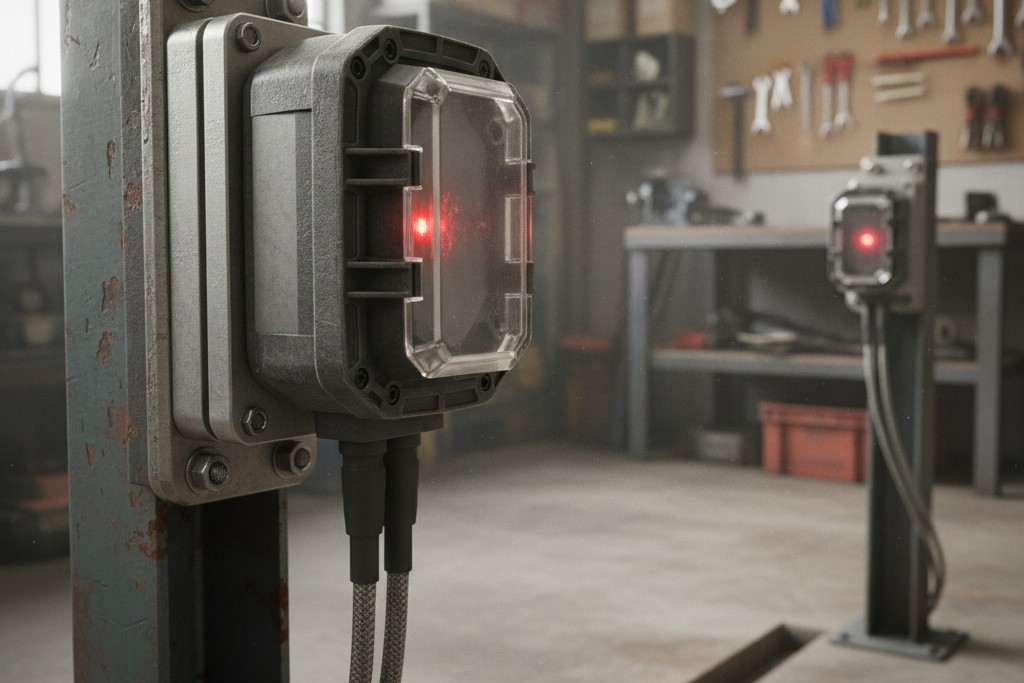
This is why simple perimeter beams—like the safety sensors at the bottom of a garage door—are often superior to complex digital sensors. A set of Chamberlain or Genie safety beams creates an invisible tripwire. The receiving eye expects a constant signal from the sending eye. If you walk through it, you physically block the photons. The circuit opens. The relay drops. There is no software to interpret the event. The physics of the circuit dictates that the power must cut.
Seeing What Humans Can’t
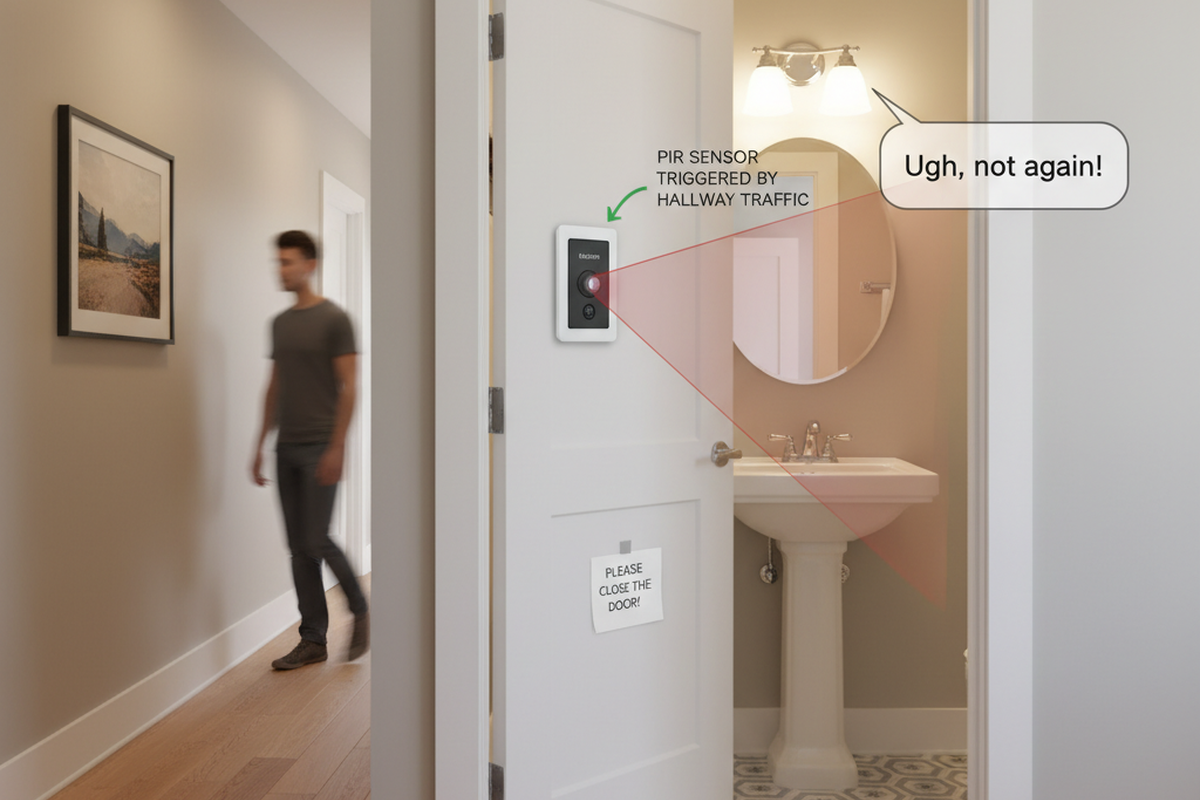
If you must use volumetric sensing (detecting motion inside a room rather than just a perimeter tripwire), you run into the problem of “blind time.” Standard Passive Infrared (PIR) sensors—the kind used for porch lights—are designed to detect large, lateral movements across their field of view. They are terrible at detecting micro-movements.
If you walk into a room and stand still to inspect a print, a cheap PIR sensor will decide the room is empty and allow the UV lamp to strike. This is the difference between “Occupancy” (turning lights on for convenience) and “Safety” (keeping lights off for survival). You aren’t trying to save electricity here; you are trying to prevent burns.
For a true safety curtain, you want “Dual Technology” sensors. These units, like the Bosch Blue Line Gen2 series, combine PIR with Microwave Doppler radar. The microwave element actively floods the space with energy and looks for the frequency shift caused by moving objects. It is far more sensitive to small movements, like breathing or shifting weight.
Microwave sensors have a dangerous quirk, though: they can see through drywall, glass, and plastic. If you build a curing box out of acrylic, a microwave sensor inside might detect you walking past the box and kill the cycle unnecessarily. Conversely, PIR cannot see through glass. You must match the sensor physics to your containment material. If you are using a glass enclosure, PIR is safe. If you are guarding an open room, Dual Tech wired in series is the standard.
The Click of Safety: Isolating Voltage
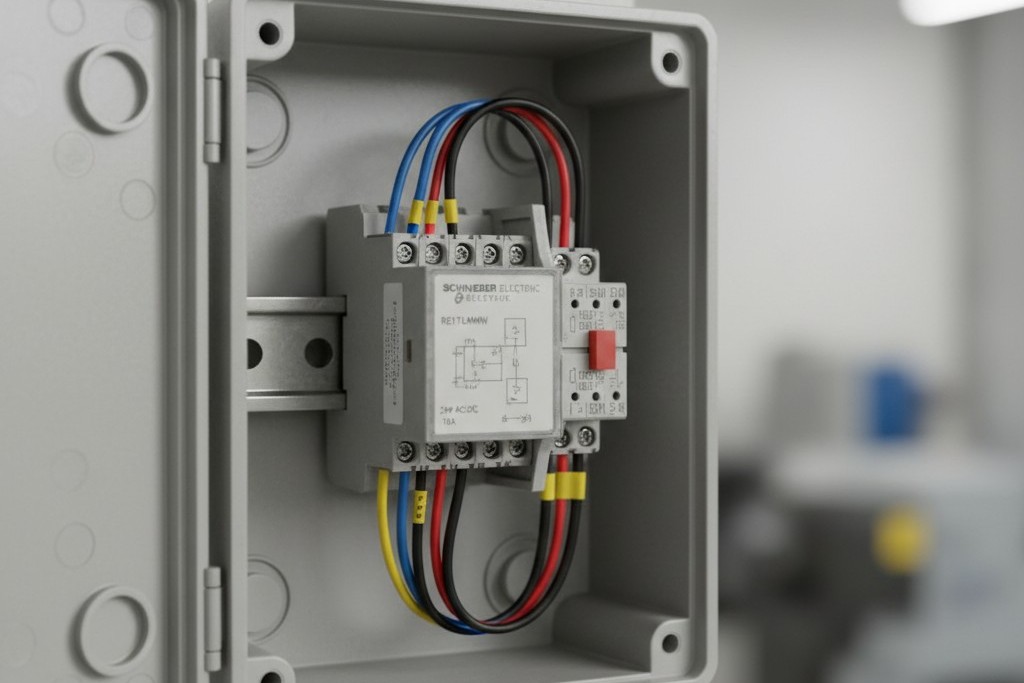
You can’t wire these low-voltage sensors directly to your 120V or 240V UV ballast. You will let the magic smoke out of the sensor, and likely yourself. You need a physical interface that separates the logic voltage (usually 12V or 24VAC) from the load voltage.
This is where the “RIB” (Relay in a Box) or a dedicated contactor comes in. A device like the RIBU1C allows you to run a safe, low-voltage control loop through your sensors and door switches. When that loop is closed, the RIB’s electromagnet pulls the high-voltage contacts together with a distinct, mechanical clack.
Suchen Sie nach bewegungsgesteuerten Energiesparlösungen?
Kontaktieren Sie uns für komplette PIR-Bewegungssensoren, bewegungsgesteuerte Energiesparprodukte, Bewegungsmelderschalter sowie gewerbliche Präsenz-/Präsenzabwesenheitslösungen.
That sound is important. It is the sound of a physical air gap closing. When the safety loop is broken, a spring forces those contacts apart. It doesn’t matter if the microcontroller crashes or the Wi-Fi is down. The spring does not care. It obeys the laws of physics, snapping the circuit open and severing the power to the ballast.
The Walk Test Ritual
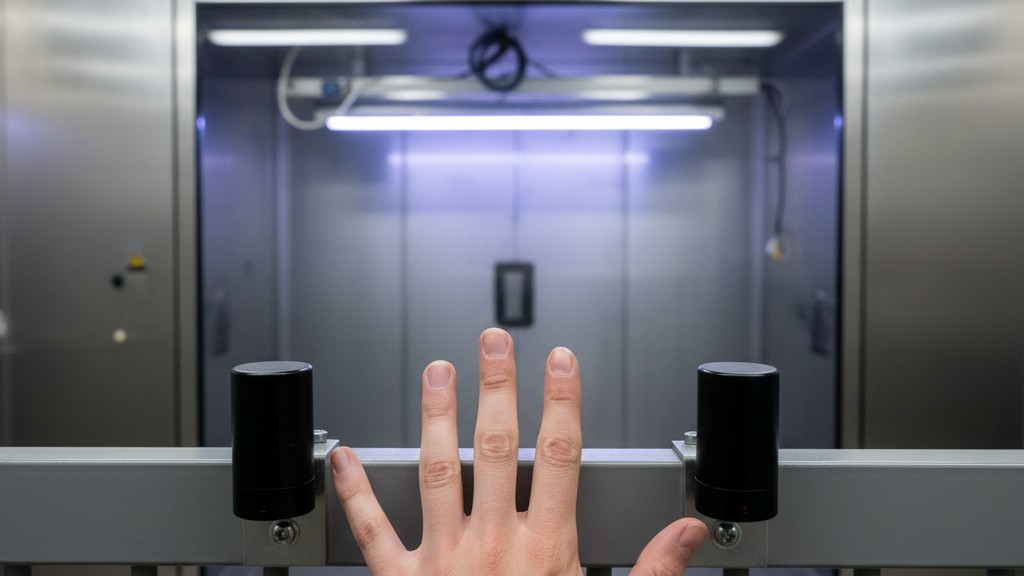
Once you build this, don’t trust it. Test it.
Every time you set up a new run, perform a functional check. Start the cycle, then trigger the safety—open the door, wave a hand past the beam, cut the power to the sensor. You should hear the relay click off instantly. There should be no hesitation.
If you are working with Far-UVC (222nm), you will read marketing claims that it is safe for human skin and eyes. Treat those claims with extreme skepticism. Regulations lag behind technology, and manufacturing tolerances vary. Treat every UV source as if it is a loaded weapon. Trust the interlock, not the wavelength.
The goal is a system that protects you from your own complacency. When you are tired, rushing, or distracted, the machine must be smarter than you. It must fail into safety, every single time.