
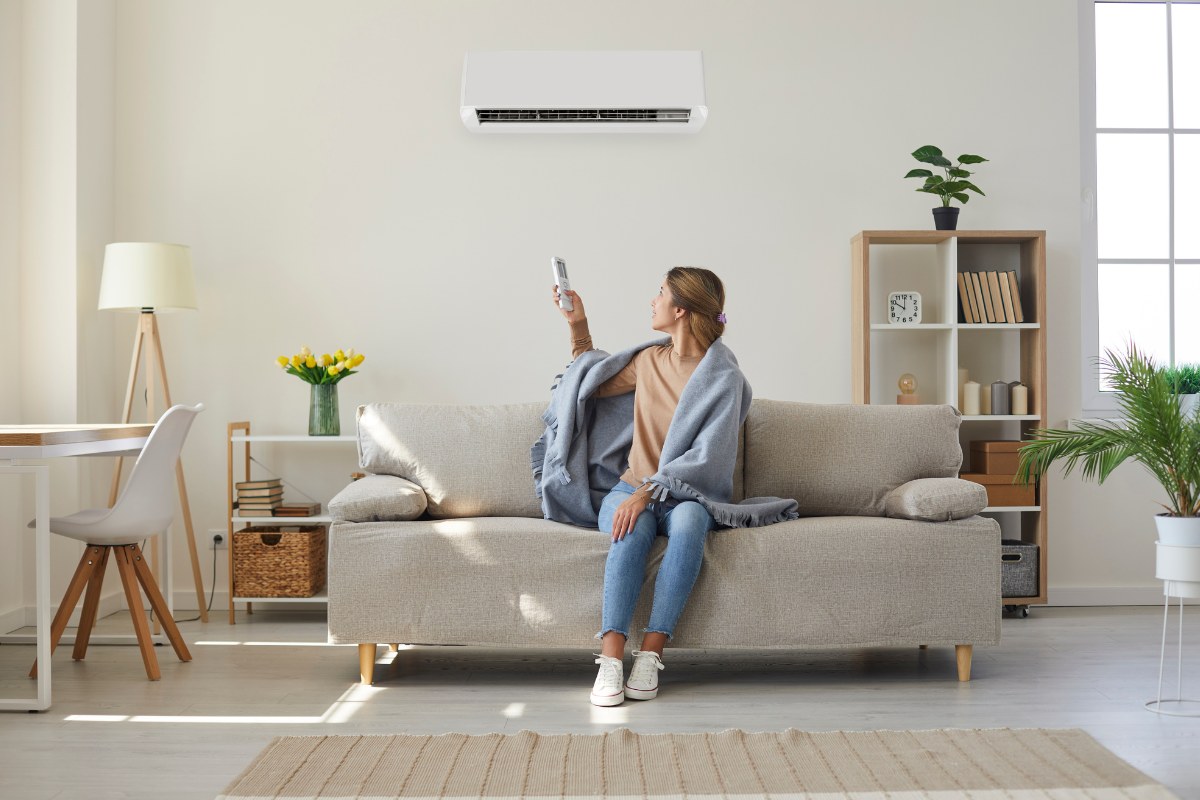
Menemukan keseimbangan yang tepat antara kenyamanan dan efisiensi energi pada pendingin udara (AC) sangat penting untuk mengurangi tagihan listrik dan dampak lingkungan. Panduan ini membahas pengaturan suhu AC yang ideal, teknologi termostat tingkat lanjut, strategi penghematan energi pelengkap, serta pentingnya perawatan rutin. Dengan menerapkan pendekatan ini, Anda dapat mengurangi konsumsi energi secara signifikan sekaligus menjaga ruang tinggal tetap nyaman.
Pengaturan Suhu AC yang Direkomendasikan untuk Penghematan Energi Maksimal
Mengatur pendingin udara Anda untuk efisiensi energi yang optimal melibatkan pencarian keseimbangan yang tepat antara kenyamanan dan penghematan. Pengaturan suhu yang ideal dapat memberikan perbedaan yang nyata.
Pengaturan Suhu Siang Hari yang Optimal
Berdasarkan penelitian mendalam, Departemen Energi AS merekomendasikan suhu 78°F (25,5°C) saat Anda berada di rumah dan terjaga. Suhu ini dianggap sebagai titik terbaik untuk efisiensi energi tanpa mengorbankan kenyamanan secara signifikan. Meskipun demikian, ini adalah panduan umum dan preferensi individu dapat bervariasi.
Mengapa 78°F? Suhu ini menjaga lingkungan dalam ruangan tetap nyaman sekaligus meminimalkan penggunaan energi. Pada pengaturan ini, perbedaan suhu antara dalam dan luar ruangan biasanya cukup kecil untuk mengurangi beban kerja pada unit AC Anda, namun tetap memberikan pendinginan yang terasa.
Pengaturan Suhu Saat Bepergian
Saat Anda bepergian dalam jangka waktu lama, menyesuaikan termostat dapat menghasilkan penghematan energi yang signifikan. Departemen Energi menyarankan untuk menaikkan suhu sebesar 7-10 derajat Fahrenheit—hingga 85°F (29,4°C)—saat Anda tidak di rumah. Penyesuaian ini menghemat energi secara substansial tanpa membuat rumah Anda terlalu panas.
Bukankah memendinginkan kembali rumah saat pulang akan membutuhkan lebih banyak energi? AC Anda memang akan bekerja lebih keras pada awalnya, tetapi energi yang dihemat selama periode mati yang panjang biasanya jauh lebih besar daripada energi yang terpakai tersebut. Untuk penghematan yang lebih besar saat Anda bepergian, pertimbangkan solusi cerdas seperti Rayzeek RZ050 AC motion sensor. Alat ini mempelajari sinyal OFF pada remote AC Anda dan mematikan unit secara otomatis saat rumah kosong, sehingga mencegah pemborosan energi selama Anda tidak berada di rumah. Anda dapat kembali ke rumah dengan suhu yang nyaman tanpa khawatir dengan tagihan listrik yang membengkak.
Rekomendasi Suhu Malam Hari
Untuk tidur optimal dan penghematan energi, suhu malam hari sebaiknya berada di antara 70-72°F, atau 21-22°C. Suhu yang sedikit lebih dingin ini selaras dengan ritme sirkadian alami tubuh, yang berpotensi meningkatkan kualitas tidur sekaligus menjaga efisiensi energi.
Dampak Penyesuaian Suhu
Bahkan penyesuaian suhu yang kecil sekalipun dapat memberikan dampak yang sangat signifikan terhadap konsumsi energi. Setiap kenaikan satu derajat dapat menghasilkan penghematan energi sebesar 1-3%. Menaikkan termostat Anda dari 72°F ke 78°F dapat menghemat hingga 18% pada biaya pendinginan.
Strategi Membiasakan Diri dengan Pengaturan Hemat Energi
Meskipun beralih ke pengaturan hemat energi mungkin memerlukan penyesuaian, manfaat jangka panjangnya sangat besar. Oleh karena itu, cobalah pendekatan bertahap dengan menaikkan pengaturan suhu biasa sebesar 1 derajat setiap minggunya. Hal ini memungkinkan tubuh Anda beradaptasi seiring waktu. Gunakan kipas angin secara strategis untuk menciptakan efek angin dingin (wind-chill effect), sehingga ruangan terasa 4°F lebih sejuk. Menyesuaikan pakaian dan perlengkapan tidur Anda ke bahan yang lebih ringan dan bersirkulasi udara baik juga dapat membantu. Menjaga tubuh tetap terhidrasi dengan baik membantu mengatur suhu tubuh Anda. Terakhir, manfaatkan suhu pagi dan malam hari yang lebih sejuk dengan membuka jendela untuk ventilasi alami. Beyond these strategies, automating your AC usage with a device like the Rayzeek RZ050 can further enhance your savings. This motion sensor ensures your AC isn’t running in empty rooms, maximizing your energy efficiency efforts. Its adjustable time delay and light sensor allow personalized control, ensuring comfort without compromising efficiency.
Implementing these recommended temperature settings and adaptation strategies can considerably reduce energy consumption without sacrificing comfort. The goal is to find the balance that works best for your household while prioritizing energy efficiency.
Leveraging Programmable and Smart Thermostats for Energy Efficiency
Programmable and smart thermostats are powerful tools for optimal energy efficiency. How do these devices contribute to energy savings, and what makes them so effective?
Introduction to Programmable Thermostats
Programmable thermostats are a significant upgrade from traditional manual thermostats. They allow you to set specific temperature schedules based on your daily routines, ensuring efficient AC operation without constant manual adjustments.
Custom Temperature Schedules
Program different temperatures for various times of day and week. For example, set a higher temperature during work hours and a cooler temperature before you return home.
Multiple Programming Periods
Most offer at least four programming periods per day, allowing precise temperature control.
Override Function
Easily override programmed settings without disrupting the overall schedule if plans change.
Energy Usage Reports
Some models provide energy usage reports, helping you identify patterns and savings opportunities.
Advanced Capabilities of Smart Thermostats
Smart thermostats dramatically enhance energy efficiency with advanced technologies and connectivity. These devices learn from your behaviors, allow remote access, and can integrate with other smart home systems.
Wi-Fi Connectivity
Connect to your home’s Wi-Fi to control your HVAC system from anywhere using a smartphone app or web interface.
Learning Capabilities
Many learn your preferences and routines, automatically adjusting temperatures for optimal comfort and efficiency.
Occupancy Detection
Some use sensors or geofencing to detect when you’re home or away, adjusting temperatures accordingly.
Integration with Smart Home Ecosystems
Integrate with other smart home devices, such as voice assistants or smart lighting systems, for comprehensive home energy management.
Energy Usage Insights
Advanced analytics provide detailed energy consumption insights, often with suggestions for improvement.
Setting Up Energy-Saving Schedules
Creating custom schedules is a powerful feature of both programmable and smart thermostats. Here’s a general guide:
Weekday Schedule:
- Wake-up time: 78°F about 30 minutes before you wake up.
- Work hours: Increase to 85°F if the house is empty.
- Evening: Return to 78°F about 30 minutes before you arrive home.
- Sleep: 70-72°F about an hour before bedtime.
Weekend Schedule:
Adjust to match your weekend routines.
Now, these are just general guidelines. Adjust the schedule to fit your routines and preferences.
Remote Access and Control Features
Remote thermostat control is a game-changer for energy efficiency. With smart thermostats:
- Adjust settings on-the-go. Plans change. Smart thermostats adapt.
- Monitor your home’s temperature and energy use from anywhere.
- Receive alerts about unusual temperature changes or system issues.
- Use geofencing to automatically adjust temperatures based on your location.
Learning Capabilities and Automation
Perhaps the most impressive feature of smart thermostats is their ability to learn and adapt. Over time, these devices can:
- Learn your temperature preferences.
- Understand your home’s heating and cooling patterns.
- Factor in local weather to optimize settings.
- Provide energy-saving suggestions.
Potential Energy Savings
Although the exact savings vary depending on individual usage and local energy costs, both programmable and smart thermostats can significantly reduce energy consumption. The EPA estimates that a programmable thermostat could save about $180 annually on energy costs.
Smart thermostats may offer even greater savings. Some manufacturers claim savings of up to 10-15% on heating and cooling costs. These savings depend on various factors, including your previous thermostat settings and habits, local climate, the efficiency of your HVAC system, your home’s size and insulation, and your willingness to adapt to recommended temperature settings.
Complementary Strategies to Maximize AC Energy Savings
Optimizing your thermostat settings is essential for energy efficiency, but numerous complementary strategies can further enhance your AC’s performance and reduce energy consumption. Let’s explore these methods.
Mungkin Anda Tertarik Dengan

- Tegangan: 2 Baterai AAA
- Mode Siang/Malam
- Penundaan waktu: 15 menit, 30 menit, 1 jam (default), 2 jam

- Sensor keterhunian PIR pemasangan di langit-langit dengan output relai kontak kering
- Suplai tegangan rendah 12/24VDC atau 12/24VAC
- Kontak relai terisolasi COM, NO, dan NC untuk input EMS, HVAC, dan kontrol bangunan

- Sakelar sensor gerak gelombang mikro pemasangan tanam di langit-langit bertegangan rendah DC
- Input 12 VDC / 24 VDC dengan rentang 10-30 VDC
- Arus kerja maksimum 10A dengan penundaan waktu, ambang batas Lux, dan sensitivitas yang dapat disesuaikan
- Sakelar sensor gerak gelombang mikro pemasangan tanam di langit-langit untuk beban lebih tinggi
- Input tegangan saluran 100-265 VAC, model 10A
- Deteksi gelombang mikro 5,8 GHz dengan penundaan waktu, ambang batas Lux, dan sensitivitas yang dapat disesuaikan
- Sakelar sensor gerak gelombang mikro terpasang rata (recessed) pada langit-langit
- Input tegangan saluran 100-265 VAC, model 5A
- Deteksi gelombang mikro 5,8 GHz dengan penundaan waktu, ambang batas Lux, dan sensitivitas yang dapat disesuaikan
- Dimmer sensor keberadaan PIR RZ037 pasang langit-langit untuk daya 220V
- Arus kerja maksimum 3A dengan beban terukur 660W
- Tombol LUX mengontrol ON/OFF sensor cahaya dan kecerahan redup yang diatur pengguna
- Dimmer sensor keberadaan PIR RZ037 pasang langit-langit untuk daya 110V
- Arus kerja maksimum 3A dengan beban terukur 330W
- Tombol LUX mengontrol ON/OFF sensor cahaya dan kecerahan redup yang diatur pengguna

- Sakelar sensor gerak gelombang mikro pasang langit-langit DC tegangan rendah
- Input 12 VDC / 24 VDC dengan rentang 10-30 VDC
- Arus kerja maksimum 10A dengan penundaan waktu, ambang batas Lux, dan sensitivitas yang dapat disesuaikan
- Sakelar sensor gerak gelombang mikro pasang langit-langit untuk beban lebih tinggi
- Input tegangan saluran 100-265 VAC, model 10A
- Deteksi gelombang mikro 5,8 GHz dengan penundaan waktu, ambang batas Lux, dan sensitivitas yang dapat disesuaikan
- Sakelar sensor gerak gelombang mikro pasang langit-langit
- Input tegangan saluran 100-265 VAC, model 5A
- Deteksi gelombang mikro 5,8 GHz dengan penundaan waktu, ambang batas Lux, dan sensitivitas yang dapat disesuaikan

- Sakelar sensor gerak PIR terpasang rata (recessed) pada langit-langit DC tegangan rendah
- Input 12 VDC / 24 VDC dengan rentang 10-30 VDC
- Arus kerja maks 10A dengan penundaan waktu, ambang batas Lux, dan sensitivitas yang dapat disesuaikan

- Sakelar sensor gerak PIR pemasangan plafon tanam beban lebih tinggi
- Input tegangan saluran 100-265 VAC, model 10A
- Deteksi 360 derajat dengan penundaan waktu, ambang batas Lux, dan sensitivitas yang dapat disesuaikan
- Sakelar sensor gerak PIR pemasangan plafon tanam
- Input tegangan saluran 100-265 VAC, model 5A
- Deteksi 360 derajat dengan penundaan waktu, ambang batas Lux, dan sensitivitas yang dapat disesuaikan

- Kit sakelar dan penerima nirkabel untuk kontrol pencahayaan ON/OFF dalam ruangan
- Penerima 100-230VAC, 50/60Hz dengan arus pengenal 5A
- Sakelar nirkabel berdaya baterai CR2032 dengan komunikasi 2,4GHz
- Okupansi (Auto-ON/Auto-OFF)
- 12–24V DC (10–30VDC), hingga 10A
- Cakupan 360°, diameter 8–12 m
- Penundaan waktu 15 dtk–30 mnt
- Sensor cahaya Mati/15/25/35 Lux
- Sensitivitas Tinggi/Rendah
- Mode okupansi Auto-ON/Auto-OFF
- 100–265V AC, 10A (memerlukan netral)
- Cakupan 360°; diameter deteksi 8–12 m
- Penundaan waktu 15 dtk–30 mnt; Lux NONAKTIF/15/25/35; Sensitivitas Tinggi/Rendah
- Mode okupansi Auto-ON/Auto-OFF
- 100–265V AC, 5A (memerlukan netral)
- Cakupan 360°; diameter deteksi 8–12 m
- Penundaan waktu 15 dtk–30 mnt; Lux NONAKTIF/15/25/35; Sensitivitas Tinggi/Rendah
Enhancing Cooling Efficiency with Fans
Fans are a powerful ally in your quest for energy efficiency. How do they contribute to cooling, and what’s the best way to use them?
Kipas Angin Langit-Langit
Ceiling fans create a wind-chill effect, making a room feel up to 4°F cooler. In summer, ensure your ceiling fans rotate counterclockwise to push air downward.
Portable Fans
Strategically placed portable fans circulate cool air throughout your home. Consider placing a fan across from a window to draw in cooler air during the evening or early morning.
Whole House Fans
These powerful fans, typically installed in the attic, quickly pull cool air in through open windows and expel hot air through the attic. They are particularly effective during cooler evenings.
Fans cool people, not the air itself. Turn them off when you leave a room.
Managing Sunlight and Heat Gain
Sunlight significantly impacts your home’s temperature. How can you manage sunlight to your advantage?
Window Treatments
Use blinds, curtains, or shades to block sunlight during the hottest parts of the day. Light-colored backings on curtains can reflect heat back outside.
Reflective Window Films
These films can block up to 70% of solar heat gain while still allowing natural light in.
External Shading
Awnings, solar screens, or even strategically planted trees can provide shade and reduce heat gain.
Smart Glass
Consider smart glass or electrochromic windows that automatically change their tint based on sunlight intensity.
Leveraging Natural Ventilation
Though it may seem counterintuitive, opening windows strategically can indeed improve energy efficiency.
Cross-Ventilation
Open windows on opposite sides of your home to create natural airflow. This works best during cooler periods.
Stack Effect
In multi-story homes, open windows on the lowest and highest floors to create a chimney effect, drawing cool air in and expelling warm air.
Night Flushing
Open windows at night when it’s cooler, then close them and draw shades in the morning to trap the cool air.
Minimizing Internal Heat Generation
Many everyday activities generate heat inside your home, making your AC work harder. How can you reduce this?
Appliance Usage
Use heat-generating appliances like ovens, dryers, and dishwashers during cooler parts of the day, preferably in the evening.
Energy-Efficient Lighting
Switch to LED bulbs, which generate less heat.
Electronics Management
Turn off and unplug electronics when not in use, as they generate heat even in standby mode.
Cooking Alternatives
Use outdoor grills or microwave ovens when possible.
Improving Home Insulation and Sealing
A well-insulated and sealed home can demonstrably reduce the workload on your AC. What areas should you focus on?
Attic Insulation
Ensure your attic is properly insulated to prevent heat from radiating down.
Wall Insulation
If possible, add insulation to your walls, especially in older homes.
Air Sealing
Seal air leaks around windows, doors, and utility entry points. Even small leaks can significantly impact efficiency.
Duct Sealing
Ensure your HVAC ducts are properly sealed to prevent cooled air from escaping.
Enhancing Humidity Control
Humidity plays a crucial role in how we perceive temperature. How can you manage humidity levels?
Dehumidifiers
In humid climates, a dehumidifier used with your AC can allow you to set your thermostat a few degrees higher while maintaining comfort.
Bathroom and Kitchen Ventilation
Use exhaust fans in these high-humidity areas.
Indoor Plants
Plants can add humidity, but they also absorb heat. Place them strategically.
Implementing Landscaping Strategies
Your home’s surroundings can significantly impact its temperature. How can you use landscaping to your advantage?
Shade Trees
Plant deciduous trees on the south and west sides of your home for summer shade.
Green Roofs or Reflective Roofing
These can significantly reduce heat absorption through your roof.
Windbreaks
Strategically planted trees or shrubs can create windbreaks.
Ground Cover
Replace heat-absorbing pavement near your home with ground cover plants or light-colored gravel.
Maintaining Your AC System for Optimal Energy Efficiency
Of course, regular maintenance is crucial for peak AC efficiency. What does proper maintenance entail, and how does it contribute to energy savings?
Regular Air Filter Maintenance
Air filters are vital for your AC’s efficiency. How often should you change them, and why is this so important?
Dapatkan Inspirasi dari Portofolio Sensor Gerak Rayzeek.
Tidak menemukan yang Anda cari? Jangan khawatir. Selalu ada cara alternatif untuk menyelesaikan masalah Anda. Mungkin salah satu portofolio kami dapat membantu.
Frequency
Check your air filter monthly and replace it every 1-3 months, or more often if needed.
Impact on Efficiency
Clean filters mean better airflow. Less strain on your AC. 5-15% energy savings.
DIY Maintenance
Replacing air filters is a simple DIY task. Ensure you use the correct size and type.
Professional Annual Maintenance
While many maintenance tasks are DIY, an annual professional inspection is essential. What does this typically involve?
Comprehensive Inspection
A technician will check all system components.
Refrigerant Check
Proper refrigerant levels are crucial for efficiency. Low levels can increase energy consumption by 20% or more.
Calibration
The technician will ensure accurate thermostat calibration.
Cleaning
Professional cleaning can significantly improve efficiency.
Ensuring Proper Airflow
Adequate airflow is essential for your AC’s performance. How can you maintain it?
Clear Obstructions
Ensure vents and registers are not blocked.
Outdoor Unit Clearance
Keep the area around your outdoor unit clear.
Duct Inspection
Have your ducts inspected for blockages or leaks.
Cleaning Critical Components
Certain AC components require regular cleaning. What should you focus on?
Evaporator and Condenser Coils
These should be cleaned annually. Dirty coils can reduce efficiency by up to 30%.
Condensate Drain
Clean the condensate drain annually or as needed.
Fan Blades
Clean fan blades ensure proper air circulation.
Refrigerant Level Management
Proper refrigerant levels are crucial for your AC’s efficiency. What should you know?
Professional Check
Only certified technicians should handle refrigerant.
Signs of Low Refrigerant
If your AC is running constantly but not cooling effectively, or if you notice ice on the refrigerant lines, you may have a leak.
Environmental Considerations
Proper refrigerant management is environmentally important.
Ductwork Inspection and Sealing
Your ductwork can be a significant source of energy loss. How can you address this?
Professional Inspection
Have your ducts inspected.
Sealing
Properly sealed ducts can improve efficiency by 20% or more.
Insulation
Insulating ducts in unconditioned spaces can further improve efficiency.
Considering System Upgrades
If your system is over 10-15 years old, consider upgrading. Newer models often offer significant efficiency improvements.
Age
Consider upgrading if your system is over 10-15 years old.
SEER Rating
Look for systems with higher SEER ratings. The minimum is 13, but some high-efficiency models have ratings of 20 or higher.
Smart Features
Consider a system compatible with smart thermostats.
Long-term Benefits of Regular Maintenance
What are the long-term advantages for you?
Energy Savings
Regular maintenance can reduce your cooling costs by 15-20% or more.
Extended Lifespan
A well-maintained system can last 15-20 years, compared to 10-12 years for a neglected system.
Improved Air Quality
Regular filter changes and cleaning improve air quality.
Mencari Solusi Hemat Energi Berbasis Gerakan?
Hubungi kami untuk sensor gerak PIR lengkap, produk hemat energi yang diaktifkan oleh gerakan, sakelar sensor gerak, serta solusi komersial Okupansi/Vakansi.
Reduced Repair Costs
Catching small issues early prevents costly breakdowns later.
Consistent Comfort
A well-maintained system provides more consistent cooling and better humidity control.







