
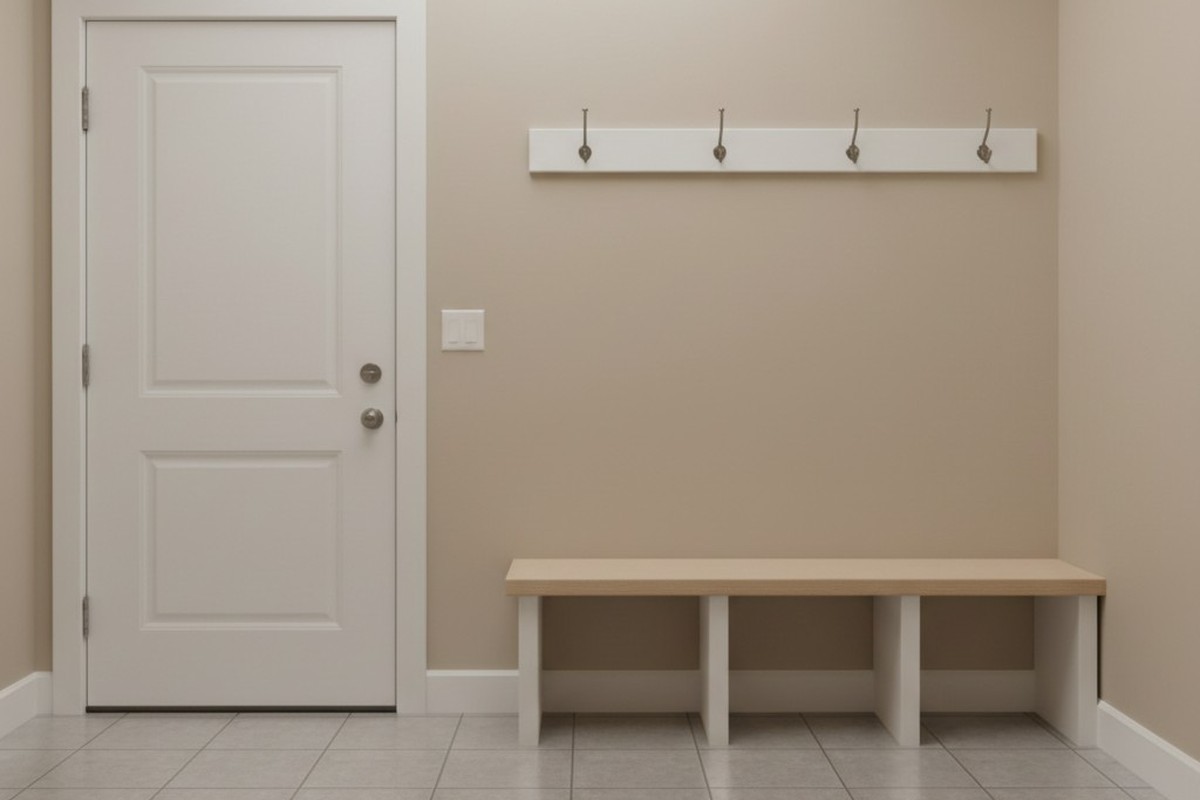
It’s mid-February, ten degrees below zero, and the wind chill is doing its best to freeze the fluid in your eyeballs. You are standing at the threshold of your garage entry door. In your left hand, you have three reusable bags from Costco, heavy with frozen goods. In your right hand, a gallon of 2% milk and the handle of a terrifyingly heavy laundry detergent jug. You manage to kick the door open, stepping from the freezing garage into the pitch-black mudroom.

This is the critical moment. In a poorly designed home, this is where you perform the “Elbow Dance”—twisting your torso to mash a rocker switch with your tricep, hoping you don’t miss and drop the milk on the tile. Or worse, you stand there in the dark, panting, shouting at a voice assistant that can’t hear you over the hum of the furnace. If you have to speak, touch, or tap an app to turn on a light in a transit zone, the automation has failed.
The mudroom isn’t a place for “mood lighting” or complex scenes. It’s a decontamination chamber and a transit hub. It requires zero-friction illumination. You don’t need a smarter bulb or a cloud-connected hub. You need a dumb, ruthless, hardwired motion sensor switch. Specifically, reliable PIR (Passive Infrared) units like the Rayzeek RZ021 series that don’t care if your internet is down or if your hands are full.
The Latency of the Cloud vs. The Speed of the Relay
There is a pervasive myth in modern home improvement that “Smart Home” means “App Controlled.” You see it in the aisles of big-box stores: Wi-Fi switches, Bluetooth bulbs, and ecosystems that promise you can control your hallway light from a beach in Cabo. But ask yourself: why would you ever want to control your mudroom light from Cabo?
When you rely on a voice assistant—let’s say, shouting at an Echo Dot to “Turn on Mudroom”—you are sending a command from your mouth to a microphone. That audio is digitized, shot to your router, sent through your ISP to an AWS server farm in Virginia, processed for natural language, sent back to a hub in your house, and finally triggers the light. Best case scenario? That takes about 1.5 seconds. When you’re walking briskly with heavy bags, 1.5 seconds is the difference between a lit room and tripping over the runner rug in the dark.
Even worse is the “Breathless Failure.” If you’ve just hauled fifty pounds of groceries up the stairs, you’re breathing heavy. Voice assistants struggle to parse commands through panting. You end up shouting at a plastic puck in the dark, which is the opposite of a futuristic living experience.
A hardwired PIR sensor operates locally. It detects the heat signature of your body moving across its field of view and snaps a mechanical relay shut. The latency is roughly 200 milliseconds. It’s instant. It happens before your brain even registers that you need light. There is no app to load, no firmware to update, and no server to go down during a storm.
The Hardware: Why Rayzeek and Why FOV Matters
Not all motion sensors are built equal. If you walk into a hardware store and grab the cheapest generic sensor, you will likely encounter the “Tunnel Vision” problem. Many older or cheaper units have a narrow Field of View (FOV), sometimes as low as 120 degrees.
אולי יעניין אותך גם

- מתח: 2 סוללות AAA
- מצב יום/לילה
- השהיית זמן: 15 דקות, 30 דקות, שעה אחת (ברירת מחדל), שעתיים

- חיישן נוכחות PIR להתקנה על התקרה עם יציאת ממסר מגע יבש
- אספקת מתח נמוך 12/24VDC או 12/24VAC
- מגעי ממסר מבודדים COM, NO ו-NC עבור היזונים של EMS, HVAC ובקרת מבנים

- מתג חיישן תנועה מיקרוגל שקוע לתקרה במתח נמוך DC
- כניסת 12 VDC / 24 VDC עם טווח של 10-30 VDC
- זרם עבודה מרבי של 10A עם השהיית זמן, סף Lux ורגישות מתכווננים
- מתג חיישן תנועה מיקרוגל שקוע לתקרה לעומסים גבוהים יותר
- כניסת מתח רשת 100-265 VAC, דגם 10A
- חיישן מיקרוגל 5.8GHz עם השהיית זמן מתכווננת, סף Lux ורגישות
- מתג חיישן תנועה מיקרוגל שקוע להתקנה בתקרה
- כניסת מתח רשת 100-265VAC, דגם 5A
- חיישן מיקרוגל 5.8GHz עם השהיית זמן מתכווננת, סף Lux ורגישות
- עמעם חיישן נוכחות PIR להתקנה בתקרה RZ037 למתח של 220V
- זרם עבודה מרבי של 3A עם עומס נקוב של 660W
- לחצן LUX שולט על הפעלה/כיבוי של חיישן האור ועל בהירות העמעום שנקבעה על ידי המשתמש
- עמעם חיישן נוכחות PIR להתקנה בתקרה RZ037 למתח של 110V
- זרם עבודה מרבי של 3A עם עומס נקוב של 330W
- לחצן LUX שולט על הפעלה/כיבוי של חיישן האור ועל בהירות העמעום שנקבעה על ידי המשתמש

- מתג חיישן תנועה מיקרוגל להתקנה בתקרה במתח נמוך DC
- כניסת 12 VDC / 24 VDC עם טווח של 10-30 VDC
- זרם עבודה מרבי של 10A עם השהיית זמן, סף Lux ורגישות מתכווננים
- מתג חיישן תנועה מיקרוגל להתקנה בתקרה לעומס גבוה יותר
- כניסת מתח רשת 100-265 VAC, דגם 10A
- חיישן מיקרוגל 5.8GHz עם השהיית זמן מתכווננת, סף Lux ורגישות
- מתג חיישן תנועה מיקרוגל להתקנה בתקרה
- כניסת מתח רשת 100-265VAC, דגם 5A
- חיישן מיקרוגל 5.8GHz עם השהיית זמן מתכווננת, סף Lux ורגישות

- מתג חיישן תנועה PIR שקוע לתקרה במתח נמוך DC
- כניסת 12 VDC / 24 VDC עם טווח של 10-30 VDC
- זרם עבודה מרבי של 10A עם השהיית זמן מתכווננת, סף תאורה (Lux) ורגישות מתכווננים

- מתג חיישן תנועה PIR שקוע לתקרה לעומס גבוה יותר
- כניסת מתח רשת 100-265 VAC, דגם 10A
- גילוי ב-360 מעלות עם השהיית זמן מתכווננת, סף תאורה (Lux) ורגישות מתכווננים
- מתג חיישן תנועה PIR שקוע לתקרה
- כניסת מתח רשת 100-265VAC, דגם 5A
- גילוי ב-360 מעלות עם השהיית זמן מתכווננת, סף תאורה (Lux) ורגישות מתכווננים

- ערכת מתג ומקלט אלחוטיים לבקרת תאורה הפעלה/כיבוי (ON/OFF) למבנים סגורים
- מקלט 100-230VAC, 50/60Hz עם זרם נקוב של 5A
- מתג אלחוטי מוזן סוללת CR2032 עם תקשורת בתדר 2.4GHz
- זיהוי נוכחות (הפעלה אוטומטית/כיבוי אוטומטי)
- 12–24V DC (10–30VDC), עד 10A
- כיסוי של 360°, קוטר של 8–12 מטר
- השהיית זמן 15 שניות–30 דקות
- חיישן תאורה כבוי/15/25/35 Lux
- רגישות גבוהה/נמוכה
- מצב נוכחות עם הפעלה אוטומטית/כיבוי אוטומטי
- 100–265V AC, 10A (נדרש מוליך אפס)
- כיסוי של 360°; קוטר גילוי של 8–12 מטרים
- השהיית זמן של 15 שניות–30 דקות; Lux OFF/15/25/35; רגישות גבוהה/נמוכה
- מצב נוכחות עם הפעלה אוטומטית/כיבוי אוטומטי
- 100–265V AC, 5A (נדרש מוליך אפס)
- כיסוי של 360°; קוטר גילוי של 8–12 מטרים
- השהיית זמן של 15 שניות–30 דקות; Lux OFF/15/25/35; רגישות גבוהה/נמוכה
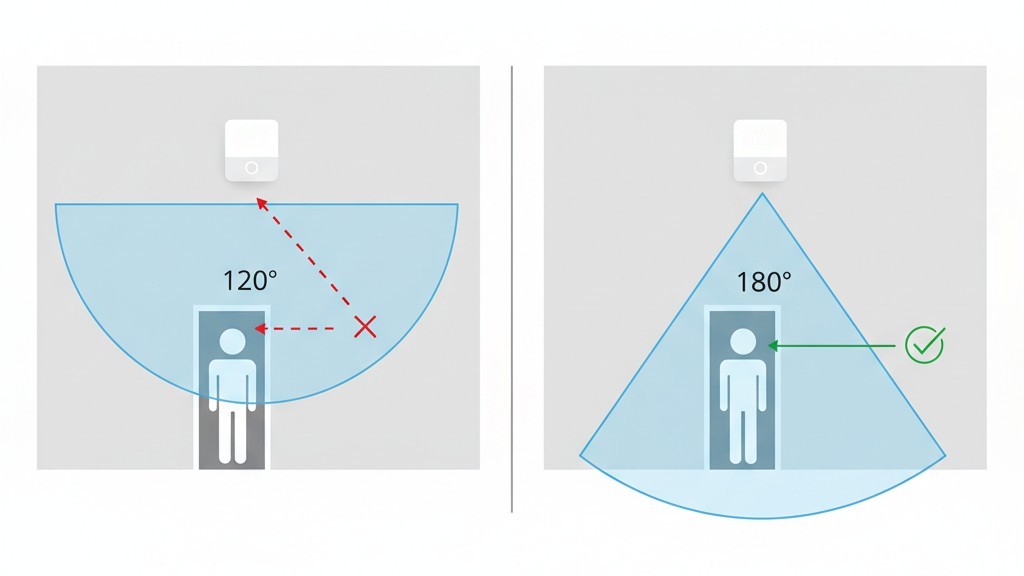
In a mudroom, the switch is often located right next to the door casing. If the sensor has a narrow cone of vision, it cannot “see” you until you are already two feet into the room. That defeats the purpose. You want the light on the millisecond the door cracks open.
This is where units like the Rayzeek RZ021 or similar high-spec occupancy sensors distinguish themselves. They utilize a Fresnel lens that offers a full 180-degree FOV. This means the sensor can detect motion virtually parallel to the wall it is mounted on. As soon as your shoulder breaks the plane of the door jamb, the lens catches the infrared shift, and the relay clicks.
A quick note on “Occupancy” vs. “Vacancy” modes, because this trips up almost everyone:
- Occupancy Mode (Auto-On / Auto-Off): This is what you want for mudrooms, pantries, and garages. You walk in, light turns on. You leave, light turns off.
- Vacancy Mode (Manual-On / Auto-Off): This is for bedrooms or media rooms. You press the button to turn it on, but if you forget, it turns off automatically.
Most Rayzeek units allow you to toggle between these, but for the grocery haul scenario, you must ensure you are in Occupancy mode. If you have to tap the switch, we are back to the Elbow Dance.
The Copper Reality: Wiring It Right
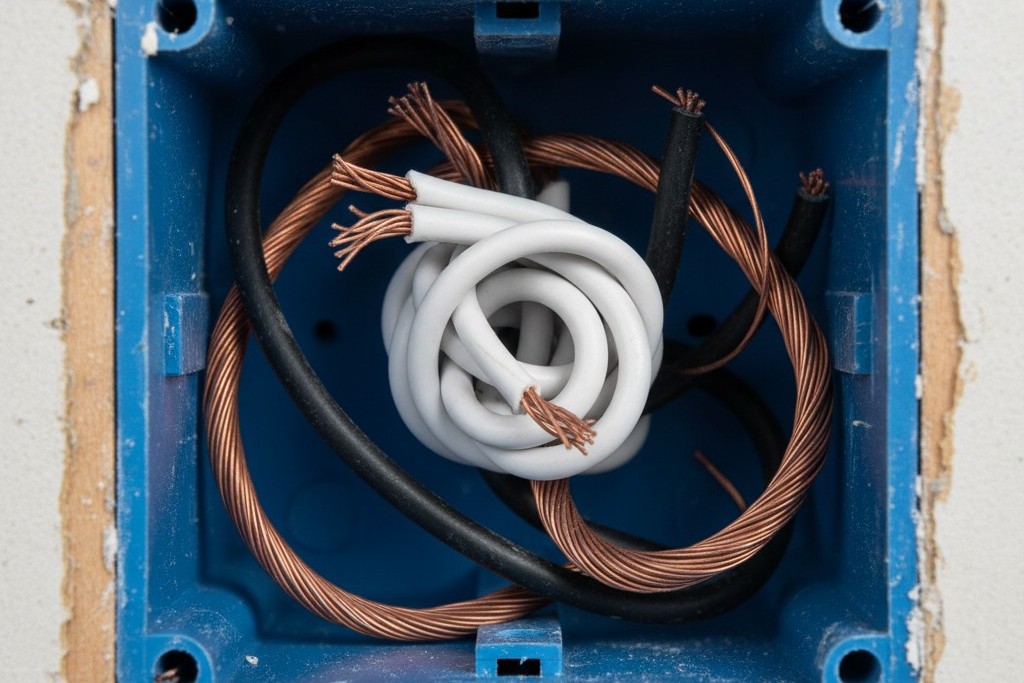
Before you rush to order a sensor, open your wall box and look at the copper. This is the part that separates a functional install from a flickering nightmare.
מחפשים פתרונות חיסכון באנרגיה המופעלים על ידי תנועה?
צרו איתנו קשר לקבלת פתרונות מלאים של חיישני תנועה PIR, מוצרים חוסכי אנרגיה המופעלים על ידי תנועה, מתגי חיישני תנועה ופתרונות מסחריים לגילוי נוכחות/חוסר נוכחות (Occupancy/Vacancy).
Reliable motion sensors generally require a Neutral Wire (usually a bundle of white wires tucked in the back of the box). The sensor itself is a computer; it needs power to run its “eyes” even when the light is off. In a standard setup, it sips power from the hot (black) and returns it via the neutral (white).
If you live in a home built before the mid-80s, you might open the switch box and see only black wires (and maybe a bare copper ground). This is a “Switch Loop.” If you buy a standard Rayzeek or Lutron sensor that demands a neutral, you will have nowhere to connect that white wire, and it won’t work.
There are “No-Neutral” sensors on the market. They are tempting. They work by trickling a tiny amount of electricity through the light bulb itself to stay alive. This was fine with incandescent bulbs. With modern LEDs, however, that trickle current is often enough to make the bulb glow faintly or flash like a strobe light when it’s supposed to be off. It’s called “ghosting,” and it will drive you insane. If you have the neutral wire, use it. The stability of a direct line-neutral connection is worth the extra two minutes of wire-nutting.
Also, be warned: Motion sensor switches are physically fat. They house a relay, a circuit board, and the lens assembly. If you are trying to jam this into a shallow metal gang box from 1960 that is already stuffed with stiff 12-gauge Romex, you are going to have a bad time. You need room.
Tuning the Ghost
Once the sensor is in the wall, your job isn’t done. A fresh install often leads to the “Ghost in the Hallway” phenomenon.
Picture this: It’s 3:00 AM. The house is silent. Suddenly, the mudroom lights blaze to life. You lie in bed, heart hammering, wondering if someone broke in. You grab a bat, creep downstairs, and find… nothing. The light turns off. Ten minutes later, it happens again.
This is almost always caused by the HVAC system. A nearby floor register kicks on, blowing a stream of warm air across the sensor’s lens. The PIR sensor detects that rapid temperature change as motion.
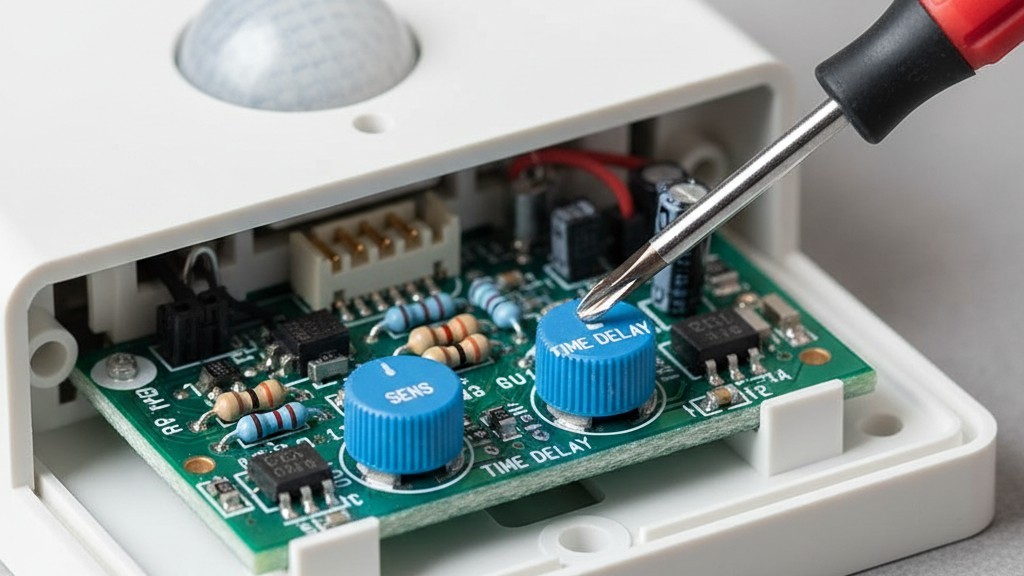
The Rayzeek units (and most pro-grade sensors) have small adjustment dials, usually hidden under the faceplate or accessible via button combos. You don’t need an app for this; you need a small flathead screwdriver.
- Sensitivity: Dial this down if you have phantom triggers. You want it just sensitive enough to catch a person, not a blast of air.
- Time Delay: For a mudroom, 1 to 5 minutes is the sweet spot. Anything longer is wasting energy; anything shorter (like the 15-second test mode) will leave you waving your arms in the dark while you’re trying to tie your shoes.
The Pet Factor: If you have a 70-pound Golden Retriever, he is going to trigger the lights. That’s just physics; he’s a large heat signature. However, if you have a cat, you can sometimes “mask” the sensor. Use a small strip of electrical tape on the bottom third of the Fresnel lens. This blinds the sensor to movement near the floor while keeping it active for human-height motion. It’s a crude hack, but it works better than any software algorithm I’ve seen.
The Ambient Light Check
Finally, there is one setting that separates the pros from the amateurs: the Ambient Light Sensor (ALS).
קבלו השראה מפורטפוליו חיישני התנועה של Rayzeek.
לא מוצאים את מה שאתם מחפשים? אל דאגה. תמיד יש דרכים חלופיות לפתור את הבעיות שלכם. אולי אחד הפורטפוליוים שלנו יכול לעזור.
There is nothing more annoying than a light turning on when it’s high noon and the sun is streaming through the window. It’s wasteful. The RZ021 has an ALS feature that measures the natural light in the room. If there is enough daylight, the motion sensor stays dormant. You usually have to calibrate this—press and hold a button when the natural light is at the level where you would start wanting artificial light.
When you get this right, the switch disappears. You don’t touch it. You don’t talk to it. You don’t open an app for it. You kick the door open with your frozen hands full of groceries, and the room is simply waiting for you, bright and ready. That is what a smart home is actually supposed to be.







