
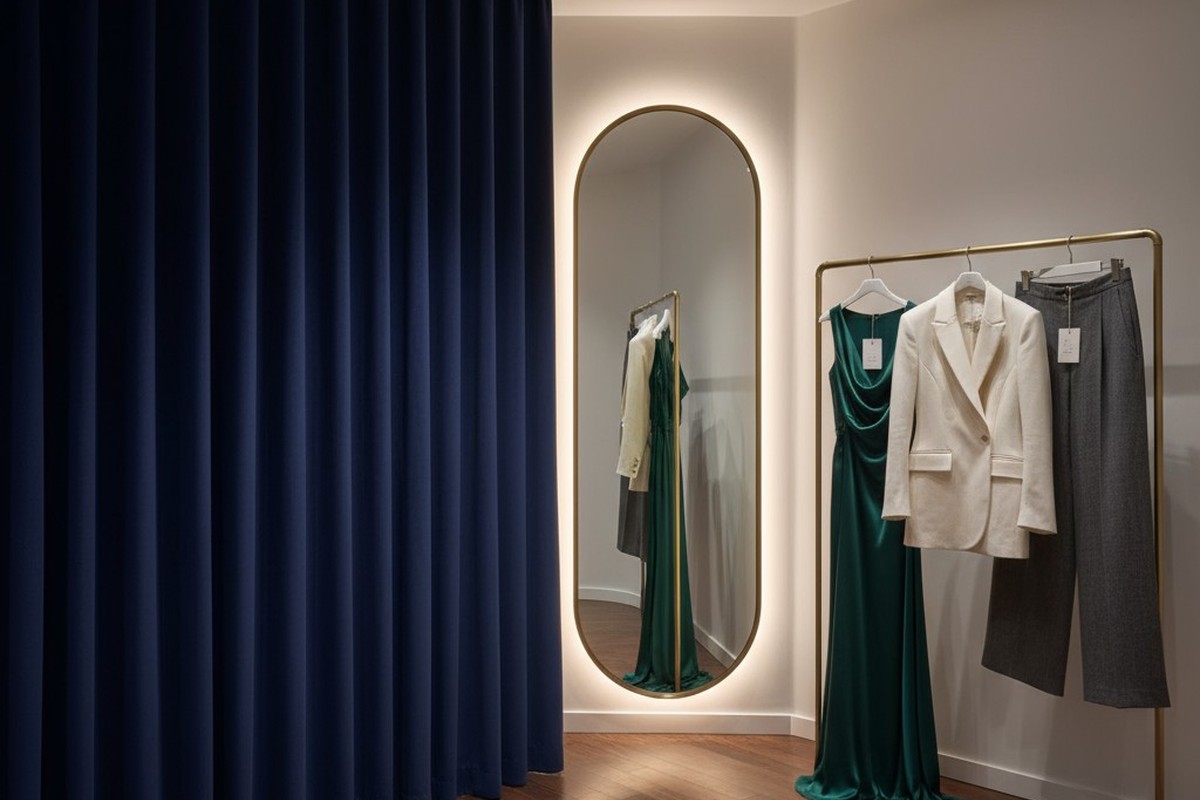
En una tienda boutique, el probador es el punto final de persuasión. Es un espacio privado donde el cliente decide comprar. La atmósfera lo es todo. Un probador caluroso y cargado da sensación de abandono; uno confortablemente fresco resulta lujoso. Sin embargo, lograr ese confort constante conlleva un coste elevado y, a menudo, invisible.
En espacios reducidos y de ocupación intermitente como estos, el aire acondicionado representa un gasto operativo importante. La opción convencional es difícil: asumir el desgaste financiero de mantener el aire acondicionado encendido continuamente o arriesgar la experiencia del cliente con recortes de costes abruptos y molestos. Sin embargo, existe una tercera vía, que sustituye esta elección binaria por un sistema inteligente diseñado tanto para el confort de alta gama como para la máxima eficiencia.
El gasto invisible de un espacio vacío
Considere un solo probador durante una jornada laboral. Un cliente entra, se prueba ropa durante diez minutos y sale. A continuación, el espacio permanece vacío, tal vez durante dos minutos, tal vez durante veinte. Durante todo ese periodo de inactividad, el aire acondicionado sigue funcionando, enfriando un espacio para nadie.
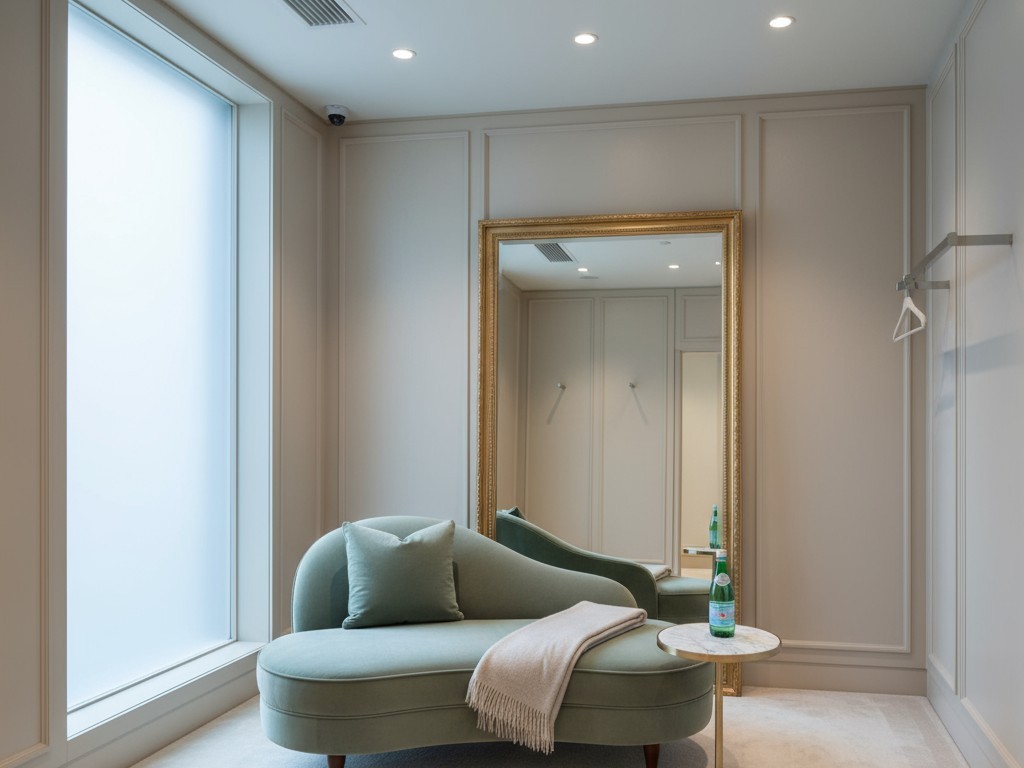
Este ciclo se repite docenas de veces al día. Aunque el coste energético de un solo periodo de inactividad es insignificante, el efecto acumulativo supone un consumo sustancial de recursos. El sistema funciona sin conciencia del entorno, priorizando por igual una estancia vacía que una ocupada. Se trata de una ineficiencia fundamental derivada de un sistema que no comprende su propósito.
El compromiso fallido: desecho constante frente a ahorro penalizador
Ante este reto, las empresas suelen optar por una de dos estrategias deficientes. La primera consiste simplemente en asumir el coste. El aire acondicionado funciona todo el día para garantizar que cada cliente esté cómodo, institucionalizando el derroche como un coste fijo de la actividad comercial.
Quizás le interese

- Tensión: 2 pilas AAA
- Modo Día/Noche
- Temporización: 15 min, 30 min, 1 h (por defecto), 2 h

- Sensor de presencia PIR para montaje en techo con salida de relé de contacto seco
- Alimentación de baja tensión de 12/24VDC o 12/24VAC
- Contactos de relé aislados COM, NO y NC para entradas de EMS, HVAC y control de edificios

- Interruptor con sensor de movimiento por microondas empotrable en techo de baja tensión DC
- Entrada de 12 VDC / 24 VDC con rango de 10-30 VDC
- Corriente de funcionamiento máxima de 10A con retardo de tiempo, umbral de Lux y sensibilidad ajustables
- Interruptor con sensor de movimiento por microondas empotrable en techo para cargas más elevadas
- Entrada de tensión de red de 100-265 VAC, modelo de 10A
- Detección por microondas de 5,8 GHz con temporizador, umbral Lux y sensibilidad ajustables
- Interruptor con sensor de movimiento por microondas empotrable para techo
- Entrada de tensión de red de 100-265 VAC, modelo de 5A
- Detección por microondas de 5,8 GHz con temporizador, umbral Lux y sensibilidad ajustables
- Regulador con sensor de presencia PIR RZ037 de techo para alimentación de 220V
- Corriente de funcionamiento máxima de 3A con carga nominal de 660W
- El botón LUX controla el encendido/apagado del sensor de luz y la regulación de brillo ajustada por el usuario
- Regulador con sensor de presencia PIR RZ037 de techo para alimentación de 110V
- Corriente de funcionamiento máxima de 3A con carga nominal de 330W
- El botón LUX controla el encendido/apagado del sensor de luz y la regulación de brillo ajustada por el usuario

- Interruptor con sensor de movimiento por microondas de techo para CC de bajo voltaje
- Entrada de 12 VDC / 24 VDC con rango de 10-30 VDC
- Corriente de funcionamiento máxima de 10A con retardo de tiempo, umbral de Lux y sensibilidad ajustables
- Interruptor con sensor de movimiento por microondas de techo para mayor carga
- Entrada de tensión de red de 100-265 VAC, modelo de 10A
- Detección por microondas de 5,8 GHz con temporizador, umbral Lux y sensibilidad ajustables
- Interruptor con sensor de movimiento por microondas de techo
- Entrada de tensión de red de 100-265 VAC, modelo de 5A
- Detección por microondas de 5,8 GHz con temporizador, umbral Lux y sensibilidad ajustables

- Interruptor con sensor de movimiento PIR para montaje empotrable en techo de CC de bajo voltaje
- Entrada de 12 VDC / 24 VDC con rango de 10-30 VDC
- Corriente máxima de trabajo de 10 A con tiempo de retardo, umbral de luxes y sensibilidad ajustables

- Interruptor con sensor de movimiento PIR empotrable en techo para mayor carga
- Entrada de tensión de red de 100-265 VAC, modelo de 10A
- Detección de 360 grados con tiempo de retardo, umbral de luxes y sensibilidad ajustables
- Interruptor con sensor de movimiento PIR empotrable en techo
- Entrada de tensión de red de 100-265 VAC, modelo de 5A
- Detección de 360 grados con tiempo de retardo, umbral de luxes y sensibilidad ajustables

- Kit de emisor inalámbrico y receptor para el control de iluminación de encendido/apagado en interiores
- Receptor de 100-230 V CA, 50/60 Hz con corriente nominal de 5 A
- Interruptor inalámbrico alimentado por CR2032 con comunicación de 2,4 GHz
- Presencia (encendido automático/apagado automático)
- 12–24 V CC (10–30 V CC), hasta 10 A
- Cobertura de 360°, 8–12 m de diámetro
- Tiempo de retardo de 15 s a 30 min
- Sensor de luz Desactivado/15/25/35 Lux
- Sensibilidad alta/baja
- Modo de presencia con encendido/apagado automático
- 100–265V CA, 10A (requiere neutro)
- Cobertura de 360°; diámetro de detección de 8–12 m
- Temporización: 15 s–30 min; Lux OFF/15/25/35; Sensibilidad Alta/Baja
- Modo de presencia con encendido/apagado automático
- 100–265V CA, 5A (requiere neutro)
- Cobertura de 360°; diámetro de detección de 8–12 m
- Temporización: 15 s–30 min; Lux OFF/15/25/35; Sensibilidad Alta/Baja
La segunda estrategia intenta frenar los costes mediante automatizaciones manuales o simplistas. Se indica al personal que encienda y apague las unidades, o bien temporizadores básicos apagan el sistema de forma abrupta. Estos métodos resultan perjudiciales. Un cliente sumido en una estancia de repente silenciosa y calurosa se siente como un recurso que se está gestionando, no como un cliente al que se está atendiendo. La experiencia resulta molesta y de baja calidad, socavando directamente la atmósfera de alta gama que el establecimiento busca cultivar.
Un nuevo paradigma: vincular la climatización a la presencia
La solución radica en un sistema consciente de su entorno. En lugar de funcionar con un horario fijo o de depender de la intervención del personal, el control climático debe vincularse directamente a su único propósito: proporcionar confort a un ocupante humano. Este es el principio de la automatización basada en detección de movimiento.
Al utilizar un sensor de movimiento como activador, el sistema HVAC se convierte en un participante activo de su propia eficiencia. Funciona únicamente cuando la estancia está ocupada y entra en estado de espera cuando queda vacía. Este simple cambio de lógica altera de forma fundamental el perfil de consumo energético del espacio, garantizando que los recursos se asignen de manera precisa cuándo y dónde son necesarios.
La mecánica del confort imperceptible
Sin embargo, un verdadero control inteligente es más que un simple interruptor de encendido y apagado. Un sistema de alta gama debe ser preciso, gestionando la energía sin que el ocupante note en ningún momento su funcionamiento. Esto requiere un conjunto de reglas cuidadosamente calibradas que prioricen la percepción del confort.
El periodo de gracia: los retrasos suaves evitan cambios bruscos
Cuando un cliente sale, el sistema no debe apagarse inmediatamente. La percepción humana es más sensible a los cambios abruptos que a los graduales. La detención repentina del flujo de aire y el chasquido de un relé resultan perceptibles. Al incorporar un margen de tiempo suave (un periodo de gracia de unos minutos tras dejar de detectar movimiento), el sistema crea una transición fluida. El cliente se ha retirado mucho antes de que el aire acondicionado se apague, por lo que la experiencia se mantiene sin interrupciones.
The Door-Aware Timeout: Differentiating a Brief Exit from Final Departure
A person might step out for a moment to grab a different size. A basic motion sensor would register the room as empty and begin its shutdown countdown. A more intelligent system incorporates door awareness. By registering that the door has been opened and closed quickly, the system can initiate a much longer timeout period. It correctly interprets this pattern not as a final departure but as a temporary one, keeping the room comfortable for the guest’s imminent return.
¿Busca soluciones de ahorro de energía activadas por movimiento?
Póngase en contacto con nosotros para obtener sensores de movimiento PIR completos, productos de ahorro de energía activados por movimiento, interruptores con sensor de movimiento y soluciones comerciales de presencia/vacancia.
Rethinking Sensitivity: Climate is Not Lighting
The logic for controlling climate is different from that for lighting. A person trying on clothes might stand still before a mirror for a minute or two. A highly sensitive lighting sensor might interpret this stillness as vacancy and plunge them into darkness. An HVAC system, however, can use a less sensitive setting. The thermal mass of a room means the temperature won’t change instantly. The system can be programmed to tolerate longer periods of stillness, preventing false “vacant” signals and aligning its behavior with the specific use of the space.
Inspírese con los portafolios de sensores de movimiento Rayzeek.
¿No encuentra lo que busca? No se preocupe. Siempre existen formas alternativas de resolver sus problemas. Quizá alguno de nuestros portafolios pueda ayudarle.
The Foundation of Reliability: Local Control Over Wi-Fi
In a commercial environment, reliability is paramount. Many “smart” devices depend on a constant connection to Wi-Fi and cloud servers, introducing multiple points of failure. A network hiccup or a server outage can render the system useless. For a core business function like climate control, this dependency is an unacceptable risk.
A professional-grade solution operates on local control. The sensor, logic, and switch are all part of a self-contained, robust system that doesn’t need an internet connection to function. It is inherently more secure and reliable, ensuring consistent performance independent of external network conditions. It is an engineered solution, not a consumer gadget.
The Tangible Return: Lower Costs, Better Experience
An intelligent, motion-based AC control system delivers two powerful returns. First is a direct, measurable reduction in energy consumption. By eliminating the hours spent cooling empty rooms, businesses see a significant drop in utility costs, allowing the system to pay for itself.
The second return is the enhancement of the guest experience. The automation is so seamless it becomes invisible. Customers enjoy a consistently comfortable environment without the jarring interruptions of a crude, cost-cutting system, reinforcing the brand’s commitment to quality. These principles—tying resource use to presence with reliable, local control—extend far beyond the fitting room, offering the same benefits to private offices, conference rooms, and hotels. It is a smarter, more sustainable approach to modern building management.







