Muchos cuartos de baño disponen de un interruptor con temporizador dedicado para el extractor, una forma sencilla de gestionar la humedad y los olores después de una ducha. Sin embargo, ¿qué ocurre cuando se desea la comodidad de una luz activada por movimiento en la misma estancia? De repente, se cuenta con dos sistemas automatizados con objetivos contrapuestos. El temporizador del extractor funciona durante un tiempo fijo configurado manualmente. El sensor de movimiento reacciona a la presencia, encendiendo y apagando la luz a medida que las personas entran y salen.
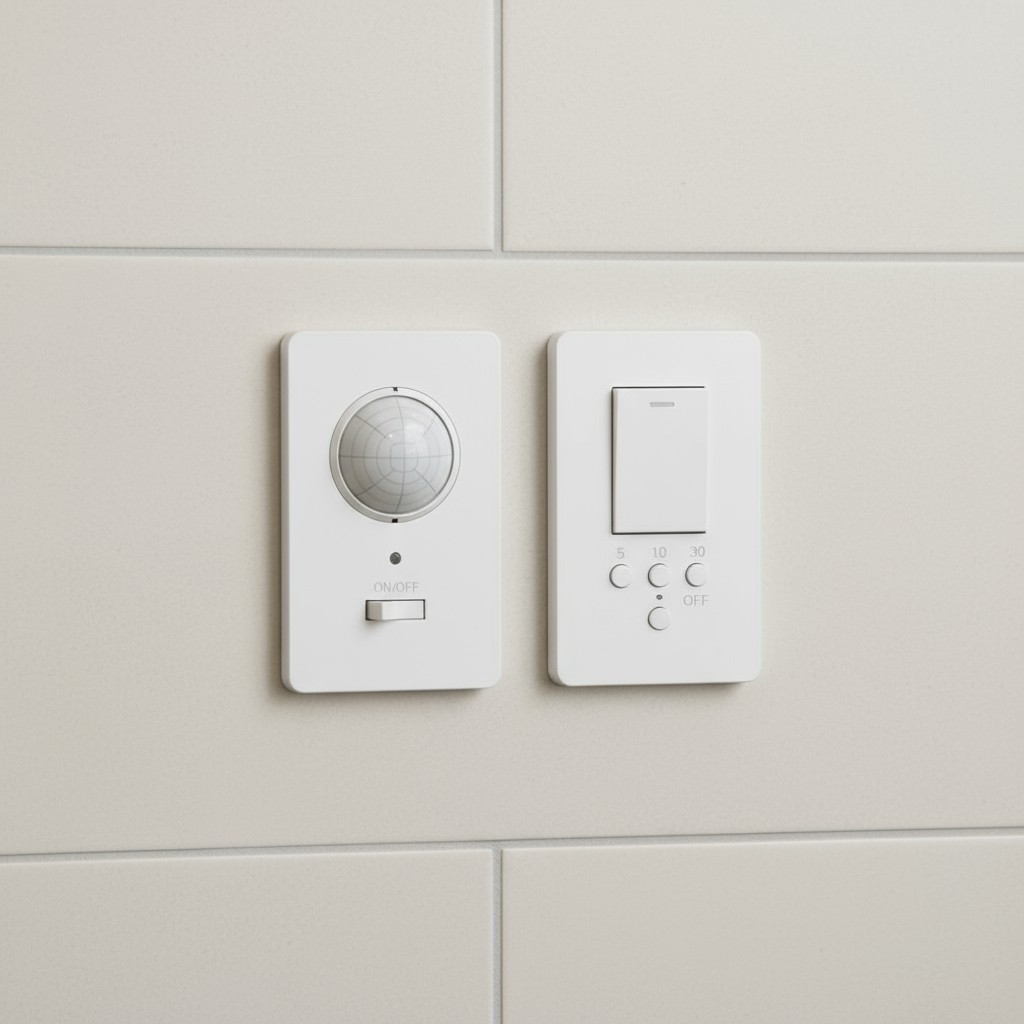
Algunos instaladores intentan de forma instintiva unificarlos, utilizando un único sensor de movimiento para controlar tanto la luz como el extractor. Esto es un error. El sensor y el temporizador no están diseñados para coordinarse, y forzarlos en el mismo circuito provoca un rendimiento poco fiable, conflictos de temporización e incluso el fallo prematuro de los dispositivos. Esta guía explica el enfoque correcto: un esquema de cableado limpio que conserva la independencia de cada sistema. El sensor de movimiento Rayzeek se encargará de la luz y el temporizador existente seguirá gestionando el extractor. Al mantenerlos separados, se garantiza que ambos funcionen de manera predecible y fiable.
El conflicto de automatización: presencia frente a ciclos de purga
Un temporizador de extractor de baño tiene una sola función: evacuar el aire húmedo. Después de una ducha, se programa para que funcione entre diez y treinta minutos, lo que permite ausentarse mientras finaliza su ciclo de purga. Es un sistema de encendido manual y apagado temporizado.
Un interruptor con sensor de movimiento opera bajo una lógica completamente diferente. Utiliza la detección por infrarrojos pasivos para detectar cuándo entra alguien en la estancia y, a continuación, enciende las luces. Cuando deja de detectar movimiento durante un periodo de tiempo determinado, apaga las luces para ahorrar energía. Su único propósito es reaccionar de forma dinámica a la presencia.
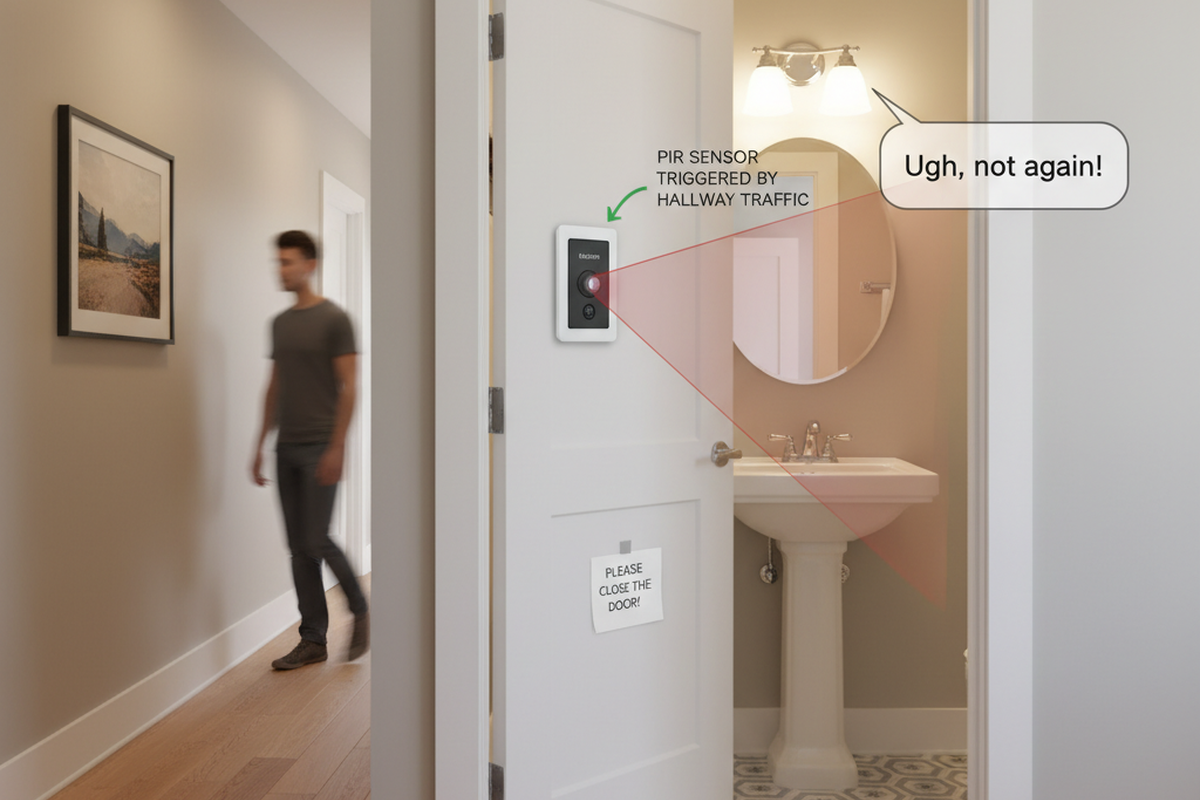
El conflicto es inevitable si estos dos sistemas comparten el control. Un extractor necesita seguir funcionando mucho tiempo después de que el baño esté vacío. Una luz activada por movimiento debe apagarse precisamente porque el baño está vacío. Si un solo sensor de movimiento controla ambos, cortará la alimentación del extractor a mitad de ciclo, anulando su función. Si un temporizador controla ambos, la luz permanecerá encendida durante 30 minutos en una estancia vacía, malgastando energía. No se trata de un simple inconveniente de cableado; es un choque fundamental entre dos filosofías de automatización incompatibles.
Por qué el cableado independiente es la única solución fiable
La solución consiste en otorgar a cada dispositivo el control exclusivo sobre su carga asignada. El sensor de movimiento controla la luz. El temporizador controla el extractor. Funcionan en rutas paralelas, sin interferir nunca entre sí.
Esta separación evita dos problemas principales:
¿Busca soluciones de ahorro de energía activadas por movimiento?
Póngase en contacto con nosotros para obtener sensores de movimiento PIR completos, productos de ahorro de energía activados por movimiento, interruptores con sensor de movimiento y soluciones comerciales de presencia/vacancia.
Conflictos de temporización. El tiempo de apagado de un sensor de movimiento suele ser corto (unos pocos minutos como máximo) para garantizar que la luz no permanezca encendida en una estancia vacía. El ciclo de purga de un extractor es largo, a menudo de hasta 30 minutos, para asegurar que la humedad se evacúe por completo. Si un sensor de movimiento se cablea para controlar el extractor, siempre interrumpirá el ciclo de purga antes de tiempo. La independencia permite que el extractor complete su trabajo mucho después de que el sensor haya apagado la luz.
Interferencias eléctricas y tensión en la carga. Los sensores de movimiento contienen componentes electrónicos sensibles. Los motores de los extractores, especialmente los modelos más antiguos, pueden generar ruido eléctrico o una sobretensión de fuerza electromotriz contraria (f.e.m. inversa) al apagarse, lo que puede interferir en la circuitería del sensor. Forzar a un sensor a conmutar simultáneamente una carga de iluminación y un motor de extractor puede provocar un comportamiento errático, falsos disparos o una reducción de su vida útil. Del mismo modo, es posible que un temporizador no esté clasificado para la carga combinada. Mantener las cargas separadas garantiza que cada dispositivo funcione dentro del entorno eléctrico para el que fue diseñado.
Por lo tanto, la solución no es forzarlos a cooperar, sino garantizar que nunca tengan que interactuar.
La arquitectura estable: un interruptor, una función
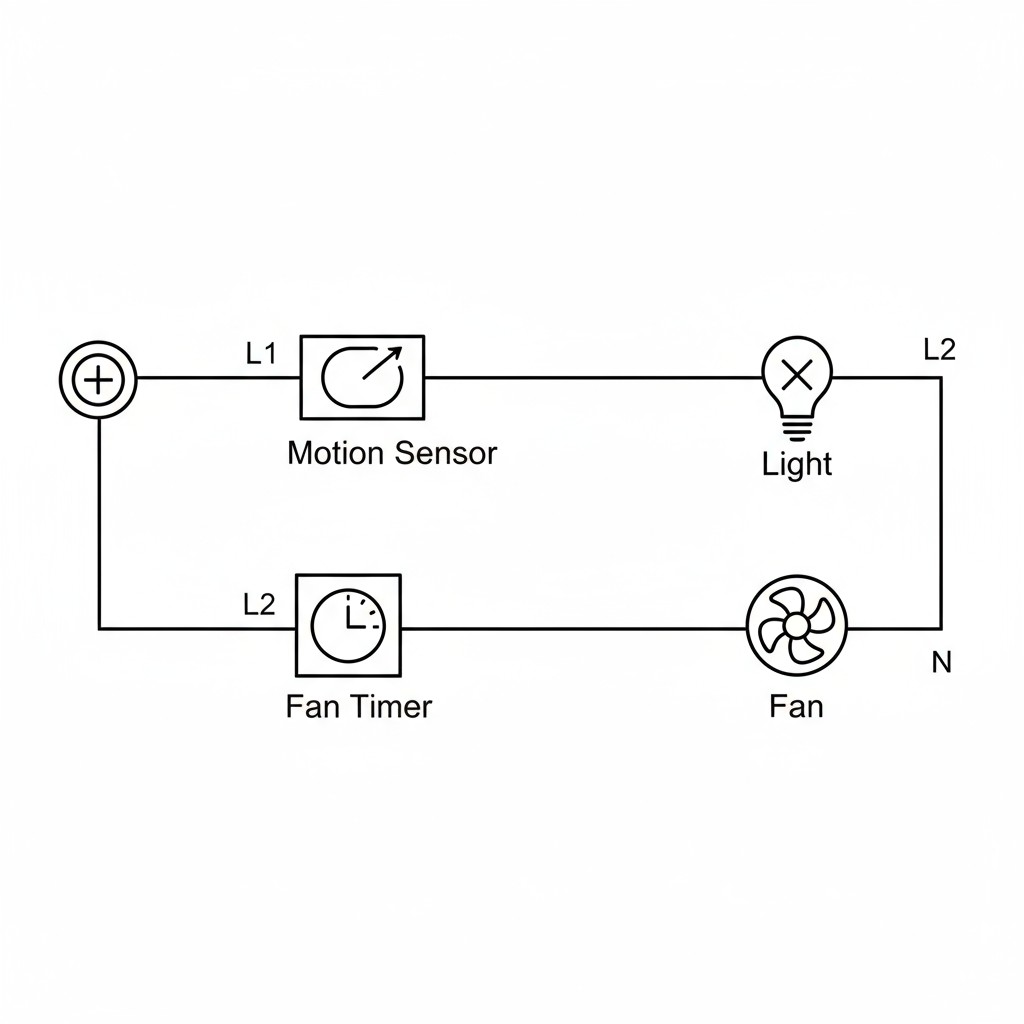
The recommended wiring is simple, assuming your bathroom has two separate switched circuits—one for the light and one for the fan, which is standard in most modern homes.
The Rayzeek motion sensor replaces the existing manual light switch. Its “line” terminal connects to the incoming hot wire, and its “load” terminal connects to the wire running to the light fixture. Once the neutral and ground are connected according to standard practice, the sensor has exclusive control over the lights.
The existing fan timer remains exactly where it is, with its wiring untouched. It continues to control the fan independently. When you activate the timer, the fan runs for its set duration and shuts off. Its operation has no effect on the light circuit, and the motion sensor’s activity has no effect on the fan circuit.
This modular approach also simplifies troubleshooting. If the sensor fails, the fan still works. If the timer breaks, the lights are unaffected. Each system can be serviced or upgraded without disturbing the other.
Essential Circuit Requirements
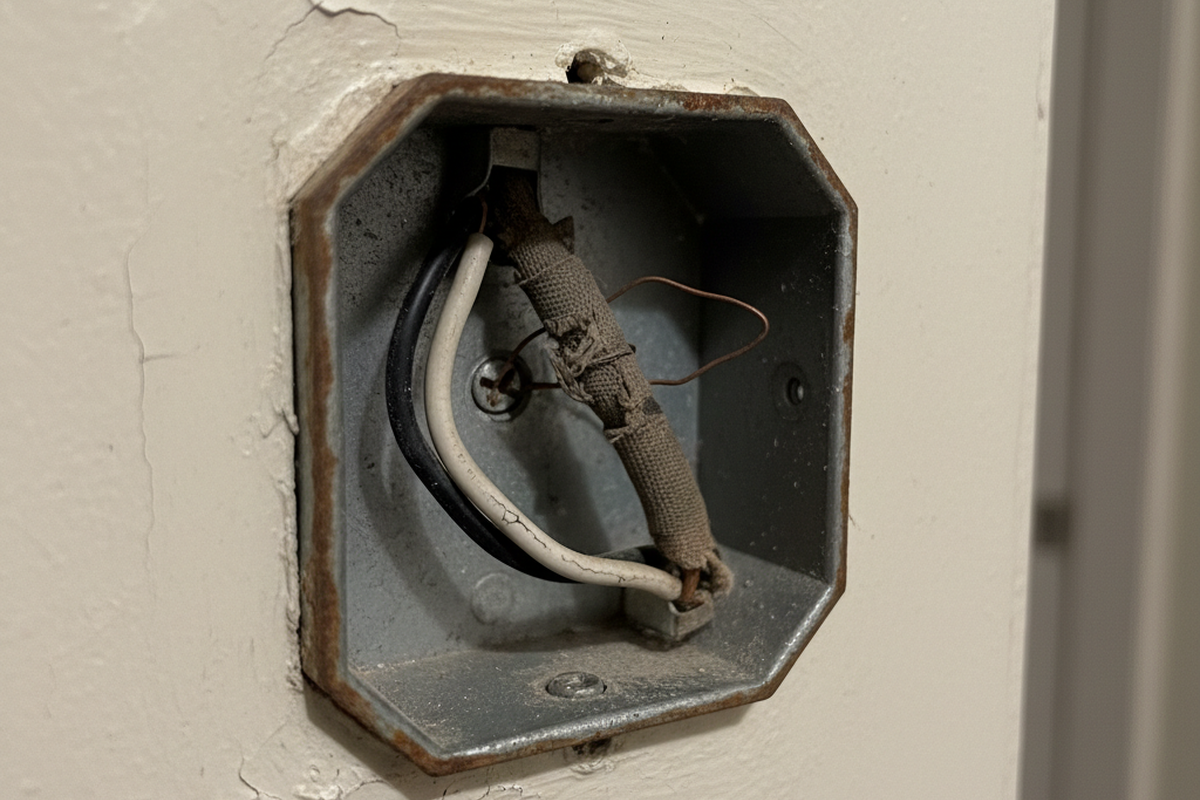
This setup requires that the Rayzeek sensor has access to a neutral wire. Modern sensors need a neutral connection to power their internal circuitry. In older homes, the switch box might only contain a hot and a switched leg, with the neutral running directly to the fixture. If that’s the case, you’ll either need to pull a neutral wire into the box or choose a sensor model specifically designed for no-neutral wiring. Always verify your wiring before purchasing a device.
Quizás le interese

- Tensión: 2 pilas AAA
- Modo Día/Noche
- Temporización: 15 min, 30 min, 1 h (por defecto), 2 h
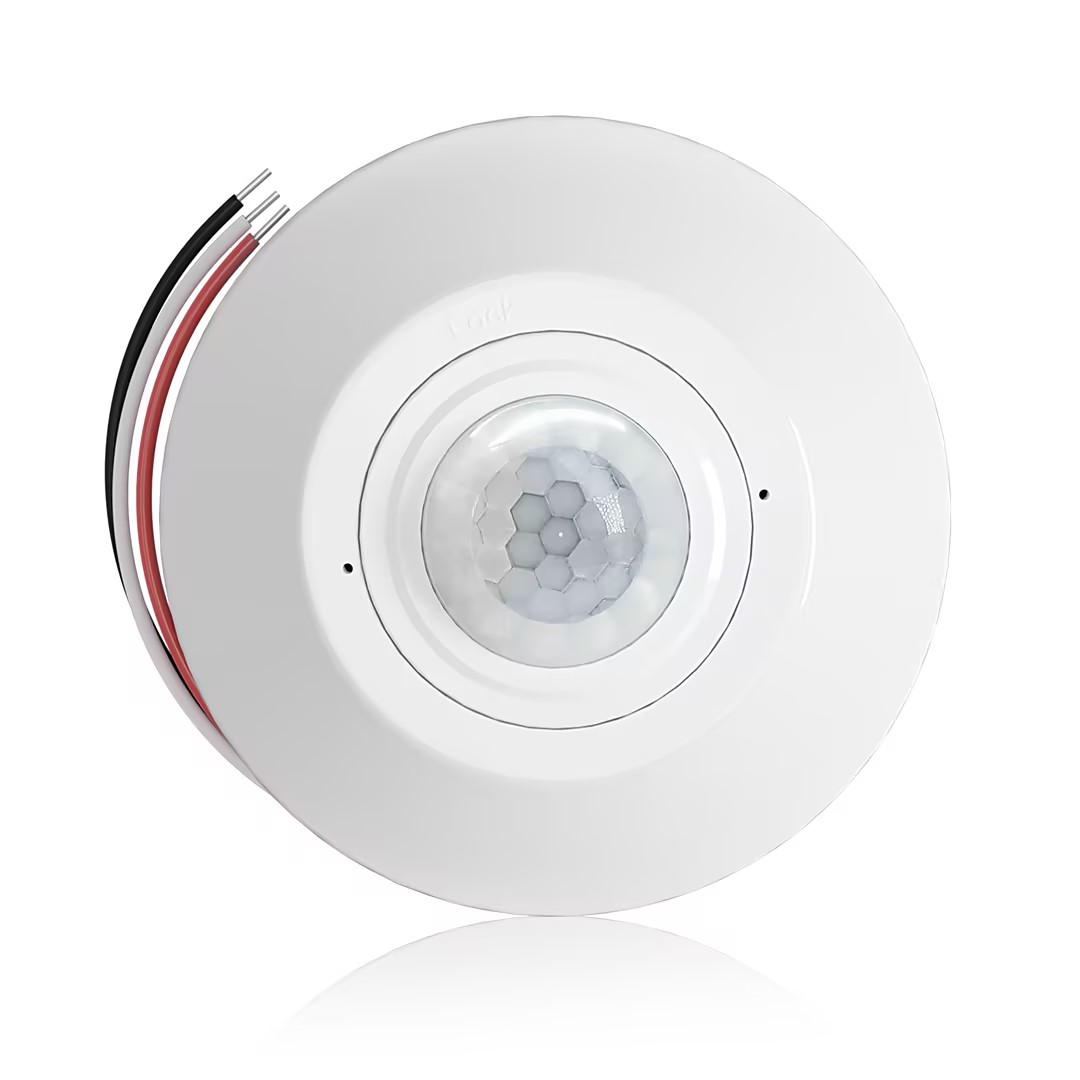
- Sensor de presencia PIR para montaje en techo con salida de relé de contacto seco
- Alimentación de baja tensión de 12/24VDC o 12/24VAC
- Contactos de relé aislados COM, NO y NC para entradas de EMS, HVAC y control de edificios
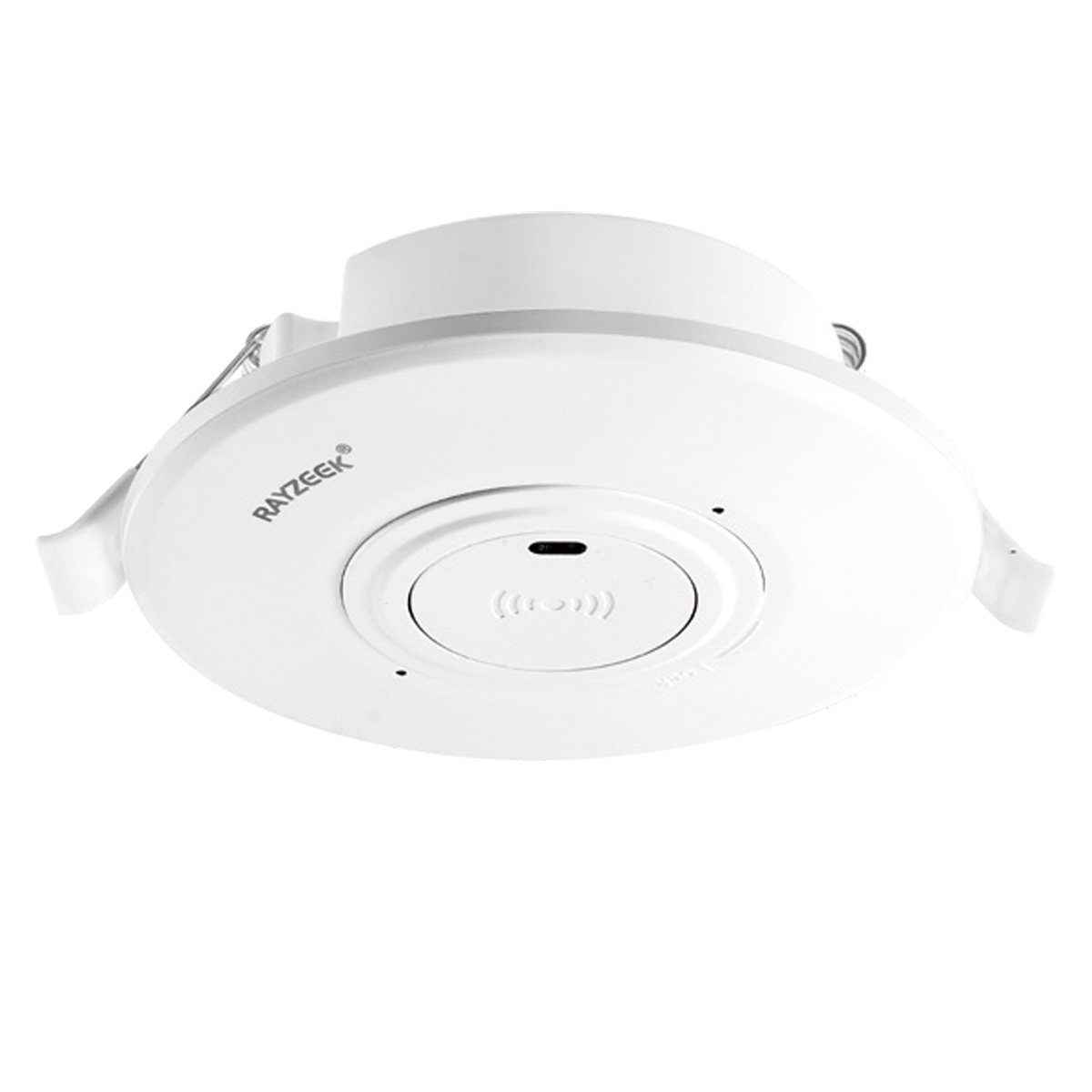
- Interruptor con sensor de movimiento por microondas empotrable en techo de baja tensión DC
- Entrada de 12 VDC / 24 VDC con rango de 10-30 VDC
- Corriente de funcionamiento máxima de 10A con retardo de tiempo, umbral de Lux y sensibilidad ajustables
- Interruptor con sensor de movimiento por microondas empotrable en techo para cargas más elevadas
- Entrada de tensión de red de 100-265 VAC, modelo de 10A
- Detección por microondas de 5,8 GHz con temporizador, umbral Lux y sensibilidad ajustables
- Interruptor con sensor de movimiento por microondas empotrable para techo
- Entrada de tensión de red de 100-265 VAC, modelo de 5A
- Detección por microondas de 5,8 GHz con temporizador, umbral Lux y sensibilidad ajustables
- Regulador con sensor de presencia PIR RZ037 de techo para alimentación de 220V
- Corriente de funcionamiento máxima de 3A con carga nominal de 660W
- El botón LUX controla el encendido/apagado del sensor de luz y la regulación de brillo ajustada por el usuario
- Regulador con sensor de presencia PIR RZ037 de techo para alimentación de 110V
- Corriente de funcionamiento máxima de 3A con carga nominal de 330W
- El botón LUX controla el encendido/apagado del sensor de luz y la regulación de brillo ajustada por el usuario
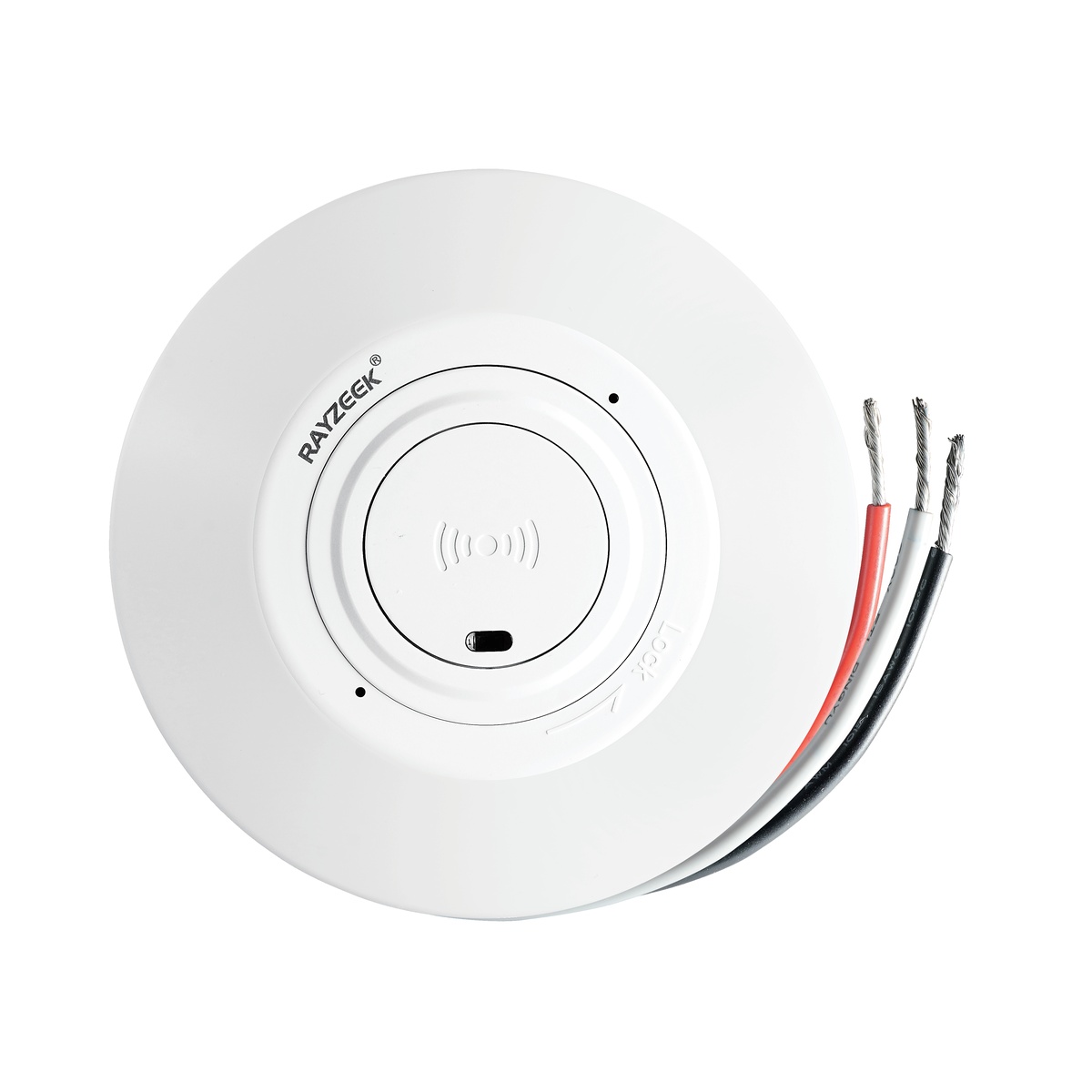
- Interruptor con sensor de movimiento por microondas de techo para CC de bajo voltaje
- Entrada de 12 VDC / 24 VDC con rango de 10-30 VDC
- Corriente de funcionamiento máxima de 10A con retardo de tiempo, umbral de Lux y sensibilidad ajustables
- Interruptor con sensor de movimiento por microondas de techo para mayor carga
- Entrada de tensión de red de 100-265 VAC, modelo de 10A
- Detección por microondas de 5,8 GHz con temporizador, umbral Lux y sensibilidad ajustables
- Interruptor con sensor de movimiento por microondas de techo
- Entrada de tensión de red de 100-265 VAC, modelo de 5A
- Detección por microondas de 5,8 GHz con temporizador, umbral Lux y sensibilidad ajustables
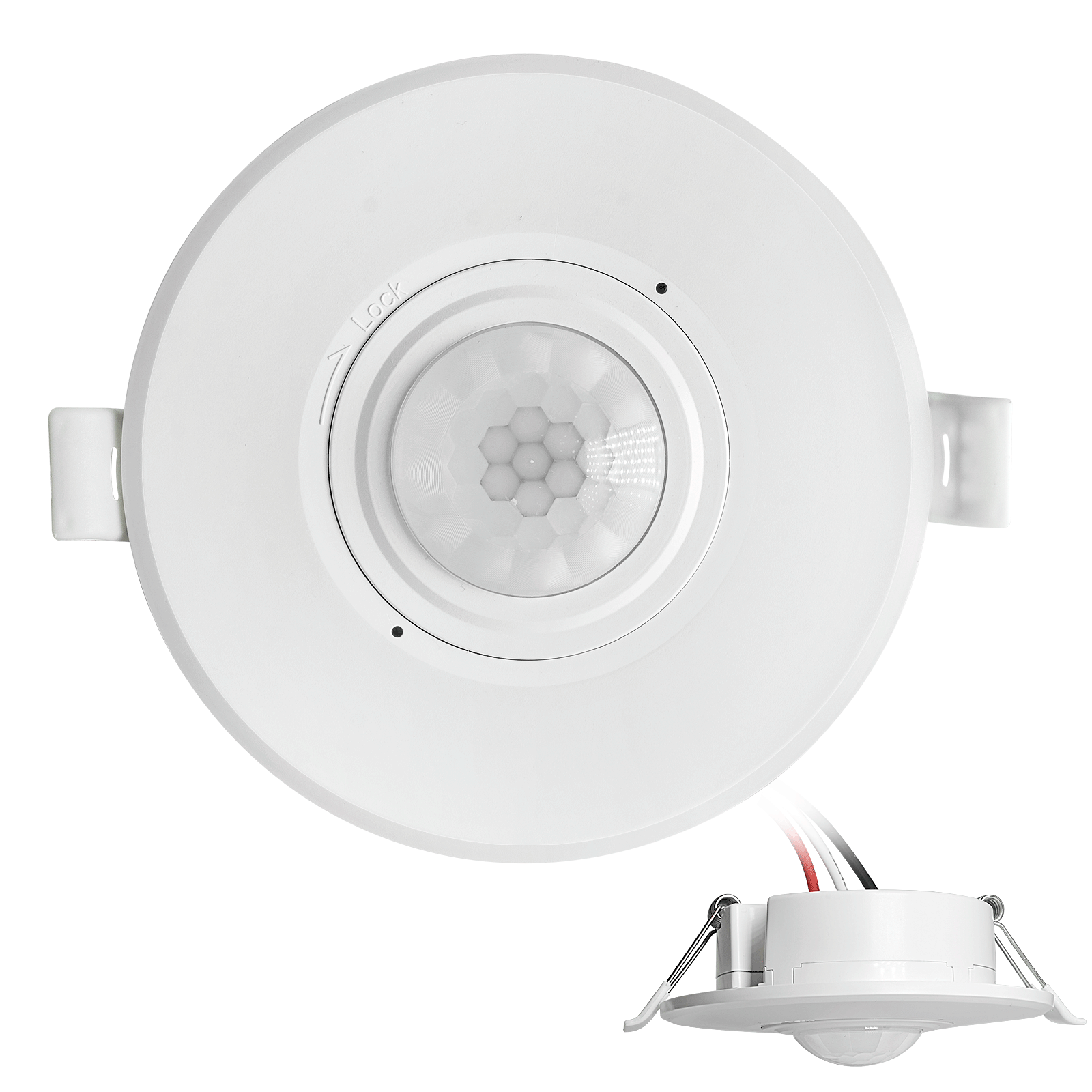
- Interruptor con sensor de movimiento PIR para montaje empotrable en techo de CC de bajo voltaje
- Entrada de 12 VDC / 24 VDC con rango de 10-30 VDC
- Corriente máxima de trabajo de 10 A con tiempo de retardo, umbral de luxes y sensibilidad ajustables
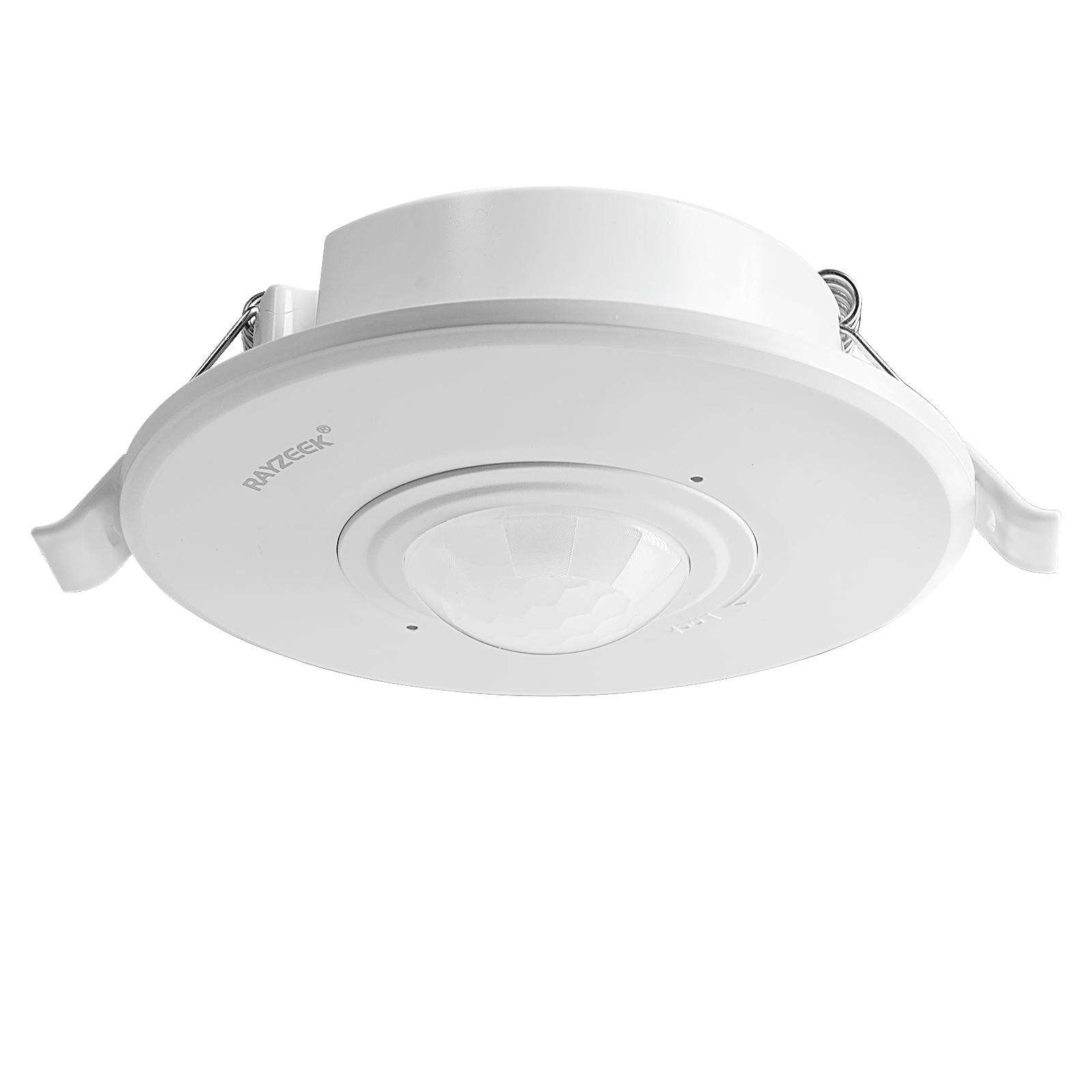
- Interruptor con sensor de movimiento PIR empotrable en techo para mayor carga
- Entrada de tensión de red de 100-265 VAC, modelo de 10A
- Detección de 360 grados con tiempo de retardo, umbral de luxes y sensibilidad ajustables
- Interruptor con sensor de movimiento PIR empotrable en techo
- Entrada de tensión de red de 100-265 VAC, modelo de 5A
- Detección de 360 grados con tiempo de retardo, umbral de luxes y sensibilidad ajustables
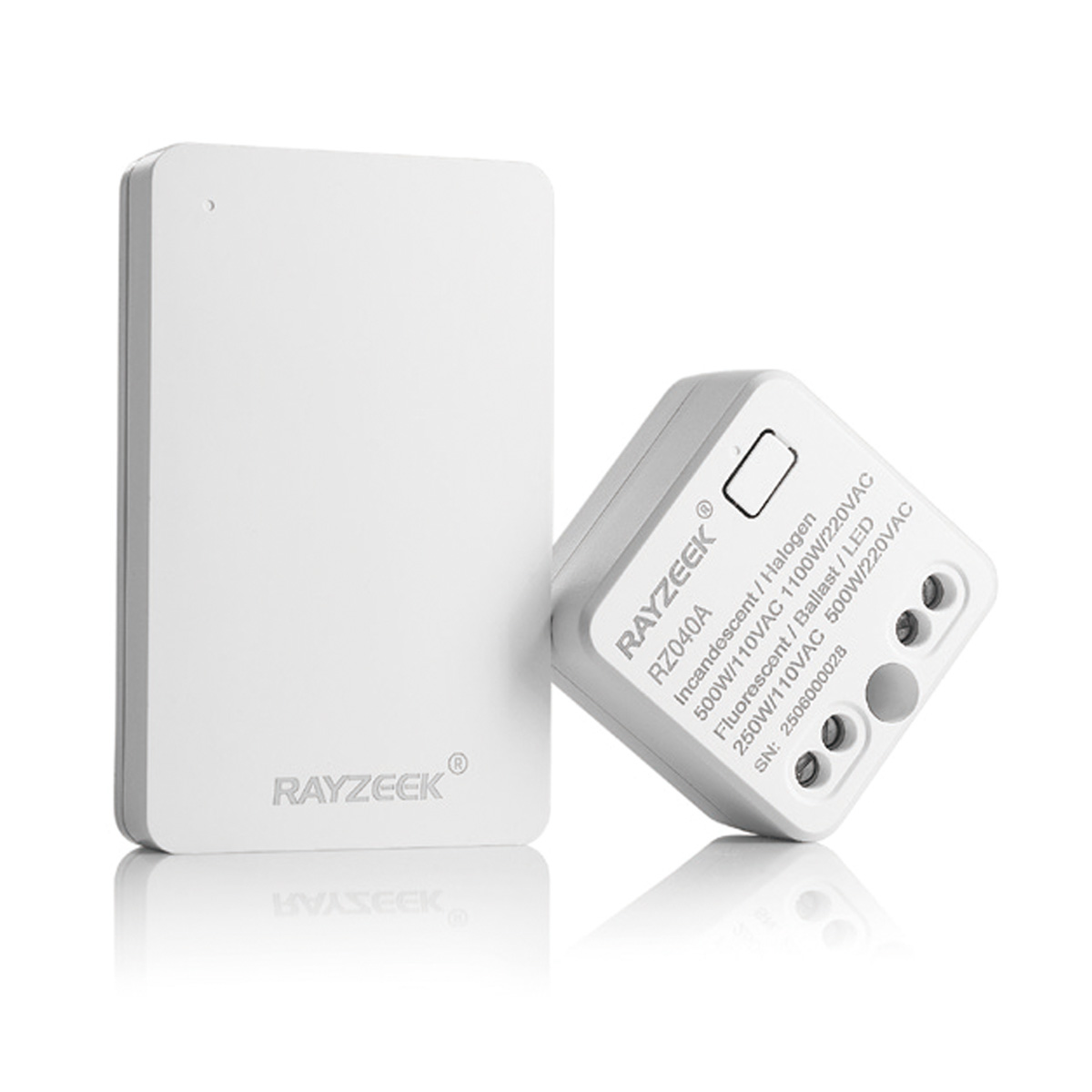
- Kit de emisor inalámbrico y receptor para el control de iluminación de encendido/apagado en interiores
- Receptor de 100-230 V CA, 50/60 Hz con corriente nominal de 5 A
- Interruptor inalámbrico alimentado por CR2032 con comunicación de 2,4 GHz
- Presencia (encendido automático/apagado automático)
- 12–24 V CC (10–30 V CC), hasta 10 A
- Cobertura de 360°, 8–12 m de diámetro
- Tiempo de retardo de 15 s a 30 min
- Sensor de luz Desactivado/15/25/35 Lux
- Sensibilidad alta/baja
- Modo de presencia con encendido/apagado automático
- 100–265V CA, 10A (requiere neutro)
- Cobertura de 360°; diámetro de detección de 8–12 m
- Temporización: 15 s–30 min; Lux OFF/15/25/35; Sensibilidad Alta/Baja
- Modo de presencia con encendido/apagado automático
- 100–265V CA, 5A (requiere neutro)
- Cobertura de 360°; diámetro de detección de 8–12 m
- Temporización: 15 s–30 min; Lux OFF/15/25/35; Sensibilidad Alta/Baja
Proper grounding is also a non-negotiable safety requirement for both the sensor and the timer.
What to Do With a Single-Circuit Constraint
Older homes sometimes have a single circuit serving both the fan and the light. In this scenario, achieving true independent automation is impossible without rewiring. If the sensor and timer are on the same circuit, the sensor will inevitably cut power to both loads when its timeout expires, defeating the fan timer.
The safest approach here is to compromise. Install the Rayzeek motion sensor to control only the light, giving you the primary convenience benefit. Then, replace the fan timer with a simple manual on-off switch. You’ll lose the timed purge function, but you’ll avoid the reliability issues of a conflicting system. You will simply have to remember to turn the fan off manually.
Avoid the temptation to wire the sensor to control both loads on a single circuit. The incompatible timing logic and risk of electrical interference will lead to unpredictable behavior and user frustration. If automated control of both is a must, the only reliable solution is to run a new circuit—a job best left to a professional electrician.
Installation and Configuration Tips
When installing the Rayzeek sensor, turn off the power at the breaker and use a voltage tester to confirm the circuit is dead.
Sensor Positioning
Place the sensor where its detection field covers the bathroom’s main entry and activity areas. Most sensors use a conical field of view, so mounting it near the door and pointed inward is usually effective. Keep it away from direct shower steam, heating vents, or windows where direct sunlight could cause false triggers.
Timeout and Sensitivity Settings
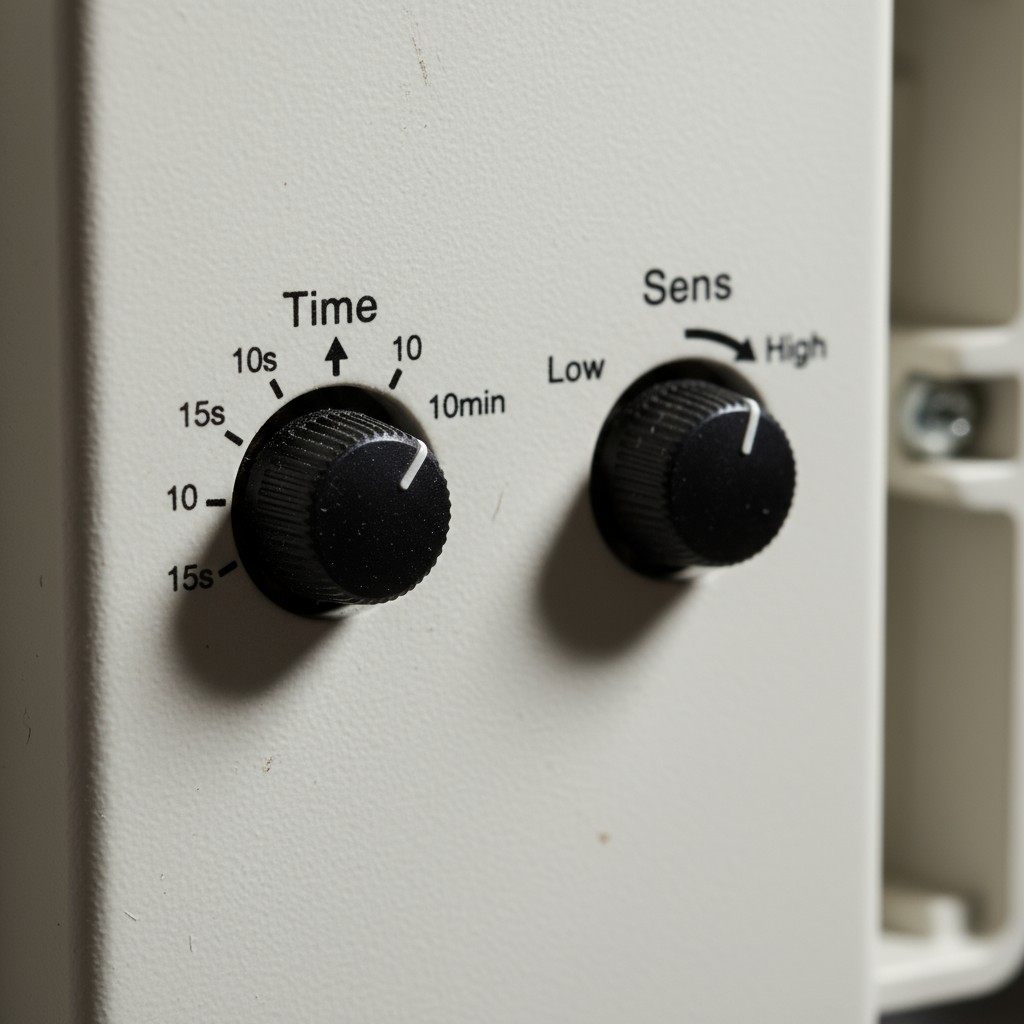
For a bathroom, a longer timeout of one to three minutes is ideal. This prevents the light from shutting off if you’re standing still at the sink or sitting. A timeout that’s too short will force you to wave your arms to turn the light back on, defeating the purpose of the automation.
Start with a moderate sensitivity setting. If the sensor fails to detect you, increase it. If it triggers falsely, reduce it. These settings are typically adjusted with small dials or DIP switches on the device itself. Test the sensor under normal conditions to ensure it activates reliably upon entry and deactivates a few minutes after you leave.
Inspírese con los portafolios de sensores de movimiento Rayzeek.
¿No encuentra lo que busca? No se preocupe. Siempre existen formas alternativas de resolver sus problemas. Quizá alguno de nuestros portafolios pueda ayudarle.
The One Rule to Follow: Don’t Combine Controls
The most critical mistake is wiring a motion sensor to control both the light and the fan. The sensor’s short timeout logic is fundamentally at odds with the fan’s long purge cycle requirement. It will always shut the fan off too soon, leaving the bathroom humid and prone to mold.
If you encounter unexpected behavior, here’s how to troubleshoot:
- Light turns off while you’re in the room? Your timeout is too short or the sensor isn’t positioned to see the whole space.
- Light and fan both shut off together? This is the classic sign that they’re wired incorrectly to the same sensor. The circuits must be separated.
- Fan doesn’t shut off? The timer itself is likely faulty.
When wired correctly, the system is seamless. The light turns on when you enter and off when you leave. The fan runs for its full cycle when you tell it to. Each device performs its task independently and predictably, giving you a smarter, more convenient bathroom without the headaches.